
Beyond Buttercream: Frosting Options for Your Layer Cake

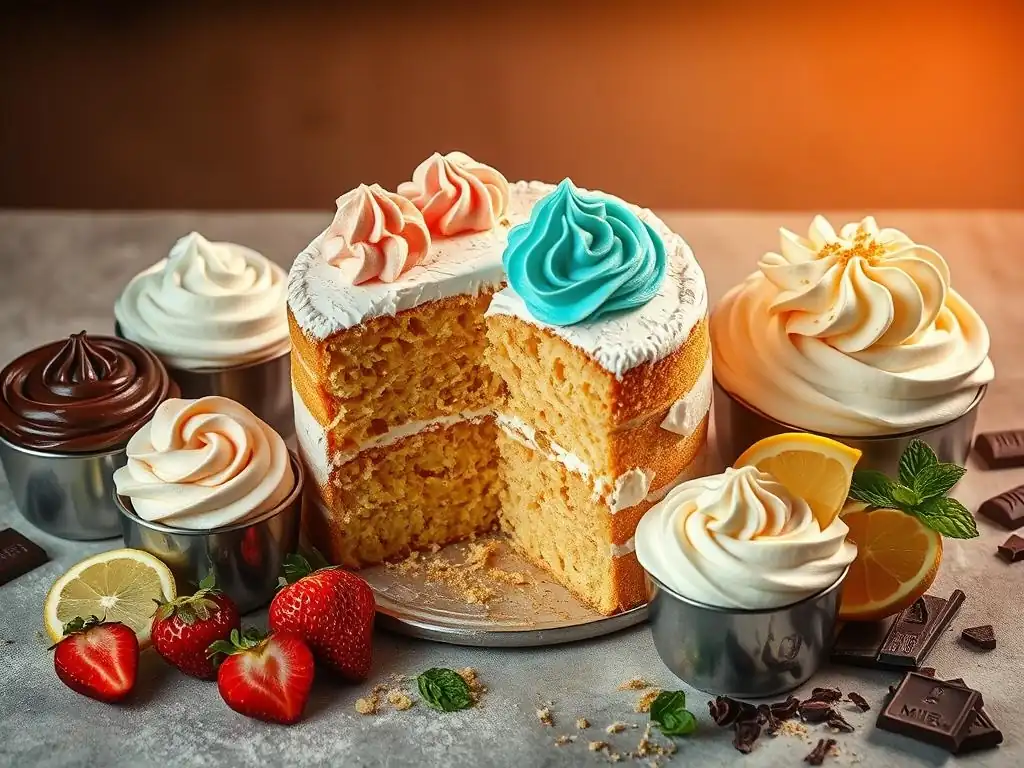
Welcome to BakeWithEase, your trusted companion in the delightful world of baking! Ever wondered how to elevate your layer cakes beyond the classic buttercream? Discover a world of flavor and texture with our guide to easy layer cake frosting recipes. From tangy citrus glazes to rich chocolate ganaches, we'll unlock the secrets to creating the perfect finishing touch. Intrigued? Keep reading to find the frosting that will transform your next baking masterpiece!
- Introduction: Elevating Your Layer Cake with Diverse Frosting Recipes
- Easy Layer Cake Frosting Recipes: Buttercream Alternatives
- Cream Cheese Frosting: A Tangy and Creamy Delight
- Swiss Meringue Buttercream: Silky Smooth Elegance
- Italian Meringue Buttercream: The Ultimate in Stability
- Chocolate Ganache: Rich and Decadent
- Whipped Cream Frosting: Light and Airy Perfection
- Simple Glazes: A Quick and Easy Finishing Touch
- Vegan Frosting Options: Plant-Based Delights
- Tips for Decorating Your Layer Cake with Different Frostings
- Matching Frosting to Cake Flavor: A Flavor Pairing Guide
- Conclusion: Expanding Your Layer Cake Frosting Repertoire.
-
Frequently Asked Questions
- What are some alternatives to traditional buttercream frosting for layer cakes?
- Are these alternative frostings as easy to make as buttercream?
- How do I choose the right frosting for my specific layer cake flavor?
- Can I use these frosting recipes for other baked goods besides layer cakes?
- Where can I find easy-to-follow recipes for these different frosting options?
- Final Reflection: Beyond the Basic Frosting: A Sweet Journey of Flavor and Creativity
- Unlock Your Cake's Full Potential: Frosting Adventures Await!
Introduction: Elevating Your Layer Cake with Diverse Frosting Recipes
Why Explore Beyond Buttercream for Layer Cakes?
While classic buttercream holds a special place in the world of cakes, venturing beyond this staple can unlock a universe of textures, flavors, and aesthetic possibilities for your layer cakes. Traditional American buttercream, made from butter and powdered sugar, can sometimes be overly sweet or have a grainy texture.
Exploring other options allows you to tailor the frosting perfectly to the cake's flavor profile and the occasion, offering everything from light and airy finishes to rich and decadent coatings. This journey introduces you to a variety of easy layer cake frosting recipes that can transform a simple cake into a showstopper.
Expanding your frosting repertoire isn't just about novelty; it's about achieving balance and sophistication in your baking. A tart cream cheese frosting can brilliantly cut through the sweetness of a red velvet cake, while a silky Swiss meringue buttercream provides a stable, less sweet canvas perfect for delicate flavors or intricate piping. Understanding these alternatives empowers you to choose the best companion for your cake layers, ensuring each bite is a harmonious blend of flavors and textures. It's about taking your layer cake from delicious to unforgettable.
The Importance of Choosing the Right Frosting for Your Cake
Selecting the appropriate frosting is as crucial as baking the cake layers themselves. The right frosting complements the cake's flavor, provides structural integrity, and contributes significantly to the overall visual appeal. Consider the cake's moisture level; a very moist cake might benefit from a firmer frosting, while a drier cake could be enhanced by a more hydrating option. Think about the occasion and serving conditions – a stable frosting like Italian meringue buttercream is ideal for outdoor events in warm weather, whereas a simple whipped cream might be better suited for a chilled dessert served indoors.
Furthermore, the density and texture of the frosting impact how easily it can be spread or piped. An easy layer cake frosting recipe should not only taste good but also be manageable for your desired decoration style. A very soft frosting might be perfect for a rustic crumb coat, but unsuitable for sharp edges or detailed piping work. Conversely, a very stiff frosting might be difficult to spread smoothly. Matching the frosting properties to your decorating goals and the cake's characteristics ensures a successful and beautiful final product.
Easy Layer Cake Frosting Recipes: Buttercream Alternatives
Mastering the Art of Frosting: A Baker's Guide
Mastering frosting is a fundamental skill in creating stunning layer cakes. It involves understanding basic techniques, ingredient interactions, and troubleshooting common issues. For many easy layer cake frosting recipes, the key lies in ingredient temperature and proper mixing. For instance, ensuring butter and cream cheese are at the correct room temperature (around 68-70°F or 20-21°C) is vital for a smooth, lump-free consistency in many recipes. Over-mixing can sometimes incorporate too much air or break down the emulsion, while under-mixing can leave streaks or unincorporated ingredients.
Patience is also a virtue when working with frostings. Some, like meringue-based buttercreams, require specific temperatures and whipping times to achieve the desired stability and texture. Others, like ganache, need adequate cooling time to thicken properly. Learning to identify the correct consistency for spreading or piping is crucial. This often comes with practice, but starting with reliable and easy layer cake frosting recipes, like the ones outlined here, provides a solid foundation for success.
Cream Cheese Frosting: A Tangy and Creamy Delight
Cream Cheese Frosting Recipe: Step-by-Step Guide
Cream cheese frosting is a beloved classic, offering a delightful tangy counterpoint to sweet cakes, especially carrot cake or red velvet. Its rich, creamy texture makes it easy to spread and pipe, though it's softer than traditional buttercream. A basic recipe often involves:
- Softened cream cheese: 8 ounces (about 225g)
- Softened unsalted butter: 1/2 cup (1 stick or about 115g)
- Powdered sugar: 3-4 cups (about 360-480g), sifted
- Vanilla extract: 1 teaspoon
- Pinch of salt (optional)
Instructions:
- Ensure cream cheese and butter are at room temperature.
- In a large bowl, beat cream cheese and butter together using an electric mixer on medium speed until smooth and combined, about 2-3 minutes. Scrape down the sides of the bowl.
- Gradually add sifted powdered sugar, one cup at a time, mixing on low speed until just combined after each addition. Do not overmix.
- Stir in vanilla extract and salt (if using).
- Increase speed to medium and beat for another 1-2 minutes until light and fluffy. Avoid whipping for too long, as this can make the frosting too soft.
This easy layer cake frosting recipe is relatively quick to make and requires minimal specialized equipment. The key is starting with properly softened ingredients to prevent lumps. If the frosting seems too stiff, you can add a tablespoon of milk or cream; if too soft, add a little more sifted powdered sugar. Chilling the finished frosting for 20-30 minutes can also help firm it up before use, particularly useful for decorating.
Tips for Achieving the Perfect Cream Cheese Frosting Consistency
Achieving the ideal consistency for cream cheese frosting is paramount for both spreading and piping. The temperature of your ingredients is the most critical factor. Cream cheese straight from the fridge is too hard and will result in a lumpy frosting, while overly soft, greasy butter will make the frosting too loose. Aim for ingredients that yield slightly to gentle pressure. Approximately 30-60 minutes out of the refrigerator is usually sufficient, depending on your room temperature (ideally around 70°F).
Another tip is to sift your powdered sugar. This removes any clumps and ensures a smoother final texture. When combining the ingredients, mix on low speed until the powdered sugar is just incorporated before increasing the speed. Over-beating the frosting, especially after adding the sugar, can incorporate too much air, which can cause it to break down or become too soft and difficult to work with, particularly in warmer conditions. If your frosting does become too soft, refrigerate it for 30-60 minutes; the fat will firm up, restoring a better consistency.
Flavor Variations: Adding a Twist to Your Cream Cheese Frosting
While classic vanilla cream cheese frosting is delicious, it serves as a fantastic base for numerous flavor variations. You can easily adapt this easy layer cake frosting recipe to complement different cake flavors. For a citrusy twist, add the zest of one lemon, orange, or lime, and perhaps 1-2 tablespoons of fresh juice. This pairs wonderfully with lemon or orange cakes.
Chocolate lovers can incorporate 1/2 cup of unsweetened cocoa powder (sifted) along with the powdered sugar for a rich chocolate cream cheese frosting, perfect for chocolate or even banana cake. For a hint of spice, add 1/2 teaspoon of ground cinnamon or pumpkin pie spice, especially good with carrot or spice cakes. You can also stir in fruit purées (ensure they are thick and not too watery) or extracts like almond or maple for unique flavor profiles. Just be mindful that adding liquids or purées can slightly alter the consistency, potentially requiring a little extra powdered sugar.
Swiss Meringue Buttercream: Silky Smooth Elegance
Understanding Swiss Meringue Buttercream: A Detailed Explanation
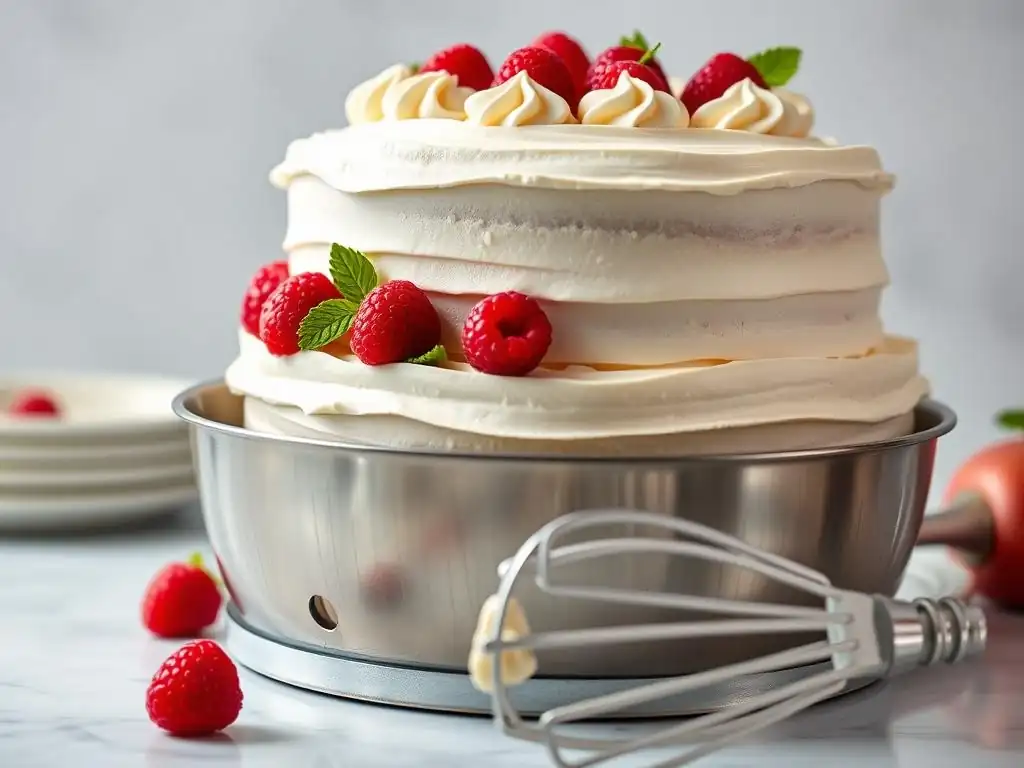
Swiss meringue buttercream (SMBC) is a sophisticated frosting known for its incredibly smooth, silky texture and less sweet profile compared to American buttercream. It starts with a base of egg whites and sugar, which are gently heated over a double boiler until the sugar is dissolved and the mixture reaches a specific temperature, typically 130-140°F (54-60°C). This heating step pasteurizes the egg whites and ensures the sugar fully dissolves, preventing a grainy texture.
Once heated, the egg white and sugar mixture is whipped into a stiff, glossy meringue. This process incorporates air and creates a stable foam. Finally, softened butter is gradually added to the meringue while mixing. The butter is emulsified into the meringue, creating a light, airy, and incredibly smooth buttercream. This type of frosting is very stable and holds shapes well, making it excellent for piping intricate designs and achieving sharp edges on layer cakes. While the process is slightly more involved than a simple powdered sugar frosting, the results are well worth the effort.
Swiss Meringue Buttercream Recipe: Achieving a Stable and Glossy Finish
Creating a perfect Swiss meringue buttercream involves precision, particularly with temperature. Here's a general outline for this elegant easy layer cake frosting recipe:
- Large egg whites: 4-5 (about 120-150g)
- Granulated sugar: 1 cup (about 200g)
- Unsalted butter, softened but still slightly cool: 1 ½ cups (3 sticks or about 340g), cut into cubes
- Vanilla extract: 1-2 teaspoons
- Pinch of salt
Instructions:
- Combine egg whites and granulated sugar in the heatproof bowl of a stand mixer.
- Place the bowl over a pot of simmering water (double boiler), ensuring the bottom of the bowl doesn't touch the water. Whisk constantly until the sugar is completely dissolved and the mixture reaches 130-140°F (54-60°C) on an instant-read thermometer. Rubbing a little mixture between your fingers should feel smooth, with no sugar granules.
- Carefully remove the bowl from the heat and attach it to the stand mixer fitted with the whisk attachment.
- Whip on high speed until the meringue is thick, glossy, and has cooled completely to room temperature (the bowl should not feel warm to the touch). This can take 10-15 minutes or more.
- Switch to the paddle attachment. With the mixer on low speed, add the softened butter cubes, one or two at a time, waiting until each addition is mostly incorporated before adding more.
- The mixture may look curdled or separated at this stage – this is normal! Keep mixing on medium speed. After several minutes (it can take 5-10 minutes), it will miraculously come together into a smooth, silky buttercream.
- Mix in vanilla extract and salt until just combined.
This process, while requiring a thermometer and a stand mixer for best results, yields a stable and less sweet frosting ideal for intricate decorating. The resulting buttercream is exceptionally smooth and holds its shape beautifully.
Troubleshooting Common Swiss Meringue Buttercream Issues
Working with Swiss meringue buttercream can sometimes present challenges, but most common issues are easily fixable.
- Curdled appearance: This is the most frequent concern when adding butter. The mixture looks broken, like cottage cheese. Don't panic! Continue beating on medium speed with the paddle attachment. As the butter emulsifies, it will magically transform into a smooth buttercream. This can take 5-10 minutes. Ensure your meringue was fully cooled before adding the butter. If it still looks curdled after extended beating, the temperature might be off. If too warm, chill the bowl for 10-15 minutes and beat again. If too cold, gently warm the bottom of the bowl over a low flame or hot water bath for a few seconds, then beat again.
- Too soft/runny: This usually means the butter was too soft or the meringue wasn't cooled enough. Refrigerate the entire bowl for 20-30 minutes, then beat again. The chilling helps the butter firm up, allowing it to emulsify correctly.
- Too stiff: If your buttercream is too hard, it might be too cold. Let it sit at room temperature for a bit, then beat it again. You can also gently warm a small portion in the microwave or over a double boiler for a few seconds, add it back to the main batch, and beat.
Understanding these fixes makes tackling this easy layer cake frosting recipe less intimidating and ensures a successful outcome.
Italian Meringue Buttercream: The Ultimate in Stability
Italian Meringue Buttercream: A Professional Baker's Secret
Italian meringue buttercream (IMBC) is often considered the most stable and silkiest of the meringue-based buttercreams, making it a favorite among professional bakers, especially for wedding cakes or tiered cakes that need to withstand handling and temperature fluctuations. Like SMBC, it uses egg whites and sugar, but the sugar is cooked to a specific high-temperature syrup (soft-ball stage, 238-245°F or 114-118°C) and then carefully streamed into whipping egg whites.
The hot sugar syrup cooks the egg whites as it's added, creating a very stable and glossy meringue. Once the meringue is whipped stiff and has cooled, softened butter is incorporated, similar to the Swiss method. The key difference lies in the method of cooking the sugar and egg whites, which yields an even more resilient and stable frosting. This makes it an excellent choice for intricate piping, covering large cakes, and providing a sturdy structure for stacked layers.
Italian Meringue Buttercream Recipe: A Step-by-Step Tutorial
Making Italian meringue buttercream requires confidence with handling hot sugar syrup, but the process itself is manageable. Here's a guide for this stable easy layer cake frosting recipe:
- Large egg whites: 4-5 (about 120-150g)
- Granulated sugar (for meringue): 1/4 cup (about 50g)
- Granulated sugar (for syrup): 1 cup (about 200g)
- Water: 1/4 cup (60ml)
- Unsalted butter, softened but still slightly cool: 1 ½ cups (3 sticks or about 340g), cut into cubes
- Vanilla extract: 1-2 teaspoons
- Pinch of salt
Instructions:
- Place egg whites in the bowl of a stand mixer fitted with the whisk attachment.
- Combine the 1 cup sugar and water in a small saucepan. Heat over medium-high heat, stirring occasionally, until the sugar dissolves. Stop stirring once it boils.
- Clip a candy thermometer to the side of the pan and cook the syrup without stirring until it reaches 238-245°F (114-118°C), the soft-ball stage.
- While the syrup is cooking, start whipping the egg whites on medium-high speed until soft peaks form. Gradually add the 1/4 cup sugar and continue whipping until stiff, glossy peaks form.
- Once the sugar syrup reaches the correct temperature, reduce mixer speed to low. Carefully and slowly stream the hot sugar syrup down the side of the bowl into the whipping meringue. Avoid hitting the whisk directly.
- Once all the syrup is added, increase speed to high and whip the meringue until it is completely cool to the touch (the bowl should be cool). This can take 15-20 minutes.
- Switch to the paddle attachment. With the mixer on low speed, add the softened butter cubes, one or two at a time, waiting until each addition is mostly incorporated before adding more.
- Continue beating on medium speed until the mixture is smooth, silky, and emulsified (this can take 5-10 minutes).
- Mix in vanilla extract and salt until just combined.
This process results in a very stable, smooth, and less sweet buttercream that is perfect for covering layer cakes and piping intricate details.
Tips for Working with Hot Sugar Syrup
Working with hot sugar syrup requires caution and attention to detail to ensure safety and success. Always use a reliable candy thermometer to accurately measure the syrup's temperature. The difference of just a few degrees can significantly impact the final texture of your meringue. Aiming for the soft-ball stage (238-245°F) is crucial for the stability of Italian meringue.
When streaming the hot syrup into the whipping egg whites, do so slowly and carefully down the side of the mixing bowl. Avoid pouring it directly onto the whisk attachment, as this can cause the syrup to spin onto the sides of the bowl and harden before it's incorporated into the meringue. Keep the mixer running at a moderate speed while adding the syrup to ensure it's quickly dispersed and incorporated, effectively cooking the egg whites as it goes in.
Be extremely careful not to touch the hot syrup, as it can cause severe burns. Having all your ingredients measured and ready before you start heating the sugar is essential for a smooth process.
Chocolate Ganache: Rich and Decadent
The Versatility of Chocolate Ganache: From Drizzle to Frosting
Chocolate ganache is a simple yet incredibly versatile creation made from just two primary ingredients: chocolate and cream. Its consistency can range from a pourable glaze or drizzle to a thick, pipeable frosting or even a firm truffle filling, simply by adjusting the ratio of chocolate to cream. For a pourable glaze, a ratio of 1 part chocolate to 1 part cream is common. For a thicker, fudgier frosting suitable for coating a layer cake, a ratio of 2 parts chocolate to 1 part cream is often used.
This easy layer cake frosting recipe is perfect for those who love intense chocolate flavor. It sets up firmly as it cools, providing a stable coating for cakes. Unlike buttercreams, which are fat-based emulsions, ganache is a chocolate emulsion, resulting in a different texture and mouthfeel – rich, smooth, and intensely chocolatey. It can be poured over a cake for a sleek finish or whipped once cooled for a lighter, yet still rich, frosting.
Chocolate Ganache Recipe: Mastering the Ratios
Mastering chocolate ganache is all about understanding the ratio of chocolate to cream, which dictates its final consistency. For a general-purpose frosting or filling for a layer cake, a common ratio is 2 parts chocolate to 1 part heavy cream by weight.
- High-quality chocolate (chopped or chips): 1 pound (about 450g)
- Heavy whipping cream: 1/2 pound or 1 cup (about 225g or 240ml)
Instructions:
- Finely chop the chocolate and place it in a heatproof bowl. Using high-quality chocolate is key for flavor and texture.
- Heat the heavy cream in a saucepan over medium heat just until it comes to a simmer. Do not boil vigorously.
- Pour the hot cream over the chopped chocolate. Let it sit undisturbed for 5-10 minutes to allow the heat from the cream to melt the chocolate.
- Gently whisk or stir the mixture starting from the center and working outwards until it is completely smooth and emulsified. Avoid vigorous whisking, which can incorporate air bubbles.
- For a pourable glaze, use immediately or cool slightly. For a spreadable frosting, let the ganache cool at room temperature, stirring occasionally, until it reaches a thick, spreadable consistency, similar to peanut butter. This can take several hours depending on room temperature. Do not refrigerate rapidly unless you plan to whip it.
This easy layer cake frosting recipe is remarkably simple to make and results in a decadent chocolate finish. If the ganache splits (looks oily), gently warm it slightly and whisk again until smooth.
Using Different Types of Chocolate for Ganache
The type of chocolate you use significantly impacts the flavor, sweetness, and consistency of your ganache. Different chocolates have varying amounts of cocoa solids and fat, which affect how they interact with the cream.
- Dark Chocolate: Typically contains 50-70% cocoa solids. It yields a rich, less sweet ganache. A 2:1 chocolate to cream ratio by weight is standard for frosting. If using very high percentage dark chocolate (70%+), you might need a slightly higher cream ratio (e.g., 1.75:1) as it's less sweet and contains less cocoa butter relative to total cocoa solids.
- Milk Chocolate: Contains milk solids and more sugar, resulting in a sweeter, creamier ganache. It also has less cocoa solids. A ratio of 2.5:1 or even 3:1 chocolate to cream might be needed for a spreadable frosting consistency, as milk chocolate is softer than dark chocolate.
- White Chocolate: Contains no cocoa solids, only cocoa butter, sugar, and milk solids. It's the sweetest and softest. A ratio of 3:1 or even 3.5:1 white chocolate to cream is often required to achieve a spreadable consistency for frosting.
Using high-quality chocolate chips or finely chopped bar chocolate is recommended. Chips often contain stabilizers that can sometimes make ganache slightly less smooth, but good quality ones work fine for an easy layer cake frosting recipe. Always adjust the ratio slightly based on the specific brand and type of chocolate you are using to achieve the desired consistency.
Whipped Cream Frosting: Light and Airy Perfection
Whipped Cream Frosting: A Delicate and Refreshing Option
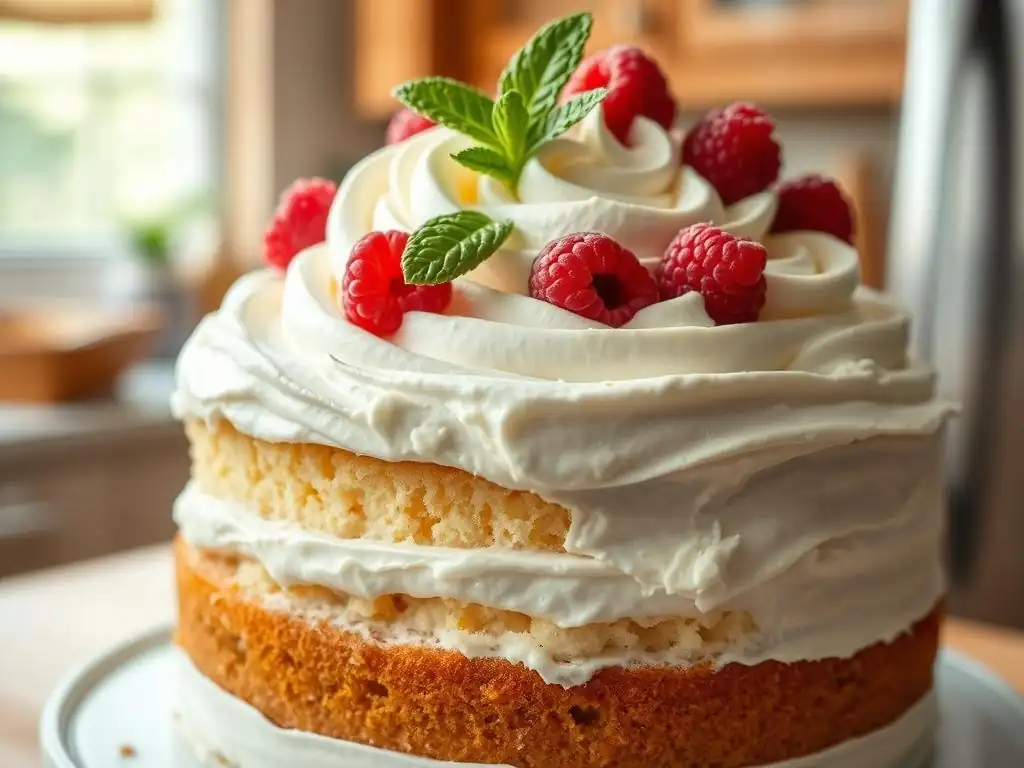
Whipped cream frosting offers a wonderfully light, airy, and refreshing alternative to heavier buttercreams. Made primarily from chilled heavy cream whipped until soft or stiff peaks form, it has a delicate texture and a pure, fresh dairy flavor that pairs beautifully with fruit-based cakes, sponges, or lighter chocolate cakes. It's significantly less sweet than most buttercreams, allowing the cake's flavor to shine through.
While simple to make, traditional whipped cream lacks stability and can weep or deflate over time, especially in warmer conditions. This makes it less ideal for intricate piping or cakes that need to sit out for extended periods. However, with the addition of a stabilizer, whipped cream can become a more reliable and easy layer cake frosting recipe suitable for simple spreading or piping. Its ethereal texture and clean taste make it a delightful choice for many desserts.
Stabilized Whipped Cream Recipe: Preventing Soggy Cakes
To make whipped cream a more suitable frosting for layer cakes, especially those that need to hold their shape or sit for a while, adding a stabilizer is key. Gelatin is a common and effective choice, providing structure without significantly altering the flavor.
- Cold heavy whipping cream: 2 cups (about 480ml)
- Powdered sugar: 1/2 cup (about 60g), or to taste
- Vanilla extract: 1 teaspoon
- Unflavored gelatin: 1 teaspoon
- Cold water: 2 tablespoons
Instructions:
- Pour the cold water into a small bowl and sprinkle the gelatin evenly over the top. Let it sit for 5 minutes to bloom.
- Gently heat the bloomed gelatin (microwave for 10-15 seconds or place the bowl over warm water) until it is completely dissolved and clear. Let it cool slightly, but do not let it set.
- In a large, chilled bowl, whip the cold heavy cream using an electric mixer (or whisk attachment on a stand mixer) on medium-high speed until soft peaks begin to form.
- Gradually add the powdered sugar and vanilla extract, continuing to whip.
- With the mixer on low speed, slowly stream the slightly cooled, dissolved gelatin into the whipping cream.
- Increase speed to high and whip until stiff peaks form. Be careful not to over-whip, which can turn it grainy.
This stabilized version of an easy layer cake frosting recipe provides much better structure and longevity than plain whipped cream, making it reliable for frosting and decorating layer cakes.
Flavoring Whipped Cream
Plain whipped cream is delicious, but it's also a fantastic base for adding various flavors. The key is to add flavorings that won't disrupt its delicate texture. Extracts are the easiest way to incorporate flavor; beyond vanilla, consider almond, peppermint, coconut, or even a few drops of citrus oil.
For a fruitier twist, you can fold in a small amount of thick, concentrated fruit purée or fruit curd after the cream is whipped and stabilized. Adding too much liquid will cause the cream to deflate. Another option is to infuse the cream before whipping by warming it gently with ingredients like coffee beans, tea leaves, or citrus zest, letting it steep, then chilling it thoroughly before whipping.
Cocoa powder can also be sifted in with the powdered sugar for a light chocolate whipped cream. Always add flavorings towards the end of the whipping process to avoid interfering with the cream's ability to whip properly.
Simple Glazes: A Quick and Easy Finishing Touch
When to Use a Glaze: Simplicity and Elegance
Glazes offer a quick, simple, and elegant finishing touch for layer cakes, especially when a heavy frosting isn't desired or time is short. Unlike thick frostings that coat the entire cake opaquely, glazes typically provide a thinner, often translucent or semi-opaque layer that drips down the sides. They are perfect for loaf cakes, bundt cakes, or simple layered sponges where the cake itself is the star and just needs a hint of sweetness and moisture on the exterior.
Glazes set up quickly and provide a smooth, often slightly shiny surface. They are ideal for adding a burst of flavor – like a tangy lemon glaze on a simple sponge or a rich chocolate glaze on a chocolate cake. While they don't offer the structural support or smooth finish required for stacking or intricate piping, they excel in providing an easy, beautiful, and less overwhelming alternative to traditional frostings. They are perhaps the simplest of all easy layer cake frosting recipes.
Basic Glaze Recipe: Achieving the Right Consistency
A basic glaze is incredibly easy to make, often requiring just two ingredients: powdered sugar and a liquid. The key to a good glaze is achieving the right consistency – thick enough to coat and drip beautifully, but not so thick it's clumpy or too thin it runs off completely.
- Powdered sugar: 1 cup (about 120g), sifted
- Liquid (milk, water, lemon juice, etc.): 1-3 tablespoons
Instructions:
- Place the sifted powdered sugar in a bowl.
- Add the liquid, starting with 1 tablespoon.
- Stir with a spoon or whisk until smooth.
- Add more liquid, a teaspoon at a time, stirring well after each addition, until the desired consistency is reached. For a thick glaze that coats well, you might use 1-2 tablespoons of liquid. For a thinner, more translucent glaze, you might use 2-3 tablespoons.
This incredibly easy layer cake frosting recipe is forgiving and fast. The consistency can be adjusted instantly by adding more sugar (if too thin) or more liquid (if too thick). Use it immediately after mixing, pouring or spooning it over a cooled cake.
Flavoring Glazes
Basic glazes are wonderfully adaptable to different flavors simply by changing the liquid used or adding extracts. Instead of milk or water, use:
- Citrus Juice: Lemon, lime, or orange juice adds a bright, tangy flavor perfect for fruit cakes or poppy seed cakes.
- Fruit Purée/Coulis: A thick, strained fruit sauce can add color and flavor (e.g., raspberry glaze). Use sparingly to maintain glaze consistency.
- Melted Butter: Adds richness and a slightly different texture.
- Coffee or Liqueur: Can add depth of flavor, great for chocolate or coffee cakes.
- Milk + Cocoa Powder: Combine milk with sifted cocoa powder for a simple chocolate glaze.
You can also stir in extracts like vanilla, almond, or rum. For a touch of spice, add a pinch of cinnamon or nutmeg to the powdered sugar. Always mix flavorings thoroughly to ensure even distribution before pouring the glaze over your cake.
Vegan Frosting Options: Plant-Based Delights
Exploring Vegan Frosting Recipes for Layer Cakes
Creating delicious and visually appealing layer cakes for those following a vegan diet is entirely possible, thanks to a growing number of reliable plant-based frosting options. These recipes substitute dairy butter and cream with plant-based alternatives, offering textures and flavors that can rival traditional frostings. Exploring vegan easy layer cake frosting recipes means discovering ingredients like vegan butter, vegetable shortening, plant-based milks, and coconut products.
The key is finding vegan substitutes that perform similarly to their dairy counterparts. High-quality vegan butter alternatives are essential for achieving a buttercream-like texture, while full-fat coconut milk or cream can provide the richness needed for ganache or whipped toppings. These options ensure that vegan layer cakes can be just as beautiful, stable, and delicious as their non-vegan counterparts, expanding the possibilities for all bakers.
Vegan Buttercream
Vegan buttercream is one of the most straightforward vegan easy layer cake frosting recipes, mimicking traditional American buttercream.
- Vegan butter, softened: 1 cup (2 sticks or about 225g)
- Vegetable shortening (optional, for stability): 1/2 cup (about 90g)
- Powdered sugar, sifted: 4-5 cups (about 480-600g)
- Plant-based milk (soy, almond, oat): 2-4 tablespoons
- Vanilla extract: 1-2 teaspoons
- Pinch of salt
Instructions:
- Ensure vegan butter (and shortening, if using) is at room temperature.
- In a large bowl, beat the vegan butter (and shortening) with an electric mixer until creamy and smooth, about 2-3 minutes.
- Gradually add the sifted powdered sugar, one cup at a time, mixing on low speed until just combined.
- Add the plant-based milk and vanilla extract (and salt), mixing until combined.
- Increase speed to medium-high and beat for 2-4 minutes until light and fluffy. Add more milk if needed to reach desired consistency.
The use of vegetable shortening helps provide structure and stability, especially important as vegan butters can vary in firmness. This versatile frosting can be colored and flavored just like dairy buttercream.
Coconut Cream Frosting: A Tropical Twist
Coconut cream frosting offers a naturally dairy-free, light, and creamy option with a subtle tropical flavor. It's made from the thick cream skimmed from the top of a can of full-fat coconut milk or dedicated coconut cream.
- Cans of full-fat coconut milk or cream: 2 (chilled overnight in the refrigerator)
- Powdered sugar, sifted: 1/2 cup (about 60g), or to taste
- Vanilla extract: 1 teaspoon
Instructions:
- Chill the cans of coconut milk/cream in the refrigerator overnight. This causes the thick cream to separate from the liquid.
- Carefully open the cans without shaking them. Scoop the thick, solidified coconut cream from the top into a chilled bowl. Reserve the liquid for another use.
- Using an electric mixer (preferably with a whisk attachment) or a stand mixer, whip the coconut cream on medium-high speed until light and fluffy, similar to whipped cream. This can take 3-5 minutes.
- Add the sifted powdered sugar and vanilla extract. Continue whipping until well combined and the frosting holds soft or medium peaks. Be careful not to over-whip, which can make it grainy.
This easy layer cake frosting recipe is best used immediately or kept chilled. It's less stable than buttercream but provides a lovely, light texture and flavor that pairs wonderfully with tropical or citrus cakes. Ensure you use full-fat coconut milk and chill it thoroughly for success.
Tips for Decorating Your Layer Cake with Different Frostings
Choosing the Right Piping Tips for Each Frosting Type
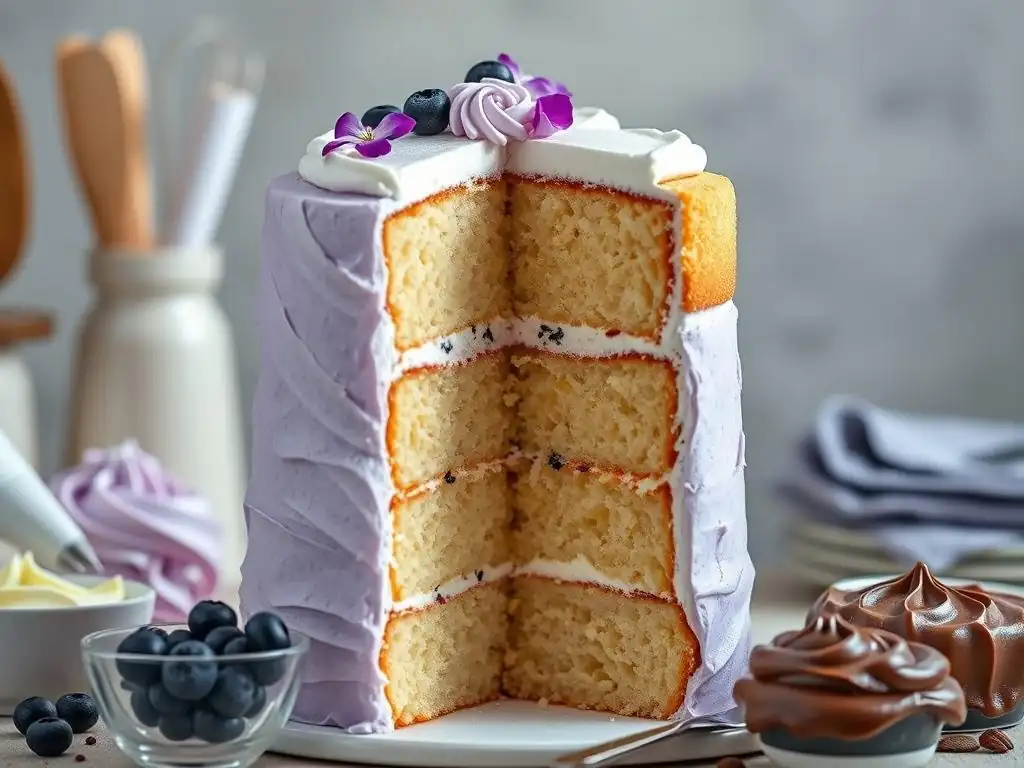
The type of frosting you choose significantly impacts which piping tips will work best for decoration. Stiffer frostings, like Italian or Swiss meringue buttercreams and stable vegan buttercreams, are excellent for intricate piping work. Tips like open stars (e.g., Wilton 1M, 4B), closed stars (e.g., 2D), and small round tips (e.g., #5, #10) will produce sharp, well-defined shapes like rosettes, shells, and dots. The stability allows the details to hold firmly.
Softer frostings, such as cream cheese frosting or unstabilized whipped cream, are less suitable for very fine details. They work well with larger, simpler tips like large round tips (e.g., #12, #2A) for smooth dollops or swirls, or large open star tips for rustic textures. Chocolate ganache, when cooled to a pipeable consistency, behaves similarly to stiff buttercream and can be used with various tips for defined patterns. Simple glazes, of course, are not piped but poured or drizzled. Matching the frosting's consistency to the tip size and desired detail is key for successful decoration.
Achieving Smooth Frosting: Techniques and Tools
Achieving a smooth finish on your layer cake requires the right technique and tools, regardless of which easy layer cake frosting recipe you choose. Start by applying a thin 'crumb coat' layer of frosting all over the cake. This traps any loose crumbs. Chill the cake for 20-30 minutes until the crumb coat is firm.
Once the crumb coat is set, apply the final, thicker layer of frosting. Use an offset spatula to apply and spread the frosting evenly. For a smooth finish on the sides, hold a bench scraper or smooth icing spatula vertically against the side of the cake while rotating the cake on a turntable.
For the top, hold the offset spatula flat against the surface and smooth from the outside edge towards the center, cleaning the spatula after each pass. For very smooth finishes with buttercream, you can sometimes lightly warm your spatula or use the "hot knife" method (briefly dipping the spatula in hot water and drying it) for a final polish, though this requires practice. Ensuring your frosting is the right consistency (not too stiff or too soft) is fundamental to achieving a smooth surface.
Adding Decorations
Once your layer cake is frosted, adding decorations can enhance its visual appeal. The type of frosting can influence the decorations you choose. Sturdy frostings like buttercream and ganache are ideal bases for heavier decorations like fondant cutouts, sugar flowers, or chocolate shards, as they provide support. They also hold piped details beautifully.
Softer frostings like cream cheese or whipped cream are better suited for lighter decorations. Fresh fruit, berries, edible flowers, chocolate shavings, or a simple sprinkle of nuts or sprinkles work well. These frostings can also be decorated with a drizzle of ganache or caramel sauce. Simple glazes are often finished with a sprinkle of nuts, seeds, or zest while still slightly wet, or left plain for a minimalist look. Consider the weight and type of decoration relative to the frosting's stability to ensure everything stays in place and looks its best.
Matching Frosting to Cake Flavor: A Flavor Pairing Guide
Complementary Flavors: Enhancing Your Cake's Taste
Pairing frosting flavors with cake flavors is an art that enhances the overall sensory experience of eating a layer cake. Complementary pairings create a harmonious blend where the flavors work together to build complexity. For example, a classic vanilla buttercream is a lovely complement to a vanilla bean cake, amplifying the pure vanilla notes. A rich chocolate ganache beautifully complements a deep chocolate cake, intensifying the cocoa flavor.
Fruity cakes often pair well with frostings that enhance their natural sweetness or tartness. Lemon cake is wonderfully complemented by a tangy cream cheese frosting or a sweet lemon glaze. Spice cakes, like gingerbread or carrot cake, find a perfect partner in cream cheese frosting, where the tang cuts through the richness and highlights the spices. Coconut cake is a natural fit for coconut cream frosting or a coconut-flavored buttercream, leaning into the tropical theme. Thinking about what flavors naturally go together in other culinary contexts can guide your cake and frosting pairings.
Contrasting Flavors: Creating Exciting Flavor Combinations
Sometimes, contrasting flavors can create a more dynamic and exciting taste experience. This involves pairing flavors that are distinctly different but still work well together, often balancing sweetness, acidity, or richness. A classic example is pairing a sweet chocolate cake with a slightly tart raspberry filling and a less sweet Swiss meringue buttercream. The tartness of the raspberry contrasts with the rich chocolate and the mild buttercream.
Another popular contrast is pairing a sweet vanilla or almond cake with a coffee-flavored frosting (like a mocha buttercream or coffee ganache). The slight bitterness and robust flavor of coffee provide an interesting counterpoint to the sweet, delicate cake. Similarly, a rich, dense chocolate cake can be paired with a light, airy peppermint whipped cream frosting for a refreshing contrast. Experimenting with small amounts of different flavor combinations can lead to delightful discoveries and elevate your easy layer cake frosting recipes to new heights.
Flavor Pairing Examples
Here are a few specific examples of successful flavor pairings using various easy layer cake frosting recipes:
- Red Velvet Cake: Cream Cheese Frosting (Classic tangy contrast) or Ermine Frosting (Boiled milk/flour frosting, less sweet than cream cheese, traditional)
- Carrot Cake: Cream Cheese Frosting (Tangy, spicy complement) or Brown Butter Swiss Meringue Buttercream (Nutty, rich complement)
- Lemon Cake: Lemon Cream Cheese Frosting (Intensifies citrus) or Raspberry Swiss Meringue Buttercream (Tart contrast) or Simple Lemon Glaze (Bright, simple finish)
- Chocolate Cake: Chocolate Ganache (Intense chocolate) or Raspberry Italian Meringue Buttercream (Fruity, stable contrast) or Mint Whipped Cream (Refreshing contrast)
- Vanilla Bean Cake: Vanilla Swiss Meringue Buttercream (Silky, pure vanilla) or Salted Caramel Italian Meringue Buttercream (Sweet and salty contrast)
- Coconut Cake: Coconut Cream Frosting (Tropical complement) or Lime Cream Cheese Frosting (Tropical, tangy contrast)
These examples demonstrate how different frosting types and flavors can be used to either complement or contrast with the cake, creating unique and delicious combinations for your layer cakes.
Conclusion: Expanding Your Layer Cake Frosting Repertoire.
Frequently Asked Questions
What are some alternatives to traditional buttercream frosting for layer cakes?
There are many! Consider options like cream cheese frosting, chocolate ganache, or a lighter whipped cream frosting for a different flavor profile.
Are these alternative frostings as easy to make as buttercream?
Some are, yes! Cream cheese frosting and simple glazes are often very quick and straightforward. Others, like Swiss meringue buttercream, require more technique.
How do I choose the right frosting for my specific layer cake flavor?
Think about complementary flavors. A citrus cake might pair well with a tangy cream cheese frosting, while a chocolate cake is classic with chocolate ganache.
Can I use these frosting recipes for other baked goods besides layer cakes?
Absolutely! Many of these frostings, like chocolate ganache or whipped cream, can be used on cupcakes, cookies, or even as fillings for pastries.
Where can I find easy-to-follow recipes for these different frosting options?
Websites like BakeWithEase.com often provide step-by-step guides and easy-to-find ingredient lists for various frosting recipes to help you master the art of baking.
Final Reflection: Beyond the Basic Frosting: A Sweet Journey of Flavor and Creativity
The quest for the perfect layer cake frosting is far from over, and the journey itself is as rewarding as the final, frosted masterpiece. This exploration into diverse frosting options, from classic buttercream to innovative alternatives, highlights the incredible versatility and potential for flavor experimentation available to even the most novice baker. The ease of many of these recipes makes achieving delicious results accessible to everyone, regardless of baking experience.
This article's exploration of various frosting techniques and recipes has underscored the profound impact that a simple layer of frosting can have on the overall cake experience. It's not just about sweetness; it's about texture, flavor profiles, and the overall aesthetic appeal. The right frosting can elevate a simple cake to a culinary masterpiece. As Julia Child wisely said, Find something you're passionate about and keep tremendously interested in it.
For me, that passion lies in the endless possibilities of cake frosting, and I hope this article has ignited a similar spark in you.
Now, I invite you to step beyond the familiar and embrace the adventure of frosting exploration. Don't be afraid to experiment with different flavors, textures, and techniques. Try a tangy cream cheese frosting, a rich chocolate ganache, or even a vibrant fruit curd. The possibilities are as limitless as your imagination. The next time you bake a layer cake, remember the joy of discovery and the power of a perfectly chosen frosting to transform a simple dessert into an unforgettable experience. Happy baking!
Unlock Your Cake's Full Potential: Frosting Adventures Await!
Thanks for diving into the world of frosting with us! We hope you discovered some delicious new ideas to elevate your baking. Ready to take your cake creations to the next level?
- Embrace a new frosting technique: Try piping a whimsical design with your favorite frosting – the possibilities are endless!
- Experiment with flavor pairings: Think outside the box and combine unexpected flavors for a truly unique cake. What surprising combination will you create?
- Share your frosting masterpiece: Show us your cake creations on social media using #BakeWithEaseFrosting – we can’t wait to see what you bake!
So, which adventurous frosting flavor are you going to try first?