
Easy Freezing Fruit Pie Guide: Bake Now, Enjoy Later

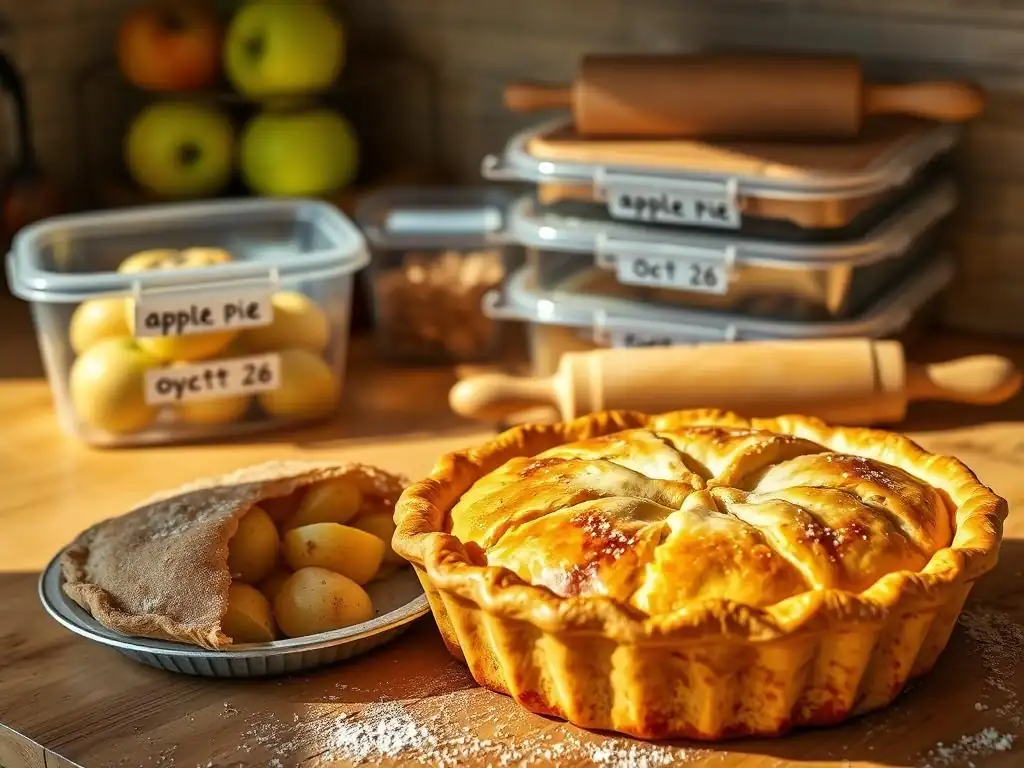
Welcome to BakeWithEase, where baking dreams become delicious realities! Ever wished you could savor that perfect summer fruit pie all year round? Our Easy Freezing Fruit Pie Guide unlocks the secrets to making that a reality. Discover how to perfectly preserve your favorite fruit pies, ensuring a burst of flavor whenever the craving strikes. Intrigued? Keep reading to learn the simple steps to bake now and enjoy later!
- Freezing Fruit Pies: A Comprehensive Guide
- Introduction to Freezing Fruit Pies
- Selecting Fruit Pie Recipes for Freezing
- Step-by-Step Freezing Instructions
- Baked vs. Unbaked Pies: A Comparison
- Thawing and Baking Frozen Pies
- Expert Freezing Tips
- Troubleshooting Common Problems
- Serving and Enjoying Your Pie
- Conclusion: Enjoying Fruit Pie Year-Round
- Frequently Asked Questions
- Final Reflection: The Enduring Sweetness of Frozen Pie
- Unlock Your Frozen Fruit Pie Potential!
Freezing Fruit Pies: A Comprehensive Guide
Introduction to Freezing Fruit Pies
Why Freeze Fruit Pies? Convenience and Planning
Freezing fruit pies is a fantastic way to enjoy delicious homemade dessert without the last-minute rush. Imagine having a ready-to-bake pie waiting in your freezer, perfect for unexpected guests, holiday meals, or simply satisfying a sudden craving. This practice saves significant time and effort on busy days, allowing you to prepare ahead when you have fresh seasonal fruit or a free afternoon.
Beyond just convenience, freezing enables smart planning. You can take advantage of fruit sales or peak seasonality, baking multiple pies when ingredients are at their best and most affordable. Having a few frozen "freezing fruit pie recipes" ready means you're always prepared for entertaining or can easily contribute a homemade dish to a potluck, showcasing your baking skills with minimal stress on the day itself.
A Guide to Successfully Freezing Fruit Pies
Successfully freezing fruit pies requires understanding a few key techniques to preserve their quality, texture, and flavor. This guide will walk you through the process, from selecting the right recipes and preparing your pies for the freezer to the crucial steps of thawing and baking them to perfection.
Following specific methods for wrapping and storage is vital to prevent common issues like freezer burn and soggy crusts. Whether you choose to freeze your pies baked or unbaked, mastering these techniques ensures that the delicious result you pull from the oven later is just as satisfying as a freshly made pie.
Selecting Fruit Pie Recipes for Freezing
Suitable Fruit Pie Fillings: Apples, Berries, and Stone Fruits
Not all fruit fillings freeze equally well, but many popular choices are excellent candidates for freezing fruit pie recipes. Apples are consistently among the best, as their structure holds up well to freezing and thawing, resulting in a firm, flavorful filling after baking. Combinations like apple-cinnamon or apple-cranberry also perform beautifully.
Berries, such as blueberries, raspberries, and mixed berries, can be frozen successfully, though they tend to release more juice upon thawing. Using adequate thickeners is crucial with berry pies. Stone fruits like peaches, cherries, and plums can also work, often benefiting from being slightly pre-cooked or using a robust thickener to manage moisture levels before freezing.
Recommended Recipes: Classic Apple Pie
A classic apple pie is perhaps the most forgiving and reliable "freezing fruit pie recipes" to start with. Its sturdy filling based on sliced apples holds its shape well through the freezing and baking process. Look for recipes that use a combination of apple varieties for best flavor and texture.
Many standard apple pie recipes are inherently suitable for freezing. The key is ensuring the filling has enough structure and that the crust is prepared properly. A good double-crust apple pie provides an excellent base for practicing freezing techniques before moving on to more delicate fruit fillings.
Step-by-Step Freezing Instructions
Pie Preparation: Cooling and Initial Freeze
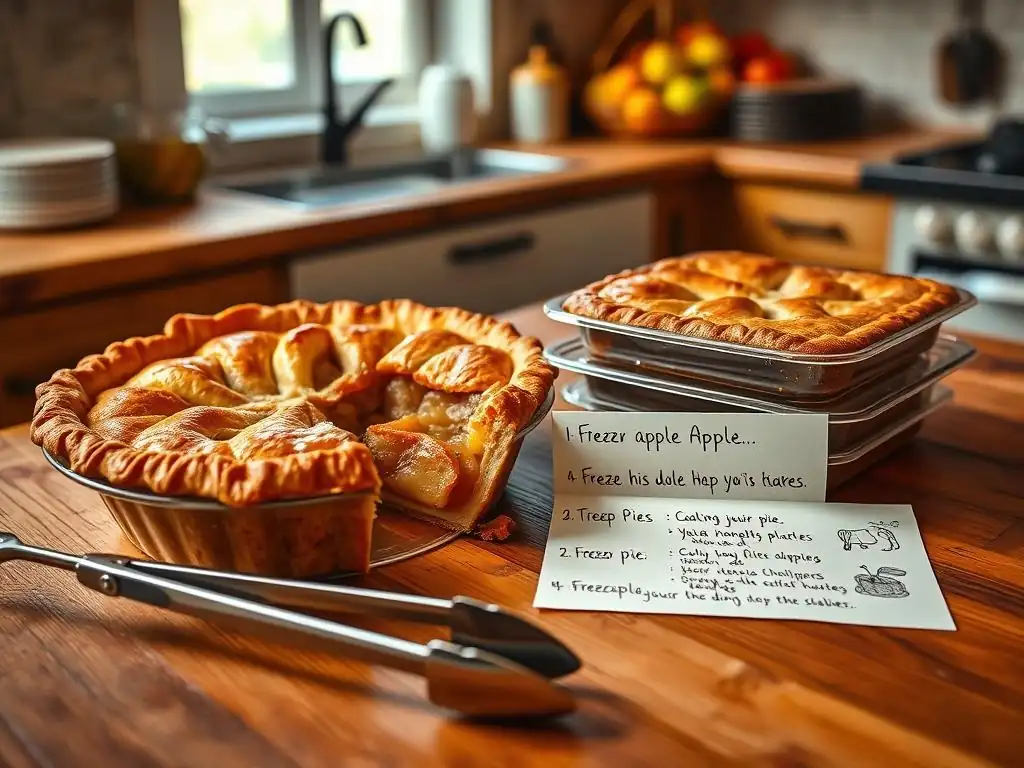
Proper preparation is the first critical step in successfully freezing fruit pies. For baked pies, allow the pie to cool completely on a wire rack at room temperature. Attempting to freeze a warm or even slightly warm pie will create condensation, leading to ice crystals and a soggy crust. This cooling process can take several hours.
Once cooled (or if freezing unbaked), place the pie, uncovered, directly into the freezer. This initial freeze, often called flash freezing, takes about 2 to 4 hours, depending on your freezer's power. The goal is to firm up the pie so it's solid enough to handle without damaging the crust or filling during the wrapping process.
Wrapping Techniques: Plastic Wrap and Foil
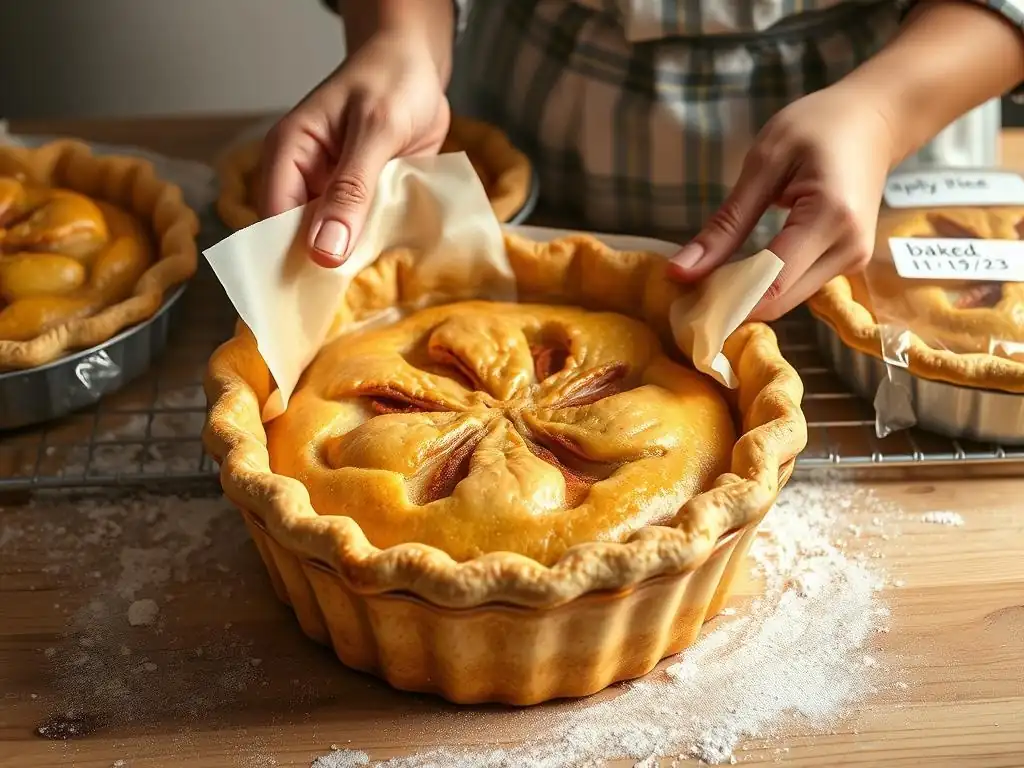
Airtight wrapping is paramount to protect your pie from freezer burn and off-flavors. Once the pie is solid from the initial freeze, wrap it tightly with a layer of plastic wrap. Ensure the plastic wrap clings directly to the surface of the pie and the edges of the crust, pressing out as much air as possible.
Follow the plastic wrap layer with a layer of heavy-duty aluminum foil. The foil provides an extra barrier against air and light penetration. Crimp the foil securely around the entire pie, ensuring there are no gaps. This double-layer method is a highly effective way to preserve quality when using "freezing fruit pie recipes".
Container Options: Pie Dishes and Freezer-Safe Containers
You can freeze a pie directly in the pie dish it was baked in, provided the dish is freezer-safe. Most standard glass (like Pyrex or Anchor Hocking) or metal pie dishes are suitable. Avoid freezing in ceramic dishes that are not specifically rated for freezer-to-oven use, as they may be prone to cracking with extreme temperature changes.
If you need your pie dish back, or if you're freezing multiple pies and want to stack them efficiently, consider using disposable aluminum foil pie pans for unbaked pies. For baked pies, once flash-frozen and wrapped, you can sometimes carefully remove the pie from its original dish and place the wrapped pie into a sturdy, freezer-safe container for added protection.
Baked vs. Unbaked Pies: A Comparison
Freezing Unbaked Pies: Complete Process
Freezing fruit pies unbaked is a preferred method for many bakers as it often yields a flakier crust upon baking. To do this, assemble the pie completely, including adding the top crust and cutting vents. Place the assembled, but unbaked, pie directly into the freezer on a baking sheet for flash freezing until solid.
Once solid (typically 3-4 hours), wrap the unbaked pie tightly using the double-layer method described previously (plastic wrap followed by foil). Label clearly with the type of pie and the date. Store in the freezer for up to 3-4 months. When ready to bake, do not thaw completely; bake directly from frozen or after a short rest.
Freezing Baked Pies: Maintaining Crust Integrity
Freezing baked fruit pies offers the convenience of a fully cooked dessert ready to thaw and serve or quickly reheat. The key here is ensuring the pie is completely cool before freezing to prevent condensation. Bake the pie as usual, then let it cool on a wire rack for several hours until it reaches room temperature throughout.
After cooling, flash freeze the baked pie until firm, then wrap it meticulously with plastic wrap and foil. While freezing baked pies is easy, the crust texture might not be quite as flaky as baking from frozen. However, it's still a great option for many "freezing fruit pie recipes" when time is of the essence later on.
Thawing and Baking Frozen Pies
Safe Thawing Methods: Refrigerator and Room Temperature
Thawing methods depend on whether the pie was frozen baked or unbaked. For baked fruit pies, the safest and recommended method is thawing in the refrigerator. This slow thawing process minimizes condensation and takes approximately 12 to 24 hours for a standard-sized pie. Once thawed, the pie can be served chilled or reheated.
For unbaked fruit pies, complete thawing is generally not recommended before baking, as it can result in a very soggy bottom crust. Most "freezing fruit pie recipes" for unbaked pies instruct you to bake the pie directly from its frozen state or after letting it sit at room temperature for just 15-30 minutes while the oven preheats.
Baking Frozen Pies: Achieving a Golden-Brown Crust
Baking a frozen fruit pie requires a different approach than baking a fresh one. For both baked (reheating) and unbaked pies, start with a lower oven temperature, typically around 375°F (190°C), for the initial part of the baking time. This allows the center of the pie (filling) to heat up and cook thoroughly without the crust burning.
After 30-60 minutes (depending on the pie size and whether it was baked/unbaked), increase the oven temperature to 400-425°F (200-220°C) to help brown the crust and finish cooking the filling. Using a pie shield or strips of foil around the edges of the crust early in the bake time is highly recommended to prevent them from over-browning.
Adjusting Bake Time: Preventing a Soggy Crust
The total baking time for a frozen pie will be significantly longer than for a fresh pie – often 1.5 to 2 times the original recipe's baking time. For unbaked pies, the filling must reach a vigorous bubble in the center, indicating it has thickened properly. This is crucial for preventing a soggy bottom crust.
Monitor the pie closely, especially during the second half of baking. If the top crust is browning too quickly, you can loosely tent the entire pie with foil. The pie is done when the crust is golden brown and the filling is bubbling thickly throughout, not just around the edges. Many "freezing fruit pie recipes" will give adjusted times, but visual cues are key.
Expert Freezing Tips
Preventing Ice Crystals: Proper Wrapping
The primary culprit behind ice crystals and freezer burn is air exposure. To combat this, the importance of proper, airtight wrapping cannot be overstated. Using a layer of plastic wrap pressed directly against the pie's surface, followed by a tight layer of heavy-duty aluminum foil, creates a robust barrier.
Ensure the plastic wrap is smooth and free of air pockets before adding the foil. The foil should be crimped tightly around the entire pie or dish. This double-layer method minimizes the amount of air trapped with the pie, significantly reducing the formation of ice crystals and preserving the pie's texture and flavor during long-term storage.
Labeling and Dating: Ensuring Quality
A simple yet crucial step when freezing fruit pies is proper labeling. Use a permanent marker to clearly write the type of pie (e.g., Apple, Berry Mix), whether it was frozen baked or unbaked, and the date it was placed in the freezer. This prevents guesswork later on and helps you rotate your frozen goods.
Knowing the date ensures you consume the pie within the recommended timeframe for best quality. While fruit pies are generally safe in the freezer for longer, their texture and flavor are best within 3 to 4 months. Proper labeling makes it easy to grab the specific pie you want and use it while it's still at its peak, especially if you're experimenting with several "freezing fruit pie recipes".
Long-Term Storage: Maintaining Pie Freshness
For optimal long-term storage, aim to keep frozen fruit pies in a consistently cold part of your freezer, ideally not in the door where temperatures fluctuate more. While fruit pies can remain edible for up to 6 months or even longer if kept continuously frozen, their quality, particularly the crust's texture and the fruit's brightness, is best maintained within the first 3 to 4 months.
Ensure the wrapped pie is placed in a location where it won't be crushed by other items. If freezing unbaked pies in disposable foil pans, stacking them carefully or placing them in a larger container can help protect their shape. Following these simple storage tips helps ensure your efforts in preparing and freezing fruit pie recipes pay off with delicious results months down the line.
Troubleshooting Common Problems
Soggy Crust Solutions: Blind Baking
One of the most common frustrations when dealing with "freezing fruit pie recipes" is a soggy bottom crust, especially with juicy fruit fillings or when freezing unbaked. A highly effective solution is blind baking the bottom crust partially before adding the filling and top crust. This involves lining the raw bottom crust with parchment paper, filling it with pie weights or dried beans, and baking it until partially set (e.g., 15-20 minutes at 375°F or 190°C).
After partial blind baking, remove the weights and parchment and cool the crust before adding the prepared fruit filling and top crust. Then, proceed with freezing the assembled pie unbaked. This pre-baking step creates a barrier that helps protect the bottom crust from becoming saturated with moisture from the fruit during freezing and baking.
Freezer Burn Prevention: Airtight Wrapping
Freezer burn manifests as dry, discolored spots on the surface of the food and is a direct result of dehydration caused by exposure to cold, dry air in the freezer. For fruit pies, this often affects the crust edges or the very top layer of filling if not properly sealed. The definitive solution is the rigorous, airtight wrapping technique using multiple layers.
Ensure the initial layer of plastic wrap is pressed firmly against the pie's surface, displacing as much air as possible. The subsequent layer of heavy-duty aluminum foil acts as a second defense. Inspect your wrapping before freezing; any exposed areas are vulnerable. Proper wrapping is your best defense against freezer burn when storing any "freezing fruit pie recipes".
Filling Consistency: Adjusting Thickening Agents
Freezing and subsequent thawing/baking can sometimes impact the consistency of fruit pie fillings, occasionally making them runnier than desired. The choice and amount of thickening agent are crucial. Cornstarch is a common thickener, but some bakers find it can break down slightly during the freeze-thaw-bake cycle.
Alternative thickeners like tapioca starch (often labeled instant tapioca) or even flour can sometimes hold up better through the freezing process. Ensure you are using the amount of thickener specified in your chosen "freezing fruit pie recipes", and for particularly juicy fruits (like berries or peaches), you might consider slightly increasing the amount of thickener or pre-cooking the fruit briefly to reduce excess liquid before filling the pie shell.
Serving and Enjoying Your Pie
Complementary Pairings: Ice Cream and Whipped Cream
Once your delicious frozen fruit pie has been successfully baked and is cooling (or reheated), it's time to enjoy it! A timeless and universally loved pairing for warm fruit pie is a generous scoop of vanilla ice cream. The contrast between the warm, sweet filling and the cold, creamy ice cream is simply delightful.
Another classic accompaniment is a dollop of freshly whipped cream. For an extra touch, you can lightly sweeten the cream and perhaps add a hint of vanilla extract or a pinch of cinnamon. These simple additions elevate your homemade fruit pie experience, making it feel like a special treat.
Reheating Leftovers: Maintaining Flavor and Texture
Should you have any glorious leftovers from your frozen and baked fruit pie, reheating them properly ensures they taste almost as good as the first slice. The best method for reheating a slice of fruit pie is in a conventional oven or a toaster oven. Preheat the oven to a moderate temperature, around 300-325°F (150-160°C).
Place the slice directly on a baking sheet or in a small oven-safe dish. Heat for about 15 to 25 minutes, or until warmed through and the crust has crisped up again. While microwave reheating is quick, it tends to make the crust soggy. If using a microwave, heat only in short intervals.
Conclusion: Enjoying Fruit Pie Year-Round
Summary of Best Practices
Mastering the art of freezing fruit pies opens up a world of convenience and allows you to enjoy delicious homemade dessert any time the craving strikes. The key best practices include selecting suitable "freezing fruit pie recipes" with fillings that freeze well, ensuring pies are properly cooled before freezing, and using meticulous, airtight wrapping techniques (plastic wrap followed by foil) to prevent freezer burn.
Furthermore, understanding the distinct processes for freezing baked versus unbaked pies and following the correct thawing and baking instructions are crucial for achieving optimal results. Proper labeling and storage within the recommended timeframe of 3-4 months also contribute significantly to maintaining quality.
Encouragement to Freeze Your Pies
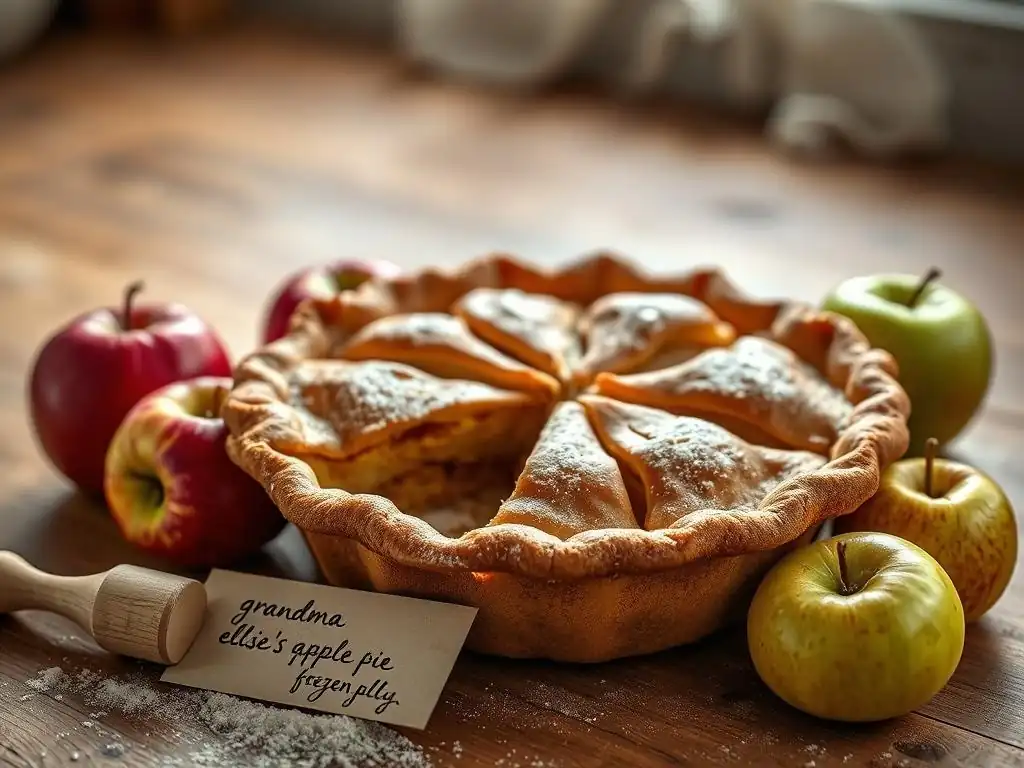
Don't let the thought of freezing intimidate you! With the techniques outlined in this guide, you can confidently prepare and freeze your favorite "freezing fruit pie recipes". It's a rewarding way to preserve the bounty of seasonal fruits, plan ahead for special occasions, or simply ensure you're never far from a comforting slice of homemade pie.
Give it a try with a classic like apple pie, and discover the joy of having delicious, ready-to-bake fruit pies waiting patiently in your freezer. Enjoy the convenience, flexibility, and the ability to savor the taste of summer or fall fruit pie year-round.
Frequently Asked Questions
How long can I freeze a baked fruit pie?
A baked fruit pie can typically be frozen for 2-4 months without significant loss of quality. Proper wrapping is crucial to prevent freezer burn.
Can I freeze an unbaked fruit pie instead?
Yes, freezing an unbaked pie is often preferred for better texture after baking. Make sure the ingredients are all cold before assembling and wrap the pie tightly.
What's the best way to wrap a fruit pie for freezing?
Double wrapping is key! First, wrap the pie tightly in plastic wrap, then wrap it again in heavy-duty aluminum foil or place it in a freezer bag.
Will freezing affect the taste or texture of my fruit pie?
There may be slight changes. The fruit may become slightly softer after thawing and baking, but the overall taste should remain largely unchanged.
Do I need to thaw a frozen fruit pie before baking?
For unbaked pies, you can usually bake them directly from frozen, adding 15-20 minutes to the baking time. Baked pies should be thawed in the refrigerator before reheating.
Final Reflection: The Enduring Sweetness of Frozen Pie
The art of freezing fruit pies isn't just about convenience; it's about preserving the fleeting joy of summer's bounty for a taste of sunshine on a winter's day. This guide has explored the simple techniques that allow you to bake ahead and enjoy delicious, homemade fruit pies whenever the craving strikes, regardless of the season. The ability to freeze your creations successfully unlocks a world of culinary freedom, allowing you to indulge in your favorite desserts without the pressure of last-minute baking.
The impact of readily available, delicious homemade treats extends far beyond individual satisfaction. It fosters a sense of connection to the seasons, a deeper appreciation for fresh ingredients, and a renewed sense of pride in creating something beautiful and delicious from scratch. The best things in life are homemade.
This simple sentiment perfectly captures the essence of this guide and the enduring appeal of baking and sharing homemade pies. The ability to freeze these creations allows us to extend that joy and share it with loved ones across time, not just across the table.
Now, consider your own baking journey. What fruit pies have brought you joy? What memories are intertwined with the aroma of baking fruit and the warmth of sharing a slice with friends and family? This guide provides the tools; now it's your turn to experiment, to create your own signature frozen fruit pie, and to share the sweetness with those you cherish. Embrace the freedom of baking ahead, and let the enduring sweetness of your frozen pies bring joy to your table, season after season.
Unlock Your Frozen Fruit Pie Potential!
Thanks for joining us on this delicious journey into the world of frozen fruit pies! We hope you've gained the confidence to bake ahead and enjoy perfectly delicious pies anytime. Ready to take the next step?
- Whip up your first freezer-friendly fruit pie: Use the recipe and tips from this article as your guide. Remember, practice makes perfect!
- Share your baking triumph: Post a picture of your frozen masterpiece on social media and tag us—we'd love to see it! Use #BakeWithEaseFrozenPies.
- Explore other seasonal fruit pie recipes on our site – we have a whole library waiting for you!
What's your favorite fruit to bake into a delicious, freezer-ready pie? Let us know in the comments!