
Mastering Christmas Spice: Tips for Flavorful Baking

Welcome to BakeWithEase!
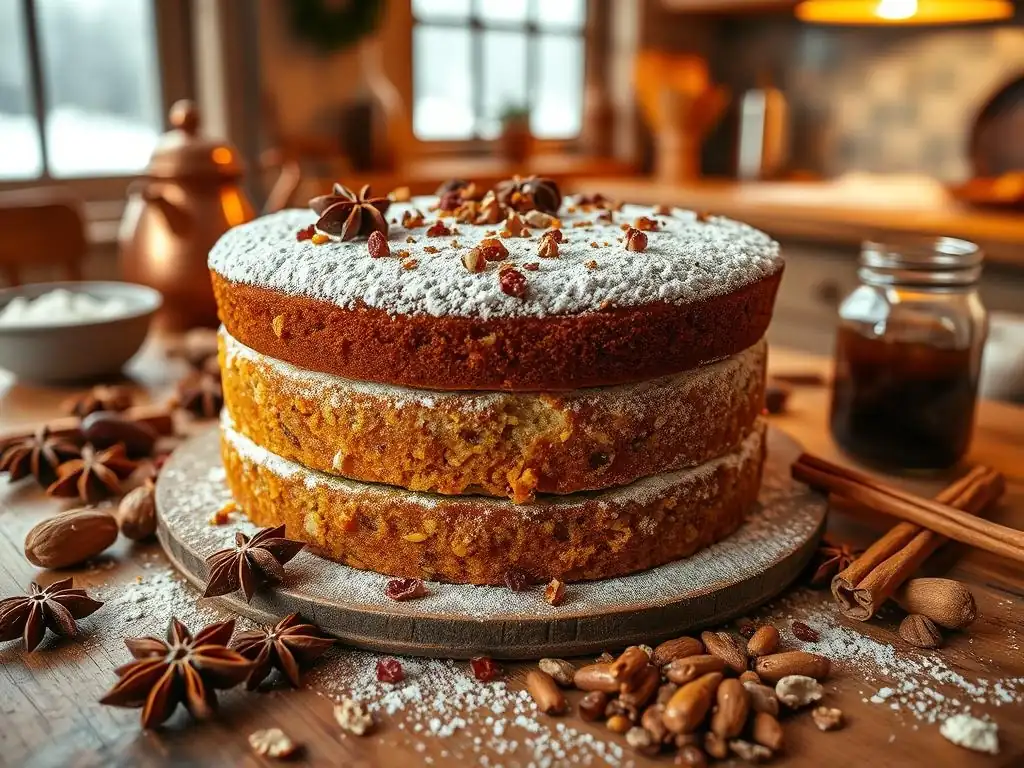
Ready to fill your kitchen with the warm, inviting aroma of the holidays? This season, elevate your baking with the quintessential Christmas spice cake. But what's the secret to achieving that perfect balance of festive flavors? Dive in as we unlock the secrets to a truly unforgettable Christmas spice cake recipe, offering tips and tricks to ensure your creation is a holiday masterpiece. Prepare to embark on a journey of flavor and discover how to make this Christmas the most delicious one yet!
- A Baker's Guide to Christmas Spice Cake Recipes
- Understanding Christmas Spices for Baking
- Creating the Perfect Christmas Spice Blend
- Enhancing Your Christmas Spice Cake Flavor
- Baking Techniques for the Best Christmas Spice Cake
- Delicious Christmas Spice Cake Recipe Variations
- Troubleshooting Your Christmas Spice Cake
- Decorating Your Christmas Spice Cake
- Beyond Cake: Christmas Spice in Other Baked Goods
-
Frequently Asked Questions
- What makes a Christmas spice cake recipe distinct from other spice cakes?
- What are some common mistakes to avoid when baking a Christmas spice cake?
- Can I substitute ingredients in a Christmas spice cake recipe, and if so, what are some good alternatives?
- How can I ensure my Christmas spice cake stays moist after baking?
- What are some ways to decorate a Christmas spice cake to make it festive?
- Final Reflection: The Enduring Magic of Christmas Spice
- Unleash Your Inner Pastry Chef: Festive Baking Awaits!
A Baker's Guide to Christmas Spice Cake Recipes
The holiday season brings a special warmth, and for many, that warmth is synonymous with the aroma of baking spices filling the home. At the heart of this festive tradition is often the beloved Christmas spice cake recipe. More than just a dessert, a perfectly baked Christmas spice cake is a celebration of flavor, combining fragrant spices like cinnamon, ginger, cloves, and nutmeg into a moist, tender crumb. Whether you're a seasoned baker or just starting, understanding how to harness the power of these spices is key to creating a truly memorable holiday treat.
This guide will walk you through everything you need to know, from selecting the best spices to mastering baking techniques specifically tailored for spice cakes. We'll explore how different spices contribute to the overall profile, discuss crafting your own custom blends, and delve into techniques that ensure your Christmas spice cake is moist, flavorful, and visually stunning. Get ready to transform simple ingredients into a holiday masterpiece that will delight your family and friends.
Understanding Christmas Spices for Baking
The Essential Spices for Christmas Baking
The foundation of most traditional Christmas baking lies in a core set of spices, each contributing a unique note to the overall symphony of flavor. Cinnamon, perhaps the most ubiquitous, offers warmth and sweetness. Look for Ceylon cinnamon for a milder, sweeter profile or Cassia for a stronger, spicier kick, often used in North American baking. Ginger provides a pungent heat that pairs wonderfully with sweetness, especially in gingerbread-style Christmas spice cake recipes. Ground ginger is standard, but a touch of fresh grated ginger can add an extra zing.
Cloves are intensely aromatic and provide a deep, slightly bitter warmth. A little goes a long way, typically measured in fractions of a teaspoon for a standard cake recipe serving 8-10 people. Nutmeg adds a warm, slightly nutty sweetness; freshly grated nutmeg offers a brighter, more potent flavor than pre-ground. Allspice, despite its name, is a single berry (from the Pimenta dioica tree) that tastes like a blend of cinnamon, cloves, and nutmeg, often used to round out a spice mix. These five spices form the backbone of countless Christmas spice cake recipes and other holiday baked goods.
Exploring Regional and Heritage Christmas Spices
Beyond the core spices, many regional and heritage Christmas spice cake recipes incorporate unique additions that reflect local traditions and available ingredients. Cardamom, with its intense, slightly floral, citrusy notes, is a staple in Scandinavian and Indian holiday baking and adds a sophisticated twist to a basic Christmas spice cake. Star anise, visually stunning and providing a distinct licorice-like flavor, is popular in some European and Asian holiday treats and can be used sparingly in a spice blend or as an infusion.
Other spices like mace (the outer covering of the nutmeg seed, offering a similar but subtler flavor), white pepper (adding a sharp, clean heat), or even a pinch of cayenne pepper (for a surprising warmth) can be found in specific heritage recipes. For instance, some British Christmas cakes use ground coriander for a citrusy, earthy undertone. Exploring these spices allows for a deeper connection to baking history and offers exciting possibilities for developing a truly unique Christmas spice cake recipe.
Identifying Fresh vs. Stale Christmas Spices
The potency of your Christmas spice cake recipe hinges significantly on the freshness of your spices. Ground spices lose their volatile oils and flavor compounds relatively quickly compared to whole spices. As a general rule, ground spices are best used within 6-12 months of purchase, while whole spices can retain their potency for 2-4 years if stored properly. Stale spices will smell faint or flat compared to their vibrant, pungent fresh counterparts.
To test freshness, rub a small amount of the ground spice between your fingers and smell it. It should release a strong, characteristic aroma. If the smell is weak or dusty, it's likely time to replace it. Purchasing spices from a reputable source with good turnover, buying smaller quantities more often, and storing them in airtight containers away from heat, light, and moisture are crucial steps to ensure your Christmas spice cake recipe delivers maximum flavor impact.
Creating the Perfect Christmas Spice Blend
DIY Christmas Spice Mix: A Versatile Recipe
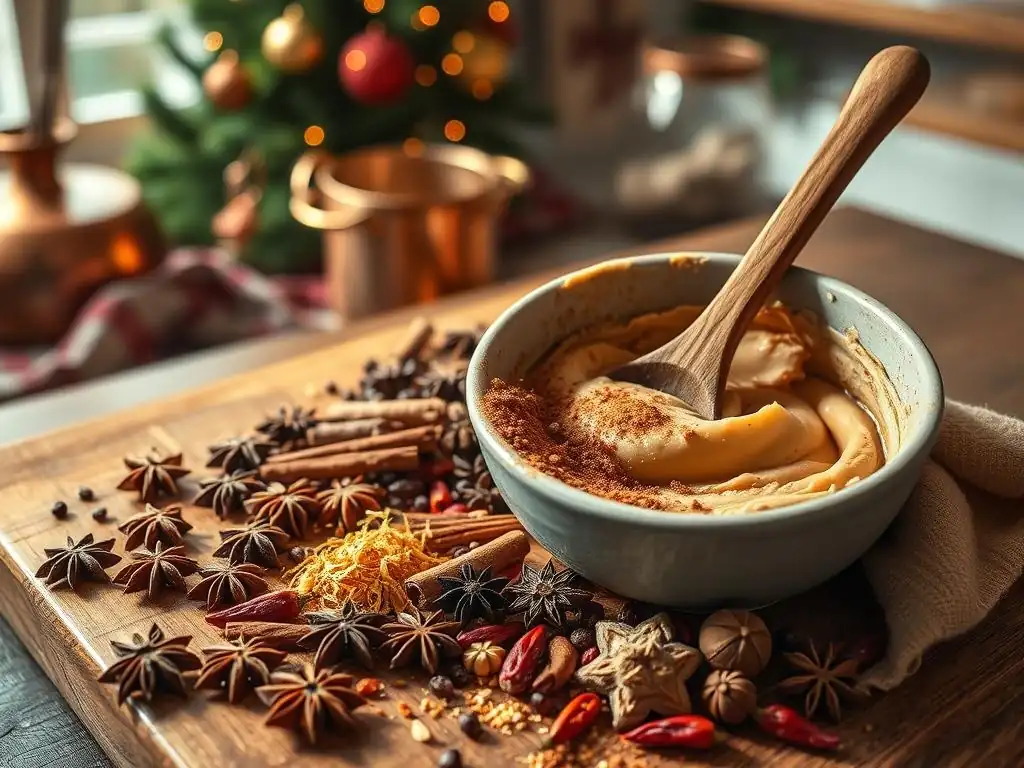
Crafting your own Christmas spice blend offers unparalleled control over the flavor profile of your baking. A simple, versatile base blend often includes: 3 parts ground cinnamon, 2 parts ground ginger, 1 part ground cloves, 1 part ground nutmeg, and 1 part ground allspice. For example, you might start with 3 tablespoons of cinnamon, 2 tablespoons of ginger, and 1 tablespoon each of cloves, nutmeg, and allspice. This ratio provides a balanced warmth that works well in many applications.
To make your blend, simply measure the desired quantities of each ground spice into a small bowl and whisk thoroughly to combine. Store the mix in a clean, airtight jar in a cool, dark place. This homemade blend is often more potent and flavorful than commercial varieties that may have been sitting on shelves for longer. Having a pre-mixed jar ready makes whipping up a Christmas spice cake recipe or other holiday treats quick and easy.
Tailoring Your Spice Blend for Different Christmas Cake Profiles
The beauty of a DIY blend is the ability to customize it for different types of Christmas spice cake recipes. For a spicier, more piquant gingerbread-style cake, you might increase the ratio of ginger and add a pinch of white pepper or ground cardamom. A richer fruitcake-style Christmas cake could benefit from more cloves and nutmeg, perhaps with the addition of a little ground mace or star anise for depth.
Consider the other flavors in your cake. If you're using molasses, a blend heavier on ginger and cloves complements its deep notes. If citrus zest is prominent, a blend leaning more towards cinnamon and nutmeg might be preferable. Experimentation is key! Try making small batches of slightly different blends and smell or even taste a tiny pinch to see how the ratios affect the overall aroma and flavor profile, allowing you to fine-tune the perfect blend for your specific Christmas spice cake recipe vision.
Optimizing Shelf Life for Your Homemade Christmas Spice Blend
Proper storage is essential to maintain the potency and flavor of your homemade Christmas spice blend. Air, light, heat, and moisture are the enemies of spice freshness. The best practice is to store the blend in a clean, opaque, airtight container, such as a glass jar with a tight-fitting lid or a metal tin. Avoid plastic containers if possible, as they can sometimes absorb or impart odors.
Keep the container in a cool, dark cupboard or pantry, away from the stove, oven, or direct sunlight. While ground spices are best used within 6-12 months, a well-stored homemade blend can retain good flavor for up to a year. Labeling your jar with the date you mixed the batch is a helpful reminder. Making smaller batches ensures you use the blend while it's at its peak, guaranteeing the most flavorful Christmas spice cake recipe every time.
Enhancing Your Christmas Spice Cake Flavor
Adding Depth and Complexity with Infusions and Extracts
Beyond the standard ground spices, incorporating infusions and extracts can significantly elevate the flavor of your Christmas spice cake recipe. Vanilla extract is a classic partner to warm spices, adding sweetness and depth; pure vanilla extract is always recommended over imitation. Almond extract, used sparingly, can add a subtle, sophisticated nutty note that complements the spice blend beautifully.
Consider infusing liquids used in your cake batter. Simmering milk or butter with whole spices like cinnamon sticks, star anise pods, or cardamom pods before incorporating them can impart a deeper, more nuanced spice flavor. For example, gently heating 1 cup of milk with 2 cinnamon sticks and letting it steep for 15-20 minutes before using it in your batter can add a wonderful, pervasive cinnamon warmth throughout the Christmas spice cake. Coffee or espresso powder can also add a subtle bitterness that enhances chocolate or darker spice flavors.
The Secret Ingredient: Molasses and Dark Rum Synergies
Many exceptional Christmas spice cake recipes feature dark, sticky ingredients like molasses or dark rum, and their synergy with the spice blend is often the secret to their rich, complex flavor. Molasses, particularly dark or blackstrap, provides moisture, a deep caramel-like sweetness, and a slight bitterness that grounds the bright spice notes. It contributes significantly to the color and moist texture of cakes. Using 1/4 to 1/2 cup of molasses in a standard cake batter for a 9x13 inch pan can transform the flavor profile.
Dark rum or brandy adds warmth, complexity, and helps to preserve the cake's moisture. The alcohol evaporates during baking, leaving behind the rich flavors of the spirit. Soaking dried fruits (like raisins, currants, or figs) in dark rum overnight before adding them to the batter is a classic technique that infuses the entire cake with festive flavor. Even just adding 2-3 tablespoons of dark rum or a splash of rum extract directly to the batter or glaze can make a noticeable difference in the final Christmas spice cake.
Balancing Citrus Zests and Spice Intensity
Citrus zest, particularly orange or lemon, is a fantastic counterpoint to the warmth of Christmas spices, adding brightness and cutting through richness. The aromatic oils in the zest provide a fresh, vibrant note that prevents the spice flavors from becoming heavy or muddy. Using the zest of one whole orange or two lemons in a typical Christmas spice cake recipe for a round cake can significantly lift the overall flavor.
The key is balance. If your spice blend is very intense, a generous amount of citrus zest can provide a refreshing contrast. If the spice blend is milder, a little zest might be all you need to brighten it up without overpowering the delicate spice notes. Incorporate the zest early in the mixing process, often with the sugar, to help release its oils. Consider adding a touch of citrus juice to the liquid ingredients for an extra layer of flavor and moisture in your Christmas spice cake.
Baking Techniques for the Best Christmas Spice Cake
Achieving Even Baking for a Moist and Tender Christmas Spice Cake
Even baking is crucial for any cake, but particularly for spice cakes which can dry out if overbaked. Ensuring your oven temperature is accurate is the first step; consider using an oven thermometer, as oven temperatures can vary by as much as 25-50°F (15-30°C) from the dial setting. Preheat your oven fully before placing the cake inside.
Using the correct pan size and material also impacts even baking. Dark metal pans absorb more heat and can cause crusts to brown faster, potentially leading to a dry exterior before the interior is cooked. Lighter metal or ceramic pans distribute heat more evenly. Avoid overfilling the pan, typically filling it no more than two-thirds full, to allow for proper rise and heat penetration. Rotating the cake halfway through the baking time (if your oven has hot spots) can also promote uniform cooking and ensure your Christmas spice cake is perfectly baked from edge to center.
Preventing a Dry Christmas Spice Cake: Hydration and Fat Balance
A common pitfall with spice cakes is ending up with a dry crumb. This can be prevented by paying close attention to the balance of wet and dry ingredients and the types of fat used. Using a combination of fats, such as butter for flavor and oil for moisture, can help. Butter provides that classic rich taste, while liquid oil (like vegetable or canola) coats flour particles more effectively, inhibiting gluten development and resulting in a more tender, moist cake. Many great Christmas spice cake recipes use a mix.
Liquid ingredients like milk, buttermilk, sour cream, or yogurt also contribute significantly to moisture. Buttermilk and sour cream add tanginess that complements spices and their acidity helps tenderize the crumb. Using ingredients like applesauce, pumpkin puree (about 1/2 cup per standard cake), or mashed banana can replace some fat and sugar while adding moisture and subtle flavor that pairs well with spices. Ensure you measure ingredients accurately, particularly flour, to avoid adding too much dry matter to your Christmas spice cake batter.
Proper Cooling and Storage Techniques for Optimal Flavor and Texture
How you cool and store your Christmas spice cake significantly impacts its final texture and flavor development. Once the cake is baked, let it cool in the pan on a wire rack for 10-15 minutes. This allows it to set slightly before you attempt to remove it. Cooling in the pan too long can lead to condensation and a soggy bottom, while removing it too soon can cause it to break.
After the initial pan cool, carefully invert the cake onto the wire rack to cool completely. Allowing air circulation around the entire cake prevents steam from getting trapped. Once fully cooled, wrap the cake tightly in plastic wrap, then aluminum foil, or place it in an airtight container.
This prevents it from drying out. Spice cakes, particularly those with molasses or fruit, often benefit from being stored for 1-2 days before slicing; this resting period allows the flavors to meld and deepen, resulting in a more pronounced and delicious Christmas spice cake. Store at room temperature for a few days or in the refrigerator for longer storage.
Delicious Christmas Spice Cake Recipe Variations
Classic Christmas Spice Cake with Brown Butter Cream Cheese Frosting
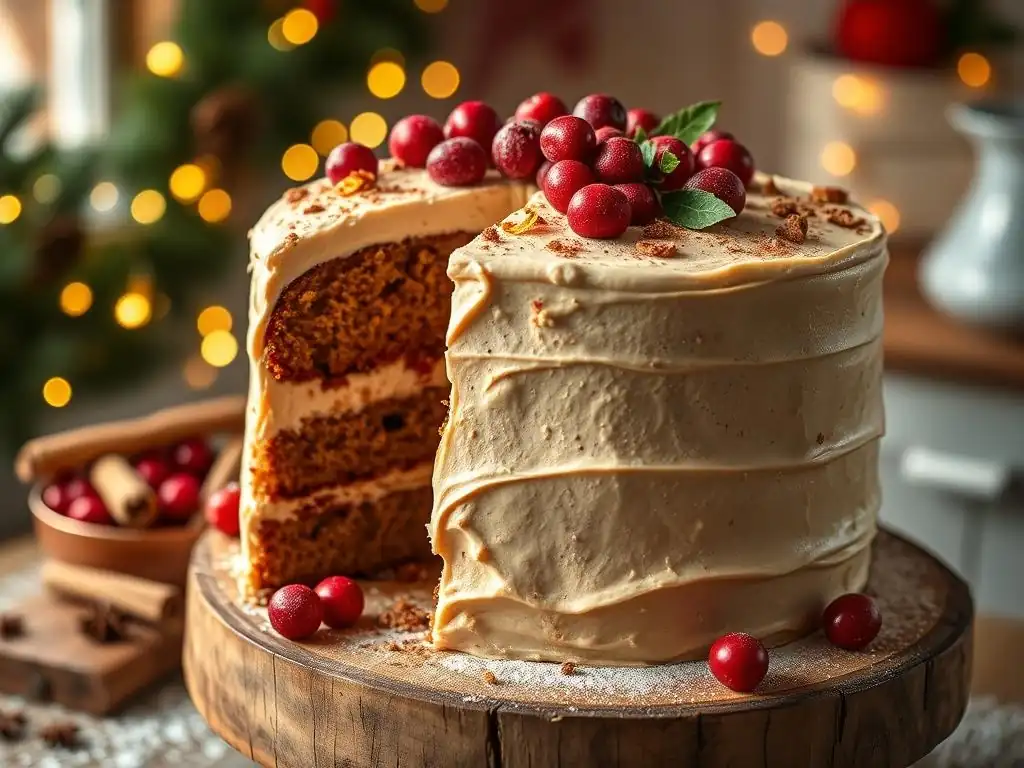
A quintessential Christmas spice cake recipe features a moist, tender crumb bursting with cinnamon, ginger, nutmeg, and cloves, often with a hint of molasses or brown sugar for depth. Pairing this with a rich, tangy brown butter cream cheese frosting takes it to another level. Browning the butter adds a nutty, caramelized note that complements the warm spices beautifully.
To make brown butter cream cheese frosting, gently melt and cook unsalted butter in a saucepan over medium heat until it turns amber and smells nutty, about 5-7 minutes. Let it cool slightly before beating it with softened cream cheese, powdered sugar, vanilla extract, and a pinch of salt until smooth and fluffy. This frosting's richness and slight tang provide a perfect counterpoint to the sweetness and warmth of the classic Christmas spice cake.
Gingerbread Spice Cake with Lemon Glaze: A Festive Twist
For those who love the bold flavor of gingerbread, a gingerbread spice cake offers a delightful variation on the traditional Christmas spice cake recipe. This version typically features a higher proportion of ginger and molasses, often incorporating dark brown sugar and sometimes a touch of black pepper or cayenne for extra warmth. The resulting cake is dark, moist, and intensely flavorful.
A bright, tangy lemon glaze provides a refreshing contrast to the rich, spicy cake. Whisk together powdered sugar with fresh lemon juice until you reach a pourable consistency. Drizzle generously over the cooled gingerbread spice cake. The sharp citrus cuts through the sweetness and spice, creating a vibrant and festive flavor combination that is both comforting and exciting.
Vegan Christmas Spice Cake with Date Caramel Drizzle: A Plant-Based Delight
Creating a delicious vegan Christmas spice cake recipe is entirely possible, yielding a moist and flavorful result that everyone can enjoy. Plant-based milks (like almond, soy, or oat), vegetable oil, and applesauce or mashed banana can replace dairy and eggs while maintaining a tender crumb. Flax eggs (ground flaxseed mixed with water) or commercial egg replacers can provide binding. The spices themselves are naturally vegan!
A date caramel drizzle makes for a wonderful plant-based topping. Blend pitted dates (soaked if dry) with a little plant-based milk, vanilla extract, and a pinch of salt until smooth and creamy. This creates a naturally sweet, rich sauce that pairs beautifully with the warm spices. Decorate the vegan Christmas spice cake with chopped nuts, dried cranberries, or candied ginger for extra texture and festive flair.
Troubleshooting Your Christmas Spice Cake
Common Problems and Solutions When Baking with Christmas Spices
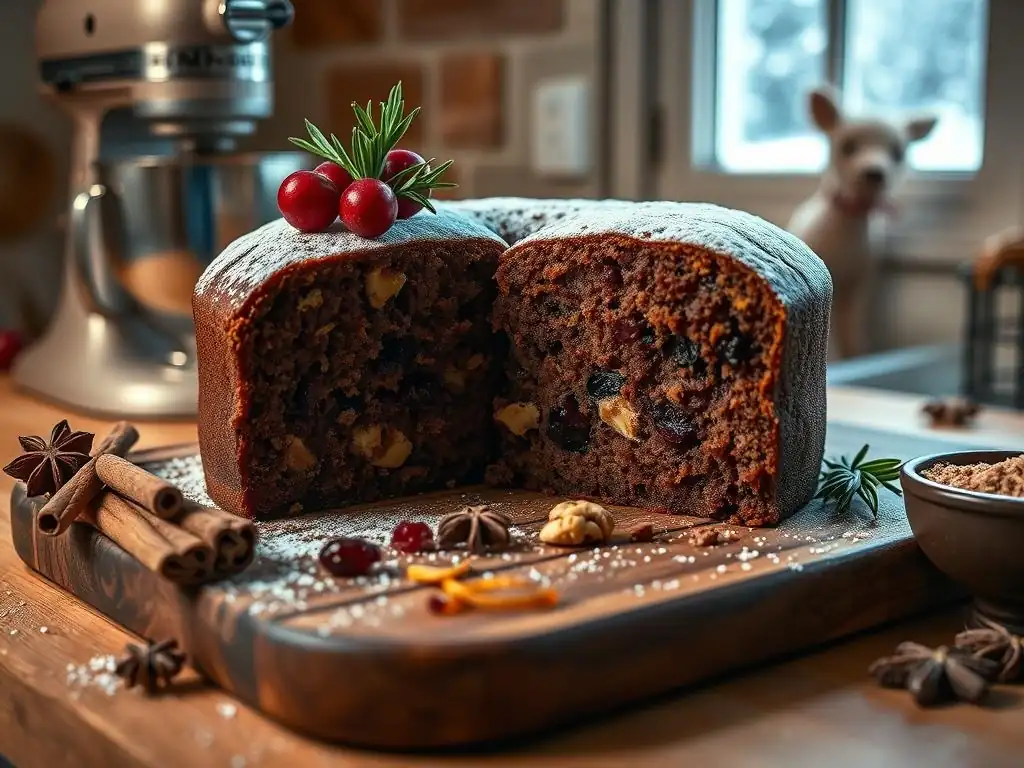
Baking a Christmas spice cake recipe can sometimes present challenges. One common issue is the cake sinking in the center, often caused by opening the oven door too early, incorrect leavening (too much or too little baking powder/soda), or underbaking. Ensure your leavening is fresh and accurately measured, avoid opening the oven door until the cake is nearly done, and test for doneness by inserting a toothpick into the center – it should come out with moist crumbs, not wet batter.
Another problem is a cake with a tough texture. This is usually due to overmixing the batter, which develops too much gluten. Once you add the dry ingredients, mix only until they are just combined. Lumps are okay! Dryness, as discussed earlier, can be combated by ensuring accurate liquid and fat measurements and avoiding overbaking. If your cake is consistently dry, try adding a bit more oil or a moist ingredient like applesauce in your next Christmas spice cake recipe attempt.
Balancing Spice Levels in Christmas Cake
Getting the spice levels just right in your Christmas spice cake recipe is key to its success. Too little spice results in a bland cake, while too much can make it overwhelmingly pungent or bitter. The ideal balance allows each spice to contribute without any single one dominating. If your cake is too mild, consider increasing the total amount of spice slightly next time, or ensure your spices are fresh and potent.
If the spice flavor is too strong or bitter, especially from cloves or nutmeg, reduce the amount of these more intense spices in your blend for your next bake. Tasting your batter (before adding eggs, depending on your comfort level) can give you a hint of the raw spice intensity, though the flavor will mellow and change during baking. Keeping notes on your adjustments for each Christmas spice cake recipe helps you fine-tune the perfect balance over time.
Preventing a Sunken Center in Your Christmas Spice Cake
A sunken center is a frustrating issue, often indicating the cake didn't finish cooking in the middle before being removed from the oven, or that the structure wasn't strong enough to support itself. As mentioned, opening the oven door too soon releases heat and can cause the cake to collapse before its structure is set. Resist the urge to check on the cake until at least two-thirds of the way through the recommended baking time.
Using the correct amount of leavening (baking powder and/or baking soda) is also vital. Too much leavening can cause the cake to rise too quickly and then collapse. Ensure your leavening agents haven't expired. Baking at the correct temperature is also important; too high a temperature can cause the outside to set before the inside is cooked, leading to a sunken center. Always preheat your oven thoroughly and consider using an oven thermometer to verify the temperature for your Christmas spice cake.
Decorating Your Christmas Spice Cake
Simple Christmas Cake Decorating Ideas: Dusting, Sprinkling, and Sugared Cranberries
Decorating your Christmas spice cake doesn't have to be complicated to be festive and beautiful. One of the simplest yet most elegant approaches is a simple dusting of powdered sugar. Place a stencil (like a snowflake, star, or tree) on top of the cooled cake or frosted surface and gently sift powdered sugar over it for a clean, festive design. A light all-over dusting evokes a snowy scene.
Sprinkles are another easy way to add holiday cheer. Use festive nonpareils, jimmies, or edible glitter in red, green, gold, or silver. Scatter them over frosting or a glaze. Sugared cranberries add a beautiful, frosty look and a burst of tart flavor. Roll fresh cranberries in simple syrup (equal parts sugar and water, heated until dissolved, then cooled) and then roll them in granulated sugar. Let them dry slightly before arranging them on your Christmas spice cake.
Festive Frosting and Topping Ideas: Swiss Meringue and Candied Citrus
Beyond traditional cream cheese or buttercream, consider more festive frostings and toppings. Swiss meringue buttercream is light, silky, and less sweet than American buttercream, offering a sophisticated texture that pairs well with rich spice flavors. It's made by whisking egg whites and sugar over a double boiler until warm, then whipping until stiff peaks form before beating in softened butter. It holds shapes well for piping festive borders or swirls on your Christmas spice cake.
Candied citrus peel is a classic Christmas cake decoration that adds both visual appeal and a burst of intense, sweet-tart flavor. Peel oranges, lemons, or grapefruits, simmer the peels until tender, then simmer them in a sugar syrup until translucent. Roll in sugar if desired. Arrange strips or shapes of candied citrus on top of your cake or press them into the sides. Other festive toppings include chopped toasted nuts, gingerbread cookie crumbs, or chocolate curls.
Creating a Christmas-Themed Cake Design: Stencils and Edible Glitter
To create a more elaborate Christmas-themed design on your Christmas spice cake, stencils and edible glitter are invaluable tools. Stencils allow you to transfer intricate patterns onto your cake, whether using sifted powdered sugar, cocoa powder, or even diluted food coloring applied with a brush or airbrush. Choose stencils with festive motifs like reindeer, holly, or Christmas trees for a direct holiday theme.
Edible glitter and edible luster dusts add sparkle and glamour. Apply them directly to frosted surfaces or mix luster dust with a little clear extract (like vodka or lemon extract) to create an edible paint for details. You can paint shimmering designs, highlight piped details, or give your entire Christmas spice cake a subtle shimmer. Combining stenciled patterns with strategically placed edible glitter can create a truly magical and festive presentation.
Beyond Cake: Christmas Spice in Other Baked Goods
The same wonderful Christmas spice blend that makes a perfect Christmas spice cake recipe can be used to create a variety of festive cookies. Gingerbread cookies are a classic, using ginger, cinnamon, cloves, and molasses for their signature snap and warmth. Spice cookies can range from soft and chewy to crisp and thin, often incorporating brown sugar for chewiness and molasses for flavor.
Consider recipes like spiced shortbread, which uses a simple ratio of butter, sugar, and flour enhanced with your Christmas spice blend, or drop cookies featuring spices, dried fruit, and nuts. Rolling sugar cookies in a mix of granulated sugar and spice before baking adds a fragrant, slightly crunchy coating. Christmas spice cookies are not only delicious to eat but also fill your home with an irresistible holiday aroma while baking.
Christmas Spice Bread: Perfect for Breakfast and Gifting
Christmas spice isn't limited to just desserts; it's also fantastic in quick breads and yeast breads, perfect for holiday breakfasts, brunches, or gifting. A Christmas spice quick bread might incorporate spices, dried cranberries, orange zest, and nuts into a moist loaf, often using oil or melted butter for tenderness. Banana bread or pumpkin bread are also easily transformed into festive versions by simply adding a generous amount of your Christmas spice blend.
For yeast breads, consider enriching the dough with butter, sugar, and eggs, then swirling in a filling made with brown sugar, spices, and perhaps chopped nuts or raisins, similar to a cinnamon roll but with a Christmas spice twist. These fragrant loaves make wonderful homemade gifts, wrapped simply in parchment paper and tied with festive ribbon.
Christmas Spice Scones with Orange Glaze: A Holiday Brunch Staple
Scones are a delightful addition to any holiday brunch, and incorporating Christmas spices elevates them to festive perfection. A basic scone dough made with flour, butter, sugar, and cream or buttermilk can be flavored generously with your Christmas spice blend. Add-ins like dried cranberries, currants, or chopped candied ginger enhance the holiday flavor.
Bake the scones until golden brown and serve warm, perhaps drizzled with a simple glaze made from powdered sugar and fresh orange juice. The combination of the warm, spiced scone, tart fruit, and bright citrus glaze is incredibly satisfying. Christmas spice scones are relatively quick to make, making them an ideal treat for a last-minute holiday gathering or a cozy morning by the fire.
Frequently Asked Questions
What makes a Christmas spice cake recipe distinct from other spice cakes?
A Christmas spice cake often features a unique blend of warm spices, such as cinnamon, nutmeg, cloves, and ginger, specifically chosen to evoke the flavors of the holiday season. It may also include ingredients like dried fruits and nuts, enhancing the festive character.
What are some common mistakes to avoid when baking a Christmas spice cake?
Overmixing the batter is a common pitfall, leading to a tough cake. Also, ensure your spices are fresh for optimal flavor and avoid overbaking, which can result in a dry texture.
Can I substitute ingredients in a Christmas spice cake recipe, and if so, what are some good alternatives?
Yes, substitutions are possible. You can replace butter with applesauce for a healthier option or use different dried fruits or nuts based on preference. Always consider how substitutions affect the overall texture and flavor.
How can I ensure my Christmas spice cake stays moist after baking?
Proper storage is key. Wrap the cooled cake tightly in plastic wrap and then foil, or store it in an airtight container. Consider brushing it with a simple syrup after baking to add extra moisture.
What are some ways to decorate a Christmas spice cake to make it festive?
A simple dusting of powdered sugar is elegant. Alternatively, consider a cream cheese frosting, decorated with candied fruits, nuts, or even a gingerbread cookie topper.
Final Reflection: The Enduring Magic of Christmas Spice
The comforting aroma of cinnamon, cloves, and nutmeg isn't just a seasonal scent; it's a powerful evocation of warmth, family, and cherished memories. This exploration of Christmas spice baking, while focused on creating delicious cakes, ultimately reveals a deeper connection to the heart of the holiday season itself. The precise measurements and techniques discussed are merely a gateway to a more profound experience – the creation of something beautiful and meaningful to share with loved ones.
The enduring appeal of Christmas spice transcends mere culinary enjoyment; it's woven into the fabric of our cultural celebrations. These spices, historically associated with warmth and abundance, have become synonymous with the festive spirit. Their rich, complex flavors evoke a sense of nostalgia and tradition, reminding us of generations past who baked with the same ingredients, creating similar bonds of family and friendship. The best things in life are the people we love, the places we've been, and the memories we've made along the way.
This quote perfectly encapsulates the emotional resonance of Christmas baking, where the act of creating becomes a cherished memory in itself.
This holiday season, as you gather with loved ones, consider the power of these simple spices. Don't just bake a cake; create a memory. Experiment with different combinations, share your creations, and let the warmth of the spices, and the joy of sharing, fill your home with the true spirit of Christmas. Let the aroma transport you, not just to the kitchen, but to a place of connection, love, and lasting memories. Embrace the magic of Christmas spice, and let it enrich your life beyond the simple act of baking.
Unleash Your Inner Pastry Chef: Festive Baking Awaits!
Thanks for joining us on this flavorful journey into the world of Christmas spices! We hope you've discovered some new tricks to elevate your holiday baking. Now it's time to put your newfound knowledge to the test!
- Experiment with a new spice blend: Try substituting some of the spices mentioned in the article for a unique twist on a classic recipe. Don't be afraid to get creative!
- Share your creations: Post a picture of your festive baking on social media and tag us! We’d love to see what deliciousness you create.
- Leave a comment below: What's your favorite Christmas spice combination, and what will you be baking this holiday season?
What exciting flavor adventure will you embark on next?