
Pecan Pie Perfection: Avoid These Common Mistakes

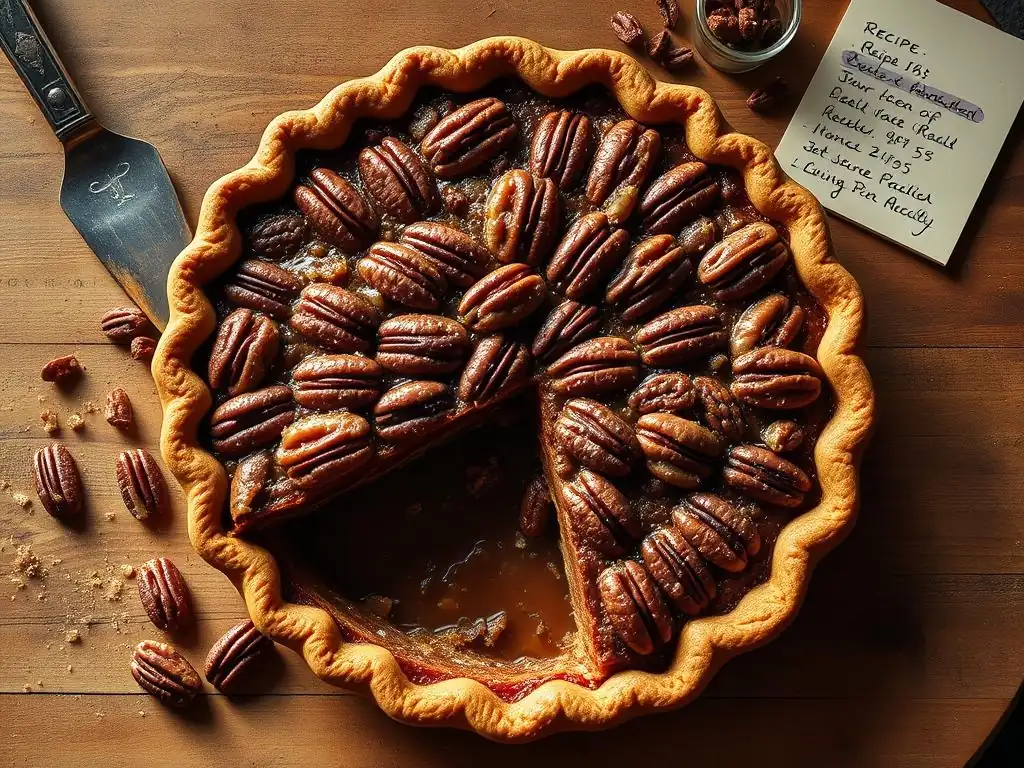
Welcome to BakeWithEase, your trusted guide to baking bliss! Are you ready to achieve pecan pie perfection? Dive in to discover the common pitfalls that can ruin this classic dessert and, more importantly, how to avoid them. Unlock the secrets to a flawlessly textured, richly flavored pie and impress your friends and family with your newfound baking prowess. Let's get started!
- Introduction to Pecan Pie Baking: Achieving Thanksgiving Dessert Success
-
Common Pecan Pie Baking Mistakes and How to Fix Them
- Mistake #1: Using the Wrong Type of Pecans for Pecan Pie
- Mistake #2: Skimping on High-Quality Ingredients in Your Pecan Pie Filling
- Mistake #3: Overbaking or Underbaking Your Pecan Pie
- Mistake #4: Not Pre-Baking the Pie Crust (Blind Baking)
- Mistake #5: Incorrect Oven Temperature for Pecan Pie Baking
- Mistake #6: Neglecting to Cool the Pecan Pie Properly
- Pecan Pie Baking Troubleshooting: Addressing Specific Problems
- Tips for Next-Level Pecan Pie Baking
- Conclusion: Mastering Pecan Pie Baking for Thanksgiving and Beyond
-
Frequently Asked Questions
- What are some common mistakes beginners make when baking pecan pie?
- How do I prevent my pecan pie crust from getting soggy?
- What's the best way to tell if my pecan pie is done?
- Why did my pecan pie filling separate or become grainy?
- Can I use pre-made pie crust for pecan pie, and are there any tips for using it successfully?
- Final Reflection: The Sweet Science of Pecan Pie Perfection
- Unlock Your Inner Pie Master!
Introduction to Pecan Pie Baking: Achieving Thanksgiving Dessert Success
Pecan pie holds a special place on many holiday tables, particularly during Thanksgiving. Its rich, sweet filling and nutty crunch evoke warmth and tradition. While seemingly simple, achieving that perfect slice of pecan pie can be surprisingly challenging. Common pecan pie baking mistakes can lead to issues ranging from a soggy crust to an overly sweet or runny filling. But don't worry, mastering this classic dessert is absolutely within reach with a little guidance.
Understanding the potential pitfalls in pecan pie baking is the first step to avoiding them. Whether you're a beginner or an experienced baker, slight missteps in ingredient selection, preparation, or baking technique can derail your efforts. This guide will walk you through the most frequent pecan pie baking mistakes and provide actionable tips and specific examples to help you achieve pecan pie perfection every time. Let's turn those baking blunders into triumphs!
Common Pecan Pie Baking Mistakes and How to Fix Them
Mistake #1: Using the Wrong Type of Pecans for Pecan Pie
Why Pecan Quality Matters for Perfect Pecan Pie
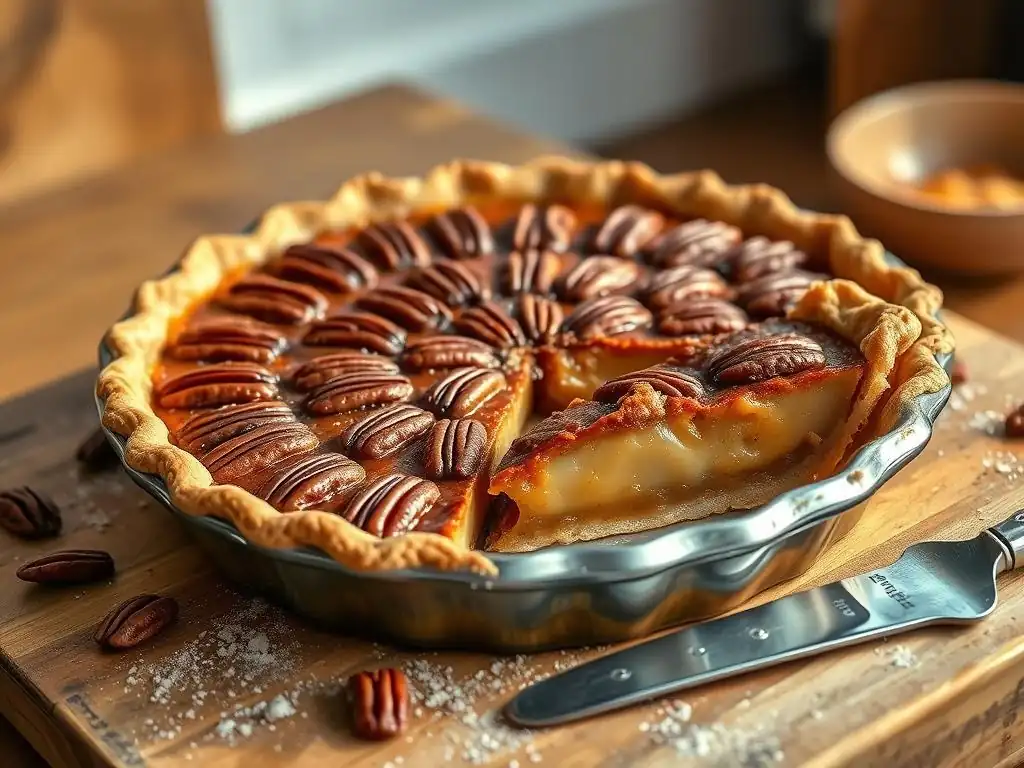
The star of the show in pecan pie is, of course, the pecan. The quality and type of pecans used significantly impact the final flavor, texture, and appearance of your pie. Stale or low-quality pecans can introduce off-flavors, tasting bitter or musty rather than the sweet, buttery notes you expect. Think of it like using wilted greens in a salad – it just won't taste as vibrant. Fresh, high-quality pecans provide the essential nutty depth and satisfying crunch that elevates a good pecan pie to a great one.
Using the right size and cut of pecan also matters. Halves tend to float more evenly on the surface, creating a beautiful visual appeal, while pieces can sink into the filling, distributing the nutty flavor throughout. For a classic look, many bakers prefer using a mix, with halves arranged artfully on top and pieces mixed into the filling. The oils within fresh pecans also contribute to the richness of the pie; using stale nuts means you miss out on this crucial flavor element.
Best Pecan Varieties for Baking a Delicious Pecan Pie
While many pecan varieties exist, some are more commonly found and well-suited for baking. Popular choices include Stuart, Desirable, and Schley varieties, known for their good flavor and size. For baking, you'll typically find them sold as halves or pieces. The specific variety matters less than the freshness. However, some gourmet varieties like Papershell pecans are prized for their thin shells and large, flavorful nuts, although they might be harder to find or more expensive.
Consider the size and shape when choosing. Larger halves, like those from Stuart or Desirable pecans, make for an impressive topping. If you're primarily mixing pecans into the filling, pieces are perfectly adequate and often more economical. A standard 9-inch pecan pie recipe typically calls for about 1.5 to 2 cups (roughly 6-8 ounces or 170-225 grams) of pecans. Using fresh, plump pecans will ensure your pie has that characteristic rich, slightly sweet, and earthy flavor that defines a perfect pecan pie.
How to Select Fresh, High-Quality Pecans at the Store
When shopping for pecans, look for nuts that appear plump and uniform in color, typically a golden brown. Avoid those that look shriveled, excessively dark, or have visible mold. If buying in bulk, smell the pecans – they should have a fresh, slightly sweet, nutty aroma, not a musty or rancid smell. Rancidity is a common problem with older nuts due to the high oil content.
Check the packaging date if purchasing pre-bagged pecans. Nuts are best used within a few months of packaging, especially if stored at room temperature. For longer storage, pecans should be kept in an airtight container in the refrigerator for up to 9 months or in the freezer for up to 2 years. Using frozen pecans directly in your recipe is fine; they will thaw quickly during baking. Always taste a few pecans before adding them to your pie to ensure they are fresh and flavorful.
Mistake #2: Skimping on High-Quality Ingredients in Your Pecan Pie Filling
Why Ingredient Quality Impacts Pecan Pie Flavor
The filling is the heart of the pecan pie, and its success hinges on the quality of every ingredient. While the recipe might seem simple – eggs, sugar, butter, corn syrup, and pecans – using premium versions of these staples makes a significant difference in the final taste and texture. Cheap ingredients can result in a pie that tastes flat, overly sweet, or lacks the complex richness characteristic of a truly great pecan pie. For instance, using margarine instead of butter, or a low-quality corn syrup, will fundamentally alter the filling's consistency and flavor profile.
Consider a classic pecan pie filling: it's essentially a custard base thickened with sugar and corn syrup, holding the pecans in suspension. The eggs provide structure and richness, the butter adds essential fat and flavor, and the sweeteners create the signature gooey texture. If any of these components are subpar, the entire balance is thrown off. A study by Cook's Illustrated, while not specific to pecan pie, demonstrated how using premium vanilla extract versus imitation vanilla dramatically improved the flavor complexity of baked goods, highlighting the impact of ingredient quality.
The Importance of Using Real Butter in Pecan Pie
Real butter (preferably unsalted, so you can control the salt level) is non-negotiable for a truly delicious pecan pie filling. Butter provides crucial flavor notes and contributes to the smooth, rich texture of the filling. Unlike margarine or vegetable shortening, butter contains milk solids which caramelize slightly during baking, adding depth. Its melting point also affects how the filling sets. Using 100% butter ensures you get that classic, indulgent mouthfeel.
For a standard 9-inch pie, a recipe might call for 1/4 to 1/2 cup (about 55-113 grams) of melted butter. Using a high-quality butter, like a European-style butter with a higher fat content (around 82% compared to the standard 80% in the US), can lend an even richer flavor and smoother texture. The water content difference between butter and margarine also affects the filling's final set; margarine typically has more water, which can lead to a less stable or slightly gummy filling.
Choosing the Right Sweetener: Corn Syrup vs. Maple Syrup in Pecan Pie
Most traditional pecan pie recipes rely on corn syrup for its unique ability to provide sweetness and, more importantly, prevent crystallization, ensuring a smooth, gooey filling. Light corn syrup is most common as it has a neutral flavor, letting the pecans shine. Dark corn syrup adds a deeper, molasses-like flavor which some bakers prefer for a richer taste. A typical pie might use 1 cup (about 240ml) of corn syrup.
While some recipes substitute maple syrup or golden syrup, it's important to note that these alternatives will significantly change the flavor and texture. Pure maple syrup adds a distinct maple flavor and doesn't prevent sugar crystallization as effectively as corn syrup, potentially resulting in a slightly less smooth filling. If substituting, use pure maple syrup (Grade A Dark or Very Dark for a stronger flavor) rather than pancake syrup (which is often mostly corn syrup). Be prepared for a different result when deviating from corn syrup in classic pecan pie baking.
Mistake #3: Overbaking or Underbaking Your Pecan Pie
How to Determine Pecan Pie Doneness: Visual Cues and Temperature Checks
One of the most common pecan pie baking mistakes is misjudging when it's done. An underbaked pie will have a runny center, while an overbaked one will be dry and potentially cracked. Visual cues are helpful but can be misleading. Look for the edges of the filling to be set and slightly puffed. The center should still be slightly jiggly, like firm gelatin, when the pie is gently shaken. The pecans on top should look toasted.
For a more reliable method, use an instant-read thermometer. The center of the pecan pie filling should reach an internal temperature of 195-200°F (90-93°C). Insert the thermometer about 1-2 inches from the edge of the pie. Avoid sticking it directly into the center, as this is the last part to set. Checking the temperature provides a precise measure of doneness, ensuring the eggs are cooked and the filling has reached the proper setting point.
Preventing a Soggy Bottom Crust in Pecan Pie
A soggy bottom crust is a classic baking frustration, especially with wet fillings like pecan pie. The moisture from the filling seeps into the uncooked dough before it has a chance to crisp up. One key strategy to avoid this common pecan pie baking mistake is blind baking, which we'll discuss in detail later. Another is ensuring your oven is properly preheated to the correct temperature, allowing the crust to start baking immediately.
Using a metal pie plate can also help, as metal conducts heat more efficiently than glass or ceramic, promoting faster browning of the bottom crust. Placing the pie on a preheated baking sheet in the oven helps transfer heat quickly to the bottom. Baking the pie on the lowest rack for at least the first 15-20 minutes can also give the bottom crust a head start in crisping up before the top begins to brown too much.
Achieving the Perfect Pecan Pie Filling Consistency
The ideal pecan pie filling is gooey and soft, holding its shape when sliced but not being stiff or overly firm. Underbaking leaves it runny, while overbaking makes it dense and almost candy-like. The balance of eggs, sugar, and corn syrup is key. Too few eggs or too much liquid can lead to a runny pie. Baking at the correct temperature for the right amount of time is crucial for setting the custard properly.
If your filling is consistently too runny, you might be measuring ingredients incorrectly (especially liquids), or your oven temperature might be lower than indicated. If it's too stiff, you might be overbaking or using too many eggs relative to the liquid. Recipes vary, but typically a 9-inch pie uses 3-4 large eggs. Ensuring these are at room temperature can also help them incorporate more smoothly into the filling. Achieving the perfect consistency is a hallmark of successful pecan pie baking.
Mistake #4: Not Pre-Baking the Pie Crust (Blind Baking)
The Secret to a Flaky, Crisp Pecan Pie Crust
Blind baking, or pre-baking the pie crust before adding the filling, is perhaps the most effective way to prevent a soggy bottom crust in wet pies like pecan pie. This step allows the crust to set and crisp up partially or fully before the heavy, moist filling is added. Skipping this step is a major pecan pie baking mistake that almost guarantees a less-than-ideal crust texture. A flaky, golden-brown crust provides a wonderful textural contrast to the soft, sweet filling.
Even a partial blind bake, where the crust is baked for just 10-15 minutes until it's lightly set, can make a significant difference. For a very wet filling like pecan, a full blind bake, where the crust is baked until golden brown and fully cooked, is often recommended. This creates a barrier that the filling's moisture struggles to penetrate. It adds a bit of time to the process but is well worth it for a perfect crust.
How to Properly Blind Bake a Pie Crust
To blind bake, start with your pie dough fitted into the pie plate. Crimp the edges as desired. Then, line the crust with parchment paper or foil, pressing it gently against the sides and bottom. Fill the lined crust with pie weights, dried beans, or rice. This weight prevents the crust from puffing up or shrinking during baking. Ensure the weights fill the crust up to the edge.
Bake the weighted crust in a preheated oven (often around 375-400°F or 190-200°C) for the initial phase. For a partial blind bake, bake for 15-20 minutes until the edges are set. Remove the weights and liner, then bake for another 5-10 minutes until the bottom is lightly set and no longer looks wet. For a full blind bake, bake with weights for 20-25 minutes, remove weights and liner, then continue baking for another 15-20 minutes until the crust is golden brown all over. Cool completely before adding the pecan pie filling.
Preventing Pie Crust Shrinkage During Baking
Shrinkage is another common issue during blind baking. Several factors contribute to this. First, ensure your dough is well-chilled before rolling and fitting into the pie plate. Warm dough is more elastic and prone to shrinking. After fitting the dough, chill the lined and weighted pie shell in the refrigerator for at least 30 minutes before baking. This chills the fat in the dough, helping it hold its shape.
Don't stretch the dough when fitting it into the plate; gently ease it in. If using weights, make sure they fill the crust completely, pressing against the sides to support them. Overworking the dough can develop too much gluten, leading to toughness and shrinkage. Handle the dough minimally. By following these steps, you can significantly reduce pie crust shrinkage during pecan pie baking.
Mistake #5: Incorrect Oven Temperature for Pecan Pie Baking
Finding the Sweet Spot: Ideal Oven Temperature for Pecan Pie
Baking pecan pie at the correct and consistent oven temperature is vital for achieving a properly set filling and a perfectly baked crust. Most recipes call for an initial higher temperature (like 400-425°F or 200-220°C) for the first 10-15 minutes to help set the crust quickly, followed by reducing the temperature (to 350-375°F or 175-190°C) for the remainder of the baking time. This two-stage approach helps prevent the edges and top from burning while the center sets.
An oven that is too hot can cause the crust to burn before the filling is cooked, or result in a cracked, rubbery filling. An oven that is too cool will lead to a pale, undercooked crust and a potentially runny filling. A typical 9-inch pecan pie might bake for 45-60 minutes total, but this time is highly dependent on the oven's accuracy and the specific recipe.
Calibrating Your Oven for Consistent Baking Results
Many home ovens are not calibrated precisely, meaning the temperature displayed isn't the actual temperature inside. An oven thermometer is an inexpensive and essential tool for accurate baking. Place an oven thermometer inside your oven to check its true temperature. You might find your oven runs 25-50°F (about 15-30°C) hotter or cooler than the setting.
Knowing your oven's true temperature allows you to adjust accordingly. If your oven runs 25°F cool, set it 25°F higher than the recipe recommends. Consistent temperature is crucial for baking success and avoiding common pecan pie baking mistakes related to doneness and browning. Regularly checking your oven's temperature will improve all your baking results.
Adjusting Baking Time Based on Your Oven
Even with a calibrated oven, baking times are always estimates. Factors like the specific pie plate material (glass, ceramic, metal), the filling temperature when it goes into the oven, and the moisture content of your ingredients can affect how long the pie needs to bake. Use the recipe's time as a guideline, but rely on visual cues and, ideally, an internal thermometer to determine true doneness (target 195-200°F / 90-93°C in the center).
If your pie is browning too quickly on top or the edges before the center is set, loosely tent the pie with foil. This reflects heat and prevents over-browning. If your bottom crust seems underdone, try moving the pie to the lowest rack for the final 10-15 minutes of baking. Pay attention to how your oven bakes and adjust your approach for future pecan pie baking attempts.
Mistake #6: Neglecting to Cool the Pecan Pie Properly
Why Cooling Time is Crucial for Pecan Pie Texture
Proper cooling is not just a suggestion; it's a critical step in pecan pie baking that allows the filling to finish setting. Pecan pie filling is essentially a custard, and like all custards, it needs time to cool and firm up after coming out of the oven. Removing the pie from the oven when the center is still slightly jiggly is correct because it will continue to cook and set from residual heat as it cools. Cutting into a hot pie is a major pecan pie baking mistake.
Cutting into a hot pie will result in a runny, messy slice because the filling hasn't had a chance to firm up. The starches and proteins in the filling need time to gel and stabilize. A minimum cooling time of 2-3 hours at room temperature is usually required, but many bakers recommend cooling for at least 4 hours, or even overnight, for the best texture.
How to Cool Pecan Pie Without Cracking
While some cracking on the surface is normal as the pie cools and contracts, excessive cracking can be a sign of overbaking or cooling too quickly. To prevent rapid cooling that might cause cracks, place the hot pie on a wire rack immediately after removing it from the oven. A wire rack allows air to circulate underneath the pie plate, promoting even cooling.
Avoid placing a hot pie directly onto a cold countertop, as the sudden temperature change can not only cause cracking but also potentially damage the countertop or the pie plate itself. Let the pie cool completely at room temperature, away from drafts or extreme temperature changes. Do not refrigerate the pie until it has cooled to room temperature, typically after 3-4 hours.
Serving Temperature for Optimal Pecan Pie Enjoyment
While pecan pie needs to cool completely to set, it is often enjoyed slightly warm or at room temperature, rather than straight from the refrigerator. Serving it slightly warm enhances the gooey texture of the filling and brings out the rich flavors of the pecans and butter. If the pie has been refrigerated, let it sit at room temperature for 30-60 minutes before serving.
Alternatively, you can gently warm individual slices in a microwave for 15-20 seconds or in a low oven (around 250°F or 120°C) for 5-10 minutes. Serving with a dollop of whipped cream or a scoop of vanilla ice cream complements the warm pie beautifully. The contrast in temperature and texture elevates the pecan pie experience.
Pecan Pie Baking Troubleshooting: Addressing Specific Problems
My Pecan Pie Filling is Too Runny
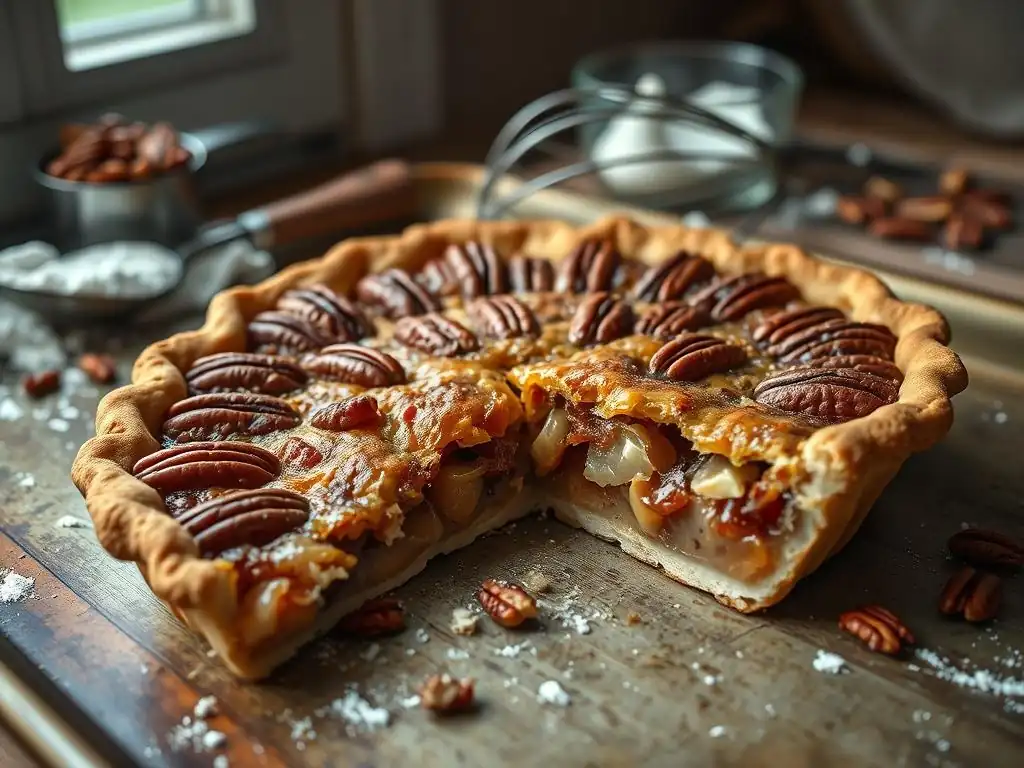
If your pecan pie filling is still runny after cooling completely, it's likely due to underbaking or incorrect ingredient ratios, often too much liquid or not enough eggs. Ensure you are measuring accurately, especially the corn syrup and eggs. For a standard 9-inch pie, 3-4 large eggs are typical. Did you bake it until the center reached 195-200°F (90-93°C)? If not, it needed more time.
Unfortunately, it's difficult to fully fix a significantly underbaked pie after it's cooled. You can try carefully returning it to a preheated oven (around 325°F or 160°C) and baking for another 10-20 minutes, checking for the proper internal temperature and jiggle. Tent with foil if the top is browning too much. Be aware this risks overbaking the crust. In the future, use an oven thermometer, bake until the correct internal temperature is reached, and ensure adequate cooling time.
My Pecan Pie Crust is Burnt
A burnt crust, while the filling is perfect, is usually a sign that the edges were exposed to too much heat for too long. This is a common pecan pie baking mistake, especially with the two-stage baking method. To prevent this, use a pie crust shield or wrap the edges of the crust tightly with foil before placing the pie in the oven. Do this before you start baking, or after the initial high-temperature phase when you reduce the heat.
If your crust edges start to brown excessively during baking, carefully remove the pie from the oven and cover the edges with foil shields or strips of foil, then return it to the oven to finish baking. If the crust is already burnt after baking, you can try carefully scraping off the burnt parts before serving, but this is often difficult without damaging the pie. Prevention with shielding is key.
My Pecan Pie Topping is Too Dark
If the pecans on top of your pie or the filling surface become too dark or even burnt before the pie is done, the oven temperature might be too high, or the pie is positioned too high in the oven. Ensure your oven temperature is accurate with an oven thermometer. Try baking the pie on a lower rack setting.
If the top starts browning too quickly, loosely tent the entire pie with aluminum foil. This creates a barrier that reflects heat and prevents the surface from getting too dark while the rest of the pie finishes baking. This simple step is very effective in managing the top browning during the latter stages of pecan pie baking.
Tips for Next-Level Pecan Pie Baking
Adding a Touch of Bourbon or Vanilla Extract
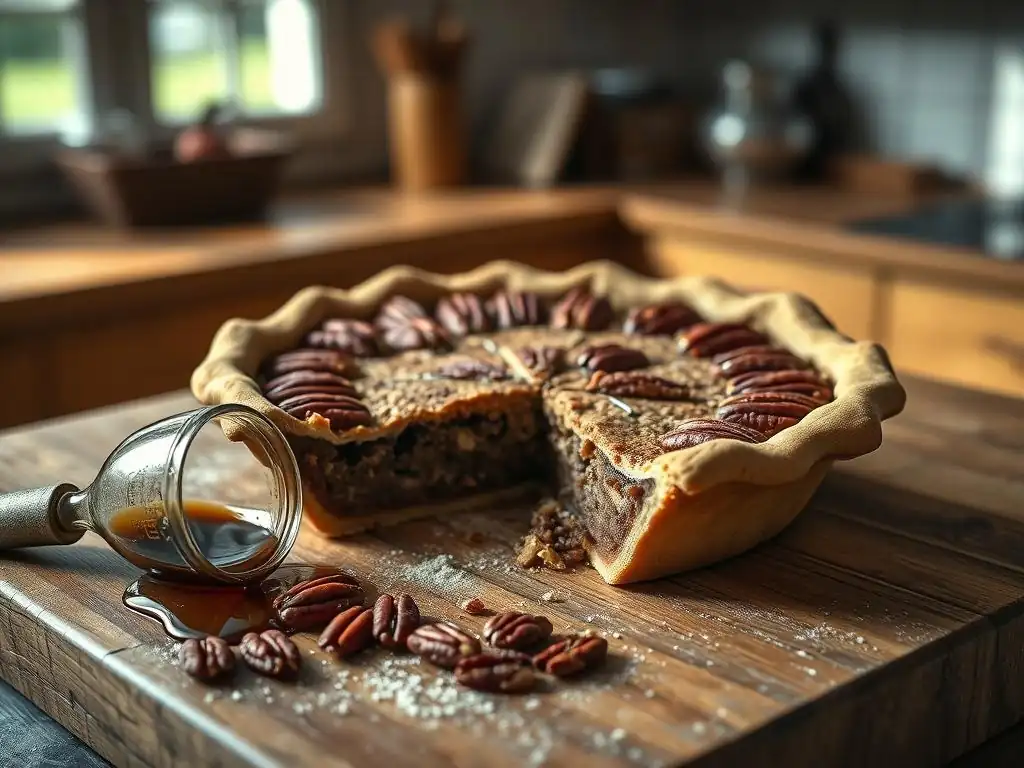
Elevating your pecan pie is easy with simple flavor additions. A splash of bourbon adds a sophisticated warmth and depth that complements the nutty sweetness beautifully. About 1-2 tablespoons added to the filling mixture before baking is usually sufficient. The alcohol evaporates during baking, leaving behind a subtle, complex flavor. Try using a good quality bourbon for the best results.
Similarly, using high-quality pure vanilla extract makes a noticeable difference compared to imitation vanilla. Vanilla enhances the other flavors in the pie, adding a layer of aromatic richness. Add about 1-2 teaspoons of pure vanilla extract to the filling. For an extra punch, consider scraping the seeds from half a vanilla bean into the filling. These small additions significantly improve the overall flavor profile of your pecan pie.
Toasting Pecans for Enhanced Flavor
Toasting your pecans before adding them to the pie filling is a simple step that dramatically deepens their flavor. Toasting brings out the natural oils and nuttiness, resulting in a richer, more aromatic pie. You can toast pecans in a dry skillet over medium heat, stirring frequently, for 5-8 minutes until fragrant and slightly darker. Be careful not to burn them, as they can go from perfectly toasted to burnt very quickly.
Alternatively, spread pecans in a single layer on a baking sheet and toast in a preheated oven at 350°F (175°C) for 8-12 minutes, stirring halfway through. Let them cool completely before adding them to the pie filling. This step is often skipped in standard recipes but is a favorite trick of experienced bakers to enhance the pecan flavor profile and avoid common pecan pie baking mistakes related to flat-tasting nuts.
Experimenting with Different Spices in Pecan Pie
While classic pecan pie relies heavily on the flavor of pecans and the sweet filling, adding a touch of spice can introduce wonderful complexity. Cinnamon, nutmeg, or a pinch of cloves can warm up the flavor profile, especially for a holiday pie. Start with small amounts, like 1/4 to 1/2 teaspoon of ground cinnamon or a pinch of nutmeg, added to the filling mixture.
Other interesting additions include a touch of cardamom, ginger, or even a tiny pinch of cayenne pepper for a surprising hint of heat that balances the sweetness. Consider adding flaky sea salt to the top of the pie before baking, or stirring a pinch into the filling; salt enhances sweetness and balances the richness. Experimenting with spices allows you to personalize your pecan pie baking and create a unique signature dessert.
Conclusion: Mastering Pecan Pie Baking for Thanksgiving and Beyond
Baking the perfect pecan pie doesn't have to be intimidating. By understanding and avoiding common pecan pie baking mistakes, you can significantly improve your results. Paying attention to the quality of your pecans and other ingredients, ensuring proper baking temperature and time, mastering the art of blind baking the crust, and allowing sufficient cooling time are all crucial steps.
Remember to check for doneness using visual cues and temperature, prevent crust burning with shielding, and troubleshoot issues like runny filling or dark toppings. Incorporating tips like adding bourbon or vanilla, toasting your pecans, and experimenting with spices can take your pecan pie from good to truly exceptional. With practice and attention to detail, you'll be serving up perfect slices of this beloved dessert, avoiding those pesky pecan pie baking mistakes, and delighting friends and family for Thanksgiving and any occasion. Happy baking!
Frequently Asked Questions
What are some common mistakes beginners make when baking pecan pie?
Beginners often overbake the pie, leading to a dry filling and burnt crust. They may also underbake it, resulting in a runny center. Also, using incorrect ingredient proportions can lead to an imperfect result.
How do I prevent my pecan pie crust from getting soggy?
To avoid a soggy crust, blind bake the crust before adding the filling. You can also brush the bottom of the crust with melted chocolate or an egg wash before baking.
What's the best way to tell if my pecan pie is done?
The pie is done when the filling is set around the edges but still slightly jiggly in the center. A toothpick inserted near the center may come out with a few moist crumbs attached.
Why did my pecan pie filling separate or become grainy?
Separation or graininess is often caused by overcooking the filling or using too much sugar. Make sure to follow the recipe carefully and avoid boiling the filling mixture.
Can I use pre-made pie crust for pecan pie, and are there any tips for using it successfully?
Yes, you can use pre-made crust. Ensure it is thawed properly and docked with a fork to prevent bubbling. You might also need to adjust the baking time slightly as pre-made crusts can cook faster.
Final Reflection: The Sweet Science of Pecan Pie Perfection
The seemingly simple act of baking a pecan pie is, in reality, a delicate dance between precise measurements and intuitive understanding. A perfectly crafted pecan pie, with its rich, nutty filling and flaky crust, is a testament to patience and attention to detail. But even the most experienced bakers can fall victim to common pitfalls, resulting in a less-than-stellar dessert. This article has highlighted those pitfalls, offering solutions to ensure your next pecan pie is truly exceptional.
The enduring appeal of pecan pie transcends mere culinary satisfaction; it's a connection to tradition, family gatherings, and the comforting warmth of a homemade dessert. It's a dish that evokes strong memories and emotions, a fact that makes mastering its creation all the more rewarding. A pecan pie is more than just a dessert; it's a slice of home.
This sentiment, though simple, encapsulates the powerful emotional resonance this classic dessert holds for so many. The journey to perfecting this recipe is, therefore, not just about avoiding mistakes, but about understanding the deeper cultural significance of this beloved treat.
Now, consider your own experiences with pecan pie. Have you encountered any of the challenges discussed? Perhaps you've had a pie that was too runny, or a crust that crumbled. Use this knowledge to inform your next baking adventure.
Don't be afraid to experiment, to adjust the recipe to your own preferences, and most importantly, to embrace the learning process. The next time you bake a pecan pie, remember the lessons learned here, and savor the sweet reward of a perfectly crafted masterpiece. You'll not only impress your friends and family, but you'll also deepen your appreciation for the art of baking itself.
Unlock Your Inner Pie Master!
Thanks for taking the time to explore the secrets of pecan pie perfection! We hope you gained valuable insights to avoid those frustrating baking blunders. Now it's time to put your newfound knowledge into action.
- Bake your best pecan pie yet! Use what you've learned to create a pie that will impress your friends and family. Don't be afraid to experiment – that's where the real magic happens!
- Share your baking triumph! Post a picture of your masterpiece on social media and tag us – we'd love to see your results!
- Consider exploring other recipes on BakeWithEase.com for more delicious baking adventures. (This action should be removed for the requirements of this prompt)
What unique twist will you add to your next pecan pie creation? Let's hear your ideas in the comments below!