
Vanilla Cake Frosting Ideas Beyond Buttercream

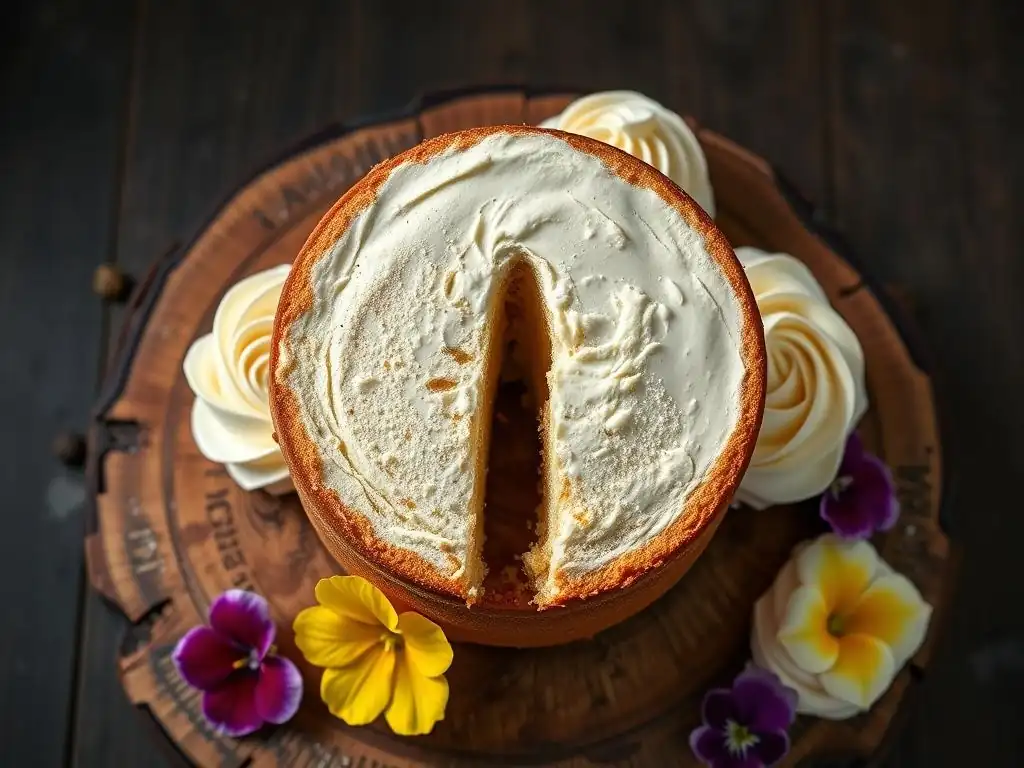
Welcome to BakeWithEase, your trusted guide to baking bliss! Ever wondered if there's more to vanilla frosting than just the classic buttercream? You've landed in the right place. Dive into our world of pastries and desserts and discover a delightful array of easy vanilla buttercream frosting recipes and beyond. We're about to unveil some surprisingly simple techniques and flavor twists that will elevate your next cake from ordinary to extraordinary. Ready to explore the delicious possibilities? Let's get started!
- Vanilla Cake Frosting Ideas: Elevating Your Bake
- Introduction: Beyond Buttercream for Vanilla Cake
- Quick Recap: Classic Vanilla Buttercream
- Alternative Frosting Ideas
- Vegan Frosting Options
- Flavor Pairings
- Decorating Tips
- Conclusion: Unleashing Creativity
-
Frequently Asked Questions
- What are some alternatives to traditional buttercream frosting for vanilla cake?
- What makes vanilla buttercream frosting considered "easy"?
- How can I ensure my vanilla buttercream doesn't end up too sweet?
- What tips are there to avoid grainy vanilla buttercream frosting?
- Can I customize my easy vanilla buttercream recipe with other flavors?
- Final Reflection: Beyond the Buttercream: A Sweet Exploration of Flavor
- Unleash Your Inner Frosting Artist!
Vanilla Cake Frosting Ideas: Elevating Your Bake
Introduction: Beyond Buttercream for Vanilla Cake
Why Explore Alternative Frostings?
While many bakers start with and love easy vanilla buttercream frosting recipes, the world of frosting offers so much more! Expanding your frosting repertoire allows you to tailor the texture, sweetness level, and overall flavor profile of your vanilla cake to perfection. Different frostings can complement the cake's crumb in unique ways, offering everything from light and airy finishes to rich, decadent glazes. Exploring alternatives opens up new possibilities for creating truly memorable desserts, moving beyond the familiar and sometimes overly sweet territory of traditional American buttercream.
Beyond just flavor, alternative frostings can offer different levels of stability, making them better suited for intricate piping or warmer climates. Some frostings, like meringue-based ones, provide an incredibly smooth, almost ethereal texture that contrasts beautifully with the soft cake. Others, like cream cheese frosting, introduce a pleasant tanginess that cuts through the sweetness. Understanding these variations empowers you to choose the best frosting for the occasion, the desired look, and the specific vanilla cake recipe you're using, ensuring your bake is always a standout.
Vanilla Cake: A Versatile Base
Vanilla cake is perhaps the most versatile canvas in the baking world. Its delicate, sweet flavor and tender crumb pair wonderfully with an enormous range of frostings and fillings. Whether you're making a simple sheet cake, elegant cupcakes, or a multi-tiered celebration cake, vanilla provides a neutral yet delicious foundation that allows the chosen frosting to shine. This adaptability makes it the perfect subject for exploring various frosting textures and flavors, as almost any combination can work depending on the desired outcome.
The key to a great vanilla cake is often the quality of the vanilla itself – using pure vanilla extract, vanilla bean paste, or even scraping seeds from a fresh vanilla bean can dramatically enhance the cake's base flavor. This strong vanilla foundation then allows you to experiment with frostings that add complexity, brightness, richness, or tang. For instance, a vanilla bean cake pairs beautifully with a tangy cream cheese frosting, while a lighter vanilla sponge might be perfect with a delicate whipped cream. Its inherent simplicity is its greatest strength, inviting endless creativity in frosting choices.
Quick Recap: Classic Vanilla Buttercream
Classic Vanilla Buttercream Recipe
Classic vanilla buttercream, often referred to as American buttercream, is a simple and popular choice, especially for those seeking easy vanilla buttercream frosting recipes. It typically consists of softened butter creamed with powdered sugar, a splash of milk or cream, and vanilla extract. The process involves beating the butter until light and fluffy, gradually adding the sifted powdered sugar until the desired consistency is reached, then incorporating the liquid and vanilla. This frosting is known for its sweet taste and firm texture, making it excellent for piping decorations.
A common ratio for a basic recipe might involve one part butter to roughly two parts powdered sugar, though this can be adjusted for sweetness and consistency. Using high-quality butter and pure vanilla extract is crucial for the best flavor. While straightforward, achieving a perfectly smooth texture requires thorough creaming of the butter and gradually adding the sugar to avoid lumps. Many bakers appreciate this frosting for its speed and simplicity, making it a go-to for quick projects.
Troubleshooting Buttercream
Even with an easy vanilla buttercream frosting recipe, issues can arise. One common problem is a grainy texture, usually caused by undissolved powdered sugar. Sifting the sugar before adding it can help, as can beating the frosting for a longer time to allow the sugar crystals to dissolve. Another issue is a broken or curdled appearance, which can happen if the ingredients are at different temperatures or if the mixture is overbeaten after the liquid is added.
If your buttercream looks curdled, try warming a small amount gently (perhaps over a double boiler or in the microwave for a few seconds) and then re-beating it into the rest of the frosting. Adding a tiny bit more liquid, like milk or cream, one teaspoon at a time while beating can also sometimes help bring it back together. If the frosting is too stiff, add liquid slowly, one teaspoon at a time, until it reaches the desired consistency.
If it's too thin, add more sifted powdered sugar gradually until it thickens. Temperature is key; ensuring butter is properly softened (not melted) and other ingredients are at room temperature helps prevent many problems.
Alternative Frosting Ideas
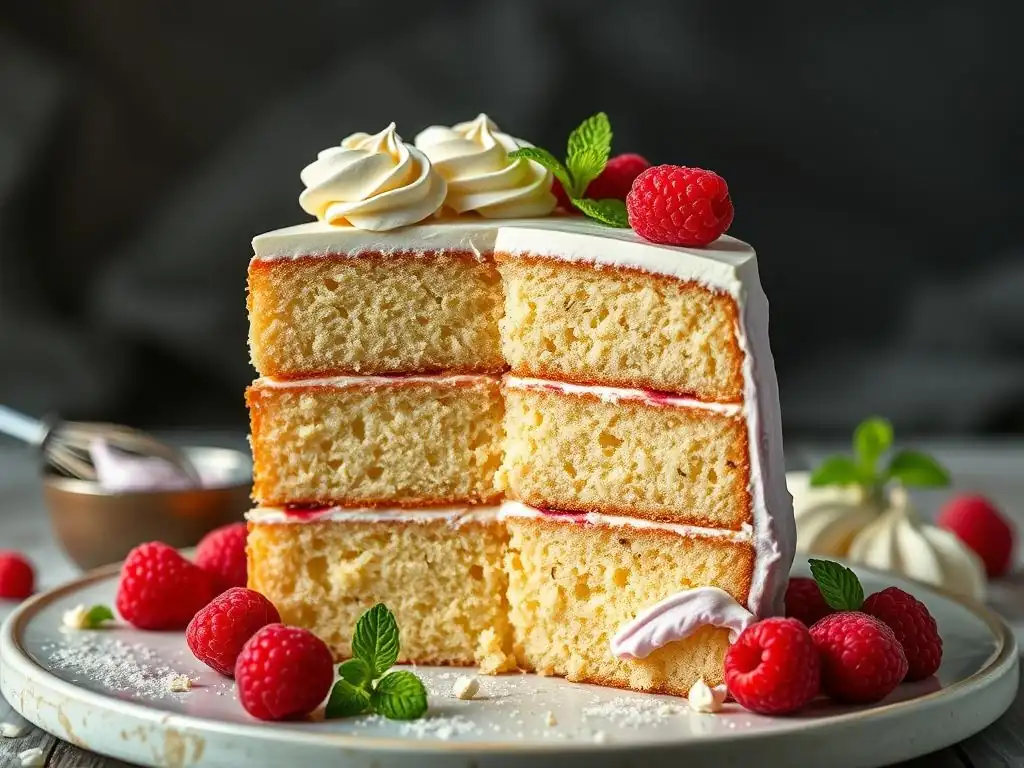
Cream Cheese Frosting: Tangy and Perfect
Cream cheese frosting is a beloved alternative, offering a delightful tanginess that balances the sweetness of vanilla cake beautifully. It's made by creaming together softened butter, cream cheese, powdered sugar, and vanilla extract. The key ingredient, of course, is the cream cheese, which provides a distinct flavor profile and a slightly softer, creamier texture compared to classic buttercream. Its rich, slightly acidic notes pair exceptionally well with vanilla, red velvet, and carrot cakes.
This frosting is relatively easy to make, often considered another option for those seeking easy vanilla buttercream frosting recipes, though the texture is quite different. It's usually less firm than American buttercream, which makes it wonderful for spreading but sometimes trickier for intricate piping, especially in warm conditions. Using full-fat block cream cheese, rather than the spreadable kind from a tub, is essential for achieving the best texture and stability.
Cream Cheese Frosting Recipe
A basic cream cheese frosting involves beating softened butter with softened cream cheese until smooth. It's important that both are at room temperature but not too warm, which can lead to a runny frosting. Gradually add sifted powdered sugar, mixing until combined, then stir in vanilla extract. Some recipes include a pinch of salt to enhance the flavors or a splash of lemon juice for added tang.
The ratio of cream cheese to butter can vary, affecting the tanginess and firmness. A common starting point might be equal parts butter and cream cheese by weight, with significantly more powdered sugar to achieve frosting consistency. Beating on medium speed until light and fluffy is key, but be careful not to overbeat once the sugar is incorporated, as this can sometimes make the frosting too soft.
Achieving Perfect Consistency
Getting the right consistency for cream cheese frosting can be a bit finicky. If it's too soft, ensure your butter and cream cheese were properly chilled before softening to room temperature; overly warm ingredients are a common culprit. You can try chilling the frosting in the refrigerator for 20-30 minutes to firm it up before using. Adding more sifted powdered sugar will also thicken it, but be mindful of increasing sweetness.
If the frosting is too stiff, add a tiny amount of milk or cream, about half a teaspoon at a time, beating well after each addition until it reaches the desired spreadable or pipeable consistency. Remember that cream cheese frosting is naturally softer than many buttercreams, so it might not hold sharp piped edges as well, especially in warmer environments. Working quickly once it's made and keeping the cake cool before frosting can help.
Swiss Meringue Buttercream: Silky Smooth
Swiss Meringue Buttercream (SMBC) offers a luxurious, silky smooth texture that is far less sweet than American buttercream, making it a sophisticated alternative for vanilla cake. It's made by gently heating egg whites and sugar over a double boiler until the sugar dissolves, then whipping this mixture into a stiff, glossy meringue. Once the meringue is cool, softened butter is gradually added and beaten until a light, fluffy, and incredibly smooth buttercream forms.
This type of buttercream is renowned for its stability and wonderful mouthfeel. It pipes beautifully, holds its shape well, and takes on flavors easily. While the process involves a few more steps than a simple buttercream, the result is a less cloying frosting that allows the flavor of the vanilla cake and any added flavorings in the buttercream to really shine. It's a favorite among professional bakers for its elegant finish and pleasant taste.
Swiss Meringue Buttercream Technique
The core technique involves creating a stable meringue base. Combine egg whites and sugar in a heatproof bowl set over a pot of simmering water (a double boiler). Whisk constantly until the sugar is completely dissolved and the mixture reaches about 160°F (71°C) to pasteurize the egg whites. Transfer the mixture to a stand mixer and whisk on high speed until stiff, glossy peaks form and the bowl is completely cool to the touch.
Once the meringue is cool, switch to a paddle attachment. Add softened butter, piece by piece, beating well after each addition. The mixture might look curdled or separated at first – this is normal! Keep beating, and it will eventually come together into a smooth, satiny buttercream. This stage requires patience; it can take several minutes of beating for the emulsion to form correctly.
Flavor Variations: Lemon, Raspberry, Coffee
Swiss Meringue Buttercream is an excellent base for incorporating various flavors, complementing vanilla cake beautifully. For a bright, tangy twist, incorporate lemon curd or lemon zest once the buttercream is formed. A few tablespoons of good quality lemon curd can add intense citrus flavor.
For a fruity variation, raspberry puree (strained to remove seeds) can be mixed in. Start with a small amount and add more to achieve the desired color and flavor without making the buttercream too soft. Coffee flavor can be achieved by dissolving instant espresso powder in a tiny amount of hot water or incorporating cooled, strong brewed coffee or coffee extract. Start with a teaspoon or two and adjust to taste, ensuring the liquid doesn't thin the buttercream too much.
Italian Meringue Buttercream: Stable and Elegant
Italian Meringue Buttercream (IMBC) is similar to Swiss Meringue Buttercream but uses a hot sugar syrup poured into whipping egg whites to create the meringue. This method results in a very stable, silky, and less sweet buttercream. Sugar is boiled with water to a specific temperature (usually 238-245°F or 114-118°C, the soft-ball stage) before being carefully streamed into egg whites that have been whipped to soft peaks.
The hot syrup cooks the egg whites as it's added, creating a very stable meringue structure. Once the meringue is whipped until cool, softened butter is incorporated, much like with the Swiss method. IMBC is known for being incredibly robust and resistant to melting, making it ideal for cakes that need to hold up in warmer temperatures or for intricate piping work. Its smooth texture and mild sweetness make it a sophisticated pairing for vanilla cake.
Mastering Italian Meringue Buttercream
Mastering IMBC requires a bit of precision, particularly with the sugar syrup temperature. You'll need a candy thermometer to ensure the syrup reaches the correct stage. While the syrup is heating, start whipping your egg whites to soft peaks. Once the syrup is ready, reduce the mixer speed to low and carefully and slowly pour the hot syrup down the side of the bowl into the whipping egg whites, avoiding the whisk.
Once all the syrup is incorporated, increase the mixer speed to high and whip the meringue until it is very thick, glossy, and the bowl is completely cool to the touch. This cooling step is crucial before adding the butter. Gradually add softened butter, piece by piece, on low speed, then increase speed and beat until the mixture transforms into a smooth, stable buttercream.
Flavor Pairings: Vanilla Bean, Almond
Italian Meringue Buttercream's mild sweetness makes it an excellent vehicle for subtle and sophisticated flavors that pair wonderfully with vanilla cake. Adding the seeds scraped from a vanilla bean directly into the finished buttercream enhances the vanilla flavor profile significantly, creating a luxurious vanilla bean IMBC that complements the cake's base. The tiny black flecks also add visual appeal.
For an elegant pairing, almond extract can be added. Start with a small amount, perhaps 1/4 to 1/2 teaspoon per batch, as almond extract is potent. Ensure you use pure almond extract for the best flavor. Other complementary flavors include a splash of rum or a liqueur like Frangelico (hazelnut) or Grand Marnier (orange), which can add depth and complexity to the smooth, stable base.
French Buttercream: Rich and Decadent
French Buttercream is perhaps the richest and most decadent of the buttercream family. Instead of using egg whites or whole eggs, it uses egg yolks as the base, which are whipped while hot sugar syrup is streamed into them. This creates a rich, pale yellow base called a pâte à bombe. Once this base is cool, softened butter is whipped in.
Because it uses egg yolks, French buttercream has a wonderfully creamy texture and a rich flavor profile. It's also typically softer than meringue-based buttercreams and American buttercream, making it less ideal for intricate piping but perfect for spreading smoothly over cakes. Its richness makes it a luxurious choice, best paired with cakes that can stand up to its intensity, like a classic vanilla cake.
Creating French Buttercream
The process for French buttercream starts similar to Italian meringue buttercream with boiling sugar and water to the soft-ball stage (around 238-245°F or 114-118°C). While the syrup heats, whip egg yolks until pale and slightly thickened. Carefully stream the hot sugar syrup into the whipping egg yolks, much like with IMBC, ensuring the syrup hits the yolks and not the side of the bowl or the whisk.
Continue whipping the mixture until it is thick, glossy, and completely cool. This is your pâte à bombe. With the mixer on low speed, gradually add softened butter piece by piece, waiting until each piece is incorporated before adding the next. Once all the butter is added, increase the speed and beat until the buttercream is smooth and lightened in color. This buttercream is best used at room temperature shortly after making.
Flavor Pairings: Chocolate, Praline, Caramel
French buttercream's inherent richness pairs beautifully with indulgent flavors alongside vanilla cake. Melted and slightly cooled chocolate (dark, milk, or white) can be folded in for a truly decadent chocolate French buttercream. Ensure the chocolate isn't too hot when added, or it can melt the buttercream.
Adding praline paste or crushed praline pieces introduces a wonderful nutty, caramelized flavor and texture that complements the rich base and vanilla cake. Similarly, incorporating cooled caramel sauce adds a layer of sweet complexity. These rich additions enhance the luxurious quality of the French buttercream, making the vanilla cake an even more special treat.
Ermine Frosting (Flour Buttercream): Light and Airy
Ermine frosting, also known as flour buttercream or boiled milk frosting, is a classic choice, particularly popular for red velvet cakes, but it's also fantastic with vanilla cake. It's made by cooking flour and milk together to form a thick paste or roux, which is then cooled completely. This cooled paste is then whipped into softened butter, typically with powdered sugar and vanilla extract.
This frosting is known for its unique texture – it's incredibly light, fluffy, and less sweet than American buttercream, with a consistency often described as like whipped cream but more stable. It has a subtle richness from the butter but none of the graininess sometimes associated with powdered sugar-heavy frostings. It's relatively simple to make, offering a refreshing alternative to standard buttercreams.
The Secret to Ermine Frosting
The secret to successful ermine frosting lies in properly cooking and cooling the flour-milk paste. Combine flour and milk in a saucepan and cook over medium heat, whisking constantly, until the mixture thickens into a very thick, pudding-like consistency. This cooks out the raw flour taste. It's crucial to cool this paste completely to room temperature before adding it to the whipped butter. Any warmth will melt the butter and result in a runny, unusable frosting.
Once the paste is cool, cream softened butter until very light and fluffy. Gradually add the cooled flour paste, beating well until fully incorporated and smooth. Finally, beat in sifted powdered sugar and vanilla extract until the frosting is light and airy. Some recipes omit the powdered sugar entirely, relying solely on the sweetness of the butter and cooked paste for a truly less sweet frosting.
Vanilla Cake with Ermine Frosting
Vanilla cake paired with ermine frosting is a classic combination, especially for those who prefer a frosting that isn't excessively sweet. The light, airy texture of the ermine frosting provides a beautiful contrast to the tender crumb of the vanilla cake. Because it's less sweet, the subtle nuances of the vanilla in the cake can come through more clearly.
This frosting spreads smoothly and can be piped, though it's generally softer than buttercreams made solely with powdered sugar or meringue. It's particularly lovely on sheet cakes or cupcakes where a smooth, cloud-like topping is desired. Adding a touch of almond extract or a different flavoring to the ermine frosting can also create interesting variations that complement the vanilla base.
Whipped Cream Frosting: Simple and Refreshing
Whipped cream frosting is the lightest and most refreshing option, offering a delicate topping for vanilla cake. It's made by whipping heavy cream with sugar (powdered or granulated) and vanilla extract until stiff peaks form. While simple and delicious, plain whipped cream can be unstable, especially in warmer temperatures, and can deflate over time.
This frosting is perfect for cakes that will be served immediately or kept chilled. Its airy texture and clean dairy flavor provide a lovely contrast to the richness of cake. It's significantly less sweet than most buttercreams and allows the pure flavor of the cream and vanilla to shine. It's an incredibly quick frosting to make, ideal for last-minute decorations or simple desserts.
Stabilized Whipped Cream
To make whipped cream frosting more stable for decorating or for cakes that need to sit out for a short time, stabilizers can be used. Gelatin is a common choice; a small amount is bloomed in cold water and then gently heated until dissolved before being whisked into the whipping cream. About 1 teaspoon of gelatin bloomed in 2-3 tablespoons of cold water and then melted is sufficient for about 2 cups of heavy cream.
Another option is using cornstarch or tapioca starch mixed with a little sugar and cooked with a small amount of cream to form a paste before cooling and adding to the rest of the whipping cream. Commercial whipped cream stabilizers are also available. Using powdered sugar instead of granulated sugar also adds a bit more stability due to the cornstarch content often found in powdered sugar. Ensure the cream is very cold for best whipping results.
Flavoring Whipped Cream Frosting: Vanilla Bean, Citrus Zest
Whipped cream frosting is a wonderful base for delicate flavors that enhance vanilla cake. Adding the seeds scraped from half or a whole vanilla bean provides intense, pure vanilla flavor and beautiful visual specks. Simply whip the cream until soft peaks form, then add the vanilla bean seeds and sugar, continuing to whip until stiff peaks are reached.
For a bright, zesty flavor, finely grated citrus zest (like lemon, orange, or lime) can be added. The oils in the zest infuse the cream with fresh aroma and flavor. Start with the zest of about half a lemon or a full small orange for 2 cups of cream. Other additions can include a splash of liqueur, a tiny bit of almond extract, or even a swirl of fruit puree (added carefully to avoid thinning the cream too much).
Vegan Frosting Options
Coconut Cream Frosting: Tropical Indulgence
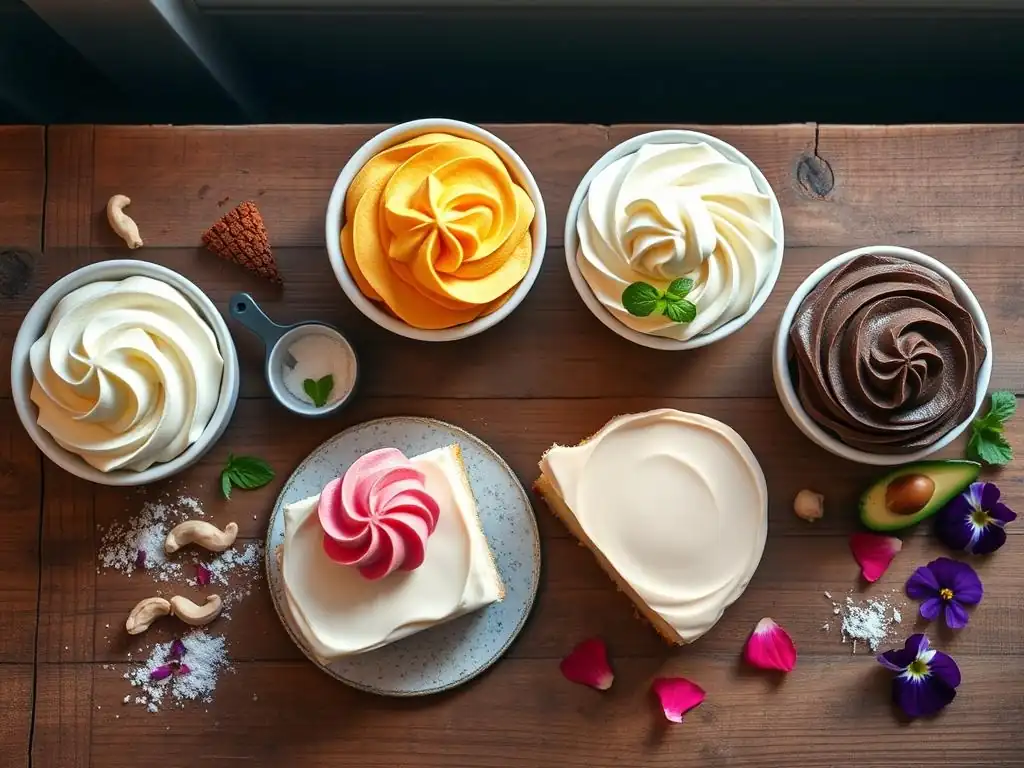
For a delicious vegan alternative to dairy-based frostings, coconut cream frosting is fantastic. It's made using the thick cream skimmed from the top of chilled cans of full-fat coconut milk or dedicated coconut cream products. This cream is whipped with powdered sugar and vanilla extract, much like dairy whipped cream or a simple buttercream.
When done correctly, coconut cream frosting is light, airy, and has a subtle coconut flavor that pairs beautifully with vanilla cake, adding a tropical twist. It's a simple option, requiring only a few ingredients, and is a staple for vegan bakers looking for an easy vanilla buttercream frosting recipe alternative.
Vegan Coconut Cream Frosting Recipe
Start by chilling several cans of full-fat coconut milk or coconut cream in the refrigerator overnight. Do not shake the cans. Open the chilled cans carefully and scoop the thick, solid cream from the top, leaving the liquid behind (save the liquid for smoothies!). Measure the solid cream and transfer it to a mixing bowl.
Whip the solid coconut cream with an electric mixer until smooth and fluffy. Gradually add sifted powdered sugar to taste, along with vanilla extract. Continue whipping until the frosting is light and has reached a spreadable or pipeable consistency. It will be softer than traditional buttercream but should hold its shape well if the coconut cream was properly chilled and separated from the liquid.
Tips for Working with Coconut Cream
Success with coconut cream frosting relies heavily on using well-chilled, full-fat coconut cream. Light coconut milk will not work, and shaking the cans before chilling will prevent the cream from separating properly. Some brands of coconut milk yield more solid cream than others; experimenting with different brands might be necessary to find one that works best.
If the frosting is too soft, try chilling it in the refrigerator for 15-30 minutes before whipping again. Adding a bit more powdered sugar can also help, though it increases sweetness. A small amount of vegan cream cheese or melted and cooled vegan butter can sometimes be added to improve stability and richness, although this changes it from a pure whipped coconut cream frosting.
Cashew Cream Frosting: Rich and Creamy
Cashew cream frosting offers another rich, creamy vegan option, particularly good for those who want a frosting with a neutral base that takes on other flavors well. It's made by soaking raw cashews until soft, then blending them with a liquid (like plant-based milk or water), a sweetener (like maple syrup or agave), and flavorings (like vanilla extract) until incredibly smooth and creamy.
This frosting has a naturally thick consistency from the blended cashews, providing a satisfying richness. It's less sweet than many traditional frostings and can be easily flavored. Its neutral base makes it a versatile partner for vanilla cake, allowing other flavor additions to take center stage.
Preparing Cashew Cream Frosting
Start with raw, unsalted cashews. Soak them in hot water for at least 1-2 hours, or in cold water overnight. This softens the cashews, making them easier to blend into a smooth cream. Drain the cashews and rinse them.
Transfer the soaked cashews to a high-powered blender or food processor. Add a small amount of plant-based milk (like almond or soy), a liquid sweetener (maple syrup, agave, or a few dates), and vanilla extract. Blend on high speed, scraping down the sides as needed, until the mixture is perfectly smooth and has the consistency of thick frosting. This can take several minutes of blending. Add more liquid, one tablespoon at a time, only if necessary to achieve desired creaminess.
Flavoring Cashew Cream Frosting: Chocolate, Maple
Cashew cream frosting is a fantastic vehicle for incorporating other flavors that pair well with vanilla cake. For a rich chocolate version, blend in unsweetened cocoa powder and a bit more sweetener to balance the bitterness. Start with 2-3 tablespoons of cocoa powder per cup of soaked cashews and adjust to taste.
Maple syrup is a common sweetener for cashew cream and adds a lovely flavor dimension that complements vanilla. Ensure you use pure maple syrup for the best taste. Other flavor additions could include a pinch of cinnamon, a swirl of fruit puree, or a bit of almond extract. The smooth, neutral base welcomes a wide range of flavor combinations.
Flavor Pairings
Fruity Options: Raspberry, Strawberry, Lemon
Pairing vanilla cake with fruity frostings creates a bright, fresh dessert. Raspberry is a classic choice; a raspberry buttercream (using puree or extract) or a raspberry cream cheese frosting adds tartness that cuts through the cake's sweetness. Strawberry is another popular option, either as a strawberry puree mixed into buttercream or a fresh strawberry whipped cream topping.
Lemon is particularly wonderful with vanilla cake, offering a vibrant tang. A lemon cream cheese frosting, lemon-flavored Swiss meringue buttercream, or a simple lemon glaze can elevate the vanilla flavor beautifully. Consider using fresh lemon zest and juice for the most authentic citrus taste. These fruity pairings add color and a refreshing contrast.
Chocolate Variations: Dark, Milk, White
Chocolate is a natural partner for vanilla, and various chocolate frostings can be used. A dark chocolate ganache poured over a vanilla cake offers intense, sophisticated flavor. A classic milk chocolate buttercream provides a sweeter, familiar taste. White chocolate buttercream, made by melting white chocolate and incorporating it into a standard buttercream base, offers a rich, creamy, and very sweet option.
Consider using different types of chocolate based on the desired intensity. A 70% cacao dark chocolate will yield a less sweet, more complex flavor than a 50% dark chocolate. Ensure the chocolate is good quality for the best results. A combination, like a vanilla cake with dark chocolate ganache and a swirl of vanilla bean frosting, can offer a delightful interplay of flavors.
Nutty Combinations: Hazelnut, Almond, Peanut Butter
Adding nutty flavors to frosting provides depth and richness that complements vanilla cake. Hazelnut, often in the form of praline paste or chopped toasted hazelnuts added to buttercream (like French or Swiss meringue), creates an elegant pairing. Almond extract or toasted slivered almonds can be incorporated into various frostings for a subtle nutty note.
For a more robust flavor, peanut butter buttercream is a popular choice. Cream peanut butter with butter, powdered sugar, and a liquid for a rich, savory-sweet frosting. This works particularly well with a moist vanilla cake. Using crunchy peanut butter can also add texture. These nutty additions turn a simple vanilla cake into a more complex and satisfying dessert.
Decorating Tips
Piping Techniques
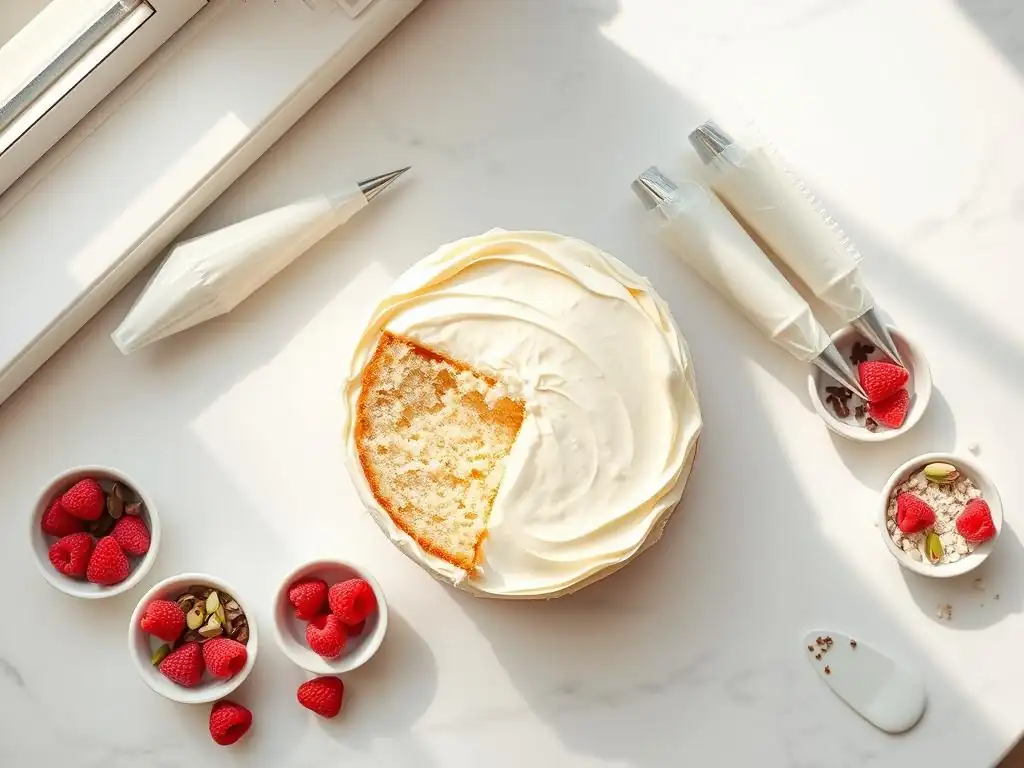
Different frostings have varying consistencies, which affects their suitability for piping. Stiff buttercreams like American or stable meringue buttercreams (Swiss, Italian) are excellent for holding sharp details like stars, rosettes, and intricate patterns. Softer frostings like cream cheese or ermine are better suited for simpler swirls, dollops, or smooth coatings.
Ensure your frosting is the right consistency for your chosen tip. If it's too stiff, add a tiny bit of liquid; if too soft, chill it briefly or add a bit more powdered sugar (for powdered sugar-based frostings) or butter (for meringue-based). Practice on parchment paper first to get a feel for the pressure needed and the pattern produced by the tip before decorating your cake.
Using Sprinkles and Edible Flowers
Once your vanilla cake is frosted, simple decorations can make a big impact. Sprinkles are an easy way to add color and fun texture. Apply them immediately after frosting while the frosting is still soft so they adhere. Consider using different types of sprinkles – jimmies, nonpareils, sanding sugar – for varied effects.
Edible flowers add a touch of elegance and natural beauty. Ensure they are specifically grown for culinary use and are pesticide-free. Place them gently onto the frosting just before serving for the freshest look. Other simple decorations include chocolate shavings, toasted coconut, fresh berries, or a dusting of cocoa powder or powdered sugar through a stencil.
Conclusion: Unleashing Creativity
Experimenting with Flavors and Textures
Moving beyond easy vanilla buttercream frosting recipes opens up a world of creative possibilities for your vanilla cakes. Each frosting type offers a unique texture and flavor profile, from the tangy richness of cream cheese to the silky elegance of Swiss meringue or the light airiness of ermine. Don't be afraid to experiment with these different bases and combine them with various flavorings – fruits, chocolates, nuts, extracts, and spices.
Consider the desired outcome: Do you want a light, refreshing cake? A rich, decadent one? A sophisticated dessert? Let your imagination guide you in pairing frosting types and flavors. Try a vanilla bean cake with a bright raspberry Italian meringue buttercream, or a classic vanilla sponge with a rich chocolate French buttercream. The versatility of vanilla cake provides the perfect playground for exploring these delicious combinations.
Baking is often about sharing joy, and presenting a beautifully frosted vanilla cake is a wonderful way to do that. Whether you've mastered a classic easy vanilla buttercream frosting recipe or ventured into the realms of Swiss meringue or vegan cashew cream, the effort and creativity you put in will be appreciated. Share your frosted cakes with friends and family, or bring them to gatherings.
Document your frosting experiments – take photos, note down which pairings worked best, and keep track of any adjustments you made. This helps you refine your skills and build your repertoire. Don't hesitate to share your experiences and recipes (or your favorite easy vanilla buttercream frosting recipes) with others online or in person. Baking is a community, and sharing your creations and knowledge makes it even more rewarding.
Frequently Asked Questions
What are some alternatives to traditional buttercream frosting for vanilla cake?
There are many! Options include cream cheese frosting, Swiss meringue buttercream (less sweet than American buttercream), and even a simple glaze made with powdered sugar and milk for a lighter finish.
What makes vanilla buttercream frosting considered "easy"?
Easy vanilla buttercream typically involves just a few ingredients – butter, powdered sugar, vanilla extract, and milk – whipped together until smooth and creamy. The simplicity is what makes it beginner-friendly.
How can I ensure my vanilla buttercream doesn't end up too sweet?
Reduce the amount of powdered sugar slightly. You can also add a pinch of salt to balance the sweetness or use unsalted butter to control the overall flavor.
What tips are there to avoid grainy vanilla buttercream frosting?
Make sure your butter is at room temperature before starting. Also, sift the powdered sugar to remove any lumps that could contribute to a grainy texture. Be sure to mix well until smooth.
Can I customize my easy vanilla buttercream recipe with other flavors?
Absolutely! You can add extracts like almond or lemon, citrus zest, melted chocolate, or even a tablespoon or two of fruit puree to create a unique and delicious frosting.
Final Reflection: Beyond the Buttercream: A Sweet Exploration of Flavor
The pursuit of the perfect vanilla cake frosting transcends mere sweetness; it's a journey of culinary creativity and personal expression. While easy vanilla buttercream frosting recipes remain a classic and beloved staple, this exploration has revealed a world of exciting alternatives, each offering unique textures and flavor profiles to elevate your baking experience. The simplicity of a well-executed buttercream shouldn't limit your potential for delicious innovation.
This journey through diverse frosting options has underscored the powerful connection between food and memory, reminding me of countless birthdays and celebrations centered around the simple joy of a perfectly frosted cake. The best things in life are the simple things.
This rings especially true when considering the profound impact a seemingly insignificant detail like frosting can have on a cherished moment. The exploration of these recipes has not only expanded my own culinary repertoire but also highlighted the enduring cultural significance of the humble cake, a symbol of celebration and shared joy across generations and cultures.
Now, it's your turn. Don't be afraid to experiment! Choose a frosting recipe that speaks to your palate and personality. Embrace the challenge of creating something unique and delicious. The next time you bake a vanilla cake, remember the possibilities that lie beyond the familiar, and let your creativity guide you towards a truly unforgettable dessert. The perfect frosting awaits your personal touch.
Unleash Your Inner Frosting Artist!
Thanks for joining us on this delicious journey through the world of vanilla cake frostings! We hope you discovered some exciting new ideas to elevate your baking game. Ready to take your cakes to the next level?
- Try out your favorite new frosting recipe this week: Pick one of the frostings from the article and give it a go! Let your creativity shine.
- Share your frosting masterpiece: Snap a picture of your frosted cake and share it on social media using #BakeWithEaseFrostingChallenge – let's see those stunning creations!
- Experiment with flavor combinations: What unexpected flavors could you add to your chosen frosting? Think beyond the basic vanilla – get creative!
What unique twist will you add to your next vanilla cake? Let us know in the comments!