
Beyond Chocolate Chips: Using Premium Bars and Wafers for Superior Results

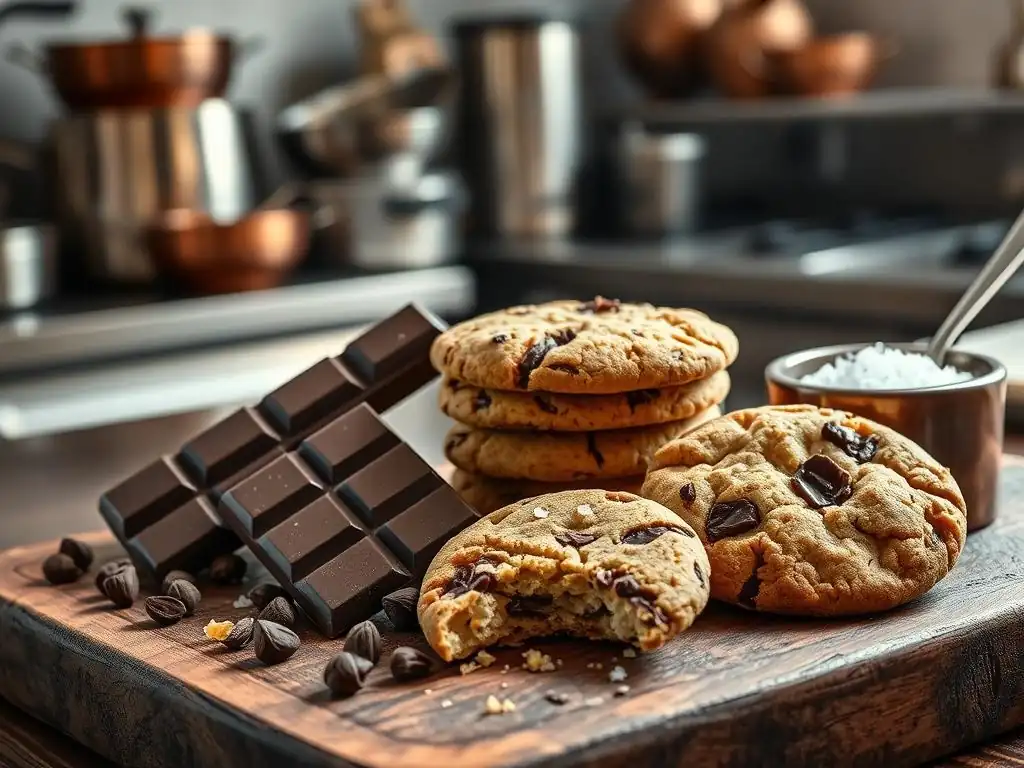
Welcome to BakeWithEase, where baking becomes a joy! Ever wondered how to elevate your treats from good to unforgettable? This week, we're diving deep into the world of premium bar baking recipes, revealing how using high-quality chocolate bars and wafers can revolutionize your creations. Discover the secrets to unlocking richer flavors and textures – prepare to be amazed at the difference! Ready to bake beyond the ordinary?
- Elevate Your Baking with Premium Chocolate Bars: A Guide for BakeWithEase Bakers
- Why Choose Premium Chocolate for Baking? The Difference is in the Details
- Mastering the Art of Premium Bar Baking Recipes: A Step-by-Step Guide
- Premium Chocolate Wafers: An Alternative for Streamlined Baking
- Tips and Tricks for Baking with Premium Chocolate
- Where to Buy Premium Chocolate Bars and Wafers
- Conclusion: Unleash Your Baking Potential with Premium Chocolate
-
Frequently Asked Questions
- What makes using premium bars and wafers better than chocolate chips in baking?
- Where can I find premium chocolate bars and wafers specifically for baking?
- Can I substitute any type of premium chocolate bar or wafer in a recipe calling for chocolate chips?
- What are some examples of recipes where using premium bars and wafers truly elevates the final result?
- How should I properly melt premium chocolate bars and wafers for baking?
- Final Reflection: The Sweet Science of Superior Baking
- Unleash Your Inner Pastry Chef!
Welcome back to BakeWithEase! We all love classic chocolate chip cookies, but what if we told you there's a whole world of chocolate waiting to transform your baked goods from great to absolutely extraordinary? Stepping up from standard chocolate chips to premium chocolate bars and wafers is one of the most impactful ways to elevate your baking.
It's like upgrading from instant coffee to a perfectly brewed single-origin pour-over – the difference in depth, complexity, and overall quality is undeniable. Mastering premium bar baking recipes opens up new dimensions of flavor and texture in everything from simple cookies to elaborate cakes.
Using premium chocolate isn't just about being fancy; it's about understanding ingredients and how they interact in baking. High-quality chocolate, made with superior cocoa beans and often higher cocoa butter content, melts differently, tastes richer, and contributes a smoother, more luxurious mouthfeel to your finished products. Whether you're aiming for intensely fudgy brownies, incredibly smooth ganache, or chocolate chip cookies with pockets of molten bliss, exploring premium chocolate bars and wafers is a game-changer for any home baker looking to refine their craft and impress their taste testers.
Superior Flavor Profiles: Unlocking Complex Tastes
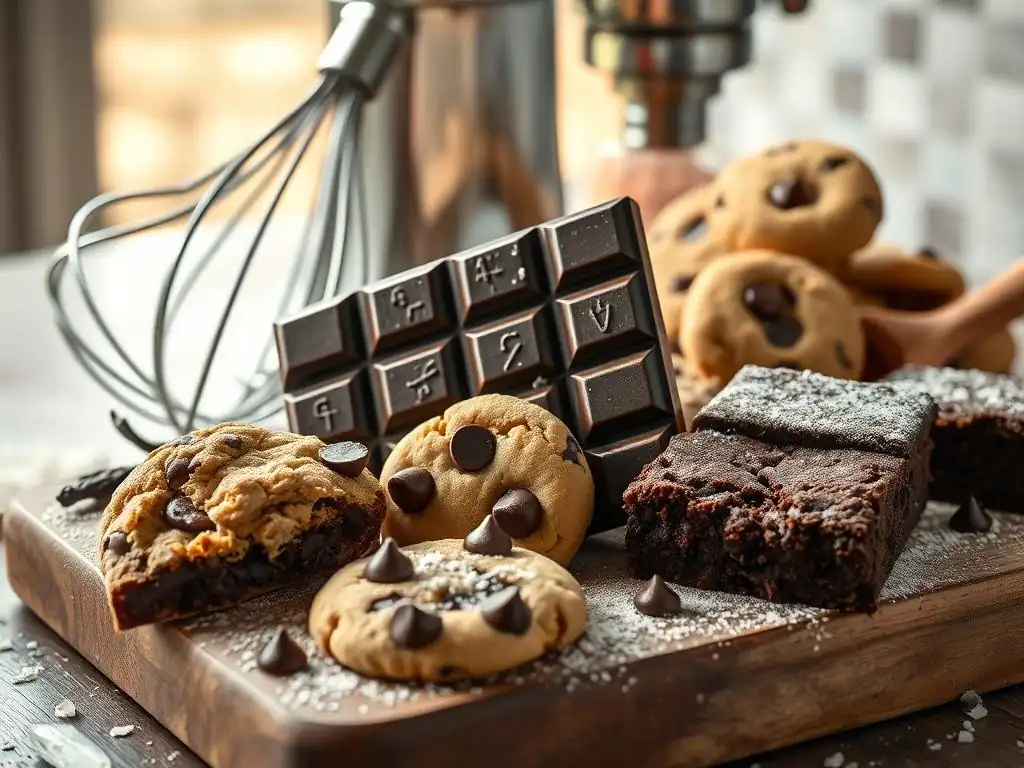
Premium chocolate bars offer flavor profiles far more complex than the simple sweetness typically found in standard baking chips. This complexity comes from the quality and origin of the cocoa beans, as well as the manufacturing process. Just like wine or coffee, cocoa beans from different regions possess distinct characteristics.
For example, beans from Madagascar might yield chocolate with bright, fruity or citrus notes, while those from Ecuador could offer floral or earthy undertones. A high-quality 70% dark chocolate bar might reveal nuances of red berries, coffee, or even nuts, adding subtle layers of flavor to your baked goods that you simply can't achieve with less sophisticated chocolate.
Furthermore, premium chocolate often contains fewer additives and fillers compared to standard baking chips or compound chocolates. The focus is on the pure flavor of the cocoa bean, enhanced by minimal sugar and high-quality cocoa butter. This purity means the chocolate's true character shines through in your premium bar baking recipes.
Instead of just tasting "chocolatey," your cookies might have hints of raspberry from a specific dark chocolate, or your brownies could gain a subtle caramel note from a fine milk chocolate. Exploring different brands and origins allows you to tailor the chocolate flavor precisely to complement the other ingredients in your recipe.
Enhanced Texture and Mouthfeel: Creamier, Smoother, More Decadent
The texture of your baked goods is profoundly influenced by the quality of the chocolate you use. Premium chocolate bars and wafers typically have a higher cocoa butter content than standard chocolate chips, which often contain stabilizers or less expensive vegetable fats. Cocoa butter is what gives chocolate its desirable melt-in-your-mouth quality. When premium chocolate melts in a cookie, for instance, it creates pools of rich, glossy liquid that solidify into wonderfully tender, slightly yielding pockets, rather than the firmer, waxier texture sometimes associated with standard chips.
This higher cocoa butter content and finer particle size (how finely the cocoa solids and sugar are ground) in premium chocolate contribute significantly to a smoother, creamier mouthfeel in baked goods like ganaches, mousses, and melted chocolate applications. A ganache made with a high-quality dark chocolate bar will be noticeably silkier and more luxurious than one made with lower-grade chocolate. For applications requiring melted chocolate, such as brownies or cakes, the superior melt and higher cocoa butter content of premium bars result in a fudgier, more moist, and intensely satisfying crumb texture.
Ethical Sourcing and Sustainability: Baking with a Conscience
Choosing premium chocolate often means supporting ethical and sustainable practices in the cocoa industry. Many premium chocolate makers prioritize sourcing beans directly from farmers or cooperatives, often paying prices significantly above the commodity market rate. This direct trade model helps ensure farmers receive fair compensation for their crops, improving livelihoods and encouraging sustainable farming methods.
Look for terms like "direct trade," "bean-to-bar," or certifications such as Fair Trade, Rainforest Alliance, or organic when selecting premium chocolate. While precise figures vary widely, some direct trade relationships can result in farmers receiving an estimated 20-50% more per kilo of cocoa compared to standard market prices.
Beyond fair wages, many premium brands invest in community development, environmental conservation, and improved farming techniques at the source. This commitment to sustainability helps protect rainforests, promotes biodiversity, and ensures the long-term viability of cocoa farming. By choosing these chocolates for your premium bar baking recipes, you're not just getting a superior ingredient; you're participating in a system that values the people and the planet behind the product. It adds a layer of satisfaction knowing that your delicious baked goods are made with ingredients sourced responsibly.
Choosing the perfect premium chocolate bar is the first crucial step in elevating your premium bar baking recipes. It requires understanding how different chocolates behave and taste when baked.
- Understanding Cocoa Percentage: This number (e.g., 70%, 55%, 35%) tells you the proportion of the bar that comes from cocoa beans (cocoa solids and cocoa butter). Higher percentages mean more intense chocolate flavor and less sugar. A 70% dark chocolate will be richer and less sweet than a 55% dark chocolate. For milk chocolate, percentages typically range from 30-45%, offering creaminess and sweetness. White chocolate contains no cocoa solids, only cocoa butter, sugar, and milk solids, usually ranging from 30-40% cocoa butter.
- Identifying Flavor Notes: Taste the chocolate before you bake with it! Does it taste fruity, nutty, earthy, floral, or have notes of caramel or coffee? Consider how these notes will complement the other flavors in your recipe. A chocolate with bright berry notes might be perfect for a dark chocolate cake, while one with caramel tones could enhance a cookie recipe.
- Best Bar Type for Specific Recipes:
- Dark Chocolate (60-75%+): Ideal for rich brownies, lava cakes, intense chocolate cookies, or ganaches where a deep, less sweet flavor is desired.
- Dark Chocolate (50-60%): Versatile for cookies, muffins, and cakes where a balanced chocolate flavor is needed – not too bitter, not too sweet.
- Milk Chocolate (30-45%): Adds sweetness and creaminess. Excellent in cookies for a softer texture, or in recipes like chocolate chip banana bread.
- White Chocolate (30-40% cocoa butter): Perfect for white chocolate macadamia nut cookies, blondies, white chocolate ganache, or adding sweetness without cocoa solids.
Proper preparation ensures your premium chocolate melts evenly and incorporates smoothly into your batter or dough.
- Chopping Techniques: For recipes where you want distinct pockets of melted chocolate, like cookies or muffins, chopping a bar is key. Use a sharp knife to chop the chocolate into irregular pieces. Aim for a mix of larger chunks (about 1/2 inch) and smaller shards. The smaller pieces will melt and spread, creating a fudgy background, while the larger chunks will remain distinct pools of molten chocolate.
- Melting Chocolate Like a Pro: The best ways to melt premium chocolate are using a double boiler or carefully in the microwave.
- Double Boiler: Place chopped chocolate in a heatproof bowl set over a pot of simmering water (the bottom of the bowl shouldn't touch the water). Stir gently until smooth. This provides gentle, even heat.
- Microwave: Place chopped chocolate in a microwave-safe bowl. Heat in 30-second intervals, stirring well after each, until mostly melted. Stirring with residual heat will melt the remaining small pieces, preventing scorching.
- Tempering Chocolate (Optional): Tempering is primarily for applications where you need chocolate to set hard, shiny, and with a crisp snap, like dipping truffles or making chocolate decorations. It involves carefully melting, cooling, and slightly reheating the chocolate to stabilize the cocoa butter crystals. While not necessary for most premium bar baking recipes incorporated into batter, it's essential for coatings.
Now for the fun part: putting that glorious premium chocolate to use!
- Chocolate Chip Cookie Upgrade: Replace your usual chocolate chips with roughly chopped premium chocolate bars (a mix of dark and milk works wonderfully). Use about 6-8 ounces of chopped bar per standard cookie recipe yielding 2-3 dozen cookies. The irregular pieces melt into incredible pools of chocolate.
- Use a 65-70% dark chocolate for intense, sophisticated cookies.
- Combine a 55% dark with a 35% milk chocolate for classic sweet and rich flavor.
- Brownie Bliss: For truly fudgy, decadent brownies, incorporate melted premium chocolate directly into the batter alongside cocoa powder. A common ratio is using 4-6 ounces of melted 70% dark chocolate per batch of brownies made with about 1 cup of flour. This adds richness, moisture, and depth of flavor that cocoa powder alone cannot provide.
- Melt the chocolate gently and stir it into the butter/sugar mixture.
- Ensure the melted chocolate isn't too hot when adding eggs.
- Cake Enhancement: Chopped premium chocolate can be folded into cake batters (like a rich chocolate pound cake or a simple chocolate loaf) for pockets of melted goodness. Melted premium chocolate can also form the base of superior chocolate glazes, frostings, and sauces for cakes.
- Add 3-4 ounces of chopped chocolate to a standard loaf cake batter before baking.
- Use melted premium chocolate (dark or milk) for a simple yet elegant chocolate glaze poured over a cooled cake.
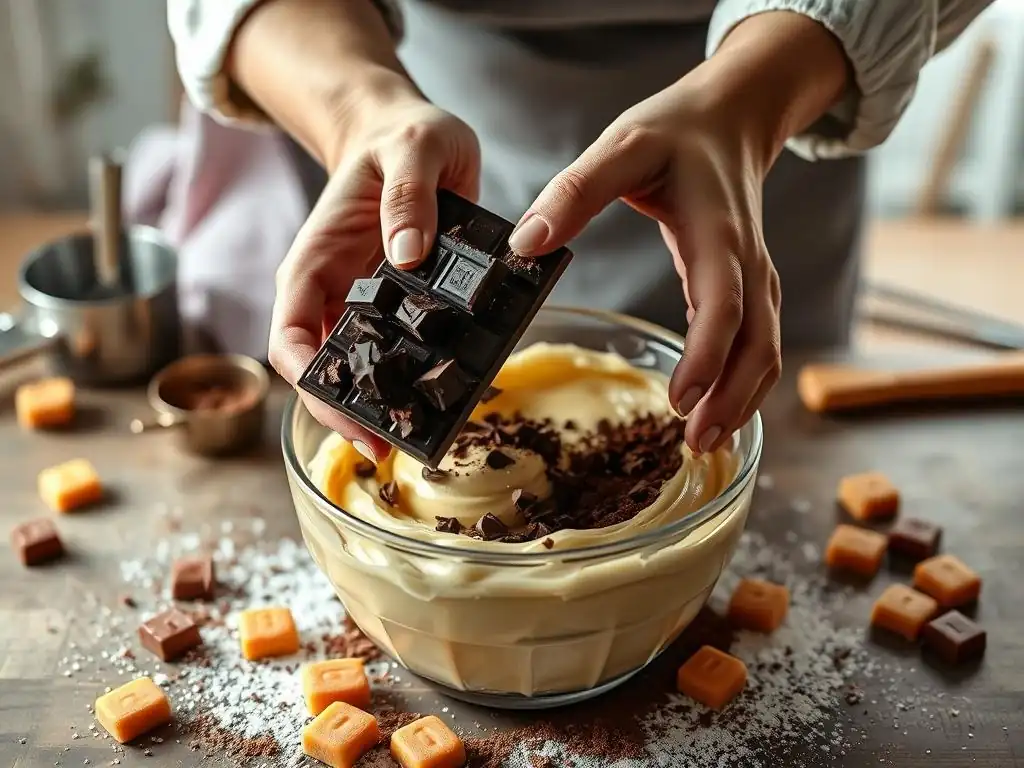
While chopping bars is fantastic for texture, premium chocolate wafers (often called callets or fèves by professional brands) offer distinct advantages, especially for specific applications.
Advantages of Using Chocolate Wafers
Premium chocolate wafers are small, uniform discs or ovals of couverture chocolate, meaning they contain a high percentage of cocoa butter (typically 30-35% for milk/white, 32-39% for dark).
- Consistent Melting: Their uniform size and shape ensure they melt very evenly and quickly. This is incredibly beneficial for applications like ganache, glazes, or tempering, where consistent melting is crucial for a smooth, stable result.
- Precise Measuring: Wafers are easy to weigh accurately, which is essential for recipes where precise ratios are important, such as ganache (cream-to-chocolate ratio) or when working with tempered chocolate.
- Recommended Brands: Look for brands known for high-quality couverture chocolate used by professionals. While availability varies, brands like Callebaut, Valrhona, Guittard (specifically their baking wafers/fèves), and Ghirardelli (their professional baking line) are often recommended for their quality and performance.
Wafers are particularly suited for recipes where a smooth, homogenous melted chocolate is required.
- Ganache Glory: Wafers are the ideal choice for making ganache. Their consistent melt ensures a perfectly smooth emulsion with warm cream. For a basic dark chocolate ganache, use a 1:1 ratio of chopped dark chocolate wafers to hot heavy cream by weight. For milk or white chocolate, the ratio of chocolate to cream is typically higher, perhaps 1.5:1 or 2:1, due to their lower cocoa content.
- Chocolate Glazes: Similar to ganache, glazes require a smooth, flowing consistency. Melting premium chocolate wafers with a bit of butter or oil creates a beautiful, glossy glaze perfect for cakes, doughnuts, or éclairs.
- Truffle Temptation: Wafers melt beautifully to create the base for chocolate truffles (essentially a firm ganache). They are also excellent for dipping truffles, especially if you choose to temper them for a professional finish.
Working with high-quality ingredients deserves a little extra care to ensure the best results in your premium bar baking recipes.
Chocolate is sensitive to temperature, light, and odors. Store premium chocolate in a cool (ideally 60-70°F or 15-21°C), dark place away from strong smells. An airtight container or double-wrapping helps protect it. Avoid refrigeration if possible, as it can cause sugar bloom (a white, powdery surface) and absorb odors, though it's preferable to storing in a hot environment. Properly stored, dark chocolate can last a year or more, while milk and white chocolate have shorter shelf lives, typically 6-12 months.
- Seized Chocolate: If melted chocolate suddenly turns thick, grainy, and unworkable, it's likely seized due to contact with even a tiny amount of water or overheating. Try stirring in a teaspoon of vegetable oil or melted shortening per ounce of chocolate, one drop at a time, to see if you can rescue it. Use this rescued chocolate in baked goods where texture is less critical (like brownies), not for ganache or glazes.
- Sugar/Fat Bloom: A white or greyish film on the surface indicates improper storage (temperature fluctuations). It doesn't affect flavor but impacts appearance. It's perfectly fine to use bloomed chocolate in baked goods where it will be melted.
Experimenting with Different Flavors and Textures
Don't be afraid to experiment! Try substituting chopped premium chocolate for chips in your favorite recipes. Mix different percentages of dark chocolate or combine dark with milk chocolate. Use chopped white chocolate in surprising places, like a lemon cake or cranberry muffins. Consider the flavor notes of the chocolate and how they pair with other ingredients – a chocolate with coffee notes in tiramisu-inspired cookies, or a fruity dark chocolate in raspberry brownies.
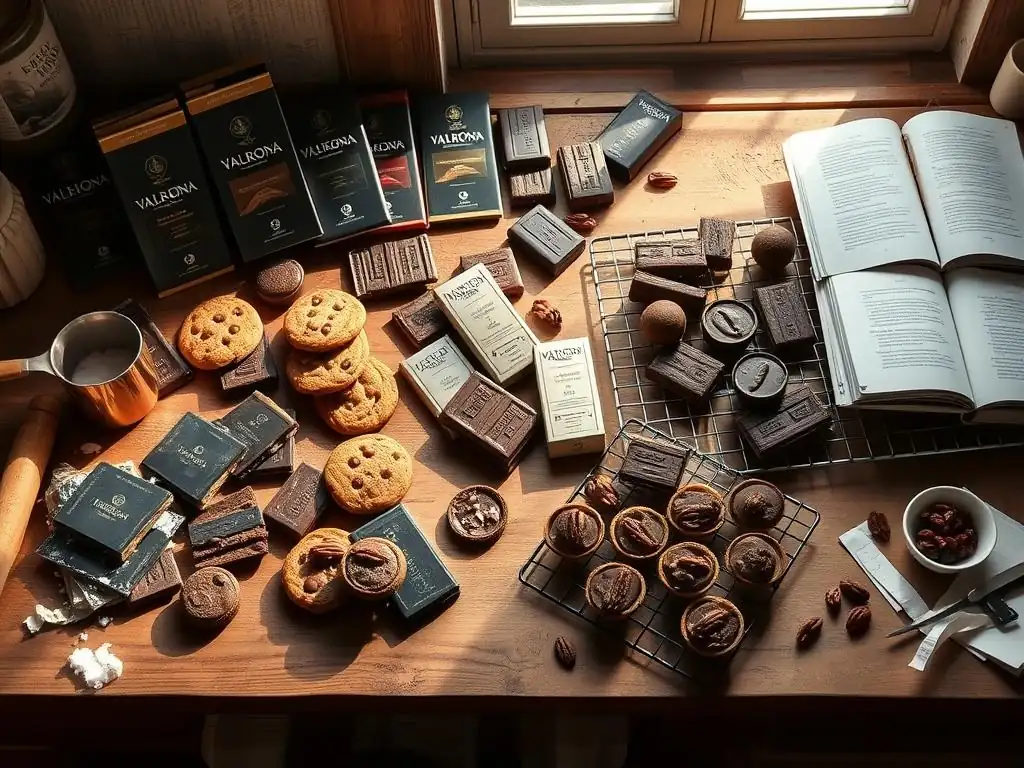
Finding high-quality chocolate is becoming easier, but the best sources often go beyond the standard grocery aisle.
- Online Retailers: Websites specializing in baking supplies or gourmet foods often carry a wide selection of premium chocolate brands and formats (bars, wafers/callets). This offers the greatest variety in terms of origin, cocoa percentage, and brand.
- Local Grocery Stores: Many larger or specialty grocery stores now stock a decent selection of premium chocolate bars in their candy or baking aisles. Look for brands like Ghirardelli (premium lines), Lindt (high-percentage bars), Valrhona (sometimes available), or local artisanal chocolate makers.
- Chocolate Boutiques: Dedicated chocolate shops or patisseries are excellent sources for high-quality chocolate. They often carry couverture wafers or fèves from top professional brands and knowledgeable staff can offer recommendations for your premium bar baking recipes.
Moving beyond standard chocolate chips to premium chocolate bars and wafers is a simple yet powerful step that can dramatically improve the quality and complexity of your baked goods. From the superior flavor profiles derived from fine cocoa beans and careful processing to the enhanced texture provided by higher cocoa butter content, the difference is truly palpable. By taking the time to select the right chocolate, prepare it properly, and understand its unique characteristics, you unlock a new level of deliciousness in your premium bar baking recipes.
So, next time you're planning to bake, reach for a premium bar or a bag of wafers and experience the transformative magic of high-quality chocolate. Your taste buds (and anyone you bake for) will thank you!
Frequently Asked Questions
Premium bars and wafers offer a superior melt and more complex flavor profiles compared to standard chocolate chips. This leads to a richer and more nuanced taste in your baked goods.
BakeWithEase.com often features recipes using specifically sourced bars and wafers. Many specialty grocery stores or online retailers specializing in baking ingredients also carry them.
While possible, be mindful of the cocoa percentage and sugar content. You may need to adjust the recipe slightly to compensate for differences in sweetness or bitterness.
Recipes like brownies, cookies, and chocolate ganache benefit greatly. The deeper flavor of premium chocolate really shines through in these types of baked goods.
Use a double boiler or microwave in short intervals, stirring frequently, to prevent burning. Ensure the chocolate is completely melted and smooth before incorporating it into your recipe.
Final Reflection: The Sweet Science of Superior Baking
The pursuit of the perfect baked good transcends mere ingredients; it's a journey into the nuanced world of flavor and texture. This article explored how elevating your baking game begins with the simple act of choosing premium chocolate bars and wafers. We've uncovered the surprising depth of flavor profiles available, and how these choices directly impact the overall quality of your creations. The difference isn't just noticeable; it's transformative.
The impact of high-quality ingredients extends beyond the immediate sensory experience. It's a reflection of our appreciation for craftsmanship and the dedication to creating something truly special. This resonates deeply with the current culinary landscape, where conscious consumption and a focus on quality ingredients are increasingly valued. The best things in life are worth waiting for, and the same is true for baking with premium ingredients. The results speak for themselves.
This simple truth underscores the enduring appeal of using superior components to achieve exceptional results, a principle that transcends the kitchen and applies to many aspects of life.
Now, consider your own baking journey. What are you willing to experiment with? Will you dare to step beyond the familiar comfort of mass-produced chocolate chips and embrace the exciting possibilities of premium bars and wafers? I invite you to embark on this culinary adventure, to explore the diverse world of chocolate, and to discover the joy of creating truly exceptional baked goods. The reward? A richer, more satisfying experience for both you and those lucky enough to share in your creations.
Unleash Your Inner Pastry Chef!
Thanks for taking the time to explore the world of premium chocolate with us! We hope you've discovered some delicious new ways to elevate your baking. Ready to put your newfound knowledge into practice?
- Try a recipe swap: Substitute your usual chocolate chips with a high-quality bar or wafer in your favorite recipe. Note the difference in flavor and texture!
- Share your creations: Post a picture of your masterpiece on social media and tag us – we’d love to see what you bake!
- Challenge yourself: Explore a new baking technique using a premium chocolate you haven't tried before. What unexpected flavor combinations can you discover?
What unexpected ingredient will you pair with your premium chocolate next?