
Couverture vs. Regular: Which HighQuality Chocolate is Right for Your Recipe?

Welcome to BakeWithEase, your partner in creating delectable treats!
Ever wondered if you're using the right chocolate for your baking masterpiece? Dive into our article, "Couverture vs. Regular: Which High Quality Chocolate is Right for Your Recipe?" and unlock the secrets to achieving professional-level results. We'll explore the nuances between couverture and regular chocolate, guiding you towards the perfect choice for your next baking adventure. Prepare to elevate your desserts from ordinary to extraordinary!
- Understanding High-Quality Chocolate for Baking: A Beginner's Guide
-
Couverture Chocolate: The Professional Baker's Secret Weapon
- What is Couverture Chocolate? Defining Features & Characteristics
- Key Ingredients and Composition of Couverture Chocolate
- Why Choose Couverture for High-End Baking? Superior Flavor and Texture
- Best Couverture Chocolate Brands for Baking Enthusiasts: A Comparison
- Recipes Where Couverture Chocolate Truly Shines: Examples & Applications
-
Regular High-Quality Baking Chocolate: A More Accessible Option
- What is Regular High-Quality Baking Chocolate? Distinguishing Features
- Key Ingredients and Composition of Regular Baking Chocolate
- Why Choose Regular High-Quality Chocolate? Convenience and Affordability
- Top Regular High-Quality Chocolate Brands for Baking: A Side-by-Side Look
- Recipes Where Regular High-Quality Chocolate Excels: Examples & Applications
- Couverture vs. Regular High-Quality Chocolate: A Detailed Comparison Chart
- Making the Right Choice: Matching Chocolate to Your Baking Needs
- Tips for Working with High-Quality Chocolate: Mastering the Art of Baking
- Where to Buy High-Quality Chocolate: Online and Local Retailers
- Conclusion: Elevating Your Baking with High-Quality Chocolate
-
Frequently Asked Questions
- What is the primary difference between couverture chocolate and regular chocolate when used in high quality chocolate recipes?
- Why is couverture chocolate often preferred for tempering in high quality chocolate recipes?
- Can I substitute regular chocolate for couverture chocolate in all high quality chocolate recipes?
- What are some specific high quality chocolate recipes where using couverture chocolate is highly recommended?
- Where can I reliably source high quality chocolate (both couverture and regular) for my baking projects?
- Final Reflection: Unveiling the Secrets of Superior Chocolate
- Unlock Your Chocolate Potential: Discover the Perfect Match!
Understanding High-Quality Chocolate for Baking: A Beginner's Guide
What Makes Chocolate "High-Quality" for Baking?
High-quality chocolate for baking is fundamentally different from the standard chocolate bars you might snack on. Its distinction lies primarily in its composition and how it behaves during the baking process. A key indicator of quality is the percentage of cocoa solids it contains, which includes both cocoa mass (or liquor) and cocoa butter. Higher cocoa percentages generally mean a more intense chocolate flavor and less sugar. For instance, a 70% dark chocolate contains 70% cocoa solids and 30% sugar and other ingredients, while a 50% chocolate has a balance more towards sugar.
Beyond cocoa percentage, the quality of the ingredients themselves is paramount. High-quality chocolate uses premium cocoa beans, pure cocoa butter (not vegetable oils or substitutes), minimal or no artificial flavorings, and often contains just cocoa mass, sugar, cocoa butter, lecithin (as an emulsifier), and vanilla. The processing, including conching (a process of mixing and refining the chocolate) and tempering, is also crucial. Proper conching develops the chocolate's flavor and smooth texture, while tempering is essential for shine, snap, and stability in many high quality chocolate recipes.
Exploring the Different Types of Baking Chocolate
When you browse the baking aisle or specialty shops, you'll encounter various forms of baking chocolate: bars, blocks, chips, fèves (small oval shapes), and wafers or callets. While the form can affect how easily it melts, the type of chocolate itself is more significant for your recipe's outcome. Common types include unsweetened chocolate (100% cocoa solids), bittersweet or semi-sweet chocolate (varying cocoa percentages, typically 35-70%), milk chocolate (contains milk solids and sugar), and white chocolate (made from cocoa butter, sugar, and milk solids, with no cocoa solids).
Within these categories, the term "high-quality" often refers to chocolate with a higher cocoa solid content (especially in dark varieties), better quality ingredients, and superior processing. This is where the distinction between "couverture" and "regular high-quality" baking chocolate becomes important. Both can elevate your high quality chocolate recipes, but they behave differently due to their specific compositions, particularly their cocoa butter content. Understanding these differences is key to choosing the right chocolate for the job, whether you're making a delicate mousse or sturdy cookies.
Couverture Chocolate: The Professional Baker's Secret Weapon
What is Couverture Chocolate? Defining Features & Characteristics
Couverture chocolate is a professional-grade chocolate known for its exceptionally smooth texture, rich flavor, and high shine when properly tempered. The defining characteristic that sets it apart from other baking chocolates is its significantly higher percentage of cocoa butter. While standard baking chocolate might contain around 20-25% cocoa butter, couverture typically contains 30-35% or even higher. This elevated cocoa butter content makes couverture more fluid when melted, allowing it to form thinner, more even coatings and providing that characteristic smooth melt-in-your-mouth feel.
This fluidity and higher cocoa butter content also make couverture chocolate ideal for tempering, a process involving controlled heating and cooling to stabilize the cocoa butter crystals. Proper tempering gives chocolate coatings a beautiful gloss, a firm snap when broken, and prevents blooming (the formation of gray streaks caused by unstable cocoa butter). Because tempering is crucial for couverture's best performance, it's often the go-to for applications like dipping, molding, and creating glossy glazes, essential techniques in many high quality chocolate recipes.
Key Ingredients and Composition of Couverture Chocolate
The core ingredients of couverture chocolate are essentially the same as other high-quality chocolates: cocoa mass (or liquor), sugar, cocoa butter, and often lecithin and vanilla. However, the proportion of cocoa butter is the critical differentiator, as mentioned earlier, typically exceeding 30%. For example, a Valrhona 70% dark couverture might have 70% total cocoa solids, with a significant portion of that being cocoa butter, perhaps 38-40%.
The quality of these ingredients is also consistently high in couverture. Manufacturers producing couverture chocolate source premium cocoa beans and employ meticulous processing techniques, including extensive conching. This results in a finer particle size and a more homogeneous mixture, contributing to the chocolate's superior flavor development and smooth texture. This careful composition is why couverture is favored for professional high quality chocolate recipes where texture and finish are paramount.
Why Choose Couverture for High-End Baking? Superior Flavor and Texture
Choosing couverture chocolate for high-end baking is about achieving unparalleled results in flavor, texture, and appearance. The higher cocoa butter content contributes to a smoother, more luxurious mouthfeel and allows the complex flavors of the cocoa beans to shine through more clearly. When used in applications like ganaches or mousses, couverture creates an incredibly silken texture that is hard to replicate with standard chocolate.
Furthermore, the ability to temper couverture properly opens up a world of possibilities for creating professional-looking desserts. Dipped strawberries, molded chocolates, thin chocolate decorations, and mirror glazes all benefit immensely from the snap, shine, and stability that only properly tempered couverture can provide. While it requires more technical skill due to the tempering process, the superior outcome makes it the preferred choice for those aiming for the highest standard in their high quality chocolate recipes.
Best Couverture Chocolate Brands for Baking Enthusiasts: A Comparison
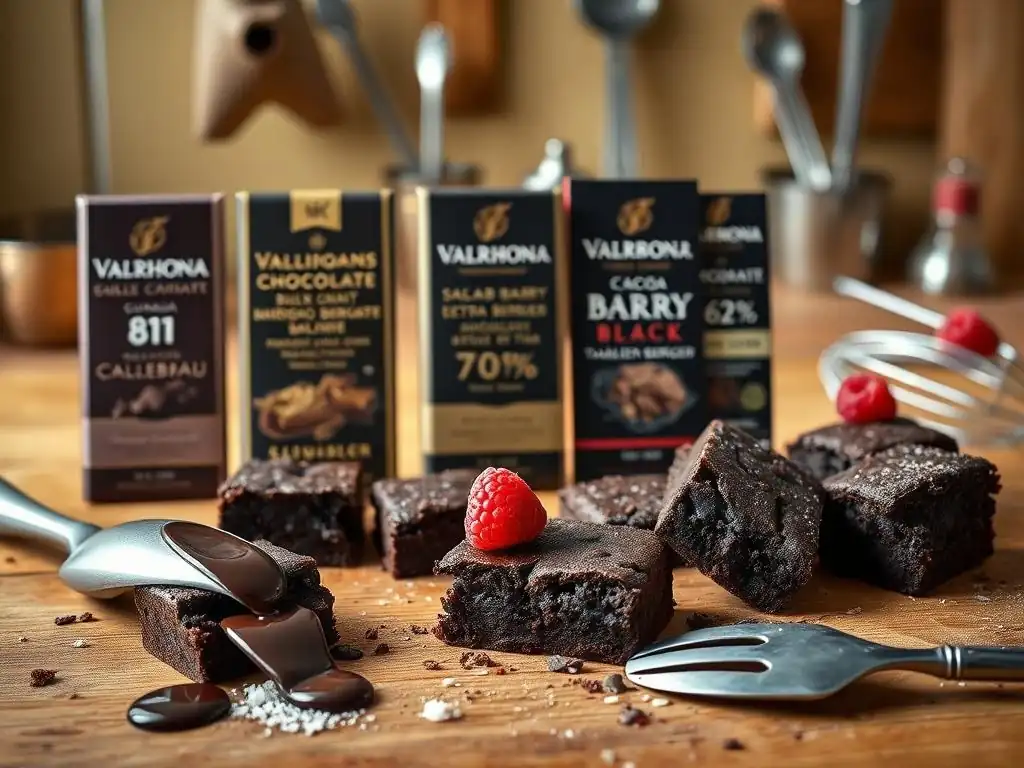
Several brands are renowned for their high-quality couverture chocolate, each offering distinct flavor profiles and characteristics. Exploring these can significantly elevate your high quality chocolate recipes.
Valrhona Guanaja 70% Couverture: Richness and Intensity
Valrhona is a French brand highly respected in the pastry world. Their Guanaja 70% couverture is a classic example of intense, complex dark chocolate. It's known for its strong cocoa flavor with notes of dried fruit and nuts.
This chocolate is perfect for applications where a deep, powerful chocolate presence is desired, such as intense ganaches, rich tarts, or sophisticated molded chocolates. Its high cocoa butter content and fine particle size make it temper beautifully, resulting in a glossy, snappy finish.
Callebaut 811NV: Versatile and Reliable
Callebaut is a Belgian brand widely used by professional and home bakers alike, often available in convenient callet (wafer) form. Their 811NV is a popular dark couverture (around 54.5% cocoa solids) known for its balanced, classic chocolate flavor profile.
This chocolate is incredibly versatile, suitable for everything from tempering and molding to melting into cakes and brownies. Its consistent quality and ease of use make it a reliable staple for a wide range of high quality chocolate recipes.
Valrhona Jivara 40% Lactée: A Creamy Milk Chocolate Option
While dark chocolate often comes to mind with couverture, high-quality milk couverture also exists. Valrhona's Jivara 40% Lactée is a prime example, offering a rich, creamy milk chocolate experience with a higher cocoa percentage than typical milk chocolate.
Jivara is excellent for milk chocolate ganaches, mousses, or for tempering to create smooth, decadent milk chocolate shells or decorations. Its balanced sweetness and pronounced milky notes make it a favorite for high quality chocolate recipes that call for a sophisticated milk chocolate flavor.
Recipes Where Couverture Chocolate Truly Shines: Examples & Applications
Couverture chocolate is indispensable for specific high quality chocolate recipes where its unique properties deliver superior results.
Elevating Chocolate Ganache with Couverture
Ganache, a simple mixture of chocolate and cream, is transformed when made with couverture. The higher cocoa butter content creates an exceptionally smooth, stable, and luxurious emulsion. A ganache made with 60-70% dark couverture for filling or frosting will be incredibly rich and silken, with a deep flavor.
For a pourable glaze or a whipped ganache, the fluidity of melted couverture ensures a beautiful, consistent texture. Using a high-quality milk or white couverture will result in ganaches that are creamy and flavorful without being overly sweet, perfect for fillings in macarons or tarts.
Mastering Chocolate Tempering for Couverture Coatings
Tempering is where couverture truly excels. Techniques like the seeding method (adding solid tempered chocolate to melted chocolate) or the tabling method (spreading melted chocolate on a cool surface) are used to align the cocoa butter crystals. This process is essential for achieving the desired snap and shine when coating candies, fruits, or pastries.
A properly tempered couverture coating will set quickly, have a beautiful gloss, a satisfying snap when bitten into, and resist melting at room temperature far better than untempered chocolate. This makes it perfect for creating professional-looking truffles, bonbons, or chocolate-dipped items.
Achieving Perfect Glossy Glazes with Couverture
Mirror glazes and thin chocolate coatings for cakes and pastries rely heavily on the fluidity and tempering properties of couverture. A well-made mirror glaze using tempered couverture will be incredibly smooth, reflective, and set cleanly.
Similarly, creating thin, even chocolate shells for cakes or pastries often involves working with tempered couverture. Its ability to flow thinly and set with a firm snap is crucial for achieving elegant results in complex high quality chocolate recipes.
Regular High-Quality Baking Chocolate: A More Accessible Option
What is Regular High-Quality Baking Chocolate? Distinguishing Features
Regular high-quality baking chocolate, while still superior to standard candy bars, differs from couverture primarily in its cocoa butter content. It contains a lower percentage of cocoa butter, typically ranging from 20-25%. This lower fat content means it is less fluid when melted and does not require mandatory tempering to achieve a stable structure, though tempering can still improve its texture for certain applications.
This type of chocolate is commonly found in the baking aisle of most grocery stores or specialty shops in bar, block, or chip form. It's designed to melt smoothly and integrate well into batters and doughs, providing excellent chocolate flavor without the technical demands of tempering that couverture often requires. It's a fantastic choice for a wide variety of high quality chocolate recipes where ease of use is a factor.
Key Ingredients and Composition of Regular Baking Chocolate
Like couverture, regular high-quality baking chocolate is made from cocoa mass, sugar, cocoa butter, and often lecithin and vanilla. The key difference lies in the proportion of cocoa butter, which is lower than in couverture. For instance, a 60% bittersweet baking bar might have around 60% cocoa solids in total, but the cocoa butter portion might be closer to 25%.
The quality of the cocoa beans and processing can still be very high, contributing to rich, complex flavors. Brands focusing on high-quality regular baking chocolate prioritize flavor development and smooth melting properties suitable for direct inclusion in baked goods. While it might not give you the same ultra-thin coating or sharp snap as tempered couverture, its composition makes it incredibly versatile for mixing into doughs and batters.
Why Choose Regular High-Quality Chocolate? Convenience and Affordability
Regular high-quality baking chocolate offers significant advantages in terms of convenience and affordability, making it an excellent choice for everyday high quality chocolate recipes. It is much more widely available than couverture, found in most supermarkets, and is generally less expensive per ounce.
Moreover, its lower cocoa butter content means it is more forgiving to work with. While it will melt, it doesn't require precise temperature control for tempering to be structurally sound in most baked applications. You can simply melt it and stir it into your batter or use it in recipes where texture isn't dependent on tempering, like brownies, cakes, or cookies. This ease of use makes it perfect for home bakers looking to elevate their results without complex techniques.
Top Regular High-Quality Chocolate Brands for Baking: A Side-by-Side Look
Several brands consistently produce excellent regular high-quality baking chocolate popular with home bakers.
Ghirardelli Baking Chocolate: Widely Available and Consistent
Ghirardelli is a well-known American brand widely available in supermarkets. They offer a range of baking products, including bars, chips, and wafers, in various cocoa percentages (e.g., 60% Cacao Bittersweet, 100% Cacao Unsweetened).
Ghirardelli is valued for its consistent quality and reliable performance in standard baking applications. Their chips hold their shape well in cookies, and their bars melt smoothly into batters and ganaches that don't require tempering for structure, making it a staple for many high quality chocolate recipes.
Scharffen Berger Baking Chocolate: Bold Flavors for Experienced Bakers
Scharffen Berger, now part of Hershey's but maintaining its identity, was one of America's first bean-to-bar chocolate makers. Their baking bars (like 70% Cacao Bittersweet or 99% Cacao Unsweetened) are known for their intense, complex, and often fruity or nutty flavor profiles.
Scharffen Berger is an excellent choice for bakers who want a more pronounced and nuanced chocolate flavor in their baked goods. Its bolder taste can stand up well in rich brownies or deep chocolate cakes, appealing to those seeking distinctive flavors in their high quality chocolate recipes.
Guittard Baking Chocolate: A Heritage Brand with Quality Ingredients
Guittard Chocolate Company is another American brand with a long history, known for its focus on quality ingredients and craftsmanship. They offer various baking products, including bars and chips, in different cocoa percentages (e.g., 66% Cacao Semisweet, 74% Cacao Bittersweet).
Guittard is appreciated for its smooth texture and balanced flavors. Their chips are often noted for melting smoothly while still retaining some structure. Their bars perform reliably in a variety of baking applications, making them a solid choice for enhancing the flavor of high quality chocolate recipes.
Recipes Where Regular High-Quality Chocolate Excels: Examples & Applications
Regular high-quality baking chocolate is perfect for a vast array of classic high quality chocolate recipes where its melting properties and flavor are key.
Baking Fudgy Brownies with Regular Baking Chocolate
Fudgy brownies often rely on melted chocolate stirred directly into the batter. Using a high-quality bittersweet or unsweetened baking bar (like Ghirardelli 60% or Scharffen Berger 70%) provides a deep, intense chocolate flavor and contributes significantly to the moist, dense texture.
Unlike coatings, brownies don't require the chocolate to be tempered for structure. Melting the chocolate simply and incorporating it ensures even distribution of flavor throughout the batter, resulting in consistently rich and fudgy results.
Creating Chocolate Chip Cookies with Regular Baking Chocolate
While chocolate chips are a specific form, high-quality versions from brands like Ghirardelli or Guittard elevate classic chocolate chip cookie recipes. These chips are designed to hold their shape somewhat while baking but still melt into pockets of gooey chocolate.
Using chips with a higher cocoa percentage or made with better quality chocolate can dramatically improve the flavor compared to standard chips. Some bakers even chop up high-quality baking bars for even better melt and flavor distribution in their high quality chocolate recipes for cookies.
Making Decadent Chocolate Cake with Regular Baking Chocolate
Many chocolate cake recipes incorporate melted chocolate directly into the batter alongside cocoa powder. Using a high-quality bittersweet or semi-sweet baking bar adds richness, moisture, and depth of flavor that cocoa powder alone cannot achieve.
The melted chocolate integrates smoothly into the cake batter, ensuring a uniform chocolatey taste throughout the crumb. This application doesn't require tempering, making regular high-quality bars a convenient and effective way to make truly decadent high quality chocolate recipes for cakes.
Couverture vs. Regular High-Quality Chocolate: A Detailed Comparison Chart
Comparing couverture and regular high-quality baking chocolate side-by-side highlights their key differences and helps determine when to use each type for optimal results in high quality chocolate recipes.
Flavor Profile: Intensity, Nuance, and Complexity
Couverture chocolate often offers a more intense and nuanced flavor profile due to the use of premium beans and extensive conching. The higher cocoa butter content can also allow the inherent flavors of the cocoa bean to be perceived more clearly on the palate.
Regular high-quality baking chocolate still provides excellent flavor, far superior to compound chocolate or low-quality candy bars. The flavors are typically robust and true to the cocoa percentage, though perhaps slightly less complex or subtle than top-tier couverture.
Texture and Mouthfeel: Smoothness, Snap, and Melt
This is where the difference is most pronounced. Couverture, when properly tempered, delivers an incredibly smooth, almost liquid-like melt, a sharp snap when broken, and a beautiful glossy finish. The high cocoa butter contributes to this luxurious mouthfeel.
Regular high-quality baking chocolate melts smoothly into batters and doughs, creating a pleasant texture within the baked good. However, if used for coating without tempering, it will lack the snap and shine of tempered couverture and may have a softer, less clean melt.
Tempering Requirements: Ease of Use and Precision
Tempering is generally required for couverture if you need it to be stable, glossy, and have a snap (e.g., for dipping, molding, or thin coatings). This process requires precision in temperature control and technique.
Tempering is generally optional for regular high-quality baking chocolate. While tempering can improve its texture and appearance for some uses, it's not necessary for it to function effectively in most standard baking applications like mixing into doughs or ganaches that will be soft.
Price and Availability: Accessibility and Budget Considerations
Couverture chocolate is typically more expensive per ounce than regular high-quality baking chocolate due to its higher cocoa butter content, premium ingredients, and specialized processing. It is also less widely available, often found in specialty food stores, chocolate shops, or online retailers.
Regular high-quality baking chocolate is significantly more accessible and budget-friendly. It is readily available in most supermarkets and offers excellent value for enhancing the flavor of everyday high quality chocolate recipes without a significant financial investment.
Making the Right Choice: Matching Chocolate to Your Baking Needs
Deciding between couverture and regular high-quality chocolate depends heavily on the specific recipe, the desired outcome, and your comfort level with techniques like tempering.
When to Splurge on Couverture Chocolate for Unforgettable Results
Splurging on couverture is worthwhile when the chocolate is the star of the show and its texture and appearance are critical. This includes:
- Dipping candies, fruits, or cookies where a glossy, snappy coating is desired.
- Creating molded chocolates or bonbons.
- Making delicate chocolate decorations or curls.
- Producing ultra-smooth and stable ganaches for fillings or glazes that will be visible.
- Crafting sophisticated mousses or tarts where the silken texture and intense flavor of the chocolate are paramount.
For these high quality chocolate recipes, the unique properties of couverture, enabled by its high cocoa butter and proper tempering, make a noticeable and often essential difference in the final product's quality and presentation.
When Regular High-Quality Chocolate is the Perfect Choice: Practicality and Taste
Regular high-quality baking chocolate is perfect for a vast range of high quality chocolate recipes where the chocolate is incorporated into the baked good or used in applications that don't rely on tempering for structure or finish. Use it when:
- Baking cakes, brownies, muffins, or quick breads where chocolate is melted into the batter.
- Making chocolate chip cookies or other drop cookies.
- Preparing fudges or simple sauces that don't require a tempered finish.
- Creating ganaches for uses like cake fillings or whipped toppings where a super-high gloss or snap isn't necessary.
- You want to significantly improve the flavor of your baked goods compared to using standard chips or candy bars, without the added cost or complexity of tempering couverture.
It offers excellent flavor and performance for these applications, providing a significant upgrade to your baking without requiring specialized techniques or ingredients.
Matching Specific High-Quality Chocolate Types to Specific Recipes
Choosing the right specific chocolate within the high-quality range can further refine your high quality chocolate recipes.
High-Quality Chocolate Chip Cookies: Guittard vs Ghirardelli
For classic chocolate chip cookies, both Guittard and Ghirardelli offer excellent high-quality chips. Guittard's chips are often praised for their smooth melt and nuanced flavor, while Ghirardelli provides reliable consistency and availability. Experiment with their different cocoa percentages (e.g., Ghirardelli 60% Cacao or Guittard 66% Cacao) to find the intensity you prefer. Some bakers even chop up a high-quality bar like Scharffen Berger 70% for pockets of intensely flavored, irregular chocolate chunks.
High-Quality Chocolate Cakes: Valrhona vs Scharffen Berger
When making a decadent chocolate cake, the flavor of the melted chocolate is key. Using a high-quality bar like Valrhona's 70% (not necessarily couverture if just melting into batter) or Scharffen Berger's 70% or 99% can drastically improve the depth and complexity. Valrhona might offer a smoother, more classic profile, while Scharffen Berger can provide a bolder, more distinctive taste. Using unsweetened chocolate (like Ghirardelli 100% or Scharffen Berger 99%) alongside cocoa powder can create an incredibly rich, less sweet cake.
Tips for Working with High-Quality Chocolate: Mastering the Art of Baking
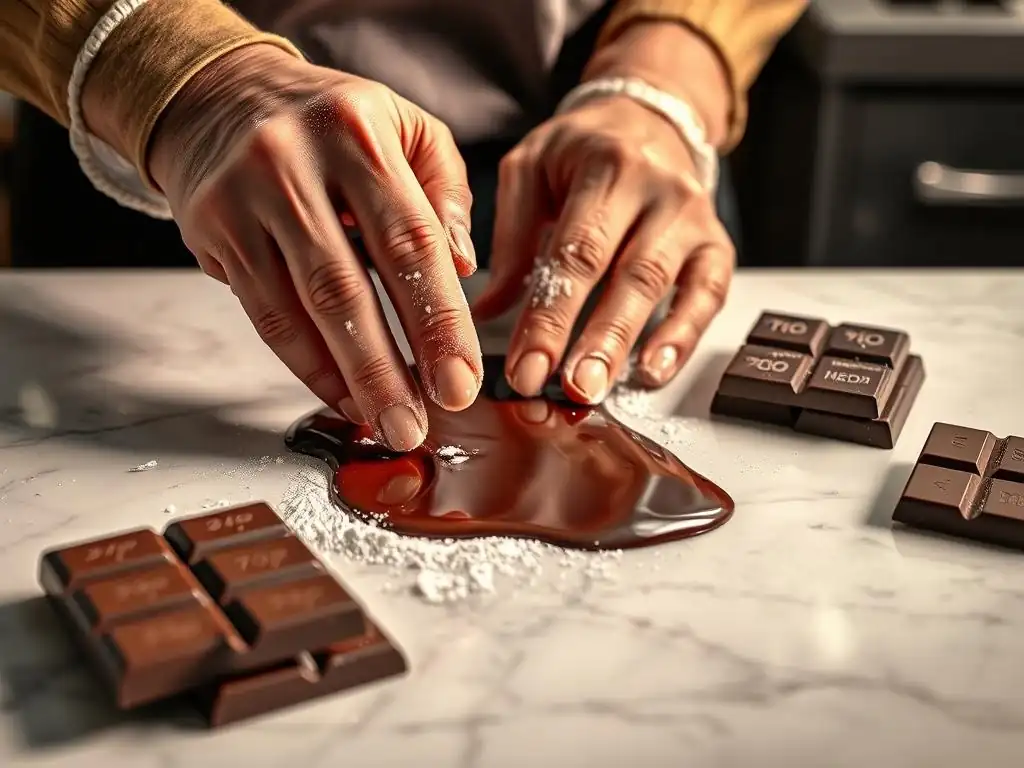
Regardless of whether you choose couverture or regular high-quality chocolate, proper handling is essential to get the best results in your high quality chocolate recipes.
Proper Storage Techniques for High-Quality Chocolate
Chocolate is sensitive to temperature, light, air, and odors. Store high-quality chocolate in a cool, dark, dry place, ideally between 60-70°F (15-21°C). Avoid storing it in the refrigerator or freezer unless it is hermetically sealed, as condensation can cause sugar bloom (white streaks).
Keep chocolate tightly wrapped in its original packaging or in an airtight container to protect it from moisture and prevent it from absorbing other smells from your pantry. Properly stored, dark chocolate can last for a year or more, while milk and white chocolate have shorter shelf lives, typically around 6-12 months.
Melting High-Quality Chocolate: Avoiding Common Mistakes
Melting chocolate requires gentle, even heat. The best methods are using a double boiler (a bowl set over a pot of simmering, not boiling, water) or carefully in a microwave on low power, stirring frequently. Avoid direct high heat, which can scorch the chocolate or cause it to seize (become thick and grainy).
Ensure no water comes into contact with the chocolate during melting, as even a single drop can cause it to seize due to the sugar crystallizing. If using the microwave, melt in short bursts (30 seconds at a time), stirring after each, until only a few small lumps remain, then stir until smooth from residual heat.
Tempering High-Quality Chocolate: A Step-by-Step Guide
Tempering is crucial when working with couverture for coatings or molding. The goal is to melt the chocolate completely, cool it down to a specific temperature to form stable cocoa butter crystals, and then warm it slightly to the working temperature.
- Melt: Gently melt the chocolate (using a double boiler or microwave) to its initial melting point (e.g., 115-120°F / 46-49°C for dark, 110-115°F / 43-46°C for milk/white).
- Cool & Seed: Remove from heat. Add finely chopped solid tempered chocolate (seeding) or spread on a cool surface (tabling) while stirring constantly until the chocolate cools and thickens slightly, reaching its crystallization temperature (e.g., 80-82°F / 27-28°C for dark, 78-80°F / 26-27°C for milk/white). This step forms stable crystals.
- Rewarm: Gently rewarm the chocolate slightly to its working temperature (e.g., 88-91°F / 31-33°C for dark, 86-88°F / 30-31°C for milk/white). This melts any unstable crystals while keeping the stable ones intact. The chocolate should remain fluid and test properly (a small amount spread on parchment should set quickly with a shine).
This process ensures the chocolate sets correctly with a beautiful finish, crucial for many high quality chocolate recipes involving coatings.
Where to Buy High-Quality Chocolate: Online and Local Retailers
Accessing high-quality chocolate is easier than ever, with options ranging from online giants to local neighborhood shops.
Affiliate Links to High-Quality Chocolate Retailers: Amazon, King Arthur Baking
Many popular online retailers carry a wide selection of high-quality baking chocolates, including both couverture and regular types. Websites like Amazon offer a vast range of brands from around the world, often at competitive prices. Specialty baking suppliers like King Arthur Baking also stock premium chocolates, frequently offering bulk options and helpful information about their products. These online sources are convenient for finding specific brands or types that might not be available locally.
Supporting Local Chocolate Shops and Bakeries
Don't forget to check your local area! Specialty chocolate shops often carry a curated selection of high-quality chocolates, including various couverture options, and the staff can provide expert advice. Local bakeries might also sell the high-quality chocolate they use in their own production. Buying locally supports small businesses and allows you to see and feel the product before purchasing, sometimes even offering tasting opportunities to help you decide which chocolate best suits your high quality chocolate recipes.
Conclusion: Elevating Your Baking with High-Quality Chocolate
Choosing the right chocolate is a fundamental step in creating truly exceptional high quality chocolate recipes. Whether you opt for the professional elegance of couverture or the reliable performance of regular high-quality baking chocolate, using better ingredients makes a tangible difference in flavor, texture, and overall enjoyment.
Choosing the right chocolate for your baking style.
Consider your recipe's requirements and your baking goals. If you're aiming for glossy, snappy coatings or delicate molded shapes, mastering couverture and tempering is worth the effort. If you're baking delicious cakes, cookies, or brownies where the chocolate is mixed into the batter, high-quality regular baking chocolate offers fantastic flavor and convenience. Don't be afraid to experiment with different brands and cocoa percentages to find your favorites for various high quality chocolate recipes.
Final Recommendations and Considerations
Ultimately, the "best" chocolate is the one that performs well in your specific recipe and tastes great to you. Start with reputable brands known for quality ingredients and production. Pay attention to cocoa percentages and ingredient lists. Practice proper storage and melting techniques to ensure your chocolate is always ready to perform. Elevating your chocolate choice is one of the simplest yet most impactful ways to improve your baking and create truly memorable high quality chocolate recipes.
Frequently Asked Questions
What is the primary difference between couverture chocolate and regular chocolate when used in high quality chocolate recipes?
The main difference lies in the cocoa butter content. Couverture chocolate has a higher percentage, typically 32-39%, leading to a smoother, shinier finish and better melting properties. Regular chocolate has less cocoa butter.
Why is couverture chocolate often preferred for tempering in high quality chocolate recipes?
Couverture chocolate's high cocoa butter content makes it ideal for tempering. Tempering creates stable cocoa butter crystals, resulting in a glossy, snap-able chocolate perfect for coating and molding.
Can I substitute regular chocolate for couverture chocolate in all high quality chocolate recipes?
While possible, the results may vary. Substituting regular chocolate might result in a less glossy finish and a less desirable melt in your final product, especially in coatings or candies.
What are some specific high quality chocolate recipes where using couverture chocolate is highly recommended?
Couverture chocolate shines in recipes like chocolate truffles, chocolate-covered strawberries, and molded chocolates where the appearance and texture are crucial.
Where can I reliably source high quality chocolate (both couverture and regular) for my baking projects?
Look for reputable brands online or in specialty baking stores. Consider factors like cocoa percentage, bean origin, and flavor notes to find the best chocolate for your specific recipe needs and taste preferences.
Final Reflection: Unveiling the Secrets of Superior Chocolate
The quest for the perfect chocolate experience transcends mere indulgence; it's a journey into the heart of flavor, texture, and culinary artistry. Understanding the nuances between couverture and regular chocolate is crucial for achieving truly exceptional results in your baking and confectionery creations. This knowledge empowers you to elevate your recipes from good to extraordinary.
The impact of high-quality chocolate extends far beyond the individual taste bud. It influences the entire culinary landscape, shaping trends, inspiring innovation, and fostering a deeper appreciation for the art of chocolate-making. The dedication and passion poured into crafting these superior ingredients are palpable, a testament to the enduring power of artisanal craftsmanship. The best chocolate is not just about the taste, but the experience – the feeling, the memory, the story it tells.
This quote encapsulates the profound effect high-quality chocolate has on our sensory perception and emotional connection with food.
Now, consider your own culinary journey. What recipes are you eager to elevate with the knowledge gained? Will you experiment with the rich, glossy sheen of couverture chocolate in your next ganache, or explore the versatility of regular chocolate in a more rustic dessert? The choice is yours, and the possibilities are endless. Embrace the opportunity to explore the world of high-quality chocolate, and unlock the potential for truly unforgettable culinary experiences. Let the journey begin!
Unlock Your Chocolate Potential: Discover the Perfect Match!
Thanks for diving into the delicious world of chocolate with us! You've now armed yourself with the knowledge to choose the perfect couverture or regular chocolate for your baking masterpiece. Ready to put your newfound expertise to the test?
- Bake a show-stopping creation: Choose your chocolate and get baking! Use your new understanding of couverture and regular chocolate to select the best option for your next recipe. Imagine the rich, decadent results!
- Share your chocolate journey: Show off your baking skills and tag us on social media with your delicious creations! Let's inspire each other with our chocolate adventures.
- Dive deeper into chocolate knowledge: Explore our other articles on chocolate techniques and recipes to further elevate your baking game. Find inspiration for your next project!
What unique flavor profile will you create with your chosen chocolate? Let's hear about it in the comments!