
Why Quality Chocolate Matters: Elevate Your Baked Goods Instantly

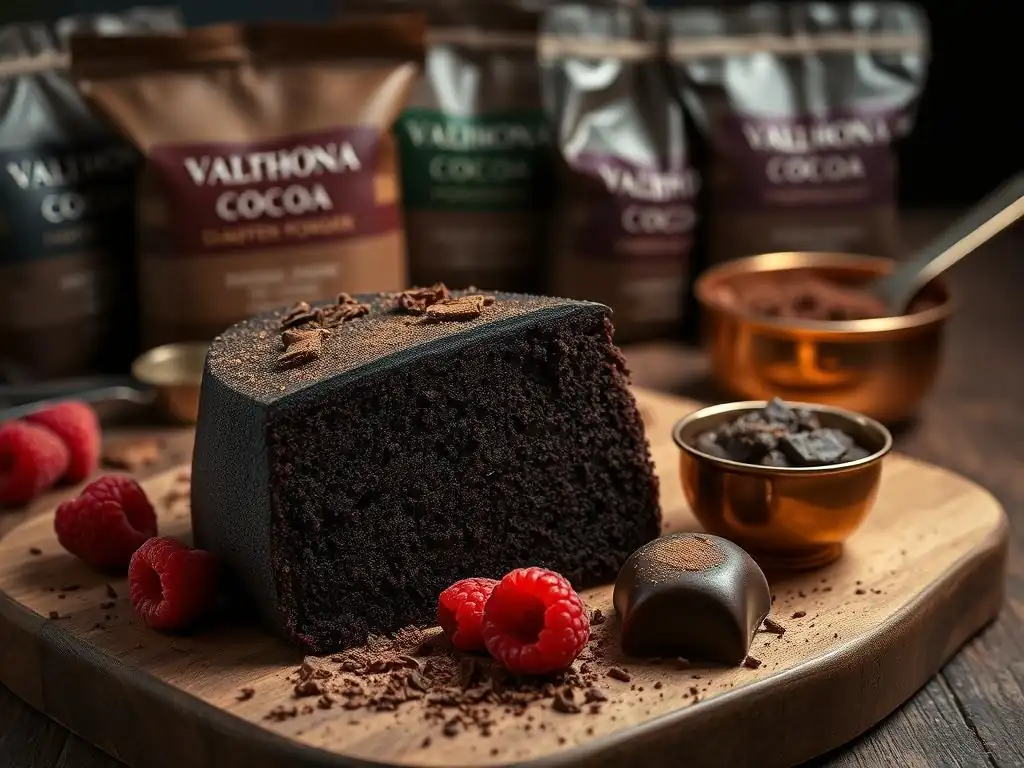
Welcome to BakeWithEase, your guide to unlocking baking brilliance!
Ever wondered how to truly elevate your desserts? The secret often lies in the ingredients. Dive into "Why Quality Chocolate Matters: Elevate Your Baked Goods Instantly" and discover how choosing the right chocolate can transform ordinary recipes into extraordinary experiences. Prepare to unlock a world of flavor and texture – it’s time to explore our premium baking ingredients and master the art of quality chocolate baking recipes tips. Intrigued? Let's get baking!
- Why Single-Origin Chocolate Matters: Elevate Your Baked Goods
- The Secret Ingredient: Unlocking Deliciousness with Single-Origin Chocolate for Baking
- Understanding Chocolate Origins for Baking: A Baker's Guide to Excellence
- Finding the Best Single-Origin Chocolate: Brands and Where to Buy Them
- Single-Origin Chocolate Baking Recipes Tips: Mastering Chocolate Techniques
- Transform Your Baking: Recipes That Showcase Single-Origin Chocolate
- Spotting Adulterated Chocolate: How to Identify Real Single-Origin Chocolate
- Investing in Single-Origin Chocolate: Is It Worth It?
- Frequently Asked Questions
- Final Reflection: The Enduring Power of Quality in Baking
- Unlock the Secrets to Extraordinary Baking!
Why Single-Origin Chocolate Matters: Elevate Your Baked Goods
The Secret Ingredient: Unlocking Deliciousness with Single-Origin Chocolate for Baking
Why Choose Single-Origin Chocolate for Your Baking Recipes?
Opting for single-origin chocolate in your baking recipes isn't just about using a fancy ingredient; it's about investing in flavor complexity and depth that mass-produced blends simply cannot replicate. Single-origin chocolate is made from cacao beans sourced exclusively from a specific region, farm, or cooperative, much like fine wine is tied to a particular vineyard. This singular origin means the chocolate carries the unique terroir – the environmental factors like soil, climate, and altitude – which imparts distinct flavor notes.
Think of chocolate from Madagascar with its bright, fruity acidity, or chocolate from Peru with its earthy, often nutty or red fruit undertones. Using these distinct profiles allows you to tailor the chocolate flavor precisely to your baked good, moving beyond generic "chocolate" taste to something truly nuanced and memorable.
Furthermore, choosing single-origin chocolate often aligns with better quality beans and processing. Makers focusing on single origins are typically more involved in the entire supply chain, from fermentation to drying, which are crucial steps in developing the cacao's potential flavor. This meticulous attention results in chocolate with a purer, more intense flavor profile, free from the off-notes that can sometimes plague lower-quality or blended chocolates.
For anyone serious about crafting exceptional baked goods, from rich brownies to delicate mousses, understanding and utilizing the specific characteristics of single-origin chocolate is a game-changer. It elevates your creations from merely good to truly extraordinary, providing a foundation for truly outstanding quality chocolate baking recipes tips.
The Impact of Single-Origin Chocolate on Taste and Texture
The origin of your chocolate profoundly impacts both the taste and texture of your finished baked goods. Flavor differences are the most apparent: a single-origin dark chocolate from Ecuador might introduce floral and nutty notes to a ganache, while one from the Dominican Republic could bring bolder, sometimes tobacco-like or earthy notes to a cookie.
These specific undertones interact with other ingredients in your recipe – flour, sugar, butter, eggs, spices – creating a more complex and layered flavor experience that a generic chocolate blend, often engineered for consistency rather than character, cannot achieve. For example, using a high-quality Peruvian single-origin chocolate in a brownie recipe can introduce subtle hints of raspberry or cherry, adding an unexpected brightness that cuts through the richness.
Texture is also significantly affected by the quality and processing of single-origin chocolate. High-quality chocolate typically has a smoother melt due to finer particle size achieved during conching (a mixing process) and often contains a higher percentage of cocoa butter relative to other fats. This results in a more luxurious mouthfeel in baked goods like tarts, glazes, and molten lava cakes.
A well-conched single-origin chocolate will create a silkier ganache or a more fluid chocolate drizzle compared to a coarser, lower-quality chocolate. When you're aiming for specific textures – perhaps a fudgy brownie versus a cakey one, or a snappy chocolate shell versus a soft one – the inherent properties of the single-origin chocolate play a critical role. Mastering these nuances is key to developing truly exceptional quality chocolate baking recipes tips.
Understanding Chocolate Origins for Baking: A Baker's Guide to Excellence
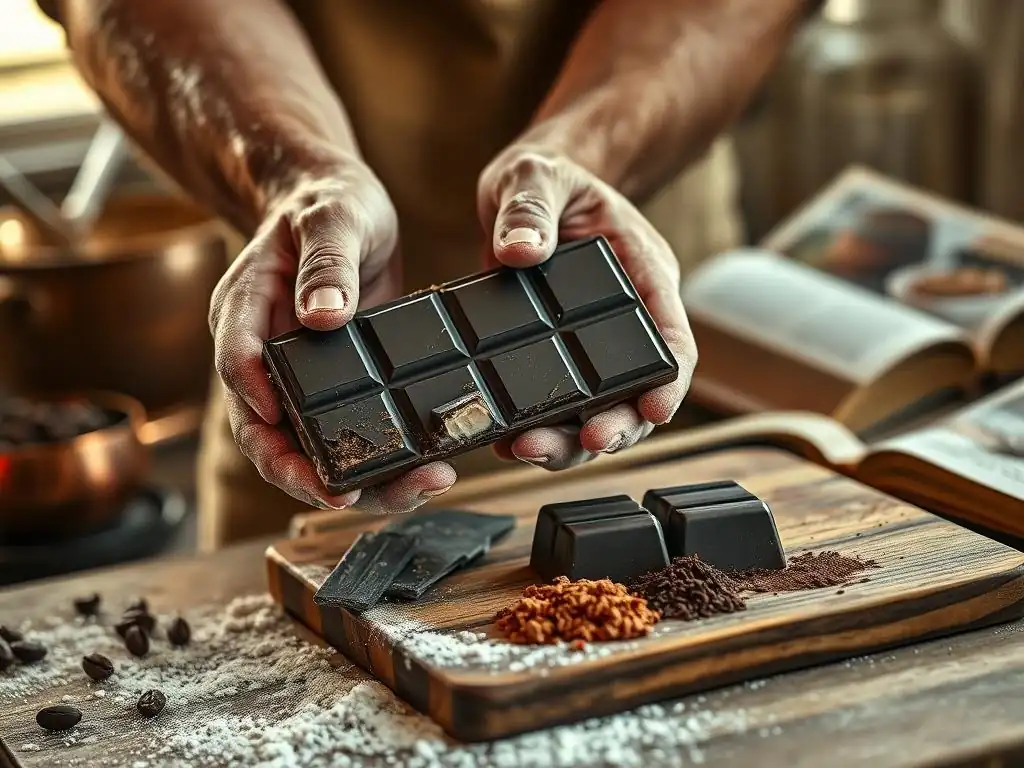
Decoding Bean-to-Bar: From Farm to Finished Chocolate
The term "bean-to-bar" signifies a chocolate maker's control over the entire chocolate-making process, starting directly from the raw cacao bean. This contrasts with makers who buy pre-processed chocolate liquor or couverture. A bean-to-bar maker sources beans, roasts them (a crucial step influencing flavor, similar to coffee roasting), grinds them into chocolate liquor, refines and conches the liquor to develop smooth texture and complex flavors, tempers the chocolate for stability and shine, and finally molds it.
This hands-on approach allows for meticulous quality control at every stage, directly impacting the final flavor profile and suitability for baking. For instance, the roasting temperature and duration can significantly alter the bean's inherent notes – a lighter roast might preserve fruity acidity, while a darker roast can bring out nutty or roasted characteristics.
Understanding the bean-to-bar process helps bakers appreciate the value of single-origin chocolate. It highlights that the journey from a dried cacao bean on a farm in, say, Tanzania, to a finished chocolate bar involves numerous steps, each influencing the final product. A dedicated bean-to-bar maker working with a specific origin can highlight that origin's unique characteristics through careful processing.
They might adjust conching time to emphasize certain volatile compounds or refine particle size to optimize melt. This level of detail means the single-origin bar you buy isn't just "chocolate"; it's a deliberate expression of the bean's potential, making it a powerful tool for bakers seeking specific flavor outcomes in their quality chocolate baking recipes.
Pairing Chocolate Origins with Specific Baking Applications
Choosing the right single-origin chocolate for a specific baking application is like selecting the perfect wine for a meal – it can elevate the entire experience. Different origins boast distinct flavor profiles that complement various baked goods. For rich, dense items like brownies or flourless chocolate cakes, a chocolate with earthy or deep cocoa notes often works well. For lighter desserts like mousses or delicate pastry creams, a chocolate with brighter, fruitier, or floral notes can add complexity without being overpowering. Understanding these pairings is a core aspect of mastering quality chocolate baking recipes tips.
Let's look at a few examples. A robust chocolate from, say, Ghana, known for its classic chocolatey, slightly nutty profile, is fantastic in a classic chocolate chip cookie, providing that comforting, familiar taste. In contrast, a vibrant, acidic chocolate from Madagascar could be breathtaking in a raspberry chocolate tart, where its berry notes harmonize beautifully with the fruit.
A chocolate with caramel or nutty undertones from, perhaps, Nicaragua, might be ideal for a praline filling or a chocolate caramel bar. Experimenting with these pairings based on the origin's described flavor notes is one of the most exciting parts of using single-origin chocolate in your baking.
Best Peruvian Chocolate for Brownies: A Comparison of Pacari vs. Marou
Peruvian cacao is celebrated for its diverse flavor notes, often featuring hints of red fruit, nuts, and earthiness, making it an excellent choice for brownies where depth and subtle complexity are desired. Brands like Pacari and Marou (though Marou is Vietnamese, they sometimes source Peruvian beans or offer a contrasting profile useful for comparison) offer distinct interpretations.
Pacari, an Ecuadorian brand working with Peruvian beans, might produce a bar emphasizing bright, almost jammy fruit notes, which could add a surprising lift to a dense, fudgy brownie, cutting through some of the richness. Their 70% Cacao Piura Quemazon bar, for instance, is noted for red fruit and citrus.
In contrast, while Marou is primarily known for Vietnamese origins (like their Ba Ria 76% with spicy notes or Tien Giang 70% with fruity notes), if they were to offer a Peruvian origin, it might be processed to highlight nuttier or deeper cocoa characteristics depending on the specific region in Peru. A hypothetical Marou Peruvian 72% could potentially bring more classic chocolate flavor with subtle earthy undertones, resulting in a more traditional, intensely chocolatey brownie experience.
The key difference often lies in fermentation, roasting, and conching processes employed by each maker, even when using beans from the same origin, demonstrating how bean-to-bar craftsmanship influences the final baking result.
Madagascan Chocolate Magic: Ideal Uses in Cakes and Mousses
Chocolate from Madagascar is instantly recognizable by its vibrant acidity and pronounced red fruit (raspberry, cherry) and sometimes citrus notes. This lively profile makes it particularly well-suited for applications where you want the chocolate to sing and add a layer of brightness rather than just richness. In a chocolate cake, especially one that isn't overly sweet, a Madagascan chocolate can provide a beautiful contrast, preventing the cake from being one-dimensionally heavy. A 65-70% dark chocolate from Madagascar, like Valrhona's Manjari or Chocolat Bernrain's Madagascar, can infuse a classic chocolate sponge with intriguing complexity.
For mousses, the high acidity and fruity notes of Madagascan chocolate are simply magical. A chocolate mousse made with a high-quality Madagascan origin chocolate is light on the palate despite its richness, with the fruit notes lifting the overall flavor. It pairs exceptionally well with berry coulis or compotes, enhancing the fruit connection.
The texture of well-tempered Madagascan chocolate, often having a good snap, also translates to a smooth, velvety mousse texture when properly incorporated. It’s a prime example of how a specific origin can elevate a simple dessert to something truly special, offering unique quality chocolate baking recipes tips.
Ecuadorian Chocolate Wonders: Recipes for Intense Chocolate Ganache
Ecuadorian cacao, particularly the 'Nacional' variety, is renowned for its complex aromatic profile, often featuring floral notes (like jasmine), nutty undertones, and balanced fruitiness. This makes it an outstanding choice for chocolate ganache, where the full spectrum of the chocolate's flavor is often on display.
A ganache is essentially a simple emulsion of chocolate and cream, so the quality and character of the chocolate are paramount. Using a high-quality Ecuadorian single-origin chocolate, such as one from Pacari (who are based in Ecuador) or another maker sourcing fine Ecuadorian beans, results in a ganache that is not just rich but also incredibly aromatic and nuanced.
An intense chocolate ganache made with an Ecuadorian 70-75% dark chocolate can be used as a filling for tarts, a glaze for cakes, or even whipped into a frosting. The floral and nutty notes of the Ecuadorian chocolate add layers of flavor that evolve as you eat it.
For example, a ganache made with an Ecuadorian Arriba Nacional bean chocolate might have an initial rich cocoa hit followed by subtle floral aromas and a clean, nutty finish. This complexity makes the ganache far more interesting than one made with a generic blend, proving that the origin dramatically impacts even simple preparations and is crucial for quality chocolate baking recipes tips.
Finding the Best Single-Origin Chocolate: Brands and Where to Buy Them
Top-Rated Single-Origin Chocolate Brands for Baking (and Where to Find Them)
Identifying top-rated single-origin chocolate brands for baking involves looking for makers known for quality sourcing, meticulous processing, and transparent labeling. Several brands consistently receive high marks from chefs and serious home bakers. Valrhona, a French company, offers a range of single-origin couvertures (chocolate specifically formulated for baking) known as their Grand Cru collection, sourced from regions like Manjari (Madagascar), Caraïbe (Dominican Republic, though often considered a blend representative of the Caribbean profile), and Araguani (Venezuela).
These are widely available through professional baking supply stores and high-end grocery retailers. Their consistent quality and specific flavor profiles make them a go-to for many.
Another excellent choice is Amano Artisan Chocolate, based in Utah, USA. Amano focuses on small-batch, bean-to-bar chocolate using fine flavor beans from various single origins like Madagascar, Venezuela, and Ecuador. Their bars are crafted to highlight the unique characteristics of each origin and are fantastic for melting into recipes.
You can often find Amano chocolates in specialty food stores, online retailers focusing on craft chocolate, and sometimes in gourmet sections of larger supermarkets. Dandelion Chocolate, a San Francisco-based bean-to-bar maker, is another highly regarded brand, known for their minimalist approach using just cacao beans and sugar. They source beans from specific farms or cooperatives and highlight the origin prominently.
Dandelion's single-origin bars are perfect for chopping into chunks for cookies or melting into ganaches where you want the origin's flavor to shine. They have their own shops and sell online, as well as being stocked in select gourmet stores. Exploring these brands is key to finding high-quality chocolate for your baking recipes tips.
Valrhona Grand Cru: The Gold Standard for Complex Flavors
Valrhona's Grand Cru line is often considered a benchmark for high-quality single-origin couverture chocolate among professional bakers. These chocolates are specifically designed for baking and pastry work, offering excellent melting properties and consistent results.
Their range includes origins like Valrhona Manjari 64% from Madagascar, celebrated for its bright, red fruit notes and refreshing acidity, perfect for fruit-based desserts or light mousses. Another popular one is Valrhona Guanaja 70% (often a blend but representative of a classic profile) or their single-origin Caraïbe 66% (representing Caribbean beans), offering more classic intense cocoa flavors with nutty undertones, ideal for rich tarts or brownies.
The appeal of Valrhona Grand Cru lies in its reliability and the distinct, well-defined flavor profiles of each origin. They provide detailed tasting notes for each product, helping bakers select the perfect chocolate to complement other ingredients in their recipe. While often more expensive than standard baking chocolate, the depth and complexity of flavor they bring to baked goods like chocolate lava cakes or delicate ganaches are undeniable, justifying the investment for those seeking top-tier results in their quality chocolate baking recipes.
Amano Artisan Chocolate: Award-Winning Single-Origin Bars
Amano Artisan Chocolate is an American bean-to-bar maker that has garnered numerous awards for its single-origin chocolate bars. They are known for their meticulous sourcing from specific, often remote, regions and their careful processing to preserve the unique characteristics of the beans.
Their Ocumare 70% bar, for instance, uses beans from Venezuela and is noted for its distinct notes of caramel and peanuts, making it fascinating for use in baked goods where those flavors would be complementary, perhaps a chocolate caramel tart or peanut butter swirl brownies. Their Cuyagua 70%, also from Venezuela, might offer different nuances – perhaps more dried fruit or floral notes depending on the batch.
Amano's focus on highlighting the specific terroir of each origin makes their chocolate a fantastic tool for adventurous bakers. While primarily sold as eating bars, their quality and purity make them excellent for melting and incorporating into recipes. Using an Amano bar in a simple recipe like chocolate chip cookies allows the unique flavor of the origin to truly shine through, transforming a classic into something extraordinary. Their bars are often available online through their website or specialty chocolate retailers, providing access to unique quality chocolate baking recipes tips.
Dandelion Chocolate: San Francisco Bean-to-Bar Excellence
Dandelion Chocolate is a celebrated bean-to-bar chocolate maker based in San Francisco, known for its commitment to using just two ingredients: cacao beans and sugar. This minimalist approach means the flavor of the single-origin bean is the star. They source beans from specific farms and cooperatives around the world, including origins like Tumaco, Colombia; Kokoa Kamili, Tanzania; and Mbingu, Tanzania.
Each origin yields a chocolate bar with a distinct flavor profile, which they describe in detail. For example, their Tumaco, Colombia bar might feature notes of fudge and brownie, making it an obvious choice for enhancing those specific baked goods.
Using Dandelion chocolate in baking is about showcasing the pure flavor of the origin. Because they don't add extra cocoa butter or vanilla (common in couverture), their chocolate can behave slightly differently when melting, requiring careful tempering if used for coating, but it melts beautifully for incorporating into batters, ganaches, or fillings. Chopping their bars into generous chunks for cookies or muffins is a popular way to enjoy the distinct flavor pockets. Finding Dandelion chocolate is easiest through their own retail locations or their robust online store, offering premium quality chocolate baking recipes tips.
Single-Origin Chocolate Baking Recipes Tips: Mastering Chocolate Techniques
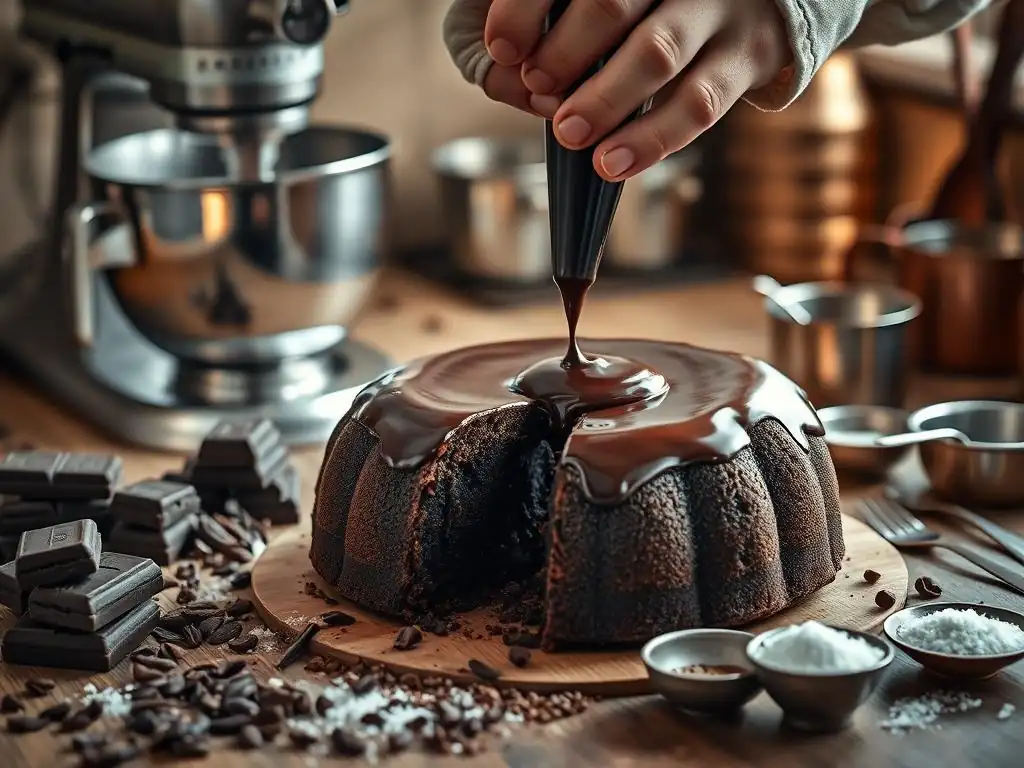
Bloom Prevention: A Step-by-Step Guide
Chocolate bloom is the appearance of grayish streaks or patches on the surface of chocolate. It's not harmful to eat, but it indicates that the cocoa butter (fat bloom) or sugar (sugar bloom) has separated and recrystallized, affecting texture and appearance. For high-quality single-origin chocolate in baking, preventing bloom is often desired for aesthetic reasons and to maintain optimal texture. Fat bloom occurs when chocolate is stored at fluctuating temperatures, causing the cocoa butter to melt and rise to the surface. Sugar bloom happens when moisture condenses on the surface, dissolving sugar which then recrystallizes.
To prevent bloom:
- Store Properly: Keep chocolate in a cool, dry place with a consistent temperature, ideally between 60-68°F (15-20°C).
- Avoid Temperature Fluctuations: Do not store chocolate in the refrigerator unless absolutely necessary, as the temperature change upon removal can cause condensation leading to sugar bloom.
- Use Airtight Containers: Protect chocolate from moisture and odors by storing it in a sealed container.
- Temper Chocolate: For applications like dipping, coating, or molding, proper tempering is crucial. Tempering involves heating, cooling, and reheating chocolate to specific temperatures to stabilize the cocoa butter crystals, preventing fat bloom and ensuring a glossy, snappy finish. This process requires precision and patience but is essential for certain quality chocolate baking recipes tips.
Incorporating Chocolate into Your Recipes: Dos and Don'ts
Incorporating high-quality single-origin chocolate into your baking requires careful technique to preserve its delicate flavors and textures.
Dos:
- Chop Finely and Uniformly: When melting chocolate, chop it into small, consistent pieces. This ensures even melting and prevents scorching.
- Melt Gently: Use a double boiler or microwave on low power, stirring frequently. Overheating chocolate can burn it or seize it, ruining its texture and flavor.
- Temper When Needed: If making coatings, decorations, or molded items, tempering is essential for a proper set and shine.
- Taste Your Chocolate: Before using it, taste the single-origin chocolate to understand its flavor profile and how it will interact with other ingredients.
- Adjust Sweetness: Single-origin dark chocolates vary widely in inherent sweetness. You may need to slightly adjust the sugar in your recipe depending on the chocolate's cacao percentage and origin.
Don'ts:
- Melt Over Direct High Heat: This is the quickest way to burn chocolate.
- Introduce Water: Even a tiny drop of water can cause melted chocolate to seize (become a thick, unworkable mass).
- Overmix Melted Chocolate: Once melted and combined with other ingredients (like in a ganache), overmixing can incorporate too much air or cause separation.
- Substitute Freely: While you can experiment, understand that swapping a high-acid Madagascan chocolate for a fudgy Colombian one will significantly change the final flavor of your baked good. Consider the origin's notes when adapting quality chocolate baking recipes tips.
Enhancing Chocolate Flavor: Pairing Notes with Ingredients
Single-origin chocolate's unique flavor profiles open up exciting possibilities for pairing with other ingredients, enhancing the overall taste experience of your baked goods. Think of the origin's inherent notes and look for complementary or contrasting flavors.
Citrus and Chocolate: A Bright and Balanced Combination
The pairing of citrus and chocolate is a classic for a reason. The bright, zesty acidity of citrus fruits like orange, lemon, or grapefruit provides a refreshing contrast to the richness of chocolate. This pairing works particularly well with single-origin chocolates that have inherent fruity or slightly acidic notes, such as those from Madagascar or certain regions in Peru.
The citrus enhances these natural fruit notes in the chocolate while cutting through its richness. For example, a dark chocolate tart made with a Madagascan chocolate and topped with a vibrant orange zest ganache or candied orange peel is a delightful combination of sweet, rich, and tangy flavors.
Adding orange zest to a chocolate cake batter made with a fruity single-origin chocolate, or pairing a lemon curd filling with an Ecuadorian chocolate ganache in a tart, demonstrates how citrus can elevate the chocolate's complexity. The volatile oils in the citrus zest or juice interact with the flavor compounds in the chocolate, creating a more dynamic and balanced taste profile. This is a key technique in developing sophisticated quality chocolate baking recipes tips.
Spices and Chocolate: Adding Warmth and Depth
Spices can add incredible warmth, depth, and intrigue to baked goods featuring single-origin chocolate. The robust nature of many single-origin dark chocolates stands up well to strong spices. Classic pairings include cinnamon, chili, cardamom, ginger, and cloves. A pinch of cayenne pepper in a dark chocolate brownie made with a high-cacao Peruvian chocolate can add a subtle heat that highlights the chocolate's earthy notes. Cardamom paired with a Venezuelan chocolate, known for its nutty or sometimes spicy undertones, creates an aromatic and complex flavor profile in a mousse or ganache.
Spices can either complement the inherent notes of the chocolate or provide a fascinating contrast. For example, the warmth of ginger works beautifully with the richness of many South American origins. The key is to use spices judiciously so they enhance, rather than overpower, the specific flavor characteristics of the single-origin chocolate. Experimenting with different spices and origins is part of the fun in mastering quality chocolate baking recipes tips and unlocking new flavor dimensions.
Nuts and Chocolate: Textural and Flavorful Harmony
Nuts and chocolate are a match made in heaven, offering both textural contrast and flavor harmony. The richness and slight bitterness of many nuts, such as almonds, hazelnuts, walnuts, or pecans, complement the deep cocoa flavors of dark chocolate. Single-origin chocolates that have inherent nutty notes, like those from parts of Ecuador or Ghana, pair exceptionally well with nuts. For instance, a chocolate chip cookie made with a nutty single-origin chocolate and toasted pecans provides a delightful crunch and a layered nutty-chocolate flavor.
Adding chopped toasted hazelnuts to a ganache made with a Venezuelan chocolate known for nutty notes creates a rich, praline-like flavor and satisfying texture. Almonds paired with a classic cocoa-flavored origin in a flourless chocolate cake add elegance and depth. The toasting of nuts is crucial, as it brings out their full flavor, allowing them to stand up to the intensity of quality dark chocolate. This classic pairing is a staple in quality chocolate baking recipes tips for good reason.
Transform Your Baking: Recipes That Showcase Single-Origin Chocolate
Decadent Chocolate Lava Cakes: Using Peruvian Chocolate for Ultimate Intensity
Chocolate lava cakes, with their molten centers, are the perfect vehicle to showcase the intensity and specific notes of a high-quality single-origin chocolate. Using a Peruvian chocolate, known for its potential red fruit or earthy undertones, can elevate this classic dessert significantly. Imagine a lava cake made with a Peruvian 70-75% dark chocolate; as you cut into it, the warm, flowing center releases complex aromas. The chocolate's inherent fruit notes might peek through the richness, adding a layer of brightness that cuts through the decadence.
A typical recipe involves melting the chocolate with butter, whisking in sugar, eggs, and a small amount of flour, then baking just until the edges are set but the center remains liquid. Using a Peruvian origin means that molten center isn't just generically "chocolatey" but carries the specific terroir of its beans. This provides a more nuanced and memorable eating experience. For optimal results, ensure you use a high-quality Peruvian chocolate explicitly mentioned for its flavor profile, following careful quality chocolate baking recipes tips for melting and baking.
Rich Chocolate Tart Recipe: Elevate Your Dessert with Madagascan Chocolate
A rich chocolate tart relies heavily on the quality of its chocolate filling, making it an ideal candidate for using vibrant single-origin chocolate. Employing a Madagascan chocolate, with its characteristic bright acidity and red fruit notes, can transform a standard chocolate tart into something truly exquisite. A common tart filling is a ganache or a set custard incorporating melted chocolate. When using a Madagascan 65-70% dark chocolate, the resulting filling will have a lovely balance of richness and refreshing tanginess.
The tart's buttery crust provides a perfect counterpoint to the intense filling. Imagine a sable crust filled with a smooth, dark Madagascan chocolate ganache. The acidity of the chocolate prevents the tart from feeling overly heavy, and its berry notes harmonize beautifully, perhaps with a simple berry garnish or a dusting of cocoa powder. This highlights how a specific origin can dictate the character of the entire dessert, making it a key element in quality chocolate baking recipes tips.
The humble chocolate chip cookie is perhaps the most accessible way to experience the impact of single-origin chocolate. Instead of standard chocolate chips, use a high-quality single-origin bar, chopped into generous chunks. As the cookies bake, these chunks melt into gooey pockets of intense flavor. The specific origin used will significantly influence the taste of these molten pools and the bits of chocolate within the cookie matrix.
Using, for example, an Ecuadorian single-origin chocolate, known for its floral and nutty notes, will result in cookies with pockets of melted chocolate that carry these unique aromas. A Tanzanian origin might impart more classic cocoa and perhaps dried fruit flavors. The texture of the chopped chocolate is also important; larger chunks provide satisfying bursts of flavor. Experimenting with different origins in your favorite cookie recipe is a simple yet profound way to appreciate the diversity of single-origin chocolate and enhance your quality chocolate baking recipes tips.
Spotting Adulterated Chocolate: How to Identify Real Single-Origin Chocolate
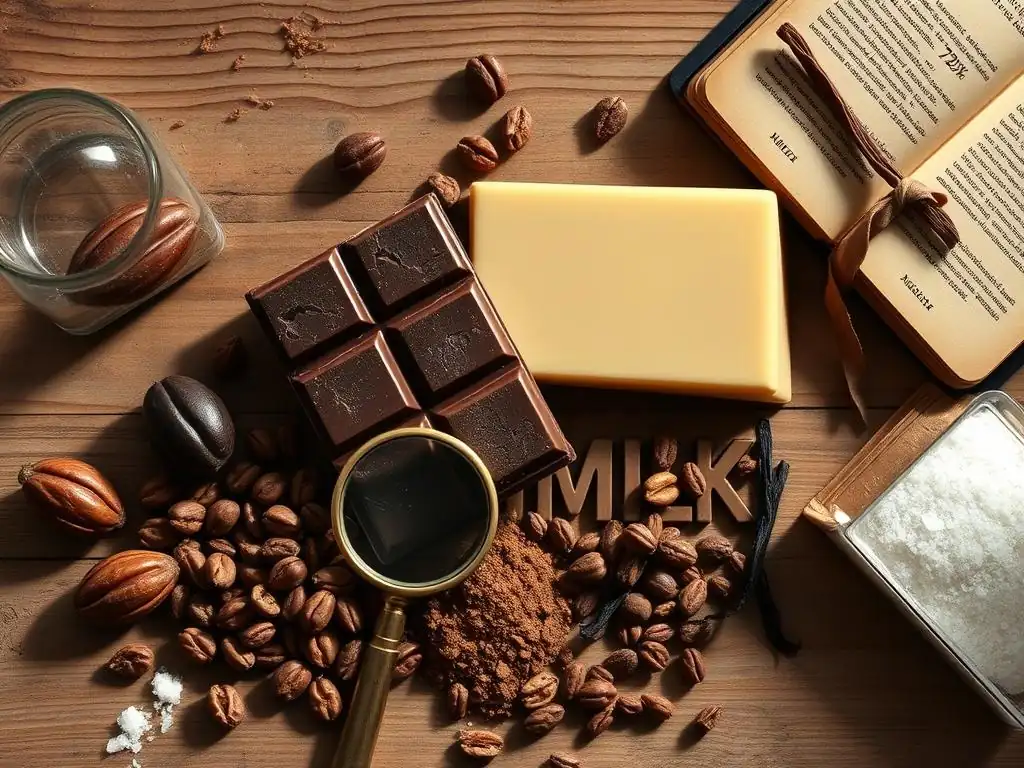
Decoding the Ingredients List: Percentage and Origin Transparency
Identifying real single-origin chocolate involves scrutinizing the ingredients list and packaging. Authentic single-origin chocolate should list cacao beans (or chocolate liquor), sugar, and potentially cocoa butter and lecithin (an emulsifier, often soy or sunflower) as the primary ingredients. A high-quality single-origin bar typically contains a significant cacao percentage, often 60% or higher for dark chocolate, though this percentage alone doesn't guarantee quality, merely the proportion of cacao derivatives. The crucial indicator is the clear identification of the origin of the cacao beans.
Look for specific information beyond just "dark chocolate." The label should ideally state the country, region, or even the specific farm or cooperative where the beans were sourced (e.g., "Cacao from Kokoa Kamili, Tanzania" or "Origin: Piura, Peru"). Transparency about the origin is a hallmark of makers committed to single-origin chocolate. If the label just says "sourced from multiple regions" or gives no origin information, it's likely a blend. Understanding these labeling details is fundamental for selecting quality chocolate for baking recipes tips.
Understanding Flavor Profiles: Identifying Region-Specific Notes
Once you've identified potentially authentic single-origin chocolate based on labeling, tasting it is the next step to confirm its quality and character. Real single-origin chocolates exhibit distinct flavor profiles that are characteristic of their origin. These aren't just generic "chocolate" flavors; they are nuanced notes of fruit, floral, nutty, earthy, spicy, or even savory undertones. For example, if a chocolate is labeled as Madagascan, you should expect some degree of acidity and red fruit notes. If it claims to be from Venezuela, you might look for nuttiness or caramel.
Tasting notes provided by the maker on the packaging can guide you, but your own palate is the final judge. A high-quality single-origin chocolate should have a clean, complex flavor that evolves as it melts. It shouldn't taste overwhelmingly sweet, artificial, or have off-putting flavors like smoke (unless it's intentionally smoked) or chemical notes. Developing your palate to recognize these regional characteristics is a crucial skill for anyone serious about using quality chocolate in their baking recipes.
The Importance of Ethical Sourcing: Supporting Sustainable Practices
Choosing real single-origin chocolate often goes hand-in-hand with supporting ethical and sustainable cacao farming practices. Many bean-to-bar makers who focus on single origins have direct relationships with farmers or cooperatives, ensuring fair wages and environmentally sound farming methods. This contrasts with the often opaque supply chains of large-scale chocolate production, which can be linked to issues like low farmer pay, child labor, and deforestation.
By purchasing single-origin chocolate from reputable makers, you are not only getting a superior ingredient for your baking but also contributing to a more equitable and sustainable cacao industry. Look for certifications like Fair Trade or Direct Trade claims, but also research the brand's specific sourcing practices. Makers who pay premiums for high-quality, ethically produced beans are investing in the long-term health of the cacao industry and the livelihoods of farmers. Supporting these practices is an important consideration when selecting quality chocolate for baking recipes tips.
Investing in Single-Origin Chocolate: Is It Worth It?
The Cost vs. Benefit Analysis: Why Single-Origin Chocolate is a Smart Baking Investment
Single-origin chocolate typically comes with a higher price tag than standard baking chocolate or compound chocolate. This higher cost reflects the premium paid for fine flavor cacao beans, the often smaller-scale and more meticulous bean-to-bar processing, and the focus on quality over volume. A pound of high-quality single-origin dark chocolate might cost anywhere from $15 to $40 or more, compared to $5-$10 for a pound of conventional baking chocolate. This can seem like a significant investment, especially for recipes requiring large quantities.
However, the benefit lies in the transformative impact on your baked goods. Using a superior ingredient means the final product tastes significantly better, with more complex, nuanced, and intense chocolate flavor. For special occasions, gifts, or simply when you want to elevate a classic recipe, the improved taste and perceived quality can easily justify the added cost.
Think of it as using high-quality vanilla extract versus imitation vanilla; the difference in flavor is palpable. For bakers who value flavor above all else, single-origin chocolate is a smart investment that pays off in delicious results and is central to developing truly great quality chocolate baking recipes tips.
The Flavor Test: Comparing Blends to Single-Origin
The most compelling argument for using single-origin chocolate comes from a simple flavor test. Take a standard dark chocolate bar (likely a blend from various origins, engineered for consistency) and a single-origin dark chocolate bar of a similar cacao percentage (e.g., both around 70%). Taste them side-by-side. The blended chocolate will likely offer a straightforward, perhaps slightly generic "chocolatey" flavor. The single-origin chocolate, however, will reveal layers of complexity – notes of fruit, nuts, spice, or floral aromas that are tied to its specific origin.
Now, imagine those distinct flavors incorporated into your baked goods. A brownie made with the single-origin chocolate will carry those nuanced notes, making it far more interesting and memorable than one made with the blend. This direct comparison highlights what you gain by choosing single-origin: character, depth, and a connection to the unique environment where the cacao was grown. It's a demonstration of why focusing on quality chocolate is crucial for elevated baking recipes tips.
Elevate Your Baking: A Final Word on the Importance of Single-Origin Chocolate
Ultimately, incorporating single-origin chocolate into your baking is about elevating your craft and creating truly exceptional desserts. It's a journey into the diverse world of cacao flavors, allowing you to explore how terroir and craftsmanship influence the final taste. By understanding origins, decoding labels, and experimenting with pairings, you unlock a new level of flavor complexity in your cakes, cookies, tarts, and more.
While it may require a greater investment and a bit more thought than grabbing a standard bar, the results are undeniably superior. Embracing single-origin chocolate is a key step for any baker serious about mastering their skills and consistently producing high-quality chocolate baking recipes that stand out. It's about making every bite count.
Frequently Asked Questions
What makes quality chocolate so important in baking?
Quality chocolate significantly impacts the final flavor and texture of your baked goods. It provides a richer, more complex taste and contributes to a smoother, more decadent experience.
How can I identify quality chocolate for baking?
Look for chocolate with a high cocoa butter content and a short ingredient list. Check the percentage of cacao solids, aiming for at least 60% for a richer flavor.
What are some common mistakes people make when baking with chocolate?
Overheating chocolate is a common mistake, leading to a seized or grainy texture. Also, not using the right type of chocolate called for in the recipe can affect the final outcome.
Can I substitute different types of chocolate in a recipe?
While substitution is possible, it's not always recommended. Different chocolates have varying levels of sweetness and cocoa butter, so adjusting other ingredients might be necessary to maintain balance.
Where can I find reliable quality chocolate baking recipes and tips?
BakeWithEase.com offers a wide array of quality chocolate baking recipes and helpful tips. Explore our step-by-step guides and easy-to-find ingredients for successful baking.
Final Reflection: The Enduring Power of Quality in Baking
The pursuit of the perfect baked good hinges on one crucial ingredient: quality chocolate. It's not just about sweetness; it's about depth of flavor, nuanced texture, and the transformative power it holds to elevate even the simplest recipe. Ignoring this fundamental truth is to miss out on a world of culinary possibilities.
The impact of quality chocolate extends far beyond the individual experience of tasting a delicious treat. It speaks to a broader appreciation for craftsmanship, for sourcing ethically, and for understanding the intricate processes that go into creating something truly exceptional. The best things in life are simple, but not easy.
This quote perfectly encapsulates the dedication required to source and utilize high-quality chocolate, a dedication that ultimately rewards the baker and the consumer alike. The rise in popularity of artisanal chocolate and the increasing awareness of sustainable sourcing practices reflect a growing cultural shift towards valuing quality over mere quantity.
Now, consider your own baking journey. What experiences have you had with different types of chocolate? How has the quality of your ingredients influenced the final product? I encourage you to experiment, to explore the diverse world of chocolate, and to discover the profound difference that quality can make. Embrace the challenge of finding the perfect chocolate for your next creation – your taste buds (and your baked goods) will thank you for it.
Unlock the Secrets to Extraordinary Baking!
Thanks for taking the time to explore the world of quality chocolate with us! We hope you now understand its transformative power in your baking. Ready to take your skills to the next level?
- Elevate your next recipe: Try substituting your usual chocolate with a higher-quality, single-origin variety and taste the difference! Note the nuanced flavors and richer texture.
- Share your experience: Tell us about your baking adventures using premium chocolate – what did you make, and what flavor profile did you discover?
- Challenge yourself: Experiment with different types of chocolate – dark, milk, white – to see how they change the outcome of your favorite recipe.
What unexpected flavor combinations will you create with premium chocolate?