
White Chocolate for Baking: How to Choose Quality Over Candy Melts

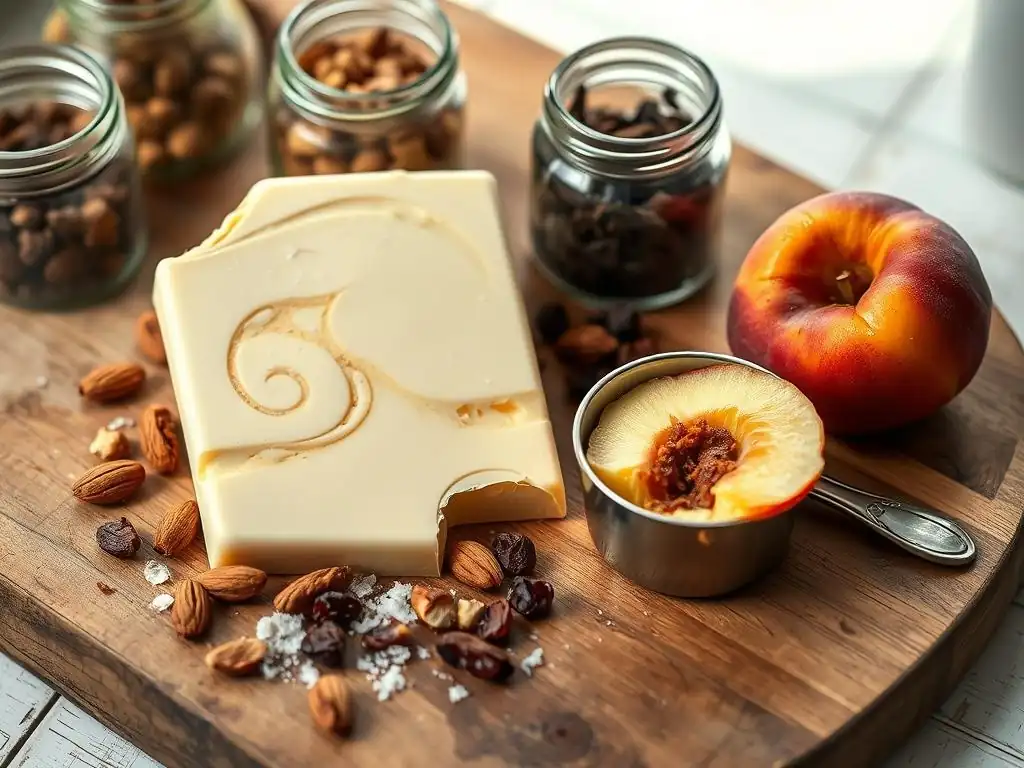
Welcome to BakeWithEase, your companion on the delicious journey of baking! Ever wondered what truly sets apart a spectacular white chocolate creation? This article dives deep into the world of white chocolate baking quality, revealing the secrets to choosing the right white chocolate that elevates your pastries from good to unforgettable. Discover how to bypass the candy melts and unlock the true potential of your baked goods – the difference might just surprise you!
- Understanding White Chocolate Baking Quality: Beyond the Candy Melts
- Identifying Premium White Chocolate: A Baker's Guide to Choosing the Best
- The Best White Chocolate Brands for Baking: Recommendations and Reviews
- How to Use High-Quality White Chocolate in Baking: Recipes and Techniques
- Troubleshooting White Chocolate Baking: Common Problems and Solutions
- Storing White Chocolate for Optimal Baking Quality: Maintaining Freshness
- Investing in Quality White Chocolate for Baking: Is it Worth It?
-
Frequently Asked Questions
- What are the key differences between baking white chocolate and candy melts?
- How does the cocoa butter content affect the quality of white chocolate in baking?
- What ingredients should I avoid when selecting white chocolate for baking?
- Where can I find high-quality white chocolate specifically designed for baking?
- How can I properly melt white chocolate for baking to avoid seizing?
- Final Reflection: The Sweet Truth About White Chocolate Baking
- Unlock Your Baking Potential: Elevate Your Treats with Superior White Chocolate!
Understanding White Chocolate Baking Quality: Beyond the Candy Melts
What Defines High-Quality White Chocolate for Baking? Key Characteristics
High-quality white chocolate for baking is distinguished primarily by its ingredients, particularly the presence and proportion of cocoa butter. Unlike compound coatings or candy melts, true white chocolate contains a significant amount of cocoa butter, milk solids, sugar, and often vanilla and lecithin. The minimum requirement for cocoa butter in the US is 20% by weight, but premium white chocolates often boast 30% or even 35% cocoa butter. This higher percentage contributes to a smoother texture, a richer mouthfeel, and superior melting properties, which are crucial for successful baking applications like ganaches, mousses, and glazes.
Beyond the cocoa butter content, the quality of the milk solids and vanilla used plays a vital role in the flavor profile. High-quality white chocolate should have a creamy, milky flavor with genuine vanilla notes, not an artificial sweetness. It melts cleanly on the tongue and in your baking, incorporating seamlessly into batters and fillings. The absence of vegetable oils, hydrogenated fats, or artificial flavors is a hallmark of premium white chocolate, ensuring that the pure, delicate flavor of the ingredients shines through in your finished baked goods.
Why is Real White Chocolate Better Than Candy Melts for Baking? Taste and Texture Differences
The fundamental difference between real white chocolate and candy melts lies in the fat source. Real white chocolate relies on cocoa butter, a natural fat derived from the cocoa bean, which has a relatively low melting point (around body temperature) and creates a smooth, luxurious texture. This allows real white chocolate to melt beautifully for dipping, tempering, or incorporating into delicate recipes, providing a rich, creamy flavor profile that complements other ingredients. The taste is complex, balancing sweetness with milky and vanilla undertones.
Candy melts, on the other hand, are typically made with vegetable fats (like palm kernel oil or hydrogenated oils) instead of or in addition to cocoa butter. These fats have a higher melting point and a different molecular structure, resulting in a waxy texture that doesn't melt as smoothly or pleasurably as cocoa butter.
Flavor-wise, candy melts often taste artificially sweet and lack the depth and creaminess of true white chocolate. While convenient for simple dipping or molding due to their easy melting and setting properties without tempering, their inferior taste and texture significantly impact the quality of baked goods, leaving a less satisfying finish.
Decoding the Label: Cocoa Butter Content and Ingredient Lists for White Chocolate
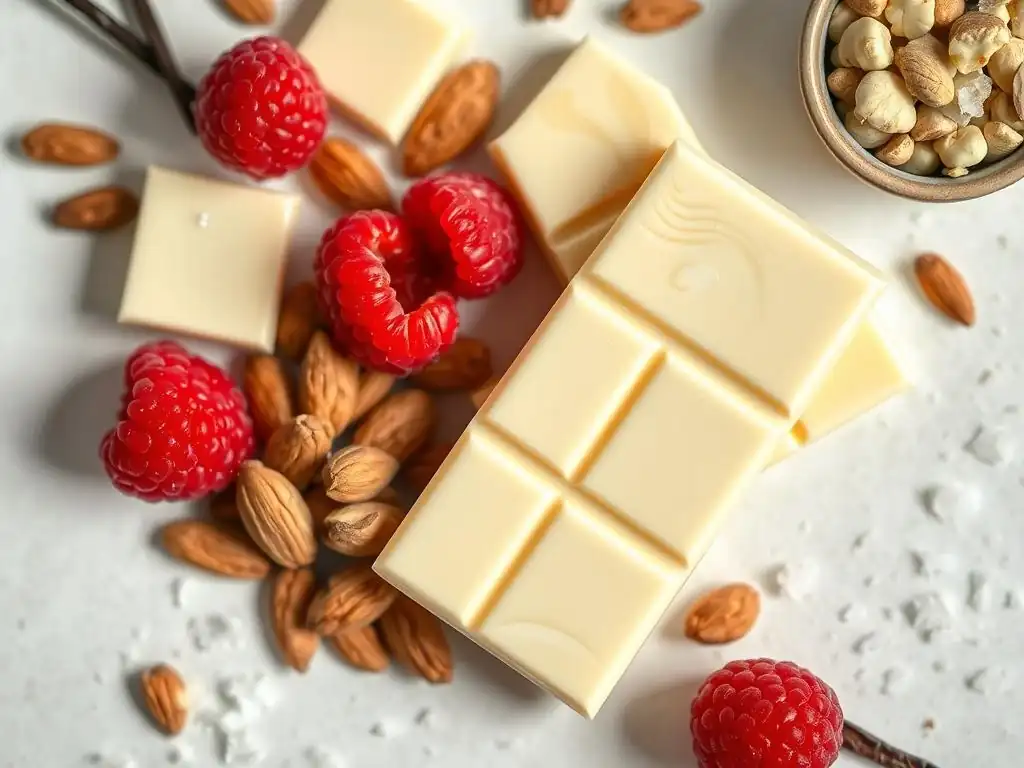
Choosing quality white chocolate for baking begins with a careful reading of the ingredient list. Look for "cocoa butter" listed as the primary fat source, ideally high up on the list. As mentioned, a cocoa butter content of 20% is the minimum standard in some regions, but aim for products with 30% or more for truly superior quality and performance in baking.
The ingredients should be simple: cocoa butter, sugar, milk solids (like whole milk powder or skim milk powder), lecithin (an emulsifier), and vanilla. The order of ingredients matters, as they are listed by weight; sugar is often first, but cocoa butter should be second or third.
Be wary of ingredient lists that include vegetable oils, hydrogenated oils, or other fats in place of or in addition to cocoa butter. These indicate a compound coating or candy melt, not real white chocolate. Artificial flavors or excessive stabilizers can also detract from the pure flavor and texture. A short, straightforward ingredient list focusing on cocoa butter, dairy, sugar, and natural vanilla is a strong indicator of high-quality white chocolate baking potential. Investing a little time to read labels ensures you get the best foundation for your white chocolate creations.
Recognizing Fake White Chocolate: Avoiding Additives and Low-Quality Ingredients
Identifying "fake" white chocolate, often sold as "white confectionery coating" or "candy melts," is crucial for achieving excellent white chocolate baking quality. The most telling sign is the ingredient list. As discussed, these products substitute cocoa butter with cheaper vegetable fats like palm kernel oil, coconut oil, or hydrogenated oils. These fats do not behave like cocoa butter when melting or cooling, leading to a waxy mouthfeel and poor performance in recipes where smooth integration is needed, like ganaches or sauces.
Beyond the fats, fake white chocolate often contains artificial flavors to mimic vanilla or milk, and sometimes artificial colors. These additives contribute to an unnatural taste and can sometimes interfere with the chemistry of baking. True white chocolate should snap cleanly when broken (if in bar form) and melt smoothly and evenly due to its high cocoa butter content. If a product is labeled ambiguously or lists non-cocoa butter fats prominently, it's likely not suitable for applications requiring the specific melting and setting properties and delicate flavor of real white chocolate.
The Best White Chocolate Brands for Baking: Recommendations and Reviews
Valrhona Ivoire: The Benchmark for Creamy, Vanilla Notes
Valrhona Ivoire is often cited by pastry chefs as a top-tier white chocolate for baking, and its specifications explain why. With a generous 35% cocoa butter content and 23.5% milk solids, it exceeds standard requirements and offers exceptional richness and meltability. Its flavor profile is characterized by a delicate balance of sweetness, intense creamy milk notes, and a distinct, natural vanilla aroma, derived from real vanilla beans. This complexity elevates it far beyond basic sugary white chocolates.
This particular white chocolate baking quality makes Valrhona Ivoire ideal for applications where its nuanced flavor can shine. It creates incredibly smooth and stable ganaches, luxurious mousses, and silken sauces. Its high cocoa butter content means it melts beautifully and lends a wonderful richness to fillings for tarts or pastries. While its price point is higher (often in the $$$ range per pound), a little goes a long way in terms of flavor impact, making it a worthwhile investment for special bakes or when seeking the absolute best white chocolate baking quality.
Cacao Barry Zephyr: Balanced Sweetness and Versatility
Cacao Barry's Zephyr white chocolate is another excellent choice widely respected in the baking community. Known for its very fluid texture when melted and a balanced, less intensely sweet flavor compared to some other brands, it contains around 34% cocoa butter and 24% milk solids. This composition provides both excellent melting characteristics and a pleasant creaminess without being cloying. Its neutral yet rich profile makes it incredibly adaptable in various recipes.
The versatility of Cacao Barry Zephyr makes it a go-to for many bakers. It performs exceptionally well in tempering for chocolate decorations, pralines, or enrobing candies due to its fluidity. It also serves as a fantastic base for incorporating other flavors, as its balanced sweetness doesn't overpower delicate additions like fruit purees or extracts. Falling into a slightly more accessible price range (often $$), it offers premium white chocolate baking quality for a wide array of creations, from delicate pastries to robust cookies.
Guittard White Chocolate Baking Chips: Convenient and Consistent
For home bakers seeking reliable white chocolate baking quality in a convenient format, Guittard White Chocolate Baking Chips are a popular choice. While chip format chocolates often contain stabilizers to help them hold their shape during baking (meaning they don't melt quite as fluidly as callets or bars), Guittard maintains a commitment to using real cocoa butter and quality ingredients. Their chips typically contain around 28% cocoa butter.
These chips are designed for ease of use in everyday baking. They melt relatively smoothly compared to many other chip brands and offer consistent results in cookies, muffins, quick breads, and other applications where chips are stirred directly into batter. While they may not be the first choice for tempering or fine pastry work requiring very fluid chocolate, their balanced flavor and reliable performance make them an excellent, readily available option (priced typically $) for incorporating white chocolate baking quality into a wide range of home-baked goods.
Callebaut White Chocolate Callets (W2): A Classic Choice for Bakers
Callebaut's White Chocolate Callets (W2) are a staple in many professional and home kitchens, renowned for their consistent quality and ease of use. These small, easy-to-melt discs (callets) are made with approximately 28% cocoa butter and 22% milk solids, offering a balanced profile that is neither too sweet nor overly rich. Their formulation is designed for versatility across numerous baking and confectionery applications.
The W2 callets are particularly favored for their reliable melting and tempering properties, making them excellent for dipping, molding, and creating glossy finishes. Their balanced creamy-sweet flavor integrates smoothly into batters, ganaches, mousses, and fillings without dominating other ingredients. This combination of consistent white chocolate baking quality, ease of handling, and versatile performance at a moderate price point (typically $$) makes Callebaut W2 a classic and dependable choice for bakers aiming for professional results.
How to Use High-Quality White Chocolate in Baking: Recipes and Techniques
Melting White Chocolate Properly: Avoiding Seizing and Achieving a Smooth Texture
Melting high-quality white chocolate requires care due to its cocoa butter content, which is sensitive to heat and moisture. Overheating or introducing even a tiny amount of water can cause the chocolate to "seize," turning it into a thick, grainy, unusable mass. Proper melting techniques ensure a smooth, fluid texture essential for ganaches, glazes, and incorporating into batters.
The double boiler method is a gentle and reliable way to melt white chocolate. Place the chocolate in a heatproof bowl set over a pot of simmering water, ensuring the bottom of the bowl does not touch the water. Stir gently and continuously until the chocolate is just melted and smooth.
For microwave melting, use a low power setting (around 50%) and microwave in short intervals (30 seconds initially, then 15-second bursts), stirring thoroughly after each interval. Remove the chocolate when it is mostly melted, relying on the residual heat to melt the remaining pieces as you stir, preventing overheating.
Recipe: White Chocolate Raspberry Scones using Valrhona Ivoire
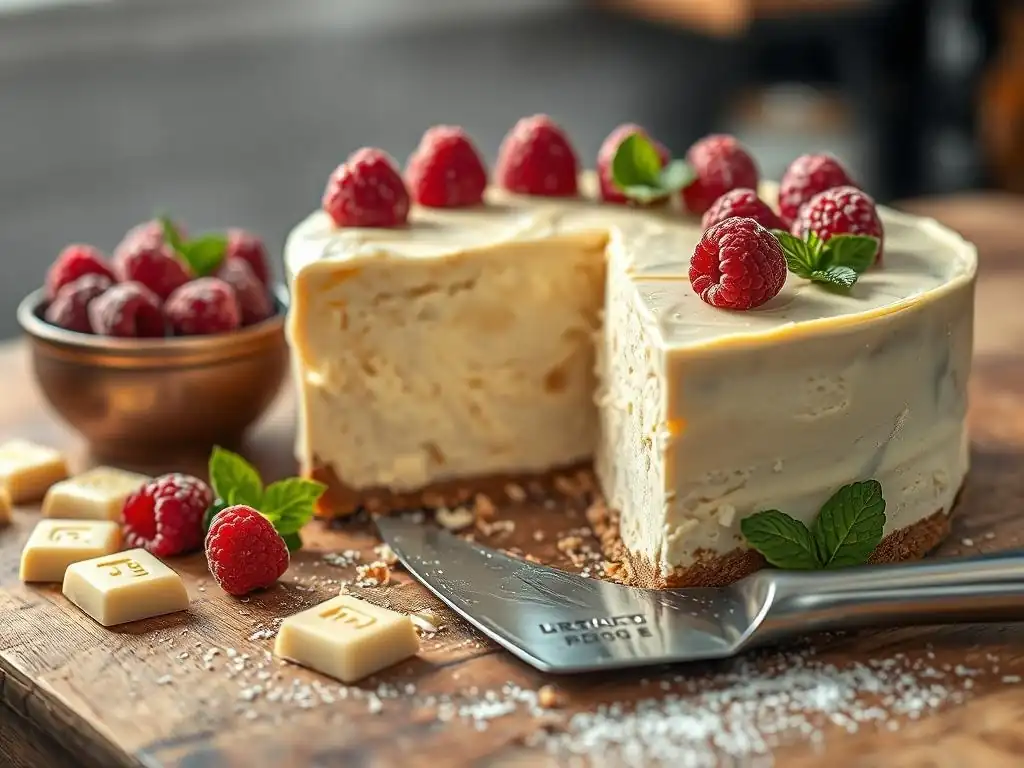
Using high-quality white chocolate like Valrhona Ivoire in scones elevates their flavor significantly. The creamy, vanilla notes pair beautifully with the tartness of raspberries.
- Ingredient List: Requires standard scone ingredients (flour, sugar, baking powder, salt, butter, milk, eggs), fresh or frozen raspberries, and roughly chopped high-quality white chocolate.
- Step-by-Step Baking Instructions: Combine dry ingredients, cut in cold butter, add wet ingredients, gently fold in raspberries and chopped white chocolate. Form scones, brush with milk or egg wash, and bake until golden brown. The quality white chocolate melts into creamy pockets within the scone.
Recipe: Creamy White Chocolate Ganache using Valrhona Ivoire
A simple ganache highlights the superior melting and flavor of premium white chocolate.
- Ingredient List: High-quality white chocolate (like Valrhona Ivoire or Callebaut W2), heavy cream. Optional additions like vanilla extract or a splash of liqueur.
- Step-by-Step Instructions: Heat the heavy cream just to a simmer. Pour the hot cream over the finely chopped white chocolate in a heatproof bowl. Let stand for a minute or two to allow the heat to transfer, then gently whisk from the center outwards until a smooth, emulsified ganache forms. Chill slightly for spreading or leave warmer for pouring.
Troubleshooting White Chocolate Baking: Common Problems and Solutions
Why is My White Chocolate Gritty? Understanding Cocoa Butter Bloom
If your melted white chocolate develops a gritty or sandy texture, it's often related to sugar crystallization, not cocoa butter bloom (which affects appearance more than texture). Sugar crystallization can happen if the chocolate is exposed to even a tiny amount of moisture while melting, especially at high heat. The sugar crystals clump together, creating that unpleasant texture. Ensuring all equipment is completely dry and using gentle, consistent heat during melting is key to preventing this.
Another form of grittiness can occur if the white chocolate isn't stirred enough while melting, leading to localized overheating and burning of the milk solids or sugar. Cocoa butter bloom, visible as dull gray streaks or patches on solid chocolate, is caused by temperature fluctuations during storage or cooling, causing the cocoa butter to separate and recrystallize on the surface. While bloom doesn't usually cause grittiness once melted, it indicates the chocolate wasn't stored ideally and might affect its melting properties slightly.
My White Chocolate is Too Sweet: Balancing Flavors in Your Recipes
Sometimes, even high-quality white chocolate can result in baked goods that taste overly sweet, especially if paired with other sweet components. White chocolate contains a significant amount of sugar (often 40-50% or more), so balancing its sweetness is crucial for complex flavors. A simple yet effective technique is adding a pinch of salt to your recipe; salt enhances other flavors and can cut through sweetness.
Incorporating acidic ingredients is another excellent strategy. Pairing white chocolate with tart fruits like raspberries, cranberries, or citrus zest provides a refreshing contrast that balances the sweetness. Using bitter elements, such as a small amount of dark chocolate or coffee (in the form of espresso powder or a reduction), can also create a more complex and less cloying flavor profile. Experimenting with these balancing agents can significantly improve the overall taste of your white chocolate baked goods.
Storing White Chocolate for Optimal Baking Quality: Maintaining Freshness
Best practices for preserving the taste and texture of your white chocolate
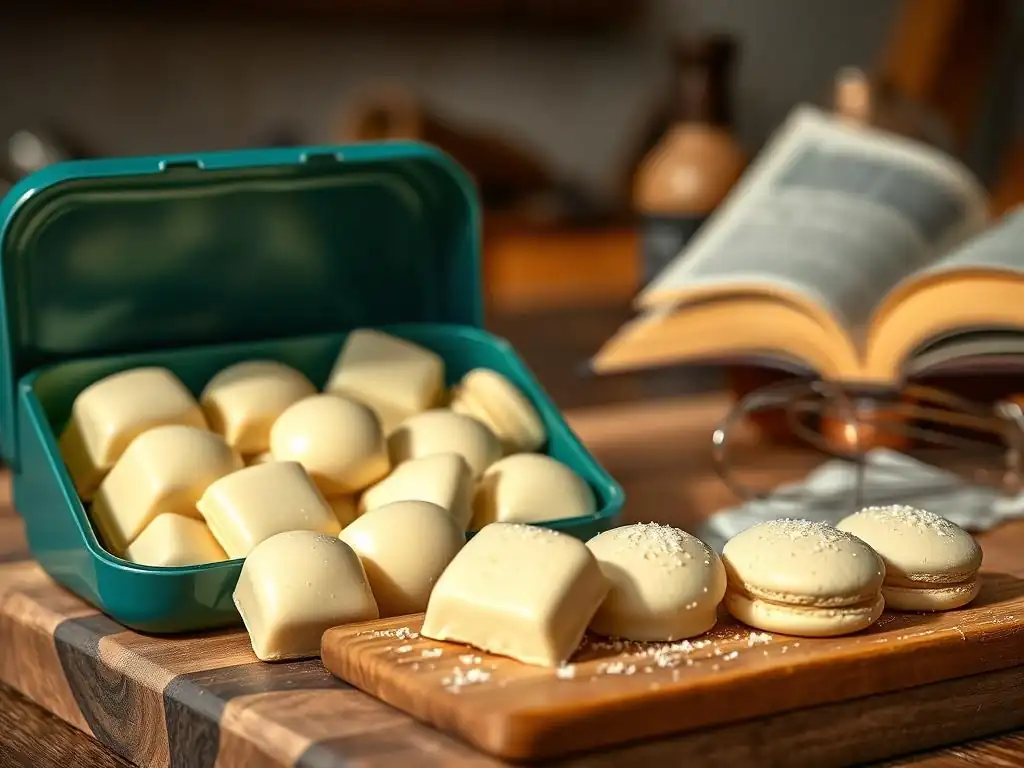
Proper storage is essential to maintain the white chocolate baking quality you paid for. Like other chocolates, white chocolate is susceptible to absorbing odors, developing bloom, and oxidizing, which can lead to off-flavors. The ideal storage environment is cool, dark, and dry, with a consistent temperature between 60°F and 68°F (15°C to 20°C) and low humidity (below 50%). Avoid storing it in the refrigerator unless absolutely necessary in very warm climates, as refrigeration can cause condensation and lead to sugar bloom and flavor loss.
Always store white chocolate in its original airtight packaging or transfer it to a well-sealed container or double-wrapped plastic wrap and foil. This protects it from moisture, air, and strong smells from other foods (like onions or spices). Stored correctly, high-quality white chocolate can maintain its optimal taste and texture for several months, ensuring it performs beautifully every time you reach for it for your baking projects.
Investing in Quality White Chocolate for Baking: Is it Worth It?
How High-Quality White Chocolate Elevates Your Baked Goods
The difference that high-quality white chocolate makes in baking is often immediately noticeable in the final product. Its superior flavor, derived from real cocoa butter and milk solids rather than artificial additives, provides a richness and depth that cheaper alternatives simply cannot replicate. When melted, it yields a smoother, more luxurious texture that integrates seamlessly into batters, ganaches, and sauces, resulting in a more refined mouthfeel.
Consider a white chocolate mousse: made with quality white chocolate, it will be light, airy, and melt-in-your-mouth creamy, with a pure, delicate flavor. Made with candy melts, it might be waxy, overly sweet, and lack the true chocolatey richness. Similarly, cookies with quality white chocolate chips will feature pockets of smooth, flavorful melted chocolate, while those with lower quality chips might have a less pleasant, waxy texture. The investment in better ingredients directly translates to a more delicious and satisfying baked good.
While premium white chocolate for baking might have a higher upfront cost per pound, the long-term value extends beyond just the immediate taste improvement. Using high-quality ingredients often leads to more consistent and successful baking results, reducing frustrating failures like seized chocolate or poor texture. This reliability saves time and prevents wasted ingredients, which can quickly add up.
Furthermore, the superior flavor and texture of baked goods made with quality ingredients are often remembered and appreciated more by those who enjoy them. Whether you're baking for family, friends, or customers, the enhanced quality elevates the entire baking experience and the perception of your skills. Investing in quality white chocolate baking components is investing in more reliable processes, better outcomes, and ultimately, more enjoyable and memorable treats.
Frequently Asked Questions
What are the key differences between baking white chocolate and candy melts?
Baking white chocolate contains cocoa butter, giving it a richer flavor and smoother texture. Candy melts, on the other hand, are made with vegetable oils and lack the authentic chocolate taste and meltability of real white chocolate. This impacts the final quality of your baked goods.
How does the cocoa butter content affect the quality of white chocolate in baking?
Higher cocoa butter content generally indicates better quality. It contributes to a smoother melt, a richer flavor, and a more pleasing texture in your baked creations. Look for white chocolate with at least 30% cocoa butter for optimal results.
What ingredients should I avoid when selecting white chocolate for baking?
Avoid white chocolate with high levels of sugar or the inclusion of vegetable oils instead of cocoa butter. These ingredients detract from the flavor and can cause the chocolate to melt unevenly, leading to poor baking performance.
Where can I find high-quality white chocolate specifically designed for baking?
Specialty baking supply stores, some grocery stores, and online retailers often carry premium white chocolate suitable for baking. Look for brands that explicitly state the cocoa butter content and are marketed towards professional bakers.
How can I properly melt white chocolate for baking to avoid seizing?
Melt white chocolate gently using a double boiler or microwave in short intervals, stirring frequently. Avoid overheating and prevent any water or steam from coming into contact with the chocolate, as this can cause it to seize and become unusable.
Final Reflection: The Sweet Truth About White Chocolate Baking
The pursuit of the perfect white chocolate bake is more than just a recipe; it's a journey into the nuanced world of flavor and texture. Choosing the right white chocolate dramatically impacts the final product, transforming a simple dessert into a truly exceptional experience. The subtle differences between high-quality couverture and mass-produced candy melts are far more significant than many bakers realize.
This exploration into the world of white chocolate has underscored for me the importance of understanding ingredients beyond their superficial appeal. The subtle notes of vanilla, the creamy melt, the satisfying snap – these are all elements that elevate a bake from good to unforgettable. The best things in life are simple, but not easy.
This holds true for baking, and particularly when selecting the star ingredient: white chocolate. The time invested in choosing quality ingredients is always repaid in the final result, a testament to the power of mindful baking.
So, the next time you reach for white chocolate, I urge you to consider the impact of your choice. Don't just bake; experience the difference. Take a moment to appreciate the nuances of flavor and texture that a superior white chocolate brings. Explore different brands, experiment with recipes, and discover the joy of creating truly exceptional baked goods. The journey of finding your perfect white chocolate is a rewarding one, and the results will speak for themselves.
Unlock Your Baking Potential: Elevate Your Treats with Superior White Chocolate!
Thanks for taking the time to explore the world of white chocolate with us! You've now learned how to distinguish true white chocolate from those candy melt impostors. Ready to put your newfound knowledge to the test?
- Bake something amazing! Use your insights to select the perfect white chocolate for your next baking project. Think creamy truffles, decadent mousse, or delicate white chocolate bark—the possibilities are endless!
- Share your creations! Show off your baking skills and inspire others by posting pictures of your white chocolate masterpieces on social media. Use #BakeWithEaseWhiteChocolate to connect with our community.
- Explore different white chocolate varieties. Experiment with various percentages of cocoa butter and milk solids to discover your favorite flavor profile.
What's your go-to white chocolate recipe, and which brand are you eager to try next? Let's discuss!