
Your Guide to Cocoa Mass in Premium Baking Chocolate

Welcome to BakeWithEase, your trusted companion on your baking journey! Ever wondered about the secret ingredient behind truly decadent chocolate creations? Dive into our guide and unlock the potential of cocoa mass, a cornerstone of premium baking chocolate. Prepare to elevate your recipes with a depth of flavor you never thought possible – let's explore the art of baking with cocoa mass!
- Understanding Cocoa Mass: The Foundation of Premium Baking Chocolate
- Choosing the Right Cocoa Mass for Your Baking Recipes
- Cocoa Mass Baking Recipe Ideas: Unleash the Flavor
- Mastering the Art of Working with Cocoa Mass
- Advanced Cocoa Mass Baking Techniques for Experienced Bakers
- Maximizing Your Cocoa Mass Experience: Tools and Equipment
- The Future of Cocoa Mass in Baking: Trends and Innovations
-
Frequently Asked Questions
- What exactly is cocoa mass, and why is it important in a cocoa mass baking recipe?
- Where can I find cocoa mass for my baking recipe?
- How does the quality of cocoa mass affect the final result of my cocoa mass baking recipe?
- Can I substitute cocoa mass with other ingredients in a cocoa mass baking recipe, and if so, what are the best alternatives?
- What are some common mistakes to avoid when using cocoa mass in a baking recipe?
- Final Reflection: Unlocking the Secrets of Cocoa Mass in Baking
- Unlock the Secrets of Richer Chocolate!
What is Cocoa Mass (Chocolate Liquor)?
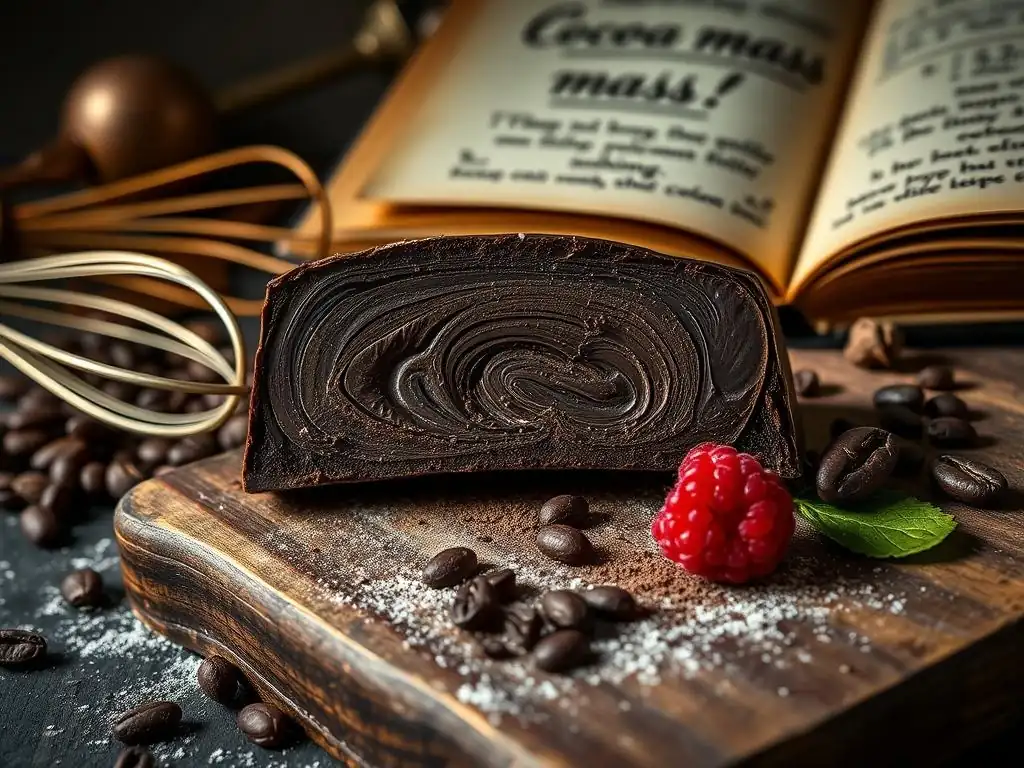
Cocoa mass, also known as chocolate liquor or cacao liquor, is the foundational ingredient from which all types of chocolate are made. It is produced by grinding shelled and roasted cocoa beans into a smooth, fluid paste. This paste contains both the cocoa solids, which provide the intense chocolate flavor and color, and the cocoa butter, the natural fat present in the bean, typically making up about 50-60% of the mass. Unlike alcoholic liquor, chocolate liquor is non-alcoholic; the term "liquor" here refers to its liquid state after grinding.
This rich, aromatic paste solidifies at room temperature, forming blocks or discs of pure cocoa mass. Its quality is directly linked to the quality of the cocoa beans used and the care taken during fermentation, roasting, and grinding. It offers a pure, unadulterated chocolate experience, making it a key component for creating high-quality cocoa mass baking recipes and fine chocolates. Understanding cocoa mass is the first step towards elevating your baking with truly deep and nuanced chocolate flavors.
The Role of Cocoa Mass in Flavor and Texture
Cocoa mass is paramount in defining the flavor profile and texture of premium baking chocolate. The cocoa solids within the mass contain hundreds of flavor compounds that develop during fermentation and roasting, contributing notes ranging from fruity and floral to nutty and earthy, depending on the bean origin and processing.
The higher the percentage of cocoa mass in a chocolate product, the more intense and complex the chocolate flavor will be. A chocolate labeled 70% cacao, for instance, typically contains around 70% cocoa mass (or a combination of cocoa mass and extra cocoa butter/powder), with the remainder being sugar, vanilla, and sometimes lecithin.
Furthermore, the cocoa butter content in cocoa mass significantly impacts texture and mouthfeel. Cocoa butter is unique among fats for its specific melting properties, which are close to body temperature. This is what gives high-quality chocolate its smooth, melt-in-your-mouth quality. When used in a cocoa mass baking recipe, it contributes richness, moisture, and a desirable texture to baked goods like brownies, cakes, and ganaches, providing a depth and smoothness that cannot be achieved with cocoa powder alone.
Cocoa Mass vs. Cocoa Powder: Key Differences for Bakers
While both derived from the cocoa bean, cocoa mass and cocoa powder are distinct ingredients with different properties crucial for bakers. Cocoa mass is the ground whole bean paste containing both cocoa solids and cocoa butter (around 50-60% fat). Cocoa powder, on the other hand, is produced by pressing most of the cocoa butter out of the cocoa mass, leaving behind primarily dried cocoa solids, which are then ground into a fine powder. Natural cocoa powder typically contains about 10-15% fat, while Dutch-processed powder has around 20-24% fat.
This significant difference in fat content dictates their usage in cocoa mass baking recipes. Cocoa mass adds richness, moisture, and contributes significantly to the structure and texture due to its high cocoa butter content. It's often used in recipes aiming for intense flavor and a fudgy or moist result.
Cocoa powder, being mostly dry solids, primarily provides color and intense flavor but requires additional fat (like butter or oil) to achieve desired textures. It's commonly used in cakes, cookies, and frostings where its high concentration of dry solids can contribute to structure and rise, especially when reacting with leavening agents.
Choosing the Right Cocoa Mass for Your Baking Recipes
Factors to Consider When Selecting Cocoa Mass
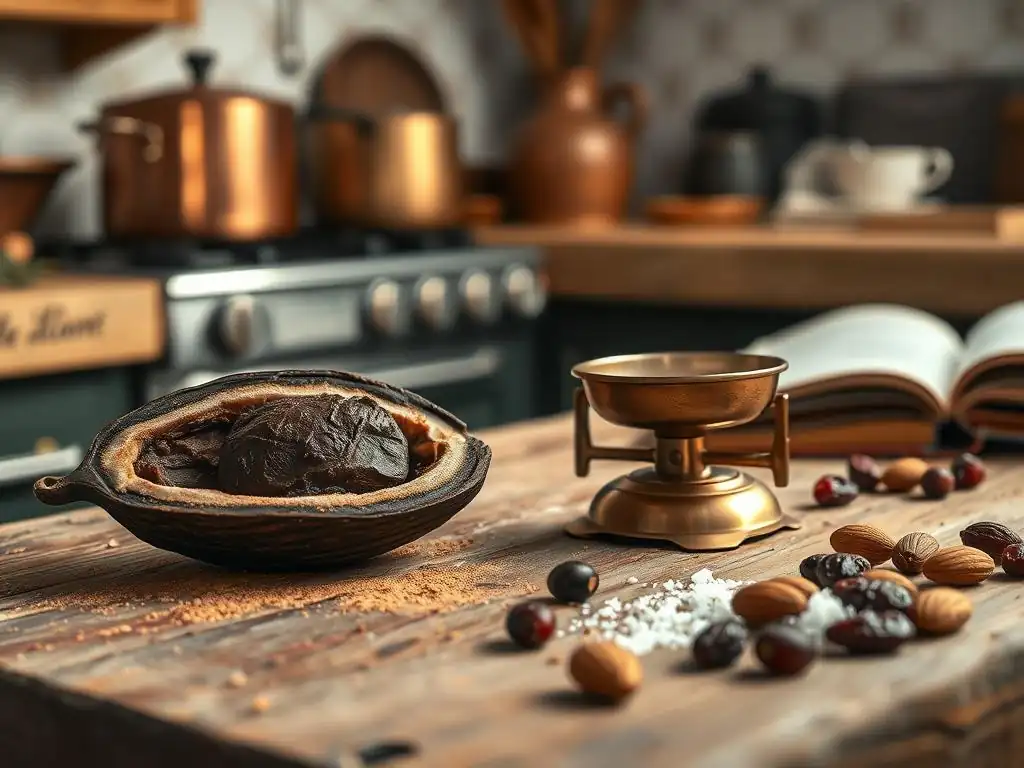
Choosing the right cocoa mass is key to unlocking incredible flavor in your cocoa mass baking recipes. Several factors influence the characteristics of cocoa mass, starting with the cocoa bean itself. The origin of the bean, its varietal (Criollo, Forastero, Trinitario, or hybrids), and the specific environmental conditions where it was grown all contribute unique flavor notes. For instance, beans from Ecuador might offer floral notes, while those from Ghana are often more classic 'chocolatey' and robust.
Beyond the bean's origin, processing methods play a critical role. Proper fermentation develops flavor precursors, and the roasting process further develops these into complex aromatic compounds. The degree of roast can significantly impact the final flavor, ranging from lighter, more acidic and fruity profiles to darker, more bitter and intense ones. Finally, the fineness of the grind affects texture. When selecting cocoa mass for your cocoa mass baking recipe, consider the desired flavor profile and intensity for your final product. Do you want bright and fruity notes for a specific dessert, or a deep, classic chocolate flavor for brownies?
Cocoa Bean Origin and Flavor Profiles
The geographical origin of cocoa beans imparts distinct flavor characteristics to the cocoa mass. For example, Criollo beans, often considered premium, are known for their complex, aromatic profiles with notes that can include fruits, flowers, nuts, and caramel, typically with lower bitterness and acidity. They are primarily grown in Central and South America and the Caribbean. Forastero beans, the most common variety (making up about 80-90% of world production), are more robust, with a classic, intense chocolate flavor profile, often with earthy or nutty undertones and higher bitterness and acidity. They are predominantly grown in West Africa.
Trinitario beans are a hybrid of Criollo and Forastero, offering a balance of robustness and aromatic complexity. They are grown in various regions including the Caribbean and parts of Asia. When choosing cocoa mass for a cocoa mass baking recipe, understanding these origin profiles helps you predict the flavor outcome. A single-origin cocoa mass from Venezuela (often Criollo or Trinitario) might lend delicate fruitiness to a cake, while one from Ivory Coast (Forastero) would provide a strong, classic chocolate backbone for brownies.
Processing Methods and Their Impact on Taste
The journey from fermented bean to cocoa mass involves crucial processing steps that profoundly affect taste. Fermentation, typically lasting several days, is vital for developing flavor precursors and reducing bitterness and astringency. If fermentation is insufficient or poorly managed, the resulting cocoa mass can taste flat or overly bitter. Following fermentation, drying the beans reduces moisture content for storage and roasting.
Roasting is perhaps the most impactful step for flavor development. The temperature and duration of roasting transform flavor precursors into volatile aromatic compounds. A lighter roast preserves some of the bean's natural fruity or floral notes but can result in higher acidity and bitterness.
A darker roast develops deeper, richer 'chocolatey' flavors but can diminish some of the more delicate notes and increase bitterness. The grinding process, transforming roasted nibs into liquid mass, also affects flavor slightly through heat generated and the fineness of the particles, influencing mouthfeel. For a cocoa mass baking recipe, the roast level should align with the desired depth and character of the chocolate flavor.
Acidity Levels and Their Effect on Baking
The acidity of cocoa mass is another important factor for bakers, influencing both flavor perception and interaction with other ingredients. Cocoa beans naturally contain organic acids, and the levels are affected by genetics, terroir, and processing, particularly fermentation. Some origins, like certain South American beans, might naturally have higher acidity, contributing bright, sometimes citrusy or tart notes to the cocoa mass. Processing methods, especially Dutch-processing (alkalization), can significantly reduce acidity, creating a smoother, less acidic, and darker colored product, though this process is more commonly applied to cocoa powder than mass.
In baking, acidity in cocoa mass can interact with leavening agents like baking soda, which is alkaline. A cocoa mass baking recipe using natural, higher-acidity cocoa mass might rely on baking soda for leavening, as the acid helps activate it. However, using a lower-acidity cocoa mass (if such a variant were specifically produced or desired for a recipe) might require adjusting leavening or other ingredients.
Beyond leavening, acidity contributes to the overall balance of flavors; a slight acidity can brighten rich chocolate notes, while excessive acidity can taste sour or unpleasant. Bakers should consider the natural acidity profile of their chosen cocoa mass and how it will complement or contrast with other recipe components.
Top Cocoa Mass Brands for Baking: A Comparative Review
Several renowned chocolate manufacturers produce high-quality cocoa mass suitable for premium baking. These brands often source beans from specific regions and employ meticulous processing techniques to achieve consistent and distinct flavor profiles. While availability can vary, exploring offerings from established brands is a good starting point for finding the right cocoa mass for your cocoa mass baking recipe. Prices and formats (blocks, discs, callets) also differ between brands.
Comparing brands allows bakers to experiment with diverse flavor nuances. Some brands specialize in single-origin cocoa mass, highlighting the unique characteristics of beans from a particular country or region. Others offer blends designed for specific applications or balanced flavor profiles. Exploring options from these top brands is an exciting way to discover how different cocoa masses can transform your chocolate creations, bringing complexity and depth to everything from simple cookies to elaborate tortes.
Valrhona Cocoa Mass
Valrhona, a French premium chocolate manufacturer, is highly regarded for its high-quality products, including cocoa mass. They offer single-origin cocoa masses that showcase the distinct terroir of their beans. For example, their "Grand Cru de Terroir" range features cocoa mass from specific plantations or regions, each with a unique flavor signature. A Valrhona cocoa mass from Madagascar might offer bright, fruity notes, while one from the Dominican Republic could provide a more classic chocolate flavor with hints of red fruit.
Using Valrhona cocoa mass in a cocoa mass baking recipe is often chosen when the baker wants the pure, unadulterated flavor of a specific bean origin to shine through. Their cocoa masses are typically around 100% cocoa solids (meaning pure ground bean with its natural fat content), providing intense flavor. While often more expensive, the quality and specific flavor profiles offered by Valrhona make them a top choice for serious bakers and chocolatiers looking to create truly exceptional chocolate desserts.
Cacao Barry Cocoa Mass
Cacao Barry, another esteemed French brand under the Barry Callebaut group, offers a wide range of cocoa and chocolate products, including various types of cocoa mass. They provide both single-origin and blended cocoa masses, catering to different needs and flavor preferences in cocoa mass baking recipes. Cacao Barry's offerings are known for their consistency and technical performance, making them popular among professional bakers and patissiers.
Their cocoa masses might include options from origins like Ghana (known for classic chocolate flavor), Ecuador (often floral and fruity), or Saint-Domingue (typically balanced). Cacao Barry also focuses on sustainability initiatives, which is an important consideration for many bakers. Incorporating Cacao Barry cocoa mass into a cocoa mass baking recipe allows access to reliable quality and a diverse spectrum of classic and origin-specific chocolate flavors, providing versatility for different dessert applications.
Guittard Cocoa Mass
Guittard Chocolate Company, a family-owned American chocolate maker with a long history, produces high-quality chocolate and cocoa products, including cocoa mass. Guittard is known for its focus on traditional chocolate-making methods and sourcing relationships. Their cocoa mass often features robust, classic chocolate flavors that appeal to bakers seeking a familiar yet high-quality profile for their creations.
Guittard offers different cocoa masses, sometimes labeled by origin or blend. For instance, their Akoma® cocoa mass is a popular choice, known for its rich, balanced flavor profile suitable for a wide range of cocoa mass baking recipes. Guittard's commitment to quality and their accessible flavor profiles make their cocoa mass a favored option for American bakers looking for reliable performance and excellent taste in their baked goods.
Where to Buy High-Quality Cocoa Mass
Finding high-quality cocoa mass can sometimes require looking beyond standard grocery stores. Specialty baking supply stores and online retailers are typically the best sources. These outlets often carry a wider selection of professional-grade ingredients, including cocoa mass from the brands mentioned above and others. Purchasing from reputable suppliers ensures you are getting a product that has been stored correctly and is of the quality required for premium baking.
When sourcing cocoa mass for your cocoa mass baking recipe, consider the format it's sold in. It's commonly available in large blocks, smaller discs (callets), or even sometimes in pastille form. Discs or callets are often more convenient for weighing and melting than breaking down large blocks. Check the product description for details on origin, processing, and suggested uses to ensure it aligns with your baking goals.
Online Retailers
Online retailers specializing in baking supplies or gourmet food are excellent resources for purchasing high-quality cocoa mass. Websites like King Arthur Baking, The Chef's Connection, or specialized chocolate suppliers often stock a variety of brands and formats. Shopping online provides access to a broader selection than might be available locally, allowing you to compare different origins and brands easily.
When buying cocoa mass online for your cocoa mass baking recipe, pay attention to shipping details, especially during warmer months, as chocolate products can melt in transit. Reputable suppliers often use insulated packaging and expedited shipping for heat-sensitive items. Look for detailed product descriptions, including cocoa percentage, origin, and flavor notes, to make an informed choice for your baking projects.
Local Baking Supply Stores
Specialty baking supply stores or gourmet food shops in your area can also be great places to find high-quality cocoa mass. These stores often cater to professional bakers and serious home enthusiasts, stocking ingredients that are difficult to find elsewhere. Visiting a physical store allows you to see the product firsthand and potentially get advice from knowledgeable staff about which cocoa mass might be best suited for your specific cocoa mass baking recipe.
While the selection at a local store might be smaller than online, the ability to purchase smaller quantities or get immediate access to the ingredient can be advantageous. Check with your local culinary schools or professional baking shops, as they sometimes have retail sections open to the public. Finding a reliable local source can be convenient for ongoing baking needs involving cocoa mass.
Cocoa Mass Baking Recipe Ideas: Unleash the Flavor
Using cocoa mass in your baking recipes is a fantastic way to achieve deep, complex chocolate flavors that are simply not possible with just cocoa powder or standard chocolate chips. Because cocoa mass is pure ground cocoa bean, it brings the full spectrum of flavor and richness directly to your baked goods. The high cocoa butter content contributes to incredible texture, from fudgy brownies to moist cakes and silky ganaches.
Incorporating cocoa mass requires careful attention to melting and temperature, similar to working with high-quality chocolate. Its intensity means you might use slightly less than you would of a sweetened chocolate, adjusting sugar levels accordingly. These illustrative cocoa mass baking recipes demonstrate how this fundamental ingredient can elevate classic desserts, providing a starting point for your own explorations in premium chocolate baking.
Cocoa Mass Baking Recipe: The Ultimate Chocolate Brownies
Using cocoa mass in brownies creates an intensely fudgy and rich result, far surpassing brownies made only with cocoa powder or compound chocolate. The pure cocoa flavor shines through, and the natural cocoa butter contributes to a luxurious texture. This illustrative cocoa mass baking recipe focuses on maximizing that deep chocolate character.
Imagine starting with around 200-250 grams of high-quality cocoa mass, melted gently with butter. This forms the base of your batter, ensuring every bite is packed with pure chocolate intensity. Unlike recipes relying solely on cocoa powder, which can sometimes result in a drier brownie, the significant fat content from the cocoa mass helps create that coveted moist and dense texture.
Ingredients (Illustrative)
- High-quality Cocoa Mass (e.g., 200-250g), finely chopped or in discs
- Unsalted Butter (e.g., 150-200g)
- Granulated Sugar (e.g., 200-250g, adjusted to taste based on cocoa mass bitterness)
- Light Brown Sugar (e.g., 50g, for moisture and chewiness)
- Large Eggs (e.g., 3)
- Vanilla Extract (e.g., 1 tsp)
- All-purpose Flour (e.g., 100-120g)
- Salt (e.g., 1/2 tsp)
- Optional: Walnuts, chocolate chips, flaky sea salt
Step-by-step Instructions (Illustrative)
- Preheat oven to a moderate temperature (e.g., 350°F or 175°C). Line a baking pan (e.g., 8x8 inch) with parchment paper.
- Gently melt the cocoa mass and butter together in a heatproof bowl set over a pot of simmering water (double boiler method), or carefully in a microwave in short bursts, stirring frequently. Stir until smooth. Remove from heat and let cool slightly.
- In a separate bowl, whisk together the granulated sugar, brown sugar, eggs, and vanilla extract until well combined.
- Pour the slightly cooled chocolate-butter mixture into the egg mixture. Whisk until just combined.
- In a small bowl, whisk together the flour and salt. Add the dry ingredients to the wet ingredients and fold gently with a spatula until just a few streaks of flour remain. Do not overmix. If using optional add-ins, fold them in now.
- Pour the batter into the prepared pan and spread evenly.
- Bake for the recommended time for fudgy brownies (e.g., 25-35 minutes), or until a toothpick inserted near the edge comes out with moist crumbs, but not wet batter. The center should still look slightly underbaked.
- Let cool completely in the pan on a wire rack before cutting. This is crucial for fudgy texture.
Tips for Perfect Brownie Texture
Achieving that ideal fudgy texture in a cocoa mass baking recipe like brownies relies heavily on the ratio of fat to flour and careful baking time. Using a generous amount of cocoa mass, with its high cocoa butter content, is the primary driver of richness and fudginess. Resist the urge to reduce the fat.
Secondly, avoid overmixing the batter once the flour is added. Overmixing develops gluten, which can lead to a tougher, cake-like texture rather than dense fudginess. Bake the brownies just until the edges are set but the center is still slightly soft. Brownies continue to cook from residual heat as they cool, so slightly underbaking ensures they don't dry out. Allowing them to cool fully in the pan concentrates the moisture and sets the fudgy texture.
Rich Chocolate Cake Recipe Using Cocoa Mass
Incorporating cocoa mass into a chocolate cake recipe yields a cake with unparalleled depth of flavor and a wonderfully moist crumb. Unlike cakes relying solely on cocoa powder, the cocoa butter in the mass adds richness and inhibits dryness. This illustrative cocoa mass baking recipe aims for an intensely chocolatey and tender cake.
Imagine a batter where a significant portion of the chocolate flavor comes from melted cocoa mass, perhaps 100-150 grams, rather than just cocoa powder. This provides a more complex and less bitter chocolate note compared to some cocoa powders. The fat also contributes to a finer, more tender crumb structure, keeping the cake moist for longer.
Ingredients (Illustrative)
- High-quality Cocoa Mass (e.g., 100-150g), finely chopped or in discs
- Unsalted Butter (e.g., 100-120g), softened
- Granulated Sugar (e.g., 200-250g)
- Large Eggs (e.g., 2-3)
- Vanilla Extract (e.g., 1 tsp)
- All-purpose Flour (e.g., 150-180g)
- Baking Powder (e.g., 1 tsp)
- Baking Soda (e.g., 1/2 tsp)
- Salt (e.g., 1/4 tsp)
- Buttermilk or Sour Cream (e.g., 180-240ml or g, for moisture and tenderness)
- Hot Coffee or Hot Water (e.g., 120-180ml, to bloom cocoa mass/powder)
Step-by-step Instructions (Illustrative)
- Preheat oven to a moderate temperature (e.g., 350°F or 175°C). Grease and flour a cake pan (e.g., 8-inch round or 9x13 inch).
- Gently melt the cocoa mass using a double boiler or microwave until smooth. Let cool slightly.
- In a large bowl, cream together the softened butter and sugar until light and fluffy.
- Beat in the eggs one at a time, followed by the vanilla extract.
- In a medium bowl, whisk together the flour, baking powder, baking soda, and salt.
- In a small bowl, whisk the melted cocoa mass into the hot coffee or water until smooth.
- Add one-third of the dry ingredients to the wet ingredients, mix until just combined. Add half of the buttermilk/sour cream, mix until just combined. Repeat with another third of the dry ingredients, the remaining buttermilk/sour cream, and finally the remaining dry ingredients. Mix until just combined, scraping down the sides of the bowl.
- Pour the cocoa mass-coffee mixture into the batter and fold gently until uniformly combined. The batter will be thin.
- Pour the batter into the prepared pan and bake for the recommended time (e.g., 30-40 minutes for layers, 35-45 minutes for a sheet cake), or until a toothpick inserted into the center comes out clean.
- Let cool in the pan for 10-15 minutes before inverting onto a wire rack to cool completely.
Achieving a Moist and Flavourful Cake
Moisture and flavor are key goals in any chocolate cake, and a cocoa mass baking recipe has an advantage here. The cocoa butter naturally present in the mass contributes significant moisture and richness. Using ingredients like buttermilk or sour cream further enhances tenderness and moisture due to their acidity and fat content.
Using hot liquid (coffee or water) to bloom the cocoa mass (and any additional cocoa powder used) helps dissolve flavor compounds and intensify the chocolate taste. Coffee, in particular, enhances chocolate flavor without making the cake taste like coffee. Finally, avoid overbaking! Remove the cake from the oven as soon as a toothpick comes out clean to prevent it from drying out, ensuring a moist and flavourful crumb.
Decadent Chocolate Ganache Recipe with Cocoa Mass
Ganache, a simple mixture of chocolate and cream, becomes incredibly rich and flavorful when made with high-quality cocoa mass. The pure chocolate intensity and the high cocoa butter content create a ganache with a deep flavor and a smooth, glossy finish. This illustrative cocoa mass baking recipe is perfect for glazes, fillings, or truffles.
Using cocoa mass instead of standard chocolate chips or bars means you are working with pure chocolate components. This results in a more direct and intense chocolate flavor. The natural cocoa butter also contributes to a remarkably smooth and stable emulsion when combined with warm cream, yielding a ganache with a superior texture and sheen.
Ingredients (Illustrative)
- High-quality Cocoa Mass (e.g., 200-250g), finely chopped or in discs
- Heavy Cream (e.g., 200-250ml)
- Optional: Sugar or other sweetener (e.g., 1-2 tbsp, adjusted to taste)
- Optional: Butter (e.g., 1 tbsp, for extra gloss)
- Optional: Vanilla Extract (e.g., 1/2 tsp)
Step-by-step Instructions (Illustrative)
- Place the finely chopped cocoa mass or discs in a heatproof bowl.
- Heat the heavy cream in a saucepan over medium heat until it just begins to simmer around the edges. Do not boil vigorously.
- Pour the hot cream over the cocoa mass in the bowl. Let stand for 1-2 minutes to allow the heat from the cream to begin melting the cocoa mass.
- Starting in the center of the bowl, gently whisk or stir the mixture with a spatula or whisk in small circles, gradually expanding outwards. Continue stirring until the cocoa mass is completely melted and the mixture is smooth and glossy. If needed, you can briefly set the bowl over a very gentle double boiler to melt any stubborn pieces, but be careful not to overheat.
- If using optional sugar or butter, stir them in now until fully incorporated. Stir in vanilla extract if using.
- For a pouring glaze, use immediately while warm. For a thicker filling or for rolling truffles, let the ganache cool at room temperature, stirring occasionally, until it reaches the desired consistency. For firmer ganache, chill gently, but avoid chilling too quickly which can affect texture.
Tips for a Smooth and Glossy Finish
The key to a smooth and glossy ganache in a cocoa mass baking recipe is proper emulsification – getting the fat (from cocoa butter and cream) and liquid (from cream) to combine into a stable mixture. Ensure your cocoa mass is finely chopped or in small pieces so it melts evenly.
Pouring hot, but not boiling, cream over the chocolate is crucial. Allowing it to sit helps start the melting process. When stirring, start from the center and work outwards slowly. This helps the emulsion begin smoothly. Avoid whisking too vigorously, which can incorporate air bubbles and result in a dull finish. If the ganache looks broken or oily, gently warm it slightly over a double boiler and stir continuously until it comes back together. Cooling the ganache slowly at room temperature also helps maintain a smooth, glossy texture.
Mastering the Art of Working with Cocoa Mass
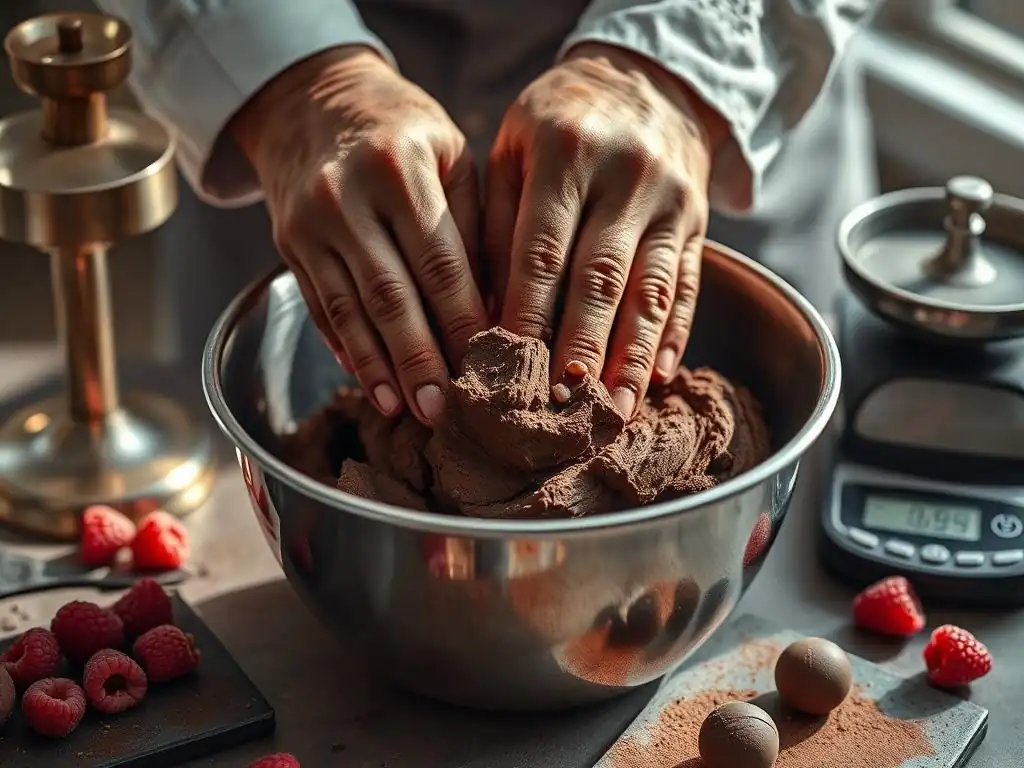
Working with cocoa mass is similar to working with high-quality couverture chocolate, requiring attention to temperature and handling. Its pure form means you are dealing directly with cocoa solids and cocoa butter, which are sensitive to heat and moisture. Mastering techniques like tempering and proper storage is essential to achieve the best results in your cocoa mass baking recipes and other chocolate work.
Understanding how cocoa mass behaves when melted and cooled is fundamental. Unlike compound coatings that contain vegetable oils, cocoa mass relies on the specific crystalline structure of cocoa butter for its desirable properties like snap, shine, and smooth melt. Treating it with care ensures that these qualities are preserved in your final product, whether it's a simple inclusion or a tempered coating.
Tempering Cocoa Mass for Optimal Results
Tempering is the process of carefully melting, cooling, and slightly reheating chocolate (or cocoa mass) to stabilize the cocoa butter crystals. This ensures that the chocolate sets properly with a smooth, glossy finish, a firm snap when broken, and resistance to blooming (the formation of grayish streaks caused by unstable fat crystals). While not every cocoa mass baking recipe requires tempering (e.g., when it's fully incorporated into a batter and baked), it's essential for applications where the cocoa mass will be set as a coating, decoration, or solid piece, like making your own chocolate bars or dipped items.
Tempering cocoa mass involves heating it to melt all cocoa butter crystals (around 113-122°F or 45-50°C), cooling it down to a specific temperature to encourage the formation of stable beta crystals (around 81-82°F or 27-28°C for dark chocolate/cocoa mass), and then slightly reheating it to the working temperature (around 88-91°F or 31-32°C for dark chocolate/cocoa mass). This process requires patience and accurate temperature control, often using a thermometer and techniques like seeding (adding unmelted tempered chocolate) or tabling (spreading on a cool surface). Proper tempering is the secret to professional-looking and stable chocolate finishes when using cocoa mass.
Storing Cocoa Mass to Preserve Freshness
Proper storage is crucial for maintaining the quality and usability of cocoa mass. Like other chocolate products, it is sensitive to temperature fluctuations, moisture, light, and odors. The ideal storage conditions are cool, dry, and dark, with a consistent temperature, typically between 55°F and 65°F (12°C and 18°C). Avoid storing cocoa mass in the refrigerator, as condensation can form and lead to sugar bloom, and it can also absorb odors from other foods.
Store cocoa mass in an airtight container or its original, well-sealed packaging to protect it from moisture and odors. Keep it away from direct sunlight or strong artificial light, which can degrade the quality. When stored correctly, cocoa mass can have a shelf life of 1 to 2 years or even longer, though it's always best to use it within a reasonable timeframe for optimal flavor in your cocoa mass baking recipes. Check for any signs of mold or off-odors before use.
Troubleshooting Common Issues When Baking with Cocoa Mass
Working with pure cocoa mass in cocoa mass baking recipes can sometimes present challenges different from using sweetened chocolate or cocoa powder. Two common issues are dealing with its inherent bitterness and preventing seizing when melting. Cocoa mass is 100% cocoa bean, meaning it contains no added sugar, making it quite bitter.
Dealing with Bitterness
The bitterness of cocoa mass is part of its character and contributes to complex chocolate flavor, but it needs to be balanced in a cocoa mass baking recipe. Since it contains no sugar, you will need to add sufficient sugar to your recipe to counteract the bitterness and bring out the desired chocolate notes. The amount of sugar needed will depend on the specific cocoa mass used (some are naturally less bitter than others) and your personal preference.
Taste testing your batter or mixture before baking (where safe) can help you adjust sugar levels. Other ingredients like dairy (butter, milk, cream), vanilla, and salt can also help to round out the flavor and mitigate excessive bitterness. Don't be afraid to add slightly more sugar than you might in a recipe using sweetened chocolate; the goal is balance, not just sweetness.
Preventing Seizing
Seizing is when melted chocolate or cocoa mass suddenly turns thick, lumpy, and unusable. This typically happens when even a tiny amount of water or steam comes into contact with the melted cocoa mass. Cocoa butter is hydrophobic (repels water), and water interferes with the smooth flow of the melted fat, causing the solids to clump up.
To prevent seizing when melting cocoa mass for a cocoa mass baking recipe, ensure all your equipment (bowls, spatulas) are completely dry. If using a double boiler, make sure the water in the pot is simmering gently and not touching the bottom of the bowl above it, and prevent any steam from escaping into the chocolate.
If using a microwave, melt in short bursts (15-30 seconds) stirring well in between, as overheating can also cause seizing or burning. If your cocoa mass does seize, sometimes you can rescue it by vigorously stirring in a tablespoon of hot vegetable oil or melted cocoa butter, which can help smooth it out, though the texture may be slightly altered.
Advanced Cocoa Mass Baking Techniques for Experienced Bakers
For those comfortable with basic cocoa mass baking recipes, there's a world of advanced techniques to explore. Working directly with cocoa mass allows for a higher degree of control over flavor and composition, opening doors to custom chocolate creations and innovative dessert applications. These techniques leverage the purity and intensity of cocoa mass to push the boundaries of chocolate baking.
Exploring these advanced uses allows bakers to truly become chocolate artists. From crafting unique flavor blends tailored to specific desserts to adapting recipes for different dietary needs or incorporating cocoa mass into unexpected flavor combinations, the versatility of this ingredient provides endless opportunities for creativity and refinement in baking.
Creating Custom Chocolate Blends Using Cocoa Mass
One of the most exciting advanced techniques for using cocoa mass is creating your own custom chocolate blends. By combining cocoa mass from different origins or with different roast levels, you can craft a chocolate with a flavor profile precisely suited to a particular cocoa mass baking recipe or application. For example, you might blend a fruity African cocoa mass with a nutty South American one to create a complex base for a tart or mousse.
This process involves melting and combining different cocoa masses in desired ratios. You can then add cocoa butter for fluidity, and sugar (or other sweeteners) to achieve the desired level of sweetness. This allows you to move beyond standard chocolate bars and tailor the chocolate's intensity, flavor notes, and even melting characteristics. It requires experimentation and careful tasting, but the reward is a truly unique chocolate component for your baking.
Incorporating Cocoa Mass into Vegan Baking Recipes
Cocoa mass is naturally vegan, as it is simply ground cocoa beans and contains no dairy or other animal products. This makes it an ideal ingredient for creating rich, decadent vegan cocoa mass baking recipes. Unlike dairy-based chocolate, which contains milk solids and fat, cocoa mass provides pure chocolate flavor and fat (cocoa butter) from a plant source.
When adapting or creating vegan recipes, cocoa mass can be used in place of or in combination with vegan chocolate. Its high cocoa butter content is particularly useful in vegan applications where achieving richness and a desirable texture can sometimes be challenging. For instance, a vegan ganache can be made by combining melted cocoa mass with hot plant-based cream (like coconut cream or cashew cream) and a sweetener, leveraging the cocoa mass's natural fat and flavor to create a luxurious, dairy-free result.
Exploring Unique Flavor Pairings with Cocoa Mass
The intense and complex flavor of cocoa mass makes it a wonderful ingredient for exploring unique and sophisticated flavor pairings in baking. Its inherent bitterness and diverse aromatic notes can complement a wide range of ingredients beyond traditional pairings like vanilla or mint. Think about the origin notes of your cocoa mass – a fruity cocoa mass might pair beautifully with berries or citrus zest, while an earthy one could work well with mushrooms or root vegetables in a savory context.
Consider pairings like olive oil, which enhances the fruity notes in some cocoa masses and adds moisture to baked goods. Spices like cardamom, chili, or star anise can create intriguing contrasts. Coffee beans, sea salt, or even unexpected ingredients like balsamic vinegar or certain cheeses can be combined with cocoa mass in cocoa mass baking recipes to create truly memorable flavor experiences. Experimenting with small quantities is key to finding harmonious and exciting combinations.
Maximizing Your Cocoa Mass Experience: Tools and Equipment
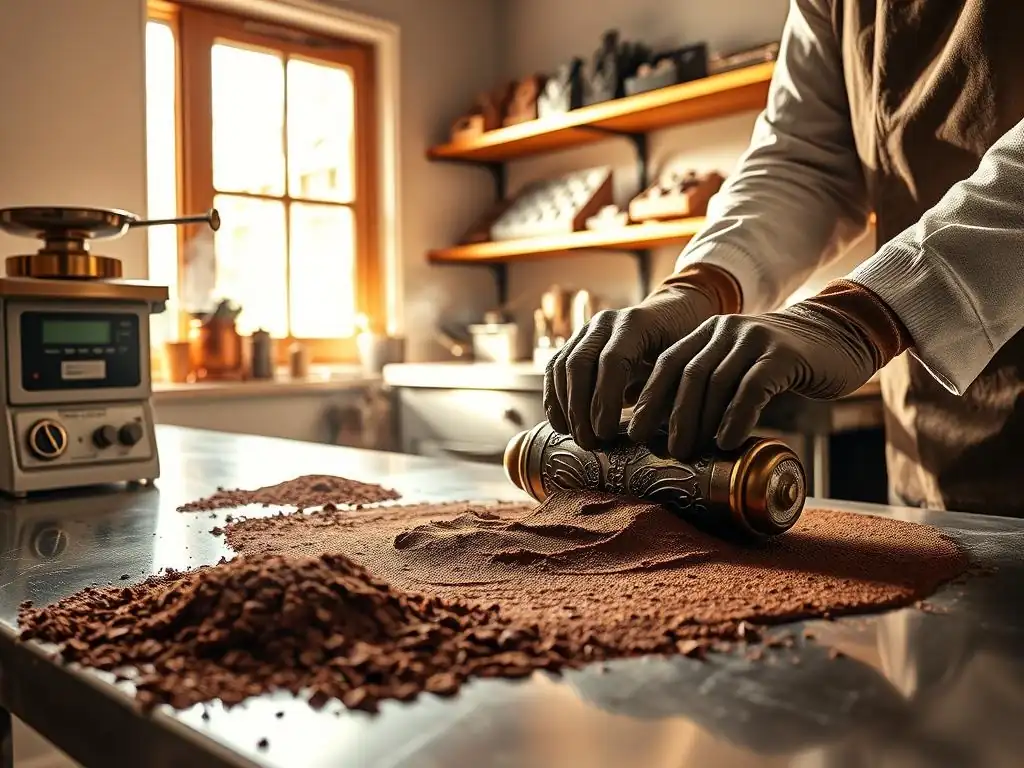
Having the right tools and equipment makes working with cocoa mass much easier and helps ensure successful results in your cocoa mass baking recipes. While some basic kitchen tools are sufficient for simple melting and incorporating, certain specialized items can significantly improve precision and efficiency, especially for techniques like tempering or working with larger quantities.
Investing in a few key pieces of equipment can elevate your chocolate baking game. These tools help you control temperature accurately, handle the melted mass safely, and achieve professional-level results. Whether you're just starting or looking to refine your skills, the right tools are invaluable partners when working with this premium ingredient.
Essential Baking Tools for Working with Cocoa Mass
Certain basic tools are indispensable when working with cocoa mass. These items facilitate safe and effective melting and incorporation into batters and mixtures. They are likely already staples in a well-equipped baker's kitchen but are particularly important when dealing with the specific properties of cocoa mass.
High-quality double boiler
A double boiler is the safest and most recommended method for melting cocoa mass and chocolate. It involves placing a heatproof bowl containing the cocoa mass over a pot of simmering water. The gentle, indirect heat melts the cocoa mass smoothly without the risk of burning or overheating, which can damage the flavor and texture. Ensure the bottom of the upper bowl does not touch the simmering water.
Digital Thermometer
Accuracy is crucial when working with cocoa mass, especially for tempering. A digital thermometer provides precise temperature readings, allowing you to monitor the melting, cooling, and working temperatures critical for achieving proper crystallization of cocoa butter. An instant-read thermometer is particularly useful for quick checks.
Silicone Spatulas
Silicone spatulas are ideal for stirring and scraping melted cocoa mass. They are heat-resistant, flexible, and non-reactive, and their smooth surface helps ensure minimal waste and easy cleaning. Using separate spatulas for chocolate work can also help prevent cross-contamination with other ingredients.
Optional Tools for Enhanced Precision and Creativity
For bakers who frequently work with cocoa mass or want to explore more advanced techniques like tempering on a larger scale, certain optional tools can provide enhanced precision and open up new creative possibilities. These tools represent a further investment but can significantly improve the quality and efficiency of your chocolate work.
Chocolate Tempering Machine
A chocolate tempering machine automates the tempering process, maintaining precise temperatures throughout the melting, cooling, and reheating stages. This takes the guesswork out of tempering and ensures consistent, reliable results with a beautiful finish, snap, and stability, particularly useful for dipping or molding applications in cocoa mass baking recipes.
Cocoa Butter Melter
While cocoa mass contains cocoa butter, some recipes or techniques might require adding extra cocoa butter for fluidity or specific textural effects. A dedicated cocoa butter melter, often a small, temperature-controlled warming unit, allows you to melt cocoa butter gently and keep it at a consistent temperature for easy incorporation into your cocoa mass or other chocolate work.
The Future of Cocoa Mass in Baking: Trends and Innovations
The world of chocolate is constantly evolving, and cocoa mass is at the heart of many emerging trends and innovations in baking. As consumers become more discerning about flavor, origin, and sustainability, the focus on the foundational ingredient – cocoa mass – is growing. These trends are shaping how cocoa mass is produced, sourced, and utilized in cocoa mass baking recipes.
From ethical sourcing to exciting new flavor profiles and innovative applications, the future of cocoa mass in baking is dynamic and promising. Staying aware of these developments can inspire new baking projects and deepen your appreciation for this essential ingredient.
Sustainable Cocoa Sourcing and Ethical Practices
A major trend impacting cocoa mass production is the increasing focus on sustainability and ethical sourcing. Consumers and bakers are more interested in the origins of their ingredients and the impact of cocoa farming on the environment and the livelihoods of farmers. This has led to a greater demand for cocoa mass produced from beans certified by organizations promoting fair trade, organic farming, and direct trade relationships with farmers.
Brands are increasingly transparent about their sourcing practices, highlighting initiatives to improve farming methods, protect forests, and ensure fair wages for cocoa farmers. Choosing cocoa mass from brands committed to these practices aligns baking with ethical consumption and supports a more sustainable future for the cocoa industry. This awareness is becoming an integral part of the cocoa mass baking recipe story for many conscientious bakers.
New and Exciting Cocoa Mass Varieties
Beyond traditional origins and processing methods, innovation in cocoa genetics and post-harvest processing is leading to new and exciting varieties of cocoa mass with unique flavor profiles. Researchers and farmers are exploring heirloom cocoa varieties and developing new hybrids with distinct aromatic qualities. Advances in fermentation and drying techniques are also unlocking new flavor potentials in beans.
This means bakers can look forward to accessing cocoa mass with an even wider spectrum of flavors, from intensely floral to spicy or even savory notes. Experimenting with these novel cocoa mass varieties in cocoa mass baking recipes offers opportunities to create truly unique and cutting-edge desserts that showcase the incredible diversity of the cocoa bean.
Emerging Baking Trends Featuring Cocoa Mass
Cocoa mass is increasingly featured in emerging baking trends that prioritize intense flavor and high-quality ingredients. One such trend is the focus on single-origin desserts, where the unique flavor profile of a specific cocoa mass from a particular region is the star of the show. This encourages a deeper appreciation for the nuances of cocoa terroir.
Another trend involves using cocoa mass in savory applications or in combination with less conventional ingredients, moving beyond traditional sweet desserts. Furthermore, the rise of bean-to-bar chocolate makers is making high-quality cocoa mass more accessible to home bakers, inspiring more people to experiment with this foundational ingredient in their own cocoa mass baking recipes. These trends highlight the versatility and growing importance of cocoa mass in the modern baking landscape.
Frequently Asked Questions
What exactly is cocoa mass, and why is it important in a cocoa mass baking recipe?
Cocoa mass, also known as cocoa liquor, is the pure, ground form of cocoa beans. It's crucial because it provides the intense chocolate flavor and rich texture in high-quality baked goods.
Where can I find cocoa mass for my baking recipe?
Cocoa mass is often available at specialty baking supply stores or online retailers. Look for it in the chocolate baking aisle or search specifically for "unsweetened chocolate liquor."
How does the quality of cocoa mass affect the final result of my cocoa mass baking recipe?
The quality significantly impacts the flavor; higher-quality cocoa mass will have a richer, more complex flavor profile. Using inferior cocoa mass can result in a bitter or bland taste.
Can I substitute cocoa mass with other ingredients in a cocoa mass baking recipe, and if so, what are the best alternatives?
While not ideal, you can substitute with a mix of unsweetened cocoa powder and a fat, like melted butter or coconut oil. However, the texture and flavor will be slightly different.
What are some common mistakes to avoid when using cocoa mass in a baking recipe?
Avoid overheating the cocoa mass, as it can become grainy. Also, ensure it's properly incorporated into the batter or dough for a smooth and consistent result.
Final Reflection: Unlocking the Secrets of Cocoa Mass in Baking
The rich, complex flavor of premium baking chocolate hinges on the quality of its cocoa mass, a fact often overlooked by home bakers. Understanding the nuances of cocoa mass—from its origin to its processing—is not merely a detail; it's the key to unlocking truly exceptional chocolate experiences. This knowledge empowers you to elevate your baking from good to extraordinary.
The journey through the world of cocoa mass has been a fascinating one, revealing the intricate relationship between bean origin, processing techniques, and the final taste profile. It's a journey that underscores the importance of sourcing high-quality ingredients, a principle that resonates far beyond the realm of baking. The impact of this understanding extends to our appreciation for the artistry and craftsmanship involved in chocolate making. The best chocolate is made with passion, from bean to bar.
– Unknown This sentiment perfectly encapsulates the dedication and skill that goes into creating exceptional cocoa mass, and ultimately, exceptional baked goods.
Now, it's your turn. Take what you've learned about cocoa mass and apply it to your next baking project. Experiment with different types of cocoa mass, explore various recipes, and most importantly, savor the results. Don't be afraid to push your boundaries and discover the unique flavor profiles that await. The world of premium baking chocolate is vast and exciting; let your curiosity be your guide. The journey to mastering the art of baking with cocoa mass begins with a single, delicious bite.
Unlock the Secrets of Richer Chocolate!
Thanks for exploring the world of cocoa mass with us! You've now gained valuable insights into creating truly exceptional baked goods. Ready to put your new knowledge to the test?
- Experiment with different cocoa mass percentages: Try baking your favorite recipe with varying cocoa mass levels to discover your ideal richness. This is the key to unlocking superior chocolate flavor!
- Share your creations and cocoa mass journey: Post pictures of your baking triumphs on social media and tag #BakeWithEaseCocoaMass – let's inspire each other!
- Consider exploring other premium baking ingredients: Discover the world of high-quality ingredients that can elevate your baking. What other secrets will you unveil?
What unique cocoa mass recipe will you create next?