
The Secret to Rich Chocolate Mousse: Start with HighQuality Chocolate

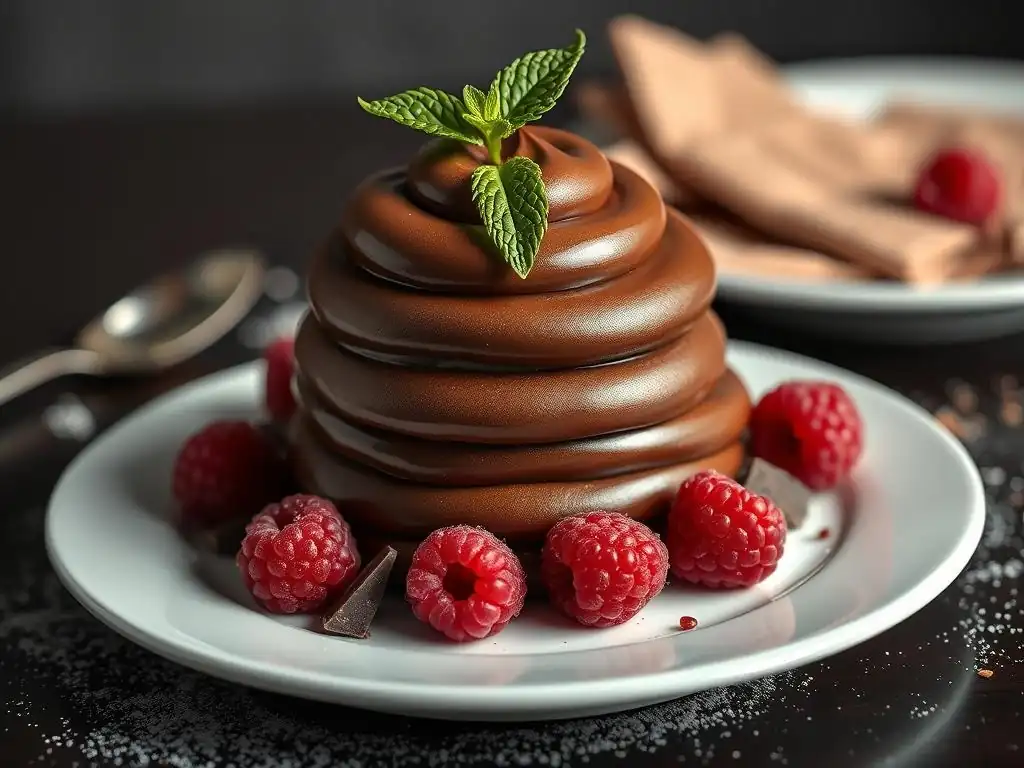
Welcome to BakeWithEase, where baking becomes a joy, not a chore! Ever wondered how to achieve that perfect, melt-in-your-mouth texture in a truly decadent dessert? We're diving deep into the world of high quality chocolate mousse and revealing the surprising secret ingredient that elevates this classic to new heights. Intrigued? Prepare to unlock the secrets to a mousse so rich and flavorful, it will redefine your definition of indulgence. Read on to discover which chocolate will transform your next baking creation!
- Why High-Quality Chocolate is Key to a Perfect Chocolate Mousse
- Choosing the Right High-Quality Chocolate for Your Mousse: A Step-by-Step Guide
- The Ultimate High-Quality Chocolate Mousse Recipe: A BakeWithEase Exclusive
- Troubleshooting Common Chocolate Mousse Problems (and How High-Quality Chocolate Helps)
- Recommended High-Quality Chocolate Brands for Baking Enthusiasts
- Mastering the Art of Chocolate Mousse: Beyond High-Quality Chocolate
- Conclusion: Indulge in the Richness of a High-Quality Chocolate Mousse
-
Frequently Asked Questions
- What type of chocolate is best for a high quality chocolate mousse?
- What makes a chocolate mousse airy and light?
- Can I use milk chocolate instead of dark chocolate?
- How long should I chill the chocolate mousse before serving?
- What are some variations I can make to a classic chocolate mousse recipe?
- Final Reflection: The Enduring Allure of Exquisite Chocolate Mousse
- Unlock Your Inner Chocolatier: Craft the Perfect Mousse
Why High-Quality Chocolate is Key to a Perfect Chocolate Mousse
Making a truly exquisite chocolate mousse isn't just about technique; it fundamentally starts with the quality of your ingredients, particularly the chocolate. Think of chocolate as the backbone of your mousse. Just as a great steak requires high-quality beef, a rich, decadent chocolate mousse demands high-quality chocolate.
Using subpar or compound chocolate (which often contains vegetable fats instead of cacao butter) can result in a greasy texture, a weak or artificial flavor, and a mousse that doesn't set properly. High-quality chocolate, on the other hand, provides a depth of flavor and a smooth mouthfeel that simply cannot be replicated with lesser ingredients. It’s the difference between a forgettable dessert and one that leaves a lasting impression.
The term "high-quality chocolate" typically refers to chocolate made with a higher percentage of cacao solids, cacao butter, and minimal additives. These chocolates melt smoothly, temper beautifully, and, crucially for mousse, provide a stable structure and intense flavor. For example, a premium dark chocolate with 70% cacao will offer complex notes – perhaps hints of fruit, nuts, or coffee – that unfold as you eat the mousse.
A lower-quality chocolate might just taste generically "sweet" or flat. Investing in good chocolate is the single most impactful step you can take to elevate your homemade high quality chocolate mousse from good to absolutely spectacular.
The Impact of Chocolate Quality on Mousse Texture and Flavor
The texture of a high quality chocolate mousse is paramount – it should be airy yet rich, melting smoothly on the tongue. This luxurious texture is heavily influenced by the quality and type of fat in the chocolate, which is primarily cacao butter. High-quality chocolate contains a significant amount of cacao butter (often 30-40% or more in couverture chocolate), which has a unique melting point just below body temperature.
This characteristic allows the mousse to become firm when chilled but melt instantly and smoothly in your mouth, creating that desirable 'melt-in-your-mouth' sensation. Cheaper chocolates often replace cacao butter with other vegetable oils, which can result in a waxy or greasy texture that lingers unpleasantly.
Beyond texture, the flavor complexity of high quality chocolate mousse is directly tied to the quality of the cacao beans and the chocolate-making process. Premium chocolate makers source fine flavor cacao beans from specific regions, much like winemakers source grapes. These beans inherently possess more nuanced flavor profiles than bulk cacao.
Furthermore, the roasting, grinding, and conching processes used by high-quality producers develop these flavors fully. This results in chocolate with distinct aromatic compounds – over 600 have been identified in cacao – that contribute layers of flavor to your mousse, ranging from floral and fruity to earthy and nutty, rather than just a simple sweet or bitter taste.
Understanding Cacao Percentage and its Role in Chocolate Mousse
Cacao percentage refers to the total proportion of ingredients derived from cacao beans in a chocolate bar. This includes cacao solids (which provide the chocolate flavor and color) and cacao butter (which provides richness and smooth texture). A chocolate labeled 70% cacao contains 70% cacao solids and cacao butter combined, with the remaining 30% typically being sugar, vanilla, and sometimes lecithin. Understanding this percentage is crucial for high quality chocolate mousse because it dictates the intensity of the chocolate flavor and the level of sweetness. A higher percentage means more intense chocolate flavor and less sugar.
For a classic dark chocolate mousse, a cacao percentage between 60% and 75% is often recommended. Chocolate in this range provides a robust chocolate flavor without being overly bitter, and it contains enough cacao butter to help the mousse set beautifully. Using chocolate with a very high percentage (say, 80-90%) will result in a more bitter, less sweet mousse, which might require adjusting the sugar in the recipe.
Conversely, using a lower percentage dark chocolate (like 50-55%) will yield a sweeter, milder mousse, but might have less structural integrity due to lower cacao butter content. The cacao percentage is your primary dial for controlling the flavor intensity of your high quality chocolate mousse.
Choosing the Right High-Quality Chocolate for Your Mousse: A Step-by-Step Guide
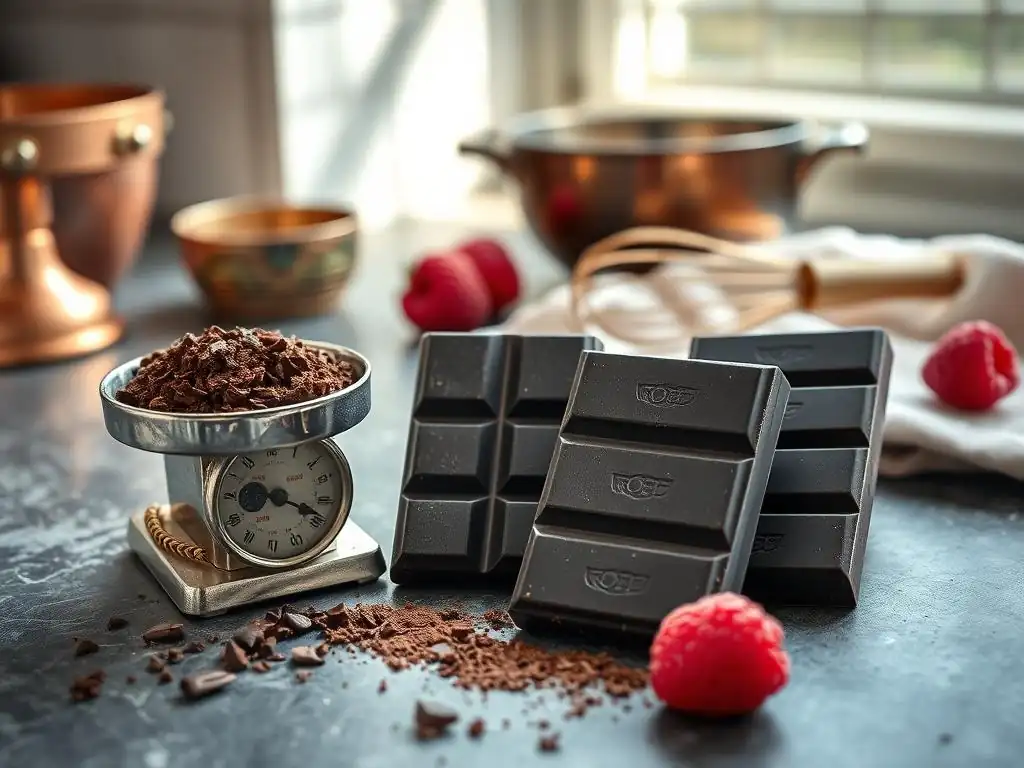
Selecting the perfect chocolate is the foundation for achieving a truly outstanding high quality chocolate mousse. It's not just about grabbing the first bar you see; it requires a bit of consideration about flavor, type, and ingredients. This guide breaks down the process into simple steps to help you make an informed choice that will elevate your mousse from good to unforgettable.
Starting with the right chocolate sets the stage for success. A common mistake is to use chocolate chips, which often contain stabilizers to help them hold their shape during baking. These stabilizers can prevent the chocolate from melting smoothly and incorporating properly into a mousse, leading to a less desirable texture. Prioritizing chocolate specifically designed for melting or baking, often found in bar or fève form, is a much better starting point for your high quality chocolate mousse adventure.
Step 1: Identifying Your Flavor Profile: Dark, Milk, or White Chocolate Mousse?
The first decision is the fundamental flavor profile of your high quality chocolate mousse: do you want a deep, intense dark chocolate experience, a creamy and comforting milk chocolate version, or a sweet, vanilla-forward white chocolate creation? Your choice of chocolate type will define the entire dessert. Dark chocolate, typically containing 60% or more cacao, offers the most profound chocolate flavor and is often preferred for a sophisticated, less sweet mousse. It pairs wonderfully with elements like coffee, orange, or sea salt.
Milk chocolate mousse is inherently sweeter and creamier due to the addition of milk solids and a lower cacao percentage (usually 30-45%). It provides a more approachable, classic chocolate flavor that is often enjoyed by a wider audience, particularly children. White chocolate, while technically not chocolate in the traditional sense as it contains no cacao solids (only cacao butter, sugar, and milk solids), offers a rich, buttery, and sweet base with strong vanilla notes.
A high quality white chocolate mousse relies heavily on the purity of the cacao butter and the balance of sweetness. Consider who you are making the mousse for and what flavor intensity you desire before selecting your chocolate type.
Step 2: Exploring Different Types of High-Quality Chocolate: Valrhona vs. Guittard
Once you've decided on the type (dark, milk, or white), delve into the world of high-quality chocolate brands and types. Brands like Valrhona, based in France, are renowned for their single-origin and grand cru chocolates, offering distinct flavor profiles based on the cacao bean's origin.
For instance, Valrhona's Guanaja is a classic 70% dark chocolate known for its intense bitterness and complex aromatic profile, while their Manjari (64%) from Madagascar has brighter, fruitier notes. These premium chocolates are typically sold in fèves (small oval shapes) or bars and are designed for professional and serious home baking, providing consistent, superior results for high quality chocolate mousse.
On the other hand, brands like Guittard, a long-standing American company, offer a range of high-quality chocolates that are often more accessible in price and availability while still maintaining excellent standards. Guittard's baking bars, like their 70% Cacao Baking Bar or their Akoma 64% Semisweet, are crafted with quality cacao and provide a smooth melt and rich flavor suitable for high quality chocolate mousse.
While they might not always offer the extreme nuance of single-origin grand cru chocolates, they represent a significant step up from standard supermarket baking chocolate and are a reliable choice for achieving great flavor and texture without breaking the bank.
The Benefits of Single-Origin Chocolate for Mousse: Madagascan Chocolate
Single-origin chocolate is made using cacao beans sourced from a single specific region, farm, or cooperative, rather than a blend from various locations. This is similar to how single-origin coffee or wine highlights the unique terroir (environmental factors like soil, climate, and altitude) of its origin. For your high quality chocolate mousse, using single-origin chocolate allows you to impart specific, often surprising, flavor notes that go beyond just "chocolatey." For example, cacao from Madagascar is famously known for its naturally bright, red fruit notes, often described as raspberry or cherry, sometimes with citrus undertones.
Incorporating a single-origin Madagascan dark chocolate into your mousse recipe can transform it from a simple dark chocolate dessert into a complex, fruity experience. Imagine a high quality chocolate mousse with subtle hints of raspberry that complement the chocolate's richness without needing actual fruit added to the mix.
Other origins offer different profiles: Venezuelan cacao might yield nutty or caramel notes, while Ecuadorian cacao can present floral or earthy tones. Choosing a single-origin chocolate is an advanced step for the baking enthusiast looking to experiment and create a high quality chocolate mousse with a truly unique and memorable flavor signature.
Couverture Chocolate vs. Baking Chocolate: Which is Best?
Understanding the difference between couverture chocolate and standard baking chocolate is crucial for achieving the best texture in your high quality chocolate mousse. Couverture chocolate is defined by its high percentage of cacao butter (typically 32-39% or more) and the fine grinding of its particles. This high cacao butter content makes it melt incredibly smoothly and gives it a luxurious fluidity when melted, which is ideal for tempering (though tempering isn't strictly necessary for mousse, the quality of the melt matters).
The smooth melt contributes directly to the creamy, non-grainy texture desired in a high quality chocolate mousse. Brands like Valrhona, Callebaut, and Guittard's premium lines often fall into the couverture category.
Baking chocolate, while also made from cacao, sugar, and often vanilla, usually has a lower cacao butter content and may contain stabilizers or other fats. This makes it less fluid when melted and can result in a slightly less smooth texture in the final product.
While some high-quality baking chocolates are perfectly suitable for mousse, couverture chocolate is generally considered the gold standard for applications where a superior melt and texture are critical, such as high quality chocolate mousse, ganaches, and fine confections. If you have access to couverture chocolate, it is the preferred choice for the ultimate high quality chocolate mousse experience.
Step 3: Checking the Ingredient List: What to Avoid in Your Chocolate
The ingredient list is a vital indicator of chocolate quality. For a high quality chocolate mousse, you want chocolate whose primary ingredients are cacao mass (or cocoa liquor), sugar, and cacao butter. A minimal ingredient list is often a good sign. Look for cacao mass and cacao butter listed early, indicating a higher proportion of actual chocolate components. Vanilla or vanilla extract is also acceptable and common. Lecithin, usually soy lecithin, is a common emulsifier used in small amounts to improve texture and is generally fine, though some premium chocolates omit it.
What should you avoid when selecting chocolate for your high quality chocolate mousse? Steer clear of chocolates where sugar is the first ingredient (unless it's white chocolate, where sugar will be prominent). Also, avoid chocolates that list vegetable oils, hydrogenated oils, or artificial flavorings.
These additives are used in lower-quality chocolates to cut costs or improve shelf life, but they compromise flavor and texture. Compound chocolate, which substitutes cacao butter entirely or mostly with other fats, will not perform correctly in a mousse recipe designed for real chocolate and will result in a greasy texture and poor flavor. A simple, clean ingredient list is key to a truly high quality chocolate mousse.
The Ultimate High-Quality Chocolate Mousse Recipe: A BakeWithEase Exclusive
Crafting the perfect high quality chocolate mousse involves careful technique and, as we've emphasized, the finest ingredients. This recipe is designed to highlight the quality of the chocolate, resulting in a mousse that is intensely flavorful, light, and incredibly smooth. It's a classic French-style mousse, relying on the richness of the chocolate and the lightness of whipped cream and sometimes egg whites (though this version focuses on a simpler, cream-based approach).
Making high quality chocolate mousse from scratch might seem intimidating, but with attention to detail and quality ingredients, it's entirely achievable. The goal is to create an airy, cloud-like texture that is still deeply satisfying in its chocolate flavor. Using high-quality chocolate ensures that every bite delivers a pure, unadulterated chocolate experience.
Ingredients You'll Need (and Why They Matter)
- High-Quality Dark Chocolate (70% Cacao or higher): This is the star. Provides intense flavor and structure. Around 8 ounces (about 225 grams) is a good starting point for a batch serving 4-6.
- Heavy Cream (Full Fat for Maximum Richness): Provides the airy texture when whipped. Full-fat cream (at least 36% milk fat) whips best and contributes to the luxurious mouthfeel of high quality chocolate mousse. You'll need about 2 cups (470ml).
- Coffee Liqueur: Enhancing the Chocolate Flavor: A small amount (1-2 tablespoons) of coffee liqueur like Kahlúa or a strong brewed espresso intensifies and deepens the chocolate flavor without making the mousse taste overtly like coffee. It's a classic pairing that truly elevates high quality chocolate mousse.
- Nielsen-Massey Vanilla Extract: For added depth: Pure vanilla extract, especially a high-quality one, adds another layer of aromatic complexity that complements the chocolate beautifully. About 1 teaspoon is sufficient.
Step-by-Step Instructions for a Flawless Mousse
Achieving a flawless high quality chocolate mousse requires precision in each step, particularly when handling the melted chocolate and the whipped cream.
Melting the High-Quality Chocolate: A Gentle Approach
Properly melting high-quality chocolate is crucial. Chop your chocolate into small, uniform pieces; this helps it melt evenly. The best method is using a double boiler or a heatproof bowl set over a pot of simmering (not boiling) water. Ensure the bottom of the bowl does not touch the water.
Stir the chocolate gently and frequently as it melts. The goal is a smooth, glossy liquid. Avoid overheating the chocolate, as this can cause it to seize (become stiff and grainy) or burn, ruining its flavor and texture for your high quality chocolate mousse. Alternatively, you can microwave the chocolate in short bursts (15-30 seconds), stirring well after each burst, until just melted.
Whipping the Cream to Perfection: Achieving the Right Consistency
Whipping the heavy cream provides the lightness for your high quality chocolate mousse. Chill your bowl and whisk attachment (if using a stand mixer) in the freezer for 10-15 minutes beforehand; cold equipment helps the cream whip faster and more efficiently. Pour the cold heavy cream into the chilled bowl and whip on medium-high speed until soft peaks form.
Soft peaks hold their shape but gently curl over at the tip. Be careful not to overbeat the cream into stiff peaks or butter, as this will result in a heavy, dense mousse instead of a light and airy high quality chocolate mousse.
Combining the Ingredients: Folding Technique is Crucial
This is perhaps the most critical step for a light high quality chocolate mousse. First, let your melted chocolate cool slightly until it's warm but not hot. Stir in the coffee liqueur (if using) and vanilla extract into the melted chocolate. Next, lighten the melted chocolate mixture by folding in about one-third of the whipped cream. This makes the chocolate base easier to incorporate into the remaining cream without deflating it.
Then, gently fold the remaining whipped cream into the chocolate mixture in two additions. Use a large spatula and a light hand, cutting down through the center and scooping up the mixture from the bottom of the bowl. Stop folding as soon as no white streaks of cream remain. Over-mixing will deflate the cream, resulting in a dense high quality chocolate mousse.
Pro Tip: Elevate Your Mousse with High-Quality Toppings
While a high quality chocolate mousse is delicious on its own, adding a simple, high-quality topping can provide contrasting texture or flavor and enhance the overall experience.
Ghirardelli Cocoa Nibs: Adding Texture and Bitterness
Cocoa nibs are roasted and broken pieces of cacao beans. They offer an intense, unsweetened chocolate flavor and a delightful crunch. Sprinkling a few Ghirardelli cocoa nibs (a widely available quality brand) over your high quality chocolate mousse provides a textural contrast to the smooth mousse and a counterpoint of bitterness to the sweetness, making each bite more interesting.
Fresh Raspberries: A Classic Pairing with Dark Chocolate
The bright, tart flavor of fresh raspberries is a classic and perfect pairing for rich, dark high quality chocolate mousse. The acidity of the fruit cuts through the richness and provides a refreshing counterpoint. Arrange a few fresh, plump raspberries around or on top of the mousse just before serving for a burst of color and flavor.
Maldon Sea Salt Flakes: Enhancing the Sweetness
A tiny pinch of flaky sea salt, like Maldon, sprinkled over the top of your high quality chocolate mousse just before serving can dramatically enhance the chocolate's flavor. The salt doesn't make the mousse taste salty; instead, it brightens the sweetness and brings out the complex notes in the chocolate. Use sparingly – a few flakes per serving are enough.
Troubleshooting Common Chocolate Mousse Problems (and How High-Quality Chocolate Helps)
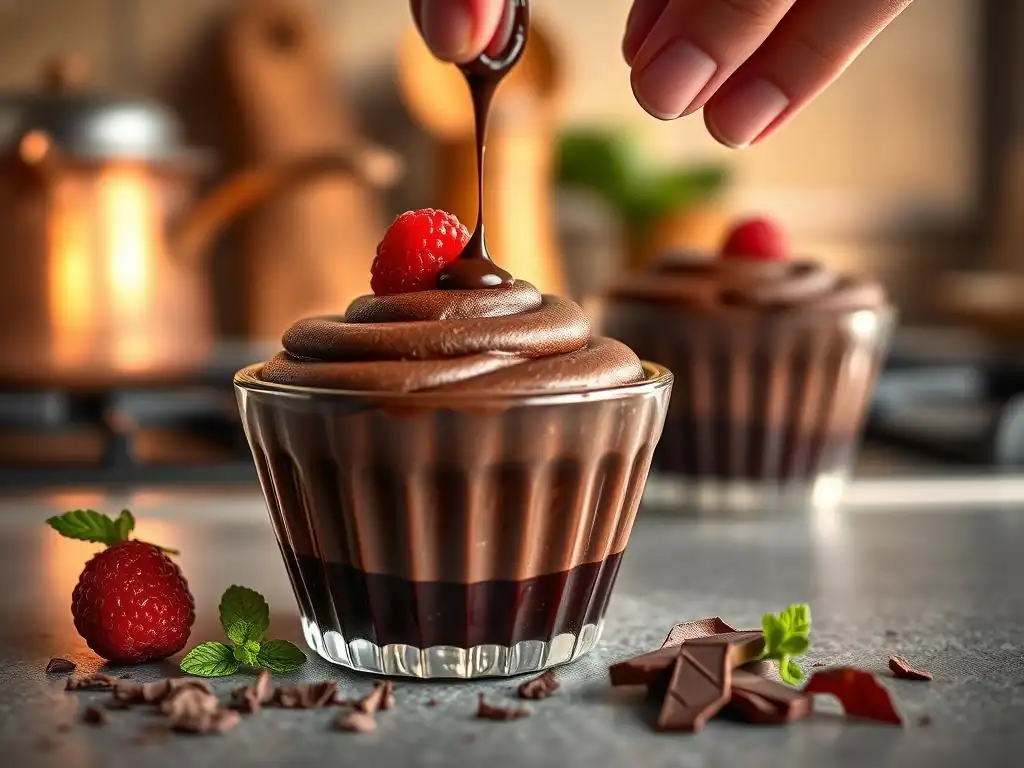
Even with the best intentions, sometimes high quality chocolate mousse doesn't turn out exactly as planned. Understanding common issues can help you identify problems and prevent them in the future, and often, the quality of your chocolate plays a significant role in these outcomes.
A disappointing mousse can often be traced back to ingredient choices or simple technique errors. Identifying these issues early in your baking journey will save you frustration and help you consistently produce perfect high quality chocolate mousse.
Grainy Texture? Blame Your Chocolate!
A grainy or gritty texture in high quality chocolate mousse is a common complaint and is almost always related to the chocolate used or how it was melted. Lower-quality chocolates, particularly compound chocolates or those with vegetable fats, can melt poorly and solidify unevenly, leading to graininess. Using chocolate chips that contain stabilizers can also cause this issue.
Furthermore, overheating or burning high-quality chocolate during the melting process can cause the cocoa solids to separate from the cacao butter, resulting in a rough, grainy texture that no amount of whipping or folding can fix. Using the gentle melting methods described earlier and starting with a high-quality chocolate with a smooth melt profile is the best defense against a grainy high quality chocolate mousse.
Mousse Not Setting Properly? The Importance of Cacao Butter
If your high quality chocolate mousse is too runny and doesn't set into a firm yet airy structure when chilled, the issue is often related to the balance of ingredients, particularly the amount and type of fat. Mousse relies on the cacao butter in the chocolate and the fat in the heavy cream to provide structure as they chill and solidify.
Using a chocolate with a low cacao percentage (which means less cacao butter) or using compound chocolate (which lacks cacao butter) will significantly hinder the setting process. The fat in the whipped cream provides lightness, but the structure comes largely from the chocolate. Ensuring you use a high-quality chocolate with adequate cacao butter content (generally 60% cacao or higher for dark chocolate) is essential for a properly set high quality chocolate mousse. Additionally, ensuring your whipped cream is whipped to soft peaks (not runny) contributes to the final structure.
Mousse Too Bitter? Balancing Flavors with Milk Chocolate
While some bitterness is expected and desirable in a dark high quality chocolate mousse, if it's overwhelmingly bitter, it's likely due to using chocolate with too high a cacao percentage for your preference or not balancing it with enough sweetness or other flavors. Chocolate in the 70-75% cacao range is a good balance for many, offering intensity without excessive bitterness.
If you prefer a milder, sweeter mousse, consider using a chocolate with a slightly lower cacao percentage (like 60-65%) or incorporating a portion of high-quality milk chocolate (around 30-40% cacao) into your recipe alongside the dark chocolate. For example, a mix of 70% dark and 40% milk chocolate can yield a high quality chocolate mousse with a balanced sweetness and still maintain good structure from the dark chocolate's cacao butter content. Adjusting the ratio allows you to fine-tune the bitterness level to your liking.
Recommended High-Quality Chocolate Brands for Baking Enthusiasts
Choosing the right brand is a significant step towards achieving a truly exceptional high quality chocolate mousse. Here are a few brands highly regarded by professional pastry chefs and serious home bakers, known for their quality, flavor, and performance in baking applications like mousse.
Investing in these brands ensures you're starting with a superior base for your high quality chocolate mousse, promising better flavor and texture outcomes.
Valrhona: Known for its Intense Flavor and Smooth Texture
Valrhona is a French chocolate manufacturer considered one of the world's premier producers of gourmet chocolate. They are known for their focus on sourcing fine cacao beans and their meticulous chocolate-making process, resulting in chocolates with complex, nuanced flavors and exceptional melting properties. Their range includes single-origin chocolates and proprietary blends at various cacao percentages.
Valrhona's chocolates, often sold in fèves, are particularly prized for their smooth, fluid melt due to their high cacao butter content, making them ideal for ganaches, tempering, and, of course, high quality chocolate mousse. Their Guanaja 70% or Manjari 64% are popular choices for dark chocolate mousse, offering intense flavor and reliable performance. While often more expensive, the quality difference is noticeable in the final high quality chocolate mousse.
Guittard: Budget-Friendly High-Quality Option
Guittard Chocolate Company is an American company with a long history, offering a wide range of chocolates from baking chips to couverture. They are known for producing high-quality chocolate that is more accessible in price and availability than some European luxury brands, while still maintaining excellent standards.
Guittard's baking bars and wafers, such as their 63% Semisweet or 70% Cacao varieties, are excellent choices for high quality chocolate mousse. They provide a rich, balanced chocolate flavor and melt smoothly, offering reliable results for home bakers. Guittard is a great option if you're looking for high quality chocolate that delivers great flavor and texture without the premium price tag of some other gourmet brands.
Scharffen Berger, originally an American craft chocolate maker and now part of the Hershey Company, is known for its focus on bean-to-bar production and highlighting the natural flavors of cacao. They produce chocolates with intense, complex flavors, often with higher cacao percentages.
Scharffen Berger's 70% Cacao Bittersweet Chocolate or their 82% Cacao Extra Dark Chocolate are excellent choices for a very intense, sophisticated high quality chocolate mousse, particularly for those who prefer less sweetness. Their chocolates are known for their deep, robust flavor profiles. While they might be a bit more expensive, they offer a premium experience suitable for special occasion high quality chocolate mousse.
Mastering the Art of Chocolate Mousse: Beyond High-Quality Chocolate
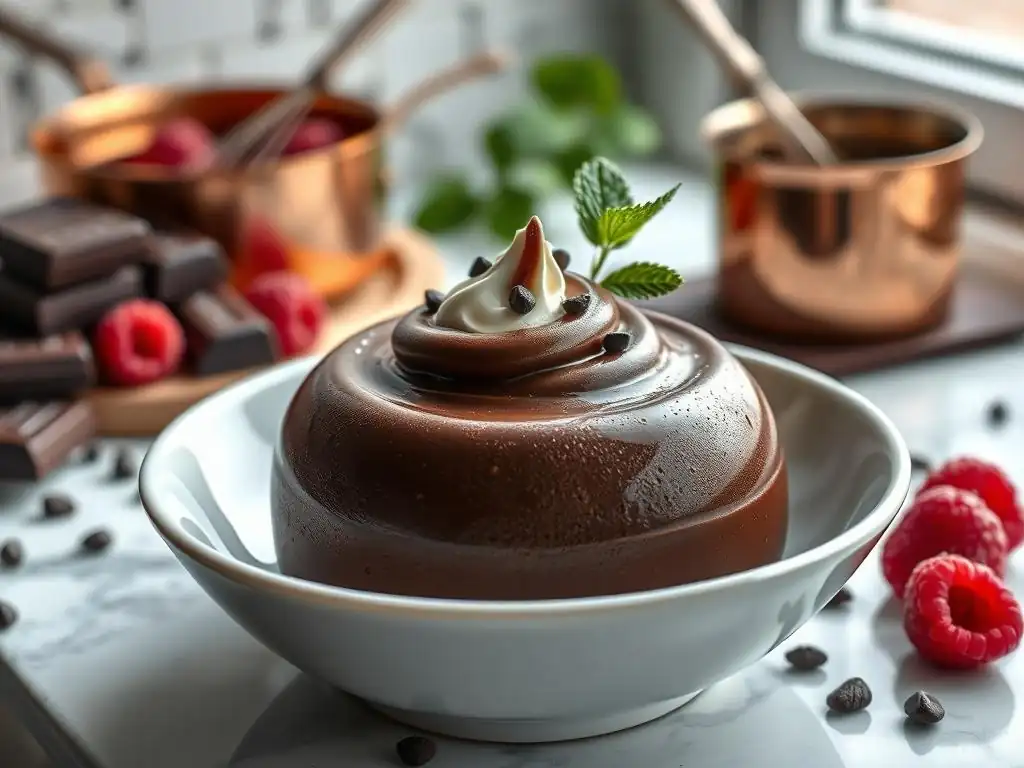
While high-quality chocolate is the cornerstone of a great mousse, mastering this dessert also involves understanding a few key principles and techniques. Getting the texture just right requires more than just good ingredients; it demands attention to detail throughout the process.
Elevating your high quality chocolate mousse from good to truly masterful involves paying attention to the nuances of temperature, science, and creative flavor pairings.
Temperature Control: The Key to Success
Temperature control is paramount in creating a smooth, stable high quality chocolate mousse. When combining the melted chocolate mixture with the whipped cream, the chocolate should be warm enough to be fluid but not so hot that it melts the fat in the whipped cream. Aim for a temperature around 95-105°F (35-40°C) for the melted chocolate before you begin folding.
If the chocolate is too hot, it will deflate the airy structure of the whipped cream, resulting in a dense mousse. If it's too cool, it might start to set before it's fully incorporated, leading to streaks or lumps of chocolate in your high quality chocolate mousse. Allowing the melted chocolate to cool slightly is a crucial step that is often overlooked but makes a significant difference in the final texture.
Understanding the Science Behind Chocolate Emulsions
Chocolate mousse is essentially an emulsion and a foam. The melted chocolate, which contains fat (cacao butter) and solids, is carefully combined with whipped cream, which is an emulsion of fat and water that has been aerated. The goal is to suspend the chocolate particles evenly within the airy network of the whipped cream.
The cacao butter in high-quality chocolate plays a key role in stabilizing this emulsion as it cools. As the mousse chills, the cacao butter solidifies, locking the air bubbles from the whipped cream in place and providing the mousse with its set structure. Using chocolate with sufficient cacao butter and handling the mixture gently during the folding process ensures that the emulsion remains stable and the air isn't knocked out, resulting in a light, stable high quality chocolate mousse.
Experimenting with Flavors: Expanding Your Mousse Repertoire
Once you've mastered the basic high quality chocolate mousse technique, you can start experimenting with flavor variations. The base recipe is incredibly versatile. Consider infusing the cream before whipping with ingredients like orange zest, mint leaves, or even a split vanilla bean for subtle background notes.
Liquors are another excellent way to add complexity; besides coffee liqueur, try a splash of rum, Grand Marnier (orange liqueur), or a fruit brandy that pairs well with your chosen chocolate type. Spices like a pinch of cayenne pepper for a hint of heat, or cardamom for an exotic twist, can also elevate a dark high quality chocolate mousse. Always add flavorings in moderation, tasting as you go, to ensure they complement rather than overpower the exquisite taste of the high-quality chocolate.
Conclusion: Indulge in the Richness of a High-Quality Chocolate Mousse
Creating a truly memorable chocolate mousse is a rewarding experience that begins with a simple, yet fundamental choice: using high-quality chocolate. As we've explored, the quality of your chocolate directly impacts the texture, flavor complexity, and overall success of your mousse. From the smooth melt provided by sufficient cacao butter to the nuanced flavors offered by fine cacao beans, high-quality chocolate is the secret ingredient that elevates this classic dessert.
By understanding cacao percentages, exploring reputable brands like Valrhona or Guittard, checking ingredient lists for purity, and employing careful techniques like gentle melting and proper folding, you can consistently achieve a rich, airy, and utterly delicious high quality chocolate mousse. Don't settle for less; invest in the best chocolate you can find, follow these steps, and prepare to indulge in the luxurious richness of a truly high quality chocolate mousse that will impress everyone who tastes it. Happy baking!
Frequently Asked Questions
What type of chocolate is best for a high quality chocolate mousse?
The best chocolate is high-quality, dark chocolate with a cocoa percentage between 60-70%. This ensures a rich and intense chocolate flavor. Avoid using chocolate chips, as they often contain stabilizers that can affect the texture.
What makes a chocolate mousse airy and light?
The incorporation of whipped egg whites is crucial for achieving an airy texture. Be sure to gently fold them into the chocolate mixture to maintain the volume. Overmixing will deflate the mousse.
Can I use milk chocolate instead of dark chocolate?
While you can use milk chocolate, it will result in a sweeter and less intense chocolate mousse. You might need to adjust the sugar in the recipe to compensate. Using high-quality milk chocolate is still recommended.
How long should I chill the chocolate mousse before serving?
The chocolate mousse needs to chill for at least 4 hours, but preferably overnight. This allows the mousse to fully set and develop its flavor. Chilling is a crucial step for achieving the right consistency.
What are some variations I can make to a classic chocolate mousse recipe?
You can add flavorings like coffee extract, orange zest, or a splash of liqueur (e.g., Grand Marnier). Consider incorporating chopped nuts, berries, or a layer of whipped cream for added texture and complexity.
Final Reflection: The Enduring Allure of Exquisite Chocolate Mousse
The pursuit of the perfect chocolate mousse isn't merely a culinary quest; it's a testament to the power of quality ingredients to elevate the ordinary to the extraordinary. This article has explored the undeniable link between using high-quality chocolate and achieving a truly exceptional mousse, a truth that resonates far beyond the kitchen. The subtle nuances of flavor, the velvety texture, the sheer decadence – these are all direct results of starting with the best possible base.
The impact of prioritizing quality extends beyond the immediate sensory experience. It speaks to a broader cultural shift towards appreciating craftsmanship and mindful consumption. We live in a world saturated with mass-produced goods, and yet, the enduring appeal of handcrafted delicacies, like a perfectly made chocolate mousse, reminds us of the value of investing in excellence. The details are not the details. They make the design.
– Charles Eames. This quote perfectly encapsulates the importance of selecting superior chocolate; it's not just an ingredient, it's the foundation upon which a masterpiece is built.
Now, I invite you to consider your own approach to cooking and life. What areas could benefit from the same dedication to quality that we've explored in the context of chocolate mousse? Perhaps it's choosing locally sourced produce, investing in durable tools, or simply taking the time to savor the experience. Embrace the pursuit of excellence in all that you do, and discover the transformative power of quality, one delicious bite at a time.
Unlock Your Inner Chocolatier: Craft the Perfect Mousse
Thanks for taking the time to explore the secrets of rich, decadent chocolate mousse! We hope you’ve gained a newfound appreciation for the power of high-quality chocolate. Now it's time to put your knowledge into practice.
- Whip up a batch of your own mousse: Use the techniques and tips from this article to create a truly unforgettable dessert. Experiment with different types of chocolate to discover your favorite!
- Share your creation: Post a picture of your masterpiece on social media and tag us—we'd love to see the results!
- Challenge a friend to a mousse-making duel: This is your chance to impress (and maybe even outshine!) your baking rivals.
Ready to transform your kitchen into a chocolate haven? What unique ingredient will you use to elevate your next mousse?