
Single Origin vs. Blend: Does Chocolate Origin Affect Baking?

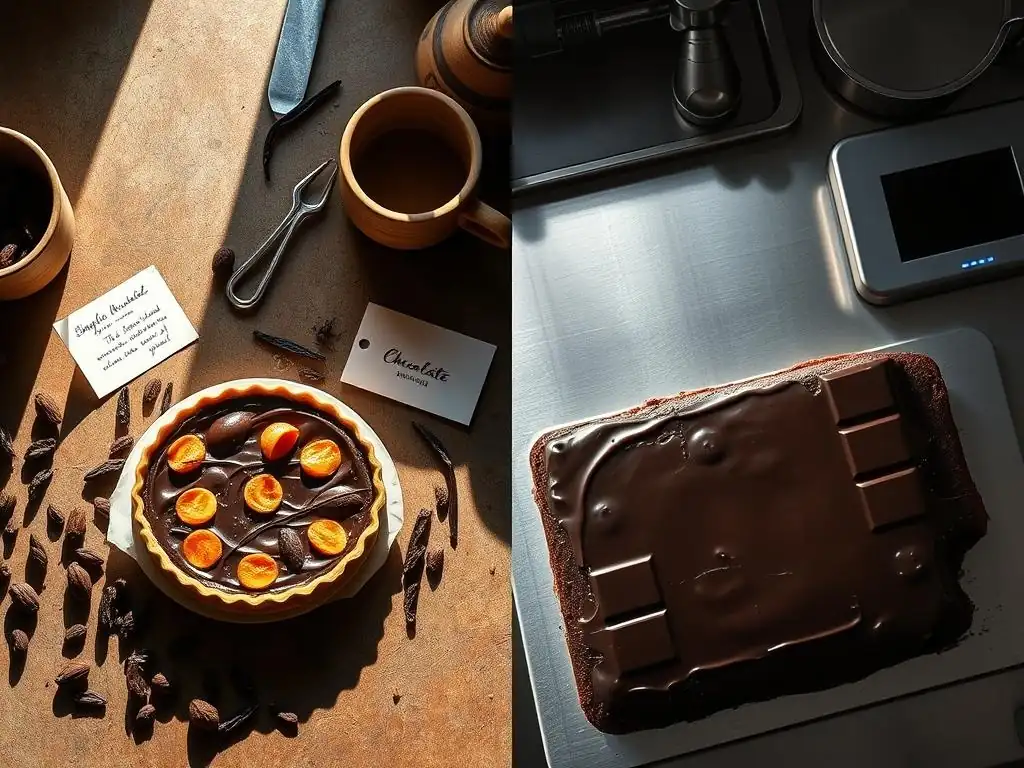
Welcome to BakeWithEase, your companion on the journey to baking brilliance! Ever wondered how the origin of your chocolate impacts your final creation? Dive in as we unravel the secrets in our Chocolate Origin Baking Guide, exploring the nuanced differences between single-origin and blended chocolates and how they can elevate your pastries, cakes, and cookies. Prepare to unlock a new dimension of flavor – your baking adventures are about to get a whole lot richer!
- Understanding Chocolate Origin and Its Impact on Baking
- Single Origin Chocolate: Exploring Terroir in Your Baked Goods
- Blended Chocolate: Consistency and Versatility in Baking
- Single Origin vs. Blend: A Baking Showdown
- Choosing the Right Chocolate for Your Baking Needs
- Elevate Your Baking with High-Quality Chocolate
-
Frequently Asked Questions
- What is the difference between single-origin and blended chocolate in baking?
- How does the origin of chocolate impact the final flavor of my baked goods?
- Is single-origin chocolate always better for baking than blended chocolate?
- Where can I find information about the specific flavor profiles of different chocolate origins?
- How do I adjust my baking recipes to account for the different flavors of single-origin chocolates?
- Final Reflection: The Sweet Science of Chocolate Origin in Baking
- Unlock Your Chocolate Baking Potential!
Understanding Chocolate Origin and Its Impact on Baking
Why Chocolate Origin Matters for Baking Quality
The origin of cacao beans profoundly influences the flavor, aroma, and even the physical properties of chocolate, which directly impacts the outcome of your baked goods. Just like coffee beans or wine grapes, cacao beans absorb characteristics from their environment, known as terroir. This includes soil composition, climate, altitude, and local farming practices.
For instance, cacao from Madagascar is often noted for bright, fruity, or even citrusy notes, while beans from certain regions in Venezuela might yield richer, nuttier, or caramel-like profiles. These inherent flavor differences mean that a simple chocolate chip cookie made with chocolate from one origin will taste distinctly different from one made with chocolate from another, even if the cacao percentage is the same. Understanding these nuances is a key step in becoming a more discerning baker and mastering your Chocolate origin baking guide.
Beyond flavor, the origin and processing of cacao can affect factors like cocoa butter content and crystallization properties, which are critical for texture and melt. Cacao from different regions naturally varies in its fat content. Furthermore, fermentation and drying processes, which differ across origins and producers, influence how the chocolate behaves when melted, tempered, or incorporated into batters and ganaches.
For example, chocolate with a higher proportion of certain types of fatty acids, often linked to specific cacao varieties and origins like Criollo beans historically found in Central America, might exhibit different melting characteristics than chocolate derived primarily from Forastero beans, common in West Africa. A chocolate origin baking guide wouldn't be complete without acknowledging these subtle yet significant impacts on your baking results, from the snap of a tempered shell to the richness of a molten center.
Choosing Chocolate Based on Origin
Selecting chocolate based on its origin allows bakers to intentionally influence the flavor profile of their creations, moving beyond just "chocolate" to specific taste experiences. When planning a recipe, consider what flavor notes you want the chocolate to contribute. Are you looking for something bright and acidic to cut through richness, or something deep and earthy to provide a robust base?
A Chocolate origin baking guide helps you match the chocolate's inherent characteristics to your desired outcome. For a light, airy chocolate mousse, you might seek an origin known for floral or delicate notes, perhaps from Ecuador. For a rich, fudgy brownie, a more intense, perhaps slightly bitter origin from Ghana or the Dominican Republic could be ideal.
This deliberate selection process is similar to choosing a specific varietal of fruit or spice for a recipe. It's about layering flavors and adding complexity. While many standard baking chocolates provide a reliable, generalized chocolate flavor, exploring origins opens up a palette of possibilities.
For instance, using a single origin chocolate from Peru, often described as having raisin or dried fruit notes, could add an unexpected layer of flavor to a dark chocolate tart. Conversely, if consistency across batches is your primary goal, understanding typical flavor profiles associated with broader origins or specific blends becomes crucial. This thoughtful approach to chocolate origin in baking elevates the final product from simply being "chocolatey" to possessing a nuanced and memorable taste.
Single Origin Chocolate: Exploring Terroir in Your Baked Goods
What is Single Origin Chocolate? Defining Terroir
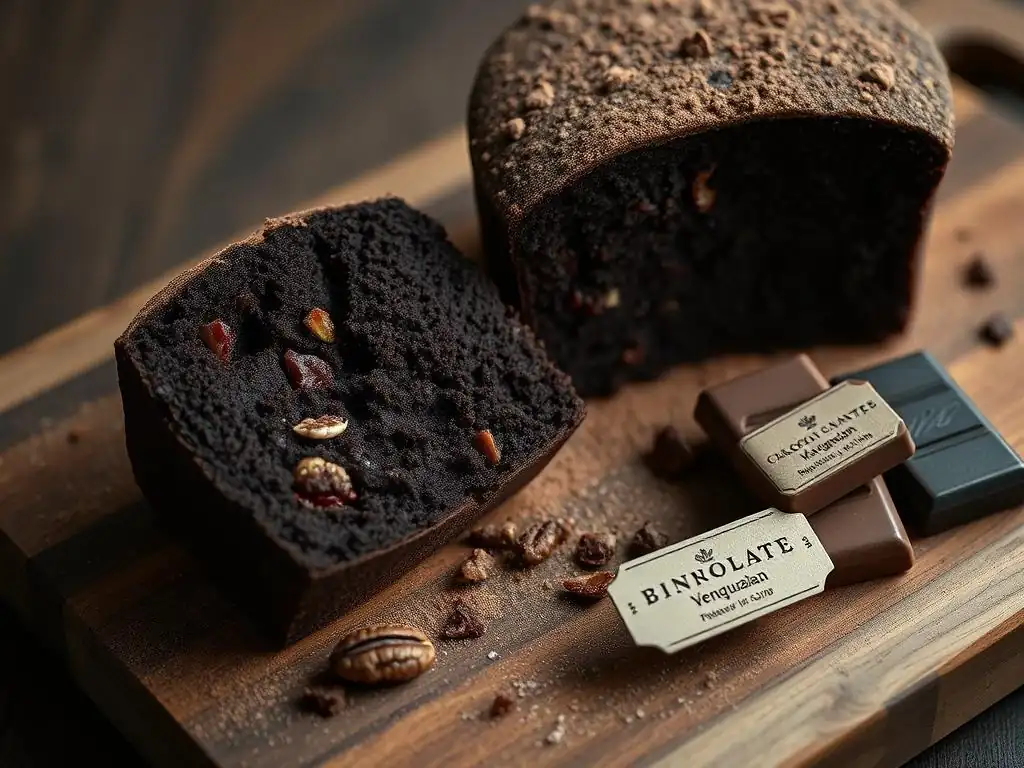
Single origin chocolate is made using cacao beans sourced exclusively from a specific geographic location, often as narrow as a single farm, cooperative, or region within a country. The concept is deeply intertwined with terroir, a term borrowed from winemaking, which describes how the unique environmental factors of a place—including soil type, climate, altitude, rainfall, and even surrounding flora—impart distinct characteristics to the agricultural product grown there.
For cacao, this means beans from a volcanic soil region in Nicaragua will likely taste different from those grown in the humid jungle lowlands of Brazil. The goal of single origin chocolate producers is to capture and express these unique environmental fingerprints in the final chocolate bar or baking product.
Unlike mass-produced chocolate which often blends beans from multiple countries or continents to achieve a consistent, generic profile, single origin chocolate celebrates diversity and distinction. The focus is on highlighting the inherent flavors of the cacao from that particular place. This requires careful farming practices, precise fermentation and drying methods (often controlled at the origin), and nuanced roasting by the chocolate maker to preserve and accentuate the unique notes. A Chocolate origin baking guide focused on single origin explores how these specific regional flavors translate into your baked goods, offering a chance to taste the geography in every bite.
Key Characteristics of Single Origin Chocolate
Flavour Profiles: Unlocking Unique Tastes
The most celebrated characteristic of single origin chocolate is its diverse and often complex flavor profile, a direct result of its terroir. While a standard blended chocolate might offer a general "chocolatey" taste with notes of cocoa and perhaps vanilla, single origin chocolates can present a surprising array of secondary flavors.
For example, single origin chocolate from the Tumaco region of Colombia is often described as having notes of brown sugar and red fruits, while cacao from the Sambirano Valley in Madagascar frequently exhibits bright berry, citrus, or even floral notes. A 70% single origin bar from Ecuador might taste distinctly different from a 70% single origin bar from the Dominican Republic; the former potentially offering more floral or nutty hints, the latter possibly more robust, fudgy, or earthy notes.
These nuanced flavor profiles are not just for tasting bars; they are powerful tools for bakers. Integrating a single origin chocolate into a recipe means adding these specific flavor dimensions. Imagine a chocolate tart where the primary chocolate component is a single origin from Tanzania known for its bright, slightly acidic berry notes (common in cacao from the Kilombero Valley, often found in 60-65% cacao bars).
This tart will have a vibrant, fruity edge that a tart made with a standard blend would lack. Similarly, a single origin from Vietnam, sometimes described as having spicy or cinnamon notes (especially from regions like Lam Dong, often in 70%+ cacao), could add an intriguing warmth to a chocolate cake. Exploring these profiles is a core part of any detailed Chocolate origin baking guide.
Texture and Melting Properties: How Origin Affects Mouthfeel
While flavor is paramount, single origin chocolate's texture and melting properties can also be influenced by its origin and the processing it undergoes. The type of cacao bean (Criollo, Forastero, Trinitario, or Nacional), which is often linked to specific origins, can have subtle differences in cocoa butter composition.
Furthermore, how the beans are fermented and dried at the source, and subsequently how the chocolate is conched (a mixing process) and tempered, all contribute to the final texture and melt. A single origin chocolate that is expertly conched might have a smoother, more luxurious mouthfeel compared to one that is less refined.
The cocoa butter content, while often standardized by the chocolate maker, can still be influenced by the source beans and affects the chocolate's viscosity when melted. A single origin chocolate with a slightly higher natural cocoa butter content might melt more fluidly, which can be advantageous for certain applications like ganaches or glazes. Conversely, variations in crystallization behavior, potentially linked to bean characteristics or processing, can affect how well the chocolate tempers, influencing the snap and stability of coatings or molded chocolates.
While tempering is primarily a technique, the raw material's properties, rooted in its origin and processing, play a foundational role. Understanding these subtle textural differences is crucial for a comprehensive Chocolate origin baking guide.
Best Single Origin Chocolate for Baking
Madagascan Chocolate: A Fruity Delight for Ganache
Madagascan single origin chocolate is highly prized for its distinctive bright, fruity, and often slightly acidic notes, frequently reminiscent of red berries, cherries, or citrus. This unique profile comes largely from the Trinitario and Criollo beans grown in the Sambirano Valley.
When used in baking, particularly in applications where the chocolate flavor is prominent and not masked by other strong ingredients, it can add a vibrant complexity. A ganache made with a high-quality Madagascan chocolate (often between 65% and 70% cacao) becomes more than just rich and creamy; it develops a lively tang and fruity aroma that can beautifully complement desserts featuring actual fruit or lighter pastries.
Consider using a Madagascan single origin chocolate for a raspberry chocolate tart ganache. The natural berry notes in the chocolate will amplify and harmonize with the fresh raspberries, creating a more integrated and intense fruit-chocolate experience than a standard blend would offer.
The bright acidity also helps balance the sweetness and richness of the cream and chocolate. While some Madagascan chocolates can have a noticeable acidity that might not suit every recipe, for applications like ganaches, glazes, or simple mousses where you want the chocolate's personality to shine, a quality Madagascan origin is an excellent choice for a Chocolate origin baking guide focusing on vibrant flavors.
Ecuadorian Chocolate: Intense Flavors Perfect for Mousse
Ecuador is renowned for its "Arriba Nacional" cacao, a variety celebrated for its complex aromatic profile, often featuring floral notes (like jasmine or orange blossom), nutty undertones, and sometimes hints of spice or dried fruit. Single origin chocolate from Ecuador, particularly those made from Nacional beans (often ranging from 70% to 75% cacao), offers an intensity and depth of flavor that is sophisticated and layered. These characteristics make Ecuadorian chocolate particularly well-suited for applications where a pure, complex chocolate flavor is desired without being overly heavy or bitter, such as chocolate mousse.
A chocolate mousse relies heavily on the quality and flavor of the chocolate itself, as it's often a simple mixture of chocolate, eggs, and cream. Using an Ecuadorian single origin chocolate allows those beautiful floral and nutty notes to bloom in the light, airy texture of the mousse. A mousse made with a standard blend might taste simply "chocolatey," but one made with a fine Ecuadorian origin will offer a more nuanced and memorable tasting experience.
The intensity of flavor means a little goes a long way, ensuring the mousse is rich but not overwhelmingly dense. For bakers exploring Chocolate origin baking guide techniques to elevate simple desserts, Ecuadorian chocolate for mousse is a classic recommendation.
Single Origin Chocolate Recipes
Single Origin Chocolate Brownies: Showcase the Unique Flavor of Venezuelan Chocolate
Brownies are a classic comfort dessert, but they can be elevated significantly by using a single origin chocolate that contributes a unique flavor profile. Venezuelan cacao, particularly from regions like Chuao or Ocumare, is famous for its balance, often exhibiting notes of caramel, nuts, and sometimes red fruit, with a smooth finish and less bitterness than some other origins.
Using a Venezuelan single origin chocolate, perhaps around 65-70% cacao, as the primary chocolate component in your brownie batter allows these specific notes to infuse the entire dessert. Instead of just a generic rich chocolate taste, you get layers of caramel and nutty complexity.
To truly showcase the chocolate's unique character, opt for a brownie recipe that uses melted chocolate rather than just cocoa powder or chips, and perhaps one that is not overly sweet. A recipe calling for approximately 8-10 ounces of high-quality Venezuelan single origin chocolate melted into the batter will ensure the origin's flavor is front and center.
The natural sweetness and balanced profile of many Venezuelan chocolates complement the butter and sugar in the brownie, resulting in a deeply flavored, fudgy texture with intriguing undertones. This is a perfect example for a Chocolate origin baking guide demonstration of how specific origins transform familiar recipes.
Chocolate Lava Cakes with Tanzanian Single Origin Chocolate Ganache
Chocolate lava cakes, with their molten centers, are an ideal vehicle for highlighting a special chocolate, especially in the filling. Tanzanian single origin chocolate, particularly from areas like the Kilombero Valley, is often characterized by bright, slightly tangy notes of red berries, citrus, or even green apple, typically found in cacao percentages around 60-65%. Creating the molten center as a simple ganache using a high-quality Tanzanian single origin chocolate allows its vibrant, fruity profile to contrast beautifully with the rich, classic chocolate flavor of the cake itself (which could be made with a standard blend or another origin).
For the ganache center, melt roughly 3-4 ounces of chopped Tanzanian single origin chocolate with an equal weight of hot heavy cream. Pouring this mixture into the partially baked cake creates a filling where the bright berry notes of the Tanzanian chocolate burst forth as the warm ganache flows out. This provides a surprising and delightful counterpoint to the denser cake, preventing the dessert from being uniformly heavy. It demonstrates how a single origin can be used strategically in a Chocolate origin baking guide context to add a specific flavor highlight to a multi-component dessert.
Blended Chocolate: Consistency and Versatility in Baking
What is Blended Chocolate? A Blend of Flavors
Blended chocolate is made from cacao beans sourced from multiple different origins, often from various countries or even continents. The primary purpose of blending is to achieve a consistent flavor profile and quality that can be replicated batch after batch, year after year. Unlike single origin chocolate which highlights the unique characteristics of a specific place, blended chocolate aims for reliability and a balanced, often classic "chocolate" taste that appeals to a broad audience. Chocolate manufacturers carefully select and combine beans from different sources to create proprietary blends that meet specific flavor and performance criteria.
This approach allows producers to mitigate the natural variations that occur in single origin cacao due to weather, disease, or changes in farming practices. By sourcing beans from diverse locations, they can ensure a steady supply and a predictable product. For bakers, especially those working in professional settings or needing reliable results for popular recipes, this consistency is invaluable. A blended baking chocolate from a reputable brand will perform the same way and taste the same every time you buy it, making it a staple for a Chocolate origin baking guide focused on dependable outcomes.
Key Characteristics of Blended Chocolate
Consistency and Predictability: Ideal for Standard Recipes
One of the most significant advantages of using blended chocolate in baking is its unparalleled consistency and predictability. Manufacturers meticulously craft their blends to maintain the same flavor profile, viscosity, and melting properties over time. This means that if you develop a successful recipe using a specific blended chocolate, you can be confident that every batch you make will turn out the same, provided other variables (like oven temperature and ingredient measurements) are controlled. This reliability is crucial for professional bakeries, large-scale production, and even home bakers who want their favorite recipes to consistently deliver delicious results.
For standard recipes like chocolate chip cookies, classic chocolate cakes, or everyday brownies, where a reliable "chocolate" flavor and consistent texture are the main goals, a high-quality blend is often the ideal choice. You know how it will melt, how it will incorporate into batters, and what the final flavor will be. This eliminates the variable of chocolate flavor that comes with experimenting with different single origins. A Chocolate origin baking guide acknowledges that while single origins offer excitement, blends provide the dependable foundation for countless beloved baked goods.
Cost-Effectiveness: A Budget-Friendly Option
Generally speaking, blended chocolates tend to be more cost-effective than single origin chocolates, especially those from rare or highly prized regions. This is because manufacturers can source beans from a wider range of locations, including those where cacao is grown on a larger scale or is less sought after by the specialty market. They can also adjust the proportions of beans from different origins based on availability and price fluctuations, helping to stabilize the cost of the final chocolate product.
For bakers who use large quantities of chocolate, or for those on a tighter budget, opting for a quality blended baking chocolate can significantly reduce ingredient costs without necessarily sacrificing overall quality, especially in recipes where chocolate is one of many flavors. While a premium single origin might cost upwards of $20-$30 per pound, a high-quality blended baking chocolate from a reputable brand might range from $10-$15 per pound, or even less for larger quantities.
This makes blended chocolate a practical choice for everyday baking and a key consideration in any comprehensive Chocolate origin baking guide that addresses practical aspects.
Top Blended Chocolate Brands for Baking
Valrhona Caraibe 66%: A Classic Blend for Versatile Baking
Valrhona is a highly respected French chocolate manufacturer known for both single origin and exceptional blended chocolates. Their Caraibe 66% is a classic example of a versatile, high-quality blend widely used by pastry chefs. It's made from a blend of beans primarily from the Caribbean islands. The flavor profile is described as balanced, with notes of dried fruit, nuts, and slightly toasted bread, finishing with a clean, intense cocoa bitterness. Its 66% cacao content provides a good balance of sweetness and intensity, making it incredibly adaptable.
Caraibe 66% performs beautifully in a wide range of baking applications. It melts smoothly for ganaches and glazes, its flavor is robust enough for rich chocolate cakes and brownies, and it provides a sophisticated depth to mousses and tarts. Its reliable melting properties and consistent flavor profile make it a go-to choice for bakers seeking high performance and a classic, yet refined, chocolate taste without the specific nuances of a single origin. Including such a reliable performer is essential in any practical Chocolate origin baking guide.
Guittard Baking Chocolate: Reliable Performance for Everyday Treats
Guittard Chocolate Company is a long-standing American chocolate maker providing a wide range of baking chocolates, from chips and wafers to bars, that are staples for home bakers and many professionals. Their blended chocolates, such as their Semi-Sweet Chocolate Chips (often around 46-48% cacao) or their various baking bars, are known for their reliable performance, consistent flavor, and accessibility. They use a blend of beans from various origins to achieve their signature profiles.
Guittard products melt predictably, hold their shape well in applications like chocolate chip cookies, and provide a dependable, classic chocolate flavor that is familiar and comforting. Their focus on quality control ensures that whether you buy their semi-sweet chips this month or next year, they will perform and taste the same in your recipes.
For everyday baking, school bake sales, or recipes where consistency is key and a widely appealing chocolate flavor is desired, Guittard offers excellent value and performance. They are a prime example in a Chocolate origin baking guide of how blends deliver dependable results for common baked goods.
Blended Chocolate Recipes
Chocolate Chip Cookies with Guittard Semi-Sweet Chocolate Chips
Chocolate chip cookies are perhaps the ultimate test of a baking chocolate's performance and flavor in a blend context. Using a reliable blended chocolate chip, such as Guittard Semi-Sweet Chocolate Chips (typically 46-48% cacao), ensures that the chips melt just enough to create pockets of gooey chocolate while still holding some of their shape, providing that perfect texture contrast in the cookie. The flavor profile of these chips is a classic, comforting balance of sweetness and cocoa, designed to complement the buttery, slightly caramelized dough without overpowering it.
The consistency of blended chips like Guittard's means that your favorite chocolate chip cookie recipe will yield the same delicious results every time you bake it. You don't have to worry about chips melting too much, not melting enough, or introducing unexpected flavor notes. They provide the predictable "chocolate chip cookie" flavor that is beloved by many. This makes them an essential component in a Chocolate origin baking guide discussing the strengths of blends for classic, reliable recipes.
Devil's Food Cake with Valrhona Blend Chocolate Frosting
Devil's Food Cake is known for its deep, dark, and intensely chocolatey flavor. Achieving this requires a chocolate with significant cocoa solids and robust flavor. A high-quality blended dark chocolate, such as Valrhona's Guanaja 70% or even their Caraibe 66%, is an excellent choice for both the cake batter and the accompanying frosting. These blends offer the necessary intensity and complexity to deliver that signature rich, slightly bitter taste of a true Devil's Food Cake, while ensuring consistent results.
Using a blend like Valrhona Guanaja 70% in the cake provides a powerful cocoa base that stands up to the other ingredients, resulting in a moist, dark crumb. For the frosting, the same blend, melted and combined with butter and sugar, creates a smooth, deeply flavored frosting that perfectly complements the cake.
The reliability of the blend ensures that the cake and frosting will have the same rich chocolate profile every time you bake, making it a go-to for this classic, demanding recipe. This application highlights the power of blends in a Chocolate origin baking guide for achieving consistently intense chocolate flavor in complex cakes and frostings.
Single Origin vs. Blend: A Baking Showdown
Flavor Complexity: Single Origin Wins for Nuance
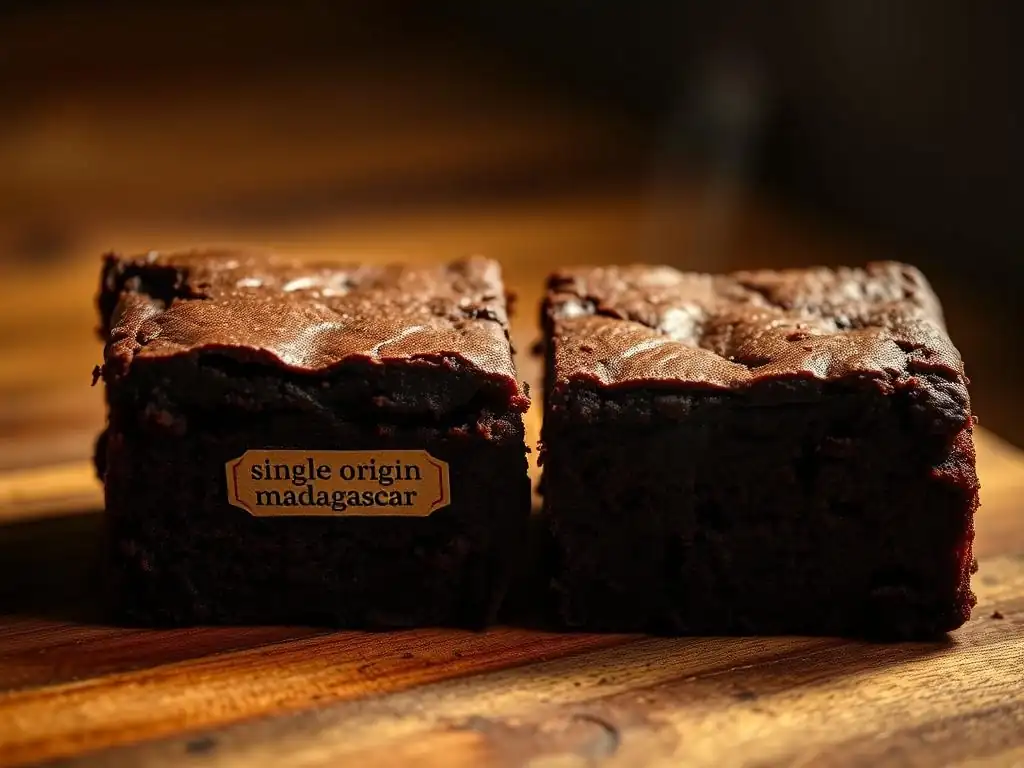
When it comes to offering unique and complex flavor nuances, single origin chocolate generally takes the lead. Because it reflects the specific terroir of a single region, single origin chocolate can exhibit a wide spectrum of distinct notes—ranging from bright fruits and citrus to earthy, nutty, spicy, or floral undertones.
A Chocolate origin baking guide focused on flavor exploration will naturally gravitate towards single origins when the goal is to introduce these specific, sometimes surprising, taste dimensions into a baked good. For instance, a simple chocolate mousse made with a single origin from Vietnam might reveal unexpected notes of cinnamon or star anise, a complexity rarely found in blends.
Blended chocolates, by design, aim for a balanced, consistent, and generally appealing flavor profile. While high-quality blends are delicious and can have depth, they typically lack the specific, sometimes eccentric, notes that define single origins. They offer a reliable "chocolate" flavor that works well broadly, but they don't offer the opportunity to showcase the unique fingerprint of a specific geographic location. If your baking goal is to highlight the pure, varied taste of cacao itself and explore its diverse expressions, single origin chocolate is the clear winner for flavor complexity.
Consistency and Reliability: Blend Offers Predictable Results
For bakers who prioritize consistent, predictable results batch after batch, blended chocolate is the undeniable champion. Chocolate manufacturers invest heavily in creating blends that maintain the same flavor, viscosity, and melting properties regardless of when or where you purchase them. This reliability is paramount in professional settings, for recipes that are made repeatedly, or for anyone who wants to ensure their favorite baked goods turn out perfectly every time. A Chocolate origin baking guide for commercial baking or high-volume production would heavily emphasize the importance of using consistent blended chocolates.
Single origin chocolates, while exciting for their unique flavors, can exhibit natural variations from harvest to harvest, or even between different producers sourcing from the same region. Factors like weather during the growing season or subtle differences in fermentation can lead to slight shifts in flavor or performance. While dedicated single origin producers strive for consistency, it is inherently more challenging than with blends where variations from one source can be balanced by beans from another. For guaranteed performance in standard recipes, blends provide a level of reliability that single origins typically cannot match.
Cost Considerations: Blends are Generally More Affordable
From a purely economic standpoint, blended chocolates are typically more budget-friendly than single origin varieties. The ability to source beans from diverse locations, including those with higher yields or less demand in the specialty market, allows producers of blended chocolate to offer their products at a lower price point. This makes high-quality chocolate more accessible for everyday baking and for recipes requiring larger quantities of chocolate. A Chocolate origin baking guide focused on cost-effectiveness will highlight the value offered by quality blends.
Single origin chocolates, especially those from renowned or smaller, artisanal growing regions, often command a premium price. Factors such as limited supply, specialized farming and processing methods, and the emphasis on unique quality contribute to their higher cost. While the unique flavor experience can justify the expense for certain applications, it's not always practical for every baking project. For instance, making a large batch of brownies for a crowd using a premium single origin might be prohibitively expensive compared to using a reliable, delicious blended baking chocolate.
Availability: Blended Chocolates are Easier to Find
Blended baking chocolates from major brands are widely available in supermarkets, grocery stores, and online retailers, making them convenient for most bakers. Brands like Guittard, Callebaut (many of their standard products are blends), and Valrhona's classic couvertures are staples that can be easily sourced, ensuring you can find the chocolate you need for your recipes without a specialized search. This ease of access contributes significantly to their popularity for everyday baking.
Single origin chocolates, particularly those from specific farms or less common regions, are often found in specialty food stores, high-end grocery stores, or directly from bean-to-bar chocolate makers. Their availability can be more limited, and specific origins or producers might not be carried by your local store. Sourcing a particular single origin for a recipe might require planning or online ordering. For a baker following a Chocolate origin baking guide and wanting to experiment with specific regional flavors, finding the exact chocolate can sometimes be a challenge compared to picking up a standard blend.
Choosing the Right Chocolate for Your Baking Needs
When to Use Single Origin Chocolate in Baking
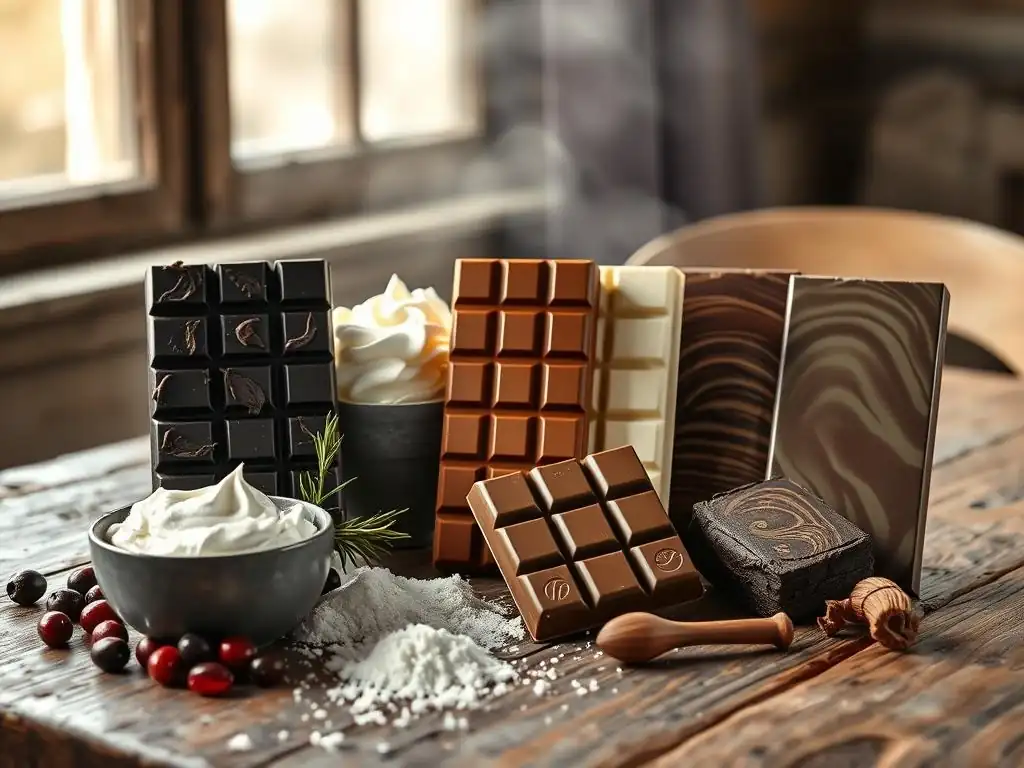
Single origin chocolate is best used in baking situations where you want the unique flavor profile of the cacao to be a prominent, celebrated component of the finished dessert. It's an opportunity to add complexity and a story to your baking. Consider using single origin chocolate when the recipe is simple enough that the chocolate's nuances won't be overwhelmed by other strong flavors, or when you are specifically trying to create a dessert that highlights the characteristics of a particular region's cacao.
Showcasing Unique Flavors: Highlighting Chocolate in Simple Recipes
Simple recipes where chocolate is the star ingredient are perfect candidates for single origin chocolate. Think of a classic French chocolate mousse, a two-ingredient chocolate ganache for dipping truffles, or even just melting the chocolate to coat fruit or make simple bark. In these applications, there are few other ingredients to compete with the chocolate's flavor, allowing the distinct notes of the single origin to shine through.
A ganache made with a Madagascan single origin will clearly exhibit those bright berry notes, while one made with an Ecuadorian origin might reveal floral or nutty undertones. A Chocolate origin baking guide focused on minimalist recipes would strongly recommend single origins here.
Another way to showcase single origin flavors is in recipes where the chocolate is added in solid form, like chunks in a cookie or pieces in a scone. As the chocolate melts, it releases its specific aromas and flavors. Using a single origin with a distinct profile, like a Peruvian chocolate with notes of dried fruit or an Indian chocolate with earthy, spicy notes, can add surprising bursts of flavor throughout the baked good. This approach turns familiar recipes into tasting experiences that highlight the diversity of cacao.
Experimenting with Flavor Pairings: Enhancing Complementary Ingredients
Single origin chocolate can also be used strategically to complement or contrast with other ingredients in a recipe, creating sophisticated flavor pairings. By understanding the typical flavor notes of chocolate from different origins, you can match them with ingredients that share similar or contrasting profiles. For example, a single origin chocolate from Tanzania, known for its citrus and berry notes, could be paired beautifully with orange zest or actual berries in a tart or cake. The chocolate enhances and deepens the fruit flavors.
Similarly, a single origin chocolate with spicy or earthy notes, such as some varieties from Mexico or Vietnam, could be paired with chili or ginger in a ganache or spicy chocolate cookie. A Venezuelan chocolate with caramel or nutty notes would be a natural fit for desserts involving caramel, pecans, or hazelnuts. This approach, outlined in advanced Chocolate origin baking guide techniques, allows bakers to use the inherent flavors of single origin chocolate as a key element in building complex and harmonious flavor combinations.
When to Use Blended Chocolate in Baking
Blended chocolate is the workhorse of the baking world, ideal for situations where consistency, reliability, and a classic chocolate flavor are the primary requirements. It's the go-to choice for everyday baking, large-scale production, and recipes where chocolate is one of many flavors and doesn't need to be the sole focus of the palate.
Everyday Baking: Reliable Results for Common Treats
For your go-to recipes like standard chocolate chip cookies, classic brownies, simple chocolate cakes, or fudgy cupcakes, a high-quality blended baking chocolate provides reliable, delicious results every time. These are the recipes you might make frequently, perhaps for family, friends, or casual gatherings. Using a consistent blend ensures that everyone's favorite chocolate treats will taste exactly as expected, batch after batch. A good Chocolate origin baking guide acknowledges that while single origins are exciting, blends are essential for consistent comfort baking.
The predictable melting properties and flavor profiles of blends make them easy to work with in these common applications. You know how the chips will perform in cookies, how the chopped chocolate will melt into batter, and what the final flavor will be. This predictability simplifies the baking process and minimizes the risk of unexpected outcomes, making blended chocolate the practical choice for the majority of home baking projects.
Large-Scale Baking: Cost-Effective and Consistent Output
For professional bakeries, catering businesses, or anyone baking for large events or volume, blended chocolate is often the most practical and cost-effective option. The consistency of blends is crucial for maintaining product quality across large batches and ensuring that every customer or guest receives the same great-tasting product. Relying on the potential variability of single origins in a high-volume environment would be challenging for quality control and consistency.
Furthermore, the generally lower cost of blended chocolate compared to single origins makes it a more economical choice when purchasing in bulk. Whether you're making hundreds of chocolate croissants, dozens of cakes, or kilograms of truffles, using a reliable and affordable blended chocolate allows you to manage costs effectively while still delivering a high-quality, consistently flavored product. This makes blends indispensable in a Chocolate origin baking guide aimed at professional or large-scale production.
Elevate Your Baking with High-Quality Chocolate
The Importance of Sourcing Ethical and Sustainable Chocolate
Beyond flavor and performance, considering the source of your chocolate involves ethical and sustainability factors. Cacao farming can be associated with issues like poverty wages for farmers, child labor, and deforestation. Choosing chocolate from companies committed to ethical sourcing means supporting practices that ensure farmers are paid fair prices (often above market rate), improve working conditions, and promote environmentally responsible farming methods. This might involve direct trade relationships, where chocolate makers buy beans directly from farmers or cooperatives, or certifications from organizations working to improve conditions in cacao-growing regions.
While not strictly about Chocolate origin baking guide flavor or texture, sourcing ethical and sustainable chocolate is an important consideration for responsible bakers. Many high-quality chocolate producers, including both single origin specialists and makers of premium blends, are increasingly transparent about their sourcing practices. By choosing brands that prioritize ethical and sustainable production, you contribute to a more equitable and environmentally sound cacao industry, ensuring the future availability of quality cacao for baking.
Tips for Storing and Handling Chocolate for Optimal Flavor
Proper storage and handling are crucial for preserving the flavor and quality of both single origin and blended baking chocolates. Chocolate is sensitive to temperature, light, moisture, and odors. The ideal storage temperature is between 60-70°F (15-21°C), in a cool, dark place away from direct sunlight. Avoid refrigeration if possible, as temperature fluctuations can cause sugar bloom (a white, powdery surface) and condensation, which affects texture. If you must refrigerate, wrap the chocolate tightly to protect it from moisture and odors, and bring it to room temperature slowly before use.
Always store chocolate in an airtight container to prevent it from absorbing odors from other foods (like onions or garlic) and to protect it from moisture. Moisture is the enemy of melting chocolate; even a tiny amount can cause it to seize into a thick, unusable paste.
When melting chocolate, use a dry bowl and utensils, and melt it gently, either over a double boiler or in the microwave on low power, stirring frequently. Proper handling ensures that the quality you paid for, whether in a nuanced single origin or a reliable blend, translates into the best possible flavor and texture in your finished baked goods, making your Chocolate origin baking guide efforts truly rewarding.
Frequently Asked Questions
What is the difference between single-origin and blended chocolate in baking?
Single-origin chocolate comes from one specific region or crop, offering a distinct flavor profile. Blended chocolate is a mixture of beans from different origins, creating a more consistent and often balanced taste.
How does the origin of chocolate impact the final flavor of my baked goods?
The origin significantly influences flavor. For example, chocolate from Madagascar may have fruity or citrusy notes, while chocolate from Ghana might be more earthy and robust.
Is single-origin chocolate always better for baking than blended chocolate?
Not necessarily. Single-origin chocolate shines when you want to highlight specific flavor characteristics. Blended chocolate is often more reliable for consistent results in everyday baking.
Where can I find information about the specific flavor profiles of different chocolate origins?
BakeWithEase.com offers a Chocolate Origin Baking Guide with detailed descriptions of various origins and their flavor notes. This guide will help you choose the best chocolate for your recipe.
How do I adjust my baking recipes to account for the different flavors of single-origin chocolates?
Consider the flavor profile of the chocolate. If it's very intense, you might reduce the amount used or pair it with ingredients that complement its taste.
Final Reflection: The Sweet Science of Chocolate Origin in Baking
The origin of your chocolate isn't just a marketing gimmick; it's a fundamental ingredient impacting the final flavor and texture of your baked goods. Understanding these nuances elevates baking from a simple process to a sophisticated art form, allowing for precise control over the final product. This knowledge empowers bakers to create truly unique and delicious treats.
The exploration of single-origin versus blended chocolates has revealed a fascinating world of subtle yet significant flavor profiles. The journey through various cacao beans, from the fruity notes of Tanzanian chocolate to the earthy undertones of Ecuadorian, has underscored the profound impact terroir has on the final baked good. This isn't just about taste; it's about appreciating the artistry and dedication involved in cultivating these beans, from farm to table (or oven! ). The best things in life are simple, but not easy.
This quote perfectly encapsulates the effort and reward of understanding chocolate origins in baking.
Now, it's your turn to embark on this delicious adventure. Experiment with different single-origin chocolates, explore the diverse flavor profiles available, and discover the unique characteristics each brings to your baking. Don't be afraid to push boundaries, to innovate, and to create your own signature baked goods, infused with the rich tapestry of chocolate's global heritage. The world of chocolate awaits your exploration – happy baking!
Unlock Your Chocolate Baking Potential!
Thanks for exploring the fascinating world of chocolate origins with us! You've now learned how different cacao beans impact the flavor and texture of your baked goods. Ready to put this knowledge to the test?
- Bake a Comparative Chocolate Chip Cookie Batch: Use a single-origin dark chocolate in one batch and a blended milk chocolate in another. Compare the results! Note the differences in taste and texture. This is the best way to truly understand the impact of origin.
- Share your baking creations: Post photos of your delicious creations on social media and tag us! We'd love to see your culinary experiments and learn from your discoveries.
- Explore further: Investigate different single-origin chocolates from various regions. Which profile excites you most for your next project?
Ready to elevate your chocolate baking game? What unique flavor profile are you most excited to explore next?