
Unlock the Secret to Better Baking: Choosing HighQuality Chocolate

Welcome to BakeWithEase!
Ever wondered why some baked goods taste simply divine while others fall flat? The secret often lies in the ingredients, and when it comes to chocolate, high quality baking chocolate can truly transform your creations. Discover how to elevate your pastries, cakes, and cookies by learning to select the perfect chocolate for your next baking adventure. Intrigued? Let's unlock the secrets together and turn every bake into a masterpiece!
- Understanding High-Quality Baking Chocolate: A Baker's Guide
- The Best High-Quality Baking Chocolate Brands: A Comparative Review
- How to Choose the Right Baking Chocolate for Your Recipe
- Elevate Your Baking: Tips for Using High-Quality Chocolate
- Recipes to Showcase High-Quality Baking Chocolate
- Where to Buy High-Quality Baking Chocolate: Online and Local Resources
-
Frequently Asked Questions
- What makes high-quality baking chocolate different from regular chocolate?
- Where can I find high-quality baking chocolate?
- How does the percentage of cacao affect the baking chocolate?
- Can I substitute different types of baking chocolate in a recipe?
- How should I store high-quality baking chocolate to maintain its flavor and texture?
- Final Reflection: The Enduring Power of Quality in Baking
- Unlock Your Inner Chocolate Master!
Understanding High-Quality Baking Chocolate: A Baker's Guide
What Defines High-Quality Chocolate for Baking?
Choosing high quality baking chocolate is paramount if you aim for truly exceptional baked goods. What sets superior chocolate apart isn't just the name on the wrapper, but rather the ingredients and the care taken in processing them. At its core, high-quality chocolate begins with fine cacao beans, often sourced from specific regions known for producing beans with distinct flavor profiles, much like wine grapes.
The percentage of cocoa solids is a key indicator; a higher percentage generally means a more intense chocolate flavor and less sugar. For instance, a 70% cacao chocolate will taste significantly different – more bitter, less sweet – than a 50% cacao chocolate. The quality of the cocoa beans themselves, their origin (like single-origin beans from Ecuador or Madagascar), and how they are fermented, dried, and roasted all contribute significantly to the final flavor nuances you taste in your cakes, cookies, and pastries.
Beyond the cocoa solids, the type and amount of fat used are critical. High quality baking chocolate relies on cocoa butter, the natural fat extracted from the cacao bean. Cocoa butter is responsible for chocolate's smooth texture, its ability to melt beautifully, and its characteristic snap when hardened.
Inferior chocolates often substitute some or all of the expensive cocoa butter with cheaper vegetable oils or hydrogenated fats, which negatively impact the texture, melting properties, and overall flavor. A chocolate with a higher percentage of cocoa butter will typically be smoother and melt more readily. The processing, including conching (a process of mixing and aeration that develops flavor and texture) and tempering, further refines the chocolate, ensuring a desirable consistency and shine, especially crucial for applications like dipping or molding.
Differentiating Baking Chocolate Types: From Unsweetened to Couverture
Navigating the world of baking chocolate involves understanding the different types available and their specific roles in recipes. The primary distinction often lies in the percentage of cocoa solids and the amount of sugar added. Unsweetened chocolate, also known as bitter chocolate or baking chocolate, contains virtually no sugar, typically ranging from 90% to 100% cacao.
It offers a pure, intense chocolate flavor, making it ideal for recipes where you want deep cocoa notes and can control the sweetness yourself, like rich brownies or devil's food cake. Because of its bitterness, it's rarely eaten plain but is a powerhouse ingredient for adding significant chocolate depth without contributing sweetness.
Moving down the scale, bittersweet and semi-sweet chocolates are the workhorses of many baking recipes. Bittersweet chocolate generally contains between 60% and 75% cacao, while semi-sweet is typically between 35% and 60%. The distinction between these two can sometimes be blurry as regulations vary, but bittersweet is usually less sweet and has a more pronounced cocoa flavor than semi-sweet.
Semi-sweet is incredibly versatile, perfect for chocolate chip cookies, muffins, and glazes, offering a balanced sweetness and chocolate flavor. Bittersweet is excellent for mousses, tarts, and cakes where a more intense, less sweet chocolate profile is desired. Milk chocolate, containing milk solids and more sugar (usually 10-40% cacao), is sweeter and creamier but less commonly used for structural baking unless specifically called for, as its lower cocoa content means a less intense flavor and it can burn more easily.
White chocolate, technically not 'chocolate' in the traditional sense as it contains no cocoa solids (only cocoa butter, sugar, milk solids, and vanilla), is used for its creamy texture and sweet, vanilla-like flavor in specific applications like white chocolate macadamia nut cookies or frostings. Finally, couverture chocolate is a professional-grade chocolate containing a higher percentage of cocoa butter (typically 32-39%) than standard baking chocolate. This extra cocoa butter makes it melt more fluidly, which is essential for achieving a smooth, glossy finish when tempering for dipping or molding chocolates.
The Best High-Quality Baking Chocolate Brands: A Comparative Review
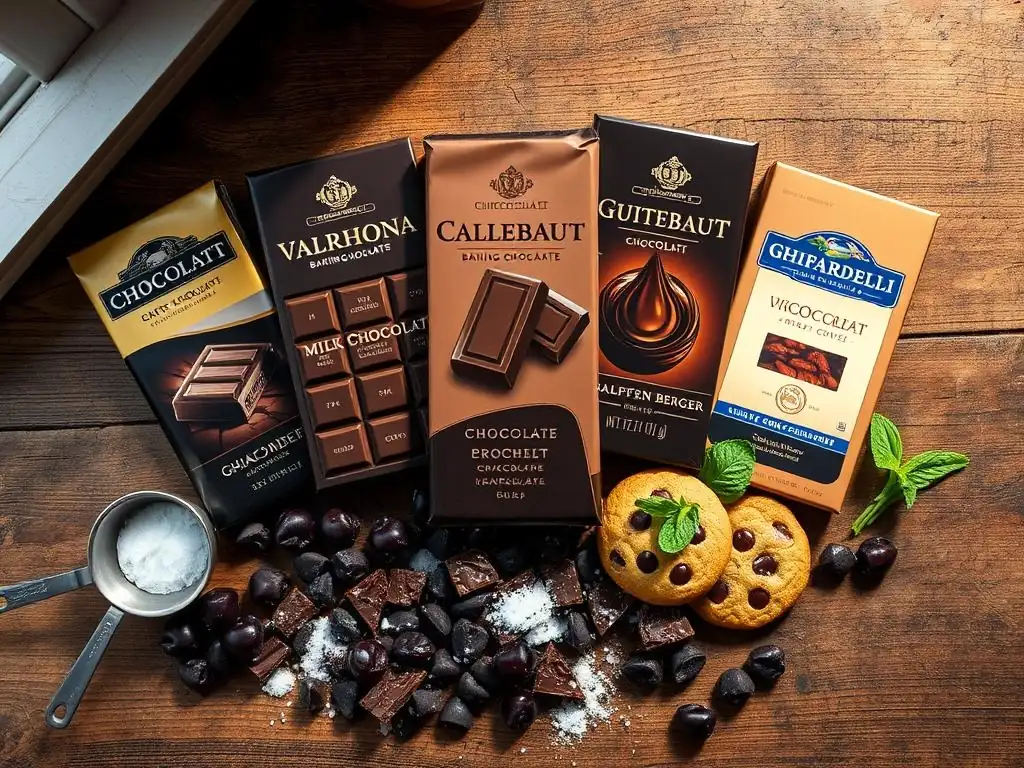
Valrhona: The Gold Standard in Baking Chocolate
Valrhona, a French chocolate manufacturer, is widely regarded as one of the premier producers of high quality baking chocolate, favored by pastry chefs worldwide. Their commitment to quality starts with sourcing fine cacao beans from specific plantations and extends through their meticulous production process. The resulting chocolates are known for their complex, nuanced flavor profiles and consistent performance in baking applications.
While often more expensive than other brands, the depth and purity of flavor they impart to baked goods are often considered well worth the investment for special occasions or when pursuing professional results. Their range includes single-origin chocolates highlighting the unique characteristics of beans from specific regions, as well as signature blends crafted for balance and versatility.
Some of Valrhona's most celebrated products include their couverture chocolates, prized for their high cocoa butter content and exceptional fluidity when melted and tempered. Valrhona Guanaja 70%, for example, is an iconic bitter chocolate with intense cocoa notes and hints of floral and fruit flavors, perfect for sophisticated chocolate tarts or ganaches.
Valrhona Caraïbe 66% offers a slightly less intense, more approachable bittersweet profile with notes of dried fruit and roasted almonds, making it versatile for a wide range of recipes from cookies to cakes. Valrhona Manjari 64%, made from beans from Madagascar, is distinctive for its bright, tangy, red fruit notes, lending itself beautifully to desserts where a fruity chocolate profile is desired, such as raspberry chocolate tarts or specific types of mousse.
Guittard Chocolate Company: American Heritage and Quality
Guittard Chocolate Company, a fifth-generation family-owned business based in California, has been producing chocolate since 1868 and is a respected name in the high quality baking chocolate market in the United States. They emphasize ethical sourcing and traditional chocolate-making techniques, resulting in chocolates known for their rich flavor and reliable performance.
Guittard offers a wide variety of products tailored specifically for baking, from large bars and wafers to chips, catering to both professional bakers and home enthusiasts seeking quality ingredients. Their focus on flavor development during roasting and conching contributes to the distinct taste of their chocolates, which often feature classic, comforting profiles.
Among Guittard's popular baking products is their line of Baking Chocolate bars and wafers, which consistently deliver rich and reliable results in everything from brownies to sauces. Their Guittard Semisweet Chocolate Baking Chips are a favorite for their balance of sweetness and cocoa flavor, maintaining their shape well during baking while still melting beautifully to create pockets of gooey chocolate in cookies or muffins.
For those seeking a deeper flavor, the Guittard Eureka Works 72% Baking Chocolate Bar offers a more intense, complex profile with notes that can include roasted nuts and dark fruit, making it an excellent choice for recipes requiring a robust bittersweet chocolate character, like lava cakes or serious chocolate glazes.
Scharffen Berger Chocolate Maker: Bold and Intense Flavors
Scharffen Berger, founded in 1996 and now part of the Hershey company, quickly established itself as a leading American craft chocolate maker known for its bold, intense flavors derived from carefully selected and roasted cacao beans. They were pioneers in highlighting cacao percentage on packaging and sourcing beans from diverse origins, bringing a single-origin sensibility to the wider market.
Scharffen Berger chocolates are characterized by their deep, complex cocoa flavors, often with noticeable fruity, earthy, or spicy undertones depending on the specific blend or origin. Their chocolates are well-suited for recipes where the chocolate flavor is meant to be prominent and assertive.
Scharffen Berger offers a range of products popular with bakers seeking high quality baking chocolate with distinct profiles. Their 99% Cacao Unsweetened Baking Chocolate is designed for the serious chocolate lover who wants maximum cocoa intensity with minimal sweetness, perfect for adding profound depth to sauces, ice creams, or intensely chocolatey cakes where sugar is added separately.
A more classic choice is the Scharffen Berger 70% Cacao Bittersweet Baking Chocolate, which provides a robust, balanced bittersweet flavor with complex notes that stand up well in a variety of applications, from chocolate tarts to ganaches. This 70% bar is often cited for its excellent melting properties and ability to deliver a consistently rich chocolate experience in baked goods.
Ghirardelli: An Accessible and Reliable Choice
Ghirardelli, another historic American chocolate company founded in 1852 in San Francisco, provides high quality baking chocolate options that are generally more accessible and widely available than some of the smaller craft producers, while still offering a step up in quality from standard supermarket brands. Ghirardelli focuses on controlling the chocolate-making process from bean to finished product, emphasizing roasting and conching to develop smooth, rich flavors. Their baking products are known for their consistent performance and approachability, making them a reliable choice for everyday baking needs.
Ghirardelli's baking line includes bars, wafers, and chips designed for various uses. Their 60% Cacao Baking Chips are particularly popular due to their wide availability and versatility. These chips offer a balanced bittersweet flavor that works well in countless recipes, from muffins and scones to their namesake chocolate chip cookies.
They are formulated to hold their shape relatively well during baking while still providing soft pockets of melted chocolate. This makes them perfect for applications like their classic chocolate chip cookie recipe or adding rich chocolate intensity to brownies. While perhaps not offering the extreme complexity of some high-end couverture brands, Ghirardelli provides a dependable and flavorful option for home bakers seeking high quality results without needing to source specialty ingredients.
How to Choose the Right Baking Chocolate for Your Recipe
Matching Chocolate Type to Recipe: Flavor Profiles and Textures
Selecting the appropriate type of high quality baking chocolate is crucial for achieving the desired flavor and texture in your baked goods. The chocolate's characteristics – its sweetness level, cocoa percentage, and fat content – will directly impact the final outcome. For instance, creating a rich chocolate cake often calls for a high cocoa content chocolate, like a 70% bittersweet or even unsweetened chocolate, to ensure a deep, intense chocolate flavor that isn't overly sweet.
A classic devil's food cake, for example, benefits immensely from the pure cocoa punch of unsweetened chocolate combined with cocoa powder. The bitterness of high-percentage chocolate is often balanced by sugar and other ingredients in the recipe, resulting in a complex, satisfying depth rather than just sweetness.
When baking something like chocolate chip cookies, the choice of chocolate can dramatically change the result. Semi-sweet chocolate chips (typically 35-50% cacao) are a popular choice because they offer a good balance of sweetness and chocolate flavor, and many are formulated to retain some structure during baking, providing distinct chocolate chunks.
However, using chopped high quality baking chocolate from a bar, such as a 60% or 70% bittersweet, can yield more complex flavor and a meltier texture, as the cocoa butter content is usually higher than in chips. For something like chocolate frosting or ganache, a chocolate with a good amount of cocoa butter and a moderate cocoa percentage (like 50-60% semi-sweet or bittersweet) is often preferred because it melts smoothly and produces a glossy, stable texture when combined with cream or butter.
White chocolate requires careful consideration due to its different composition; it's best used where its creamy texture and sweet, vanilla notes are desired, such as in blondies or specific types of mousse, and it melts at a lower temperature, requiring gentle handling.
Understanding Cacao Percentage and its Impact on Sweetness
The cacao percentage listed on high quality baking chocolate packaging is one of the most important indicators of its flavor profile and how it will behave in a recipe. This number represents the total proportion of ingredients derived from the cacao bean, including cocoa solids (which provide the chocolate flavor) and cocoa butter (which provides richness and texture). A higher percentage means more cocoa bean components and, consequently, less room for other ingredients, most notably sugar.
Therefore, a 70% cacao chocolate will be significantly less sweet and more intensely chocolatey than a 50% cacao chocolate. This difference in sweetness and bitterness directly impacts the overall flavor balance of your baked goods.
When substituting chocolates with different cacao percentages, you may need to adjust the amount of sugar in your recipe to achieve the desired level of sweetness. If you use a higher-percentage, less sweet chocolate than the recipe calls for, you might need to add a tablespoon or two of extra sugar to compensate. Conversely, if you use a lower-percentage, sweeter chocolate, you might want to slightly reduce the sugar.
Experimenting with different percentages can be a fun way to personalize your recipes. For example, making the same chocolate chip cookie recipe with a 50% semi-sweet versus a 65% bittersweet chocolate will yield two distinct cookies – one sweeter and milder, the other more intense and complex. Always taste a small piece of the chocolate before using it to get a sense of its inherent sweetness and flavor profile.
Considerations for Vegan and Dairy-Free Baking
Baking for dietary restrictions, such as vegan or dairy-free needs, doesn't mean you have to compromise on using high quality baking chocolate. Fortunately, many high-quality dark chocolates are naturally vegan and dairy-free, as they are made simply from cocoa beans, sugar, cocoa butter, and sometimes vanilla and lecithin (a plant-based emulsifier). The key is to carefully read the ingredient list.
Avoid chocolates that list milk, milk fat, whey, lactose, or casein. Some dark chocolates may also have a "may contain milk" warning due to shared equipment, which is a consideration for those with severe dairy allergies, but generally acceptable for those following a vegan diet or avoiding dairy for other reasons.
The market for vegan and dairy-free high quality baking chocolate has expanded significantly. Many brands now offer explicitly labeled vegan chocolate chips, bars, and wafers made with alternative fats or simply relying on the natural composition of dark chocolate. Look for reputable brands that specialize in allergen-friendly products or check the labels of standard dark chocolate offerings from quality producers; often, chocolates with 70% cacao or higher are less likely to contain milk ingredients.
When selecting vegan options, pay attention to the fat source (ensure it's cocoa butter or another suitable plant-based fat, not hydrogenated oils) and the cocoa percentage, applying the same principles for flavor and sweetness balance as you would with conventional chocolate. Using dedicated vegan chocolate ensures your baked goods meet dietary requirements while still delivering excellent chocolate flavor.
Elevate Your Baking: Tips for Using High-Quality Chocolate
Tempering Chocolate: Achieving a Smooth and Glossy Finish
Tempering is a technique essential for working with high quality baking chocolate, particularly couverture, when you want a smooth, glossy finish and a firm snap. It involves carefully heating and cooling chocolate to specific temperatures to stabilize the cocoa butter crystals. Untempered chocolate, when melted and allowed to set, will often be dull, streaky, and soft, sometimes developing a grayish bloom on the surface.
Tempering ensures that the cocoa butter hardens into the most stable crystalline form, resulting in chocolate that looks beautiful, snaps cleanly, and melts properly in your mouth. While not necessary for all baking applications (like melting chocolate into a cake batter or brownies), it's crucial for dipping candies, making chocolate decorations, or creating chocolate coatings.
There are several methods for tempering chocolate, each requiring attention to temperature control. The seed method involves melting about two-thirds of your chopped high quality baking chocolate, then stirring in the remaining one-third (the "seed" chocolate) until it melts and cools the batch to the correct working temperature.
The tabling method, often used by professionals, involves melting chocolate, pouring it onto a cool surface (like marble), and working it with a scraper and spatula until it thickens slightly before returning it to the bowl with the remaining melted chocolate to reach the final working temperature. A simpler microwave method involves melting chocolate in short intervals, stirring frequently, until it reaches the target temperature, relying on the residual heat to melt the last few solid pieces and temper the batch.
Regardless of the method, using a thermometer to monitor temperatures is key, as different types of chocolate (dark, milk, white) have different tempering curves.
Melting Chocolate: Avoiding Seizing and Burning
Properly melting high quality baking chocolate is a fundamental skill that prevents common issues like seizing or burning. Seizing occurs when a small amount of liquid or steam comes into contact with melting chocolate, causing it to instantly transform from a smooth liquid into a thick, grainy, unmanageable paste. Burning happens when chocolate is exposed to excessive heat, often resulting in a burnt, bitter flavor and a thick, lumpy texture that is irreparable. Both situations waste your precious high quality baking chocolate. The key to successful melting is low, gentle heat and patience.
The double boiler method is a classic and reliable way to melt chocolate. Place finely chopped chocolate in a heatproof bowl set over a saucepan of simmering (not boiling) water, ensuring the bottom of the bowl doesn't touch the water. The steam from the simmering water provides gentle, indirect heat. Stir occasionally until the chocolate is smooth.
The microwave is also a convenient method, but it requires vigilance. Heat the chopped chocolate in a microwave-safe bowl on medium power (50%) in short intervals (30 seconds or less), stirring thoroughly after each interval. Continue until the chocolate is mostly melted, then stir gently until the residual heat melts the remaining small pieces.
This prevents overheating. When adding liquids to melted chocolate, it's counterintuitive, but adding a significant amount of liquid at once (like making ganache with hot cream) will incorporate smoothly, whereas adding just a few drops or a tiny amount of steam can cause seizing. Ensure all equipment is completely dry before starting.
Storing High-Quality Baking Chocolate Properly
Proper storage is essential to maintain the freshness, flavor, and texture of your high quality baking chocolate. Chocolate is sensitive to temperature fluctuations, humidity, odors, and light. Incorrect storage can lead to bloom (the grayish streaks or spots mentioned earlier, caused by sugar or fat crystals migrating to the surface), changes in texture, or absorption of off-flavors from the environment. While bloom doesn't necessarily ruin the chocolate for baking (it usually disappears when melted), it indicates the chocolate has been stored improperly and can sometimes affect texture and melting properties.
The ideal storage conditions for high quality baking chocolate are cool, dry, and dark. A consistent temperature between 60°F and 70°F (15°C and 21°C) is best. Avoid storing chocolate in the refrigerator unless you live in a very hot, humid climate, and even then, seal it meticulously to protect it from moisture and odors. Humidity above 50-55% can cause sugar bloom.
Store chocolate in its original packaging or in an airtight container or double-wrapped in plastic wrap and then foil to protect it from air, moisture, and strong odors (chocolate readily absorbs smells from things like onions or spices). Keep it away from direct sunlight or any heat source. When stored correctly, high quality baking chocolate can maintain its quality for a year or more, though it's always best to use it within a few months for optimal flavor.
Recipes to Showcase High-Quality Baking Chocolate
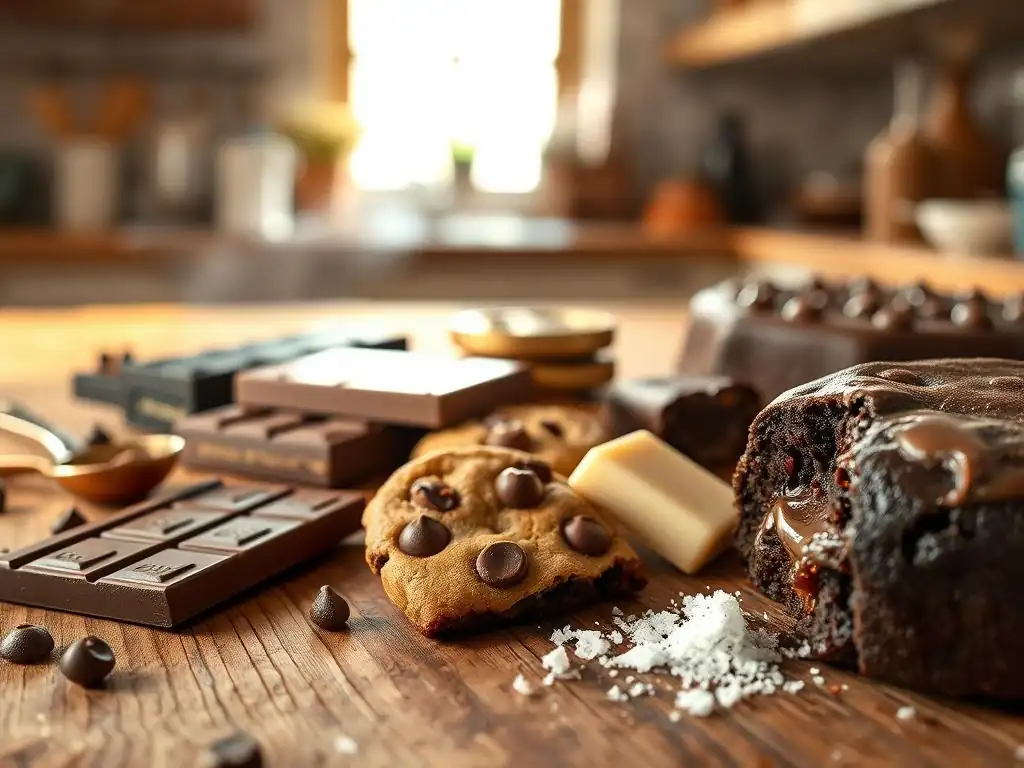
Decadent Chocolate Cake Recipe using Valrhona Guanaja 70%
Creating a truly decadent chocolate cake begins with choosing an exceptional high quality baking chocolate, and Valrhona Guanaja 70% is a superb choice for this purpose. Its intense, complex flavor profile, with notes that can hint at floral or fruit undertones, provides a depth that simply isn't achievable with lower-quality options.
In a cake recipe, the Guanaja's bitterness is balanced by sugar and other ingredients, resulting in a moist, dark crumb with a sophisticated chocolate taste that is neither overly sweet nor one-dimensional. Using this chocolate, typically melted gently and incorporated into the batter, ensures that the chocolate flavor is the star, providing a robust backbone to the cake's profile.
To achieve a moist and flavorful cake using Valrhona Guanaja 70%, consider pairing it with ingredients that complement its intensity. Using hot liquid, like hot coffee or boiling water, to bloom cocoa powder and melt the chocolate can enhance the chocolate flavor. Incorporating ingredients like buttermilk or sour cream adds moisture and a slight tang that contrasts beautifully with the chocolate's richness. The high cocoa butter content of couverture like Guanaja also contributes to a tender crumb and a pleasant melt-in-your-mouth texture in the finished cake.
Elevating a classic like chocolate chip cookies is easily done by using high quality baking chocolate, and Guittard Semisweet Chocolate Baking Chips are a fantastic option that balances convenience with quality. Unlike some generic chips that contain less cocoa butter or alternative fats, Guittard's chips are made with real chocolate and cocoa butter, contributing a richer flavor and better melt. While they are designed to hold their shape somewhat during baking, they still melt into gooey pockets of deliciousness within the cookie, providing bursts of sweet, balanced chocolate flavor.
Using Guittard Semisweet Chocolate Baking Chips in a standard chocolate chip cookie recipe enhances the overall quality of the cookie. The chips distribute evenly throughout the dough, ensuring chocolate in every bite. Their balanced sweetness means they pair well with various cookie dough styles, from crisp to chewy. For customization, consider adding a sprinkle of flaky sea salt after baking to enhance the chocolate flavor, or combine the semi-sweet chips with a smaller quantity of chopped bittersweet chocolate for added complexity. The consistent quality of these chips means you can rely on them for delicious results batch after batch.
Rich Chocolate Ganache using Scharffen Berger 70% Cacao
A rich, glossy chocolate ganache is a fundamental element in many desserts, used for frosting cakes, filling tarts, or glazing pastries. Using a high quality baking chocolate like Scharffen Berger 70% Cacao Bittersweet Baking Chocolate is key to achieving a ganache with deep flavor and a beautiful texture. Scharffen Berger's 70% chocolate has a robust, slightly fruity and earthy profile that translates into a complex ganache, far superior to one made with lower-quality chocolate. The high cocoa butter content ensures the ganache is smooth and sets with a lovely sheen.
To make a successful ganache with Scharffen Berger 70% Cacao, the process is simple: heat heavy cream until just simmering, then pour it over finely chopped chocolate. Let it sit for a few minutes to allow the heat from the cream to melt the chocolate, then whisk gently from the center outwards until a smooth, emulsified mixture forms.
The ratio of chocolate to cream determines the ganache's consistency – more chocolate for a thicker ganache (like for truffles or firm fillings), less chocolate for a pourable glaze or softer frosting. The intense flavor of the Scharffen Berger 70% means you get a powerful chocolate hit even in a thin layer, making it ideal for showcasing the quality of the chocolate.
Where to Buy High-Quality Baking Chocolate: Online and Local Resources
Online Retailers
Accessing high quality baking chocolate is easier than ever thanks to a variety of online retailers. Brands like Valrhona and Guittard often have their own online stores where you can purchase their full range of baking products directly. This is often the best source for specific couverture types or larger quantities.
Other specialty food websites and online baking supply stores also carry a wide selection of high-quality brands, including Scharffen Berger and many others, allowing you to compare options and prices from different producers in one place. Purchasing online provides access to brands that might not be available in your local area and often offers bulk purchasing options, which can be cost-effective if you do a lot of baking.
When buying high quality baking chocolate online, pay attention to shipping conditions, especially during warmer months. Reputable retailers specializing in chocolate will often use insulated packaging and cold packs to ensure the chocolate arrives in good condition, preventing melting during transit. Check the retailer's shipping policy regarding temperature control. Ordering from a retailer closer to your location can also reduce transit time and risk. While you won't find images here, looking at product descriptions carefully online will give you details about cacao percentage, bean origin, and suggested uses.
Supporting Local Chocolate Shops and Bakeries
While online retailers offer convenience and selection, supporting local chocolate shops and bakeries is another excellent way to source high quality baking chocolate and often provides the added benefit of expert advice. Many artisanal chocolate shops sell their own couverture or carry carefully curated selections of high-quality brands that they use themselves.
These shops often have knowledgeable staff who can help you choose the best chocolate for your specific baking project, explaining flavor profiles and recommended applications. For example, a local chocolatier might offer a selection of single-origin chocolate bars perfect for baking, allowing you to experiment with unique flavors.
Purchasing from a local source allows you to see and handle the chocolate before buying, and you can often buy smaller quantities or specific formats like feves (small, oval chocolate pieces) that melt easily. Bakeries that specialize in chocolate desserts might also sell the high quality baking chocolate they use in their own creations.
Buying locally supports small businesses in your community and provides an opportunity to learn more about chocolate from passionate individuals. While we cannot provide specific names or contact details here, searching for "artisanal chocolate shop" or "baking supply store" in your area is a great starting point to discover local sources for exceptional baking chocolate.
Frequently Asked Questions
What makes high-quality baking chocolate different from regular chocolate?
High-quality baking chocolate generally has a higher cocoa butter content, leading to a smoother texture and richer flavor. It also often has fewer additives than regular chocolate.
Where can I find high-quality baking chocolate?
Look for it at specialty baking stores, well-stocked grocery stores with baking sections, or online retailers that specialize in baking ingredients. Pay attention to the percentage of cacao.
How does the percentage of cacao affect the baking chocolate?
A higher percentage of cacao means a more intense chocolate flavor and less sweetness. Consider the recipe's requirements and your personal preference when selecting.
Can I substitute different types of baking chocolate in a recipe?
While possible, it's not always recommended. Different types have varying cocoa butter and sugar levels, which can affect the final texture and taste. Minor adjustments might be needed.
How should I store high-quality baking chocolate to maintain its flavor and texture?
Store it in a cool, dry, and dark place, away from strong odors. Proper storage helps prevent blooming (a white film) and preserves its flavor profile for optimal baking results.
Final Reflection: The Enduring Power of Quality in Baking
The pursuit of the perfect bake often hinges on a single, often overlooked ingredient: chocolate. A seemingly small detail, the choice of chocolate profoundly impacts the final product, transforming a simple cake into a decadent masterpiece or a delicate cookie into a rich, unforgettable treat. This isn't merely about indulgence; it's about understanding the fundamental role quality ingredients play in achieving culinary excellence.
The impact of high-quality chocolate extends far beyond the immediate sensory experience. It speaks to a deeper appreciation for craftsmanship, for the dedication and artistry involved in creating something truly special. The best things in life are worth waiting for, and the same is true for the perfect chocolate.
This sentiment, while seemingly simple, encapsulates the patience and care required to source and utilize high-quality ingredients, resulting in a final product that reflects that commitment. The enduring appeal of artisanal baking, with its emphasis on premium ingredients, reflects a growing cultural shift towards mindful consumption and a deeper connection to the food we enjoy.
Now, consider your own baking journey. What does quality mean to you? Do you prioritize specific characteristics in your chocolate—a deep, rich flavor, a smooth melt, a specific origin? I encourage you to explore the world of high-quality chocolate, to experiment with different varieties, and to discover the transformative power it holds. The next time you bake, remember the profound difference a thoughtful choice can make, and savor the delicious results of your dedication to quality.
Unlock Your Inner Chocolate Master!
Thanks for taking the time to explore the world of high-quality chocolate with us! We hope you now feel empowered to elevate your baking to a whole new level. Ready to put your newfound knowledge into practice?
- Bake a decadent treat: Try a recipe you already love, but this time, substitute with the high-quality chocolate we discussed. Notice the difference!
- Share your masterpiece: Post a photo of your creation on social media and tag #BakeWithEaseChocolate – let's see those delicious results!
- Explore our other articles on baking essentials to further improve your skills.
What exciting chocolate creation will you bake first?