
Why Professional Bakers Choose HighQuality Chocolate Brands

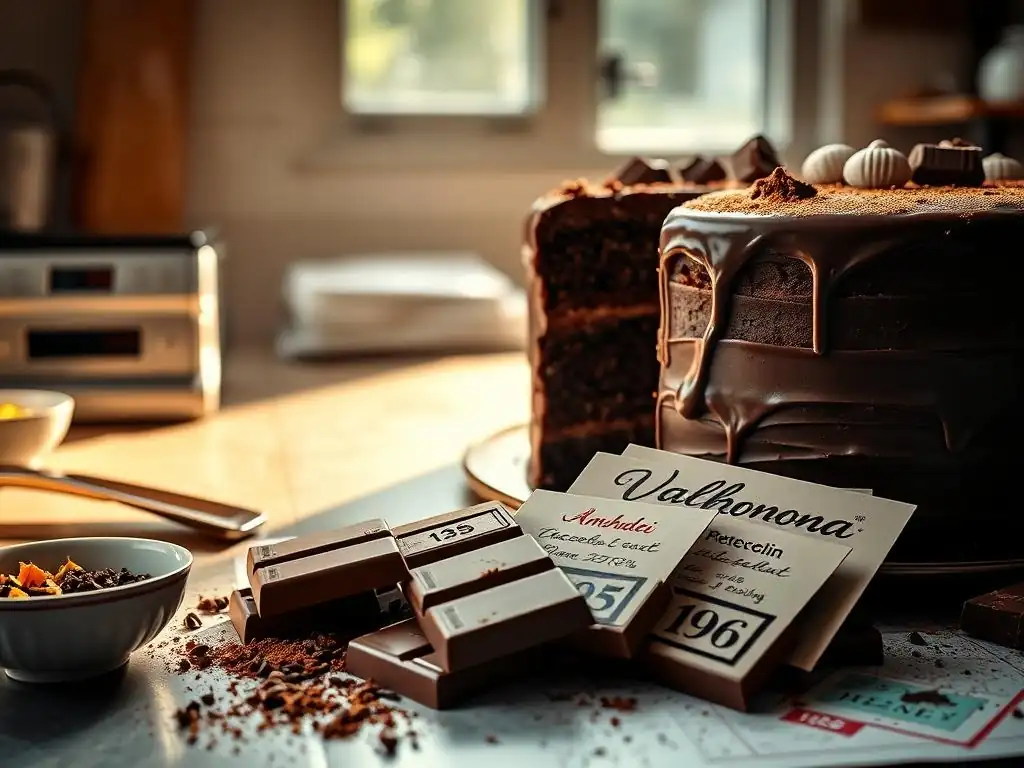
Welcome to BakeWithEase, your trusted guide to baking brilliance! Ever wondered what separates a good chocolate chip cookie from an unforgettable one? This week, we delve into the secrets behind achieving professional-level results with high quality chocolate baking. Uncover the brands favored by master bakers and learn how to unlock their full potential in your own kitchen. Curious to know the difference a single ingredient can make? Let's explore!
- Understanding the Importance of High-Quality Chocolate for Baking
- Key Characteristics of High-Quality Baking Chocolate
- Top High-Quality Chocolate Brands Preferred by Professional Bakers
- Comparing High-Quality Chocolate Brands: A Baker's Perspective
- High-Quality Chocolate Recipes and Techniques for Professional Results
- Where to Buy High-Quality Chocolate for Baking (Retailers and Distributors)
- Investing in High-Quality Chocolate: A Smart Choice for Serious Bakers
-
Frequently Asked Questions
- Why is using high-quality chocolate important in baking?
- What are some indicators of high-quality chocolate?
- How does high-quality chocolate impact the overall texture of baked goods?
- Is high-quality chocolate always more expensive, and is it worth the investment?
- Can I substitute lower-quality chocolate in a recipe that calls for high-quality chocolate?
- Final Reflection: The Enduring Allure of High-Quality Chocolate in Baking
- Unlock Your Baking Potential: Elevate Your Chocolate Game!
Understanding the Importance of High-Quality Chocolate for Baking
Professional bakers understand that the quality of their ingredients directly impacts the final product, and this is especially true when it comes to chocolate. Investing in high quality chocolate baking ingredients isn't just about luxury; it's a strategic decision based on performance, flavor, and consistency. While the initial cost per pound for premium chocolate like Valrhona or Callebaut can be significantly higher—often ranging from $8-$20+ per pound compared to $3-$6 for standard baking chips—this investment pays off in superior results and reduced waste.
The higher price reflects factors like better cocoa bean sourcing, higher cocoa butter content, and meticulous processing. This results in chocolate that melts more smoothly, tempers more reliably, and delivers a more complex and intense flavor profile. For a professional bakery, using high quality chocolate baking ensures that every batch of croissants, cakes, or truffles meets a consistently high standard, building customer trust and allowing for potentially higher price points for their finished goods. It minimizes issues like seizing, burning, or grainy textures that can occur with lower-grade chocolates, saving time and ingredient costs in the long run.
The Impact of Chocolate Quality on Baking Results: A Professional Perspective
The difference between baking with standard chocolate and high quality chocolate baking is palpable in the final product's aroma, texture, and taste. Low-quality chocolate, often containing vegetable oils instead of pure cocoa butter and a higher percentage of sugar or fillers, can result in a waxy mouthfeel, bland or overly sweet flavor, and difficulty in achieving a smooth, glossy finish when melted or tempered. Imagine a delicate chocolate mousse: using inferior chocolate can leave it tasting flat and greasy, a far cry from the rich, airy texture achieved with a high-quality couverture.
Conversely, using high quality chocolate baking transforms baked goods. A brownie made with a premium 70% dark chocolate will have deep, complex notes of cocoa, perhaps with hints of fruit or nuts depending on the bean origin, a smooth melt, and a fudgy texture. A ganache made with a high cocoa butter content couverture will be incredibly smooth and stable, perfect for fillings or glazes.
Professional bakers rely on this predictability and superior performance to create consistently excellent products that stand out in a competitive market. The nuanced flavors of high-quality chocolate elevate even simple recipes, turning them into memorable culinary experiences.
Key Characteristics of High-Quality Baking Chocolate
Cocoa Content and its Role in Flavor and Texture
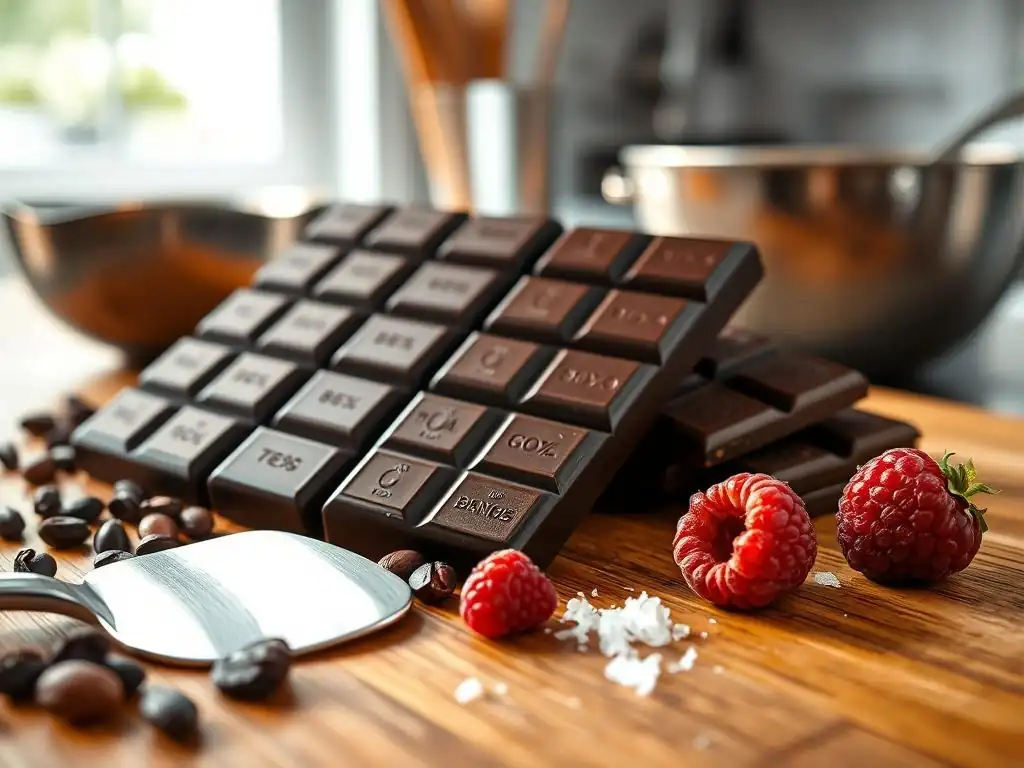
Cocoa content, typically expressed as a percentage on the packaging, is a fundamental indicator of chocolate quality and directly influences its flavor intensity and texture. This percentage represents the total amount of cocoa solids present, including cocoa mass (cocoa liquor) and cocoa butter.
A higher percentage, such as 70% or 80% dark chocolate, indicates a more intense, bitter, and less sweet flavor, alongside a firmer texture at room temperature. For instance, a 70% dark chocolate contains 70% cocoa solids and 30% sugar and other ingredients (like vanilla or lecithin), while a 50% milk chocolate contains 50% cocoa solids (including milk solids) and 50% sugar and other ingredients.
Understanding cocoa content is crucial for high quality chocolate baking because it dictates how the chocolate will behave in a recipe. A higher cocoa percentage means less sugar, which affects sweetness and caramelization. It also means a higher proportion of cocoa solids, contributing to the chocolate's inherent flavor profile and its ability to provide structure and richness. When a recipe calls for a specific type of chocolate (e.g., bittersweet or semi-sweet), the cocoa content range (typically 50-65% for semi-sweet, 60-78% for bittersweet) helps bakers choose the appropriate product to achieve the desired balance of bitterness, sweetness, and chocolate intensity.
Understanding Cocoa Butter: The Secret to Smooth Chocolate
Cocoa butter is the natural fat extracted from the cocoa bean, and its presence and proportion are critical indicators of high quality chocolate baking. Unlike cheaper vegetable oils often used in compound chocolates (which are not true chocolate), pure cocoa butter provides chocolate with its characteristic smooth melt-in-your-mouth texture and contributes to its glossy sheen when tempered correctly. Chocolate labeled as "couverture" chocolate is specifically defined by having a high percentage of cocoa butter (typically 32-39%) and finely ground cocoa particles, making it ideal for tempering, dipping, and molding.
The high cocoa butter content in quality chocolate allows it to transition from solid to liquid smoothly and consistently within a specific temperature range. This property is essential for techniques like tempering, where controlling crystal formation in the cocoa butter is key to achieving a stable, shiny, and snappy chocolate. Without sufficient cocoa butter, chocolate can be difficult to temper, result in a dull or streaky finish, and leave a greasy or waxy residue on the palate. Professionals prioritize chocolate rich in cocoa butter for its superior handling properties and the luxurious mouthfeel it imparts to their baked goods.
Bean Origin and Terroir: Exploring the Nuances of Chocolate Flavor
Just like wine or coffee, the flavor of high quality chocolate baking is profoundly influenced by the origin of the cocoa beans and the concept of terroir—the unique environmental factors like soil, climate, and altitude where the beans are grown. Different regions cultivate different varieties of cocoa beans (Criollo, Forastero, Trinitario), and the specific growing conditions impart distinct flavor notes. For example, cocoa beans from Madagascar are often known for bright, fruity, and sometimes acidic notes, while those from Venezuela might offer richer, nuttier, or caramel-like undertones.
Professional bakers often explore single-origin chocolates to bring specific, nuanced flavors to their creations. Using a Dominican Republic origin chocolate with its earthy, robust profile might be perfect for a rich chocolate cake, whereas a delicate Ecuadorian origin chocolate with floral notes could elevate a ganache for a refined pastry. Understanding bean origin allows bakers to select high quality chocolate baking ingredients that complement and enhance the other flavors in their recipes, adding layers of complexity that are simply not present in blends or chocolates made from lower-quality, mixed-origin beans.
Absence of Fillers and Additives: Purity in Baking Chocolate
A key characteristic of high quality chocolate baking is the absence of unnecessary fillers, artificial flavorings, and hydrogenated fats. True chocolate should primarily contain cocoa solids (mass and butter), sugar, and often lecithin (an emulsifier) and vanilla. Lower-quality chocolates or compound coatings frequently list ingredients like vegetable oil (palm, soy, or coconut oil) instead of or in addition to cocoa butter, artificial vanilla flavor (vanillin), and various stabilizers or artificial colors.
These additives detract significantly from both the flavor and performance of the chocolate. Vegetable oils alter the melting point and mouthfeel, resulting in a greasy texture that doesn't melt cleanly like cocoa butter. Artificial flavors lack the complexity of natural vanilla or the inherent notes from quality cocoa beans. The purity of high quality chocolate baking ensures that the true flavor of the cocoa bean shines through and that the chocolate behaves predictably during crucial baking processes like melting, tempering, and cooling. Professionals scrutinize ingredient lists to ensure they are using the purest form of chocolate possible.
Top High-Quality Chocolate Brands Preferred by Professional Bakers
Valrhona: The Gold Standard in Baking Chocolate
Valrhona, a French chocolate manufacturer established in 1922, is widely regarded as one of the premier producers of gourmet chocolate and is a staple for many high-end pastry chefs and chocolatiers globally. Based in the Hermitage region of France, Valrhona is known for its commitment to quality, ethical sourcing, and producing chocolates with complex and distinct flavor profiles. Their range includes single-origin chocolates, specific percentage dark, milk, and white chocolates, and unique blends designed for different applications.
The brand is celebrated for its meticulous control over the entire chocolate-making process, from bean selection to the final product. Valrhona offers a wide spectrum of cocoa percentages and origins, such as Guanaja (70% dark, known for its bitterness and aromatic complexity), Manjari (64% dark, single-origin Madagascar with fruity notes), and Ivoire (35% white chocolate, renowned for its creamy texture and delicate flavor). This variety allows professional bakers to select the exact flavor profile and technical properties needed for specific pastries, ensuring optimal results when using high quality chocolate baking ingredients.
Valrhona's Unique Flavor Profiles and Applications
Valrhona excels in providing chocolates with unique and identifiable flavor profiles, largely due to their focus on specific bean origins and precise roasting techniques. Their single-origin chocolates, like Araguani (72% dark, Venezuela, nutty/caramel) or Nyangbo (68% dark, Ghana, slightly acidic, spicy), allow bakers to incorporate specific regional characteristics into their desserts. They also offer couverture blends like Guanaja (70% dark, a blend designed for intensity) or Caraïbe (66% dark, Caribbean blend, balanced and smooth), which provide consistent, complex flavors ideal for a wide range of applications.
These distinct profiles make Valrhona a top choice for high quality chocolate baking in applications where chocolate is the star ingredient. Their chocolates are frequently used in fine pastries, artisanal truffles, complex mousses, and sophisticated glazes. For example, the bright, fruity notes of Manjari might be paired with red fruit desserts, while the intense bitterness of Guanaja is perfect for cutting through sweetness in a rich chocolate cake or creating a powerful ganache. The reliability and depth of flavor ensure that Valrhona products consistently deliver exceptional results.
Why Valrhona is a Favorite for Pastries and Desserts
Valrhona is a favorite among pastry chefs for its exceptional performance and ability to elevate the flavor of delicate pastries and desserts. Their couverture chocolates have a high cocoa butter content and are finely ground, making them incredibly smooth when melted and ideal for tempering. This allows bakers to create perfectly glossy and snappy chocolate decorations, coatings, and molded items. The consistency of their products means that recipes developed with Valrhona will perform reliably batch after batch.
Beyond technical performance, the nuanced flavors of Valrhona chocolates perfectly complement the complex layers often found in professional pastries. Whether it's a rich dark chocolate crémeux, a light and airy chocolate mousse, or a perfectly tempered chocolate shell, Valrhona provides the depth and sophistication required. The brand's reputation also adds value; customers who recognize the Valrhona name associate it with high quality and are often willing to pay a premium for desserts made with such esteemed high quality chocolate baking ingredients.
Callebaut: Versatility and Consistency for Baking Professionals
Callebaut, a Belgian chocolate company founded in 1911 and now part of the Barry Callebaut group, is another cornerstone brand in the professional baking world, particularly known for its reliability, consistency, and wide range of products. Callebaut is one of the largest producers of couverture chocolate globally, supplying chefs and bakers with high quality chocolate baking ingredients in various forms, most notably their signature 'callets' (small drops or buttons).
The brand's strength lies in its consistent quality and ease of use, making it a go-to for volume production and everyday baking needs in professional kitchens. Callebaut offers a comprehensive selection of dark, milk, and white couverture chocolates with different cocoa percentages and viscosities (indicated by drop symbols on packaging), allowing bakers to choose the perfect chocolate for specific applications, whether it's a thin coating or a thick ganache. Their standard dark couverture (like 811NV, 54.5% cocoa) is renowned for its balanced, consistent flavor profile that performs reliably in countless recipes.
Callebaut's Wide Range of Chocolate Products
Callebaut provides an extensive portfolio designed to meet the diverse needs of professional bakers. Their product range includes standard dark, milk, and white couverture callets in various cocoa percentages (e.g., 811NV 54.5% dark, 823NV 33.6% milk, W2NV 28% white). They also offer specialized products like 'Select' origin chocolates, sugar-free options, and chocolates with specific characteristics like extra fluidity for molding or less fluidity for baking inclusion. The callet format is particularly popular as it melts quickly and evenly, simplifying the melting and tempering processes.
Beyond couverture, Callebaut produces baking sticks, chunks, and powders. This breadth of offering ensures that professional bakers can source all their high quality chocolate baking needs from a single, trusted supplier, whether they are making chocolate croissants, decorating cakes, or crafting intricate chocolate showpieces. The consistent quality across their entire range is a major advantage for businesses that require reliable results day in and day out.
Leveraging Callebaut for Ganaches, Mousses, and Decorations
Callebaut's consistent melting properties and stable emulsions make it exceptionally well-suited for fundamental professional baking applications like ganaches, mousses, and decorations. Their couverture chocolates, particularly those with 3-drop or 4-drop viscosity, create smooth, stable ganaches that set correctly and have a desirable texture, whether used as a filling, frosting, or poured glaze. The balanced flavor profiles, like that of the 811NV dark or 823NV milk, provide a classic chocolate taste that appeals to a broad audience.
For mousses, Callebaut chocolates fold beautifully into bases, providing structure and rich flavor without becoming grainy or heavy. Their reliability in tempering also makes them a preferred choice for chocolate decorations, shards, curls, and molded figures, ensuring a professional, glossy finish and a satisfying snap. The ease of use offered by Callebaut's callets and the predictability of their performance solidify its position as a workhorse high quality chocolate baking brand in professional kitchens globally.
Guittard: A Legacy of Quality and Innovation in Chocolate
Guittard Chocolate Company, founded in San Francisco in 1868, is one of America's oldest continuously family-owned chocolate companies. With over 150 years of history, Guittard has built a reputation for producing high quality chocolate baking products while maintaining traditional craftsmanship alongside modern sustainability practices. They source beans from around the world and are involved in programs supporting cocoa farming communities.
Guittard offers a diverse range of products, from baking chips and wafers popular with home bakers to professional-grade couverture chocolates used by chefs. Their commitment to quality is evident in their focus on flavor development and careful processing techniques. They provide chocolates with varying cocoa percentages and origins, catering to both classic American baking styles and more contemporary culinary applications, making them a strong contender in the high quality chocolate baking market.
Guittard's Heritage and Commitment to Excellence
Guittard's long history is rooted in a deep passion for chocolate and a commitment to excellence that has been passed down through generations. The company emphasizes quality bean sourcing and slow, careful processing, including traditional methods like long conching times, which develop complex flavor profiles. They are also increasingly focused on sustainability and transparency in their supply chain, working directly with cocoa farmers through programs like their "Cultivate Better™" initiative.
This blend of heritage and forward-thinking practices resonates with professional bakers who value both tradition and responsible sourcing. Guittard's dedication to producing flavorful, reliable chocolate has earned them a loyal following among American professionals seeking high quality chocolate baking ingredients that perform consistently and taste exceptional. Their commitment to quality is evident in the richness and depth of flavor found across their product lines.
Guittard's Chocolate Chips and Baking Wafers: A Professional's Choice
While Guittard offers full couverture lines, their baking chips and wafers (like their Akoma, Eureka Works, or Lever du Soleil series) are particularly popular among professionals for specific applications, especially in the American baking tradition. Unlike many mass-market chocolate chips designed to hold their shape and resist melting completely, Guittard's chips and wafers are formulated with higher cocoa butter content to melt more smoothly and integrate better into doughs and batters, while still retaining some structure.
Their Akoma Extra Dark Chocolate Chips (70% cocoa) or Eureka Works Semi-Sweet Wafers (64% cocoa) are favored for cookies, brownies, and muffins because they provide bursts of intense, high quality chocolate baking flavor and create desirable molten pockets. The convenience of the chip or wafer format, combined with Guittard's quality standards, makes these products a reliable and flavorful choice for high-volume operations or recipes where chip inclusion is key, offering a significant step up from standard grocery store options.
Cacao Barry: Innovation and Sustainability in Chocolate Production
Cacao Barry, also part of the Barry Callebaut group alongside Callebaut, positions itself as a brand focused on innovation, creativity, and sustainability, specifically targeting pastry chefs and chocolatiers looking to push culinary boundaries. With a history dating back to 1842, Cacao Barry combines traditional French chocolate-making expertise with modern techniques and a strong emphasis on bean selection and terroir expression.
Cacao Barry is known for its diverse range of origin chocolates, unique flavor profiles, and products designed for specific technical performance characteristics, making them a key player in the high quality chocolate baking market for professionals seeking distinct ingredients. They are also prominent in sustainability initiatives, including the Cocoa Horizons Foundation, which aims to improve the livelihoods of cocoa farmers and their communities.
Cacao Barry's Unique Selling Points and Flavor Profiles
Cacao Barry distinguishes itself through its extensive collection of origin chocolates and innovative flavor profiles. Their "Origine" range highlights specific regional characteristics, such as the fruity and acidic notes of Tanzanie (75% dark) or the roasted cocoa and nutty notes of Alunga (41% milk, origin Ghana). They also offer unique products like "Purity from Nature," chocolates made with only cocoa and sugar, showcasing the pure flavor of the bean without vanilla or lecithin.
Furthermore, Cacao Barry develops chocolates with specific technical properties, like their "Fluidity" range which clearly indicates suitability for molding, coating, or ganaches using a drop system. Their commitment to flavor exploration and technical performance provides professional bakers with a palette of distinct high quality chocolate baking options to create unique and memorable desserts that reflect specific flavor nuances and textures.
Cacao Barry's Suitability for Specific Baking Applications
Cacao Barry's diverse portfolio makes it highly suitable for a wide array of specific professional baking applications, particularly those requiring unique flavor profiles or precise technical execution. Their origin chocolates are excellent for single-origin desserts or parings where highlighting the specific notes of the bean is desired, such as a Tanzanie dark chocolate tart or an Alunga milk chocolate panna cotta.
The brand's focus on technical performance means their chocolates melt and temper predictably, making them ideal for complex tasks like creating intricate chocolate sculptures, delicate bonbons, or perfectly smooth and glossy glazes. Their innovative products, like chocolates designed for specific viscosity or those without emulsifiers, cater to chefs experimenting with textures and clean flavor expressions. Cacao Barry is the choice for professionals who view high quality chocolate baking as an art form requiring ingredients with both exceptional flavor and precise functionality.
Comparing High-Quality Chocolate Brands: A Baker's Perspective
Flavor Profiles: A Side-by-Side Comparison
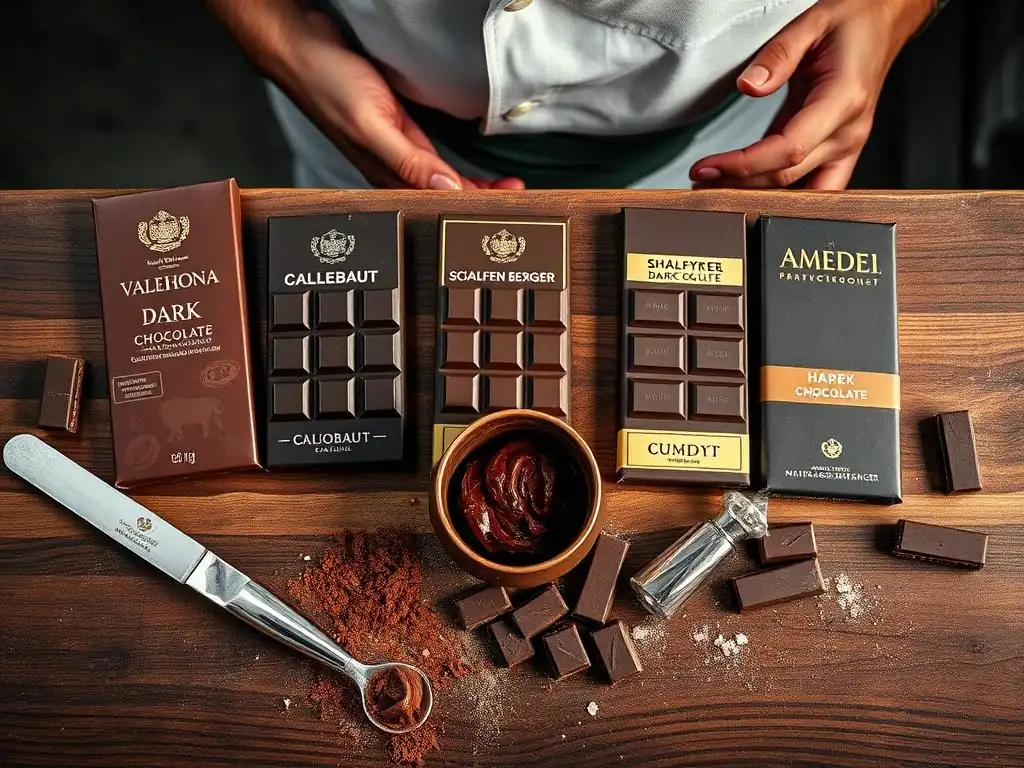
Comparing the flavor profiles of leading high quality chocolate baking brands reveals distinct characteristics that guide professional bakers' choices. Valrhona is often praised for its intense, complex, and nuanced flavors, particularly in its single-origin and high-percentage dark chocolates, which can exhibit notes ranging from red fruit and citrus to nuts and spices. Callebaut, while offering some origin options, is more known for its consistent, balanced, and classic chocolate flavor profile across its standard range, providing a reliable benchmark that pairs well with numerous ingredients without overpowering them.
Guittard offers a range that bridges traditional American baking flavors with more sophisticated notes, providing chocolates that are both comforting and complex, often with rich, fudgy undertones, especially in their darker varieties. Cacao Barry stands out for its exploration of diverse origin flavors and innovative profiles, offering options that can be more adventurous or pure, allowing for specific pairings and creative flavor combinations. Ultimately, the choice depends on the desired flavor outcome: Valrhona for intensity and complexity, Callebaut for consistent reliability, Guittard for classic richness, and Cacao Barry for diverse origins and innovation in high quality chocolate baking.
Melting Properties and Tempering: Ease of Use for Professionals
The melting properties and ease of tempering are critical technical considerations for professional bakers working with high quality chocolate baking ingredients, especially for applications like dipping, molding, and glazing. Couverture chocolates from brands like Valrhona, Callebaut, Guittard (specific lines), and Cacao Barry are formulated with high cocoa butter content, ensuring they melt smoothly and temper predictably when following correct temperature curves.
Callebaut and Cacao Barry, particularly with their callet format and viscosity indicators (drop system), are often perceived as being slightly more user-friendly and consistent for tempering in high-volume settings, making them excellent workhorses. Valrhona's high cocoa butter content also results in excellent fluidity and temper, yielding a beautiful shine and snap, though some chefs feel its specific crystal structures might require slightly more precise handling.
Guittard's professional lines also temper well, providing reliable results for various applications. The key is that all these brands, when handled correctly, offer significantly better melting and tempering performance than lower-quality chocolates or compound coatings, which are often unpredictable and difficult or impossible to temper properly.
Price Point and Accessibility: Balancing Quality and Cost
While all high quality chocolate baking brands represent an investment compared to standard grocery store options, there are variations in price point and accessibility among the top professional brands. Callebaut is often considered one of the more accessible professional-grade couverture chocolates in terms of both price per pound and availability through broader distribution networks and larger package sizes, making it a cost-effective choice for businesses with high chocolate usage.
Valrhona and Cacao Barry are typically at a higher price point, reflecting their focus on specific origins, unique flavor profiles, and often smaller batch production or specialized processing. Valrhona, in particular, is positioned as a premium, gourmet ingredient and is often found in specialty baking suppliers.
Guittard's pricing can vary depending on the product line, with their consumer-facing chips being more affordable than their professional couverture, bridging the gap between accessibility and high quality chocolate baking. Professionals balance the cost against the required quality for a specific product; a high-end truffle might justify the cost of Valrhona, while a large batch of chocolate chip cookies might be more economically made with Callebaut or Guittard wafers.
Which Chocolate Brand is Right for Your Baking Needs? (Recommendations Based on Baking Project)
Choosing the right high quality chocolate baking brand depends heavily on the specific baking project, desired flavor profile, budget, and technical requirements.
- For classic, reliable performance and broad appeal: Callebaut is an excellent choice, particularly its standard dark, milk, and white couverture callets (like 811NV, 823NV, W2NV). It's versatile for ganaches, mousses, everyday pastries, and tempering for general decoration.
- For intense, complex flavors and high-end pastries: Valrhona is ideal when the chocolate flavor needs to be the star. Use their single-origin chocolates (Manjari, Araguani) for specific flavor notes or their blends (Guanaja, Caraïbe) for deep, sophisticated chocolate taste in fine dining desserts, artisanal truffles, or signature cakes.
- For classic American-style baked goods (cookies, brownies) with superior quality: Guittard's baking chips and wafers (like Akoma 70% or Eureka Works 64%) are a top professional choice, offering better melting properties and flavor than standard chips while providing that comforting, classic chocolate element.
- For innovative desserts, specific origin flavors, or unique technical needs: Cacao Barry provides a wide array of origin chocolates and specialized products. Choose Cacao Barry when you want to experiment with distinct flavor pairings or require chocolate with very specific melting or setting characteristics for complex applications.
Ultimately, many professional kitchens use a combination of these high quality chocolate baking brands, selecting the best product from each for different purposes.
High-Quality Chocolate Recipes and Techniques for Professional Results
Mastering Chocolate Tempering for a Glossy Finish
Mastering chocolate tempering is a fundamental technique for professional bakers aiming for a glossy, snappy finish on molded chocolates, dipped items, or decorations. Tempering involves carefully melting and cooling high quality chocolate baking couverture to specific temperatures to control the crystallization of cocoa butter. When chocolate is properly tempered, the cocoa butter forms stable, uniform crystals (specifically, Form V beta crystals), resulting in a smooth texture, a shiny surface, and a clean snap when broken.
Using high-quality couverture chocolate is essential for successful tempering. Chocolates with sufficient cocoa butter (typically 32-39%) and without vegetable oil substitutes are the only ones that can be truly tempered. Methods include the traditional marble slab method, seeding (adding solid tempered chocolate to melted chocolate), or using a tempering machine.
For example, dark chocolate is typically melted to around 113-122°F (45-50°C), cooled while agitating to around 82-84°F (28-29°C) to encourage crystal formation, and then gently reheated to a working temperature of 88-91°F (31-32°C). Milk and white chocolate require slightly lower temperatures. Achieving the correct temperatures and consistent movement is key, and high quality chocolate baking makes this process significantly more reliable than with inferior products.
Creating rich, stable ganaches and airy, flavorful mousses relies heavily on the quality of the high quality chocolate baking ingredients used. A ganache, a simple emulsion of chocolate and cream, requires chocolate with a good proportion of cocoa butter to create a smooth, stable mixture that sets correctly. Using a premium couverture from brands like Callebaut or Valrhona ensures the ganache will have a luxurious texture and intense, clean chocolate flavor, free from waxiness or graininess often associated with lower-quality options.
For a classic dark chocolate ganache, a ratio of 1:1 cream to chocolate (by weight) is common for a pourable glaze, while 2:1 chocolate to cream creates a firmer ganache suitable for truffles or fillings. The high quality chocolate melts uniformly into the hot cream, and the cocoa butter helps create a stable emulsion. Similarly, in mousses, melted high quality chocolate baking is often folded into components like whipped cream, egg whites, or pastry cream.
The superior flavor intensity means less chocolate may be needed to achieve a rich taste, and the smooth texture contributes to a lighter, more refined mousse. Using a quality chocolate prevents the mousse from tasting greasy or having an unpleasant aftertaste.
Elevating Chocolate Cakes and Brownies with Superior Flavor
Elevating classic baked goods like chocolate cakes and brownies from good to exceptional is easily achieved by switching to high quality chocolate baking ingredients. While cocoa powder provides the primary chocolate flavor in many cake recipes, incorporating melted chocolate or chunks/chips of premium quality adds richness, moisture, and complexity that cocoa alone cannot provide.
For a chocolate cake, using a high-quality bittersweet or semi-sweet chocolate (like Callebaut 811NV or Guittard 64%) melted into the batter adds depth and fudginess. The higher cocoa butter content contributes to a moist crumb.
In brownies, chunks or wafers of a premium dark or milk chocolate (such as Valrhona Caraïbe or Guittard 70% chips) create pockets of molten, intensely flavorful chocolate that enhance the overall texture and taste significantly compared to standard chips. The nuanced flavors of high quality chocolate baking ingredients, whether fruity, nutty, or intensely cocoa, add layers of flavor that transform a simple recipe into a gourmet treat.
Tips for Working with High-Quality Chocolate in Different Baking Applications
Working with high quality chocolate baking couverture requires attention to detail to fully leverage its potential.
- Melting: Melt chocolate gently, either over a bain-marie (double boiler) on low heat, ensuring no water comes into contact with the chocolate, or in a microwave on low power (50% or less), stirring frequently. Avoid high heat, which can scorch the chocolate or cause it to seize.
- Tempering: Always temper couverture chocolate when you need a shiny, snappy finish for dipping, molding, or decorations. Follow specific temperature guidelines for dark, milk, and white chocolate, which vary slightly.
- Storage: Store high quality chocolate baking in a cool, dry place (ideally 55-65°F or 12-18°C) away from direct sunlight and strong odors. Do not store it in the refrigerator, as condensation can cause sugar bloom (a white, powdery surface) or fat bloom (a dull, streaky surface), although these primarily affect appearance, not flavor or melting properties for most baking applications.
- Pairing: Consider the flavor profile of the chocolate's origin or blend when pairing it with other ingredients. A fruity chocolate might go well with berries, while a nutty one could complement caramel or coffee flavors.
- Measuring: Use a scale for accuracy when measuring chocolate, especially in recipes that rely on precise ratios like ganaches or mousses.
Following these tips ensures that you maximize the performance and flavor of your high quality chocolate baking ingredients, leading to professional-level results.
Where to Buy High-Quality Chocolate for Baking (Retailers and Distributors)
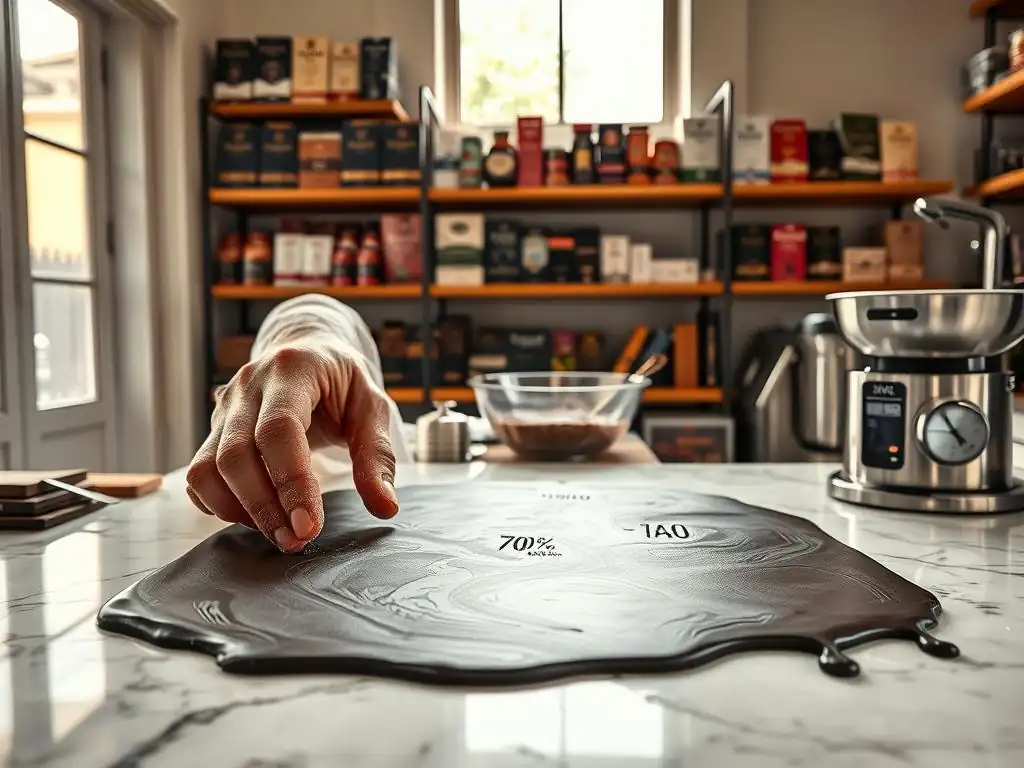
For bakers looking for convenient access to a wide selection of high quality chocolate baking brands, online retailers specializing in baking and pastry supplies are an excellent resource. Websites like King Arthur Baking Company, The Baker's Catalogue, or specialized chocolate suppliers often carry a broad range of professional couverture chocolates from brands like Valrhona, Callebaut, Guittard, and Cacao Barry in various formats (callets, blocks, wafers).
These online stores typically provide detailed product descriptions, including cocoa percentage, origin information, and suggested applications, helping bakers make informed choices. While shipping costs need to be considered, especially for larger quantities or during warm weather (requiring cold packs), online retailers offer unparalleled access to diverse high quality chocolate baking options that may not be available locally.
Local Chocolate Shops and Specialty Stores
Local artisanal chocolate shops and specialty food stores can also be valuable sources for high quality chocolate baking ingredients, particularly for smaller quantities or the opportunity to see and feel the product before purchasing. While their selection of bulk professional couverture may be limited compared to online distributors, many carry retail-sized bars or smaller bags of premium baking chocolate from renowned brands.
Shopping locally allows bakers to support small businesses and sometimes find unique or regional high quality chocolate baking products. It's worth calling ahead to see what brands and formats they stock, specifically asking for couverture or baking chocolate rather than eating bars, as the formulation can differ. Some higher-end kitchen supply stores may also carry a limited selection of professional-grade baking chocolate.
Professional Baking Supply Distributors
Professional baking supply distributors are the primary source for bakeries, restaurants, and high-volume users of high quality chocolate baking ingredients. These distributors, such as US Foods, Sysco (depending on location and account type), or specialty bakery suppliers like BakeMark or regional purveyors, carry large quantities of couverture chocolate in bulk formats (e.g., 5kg or 10kg bags/blocks) from leading brands like Callebaut, Valrhona, Guittard, and Cacao Barry.
Accessing these distributors typically requires a business account, but they offer the most competitive pricing per pound and the widest selection of product types and formats suitable for professional use. They also have established logistics for handling temperature-sensitive products. For serious home bakers or small businesses with significant volume, exploring options to purchase through or from a distributor can be the most cost-effective way to acquire high quality chocolate baking supplies.
Investing in High-Quality Chocolate: A Smart Choice for Serious Bakers
Investing in high quality chocolate baking ingredients offers significant long-term benefits for serious bakers, whether they are professionals or dedicated hobbyists. Firstly, it leads to consistently superior baked goods. The reliable performance, richer flavor, and better texture achieved with premium chocolate mean fewer failed batches and a higher standard of quality across all your creations. This consistency builds confidence and allows bakers to refine their skills without fighting against ingredient limitations.
Beyond the immediate results, using high quality chocolate baking ingredients contributes to efficiency. Chocolates that melt smoothly and temper reliably save time and reduce frustration in the kitchen. While the initial cost is higher, the improved yield (less waste from failed tempering or poor melting) and the ability to potentially use slightly less chocolate due to its intense flavor can help offset the expense over time. Ultimately, it's an investment in the quality of your craft and the enjoyment derived from truly exceptional baking.
Enhancing Customer Satisfaction and Building a Reputation for Excellence
For professional bakers, using high quality chocolate baking ingredients is paramount to enhancing customer satisfaction and building a strong reputation for excellence. Customers can taste the difference. A pastry made with premium couverture chocolate will have a more complex, appealing flavor and a more luxurious texture than one made with standard baking chips or compound chocolate. This superior quality translates directly into positive customer experiences.
When customers consistently enjoy delicious, well-made chocolate desserts from a bakery, they become loyal patrons and spread positive word-of-mouth. Highlighting the use of respected brands like Valrhona or Callebaut can also be a selling point, signaling quality and craftsmanship. Investing in high quality chocolate baking is not just about the ingredients themselves; it's about investing in the perception and reality of your brand as one that prioritizes quality and delivers exceptional culinary experiences.
Maximizing Profitability by Offering Superior Baked Goods
While high quality chocolate baking ingredients have a higher unit cost, they can ultimately contribute to maximizing profitability for a baking business. Superior baked goods command higher prices. A gourmet chocolate cake or a box of artisanal truffles made with premium couverture can be priced significantly higher than standard offerings, and customers are often willing to pay more for perceivably higher quality.
Furthermore, the reduced waste from reliable ingredients and the efficiency gained from working with predictable materials (like chocolate that tempers perfectly) can lower overall production costs compared to dealing with the inconsistencies of cheaper alternatives. By focusing on quality and offering products that stand out, professional bakers can attract a clientele willing to pay for excellence, thereby increasing revenue and improving profit margins, making the initial investment in high quality chocolate baking a smart financial decision in the long run.
Frequently Asked Questions
Why is using high-quality chocolate important in baking?
High-quality chocolate contributes significantly to the final flavor profile and texture of baked goods. It offers a richer, more complex taste and melts more smoothly, leading to a superior end product.
What are some indicators of high-quality chocolate?
Look for chocolate with a high cocoa butter content, a smooth, glossy appearance, and a noticeable snap when broken. Check the ingredient list for minimal additives.
How does high-quality chocolate impact the overall texture of baked goods?
The superior fat content and cocoa butter in high-quality chocolate contribute to a moister, more tender crumb in cakes and a smoother, creamier texture in ganaches and fillings.
Is high-quality chocolate always more expensive, and is it worth the investment?
Yes, high-quality chocolate typically costs more due to the quality of the cocoa beans and the processing methods. However, the enhanced flavor and texture make it a worthwhile investment for professional results.
Can I substitute lower-quality chocolate in a recipe that calls for high-quality chocolate?
While possible, substituting may result in a noticeable difference in taste and texture. You may need to adjust the recipe to compensate for the different fat content and sweetness levels.
Final Reflection: The Enduring Allure of High-Quality Chocolate in Baking
The pursuit of exceptional baked goods hinges on the quality of ingredients, and nowhere is this more evident than in the choice of chocolate. A seemingly small detail, the type of chocolate used elevates a simple cake to a masterpiece, transforming a humble brownie into an unforgettable experience. This isn't merely about indulgence; it's about the fundamental building blocks of flavor, texture, and overall culinary artistry.
The impact of high-quality chocolate extends far beyond the individual baker; it ripples through the entire culinary landscape. It influences trends, inspires innovation, and shapes consumer expectations. The dedication to sourcing the finest cacao beans, employing meticulous production methods, and crafting unique flavor profiles reflects a commitment to excellence that resonates with both professional and home bakers alike. The best chocolate is not just about taste; it's about the story it tells, the journey from bean to bar.
This sentiment underscores the deeper connection between the ingredient and the final product, a connection that elevates baking from a task to an art form.
Now, consider your own baking. What role does chocolate play in your creations? Do you prioritize quality, seeking out specific brands and origins? I encourage you to explore the world of high-quality chocolate, to experiment with different varieties, and to experience firsthand the transformative power of this remarkable ingredient. The next time you bake, remember that the choice of chocolate is not just a detail; it's a statement of your commitment to excellence and a testament to the artistry of baking. Let the rich, complex flavors of high-quality chocolate inspire your next culinary adventure.
Unlock Your Baking Potential: Elevate Your Chocolate Game!
Thanks for diving into the world of premium chocolate with us! We hope you now appreciate the significant impact high-quality chocolate has on your baking. Ready to take your creations to the next level?
- Experiment with a new brand: Try a dark chocolate you've never used before and see how it transforms your favorite recipe. This is your chance to discover your new go-to!
- Share your experience: Tell us (and other bakers!) about your chocolate journey! What brand are you most excited to try?
- Challenge yourself: Bake something completely new using your newfound knowledge of premium chocolate. What delicious creation will you conjure up?
What unexpected flavor combinations are you going to explore with your newfound chocolate expertise?