
Where to Find HighQuality Baking Chocolate: Sources and Tips

Welcome to BakeWithEase, your haven for all things baking!
Discover the secrets to creating unforgettable desserts, starting with the very foundation: high-quality baking chocolate. Are you ready to elevate your baking game? Dive into our guide, "Where to Find High-Quality Baking Chocolate: Sources and Tips," and unlock the potential of premium ingredients. Learn where to source the best baking chocolate and how it can transform your next creation. What makes a truly exceptional chocolate, and where can you find it? Let's explore together!
- Mastering Baking with the Best Chocolate: A Guide
- Understanding Baking Chocolate Quality: What to Look For
- Top Online Retailers for Premium Baking Chocolate
- Brick-and-Mortar Stores: Finding Quality Baking Chocolate Locally
- Types of Baking Chocolate and Their Best Uses
- Tips for Working with High-Quality Baking Chocolate
- Elevate Your Baking with Premium Chocolate: Recommendations
-
Frequently Asked Questions
- What are the key factors to consider when choosing baking chocolate?
- Where can I find reliable sources for high-quality baking chocolate?
- What are some tips for storing baking chocolate properly?
- How does cocoa percentage affect the taste and use of baking chocolate?
- Can I substitute different types of baking chocolate in a recipe?
- Final Reflection: The Sweet Science of Sourcing Superior Chocolate
- Unleash Your Inner Chocolatier: Elevate Your Baking!
Mastering Baking with the Best Chocolate: A Guide
This guide helps you discover the best baking chocolate sources and provides essential tips for using high-quality chocolate to elevate your baking creations. Learn where to find premium baking chocolate and how to choose the right type for your recipes. Finding the best baking chocolate sources tips can truly transform your baked goods from good to extraordinary.
Understanding Baking Chocolate Quality: What to Look For
Cocoa Content and Its Impact on Flavor
The percentage of cocoa listed on a chocolate bar or package refers to the total amount of cocoa bean derivatives it contains, including cocoa solids (the dry, non-fat part) and cocoa butter (the fat). This percentage is a primary indicator of the chocolate's intensity and sweetness. A higher cocoa percentage generally means a less sweet, more intensely chocolatey flavor, while a lower percentage indicates more sugar and often more milk solids (in milk chocolate).
For instance, a chocolate labeled 70% cocoa will be significantly less sweet and more robust than a chocolate labeled 55%. Understanding these percentages is crucial for achieving the desired flavor balance in your recipes, whether you're making a rich dark chocolate cake or delicate chocolate chip cookies.
Beyond flavor intensity, cocoa content also impacts texture. Cocoa butter, the natural fat extracted from the cocoa bean, is key to chocolate's smooth melt-in-your-mouth quality. Higher-quality baking chocolates often contain a generous amount of cocoa butter, contributing to a luxurious texture when melted and a pleasing snap when solid.
Conversely, chocolates with lower cocoa butter content or those that substitute other fats (like vegetable oil) may melt poorly, feel waxy, or lack that desirable snap. Aiming for chocolates where cocoa butter is a prominent ingredient, especially in higher cocoa percentage options, is a reliable tip for selecting the best baking chocolate.
Ingredient Lists: Identifying High-Quality Ingredients
A quick look at the ingredient list can tell you a lot about the quality of baking chocolate. High-quality chocolate typically has a short and simple list: cocoa beans (or cocoa mass/liquor), sugar, cocoa butter, and sometimes lecithin (an emulsifier, usually soy or sunflower) and vanilla. The order matters; cocoa ingredients should be listed first, indicating they are the primary components.
Be wary of ingredient lists that start with sugar, or include hydrogenated oils, artificial flavors, or excessive stabilizers. These additives are often used to cut costs or simplify processing but can compromise the flavor, texture, and overall performance of the chocolate in baking.
For example, a premium dark chocolate bar might list Cocoa beans, sugar, cocoa butter, vanilla extract. An ingredient list for a lower-quality baking chip might read Sugar, vegetable oil (hydrogenated palm kernel, palm, coconut), cocoa processed with alkali, soy lecithin, artificial flavor. The difference in ingredients directly translates to a difference in taste and how the chocolate behaves when melted or baked. Prioritizing chocolates with minimal, natural ingredients is one of the best baking chocolate sources tips for ensuring pure flavor and superior results.
The Importance of Origin and Bean Type
Just like coffee or wine, the origin of cocoa beans significantly influences the final flavor of the chocolate. Different regions boast unique terroir – the combination of climate, soil, and growing conditions – which imparts distinct characteristics to the beans. For instance, cocoa from Madagascar is often noted for its bright, fruity, and sometimes citrusy notes, while beans from Ecuador might yield floral or nutty undertones.
Venezuelan cocoa is frequently praised for its complex, balanced flavor profile, often described as having notes of caramel and nuts. Exploring single-origin chocolates can introduce fascinating nuances to your baking, allowing you to pair specific flavor profiles with certain desserts.
Beyond geographical origin, the type of cocoa bean also plays a role. The three main varieties are Criollo, Forastero, and Trinitario. Criollo beans, often considered the "king of cocoa," are rare and prized for their complex, aromatic, and less bitter flavors, though they can be delicate. Forastero is the most common and robust variety, providing the classic chocolate flavor profile.
Trinitario is a hybrid, offering a balance of robustness and finer flavors. Many baking chocolates use blends of these beans to achieve a consistent flavor profile, but some premium options highlight specific bean types or single origins. Understanding these factors helps you make informed choices when seeking the best baking chocolate sources tips for unique flavors.
Exploring Specialty Chocolate Shops Online
Specialty online chocolate shops are fantastic resources for finding high-quality baking chocolate that you might not encounter in your local supermarket. These retailers often curate selections from artisanal chocolate makers, including bean-to-bar producers and esteemed European brands.
Here, you can discover single-origin chocolates from specific farms, unique cocoa percentages, and different formats like fèves (small, oval pieces) or callets (small discs) that are ideal for melting and tempering due to their uniform size. While prices might be higher than standard grocery store options, the quality and unique flavor profiles available can significantly elevate your baking projects, making them a valuable place to explore for the best baking chocolate.
One of the key benefits of shopping at specialty online stores is access to expert knowledge and detailed product descriptions. Many sites provide information about the cocoa bean origin, flavor notes, suggested uses, and even the chocolate-making process. This level of detail empowers you to make informed decisions based on your specific baking needs and desired flavor outcomes. Furthermore, these shops often have higher turnover of premium products, ensuring freshness. When seeking the best baking chocolate sources tips for unique and high-performance options, starting with reputable online specialty retailers is a smart move.
Online Marketplaces: A Convenient Source for Baking Chocolate
Large online marketplaces offer unparalleled convenience and a vast selection of baking chocolate options, ranging from widely recognized commercial brands to some higher-end and imported varieties. Their extensive inventories mean you can often find several different types and brands of baking chocolate in one place, making it easy to compare prices and availability.
The sheer volume of sellers can sometimes lead to competitive pricing, and faster shipping options are often available, which is particularly helpful if you need quality chocolate for an impromptu baking session. While vetting seller reputation is wise, these platforms are a convenient part of the best baking chocolate sources tips for many bakers.
However, while selection is broad, the quality and freshness can vary more widely compared to dedicated specialty shops. It's important to read product descriptions carefully, check expiration dates if listed, and look for reviews from other bakers. Brands that specialize in baking chocolate are often a safer bet than general confectionery brands. Leveraging search filters for terms like "baking chocolate," "couverture chocolate," or specific cocoa percentages can help narrow down the options and find quality products amidst the vast offerings, making online marketplaces a practical, albeit sometimes overwhelming, resource.
Direct from the Source: Buying Directly from Chocolate Makers
Purchasing baking chocolate directly from the chocolate maker is an excellent way to support small businesses and bean-to-bar producers. Many artisanal chocolate makers sell their products, including baking-specific formats like blocks or pistoles, through their own websites. Buying direct often means you're getting the freshest possible chocolate, as it hasn't spent time sitting in a distributor's warehouse or on a retail shelf. This direct connection also allows you to learn more about the chocolate-making process, the origin of the beans, and the philosophy behind the brand, adding a layer of appreciation to your baking.
Buying direct also sometimes provides access to products not available through other retailers, such as limited-edition batches or different formats specifically geared towards professional or serious home bakers. While minimum order requirements or higher shipping costs might apply compared to larger retailers, the quality, freshness, and the satisfaction of supporting a craft chocolate maker can be well worth it. For those serious about finding the absolute best baking chocolate sources tips and understanding the provenance of their ingredients, buying direct is a highly rewarding option.
Brick-and-Mortar Stores: Finding Quality Baking Chocolate Locally
Specialty Food Stores and Gourmet Markets
Specialty food stores and gourmet markets are local treasures for finding high-quality baking chocolate. These establishments often curate selections of artisanal and imported food products, including premium chocolates that are specifically formulated for baking. You might find brands known for their couverture chocolate (chocolate with extra cocoa butter, ideal for tempering and coating), single-origin bars, or unique flavored baking chocolates. Shopping in person allows you to read labels carefully, check the condition of the chocolate (it should be smooth, not bloomed), and sometimes even feel the weight and quality of the packaging.
The staff at specialty food stores are often knowledgeable about their products and can offer recommendations based on your baking needs, whether you're making truffles, a mousse, or a complex pastry. While the selection might not be as vast as large online marketplaces, the quality is typically higher than standard supermarkets, and you get the benefit of supporting a local business. Exploring these stores is a valuable part of discovering the best baking chocolate sources tips within your community, offering a tangible connection to quality ingredients.
Local Chocolate Shops and Confectioners
Visiting a local chocolate shop or confectioner can be a delightful experience and a surprising source for quality baking chocolate. Many chocolatiers use high-quality couverture chocolate in their own creations and may sell it in various forms, such as blocks, callets, or even their own unique blends specifically designed for melting and baking. These shops often have direct relationships with chocolate suppliers or makers, ensuring the chocolate is fresh and handled properly. It's worth asking if they sell their base chocolate or have recommendations for baking purposes.
Getting personalized recommendations from a local chocolate expert is an invaluable benefit. They understand the nuances of different chocolates and how they perform in various applications. They might suggest a specific origin for its flavor profile or a particular brand known for its excellent melting properties. Supporting these local businesses also keeps craft expertise alive in your community. For unique insights and potentially exclusive local blends, including local chocolate shops in your search for the best baking chocolate sources tips is highly recommended.
Supermarket Options: Widely Available Baking Chocolate
While supermarkets may not always stock the most artisanal or rare baking chocolates, they are the most convenient and widely available source, and you can still find good quality options if you know what to look for. Many major chocolate manufacturers offer baking-specific lines, and within these lines, some products stand out.
Look for options with higher cocoa percentages (e.g., 60% or 70% dark chocolate bars or chips) and check the ingredient list for minimal additives, prioritizing cocoa ingredients over sugar or vegetable oils. Brands that specialize more in chocolate than general confectionery often produce better quality baking products available in supermarkets.
Comparing prices and sizes across different supermarket brands is easy, allowing you to find value. While the selection might be limited compared to specialty stores, supermarkets are reliable for staples like semisweet chips or unsweetened chocolate. For instance, a common grocery store might carry a 70% dark chocolate bar from a reputable brand alongside standard baking chips. Recognizing these better-quality options within the supermarket aisle is a practical tip for finding good baking chocolate when convenience is key, making the supermarket a necessary part of discussing the best baking chocolate sources tips for everyday needs.
Types of Baking Chocolate and Their Best Uses
Unsweetened Chocolate: For Intense Chocolate Flavor
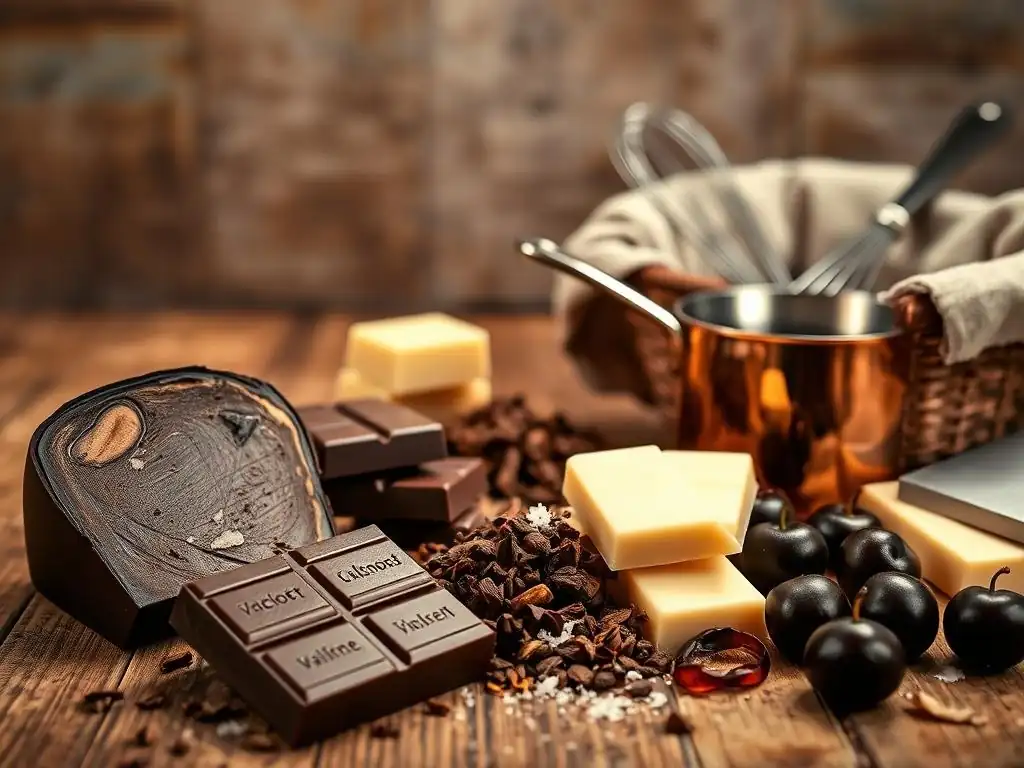
Unsweetened chocolate, also known as baking chocolate or bitter chocolate, contains nearly 100% cocoa solids and cocoa butter with no added sugar. It is intensely bitter and provides the purest, most concentrated chocolate flavor. Because it contains no sugar, it requires the baker to add the sweetener separately, offering precise control over the sweetness level of the final product. This type of chocolate is essential for recipes where a deep, robust chocolate foundation is desired, and you want to balance the bitterness with other sweet ingredients.
This potent chocolate is ideal for rich, fudgy baked goods like classic brownies, dense chocolate cakes, and certain types of chocolate cookies. It's also often used in sauces, custards, and frostings where its strong flavor can stand up to other ingredients.
When substituting other chocolates for unsweetened, you'd need to significantly adjust the sugar content of the recipe, which is why it's best to use unsweetened chocolate when a recipe specifically calls for it to achieve the intended depth of flavor. It's a key component for achieving truly decadent results and a must-have when seeking the best baking chocolate sources tips for intense flavor.
Semisweet Chocolate: A Versatile Baking Staple
Semisweet chocolate is one of the most widely used types of baking chocolate, known for its balanced flavor profile that falls between bittersweet and milk chocolate. It typically contains between 35% and 60% cocoa solids, with a significant amount of added sugar. This balance of cocoa flavor and sweetness makes it incredibly versatile, suitable for a vast array of baking applications. Semisweet chocolate chips are perhaps the most iconic form, a staple in countless cookie recipes.
Beyond chips, semisweet chocolate is excellent for melting into batters, making glazes, or incorporating into doughs for muffins, scones, or breads. Its moderate sweetness level means it complements rather than overwhelms other flavors in a recipe. It's a reliable choice for everything from chocolate bark and dipped strawberries to swirling into cheesecakes or creating a simple chocolate sauce. Its versatility makes it a cornerstone when discussing the best baking chocolate sources tips for general baking needs.
Bittersweet Chocolate: For a Balanced Sweetness
Bittersweet chocolate is similar to semisweet but typically contains a higher percentage of cocoa solids, usually ranging from 60% to 80% or even higher. This higher cocoa content results in a less sweet, more complex flavor with pronounced chocolate notes. While still containing sugar, the reduced amount allows the inherent flavors of the cocoa beans to shine through, offering a more sophisticated taste profile compared to semisweet chocolate. It provides a good balance between intensity and sweetness, making it a favorite for many professional bakers.
This type of chocolate is particularly well-suited for recipes where you want a strong, but not overpowering, chocolate presence. It's excellent for making classic chocolate ganache, rich chocolate mousses, dark chocolate truffles, and sophisticated tarts. Bittersweet chocolate also melts beautifully, making it a good choice for tempering for dipping or molding. Its depth of flavor makes it a premium option when exploring the best baking chocolate sources tips for more refined desserts.
Milk Chocolate: A Sweet and Creamy Option
Milk chocolate is characterized by the addition of milk solids (like milk powder or condensed milk) and a lower cocoa solid percentage, typically ranging from 10% to 40%. It contains the most sugar among the common baking chocolates, resulting in a distinctly sweet, creamy, and mellow flavor. The presence of milk solids also gives it a softer texture compared to dark chocolates. While some purists might overlook it for "serious" baking, it has its place and is beloved for its comforting, familiar taste.
Milk chocolate is perfect for recipes where a sweeter, creamier chocolate flavor is desired, such as in certain types of cookies (like triple chocolate cookies), fudge, sweet sauces, or as a coating for candies and pastries where a less intense flavor is preferred. High-quality milk baking chocolate will still have a good amount of cocoa butter and cocoa solids listed early in the ingredients. It's a great option for adding sweetness and a smooth texture, rounding out the discussion of the best baking chocolate sources tips for different flavor preferences.
White Chocolate: A Unique and Versatile Ingredient
Technically not a "chocolate" in the traditional sense as it contains no cocoa solids, white chocolate is made from cocoa butter, sugar, milk solids, and often vanilla. High-quality white chocolate must contain a significant percentage of cocoa butter (often 20% or more) to have that desirable creamy texture and melt. Lower quality versions may substitute cocoa butter with other vegetable fats, resulting in a waxy mouthfeel. Its flavor is rich, creamy, and sweet, carrying notes of vanilla and milk.
White chocolate is incredibly versatile in baking. It melts smoothly and can be used in ganaches, mousses, and sauces. It's excellent for adding sweetness and a creamy counterpoint to tart or fruity flavors in desserts like raspberry tarts or lemon bars. It's also commonly used in cookies, blondies, and as a decorative element or coating. Its ability to pair well with a wide range of flavors makes it an essential component when exploring the full spectrum of the best baking chocolate sources tips.
Tips for Working with High-Quality Baking Chocolate
Tempering Chocolate: Achieving a Smooth and Shiny Finish
Tempering chocolate is the process of carefully melting and cooling chocolate to specific temperatures to stabilize the cocoa butter crystals. This results in chocolate that is smooth, shiny, snaps cleanly when broken, and resists blooming (the formation of grayish streaks or patches on the surface). Tempering is crucial when you're using chocolate for dipping, coating, molding candies, or creating decorative elements, as untempered chocolate will be dull, soft, and prone to melting easily at room temperature. Achieving proper temper is a key skill when working with the best baking chocolate.
There are several methods for tempering chocolate, each with its own advantages. The seeding method involves melting most of the chocolate and then stirring in finely chopped, untempered chocolate to introduce stable crystals. The tabliering method (or marble slab method) involves pouring melted chocolate onto a cool surface and working it with a scraper until it starts to thicken, then gently reheating.
Using a chocolate tempering machine offers the most precise temperature control. Regardless of the method, understanding the target temperatures for dark (around 88-92°F / 31-33°C), milk (around 86-88°F / 30-31°C), and white chocolate (around 84-86°F / 29-30°C) is vital for success.
Melting Chocolate: Preventing Seizing and Burning
Melting chocolate requires gentle, even heat to prevent it from seizing or burning. Seizing occurs when even a tiny amount of water or steam comes into contact with melting chocolate, causing it to instantly clump into a thick, unusable mass. Burning happens when chocolate is exposed to direct, high heat, resulting in a dry, grainy texture and an unpleasant bitter flavor.
Using a double boiler is a classic and reliable method: place the chocolate in a heatproof bowl set over a pot of simmering (not boiling) water, ensuring the bottom of the bowl doesn't touch the water. Stir frequently until smooth.
Alternatively, the microwave can be used, but with caution. Chop the chocolate finely and heat it in short bursts (15-30 seconds), stirring thoroughly after each interval, even if it doesn't look melted. Residual heat will continue to melt the chocolate. Stop heating when only a few small lumps remain and stir until completely smooth.
Avoid covering the bowl in the microwave, as condensation can cause seizing. While seizing can sometimes be rescued by stirring in a tablespoon of hot fat (like melted butter or vegetable oil), prevention is always easier. Proper melting techniques are fundamental tips for working with the best baking chocolate.
Storing Baking Chocolate: Maintaining Freshness and Flavor
Proper storage is essential to keep high-quality baking chocolate fresh and prevent quality degradation. Chocolate should be stored in a cool, dark, and dry place, away from direct sunlight, heat sources, and strong odors. An ideal temperature range is typically between 60°F and 70°F (15°C and 21°C). Avoid storing chocolate in the refrigerator or freezer if possible, as temperature fluctuations and humidity can cause condensation, leading to sugar bloom (a white, powdery surface layer) and potentially affecting texture and flavor.
Ensure the chocolate is wrapped tightly in its original packaging or transferred to an airtight container after opening. Chocolate can absorb odors from its surroundings (like garlic or spices), so keeping it well-sealed is crucial. While blooming (fat or sugar) doesn't render the chocolate unsafe to eat, it indicates the cocoa butter crystals are unstable or sugar has crystallized on the surface due to improper storage. This can affect its melting properties and appearance, especially in applications like tempering. Following simple storage guidelines helps maintain the quality you invested in when finding the best baking chocolate sources tips.
This guide is designed to help you find the best baking chocolate for your needs. By understanding the different types of chocolate, exploring various sources, and following our tips for working with chocolate, you can elevate your baking creations to new heights. Happy baking!
Frequently Asked Questions
What are the key factors to consider when choosing baking chocolate?
When selecting baking chocolate, focus on cocoa percentage, which impacts the intensity and bitterness. Also, consider the ingredient list, aiming for pure chocolate with minimal additives, and the intended use (e.g., melting, baking).
Where can I find reliable sources for high-quality baking chocolate?
Look for reputable chocolate specialty shops, well-stocked grocery stores with baking sections, and reliable online retailers that specialize in baking ingredients. Check reviews and ratings before purchasing online.
What are some tips for storing baking chocolate properly?
Store baking chocolate in a cool, dry place away from direct sunlight and strong odors. Wrap it tightly in airtight packaging to prevent bloom (a white coating that doesn't affect taste but can affect appearance).
How does cocoa percentage affect the taste and use of baking chocolate?
Higher cocoa percentages result in a more intense, bitter flavor and are best for recipes where a strong chocolate flavor is desired. Lower percentages are sweeter and suitable for milk chocolate or recipes requiring a milder taste.
Can I substitute different types of baking chocolate in a recipe?
While possible, substitutions can affect the outcome. Consider the cocoa percentage and sugar content of the original and substitute chocolate. Adjust the recipe accordingly to maintain the desired flavor and texture.
Final Reflection: The Sweet Science of Sourcing Superior Chocolate
The pursuit of the perfect bake often hinges on a single, crucial ingredient: high-quality baking chocolate. Finding the right source, however, can feel like searching for a mythical cocoa bean. This article has explored various avenues, from specialty shops to online retailers, highlighting the nuances that separate truly exceptional chocolate from the merely acceptable. The quest for superior flavor and texture is, ultimately, a quest for excellence in the culinary arts.
The impact of readily available, high-quality chocolate extends far beyond the individual baker. It influences the entire culinary landscape, inspiring creativity and elevating the standards of desserts worldwide. The simple act of selecting a specific bar can transform a recipe, adding depth and complexity that elevates the entire experience. As renowned pastry chef Jacques Torres once said, Chocolate is more than just an ingredient; it's an emotion, a memory, a feeling.
This sentiment underscores the profound connection between the source of our chocolate and the final product, impacting not only taste but also the emotional resonance of our creations.
Now, consider your own baking journey. What have you learned about the importance of sourcing the best ingredients? Perhaps this exploration has inspired you to venture beyond your usual supermarket aisle, to seek out a local chocolatier or explore the diverse offerings of online specialty stores. I encourage you to embark on your own chocolate adventure, to experiment with different origins and percentages, and to discover the unique magic that lies within each carefully selected bar. The reward? A deeper appreciation for the art of baking and, of course, incredibly delicious results.
Unleash Your Inner Chocolatier: Elevate Your Baking!
Thanks for taking the time to explore the world of high-quality baking chocolate with us! We hope you now feel confident in your ability to choose the perfect chocolate for your next baking masterpiece. Ready to put your newfound knowledge into practice?
- Embrace the rich flavor: Start your next baking project with your newly discovered favorite brand of baking chocolate. Let us know how it turns out!
- Share your chocolate journey: Post a picture of your creation on social media using #BakeWithEaseChocolate and tag us! Let's inspire each other.
- Dive deeper into chocolate: Explore our other articles on baking techniques and recipes to unlock even more delicious possibilities.
What's your favorite way to use high-quality baking chocolate? Share your tips and recipes in the comments below!