
Identifying Fake vs. Real HighQuality Baking Chocolate

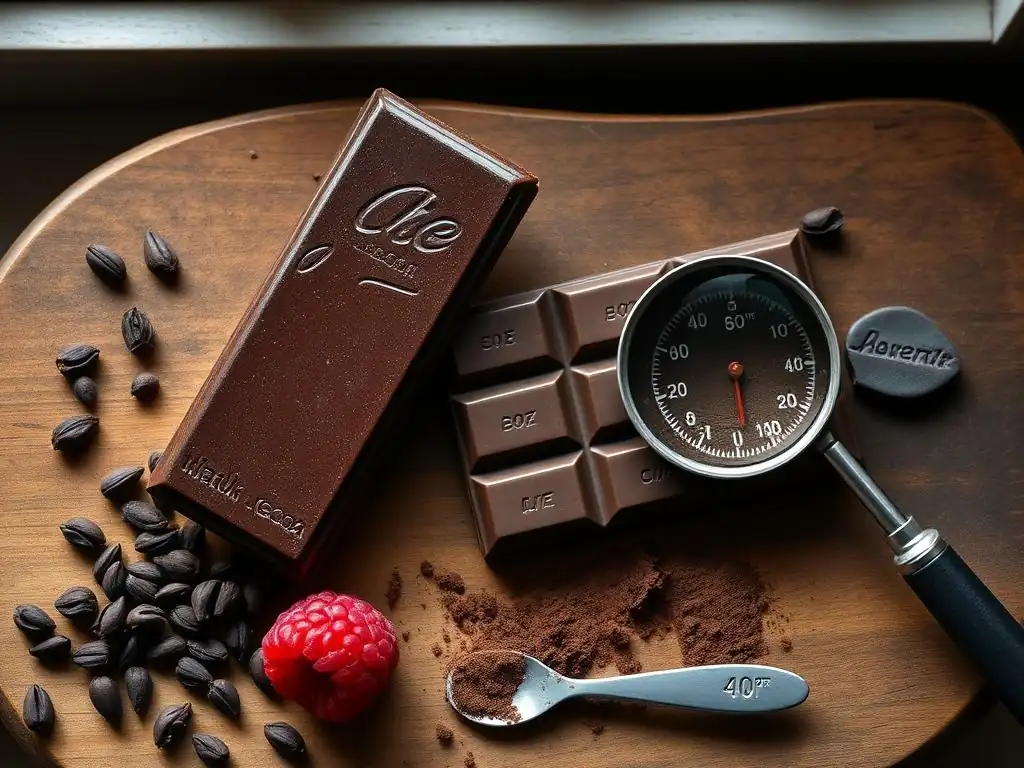
Welcome to BakeWithEase, where baking becomes a joy, not a chore! Are you ready to elevate your desserts from good to extraordinary? This week, we're diving deep into the world of premium baking ingredients, specifically, how to ensure you're using the real deal when it comes to high-quality chocolate. Ever wondered if that seemingly luxurious chocolate bar is truly worth its price?
Uncover our essential " Real chocolate quality testing tips" and avoid common pitfalls that could be sabotaging your baking masterpieces. Learn how to discern authentic flavors and textures, ensuring your creations are rich, decadent, and undeniably delicious. Ready to become a chocolate connoisseur? Let's get started!
- Identifying High-Quality Baking Chocolate
- Understanding Chocolate Quality: A Baker's Guide
- Chocolate Quality Testing Tips: Your Essential Checklist
- Identifying Lower Quality Chocolate: Common Indicators and Red Flags
- Recommended High-Quality Baking Chocolate Brands
- Choosing the Right Chocolate for Your Baking Needs: A Decision Guide
- Maximizing Your Investment in High-Quality Baking Chocolate
- Exploring Different Forms of Chocolate
- Chocolate Quality and Health Benefits: A Brief Overview
- Conclusion: Elevating Your Baking with Quality Chocolate
-
Frequently Asked Questions
- What are some initial visual cues to distinguish real from fake baking chocolate?
- How does the snap of real chocolate indicate its quality?
- What role does the ingredient list play in identifying real chocolate?
- How can the melting behavior of chocolate help determine its quality?
- Does the aroma of baking chocolate provide any clues about its authenticity?
- Final Reflection: The Enduring Quest for Authentic Chocolate
- Unlock Your Baking Potential: Master the Art of Chocolate Selection
Identifying High-Quality Baking Chocolate
Understanding Chocolate Quality: A Baker's Guide
Why Quality Chocolate Matters for Baking
Using high-quality chocolate in your baking isn't just about snobbery; it fundamentally impacts the outcome of your baked goods. Premium chocolate, rich in cocoa butter and cocoa solids, melts smoothly, incorporates beautifully into batters and ganaches, and provides a depth of flavor that cheaper alternatives simply cannot replicate.
Think of the difference between a simple chocolate chip cookie made with generic chips versus one made with couverture chocolate wafers – the texture, the melt-in-your-mouth quality, and the intensity of the chocolate flavor are worlds apart. Ingredients like cocoa butter contribute to the chocolate's structure, gloss, and smooth mouthfeel, while cocoa solids carry the complex flavors that vary depending on the bean's origin and processing.
Moreover, the quality of chocolate directly affects its performance during crucial baking steps like tempering. High-quality chocolate, with its consistent composition and higher cocoa butter content (often 30% or more for good baking chocolate), tempers reliably, resulting in a stable, shiny finish and a satisfying snap – essential for confections, dipped items, and decorations.
Lower-quality chocolates, often containing vegetable oils or less cocoa butter, can be notoriously difficult or impossible to temper correctly, leading to dull, streaky, and soft chocolate that quickly melts at room temperature. Investing in quality chocolate saves frustration and elevates your baking from good to exceptional.
The Impact of Genuine Chocolate on Baked Goods
Genuine, high-quality chocolate transforms baked goods by delivering authentic, nuanced flavors that are far more complex than just 'sweet' or 'chocolatey'. When you use chocolate made from fine cocoa beans and minimal additives, you taste the terroir – hints of fruit, nuts, spice, or floral notes depending on the origin (like the distinct acidity of a Madagascan bean or the deep richness of a Venezuelan one).
This complexity adds layers to your cakes, brownies, and sauces, making them memorable. For instance, using a quality 70% dark chocolate in a brownie recipe will yield a rich, fudgy texture and an intense, lingering chocolate flavor, whereas a compound chocolate might produce a greasy texture and a flat, overly sweet taste.
Beyond flavor, genuine chocolate significantly impacts texture. The high cocoa butter content in quality chocolate contributes to a creamy, smooth mouthfeel when melted into batters or sauces. In solid form, like chocolate chips or chunks, it melts slowly and luxuriously in your mouth, unlike lower-quality alternatives that might feel waxy or grainy due to hydrogenated oils or excessive sugar.
A classic example is a molten chocolate cake; its success hinges on the quality of the chocolate used, which provides the necessary richness and smooth, flowing center. These real chocolate quality testing tips, particularly focusing on melt and taste, help you predict how the chocolate will behave and taste in your final product.
Chocolate Quality Testing Tips: Your Essential Checklist
Visual Inspection: Spotting the Difference
The first step in assessing chocolate quality often begins before you even open the package. A quick visual check of the chocolate's appearance can reveal a lot about its quality and how it has been stored. High-quality chocolate, when properly tempered and stored, should look appealing and uniform. Look for signs of blooming, which can indicate improper tempering or storage, though it doesn't necessarily mean the chocolate is unusable, just that its texture and melt might be affected.
Color Examination: Richness and Depth
High-quality chocolate, especially dark chocolate, typically exhibits a deep, rich, and consistent color. Dark chocolate should range from a deep reddish-brown to almost black, depending on the cocoa percentage and roast. Milk chocolate should be a warm, even brown, and white chocolate should be a creamy ivory or pale yellow, not stark white (which can indicate artificial color or flavor).
Avoid chocolate that looks pale, streaky, or has inconsistent coloring, as this can suggest poor mixing of ingredients or the presence of excessive fillers. For example, a dark chocolate with a high cocoa percentage like 80% should have a significantly deeper color than a 55% dark chocolate.
Surface Texture: Smoothness and Sheen
A hallmark of well-tempered, quality chocolate is a smooth, glossy, and unblemished surface. It should reflect light slightly, indicating that the cocoa butter crystals have aligned correctly during cooling. There should be no dull spots, streaks, or powdery residue (unless it's intentionally textured, like some artisanal bars). A dull surface or white/grayish film (fat bloom) can signal storage issues or improper tempering. These visual cues are among the simplest real chocolate quality testing tips you can perform immediately.
The Snap Test: A Crucial Chocolate Quality Check
One of the most satisfying and revealing real chocolate quality testing tips is the snap test. This physical test provides insight into the chocolate's temper and its composition, particularly the presence and state of cocoa butter. It's a quick way to distinguish between properly made chocolate and inferior imitations.
How to Perform the Snap Test Correctly
To perform the snap test, hold a piece of chocolate (a bar or a large wafer is ideal) between your thumb and forefinger and break it firmly. Listen closely and observe the break. The chocolate should not bend or crumble easily. For dark chocolate, the snap should be particularly pronounced and clean. Milk and white chocolate, having lower cocoa solids and more milk/sugar, will have a slightly less sharp snap, but should still break cleanly rather than bending or feeling rubbery.
Understanding the Sound: Crispness and Clean Break
A sharp, crisp snap is the sound of well-tempered cocoa butter crystals breaking. It indicates that the chocolate was properly cooled and solidified, resulting in a stable structure. The break line should be clean and relatively straight, not jagged or crumbly. If the chocolate bends significantly before breaking, or if it crumbles messily, it suggests that the cocoa butter is not properly crystallized (poor temper) or that the chocolate contains non-cocoa butter fats (like vegetable oils) which interfere with the snap. This test is a fundamental part of real chocolate quality testing tips for professionals and home bakers alike.
The Melt Test: Revealing the True Nature of Chocolate
The way chocolate melts is a direct indicator of its quality, particularly its cocoa butter content and smoothness. Cocoa butter melts just below body temperature, which is why high-quality chocolate feels so luxurious and melts smoothly on the tongue or in your hand.
Melting Chocolate: A Simple Home Test
You can perform a simple melt test at home using just your fingers. Hold a small piece of chocolate between your thumb and forefinger and rub them together gently. Pay attention to how quickly it melts and the texture as it dissolves. High-quality chocolate, rich in cocoa butter, will begin to melt relatively quickly and feel smooth and creamy as it does. Lower-quality chocolate may take longer to melt, feel waxy or greasy, or dissolve into a grainy paste.
The Texture of Melted Chocolate: Smooth vs. Grainy
As the chocolate melts, observe its texture. It should feel incredibly smooth and uniform, with no grittiness or sugar crystals. This smoothness comes from the fine grinding of cocoa solids and sugar during the conching process.
If the melted chocolate feels grainy, it indicates that the particles were not ground finely enough, a sign of less sophisticated manufacturing processes often found in lower-quality products. A waxy or greasy feel, on the other hand, is a strong indicator of added vegetable fats or oils instead of pure cocoa butter. These observations are crucial real chocolate quality testing tips for evaluating mouthfeel and performance in recipes.
The Taste Test: The Ultimate Chocolate Quality Verification
Ultimately, the most important test for baking chocolate is how it tastes. Flavor is subjective, but there are objective markers of quality and indicators of poor ingredients or processing. Tasting the chocolate plain, perhaps a small piece at room temperature, allows you to appreciate its pure flavor profile before it's mixed with other ingredients.
Identifying Key Flavor Notes (e.g., Fruity, Nutty, Spicy)
High-quality chocolate made from fine cacao beans will exhibit complex and nuanced flavors beyond just sweetness or bitterness. Depending on the bean's origin and processing, you might detect notes like red berries, citrus, nuts (almond, hazelnut), spices (vanilla, cinnamon), floral hints, or earthy undertones. A good chocolate will have a long, pleasant finish that lingers on the palate. For example, a single-origin chocolate from Ecuador might have pronounced floral notes, while one from Ghana might be more earthy and fudgy. These specific flavor notes are a hallmark of quality cacao and skilled chocolate making.
Recognizing Off-Flavors and Artificial Tastes
Lower-quality chocolate often tastes overly sweet, flat, or artificial. You might notice flavors that are generically 'chocolatey' without depth, or even unpleasant chemical or plastic-like notes. Excessive vanilla extract or vanillin is sometimes used to mask the lack of true chocolate flavor.
A bitter or acrid taste that is unpleasant (as opposed to the pleasant bitterness of high cocoa content) can indicate poorly processed or low-quality beans. A taste that is primarily sugar or fat, rather than complex cocoa, is a clear sign of a lower-quality product. These real chocolate quality testing tips involving sensory evaluation are indispensable for selecting the best chocolate for your baking.
Identifying Lower Quality Chocolate: Common Indicators and Red Flags
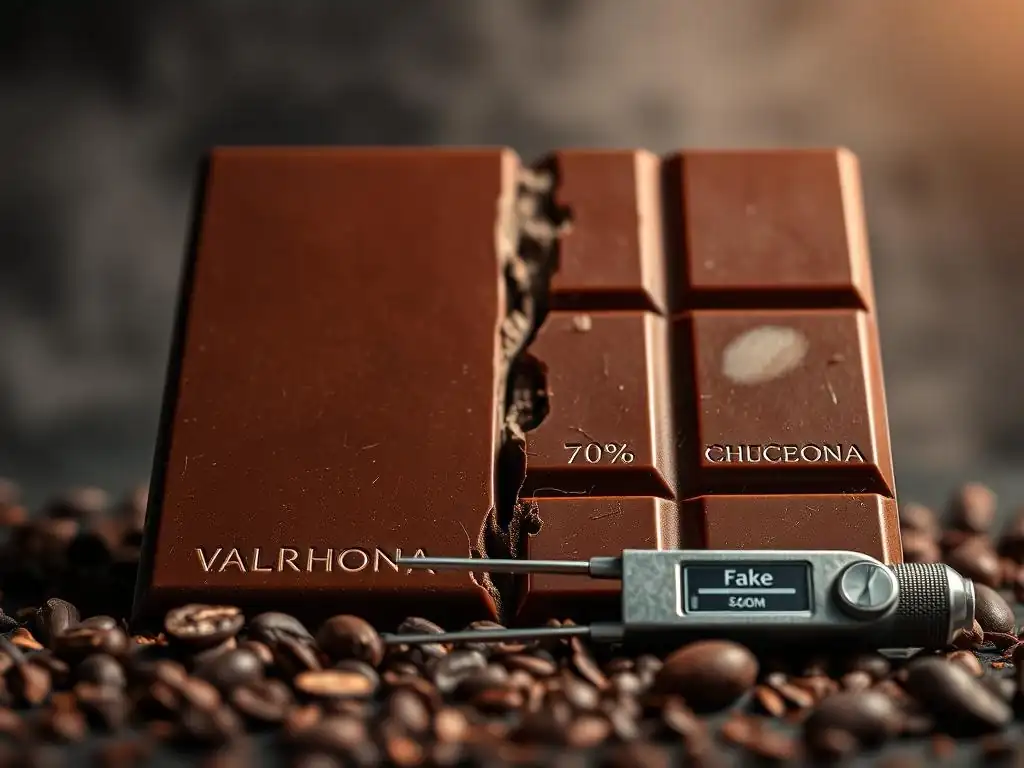
Understanding what makes chocolate low quality helps you avoid it. While price can be an indicator, it's not the only one. Examining the ingredient list and applying your real chocolate quality testing tips are far more reliable methods.
Excessive Sweetness: A Sign of Added Sugars and Fillers
One of the most common characteristics of lower-quality chocolate is overwhelming sweetness. Sugar is often the first ingredient listed (meaning it's the most abundant by weight), sometimes making up 50% or more of the product. This high sugar content is used to mask the taste of lower-quality cocoa solids and reduce the need for expensive cocoa butter. While some sweetness is necessary, especially in milk or white chocolate, excessive sugar detracts from the actual chocolate flavor and can make your baked goods cloyingly sweet.
Look for ingredient lists where sugar is the first item, or where there are multiple forms of sugar listed early on (e.g., sugar, corn syrup solids). This often indicates a product where sweetness is the primary flavor component, rather than the complex notes of quality cacao. Such chocolates also tend to have a less smooth texture and a duller finish, failing the visual and melt tests.
Waxy Texture: Indicative of Vegetable Fats or Oils
A waxy or greasy mouthfeel is a major red flag for chocolate quality. This texture is almost always due to the inclusion of non-cocoa butter fats, such as palm oil, coconut oil, or other hydrogenated vegetable oils. These fats are cheaper than cocoa butter and are added to improve melt resistance (useful for chocolate chips that hold their shape during baking) or to reduce costs.
While some chocolate (like compound chocolate) is intentionally made with vegetable fats, it lacks the characteristic smooth, clean melt of cocoa butter-based chocolate. Check the ingredient list for terms like "vegetable oil," "palm kernel oil," "hydrogenated fats," or "confectioner's glaze" if you suspect a waxy texture. These ingredients will cause the chocolate to fail the melt test, leaving a greasy residue in your mouth.
Lack of Cocoa Butter: A Critical Component
Cocoa butter is the heart of high-quality chocolate. It provides the smooth texture, the characteristic melt, and contributes to the snap and gloss. In lower-quality chocolate, the proportion of cocoa butter is often reduced and sometimes partially or entirely replaced by cheaper fats. This significantly impacts the chocolate's performance in baking, particularly when tempering, and results in a less luxurious mouthfeel.
A good indicator of sufficient cocoa butter is its position on the ingredient list. In high-quality chocolate, cocoa butter is typically listed after cocoa solids (or chocolate liquor), or at least before any added vegetable oils or excessive flavorings. If cocoa butter is listed low down, or if other fats are listed before it, it's a sign that the chocolate is likely lower quality. For example, a high-quality dark chocolate might list chocolate liquor, sugar, cocoa butter, vanilla, while a lower-quality one might list sugar, vegetable oil, cocoa powder, whey, artificial flavor.
Generic Brand Chocolate: A Case Study in Value Chocolate
Generic or store-brand chocolates, while often budget-friendly, frequently prioritize cost savings over ingredient quality. These "value" chocolates are a common example where the indicators of lower quality are often present. Their ingredient lists typically start with sugar, followed by cocoa processed with alkali (Dutch-processed cocoa, which is fine on its own but often used here to darken color or mellow harsh flavors), and then vegetable oil or fat substitutes instead of significant cocoa butter.
A typical generic chocolate chip might contain around 40% sugar, 20% vegetable fat, and 30% cocoa processed with alkali, with the remaining percentage being emulsifiers and flavorings. Compare this to a premium chip that might have around 30-40% cocoa solids (from chocolate liquor/cocoa powder), 30-35% cocoa butter, and 30-40% sugar. These generic options often fail the snap test (they bend) and the melt test (they remain waxy). While suitable for simple melting where texture isn't paramount, they won't deliver the rich flavor or smooth finish desired in more refined baking applications.
Recommended High-Quality Baking Chocolate Brands
Choosing reputable brands is one of the easiest real chocolate quality testing tips to implement. These brands have built their reputation on sourcing quality beans, using proper processing techniques, and maintaining high standards. While they may cost more, the difference in your baking results is often worth the investment.
Valrhona: A Benchmark for Excellence
Valrhona, a French brand established in 1922, is widely considered one of the world's premier chocolate manufacturers, particularly for professional bakers and serious home enthusiasts. They control much of their bean sourcing and processing, ensuring consistent, high quality. Their chocolates are known for their pure flavor, excellent tempering properties, and smooth texture due to high cocoa butter content and fine particle size.
Valrhona Guanaja 70%: A Deep, Intense Flavor Profile
Valrhona Guanaja 70% is a classic benchmark dark chocolate couverture. It's made from a blend of grand cru cacao beans and is renowned for its intense, complex flavor profile with notes of dark fruit, floral hints, and a lingering bitterness balanced by sweetness. It contains approximately 40% cocoa butter and is ideal for applications where a strong, pure dark chocolate flavor is desired, such as ganaches, mousses, or rich tarts. Its high cocoa butter content ensures excellent fluidity when melted and a perfect snap when tempered.
Valrhona Caraïbe 66%: Balanced and Versatile for Baking
Valrhona Caraïbe 66% offers a slightly less intense, but incredibly balanced flavor profile compared to Guanaja. It's known for its round, smooth taste with notes of dried fruit and roasted nuts. With around 38% cocoa butter, it melts beautifully and is exceptionally versatile for a wide range of baking applications, including cookies, brownies, cakes, and sauces. Its moderate cocoa percentage makes it appealing to a broad palate while still delivering the complexity and quality expected from Valrhona.
Guittard: A Classic American Choice
Guittard Chocolate Company, a family-owned business founded in San Francisco in 1868, is a respected American producer of high-quality chocolate. They focus on traditional methods and sourcing fine cacao beans. Guittard offers a range of products popular with both professional and home bakers, known for their reliable performance and rich flavor.
Guittard Semisweet Chocolate Wafers: Easy to Melt and Temper
Guittard's Semisweet Chocolate Wafers (often labeled as A'Peels or similar for their shape) are a favorite among bakers for their convenience. The wafer shape melts quickly and evenly, making them easy to use for tempering, dipping, or incorporating into batters. Their semisweet profile (typically around 46% cocoa) offers a classic, balanced chocolate flavor that works well in countless recipes, from chocolate chip cookies to glazes. They contain a good amount of cocoa butter for smooth melting.
Guittard Baking Chocolate Bars: Rich and Complex Flavors
Guittard also produces baking chocolate bars in various cocoa percentages, such as their 70% Coucher du Soleil or 63% Extra Dark. These bars offer deeper, more complex flavors than their standard chips or wafers and are excellent for recipes where the pure chocolate flavor is meant to shine, like tortes or ganaches. Breaking a piece from one of these bars and performing the snap test reveals its quality temper and structure.
Scharffen Berger: Bold and Distinctive
Scharffen Berger, founded in 1996 and now part of the Hershey Company (though maintaining distinct production standards), was one of the pioneers in bringing high-quality, bean-to-bar chocolate to the American market. They are known for their bold, intense flavors, resulting from their specific bean sourcing and roasting techniques.
Scharffen Berger 70% Bittersweet Chocolate: Intense Cocoa Notes
Scharffen Berger's 70% Bittersweet Chocolate is a signature product, celebrated for its robust and intense cocoa flavor with hints of roasted nuts and coffee. This chocolate is made with a high percentage of cocoa solids (70%) and a significant amount of cocoa butter, giving it a deep color, a strong snap, and a smooth melt. It's particularly well-suited for recipes that can stand up to a powerful chocolate flavor, such as dense chocolate cakes or rich fudge.
Scharffen Berger 62% Semisweet Chocolate: A Perfect Balance
The Scharffen Berger 62% Semisweet Chocolate offers a slightly milder, more approachable flavor profile than their 70%. It strikes a balance between sweetness and intense cocoa, with notes of dried cherries and a clean finish. This versatile chocolate is excellent for everyday baking, from cookies and muffins to sauces and glazes, providing a step up in flavor complexity compared to standard semisweet options.
Choosing the Right Chocolate for Your Baking Needs: A Decision Guide
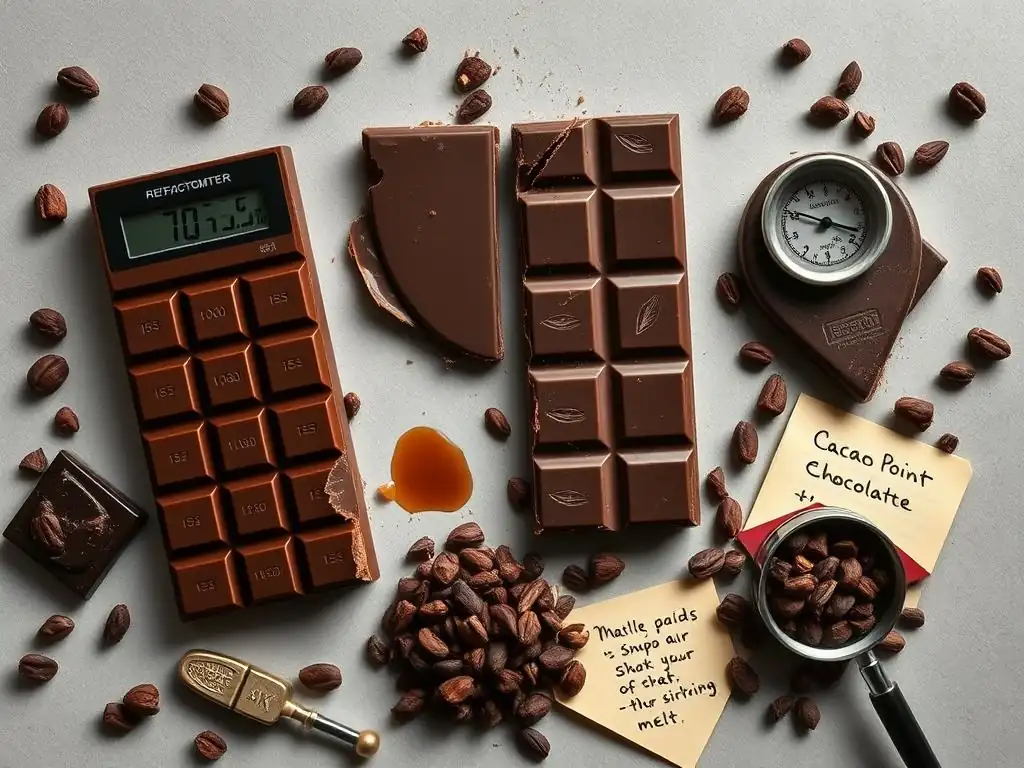
Selecting the perfect chocolate involves more than just picking a high-quality brand. You need to consider the specific requirements of your recipe and how different types of chocolate will perform. Understanding the nuances of cocoa percentage and chocolate composition is key to successful baking. Applying your real chocolate quality testing tips before you bake ensures you start with the right foundation.
Matching Chocolate to Your Recipe: Bittersweet, Semisweet, Milk, and White
Recipes typically specify the type of chocolate needed: bittersweet, semisweet, milk, or white. Bittersweet chocolate (generally 60-85% cocoa) offers intense, less sweet flavor and is great for rich desserts. Semisweet (typically 40-60% cocoa) provides a balanced, classic chocolate taste suitable for a wide range of uses.
Milk chocolate (containing milk solids, around 30-40% cocoa) is sweeter and creamier, ideal for confections and milder flavors. White chocolate (made from cocoa butter, sugar, milk solids, and vanilla, with no cocoa solids) is sweet and creamy, used where a pure cocoa butter flavor is desired. Using the specified type helps achieve the intended flavor and texture profile of the recipe.
Using a chocolate that is too sweet or not sweet enough, or that has the wrong fat content for the recipe, can significantly alter the outcome. For example, using milk chocolate in a recipe calling for bittersweet will result in a much sweeter, less intensely chocolatey, and potentially softer baked good due to the lower cocoa solids and different fat composition. Conversely, using a very high percentage dark chocolate (like 85%) in a recipe designed for semisweet might make the result too bitter or dry.
Considering Cocoa Percentage: From Mild to Intense
The cocoa percentage listed on dark and bittersweet chocolate indicates the total proportion of ingredients derived from the cocoa bean, including cocoa solids (which provide flavor) and cocoa butter (which provides texture and richness). A higher percentage means more cocoa components and less sugar (and sometimes less cocoa butter relative to solids, though quality brands maintain high cocoa butter).
Choosing the right cocoa percentage is crucial for balancing flavor in your recipe. A 70% dark chocolate will provide a more intense, less sweet flavor than a 55% dark chocolate. For a rich chocolate cake, you might opt for 70% or higher, while for chocolate chip cookies, a 50-60% semisweet is often preferred for its balance with the cookie dough. Experimenting with different percentages (while keeping the type of chocolate consistent, e.g., dark for dark) can help you fine-tune your recipes.
Understanding Chocolate Liquor and Cocoa Solids
The terms chocolate liquor and cocoa solids are fundamental to understanding chocolate composition. Chocolate liquor (also called cocoa mass) is the paste produced by grinding roasted cocoa beans; it contains both cocoa solids and cocoa butter. Cocoa solids are the non-fat components of the cocoa bean, providing the bulk of the chocolate flavor and color. Cocoa butter is the natural fat extracted from the cocoa bean.
High-quality chocolate will list chocolate liquor or cocoa mass as the first ingredient (after sugar, for milk or white chocolate, or sometimes before sugar in very high percentage darks). This indicates that the chocolate is made directly from ground beans. Cocoa powder is essentially cocoa solids with most of the cocoa butter removed. Understanding these components helps you interpret ingredient lists and assess the potential quality and flavor profile of a chocolate product even before applying your real chocolate quality testing tips.
Maximizing Your Investment in High-Quality Baking Chocolate
Once you've invested in quality chocolate, proper handling and technique are essential to ensure you get the best possible results in your baking. Even the finest chocolate can be ruined by improper storage or melting.
Proper Storage Techniques to Preserve Flavor and Freshness
Chocolate is sensitive to temperature fluctuations, moisture, and odors. To preserve its quality, store chocolate in a cool, dry place, ideally between 60-70°F (15-21°C). Avoid refrigeration if possible, as it can cause sugar bloom (a white, powdery surface) and condensation, which can affect texture and tempering. If you must refrigerate, wrap the chocolate tightly in plastic wrap and then place it in an airtight container to protect it from moisture and odors.
Protect the chocolate from light and air by keeping it in its original packaging or transferring it to an airtight container. Exposure to air can lead to oxidation, which degrades flavor. Stored correctly, high-quality dark chocolate can last for a year or more, while milk and white chocolate have shorter shelf lives due to their milk content (typically 6-12 months). Proper storage ensures that when you perform your real chocolate quality testing tips later, the chocolate is in its best condition.
Tempering Chocolate: A Key to Professional Results
Tempering chocolate is the process of carefully melting and cooling chocolate to stabilize the cocoa butter crystals. This results in chocolate that sets firmly, has a beautiful sheen, a satisfying snap, and resists melting at room temperature. It's essential for dipping candies, making chocolate decorations, or creating a chocolate shell for pastries.
While it might seem intimidating, tempering is a skill that can be learned. It typically involves melting chocolate to a specific temperature (around 115°F for dark), cooling it down by stirring or seeding with untempered chocolate (to around 80-82°F for dark), and then gently reheating it slightly (to around 88-91°F for dark) before use. High-quality chocolate with sufficient cocoa butter is much easier to temper successfully than lower-quality chocolate.
Chocolate Making Class: Level up your baking skills!
Consider taking a chocolate making or tempering class to deepen your understanding and improve your skills. Many culinary schools, specialty chocolate shops, or online platforms offer workshops covering topics from bean origins to tempering techniques.
Learning from an expert can provide hands-on experience and valuable insights into working with high-quality chocolate. You can learn advanced tempering methods, explore different types of chocolate couverture, and understand how to troubleshoot common issues like seizing or blooming. Investing in education is another way to maximize your enjoyment and success when working with premium chocolate, enhancing your ability to apply real chocolate quality testing tips effectively.
Exploring Different Forms of Chocolate
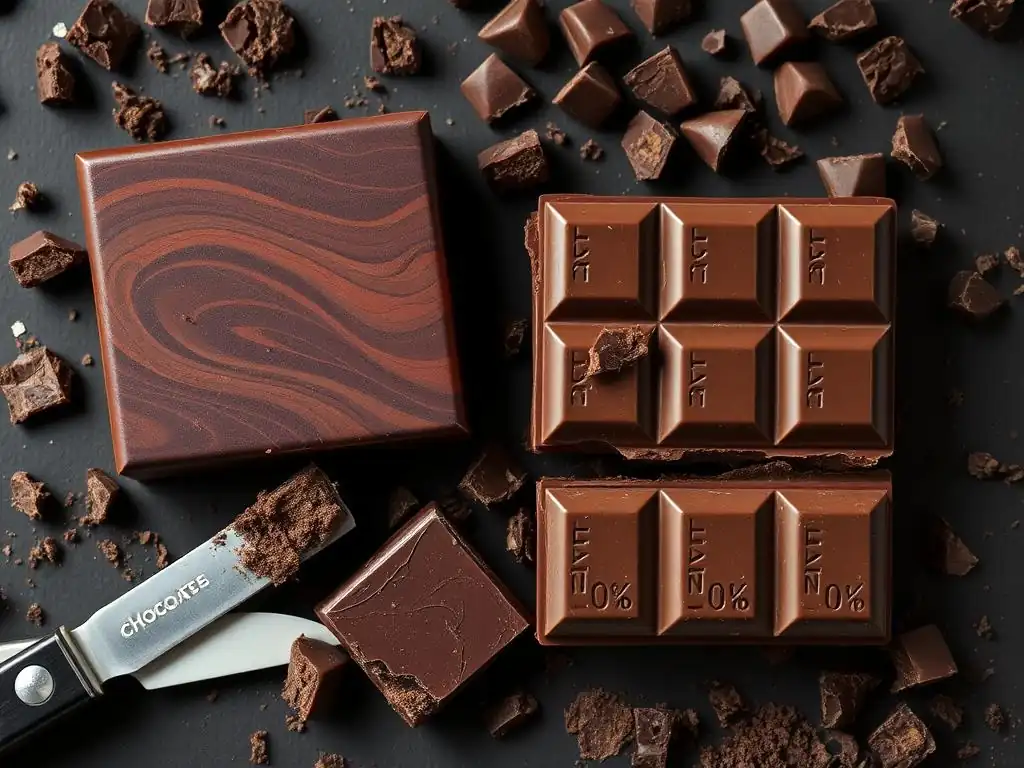
Chocolate comes in various forms, each suited to different baking applications. Understanding these forms helps you select the best product for your recipe and apply your real chocolate quality testing tips appropriately.
Cocoa Powder: Unsweetened and Dutch-Processed Options
Cocoa powder is made by pressing roasted cocoa beans to remove most of the cocoa butter, leaving behind cocoa solids which are then ground into a fine powder. It's a concentrated source of chocolate flavor used in cakes, brownies, sauces, and drinks. There are two main types: natural unsweetened cocoa powder (acidic, lighter in color, often paired with baking soda) and Dutch-processed or alkalized cocoa powder (neutralized with alkali, darker, smoother flavor, often paired with baking powder).
Ghirardelli Unsweetened Cocoa: A Rich and Intense Flavor
Ghirardelli's 100% Unsweetened Cocoa Powder is a widely available and reliable natural cocoa powder. It offers a robust, intense chocolate flavor with bright, slightly acidic notes. It's excellent for recipes where you want a deep chocolate taste and can be used with baking soda for leavening. Its consistent quality makes it a good choice for various baking needs.
Chocolate Chips: Selecting High-Quality Varieties
Chocolate chips are ubiquitous in baking, but their quality varies significantly. Traditional chocolate chips often contain less cocoa butter and may include stabilizers or vegetable fats to help them hold their shape during baking. This can result in chips that don't melt smoothly or contribute less flavor than desired.
Guittard Chocolate Chips: High Quality and widely available
Guittard offers various types of chocolate chips, including their Semisweet and Milk Chocolate varieties, which are known for using quality ingredients and having a higher proportion of cocoa butter than many mass-market brands. While still formulated to hold their shape somewhat (a desirable trait for classic chocolate chip cookies), they melt more smoothly and offer better flavor than cheaper alternatives. Looking for brands that list chocolate liquor and cocoa butter high on the ingredient list, even for chips, is a good real chocolate quality testing tip.
Cocoa Nibs: Adding Texture and Intense Flavor
Cocoa nibs are small pieces of crushed, roasted cocoa beans. They are essentially chocolate in its rawest form before sugar, milk, or extra cocoa butter are added. Cocoa nibs are unsweetened and have an intense, pure chocolate flavor and a crunchy texture.
Askinosie Cocoa Nibs: A Crunchy and Flavorful Addition
Askinosie Chocolate, a bean-to-bar maker, offers high-quality cocoa nibs from specific origins, like their San Jose Del Tambo, Ecuador nibs. These provide a direct taste of the cacao bean's origin. Cocoa nibs are not typically used as the main chocolate component in a recipe but are wonderful additions for texture and a burst of bitter, nutty flavor in cookies, muffins, granola, or as a garnish. They are a great way to experience pure cocoa flavor.
Chocolate Quality and Health Benefits: A Brief Overview
While our focus is on baking quality, it's worth noting that the quality of chocolate is also linked to potential health benefits, particularly with dark chocolate.
Antioxidants in Dark Chocolate: A Healthier Treat
High-quality dark chocolate, especially those with 70% cocoa or higher, is rich in antioxidants, particularly flavonoids. These compounds are also found in fruits, vegetables, and tea and are believed to help protect the body's cells from damage. Some studies suggest that moderate consumption of dark chocolate may contribute to cardiovascular health, improve blood flow, and even have positive effects on mood. The higher the cocoa content, the higher the concentration of these beneficial compounds, and typically, the lower the sugar content.
However, it's important to remember that chocolate is still a calorie-dense food containing fat and sugar. While the presence of antioxidants is a positive, it doesn't make chocolate a health food to be consumed in large quantities. The benefits are associated with moderate consumption as part of a balanced diet.
Moderation is Key: Enjoying Chocolate Responsibly
Even the highest quality, most antioxidant-rich dark chocolate should be enjoyed in moderation. The portion sizes in studies showing health benefits are typically small, often just an ounce or two per day. For baking, while quality matters for flavor and texture, the overall nutritional impact of a baked good also depends on other ingredients like sugar, flour, and butter.
Focus on using high-quality chocolate to enhance the flavor and experience of your baked goods, allowing you to potentially use less overall while achieving a richer taste. Enjoying a small slice of a decadent cake made with premium chocolate can be more satisfying than overconsuming a less flavorful dessert made with inferior ingredients. Applying your real chocolate quality testing tips helps ensure that when you do indulge, you're getting the best possible experience and potential benefits.
Conclusion: Elevating Your Baking with Quality Chocolate
The Difference Quality Chocolate Makes: Taste, Texture, and Quality
Mastering the art of baking is a journey, and choosing the right ingredients is a crucial step. As we've explored, identifying fake versus real high-quality baking chocolate isn't just about brand names; it's about understanding composition, recognizing key characteristics, and applying practical real chocolate quality testing tips.
From the visual sheen and the satisfying snap to the smooth melt and complex flavor notes, each test provides valuable insight into how the chocolate will perform and taste in your final creations. Lower-quality indicators like excessive sweetness, waxy texture, and a lack of cocoa butter are red flags to watch out for.
By selecting reputable brands known for their commitment to quality, understanding different chocolate types and percentages, and practicing proper storage and techniques like tempering, you can significantly elevate your baking. The difference quality chocolate makes in terms of rich, nuanced flavor and luxurious texture is undeniable. So, the next time you're stocking your pantry, remember these insights and trust your senses – they are your best tools for choosing chocolate that will transform your baking from ordinary to extraordinary. Investing in quality ingredients is investing in the success and enjoyment of your baking endeavors.
Frequently Asked Questions
What are some initial visual cues to distinguish real from fake baking chocolate?
Look for a smooth, glossy surface and a rich, deep color. Fake chocolate often appears dull or waxy due to lower cocoa butter content.
How does the snap of real chocolate indicate its quality?
Real, high-quality chocolate should have a clean, sharp snap when broken. A dull thud or a bend suggests a lower cocoa butter content or improper tempering.
What role does the ingredient list play in identifying real chocolate?
Examine the ingredients; real chocolate should list cocoa mass (or chocolate liquor), cocoa butter, sugar, and possibly vanilla. Avoid products with excessive emulsifiers, vegetable oils, or artificial flavors.
How can the melting behavior of chocolate help determine its quality?
Real chocolate should melt smoothly and evenly in your mouth at body temperature. Fake chocolate may feel waxy or grainy due to its composition.
Does the aroma of baking chocolate provide any clues about its authenticity?
High-quality chocolate possesses a complex and rich aroma with notes of cocoa, fruit, or spices. A faint or artificial scent may indicate lower quality or the presence of additives.
Final Reflection: The Enduring Quest for Authentic Chocolate
The ability to discern true quality in baking chocolate remains surprisingly relevant in today's market, a landscape often clouded by misleading labels and artificial ingredients. The subtle nuances of flavor, texture, and even the aroma can be easily masked, leaving the discerning baker to rely on a keen eye and a practiced palate. This quest for authenticity is not merely a matter of taste preference; it's a commitment to quality and a celebration of the rich history and artistry behind fine chocolate.
The journey to understanding what constitutes "real" high-quality baking chocolate has been a fascinating exploration, revealing the intricate relationship between cocoa bean origin, processing techniques, and the final product. It's a journey that highlights the importance of supporting ethical and sustainable practices within the chocolate industry. As the renowned chef, Jacques Torres, once said, Chocolate is more than just a treat; it's an experience.
This experience is profoundly enriched when we understand the components that contribute to its excellence, allowing us to appreciate the artistry and dedication behind each bar.
Now, consider your own baking. Do you prioritize quality ingredients? Are you willing to invest the time to understand the subtle differences between various chocolates?
I encourage you to take what you've learned here and apply it to your next baking project. By actively seeking out authentic, high-quality baking chocolate, you're not just improving the taste of your creations; you're also supporting a more sustainable and ethical chocolate industry, and enriching your own culinary journey. Embrace the adventure of discovering the true essence of chocolate – the reward is a richer, more flavorful experience for you and all who share in your baking.
Unlock Your Baking Potential: Master the Art of Chocolate Selection
Thanks for joining us on this delicious journey into the world of baking chocolate! We hope you now feel confident in distinguishing between the real deal and imitations. Ready to elevate your baking game?
- Prioritize your next chocolate purchase: Take what you've learned and choose wisely at the grocery store. Think about the subtle nuances of aroma and texture to help you make informed decisions!
- Experiment with different chocolate types: Try a new variety of high-quality baking chocolate in your next recipe. Let us know how it turns out!
- Share your chocolate expertise: Tell your friends and family about your newfound chocolate knowledge – help them avoid baking disasters!
What's your go-to tip for choosing the perfect baking chocolate? Share your insights in the comments below!