
The Role of Ingredients in HighQuality Baking Chocolate

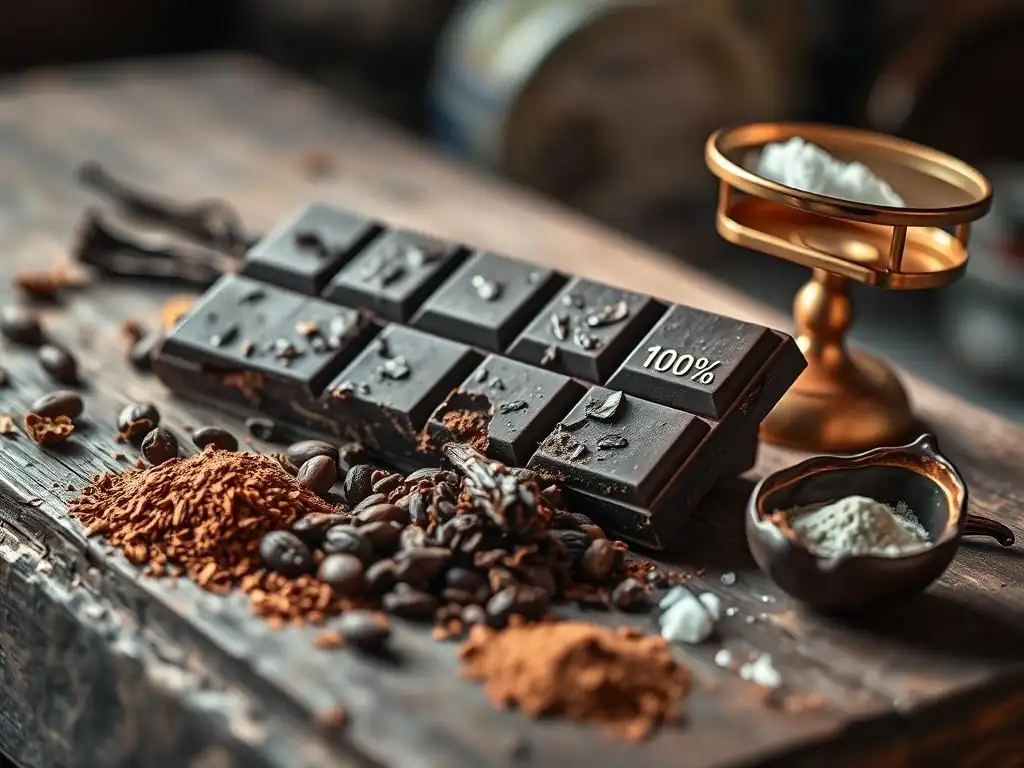
Welcome to BakeWithEase, your guide to unlocking baking brilliance! Ever wondered what truly elevates a simple chocolate chip cookie to a gourmet delight? This article dives deep into the crucial role of ingredients, specifically focusing on what makes high-quality baking chocolate so exceptional. Prepare to uncover the secrets behind velvety textures and intense flavors – and discover how selecting the right chocolate can transform your baking forever. Ready to elevate your creations? Let's get started!
- Understanding High-Quality Baking Chocolate
- Key Ingredients That Impact Baking Chocolate Quality
- Decoding the Label: Identifying Quality Ingredients
- How Ingredient Quality Affects Baked Goods
- Choosing the Right Baking Chocolate
- Elevate Your Baking
-
Frequently Asked Questions
- What makes baking chocolate "high quality"?
- How does the type of cocoa bean affect the quality of baking chocolate?
- Are there specific ingredients to avoid when looking for high-quality baking chocolate?
- Why is cocoa butter content so important in high-quality baking chocolate?
- Where can I find reliable information about different brands of high-quality baking chocolate?
- Final Reflection: The Sweet Science of Superior Chocolate
- Unlock Your Baking Potential: Elevate Your Chocolate Creations!
Understanding High-Quality Baking Chocolate
Defining High-Quality Chocolate for Baking
High-quality chocolate for baking is distinguished not just by its flavor, but fundamentally by the integrity and sourcing of its core components. It goes beyond simple "chocolate chips" found in the grocery aisle and delves into products often labeled couverture or fine chocolate.
The definition hinges on the presence of pure cacao butter as the sole fat source (excluding milk fat in milk chocolate), a high percentage of cacao solids, minimal additives, and superior quality base ingredients like cacao beans and sugar. This results in chocolate that melts smoothly, temper beautifully, and imparts complex, true chocolate flavor to baked goods.
Unlike compound chocolate, which uses vegetable oils instead of cacao butter, high quality baking chocolate relies entirely on cacao butter for its texture, melt, and tempering properties. This pure fat source is crucial for achieving that desirable snap when cooled and a luxurious mouthfeel when melted. Furthermore, ethical sourcing and careful processing of the cacao beans themselves play a significant role, often contributing unique flavor notes reflective of the origin, such as fruity, floral, or nutty undertones, elevating the overall quality for discerning bakers.
Why Ingredient Quality Matters
The quality of ingredients directly dictates the performance and flavor outcome of high quality baking chocolate in any recipe. Using inferior chocolate with vegetable fats, excessive sugar, or low-grade cacao can lead to grainy textures, poor melting characteristics, and a flat, one-dimensional chocolate flavor that gets lost or tastes artificial in a baked item. For instance, a chocolate with substitute fats won't temper correctly, resulting in dull, soft coatings or decorations instead of shiny, crisp ones.
Moreover, the nuances brought by high-quality ingredients significantly impact the final taste profile. A high quality baking chocolate made from carefully selected cacao beans will contribute depth and complexity that cheap chocolate simply cannot. Imagine a rich chocolate cake: the difference between using a high-quality 70% cacao chocolate with distinct origin notes versus a standard sugary baking bar is profound, affecting everything from the initial aroma to the lingering finish. Investing in better ingredients means investing in the success and flavor excellence of your baking endeavors.
Key Ingredients That Impact Baking Chocolate Quality
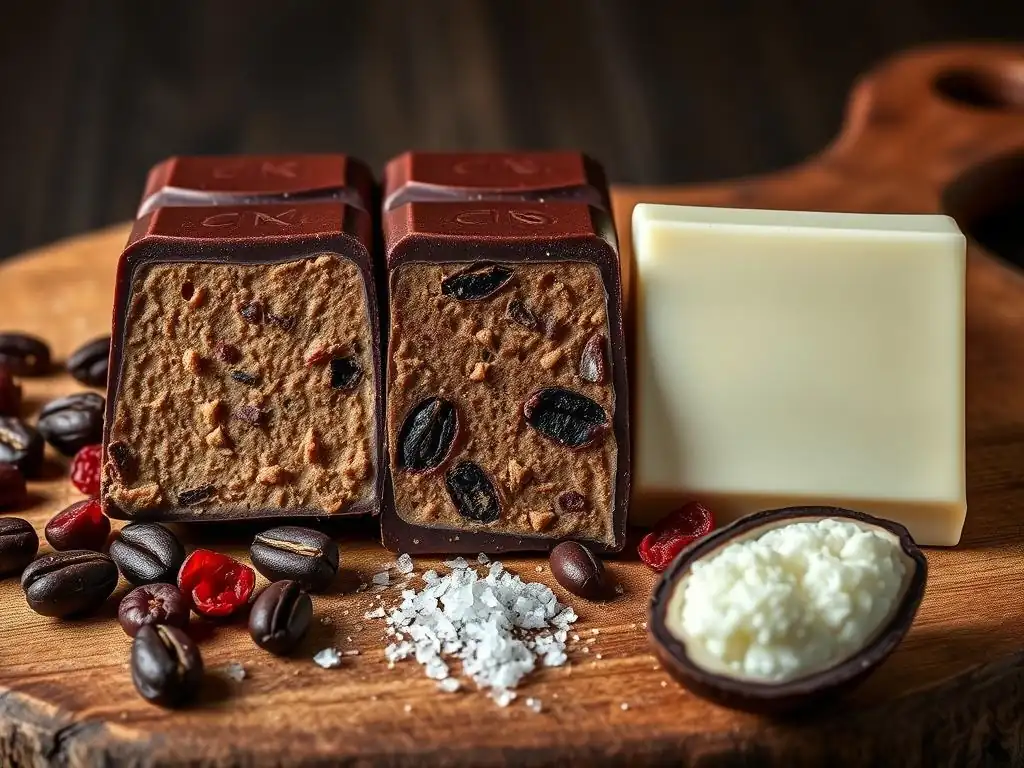
Cacao Beans: The Foundation
The cacao bean is the heart and soul of any chocolate, and its quality is paramount for producing high quality baking chocolate. Different varieties of cacao beans—Criollo, Forastero, Trinitario, and Nacional—offer distinct flavor profiles, much like grape varietals in wine. Criollo beans, for example, are often prized for their delicate, complex, and less bitter flavors, while Forastero is more robust and forms the bulk of the world's chocolate production. The genetic makeup and health of the cacao tree, coupled with the environment where it grows, lay the groundwork for the chocolate's potential flavor.
The journey from bean to chocolate involves crucial steps like fermentation and drying, which are critical for developing the precursor flavors. Poor fermentation can lead to off-flavors, mold, or excessive bitterness. High quality baking chocolate producers pay meticulous attention to these post-harvest processes, often working closely with farmers to ensure proper handling. This careful start is fundamental; even the best manufacturing cannot salvage low-quality, improperly processed beans.
Origin and Terroir Influence
Just like coffee or wine, cacao beans are profoundly influenced by their origin, a concept known as terroir. This encompasses the climate, soil composition, altitude, and surrounding flora of the region where the cacao is grown. Cacao beans from Madagascar, for instance, are often noted for bright, fruity, and sometimes acidic notes, while those from Ecuador might exhibit floral or nutty characteristics. Beans from specific regions in West Africa, the largest producing area, typically offer classic, robust chocolate flavors.
High quality baking chocolate often highlights the origin of its cacao beans, sometimes even being labeled "single-origin." This allows bakers to choose chocolates with specific flavor profiles that complement their recipes. Using a single-origin chocolate from, say, Peru with its potential for nutty and caramel notes, can add an extra layer of sophistication to a brownie or ganache compared to a blend of beans from various, unspecified origins.
Bean Processing and Flavor
Beyond fermentation and drying, the processing at the chocolate factory significantly impacts the final flavor of high quality baking chocolate. Roasting, for example, develops flavor compounds but requires careful control to avoid burning or under-roasting, either of which can ruin the batch. The degree and duration of roasting can bring out different notes – a lighter roast might preserve fruity notes, while a darker roast deepens chocolatey richness and can introduce roasted or nutty flavors.
Another crucial step is conching, a process of mixing, agitating, and aerating the chocolate mass, which can last from hours to several days. Conching reduces particle size, improves smoothness, and allows volatile, undesirable flavor compounds to evaporate while developing desirable ones. A longer conch typically results in a smoother texture and a more mellow, developed flavor profile, characteristic of premium high quality baking chocolate.
Cacao Butter: Smoothness and Richness
Cacao butter, the natural fat extracted from the cacao bean, is a non-negotiable ingredient in high quality baking chocolate (specifically, couverture chocolate). Its unique crystalline structure is responsible for chocolate's ability to temper, giving it that desired snap, smooth melt-in-your-mouth texture, and glossy finish. The proportion of cacao butter in chocolate significantly impacts its viscosity and how it performs in different baking applications. Couverture chocolate, ideal for coating and molding, typically has a higher cacao butter content (around 30-39%) than standard baking bars.
The presence of pure cacao butter is a key differentiator for high quality baking chocolate. Inferior chocolates often substitute some or all of the cacao butter with cheaper vegetable oils like palm kernel oil or shea butter. While these fats provide structure, they lack the specific melting properties and flavor contribution of cacao butter. This results in chocolate that doesn't temper correctly, melts poorly (often feeling waxy), and lacks the rich mouthfeel characteristic of chocolate made with pure cacao butter.
Cacao Butter Content
The percentage of cacao butter within the total cacao solids varies and is a crucial factor in determining the flow and texture of high quality baking chocolate. Couverture chocolate, designed for dipping and molding, has a higher cacao butter content, often 30-39% or even higher. This increased fat content makes it more fluid when melted, allowing for thin, even coatings and easy tempering.
In contrast, standard baking bars or chips might have a lower cacao butter content, making them less fluid when melted but holding their shape better during baking. For example, chocolate chips are formulated to retain their shape in cookies. When choosing high quality baking chocolate, understanding the cacao butter content helps match the chocolate's properties to the specific needs of your recipe, whether it's a delicate mousse requiring smooth melting or cookies needing distinct chocolate pockets.
Identifying High-Quality Cacao Butter
Identifying high-quality cacao butter primarily relies on the reputation of the chocolate maker and the overall ingredient list. Pure cacao butter should be listed as the only fat besides cacao mass (cacao liquor) and potentially milk fat in milk chocolate. Avoid products listing vegetable oils, hydrogenated oils, or other fats. High-quality cacao butter has a neutral or slightly chocolatey aroma and melts cleanly at body temperature.
Artisanal or premium chocolate makers source high-quality cacao butter, often pressed from the same fine beans used for their chocolate. This ensures purity and contributes positively to the overall flavor profile of the high quality baking chocolate. While you can't visually inspect the cacao butter within a finished bar, trust in brands known for their commitment to quality ingredients is key.
Sugar: Balancing Bitterness
Sugar is a necessary component in most chocolate, playing the vital role of balancing the inherent bitterness and astringency of cacao. However, in high quality baking chocolate, sugar should enhance, not mask, the complex flavors of the cacao. The type of sugar and its proportion are critical. Fine-grain sugar is typically used to ensure a smooth texture, as larger sugar crystals would result in a grainy mouthfeel even after conching.
The goal in high quality baking chocolate is to use just enough sugar to make the chocolate palatable and bring out the best in the cacao without making it overly sweet. This is why darker chocolates, often preferred for baking due to their intense flavor, have significantly less sugar than milk or white chocolate. The sugar content directly impacts the percentage of cacao listed on the label; a higher cacao percentage means a lower sugar percentage (assuming no other major additions).
Types of Sugar and Their Impact
While refined white granulated sugar is the most common sweetener in chocolate making due to its neutral flavor and small crystal size, some artisanal producers might experiment with other sugars. However, for achieving the signature smooth texture of high quality baking chocolate, finely ground sucrose is standard. The key is the particle size; the sugar must be ground down to microscopic levels during the refining and conching process to ensure the chocolate feels smooth on the tongue.
Using sugars with larger crystals or impurities can negatively impact the texture, resulting in a gritty or less smooth chocolate. The type of sugar doesn't typically contribute significant flavor notes itself in high quality baking chocolate, unlike in other confections where brown sugar or molasses might be used. Its primary role is sweetness and texture refinement through particle size reduction.
Sugar-to-Cacao Ratio
The ratio of sugar to cacao solids (cacao mass + cacao butter) is perhaps the most significant factor influencing whether chocolate is dark, milk, or white, and how intense its flavor is. Dark high quality baking chocolate usually has a cacao percentage of 60% or higher, meaning the remaining percentage (40% or less) is primarily sugar, plus lecithin and vanilla if used. A 70% dark chocolate, for instance, contains 70% cacao solids and roughly 30% sugar (plus minor ingredients).
This ratio is crucial for bakers. A recipe calling for 70% chocolate will perform and taste differently than one using 50% chocolate due to the variation in sweetness and cacao intensity. When selecting high quality baking chocolate, paying attention to this ratio (indicated by the percentage) allows you to control the sweetness and depth of chocolate flavor in your final product, ensuring it matches your desired outcome.
Lecithin: An Emulsifier
Lecithin, typically soy lecithin or sunflower lecithin, is a common ingredient in commercial high quality baking chocolate, although some artisanal makers omit it. It acts as an emulsifier, helping to bind the cacao solids and cacao butter together and improve the flow properties of the melted chocolate. A very small amount of lecithin (often less than 0.5%) can significantly reduce the viscosity of chocolate, making it easier to work with, especially for coating or molding.
While not strictly necessary, lecithin allows chocolate manufacturers to achieve a desired fluidity with slightly less cacao butter, potentially reducing cost while maintaining workability. In high quality baking chocolate, its presence is generally accepted as long as it's used judiciously and doesn't negatively impact flavor or texture. Its primary benefit is functional, contributing to the smooth consistency and ease of tempering that bakers appreciate.
Lecithin and Smooth Chocolate
Lecithin's role in creating smooth chocolate is primarily related to its ability to reduce the surface tension between the solid particles (cacao solids, sugar crystals) and the fat (cacao butter). This allows the fat to coat the solids more effectively and helps the chocolate flow more freely when melted. Think of it as a lubricant that helps everything glide past each other smoothly.
For high quality baking chocolate used in applications like ganaches or melted coatings, good flow is essential. Lecithin helps achieve this without needing an excessively high amount of cacao butter, which could change the chocolate's setting properties. While some purists prefer chocolate without lecithin, its inclusion in small amounts in many high-quality brands is primarily for functional benefits that aid in manufacturing and ease of use for the baker.
Vanilla: Enhancing Flavor
Vanilla is a frequent addition to chocolate, used to round out and enhance the chocolate flavor, often smoothing out some of the harsher notes of the cacao. In high quality baking chocolate, natural vanilla extract or ground vanilla beans are typically used. Vanilla adds aromatic complexity and can make the chocolate taste sweeter and richer without adding more sugar.
The amount and type of vanilla used can vary. Some single-origin chocolates omit vanilla entirely to allow the unique characteristics of the cacao bean to shine through unimpeded. However, for blended chocolates or those aiming for a classic profile, vanilla is a valuable ingredient that contributes to the overall perception of quality and flavor balance in high quality baking chocolate.
Natural vs. Artificial Vanilla
The distinction between natural and artificial vanilla is important in high quality baking chocolate. Natural vanilla extract comes from vanilla beans and contains hundreds of flavor compounds that contribute a complex, nuanced aroma and taste. Vanillin, the primary flavor compound, can be synthesized artificially. Artificial vanillin provides a strong, but often flat and less complex, vanilla flavor compared to natural vanilla.
Using natural vanilla aligns with the philosophy of high quality baking chocolate, which prioritizes natural, superior ingredients. While artificial vanillin is cheaper, it can impart a less sophisticated flavor and aroma that might detract from the quality of the cacao. Premium brands typically specify "vanilla extract" or "vanilla beans" on their ingredient lists, indicating the use of natural vanilla.
Decoding the Label: Identifying Quality Ingredients
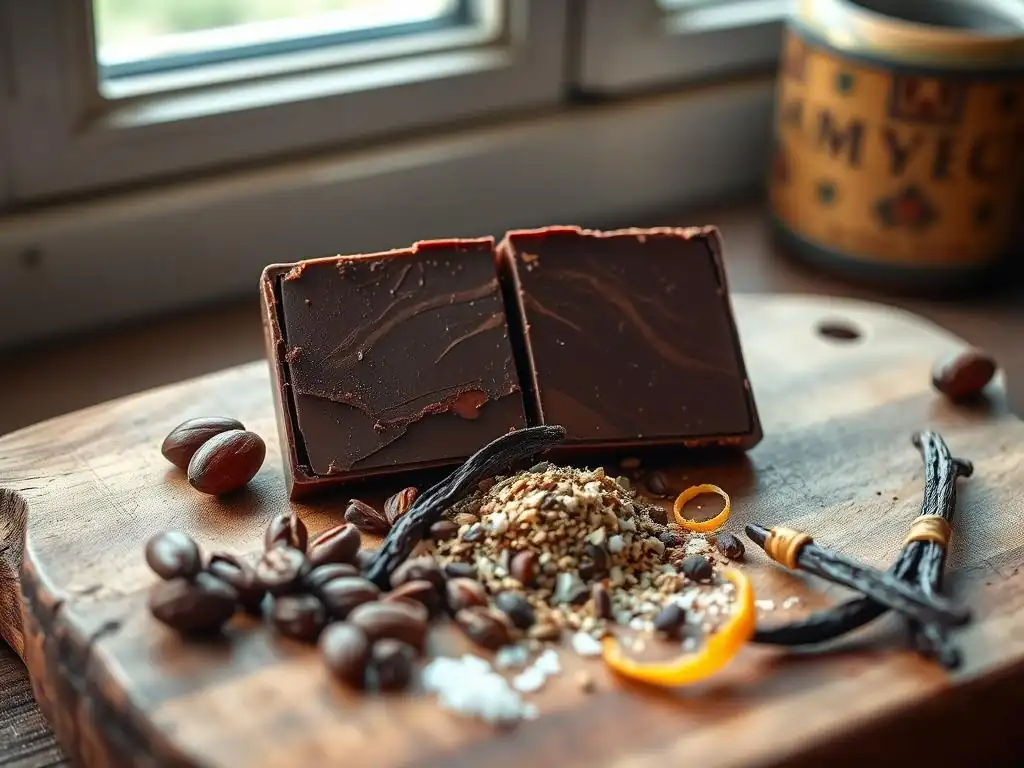
Identifying high quality baking chocolate involves more than just looking at the price tag; reading the label is crucial. The ingredient list provides a window into the quality of the chocolate's components. Ingredients are listed in descending order by weight, so the first few items tell you the most about what's in the chocolate. For dark chocolate, the first ingredient should ideally be cacao mass (also called cacao liquor or chocolate liquor), followed by sugar, and then cacao butter.
Look for minimal ingredients. A short list usually indicates fewer additives. High quality baking chocolate typically lists cacao mass, sugar, cacao butter, and possibly lecithin and vanilla. Avoid products where sugar is the first ingredient (unless it's white chocolate), or where vegetable oils, artificial flavors, or excessive emulsifiers are listed high up.
Understanding Percentage Cacao
The percentage cacao listed on high quality baking chocolate refers to the total proportion of ingredients derived from the cacao bean. This includes cacao mass (cacao solids and cacao butter combined as they exist in the ground bean) plus any added cacao butter. A higher percentage generally indicates a more intense chocolate flavor and less sugar (in dark chocolate).
- Lower Percentage (e.g., 50-60%): Sweeter, milder chocolate flavor. Good for recipes where you don't want the chocolate to be too dominant.
- Mid-Range Percentage (e.g., 65-75%): Balanced sweetness and bitterness. Versatile for many baking applications. A popular range for high quality baking chocolate.
- High Percentage (e.g., 80% and above): Intense, less sweet, more bitter chocolate flavor. Best for recipes where you want a deep, rich, complex chocolate note, or for balancing very sweet elements.
Understanding this percentage helps you choose the right high quality baking chocolate for your specific recipe needs and desired flavor outcome.
Reading the Ingredients List
Carefully reading the ingredients list is the most reliable way to assess the quality of baking chocolate. As mentioned, look for cacao mass, sugar, and cacao butter listed early.
A typical high quality dark baking chocolate ingredient list might look like this: Cacao mass, Sugar, Cacao butter, Soy lecithin, Vanilla extract
Here's what to watch out for:
- Avoid: Vegetable oils, hydrogenated oils, palm oil (unless it's part of a specific, non-couverture product clearly labeled as such and not marketed as high quality baking chocolate requiring tempering).
- Prefer: Cacao butter listed high, indicating sufficient fat for good texture and tempering.
- Note: Lecithin and vanilla are common and acceptable in small amounts in many high-quality chocolates.
- Be wary of: "Chocolatey coating" or similar phrases, which indicate compound chocolate, not true high quality baking chocolate.
Prioritizing ingredients like cacao mass and cacao butter ensures you're getting genuine chocolate with the right fat structure for superior baking results.
Examples of Baking Chocolate Brands and Their Ingredients:
Examining the ingredient lists of well-regarded high quality baking chocolate brands provides practical examples of these principles. While formulations can change and vary by specific product within a brand, looking at typical offerings illustrates what to expect from quality producers.
Valrhona Baking Chocolate: Ingredients and Flavor
Valrhona, a French brand widely regarded for high quality baking chocolate, typically features a concise ingredient list focusing on fine cacao. For example, their popular Guanaja 70% Dark Chocolate often lists: Cocoa beans, Sugar, Cocoa butter, Emulsifier (soya lecithin), Natural vanilla extract. This list exemplifies the core components of quality: high cacao percentage (including both beans/mass and added butter), sugar for balance, and minimal additives like lecithin and vanilla for function and enhancement.
Valrhona chocolates are known for their complex, nuanced flavors, often highlighting specific origins or blends. The Guanaja 70% is celebrated for its intense, almost bitter profile with floral and fruity notes, a direct result of the quality and blend of cacao beans used, supported by pure cacao butter for a smooth melt ideal for tempering, ganaches, and mousses.
Guittard Baking Chocolate: Ingredients and Flavor
Guittard Chocolate Company, a long-standing American chocolatier, also produces high quality baking chocolate favored by professionals and home bakers. Their ingredient lists for dark chocolate products, such as their 70% Cacao Wafers, typically include: Cacao beans*, Pure cane sugar, Cacao butter*, Sunflower lecithin, Vanilla extract. The asterisk (*) often denotes their commitment to sourcing or specific bean quality.
Guittard offers a range of flavors, from classic to single-origin. Their high quality baking chocolate is known for reliable performance and balanced flavor profiles, often described as having classic deep chocolate notes with varying undertones depending on the specific product. The use of pure cane sugar and sunflower lecithin (an alternative to soy) aligns with expectations for quality ingredients, ensuring good texture and melting properties for baking.
Ghirardelli Baking Chocolate: Ingredients and Flavor
Ghirardelli, another established American brand, offers baking products widely available to consumers. While they produce a range of products, their "Premium Baking" lines represent their offering of high quality baking chocolate accessible to the home baker. A typical ingredient list for their 60% Cacao Bittersweet Baking Bar might read: Unsweetened chocolate, Sugar, Cocoa butter, Vanilla extract, Soy lecithin.
This list follows the pattern of quality dark chocolate. "Unsweetened chocolate" is essentially cacao mass. While perhaps not reaching the complexity of some artisanal brands, Ghirardelli's premium line uses the correct fat (cacao butter) and a good cacao percentage for baking. Their high quality baking chocolate is known for a consistent, generally crowd-pleasing deep chocolate flavor, making it a reliable choice for many standard baking recipes where a solid, dependable chocolate note is desired.
How Ingredient Quality Affects Baked Goods
The quality of your baking chocolate ingredients has a ripple effect on the final baked good, influencing everything from flavor intensity and complexity to texture and appearance. Using high quality baking chocolate elevates a simple recipe into something truly special, while poor-quality chocolate can leave your bakes tasting flat, waxy, or just "off."
Consider a classic chocolate chip cookie. Chips made from high quality baking chocolate with pure cacao butter will melt into luscious pockets of rich, nuanced flavor, contrasting beautifully with the cookie dough. Chips made from compound chocolate with vegetable oils, however, may retain their shape rigidly or melt into a greasy puddle with a less satisfying, often artificial taste.
The Impact on Flavor
The most obvious impact of high quality baking chocolate is on flavor. The cacao beans, their origin, and processing contribute a spectrum of potential flavor notes – from fruity and floral to nutty, spicy, or earthy. High-quality chocolate preserves and showcases these complexities. When melted into a batter or ganache, these notes infuse the entire dish, adding depth and sophistication.
Think about making a chocolate mousse. Using a high quality baking chocolate with notes of red fruit could lend a subtle berry undertone to the mousse, creating a more complex dessert than one made with generic chocolate. The richness and intensity of flavor in high-percentage dark chocolate also mean you get a powerful chocolate punch without excessive sweetness, allowing other flavors in your recipe to shine while still having a dominant chocolate character.
The Impact on Texture
Ingredient quality is critical for the texture of both the chocolate itself and the final baked good. Cacao butter is key to the smooth, melt-in-your-mouth texture of high quality baking chocolate. When melted, it creates a luxurious liquid that emulsifies beautifully into batters, ganaches, and sauces.
- In cakes and brownies, high-quality melted chocolate contributes to moisture and tenderness.
- In cookies with chunks or chips, high cacao butter content ensures the chocolate melts into soft, gooey pools rather than remaining hard or turning greasy.
- For glazes, coatings, and decorations, high quality baking chocolate (couverture) tempers properly, resulting in a smooth, shiny, and crisp finish that snaps cleanly. Compound chocolate, lacking cacao butter, cannot achieve this desired texture and appearance.
Troubleshooting Baking Issues Based on Chocolate Quality
Many common baking issues involving chocolate can be traced back to ingredient quality.
- Grainy texture: Often caused by improper tempering (related to cacao butter quality/proportion) or sometimes sugar crystallization in lower quality chocolate.
- Waxy mouthfeel: A tell-tale sign of vegetable oil substitutes instead of pure cacao butter. High quality baking chocolate melts cleanly at body temperature.
- Poor melting/seizing: While overheating is a common cause, chocolate with insufficient or poor-quality fat can be more prone to seizing or melting unevenly.
- Dull or soft coating: If your chocolate doesn't temper properly (won't get shiny and hard), the issue is likely the fat content – you need a high quality baking chocolate with sufficient, pure cacao butter and proper tempering technique.
Understanding how quality ingredients behave helps diagnose problems. If you're using high quality baking chocolate and still having issues, you can then focus on technique (like tempering or not overheating).
Choosing the Right Baking Chocolate
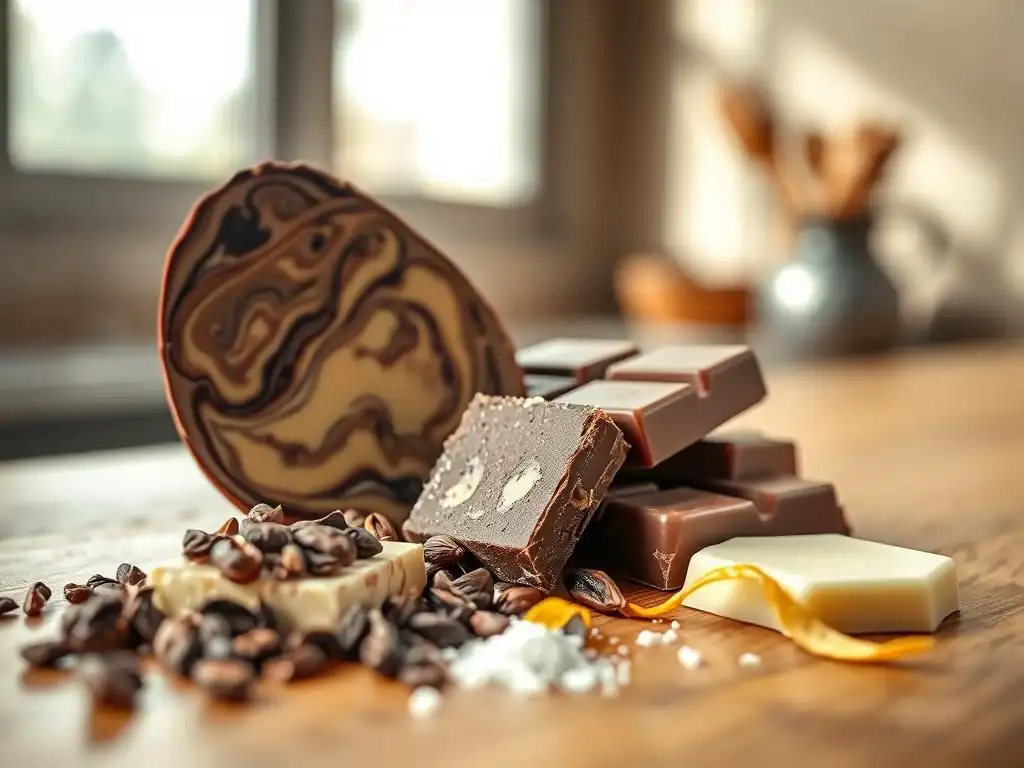
Selecting the appropriate high quality baking chocolate for your recipe is as important as using quality ingredients in the first place. Different types of chocolate (dark, milk, white) and different cacao percentages will yield vastly different results in terms of flavor, sweetness, and structure.
Consider the desired outcome: Do you want an intensely dark, slightly bitter chocolate flavor, or a sweeter, creamier note? Is the chocolate the star of the show, or a supporting player? Matching the chocolate's characteristics to the recipe's needs ensures a harmonious and delicious result. For example, a delicate pastry might be overwhelmed by an 85% dark chocolate, while a rich brownie can handle its intensity.
Matching Chocolate Type to Recipe Needs
The type and percentage of high quality baking chocolate should be chosen based on the recipe's requirements and your personal preference.
- Dark Chocolate (50%+ cacao): Provides intense chocolate flavor. Higher percentages are less sweet and more bitter. Ideal for rich desserts, ganaches, mousses, and anywhere you want a strong chocolate presence.
- Milk Chocolate (typically 30-45% cacao): Contains milk solids, making it sweeter and creamier with a less intense chocolate flavor. Good for recipes where a milder, sweeter chocolate note is desired, like certain cookies or fillings. Ensure it's high quality baking chocolate grade for best results.
- White Chocolate (contains cacao butter but no cacao solids): Sweet and creamy, tasting of sugar, milk, vanilla, and cacao butter. Provides richness and sweetness without the "chocolate" flavor. Needs high-quality cacao butter to melt smoothly. Use where a creamy sweetness is needed, often paired with fruits or nuts.
Always check the recipe's recommendation, but feel free to adjust the percentage slightly based on your preference for sweetness and intensity, staying within the high quality baking chocolate category.
Considerations for Specific Baking Applications:
Different baked goods benefit from specific types and forms of high quality baking chocolate.
Chocolate Cakes
For chocolate cakes, melted dark high quality baking chocolate (often 60-75% cacao) is frequently incorporated into the batter. The cacao percentage impacts the cake's richness and moisture. A higher percentage yields a deeper, less sweet cake. Using chocolate instead of or in addition to cocoa powder adds fat and flavor complexity, resulting in a more tender crumb and intense taste. Ensure the chocolate melts smoothly and is incorporated without overmixing.
Chocolate Chip Cookies
Choosing the right high quality baking chocolate chips or chunks is key for cookies. Look for chips specifically designed for baking (formulated to hold their shape somewhat) or chop up a high quality baking chocolate bar (couverture or a good quality baking bar). Cacao percentage matters – a mix of 60% and 70% chunks can provide layers of flavor. The quality of the cacao butter ensures they melt into desirable, gooey pockets rather than remaining hard or spreading greasily.
Brownies
Brownies benefit greatly from high quality baking chocolate, often using melted chocolate and sometimes chips or chunks. Using a high quality dark chocolate (60-75% cacao) provides a rich, fudgy texture and deep flavor. The cacao butter contributes to the moistness and chewiness. Some recipes call for both melted chocolate and cocoa powder, leveraging the fat from the chocolate for texture and the dry cacao solids from the powder for intense flavor.
Elevate Your Baking
The journey to exceptional baked goods often starts with exceptional ingredients. Understanding the role of cacao beans, cacao butter, sugar, and other components in high quality baking chocolate empowers you to make informed choices that will significantly impact the flavor, texture, and overall success of your creations.
Investing in high quality baking chocolate is an investment in your baking results. While it might cost a bit more upfront, the difference it makes in taste and performance is undeniable and often well worth it for special occasions or whenever you want your chocolate bakes to truly shine.
Finding High-Quality Baking Chocolate
High quality baking chocolate can be found in various places. Specialty food stores, gourmet grocery sections, and dedicated baking supply stores are good sources. Many reputable chocolate brands also sell directly online. Look for brands known for their commitment to quality, ethical sourcing, and transparency about their ingredients and processes.
Popular forms include fèves (small oval discs), wafers, blocks, or bars specifically labeled for baking. These forms are designed to melt easily and evenly. While high-quality chips exist, chunks chopped from a bar of high quality baking chocolate often provide a superior melt and texture in applications like cookies and brownies.
Storing Baking Chocolate
Proper storage is essential to maintain the quality of your high quality baking chocolate. Chocolate is sensitive to temperature fluctuations, moisture, odors, and light.
- Store chocolate in a cool, dry place, ideally between 60-70°F (15-21°C).
- Keep it away from direct sunlight or heat sources (like ovens).
- Store in its original packaging or an airtight container to protect it from moisture and strong odors (chocolate can absorb smells! ).
- Avoid refrigerating chocolate unless you live in a very hot, humid climate, as this can cause condensation and sugar bloom (a white, powdery surface caused by sugar crystals). If you must refrigerate, wrap it very tightly and bring it to room temperature slowly before using.
Properly stored high quality baking chocolate will retain its flavor and working properties for many months, ensuring it's ready when you are for your next baking project.
Final Thoughts: Investing in Quality.
Choosing high quality baking chocolate is one of the simplest yet most impactful ways to elevate your baking. The superior ingredients, from the carefully sourced cacao beans to the pure cacao butter, translate into richer flavor, smoother texture, and more reliable performance in your recipes. It’s an investment that pays dividends in deliciousness.
So, the next time you reach for chocolate for your cakes, cookies, or confections, take a moment to consider the ingredients. Opting for high quality baking chocolate will not only make the baking process more rewarding but will undoubtedly make your final baked goods taste exceptionally better, delighting everyone who takes a bite.
Frequently Asked Questions
What makes baking chocolate "high quality"?
High quality baking chocolate typically has a higher percentage of cocoa butter and cocoa solids. This results in a richer, more intense flavor and a smoother texture.
How does the type of cocoa bean affect the quality of baking chocolate?
The variety of cocoa bean used significantly impacts the chocolate's flavor profile. Different beans offer distinct nuances, from fruity to earthy, affecting the final taste.
Are there specific ingredients to avoid when looking for high-quality baking chocolate?
Yes, avoid chocolate with excessive added oils or artificial flavorings. These ingredients can compromise the chocolate's natural flavor and texture.
Why is cocoa butter content so important in high-quality baking chocolate?
Cocoa butter provides the smooth, melt-in-your-mouth texture and contributes to the rich flavor. A higher percentage generally indicates a superior product.
Where can I find reliable information about different brands of high-quality baking chocolate?
Websites like BakeWithEase.com often provide reviews, comparisons, and recommendations for various brands, helping you choose the best option for your needs.
Final Reflection: The Sweet Science of Superior Chocolate
The pursuit of high-quality baking chocolate is not merely a culinary quest; it's a journey into the heart of flavor, texture, and the profound impact of carefully selected ingredients. The subtle nuances revealed through a deep understanding of cocoa beans, sugar, and other additives directly translate into the final product, elevating a simple baked good into a truly memorable experience. This understanding is more crucial than ever in today's increasingly discerning market, where consumers are demanding both superior taste and ethical sourcing.
The exploration of ingredient quality in baking chocolate has profoundly shaped my own approach to baking, fostering a deeper appreciation for the artistry involved. It's no longer just about following a recipe; it's about understanding the "why" behind each component. This journey has reinforced the importance of sourcing ethically and sustainably, a value I believe is increasingly important to consumers. The best things in life are simple, but not easy.
This quote perfectly encapsulates the effort required to source and utilize high-quality ingredients, resulting in a final product that reflects that dedication.
Now, consider your own baking. What ingredients do you prioritize? Do you seek out specific origins or certifications? I encourage you to reflect on the impact of ingredient choice on the final product and, more importantly, on your own baking experience. By understanding the role of each ingredient, you can elevate your baking to new heights, creating delicious treats that are both satisfying and ethically sound. Embrace the sweet science of superior chocolate, and discover the transformative power of quality ingredients.
Unlock Your Baking Potential: Elevate Your Chocolate Creations!
Thanks for diving into the world of high-quality baking chocolate! You've now unlocked the secrets to choosing the perfect ingredients for truly exceptional results. Ready to put your newfound knowledge to the test?
- Experiment with different cocoa percentages: Try baking with a few different types of chocolate to discover your favorite flavor profiles. This is the key to unlocking your signature style!
- Share your baking triumphs (and challenges!): We'd love to see what you create! Post your creations on social media and tag us – let's build a community of passionate bakers.
- Dive deeper into our recipe collection: Explore our vast selection of recipes designed to highlight the unique qualities of different chocolates.
What unexpected flavor combination will you create with your newfound chocolate expertise?