
The Best Dark Chocolate for Baking: A Guide to Rich Flavors

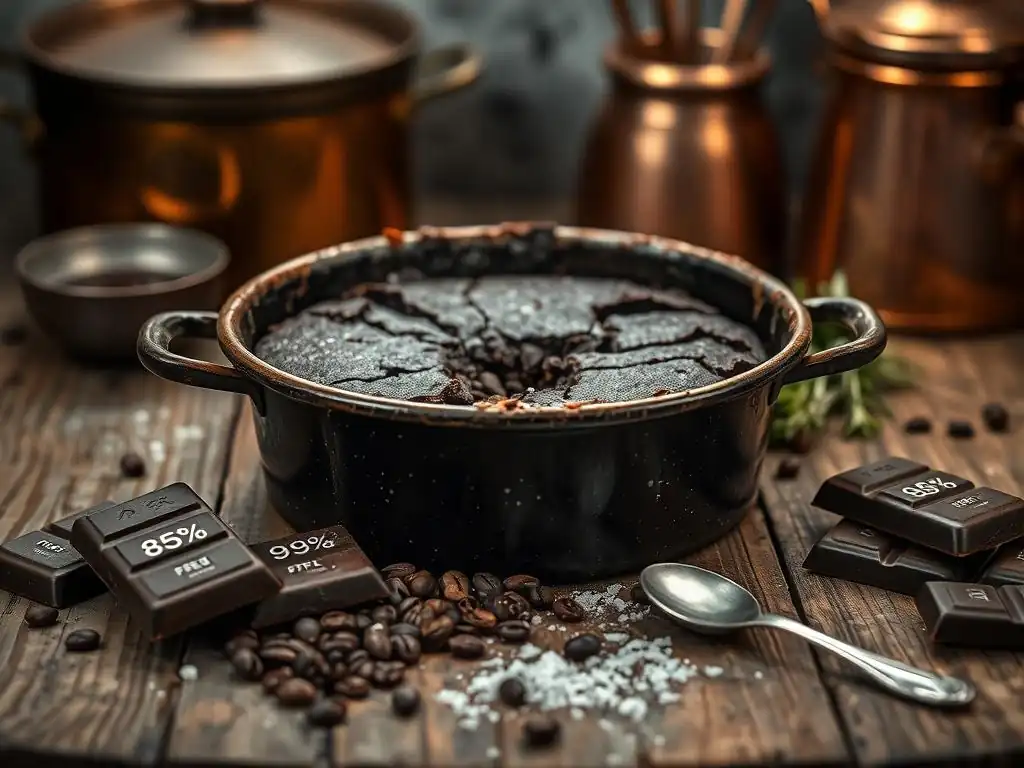
Welcome to BakeWithEase, your trusted guide to unlocking baking brilliance!
Ever wondered how to achieve that perfectly decadent flavor in your dark chocolate baking recipes? This isn't just about adding cocoa; it's about understanding the nuances of different chocolates and how they impact your final creation. Dive in to discover the secrets of selecting the best dark chocolate for baking and elevate your desserts to a whole new level of rich, unforgettable deliciousness! Ready to explore?
- Mastering Dark Chocolate Baking Recipes: Choosing the Right Chocolate
- Top Dark Chocolate Brands for Baking: A BakeWithEase.com Recommendation
- Decoding Dark Chocolate Varieties: From Baking Bars to Cocoa Powder
- Dark Chocolate Baking Recipes Enhanced: Tips and Techniques for BakeWithEase.com Users
- Maximizing Your Baking Results: High-Quality Chocolate for Superior Recipes
- Where to Buy the Best Dark Chocolate for Baking: Finding Quality Ingredients
-
Frequently Asked Questions
- What percentage of cacao is considered best for dark chocolate in baking recipes?
- Where can I find high-quality dark chocolate suitable for baking?
- Can I substitute milk chocolate for dark chocolate in your dark chocolate baking recipes?
- What are some common mistakes people make when using dark chocolate in baking?
- How should I store dark chocolate to maintain its quality for baking?
- Final Reflection: Unlocking the Secrets of Dark Chocolate in Baking
- Unlock Your Inner Chocolate Master!
Mastering Dark Chocolate Baking Recipes: Choosing the Right Chocolate
Why Dark Chocolate Matters in Baking: Flavor, Texture, and Quality
The quality of dark chocolate you choose is perhaps the most crucial element in elevating your dark chocolate baking recipes from good to truly exceptional. Unlike milk or white chocolate, dark chocolate brings a depth of flavor that can range from intensely bitter and earthy to subtly fruity or floral, depending on the cacao content and origin. This complexity is vital for balancing sweetness in cakes, adding richness to brownies, and creating luxurious ganaches. Using high-quality dark chocolate ensures that the dominant flavor in your baked goods is pure, nuanced chocolate, rather than just sugar or artificial notes.
Beyond flavor, dark chocolate significantly impacts the texture of your baked creations. The fat content in cocoa butter contributes to moistness and a smooth mouthfeel. When melted properly, good dark chocolate creates a glossy, stable ganache or a perfectly crisp yet chewy cookie. Low-quality chocolate, often containing vegetable oils instead of cocoa butter, can result in greasy textures or chocolate that seizes easily when melted, making your dark chocolate baking recipes unpredictable and less satisfying. Investing in quality chocolate is investing in consistent, superior results.
Understanding Cacao Percentage: A Guide for Baking Success
Cacao percentage refers to the total proportion of cocoa solids and cocoa butter in the chocolate. It's a key indicator of flavor intensity and sweetness. A higher percentage, like 70% or more, means the chocolate contains less sugar and will have a more intense, often bitter or complex, chocolate flavor. This is fantastic for dark chocolate baking recipes where you want a deep, pronounced chocolate note, such as rich brownies or a sophisticated chocolate tart.
Conversely, dark chocolate with a lower cacao percentage, say 50-60%, contains more sugar. This results in a sweeter, less bitter flavor profile. Chocolates in this range are often used in recipes where a balance of sweetness and chocolate flavor is desired, like classic chocolate chip cookies or moist chocolate cakes. Understanding how different percentages behave and taste allows you to select the perfect chocolate to achieve the desired flavor profile in your specific dark chocolate baking recipes. Experimentation is key to finding your favorites!
Key Considerations When Selecting Dark Chocolate for Baking
When selecting dark chocolate for your dark chocolate baking recipes, several factors come into play beyond just the cacao percentage. The form of the chocolate matters: bars, chips, or wafers each have different melting properties due to their size and the presence (or absence) of stabilizers. Origin and processing can also influence flavor; single-origin chocolates offer unique notes reflective of their growing region, while blends provide a consistent flavor profile.
Consider the specific dark chocolate baking recipe you are making. Are you melting chocolate for ganache or a glaze? Wafers or finely chopped bars melt most smoothly. Are you adding chocolate chunks to cookies? Chips are designed to hold their shape, while chopped bar chocolate will melt into glorious puddles. For intense flavor in batters, a high-quality bar is often preferred. For cocoa powder, decide between natural (acidic, reacts with baking soda) and Dutch-processed (alkaline, milder flavor, deep color, needs baking powder) based on your recipe's leavening agents.
Here's a quick checklist for selecting your chocolate:
- [ ] What cacao percentage does the recipe suggest (or what intensity do I want)?
- [ ] What form of chocolate does the recipe require (bar, chip, powder)?
- [ ] Will the chocolate be melted or remain in pieces?
- [ ] What flavor profile am I looking for (intense, sweet, fruity, earthy)?
- [ ] Does the recipe use baking soda (needs natural cocoa) or baking powder (can use Dutch-processed)?
Top Dark Chocolate Brands for Baking: A BakeWithEase.com Recommendation
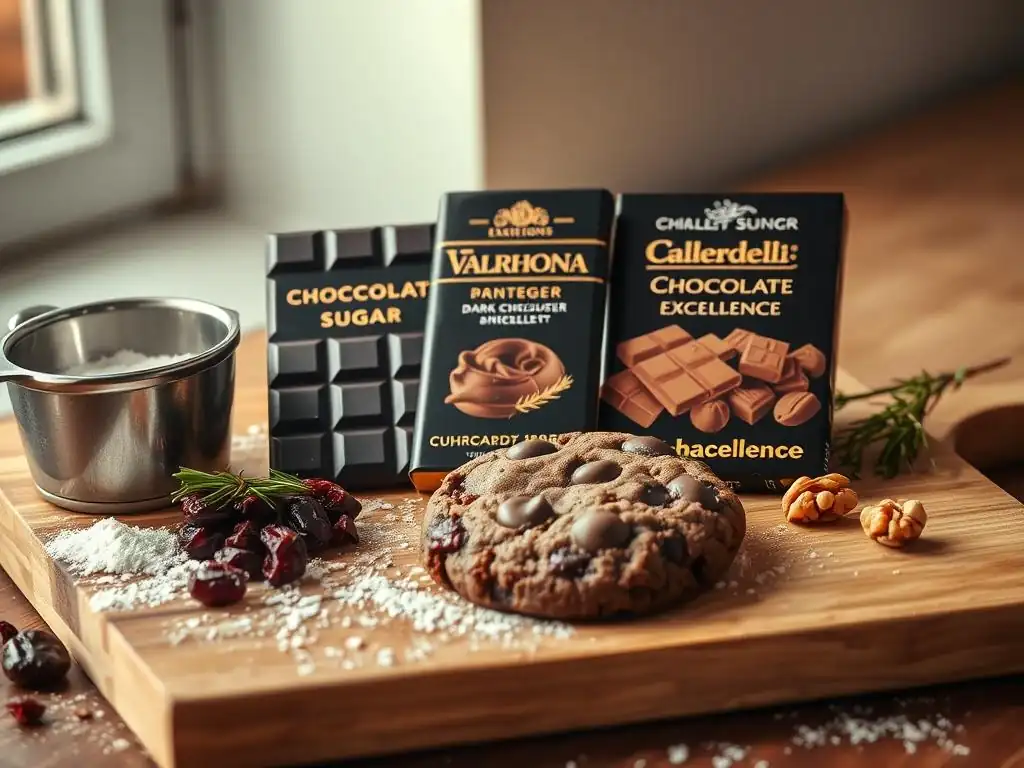
Guittard Chocolate Company: A Reliable Choice for Baking Professionals and Enthusiasts
Guittard, a fifth-generation family-owned American company, is a staple in many professional kitchens and home pantries alike. Their focus on quality sourcing and traditional methods results in chocolate with consistent performance and excellent flavor, making their products ideal for a wide range of dark chocolate baking recipes. Their dedication to crafting chocolate from the bean ensures a level of quality that shines through in finished baked goods.
Whether you're making a simple batch of cookies or a complex chocolate dessert, Guittard offers reliable options. Their chocolate melts smoothly, incorporates well into batters, and provides a rich, satisfying chocolate flavor that enhances, rather than overwhelms, other ingredients. This consistency is particularly valuable when you're working on refining your favorite dark chocolate baking recipes.
Guittard Baking Wafers: Perfect for Melting and Ganache
Guittard's baking wafers, often found in varieties like their 66% Semisweet or 70% Bittersweet, are designed specifically for melting. Their uniform size and shape ensure even melting, crucial for smooth ganaches, glazes, and tempering. For a classic dark chocolate ganache, a 1:1 ratio of hot cream to 70% Guittard wafers creates a rich, pourable glaze perfect for cakes or tarts.
Using these wafers in applications like truffles or dipping also yields beautiful, glossy results. Unlike chips, which contain less cocoa butter and stabilizers to hold their shape, wafers melt into a fluid chocolate that sets up smoothly. This makes them an indispensable ingredient for many professional-level dark chocolate baking recipes.
Guittard Cocoa Rouge: Enhancing Color and Flavor in Cakes
Guittard's Cocoa Rouge is a premium, Dutch-processed cocoa powder known for its deep reddish-brown color and rich, fudgy flavor. This type of cocoa powder is treated with an alkali solution, which neutralizes its acidity and results in a milder, less bitter taste compared to natural cocoa. It's perfect for cakes, cupcakes, and cookies where you want a deep chocolate color and a smooth chocolate flavor without any sour notes.
In a recipe for a classic chocolate layer cake, using Cocoa Rouge provides an intense color and moist crumb. Since it's Dutch-processed, it typically reacts with baking powder rather than baking soda for leavening. For example, a recipe calling for 1/2 cup of Cocoa Rouge might use 1 1/2 teaspoons of baking powder to achieve the perfect rise and texture, contributing significantly to the overall success of your dark chocolate baking recipes.
Valrhona: Luxury Dark Chocolate for Unforgettable Baked Goods
Valrhona, a French brand revered by pastry chefs worldwide, represents the pinnacle of luxury dark chocolate for baking. Known for their single-origin chocolates and precise flavor profiles, Valrhona offers an exquisite range for elevating your dark chocolate baking recipes. While often more expensive, the depth and complexity of flavor are unparalleled.
Using Valrhona chocolate is about experiencing the nuances of cacao from specific regions and blends. Their chocolates are designed to perform exceptionally in various applications, from mousses and ganaches to cakes and pastries. For home bakers looking to create truly special desserts, Valrhona is an investment in flavor that pays off in every bite.
Valrhona Guanaja 70%: Intense Flavor for Brownies and Cookies
Valrhona's Guanaja 70% is a signature dark chocolate blend known for its intense, balanced flavor with notes of floral and fruity aromas, followed by a pleasant bitterness. This chocolate is exceptional in dark chocolate baking recipes where a powerful chocolate presence is desired, such as fudgy brownies or sophisticated chocolate chunk cookies.
When chopped and folded into brownie batter, Guanaja 70% melts just enough to create pockets of intense liquid chocolate while retaining some structure, contributing both texture and profound flavor. In cookies, large chunks provide bursts of complex, bittersweet chocolate that contrast beautifully with the sweet dough, showcasing the quality of the chocolate in your dark chocolate baking recipes.
Valrhona Manjari 64%: Fruity Notes Ideal for Chocolate Mousse
Valrhona Manjari 64% is a dark chocolate made exclusively from Trinitario beans from Madagascar. It's characterized by bright, tangy, red fruit notes, making it a unique and vibrant choice. This chocolate is particularly well-suited for applications where its fruity acidity can shine, such as chocolate mousses, tarts, or certain ganaches.
In a dark chocolate mousse recipe, melting Manjari 64% and folding it into whipped cream or meringue creates a light, airy dessert with a surprisingly bright, non-cloying chocolate flavor. The fruity notes cut through the richness, resulting in a more refreshing and complex dessert than one made with a more standard dark chocolate. It's a fantastic way to add a distinctive twist to your dark chocolate baking recipes.
Ghirardelli: Accessible and Delicious Dark Chocolate Options
Ghirardelli, an American company with a long history in San Francisco, offers widely available and reliably good dark chocolate options perfect for everyday dark chocolate baking recipes. While perhaps not as artisanal as Valrhona, Ghirardelli provides excellent quality and flavor at an accessible price point, making it a go-to for many home bakers.
Their range includes various forms like chips, bars, and cocoa powder, ensuring you can find a suitable Ghirardelli product for almost any baking need. The flavor profile is generally consistent and pleasingly balanced, providing a solid foundation for your favorite chocolate treats.
Ghirardelli 60% Cacao Baking Chips: Great for Chocolate Chip Cookies
Ghirardelli's 60% Cacao Bittersweet Baking Chips are a popular choice for a reason. They strike a good balance between sweetness and deep chocolate flavor, and their chip shape is designed to hold up during baking, resulting in distinct pockets of chocolate in cookies, muffins, and scones.
Adding a cup or two of these chips to your classic chocolate chip cookie recipe yields cookies with satisfyingly gooey centers and rich chocolate flavor without being overly bitter. The 60% cacao level is approachable for most palates, making these chips a versatile staple for many common dark chocolate baking recipes.
Ghirardelli Unsweetened Baking Chocolate: A Versatile Baking Staple
Ghirardelli's 100% Cacao Unsweetened Baking Chocolate bar is a powerful ingredient for adding intense chocolate flavor without any added sugar. This is essential in recipes where you control the sweetness level yourself, such as fudgy brownies, devil's food cake, or certain types of chocolate sauces.
Because it's 100% cacao, this chocolate is very bitter and needs to be balanced with sugar in the recipe. A classic brownie recipe might call for 4 ounces of unsweetened chocolate melted with butter, which provides a deep, dark chocolate base that you then sweeten to your liking. It's a fundamental ingredient for achieving truly dark and rich dark chocolate baking recipes.
Scharffen Berger: Bold Flavors for the Adventurous Baker
Scharffen Berger, now part of the Hershey Company but maintaining its focus on quality bean-to-bar production, is known for its bold, complex dark chocolate with distinct flavor notes. Founded in California, it was one of the pioneers of the American craft chocolate movement. Their chocolates are an excellent choice for dark chocolate baking recipes where you want the chocolate flavor to be a prominent feature.
Scharffen Berger's approach highlights the natural flavors of the cacao beans. Their different percentage bars offer varying levels of intensity and unique tasting notes, allowing bakers to select chocolate that complements other ingredients in their recipes and adds an adventurous twist to familiar dark chocolate baking recipes.
Scharffen Berger 70% Bittersweet Dark Chocolate: Ideal for Rich Ganache
Scharffen Berger's 70% Bittersweet Dark Chocolate bar is celebrated for its robust, complex flavor profile, often featuring notes of dried fruit and nuts. This intensity makes it a superb choice for rich ganaches used in tarts, cakes, or as a filling for pastries.
A ganache made with Scharffen Berger 70% and heavy cream (perhaps a 1.2:1 chocolate to cream ratio for a firm ganache) results in a deeply flavorful and luxurious filling or frosting. The chocolate's inherent complexity adds layers of flavor that a simpler chocolate might not provide, elevating even a basic dark chocolate baking recipe like a chocolate tart shell filled with ganache.
Decoding Dark Chocolate Varieties: From Baking Bars to Cocoa Powder
Dark Chocolate Baking Bars: Versatility for a Range of Recipes
Dark chocolate baking bars are solid blocks of chocolate, typically weighing between 4 ounces and 1 kilogram. They are formulated specifically for baking, meaning they usually contain a higher percentage of cocoa butter than eating chocolate, which helps them melt smoothly and perform consistently in recipes. Bars are incredibly versatile for dark chocolate baking recipes.
You can chop them into chunks for cookies or muffins, finely chop them for quick melting into batters or sauces, or shave them for garnishes. The quality of a baking bar is often superior to that of chips or wafers because they are not designed to hold their shape during baking. This makes them the preferred choice for recipes where melted chocolate is a primary flavor component, such as molten lava cakes or dense chocolate loaves.
Dark chocolate chips are perhaps the most common form of chocolate used in home baking, particularly for recipes like cookies, muffins, and quick breads. Their primary advantage is convenience – they are pre-portioned and ready to use. Chips are formulated with less cocoa butter and often contain stabilizers like lecithin to help them retain their shape when heated.
This characteristic is exactly why they are perfect for dark chocolate baking recipes where you want distinct pockets of chocolate that don't completely melt and disappear into the batter. While they don't melt as smoothly as chopped bar chocolate or wafers, they provide that classic chocolate chip texture that is essential to many beloved dark chocolate baking recipes.
Dutch-Processed Cocoa Powder: Rich Color and Mild Flavor for Cakes
Dutch-processed cocoa powder, also known as alkalized cocoa, is cocoa powder that has been treated with an alkaline solution. This process neutralizes the natural acidity of cocoa, resulting in a darker, reddish-brown color and a milder, smoother, less bitter flavor compared to natural cocoa. It dissolves easily into liquids, which is beneficial for batters and sauces.
In dark chocolate baking recipes, Dutch-processed cocoa is typically paired with baking powder for leavening, as it doesn't react with baking soda. It's excellent for creating rich, dark chocolate cakes, cupcakes, and frostings where a deep color and balanced, non-acidic chocolate flavor are desired. Think of a classic devil's food cake – its dark color and moist texture are often achieved with Dutch-processed cocoa.
Natural Cocoa Powder: Intense Chocolate Flavor for Brownies
Natural cocoa powder is cocoa powder that has not undergone the alkalizing process. It retains its natural acidity, has a lighter brown color, and a stronger, slightly more bitter, and often fruity or acidic chocolate flavor. Its acidity is key when it comes to leavening in many dark chocolate baking recipes.
Natural cocoa powder is commonly paired with baking soda in recipes. The acidic cocoa reacts with the alkaline baking soda to produce carbon dioxide gas, which helps baked goods rise. This reaction also contributes to a slightly different texture and flavor profile compared to Dutch-processed cocoa. It's the traditional choice for many classic brownie recipes, where its intense flavor and reaction with baking soda contribute to that signature chewy texture and fudgy interior, making it essential for many dark chocolate baking recipes.
Dark Chocolate Baking Recipes Enhanced: Tips and Techniques for BakeWithEase.com Users
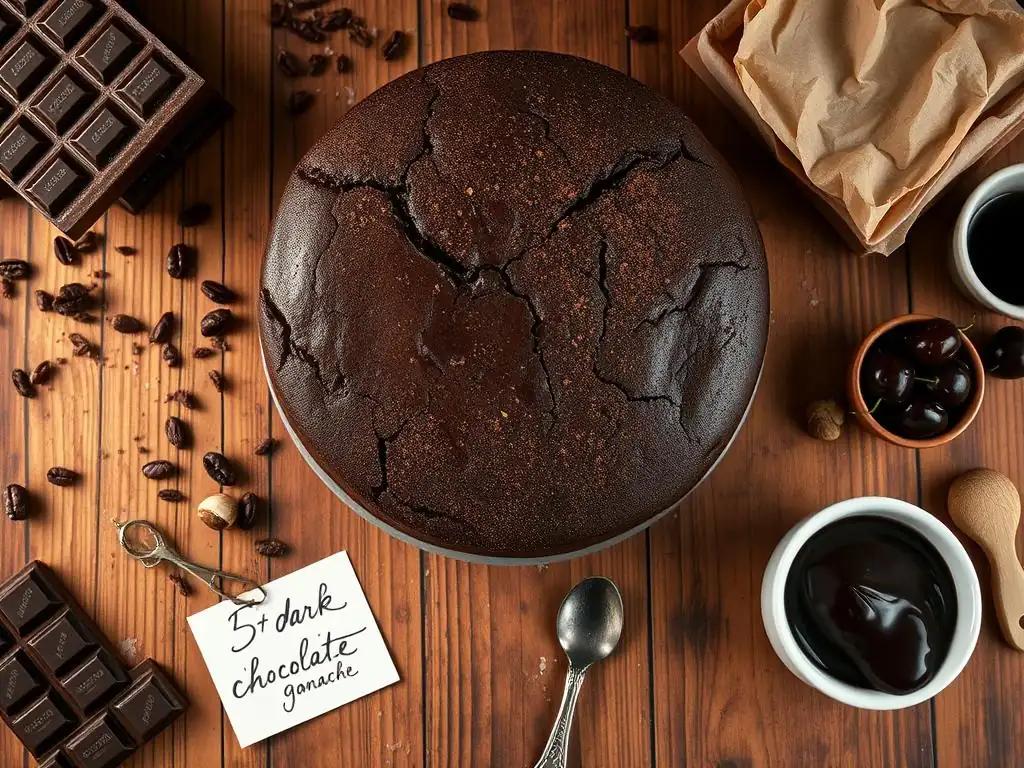
Enhancing Chocolate Flavor: Pairing Dark Chocolate with Other Ingredients
To truly make your dark chocolate baking recipes sing, consider how dark chocolate pairs with other ingredients. A pinch of sea salt can dramatically enhance chocolate's depth and complexity, balancing sweetness and bringing out subtle notes. Coffee or espresso powder is another classic pairing; it doesn't necessarily make the chocolate taste like coffee but intensifies the chocolate flavor itself.
Other ingredients that complement dark chocolate beautifully include vanilla extract, which rounds out the flavor; spices like cinnamon, chili powder, or cardamom for warmth and complexity; and even a touch of balsamic vinegar or a dark fruit puree (like raspberry or cherry) to highlight fruity notes in the chocolate. Experimenting with these pairings can transform a simple dark chocolate baking recipe into something truly extraordinary.
Tip: For an extra boost of flavor in a chocolate cake or brownie batter, dissolve a teaspoon of instant espresso powder in the liquid component before adding it to the dry ingredients.
Mastering Melting Techniques: Achieve Smooth and Glossy Chocolate
Properly melting dark chocolate is crucial for many dark chocolate baking recipes, from making ganache to dipping truffles. The key is to melt it gently and avoid overheating, which can cause the chocolate to seize (become thick and grainy) or burn. The two most common methods are using a double boiler or a microwave.
For the double boiler method, place chopped chocolate or wafers in a heatproof bowl set over a saucepan of simmering water (the bottom of the bowl should not touch the water). Stir occasionally until about two-thirds of the chocolate is melted, then remove from the heat and stir until completely smooth from the residual heat.
For the microwave method, place chocolate in a microwave-safe bowl and heat on 50% power in 30-second intervals, stirring thoroughly after each interval, until almost fully melted, then stir until smooth. Patience is key to achieving that perfect, glossy texture for your dark chocolate baking recipes.
Avoiding Common Baking Mistakes: Troubleshooting with Dark Chocolate
Working with dark chocolate in dark chocolate baking recipes can sometimes present challenges. A common issue is chocolate seizing when it comes into contact with even a tiny amount of water while melting. To prevent this, ensure all your equipment is completely dry when melting chocolate. If chocolate does seize, sometimes you can rescue it by whisking in a tablespoon or two of hot liquid (like hot cream, milk, or melted butter) until it becomes smooth again, though this isn't always successful.
Another mistake is overmixing batter after adding chocolate chips or chunks. Overmixing can develop too much gluten, resulting in tough cookies or cakes, and can also cause the chocolate pieces to distribute unevenly or even melt too much. For best results in your dark chocolate baking recipes, fold in chocolate additions gently by hand just until they are evenly distributed.
Maximizing Your Baking Results: High-Quality Chocolate for Superior Recipes
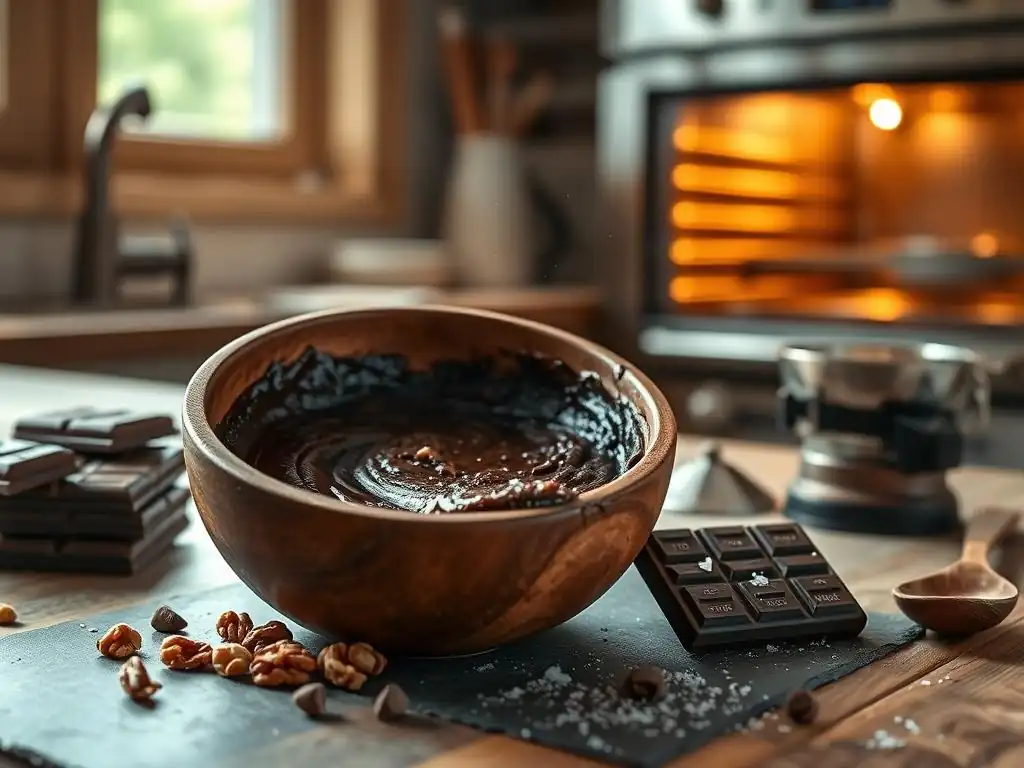
Brownies are a classic dark chocolate baking recipe, and the quality of the chocolate you use directly impacts their fudginess and depth of flavor. Using a high-quality dark chocolate bar, rather than just cocoa powder or chips, provides a richer, more intense chocolate experience. For example, a recipe calling for 4 ounces of melted 70% dark chocolate bar combined with cocoa powder will yield brownies with a far more complex flavor than one relying solely on cocoa.
Consider using a dark chocolate with a percentage between 60% and 75% for brownies. Melting chopped bar chocolate (like Scharffen Berger 70% or Valrhona Guanaja 70%) into the butter provides a luscious base. Adding chocolate chunks of the same or a slightly lower percentage ensures pockets of intense, melted chocolate throughout the finished brownie, creating a truly decadent result in your dark chocolate baking recipes.
Perfect Your Chocolate Cake: Achieving a Moist and Decadent Texture
A truly great chocolate cake relies on both high-quality cocoa powder for deep color and flavor and often, melted dark chocolate for moisture and richness. Using a premium Dutch-processed cocoa like Guittard Cocoa Rouge gives the cake a beautiful dark crumb and smooth chocolate taste. Complementing this with melted dark chocolate adds fat, contributing to a moist and tender texture.
Many exceptional dark chocolate cake recipes incorporate melted dark chocolate (around 60-70%) along with cocoa powder. This combination provides layers of chocolate flavor and ensures the cake stays moist for days. The cocoa powder delivers the classic "chocolate cake" taste and color, while the melted dark chocolate adds fudginess and a rich mouthfeel, making these dark chocolate baking recipes truly decadent.
Chocolate cookies, whether they are simple drop cookies or more elaborate creations, benefit greatly from the right dark chocolate. The key is balancing the sweetness of the cookie dough with the bitterness and intensity of the chocolate. Using dark chocolate chips or chunks (around 60-70% cacao) provides bursts of bittersweet flavor that contrast wonderfully with a sweet dough.
For a truly exquisite chocolate chunk cookie, chop a high-quality dark chocolate bar instead of using pre-made chips. The irregular shapes and sizes mean some pieces will melt more fully, creating pools of chocolate, while others will remain as distinct chunks, adding varied texture and intense flavor to your dark chocolate baking recipes. A sprinkle of flaky sea salt on top before baking further enhances the chocolate's flavor, elevating a simple cookie to gourmet status.
Where to Buy the Best Dark Chocolate for Baking: Finding Quality Ingredients
Online Retailers: Convenience and a Wide Selection
Online retailers offer unparalleled convenience and access to a vast selection of dark chocolate brands and forms, including many specialty and professional-grade options that might not be available locally. Websites specializing in baking supplies or gourmet foods often carry a wide range of cacao percentages, origins, and product types, from large Callebaut or Valrhona blocks to specific cocoa powders.
Shopping online allows you to compare prices and product specifications easily and have ingredients delivered directly to your door. This is particularly useful for finding specific types of chocolate recommended for advanced dark chocolate baking recipes or for stocking up on your favorites in bulk.
Specialty Chocolate Shops: Expert Advice and Unique Options
Visiting a local specialty chocolate shop or a high-end gourmet food store can be a wonderful experience for finding dark chocolate for baking. These shops often curate a selection of artisanal and bean-to-bar chocolates that offer unique flavor profiles you won't find in standard grocery stores.
Beyond the selection, specialty shops often have knowledgeable staff who can provide advice on pairing chocolates with specific dark chocolate baking recipes or recommend options based on the flavor characteristics you're looking for. You might discover single-origin chocolates that add a truly distinctive note to your baked goods.
Grocery Stores: Accessible and Affordable Choices
Most standard grocery stores carry a selection of dark chocolate suitable for dark chocolate baking recipes, offering accessible and affordable options for everyday needs. Brands like Ghirardelli, Lindt, and sometimes Guittard are commonly found in the baking aisle.
While the selection might be more limited compared to online or specialty stores, you can usually find reliable dark chocolate chips, baking bars (often in 50-70% ranges), and both natural and Dutch-processed cocoa powder. These are perfectly adequate for many common dark chocolate baking recipes and are convenient for last-minute baking projects. Look for products labeled specifically for baking to ensure they perform well when heated.
Frequently Asked Questions
What percentage of cacao is considered best for dark chocolate in baking recipes?
Generally, a dark chocolate with 50-70% cacao is recommended. This range provides a good balance of bitterness and sweetness for most baking applications.
Where can I find high-quality dark chocolate suitable for baking?
You can find good quality dark chocolate at most major grocery stores or specialty chocolate shops. Look for brands that list cacao percentage and ingredients clearly.
Can I substitute milk chocolate for dark chocolate in your dark chocolate baking recipes?
Substituting milk chocolate will significantly alter the flavor and sweetness. It's not generally recommended unless the recipe is specifically adjusted for the higher sugar content of milk chocolate.
What are some common mistakes people make when using dark chocolate in baking?
One mistake is overheating the chocolate, causing it to seize. Another is using low-quality chocolate, which lacks depth of flavor and proper melting properties.
How should I store dark chocolate to maintain its quality for baking?
Store dark chocolate in a cool, dry, and dark place, away from strong odors. Proper storage ensures that the chocolate retains its rich flavor and smooth texture for baking.
Final Reflection: Unlocking the Secrets of Dark Chocolate in Baking
The pursuit of the perfect dark chocolate for baking is more than just a culinary quest; it's a journey into the heart of flavor complexity. Finding that ideal bar, with its nuanced notes and melting properties, can elevate a simple recipe into a transcendent experience. This exploration has highlighted the crucial role of cacao percentage, origin, and processing in achieving baking success.
The impact of high-quality dark chocolate extends far beyond the individual recipe. It influences the entire baking landscape, shaping trends and inspiring innovation. The growing appreciation for ethically sourced cacao and the increasing demand for unique flavor profiles are testaments to this. The best chocolate is the one that inspires you,
a renowned pastry chef once said, and I believe this rings true for both bakers and consumers alike. It's about more than just the taste; it's about the story behind the bean, the craftsmanship of the maker, and the joy it brings to the final product.
Now, it's your turn. Don't just settle for ordinary chocolate in your baking. Take the knowledge gained here, experiment with different varieties, and discover the unique magic that the right dark chocolate can bring to your creations. Embrace the journey of flavor exploration, and let your baking become a testament to the rich and rewarding world of dark chocolate.
Unlock Your Inner Chocolate Master!
Thanks for joining us on this delicious journey into the world of dark chocolate baking! We hope you've discovered some new favorites and gained the confidence to create truly decadent treats. Ready to put your newfound knowledge to the test?
- Bake your dream dessert: Choose your favorite dark chocolate from our guide and create something amazing. Let your imagination run wild – brownies, cakes, cookies – the possibilities are endless!
- Share your creations: Show us your baking masterpieces on social media using #BakeWithEaseDarkChocolate – we’d love to see them!
- Leave a comment below: What’s your go-to dark chocolate for baking, and what's your favorite recipe to use it in?
Ready to transform your baking? Let’s see those chocolate creations!