
Selecting HighQuality White Chocolate That Won't Seize

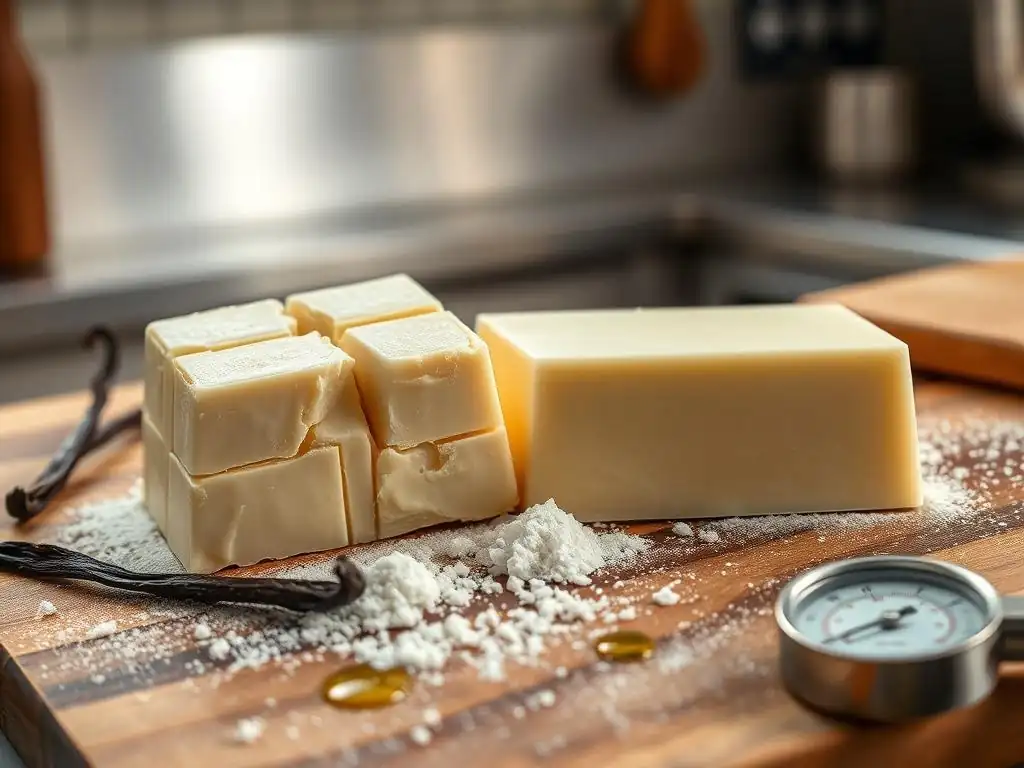
Welcome to BakeWithEase, where we believe everyone can create delicious masterpieces! Ever wondered why your white chocolate sometimes turns into a grainy mess? Dive into our guide on selecting high-quality white chocolate that won't seize and unlock the secrets to smooth, decadent results every time. Discover the crucial factors that separate success from frustration in the world of premium baking ingredients. Let's bake with confidence!
- Selecting High-Quality White Chocolate That Won't Seize: A Baker's Guide
- Understanding White Chocolate Seizing: Why It Happens & How to Avoid It
- Identifying High-Quality White Chocolate for Baking: A Buyer's Checklist
- Top White Chocolate Brands Recommended by BakeWithEase
- Techniques to Prevent White Chocolate Seizing: A Step-by-Step Guide
- Salvaging Seized White Chocolate: A Baker's Last Resort (and What to Avoid)
-
Frequently Asked Questions
- What causes white chocolate to seize during baking?
- How can I choose the right white chocolate to minimize the risk of seizing?
- What's the best method for melting white chocolate to prevent seizing?
- Are there any ingredients I should avoid adding to melted white chocolate to prevent seizing?
- What should I do if my white chocolate seizes while melting?
- Final Reflection: The Enduring Quest for Perfect White Chocolate
- Unlock the Secrets to Silky-Smooth White Chocolate!
Selecting High-Quality White Chocolate That Won't Seize: A Baker's Guide
Understanding White Chocolate Seizing: Why It Happens & How to Avoid It
What is White Chocolate Seizing? A Baker's Nightmare
White chocolate seizing is a common frustration for bakers, transforming smooth, melted chocolate into a thick, grainy, and unusable paste. This sudden change occurs when the delicate balance of the chocolate's components is disrupted, preventing it from melting into a fluid state. Instead of flowing nicely for dipping, coating, or incorporating into batters, you're left with a lumpy mess that's often described as looking like cottage cheese or wet sand. It's a swift process that can ruin a batch of expensive ingredients in seconds, making it crucial to understand why it happens to implement effective white chocolate seizing tips.
This seizing phenomenon isn't just about texture; it fundamentally alters the structure of the chocolate. The cocoa solids and sugar particles, which are suspended in the cocoa butter, clump together when exposed to triggers like moisture or excessive heat. The cocoa butter, the fatty component that gives melted chocolate its smooth viscosity, can no longer coat these particles evenly. The result is a stiff, unworkable mass where the fat has separated or can't properly lubricate the dry ingredients, rendering it useless for most baking applications where a smooth, melted consistency is required.
Common Causes of White Chocolate Seizing: Moisture, Heat, and More
The primary culprits behind white chocolate seizing are moisture and heat. Even a tiny droplet of water or a puff of steam introduced into melting chocolate can cause it to seize instantly. This is because sugar, a major component of white chocolate, is hydrophilic, meaning it loves water.
When water is added in a small amount, the sugar particles dissolve and clump together, pulling the surrounding cocoa solids and disrupting the smooth flow of the cocoa butter. Think of adding just a few drops of liquid to powdered sugar – it turns into a hard paste rather than dissolving smoothly. This is why using a dry bowl and utensils is paramount when melting white chocolate.
Excessive or inconsistent heat is another major factor contributing to white chocolate seizing. Unlike dark or milk chocolate, white chocolate has a lower melting point (around 85-90°F or 29-32°C for pure white chocolate, though some compounds melt higher) and is more sensitive to heat. Overheating can cause the cocoa butter to separate from the sugar and milk solids, leading to a greasy, grainy texture that is a form of seizing. Rapid temperature changes can also shock the chocolate, causing it to seize. Using gentle, indirect heat and melting slowly are crucial white chocolate seizing tips to prevent this issue.
The Role of White Chocolate Quality in Preventing Seizing
The quality of the white chocolate you use plays a significant role in its susceptibility to seizing. High-quality white chocolate contains a generous amount of cocoa butter – legally, in the US, it must be at least 20% cocoa butter by weight, though many premium brands exceed this, often reaching 30-35% or more. This high cocoa butter content acts as a lubricant, helping the chocolate maintain a smooth, fluid consistency when melted, even if slightly stressed. It provides a buffer against potential seizing triggers like minor temperature fluctuations.
Conversely, lower-quality white chocolate often contains less cocoa butter and may substitute it with other vegetable fats like palm kernel oil or hydrogenated oils. These alternative fats behave differently than cocoa butter when heated and cooled, making the chocolate more prone to seizing, especially when exposed to moisture or inconsistent heat. They don't provide the same stable, smooth matrix as pure cocoa butter. Investing in a white chocolate with a high percentage of real cocoa butter is one of the most fundamental white chocolate seizing tips you can follow for reliable baking results.
Identifying High-Quality White Chocolate for Baking: A Buyer's Checklist
Cocoa Butter Content: The Key to Smooth Melting and Preventing Seizing
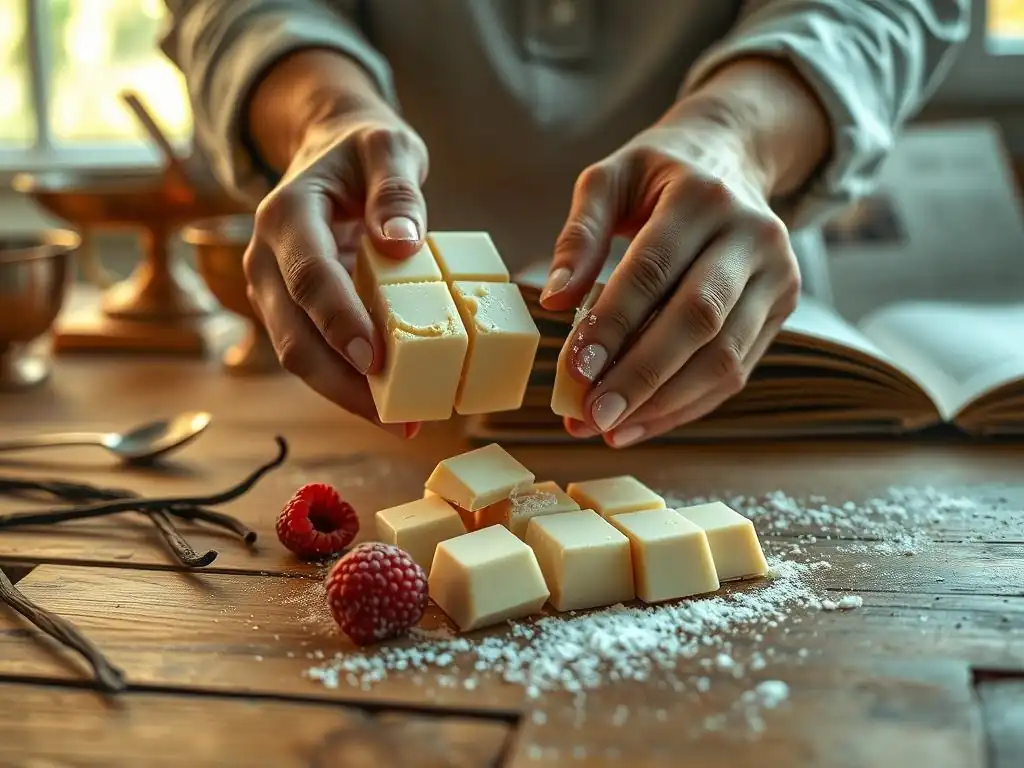
When selecting white chocolate for baking, the first thing to look for is the cocoa butter content on the packaging. As mentioned, legally it must be at least 20% in the US, but for superior melting and a lower risk of seizing, aim for brands that list 30% cocoa butter or higher. A higher percentage means a richer, creamier texture when melted and greater stability. This is the fat that allows the chocolate to flow smoothly and solidify properly when cooled, essential for tempering and achieving a professional finish on confections.
Checking the ingredients list for where cocoa butter appears is also key. It should be listed early, ideally as one of the first ingredients after sugar and milk solids. Some products labeled "white baking chips" or "white confectionery coating" might contain little to no cocoa butter, relying instead on cheaper vegetable oils. These compound coatings are much more susceptible to seizing and don't offer the same flavor or texture as true white chocolate made with cocoa butter. Prioritizing cocoa butter content is perhaps the most impactful of all white chocolate seizing tips.
Ingredient List: Avoiding Fillers and Additives That Cause Problems
Beyond looking for high cocoa butter, scrutinize the rest of the ingredient list. High-quality white chocolate typically contains sugar, cocoa butter, milk solids (like whole milk powder, skim milk powder, or cream powder), vanilla, and sometimes lecithin (an emulsifier that helps with smooth texture, usually from soy). Avoid products where the ingredient list includes hydrogenated oils, palm kernel oil, or other non-cocoa butter fats listed early. These are often indicators of compound coatings, not true white chocolate, and they contribute to a higher risk of seizing and inferior flavor.
Other additives to be wary of are artificial flavors or excessive stabilizers that aren't standard in quality chocolate making. While lecithin is common and helpful, a long list of unfamiliar chemicals might suggest a product designed for shelf stability rather than optimal melting and flavor. A shorter, recognizable ingredient list focusing on cocoa butter, milk, and sugar is usually a good sign of quality. Choosing pure ingredients is one of the simplest yet most effective white chocolate seizing tips.
Appearance and Aroma: Visual and Olfactory Clues to Quality White Chocolate
Before you even melt it, the appearance and aroma of white chocolate can offer clues about its quality and potential for seizing. High-quality white chocolate should have a smooth, uniform color, typically a pale ivory or yellowish hue due to the natural color of cocoa butter (which is yellowish). It should not be stark white, which can indicate bleaching or the presence of artificial ingredients. The surface should be glossy and break with a clean snap, not crumble easily.
The aroma is another indicator. Good white chocolate should smell rich, creamy, and subtly sweet, with notes of vanilla and milk. There should be no waxy or artificial smells. A faint, pleasant scent is better than a strong, artificial one. If the chocolate looks dull, streaky (a sign of poor tempering or fat bloom), or smells waxy or chemical-like, it's likely lower quality and potentially more prone to seizing. Paying attention to these sensory details is a useful addition to your white chocolate seizing tips arsenal.
Top White Chocolate Brands Recommended by BakeWithEase
Valrhona Ivoire 35% White Chocolate: A Professional's Choice
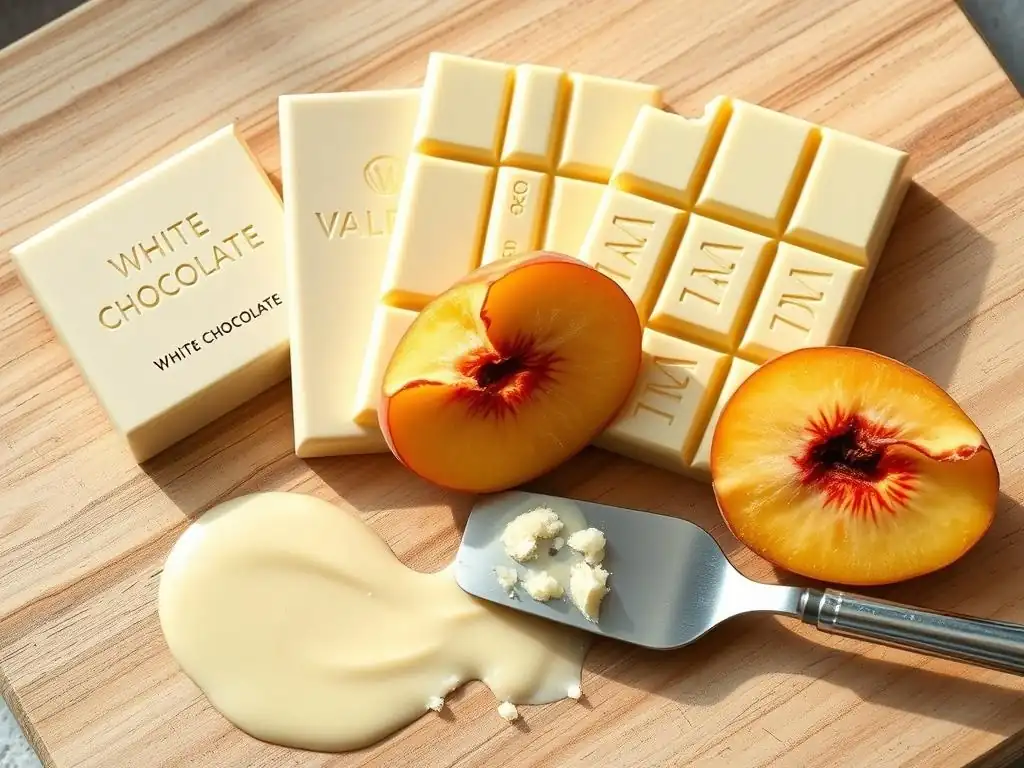
Valrhona Ivoire is a benchmark for professional-grade white chocolate, widely used in patisseries and fine dining kitchens. Its reputation stems from its consistent quality, superb flavor profile (creamy, not overly sweet, with delicate vanilla notes), and its excellent handling properties, particularly its resistance to seizing. Bakers often rely on Valrhona for critical applications where failure isn't an option, making it a go-to for delicate mousses, ganaches, and tempering for decorative work.
This chocolate is produced by a company with a long history of expertise in chocolate making, focusing on sourcing high-quality cocoa beans and employing precise manufacturing processes. Their commitment to quality results in chocolate that melts smoothly and predictably, a key factor in preventing the dreaded seize. While it comes at a higher price point, the reliability and superior results it delivers make it a worthwhile investment for serious bakers tackling complex recipes.
Why Valrhona Ivoire Resists Seizing: High Cocoa Butter and Processing Techniques
Valrhona Ivoire boasts a significant 35% cocoa butter content, notably higher than the legal minimum and many other brands. This generous proportion of high-quality cocoa butter provides exceptional fluidity when melted, allowing the chocolate to remain stable even when exposed to slight stresses that might cause lower-fat chocolates to seize. The cocoa butter acts as a robust protective layer around the sugar and milk solids, hindering clumping.
Furthermore, Valrhona's manufacturing process, including careful conching and tempering, contributes to Ivoire's stability. Conching helps develop flavor and creates a smooth texture by reducing particle size, while precise tempering ensures the fat crystals are aligned correctly. This meticulous processing results in a chocolate that melts evenly and holds its structure well, making it inherently less susceptible to seizing compared to chocolates with inconsistent particle size or poor fat distribution.
Best Uses for Valrhona Ivoire: Ganaches, Mousses, and Delicate Pastries
Due to its high quality, smooth melt, and excellent stability, Valrhona Ivoire is ideal for applications where the white chocolate flavor and texture are paramount. It creates exceptionally smooth and stable ganaches, perfect for filling tarts or truffles, or as a pourable glaze. Its high cocoa butter content also makes it temper beautifully, yielding glossy, snappy coatings for bonbons or decorative elements.
It's also the preferred choice for delicate preparations like white chocolate mousses, bavarois, and crémeux, where its creamy texture and refined flavor shine through without being overly sweet. Because it's less likely to seize, it's more forgiving when incorporating other ingredients like whipped cream or egg yolks, which are often added when the chocolate is warm and vulnerable. Using Valrhona Ivoire is one of the best white chocolate seizing tips for achieving professional-level results in fine pastries.
Guittard White Chocolate Baking Chips: A Reliable Option for Everyday Baking
Guittard is a reputable American chocolate maker known for providing quality chocolate that is accessible to home bakers. Their white chocolate baking chips are a popular choice for everyday recipes like cookies, brownies, and muffins. While chips often contain stabilizers to help them maintain their shape during baking, Guittard's formulation prioritizes good flavor and relatively reliable melting compared to many mass-market chip brands.
These chips are designed to hold up well to the heat of an oven while still melting smoothly when stirred into batters or used for simple melting applications like dipping or drizzling. They offer a balance of convenience and quality, making them a solid choice for bakers who need a dependable white chocolate without necessarily needing the ultra-fine quality required for professional tempering or delicate applications. They provide a good starting point for practicing basic white chocolate seizing tips.
How Guittard Chips Stand Up to Heat: Consistent Quality for Cookies and Brownies
Guittard white chocolate chips are formulated to perform consistently in baked goods. When added to cookie dough or brownie batter, they soften and melt slightly but largely retain their chip shape, providing pockets of creamy white chocolate flavor. When used for melting outside of baking, like for dipping pretzels or drizzling over desserts, they melt relatively smoothly, though they may require slightly more attention than couverture because of added stabilizers.
The consistent particle size and formulation help ensure predictable results, reducing the likelihood of unexpected seizing during melting, provided basic precautions against moisture and overheating are followed. While not designed for complex tempering, their stability makes them reliable for straightforward melting tasks encountered in typical home baking. Their dependability makes them a good option when implementing white chocolate seizing tips in common recipes.
Tips for Using Guittard White Chocolate Chips: Avoiding Overheating
When melting Guittard white chocolate chips, it's particularly important to use gentle, indirect heat and avoid overheating. Because they contain stabilizers, they may not appear fully melted even when they are. Stir frequently and remove from heat as soon as most of the chips are melted, relying on residual heat to melt the rest. This prevents scorching and reduces the risk of the fat separating, which can lead to seizing.
Using a double boiler is recommended for melting chips to ensure gentle heat. If microwaving, use low power settings (e.g., 50%) and stir every 30 seconds. Stop heating when only a few small lumps remain and stir until smooth. This careful approach is a crucial white chocolate seizing tip specifically for chips, which can be more forgiving than bars but still susceptible to high heat.
Ghirardelli White Chocolate Baking Bar: A Widely Available and Versatile Choice
Ghirardelli is a widely accessible brand found in most grocery stores, offering a convenient option for many home bakers. Their white chocolate baking bar provides a step up in quality from basic chips for melting purposes and is suitable for a range of applications, from making ganache to incorporating into batters or frostings. It offers a good balance of flavor and functionality for general baking needs.
The bar format allows for easier chopping into uniform pieces, which helps with even melting. While it may not have the extremely high cocoa butter content of professional couverture like Valrhona, Ghirardelli's formulation is generally reliable for melting and provides a pleasant creamy flavor that works well in many recipes. It's a practical choice when you need reasonably good white chocolate that's easy to find.
Maximizing Value with Ghirardelli: Balancing Quality and Affordability
Ghirardelli offers a good balance between quality and price, making it a popular choice for everyday baking where using premium couverture might be cost-prohibitive. It provides a richer flavor and smoother melt compared to many budget white chocolates or compound coatings. While it requires careful handling to prevent seizing, its performance is generally consistent, allowing bakers to achieve good results without significant expense.
Using the Ghirardelli bar rather than chips, when melting is the primary goal, can sometimes yield better results as bars typically have a slightly different formulation with fewer stabilizers designed for shape retention. This can lead to a smoother melt. It's a cost-effective way to practice various white chocolate seizing tips without investing in expensive ingredients.
Preventing Seizing with Ghirardelli: Tempering and Careful Monitoring
When working with Ghirardelli white chocolate, paying close attention to temperature and moisture is paramount to prevent seizing. If attempting to temper, follow specific white chocolate tempering instructions carefully, as its lower melting point requires lower working temperatures than dark or milk chocolate. Avoid letting it get too hot during melting, ideally keeping it below 110°F (43°C).
For simple melting, use a double boiler and ensure the water isn't boiling vigorously and no steam or water splashes into the chocolate. If microwaving, use very short intervals (15-20 seconds) on medium power and stir frequently. Ghirardelli is susceptible to overheating, so removing it from the heat source before it's completely melted and stirring to finish is a key white chocolate seizing tip for this brand.
Techniques to Prevent White Chocolate Seizing: A Step-by-Step Guide
The Double Boiler Method: Gentle Heat for Even Melting
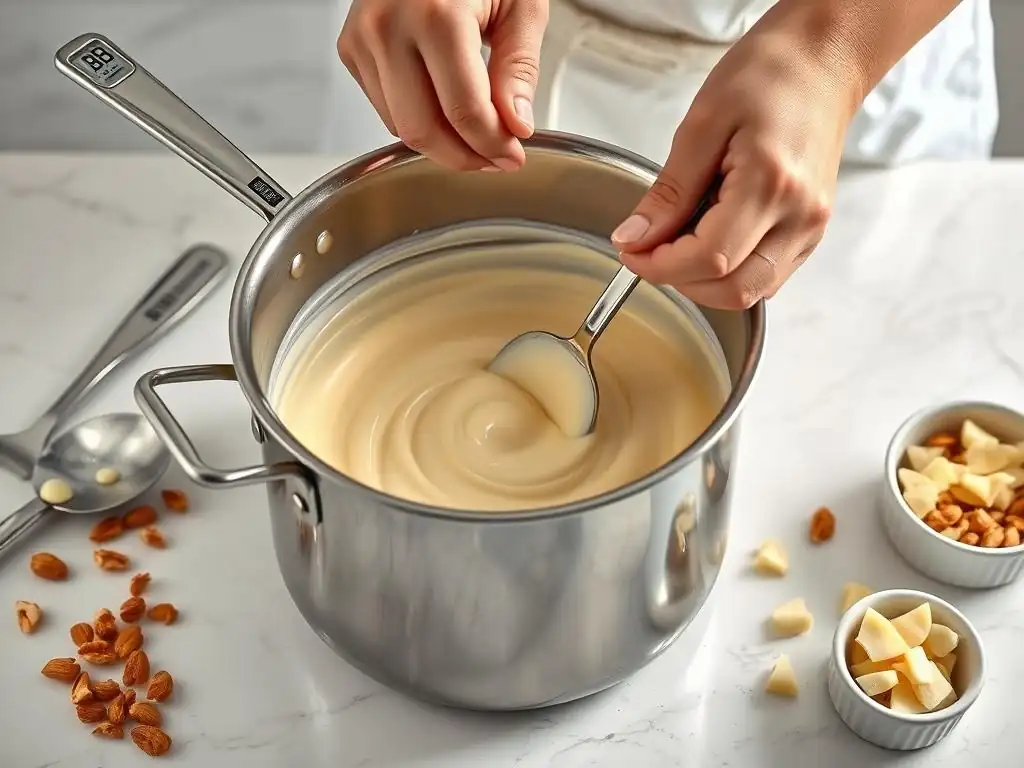
The double boiler method is widely considered the safest way to melt white chocolate and minimize the risk of seizing. This technique uses indirect heat from steam to gently warm the chocolate, preventing it from overheating. To set up a double boiler, place your chopped white chocolate in a heatproof bowl that fits snugly over a saucepan without touching the water at the bottom. Fill the saucepan with about an inch or two of water and bring it to a bare simmer over low to medium heat.
Place the bowl of chocolate over the simmering water, ensuring the bottom of the bowl does not touch the water. The steam rising from the water will gently heat the bowl and melt the chocolate. Stir the chocolate frequently with a dry rubber spatula or spoon. As it melts, it will become smooth and fluid. Remove the bowl from the heat as soon as the chocolate is mostly melted, stirring until any remaining pieces dissolve from residual heat. This slow, controlled heating is one of the most important white chocolate seizing tips.
Microwaving White Chocolate: Avoiding Overheating and Burning
Melting white chocolate in the microwave is faster but requires extreme caution to avoid overheating and seizing. Use a microwave-safe bowl and start by heating the chopped chocolate on medium power (50% or 60%) for 30-second intervals. After each interval, remove the bowl and stir the chocolate thoroughly, even if it doesn't look like it's melting. This distributes the heat evenly.
As the chocolate begins to melt, reduce the heating intervals to 15 seconds. Continue heating and stirring until the chocolate is mostly melted with just a few small lumps remaining. Remove it from the microwave and stir continuously until the residual heat melts the rest. Never leave the chocolate unattended in the microwave, and always err on the side of underheating and stirring to finish. This method is riskier than a double boiler, so careful monitoring is essential for preventing white chocolate from seizing this way.
Adding a Stabilizer: Incorporating Cream or Butter for a Smooth Texture
In certain applications, adding a small amount of fat or liquid before melting can help stabilize white chocolate and make it less prone to seizing, particularly when creating ganaches or sauces. For example, when making white chocolate ganache, you heat cream and then pour it over the chopped white chocolate. The fat and moisture in the cream are incorporated from the start, creating a stable emulsion as you stir.
Similarly, when melting white chocolate to mix into butter-based recipes like fudge or some frostings, melting the chocolate directly into warm butter can sometimes help. The fat from the butter mixes with the cocoa butter, creating a more stable mixture. However, this is application-specific; adding random liquids to already melting chocolate is a common cause of seizing. The key here is incorporating the stabilizer intentionally and correctly as part of a recipe, not trying to fix seizing after it starts by adding liquid.
Salvaging Seized White Chocolate: A Baker's Last Resort (and What to Avoid)
How to Attempt Rescuing Seized Chocolate: Adding Liquid Carefully
If your white chocolate has seized into a thick, grainy paste, there's a slim chance you might be able to salvage it, but it's not guaranteed. The most common method is to try adding a small amount of hot liquid, specifically a fat like melted butter, vegetable oil, or even hot cream or milk. The goal is to add enough liquid to disperse the clumped sugar and solids, essentially turning the mixture into a very thick sauce or glaze.
Start by heating a tablespoon or two of your chosen liquid (like melted butter or hot cream). Add the hot liquid one teaspoon at a time to the seized chocolate, stirring vigorously and constantly with a whisk. Keep adding liquid, teaspoon by teaspoon, and whisking until the mixture becomes smooth again. It will be thinner than originally intended, more like a glaze or sauce, but it might be usable in some recipes where a pourable consistency is acceptable, like drizzling over cake or mixing into brownie batter.
When to Accept Defeat: Recognizing When Seized Chocolate is Unsalvageable
Despite your best efforts, sometimes seized white chocolate is beyond rescue. If you've added several tablespoons of hot liquid and the chocolate remains stubbornly grainy and refuses to smooth out, it's likely unsalvageable for delicate applications like tempering, dipping, or making smooth ganache. The structure has been too severely damaged.
You might still be able to use heavily seized chocolate in baked goods where the texture won't matter as much, such as stirring it into cookie dough or muffin batter (though the texture will be different from using chips or chopped chocolate). However, if it's extremely lumpy or has a burnt smell, it's best to discard it. Recognizing when to cut your losses is a pragmatic part of mastering white chocolate seizing tips.
Preventing Future Seizing: Learning from Mistakes and Adapting Techniques
Every time white chocolate seizes, it's a learning opportunity. Reflect on what might have gone wrong: Was there any moisture near your melting area? Did you overheat the chocolate? Did you use a lower-quality brand? Understanding the cause helps you prevent it next time. Pay close attention to environmental factors – melting chocolate on a humid day is riskier, for instance.
Adopt best practices consistently: always use dry equipment, melt white chocolate gently over low heat (preferably a double boiler), and never rush the process. Invest in higher-quality white chocolate with a good cocoa butter content when possible. By applying these white chocolate seizing tips diligently and learning from past experiences, you'll dramatically increase your success rate and enjoy beautifully melted white chocolate every time.
Frequently Asked Questions
What causes white chocolate to seize during baking?
White chocolate often seizes due to overheating or the introduction of even a small amount of water or steam during the melting process. These factors disrupt the chocolate's emulsion.
How can I choose the right white chocolate to minimize the risk of seizing?
Look for white chocolate with a high cocoa butter content (at least 30%), as this makes it more stable and less prone to seizing. Avoid cheap chocolates with added oils or fillers.
What's the best method for melting white chocolate to prevent seizing?
Use a double boiler or melt it in short bursts in the microwave, stirring frequently. Ensure the bowl and utensils are completely dry and avoid overheating.
Are there any ingredients I should avoid adding to melted white chocolate to prevent seizing?
Be cautious with water-based liquids like extracts or food coloring. If necessary, add them in very small amounts or use oil-based alternatives.
What should I do if my white chocolate seizes while melting?
Sometimes, adding a tiny amount of vegetable shortening or cocoa butter can help to re-emulsify seized white chocolate. However, prevention is always the best approach.
Final Reflection: The Enduring Quest for Perfect White Chocolate
The delicate dance of melting white chocolate, a seemingly simple task, holds the key to culinary success or frustrating failure. A seized batch can derail even the most ambitious dessert dreams, highlighting the crucial need for understanding the nuances of this temperamental ingredient. This article explored the critical factors influencing white chocolate's behavior, offering practical tips to avoid the dreaded seizing and achieve that flawlessly smooth, luxurious texture.
The pursuit of perfect white chocolate transcends mere confectionery; it reflects a broader cultural appreciation for refined ingredients and the artistry of food preparation. The subtle differences in quality, from the percentage of cocoa butter to the processing methods, significantly impact the final product. This journey of discovery underscores the importance of paying attention to detail and understanding the inherent properties of our ingredients. The best things in life are worth the effort,
a sentiment perfectly encapsulating the dedication required to master the art of working with white chocolate.
Now, consider your own culinary adventures. Have you experienced the frustration of seized white chocolate? What techniques have you found most effective in preventing this? I encourage you to experiment with the tips outlined in this article, to embrace the challenge, and to discover the joy of achieving that perfect, creamy, melt-in-your-mouth white chocolate experience. The reward – a flawlessly executed dessert, a moment of culinary triumph – is well worth the effort.
Unlock the Secrets to Silky-Smooth White Chocolate!
Thanks for joining us on this delicious journey into the world of white chocolate! We hope you now feel confident in choosing the perfect bar for your baking adventures. Ready to put your new knowledge to the test?
- Bake your dream creation! Use your newfound expertise to select the highest quality white chocolate for your next recipe. Let us know what you make!
- Share your success (or even your failures!) with fellow baking enthusiasts in the comments below. We love hearing your stories!
- Explore our other articles for even more baking tips and tricks—we've got plenty more where that came from!
What's your favorite white chocolate recipe, and which brand will you be reaching for next time?