
Unsweetened Baking Chocolate: Mastering Intensity with Quality Brands

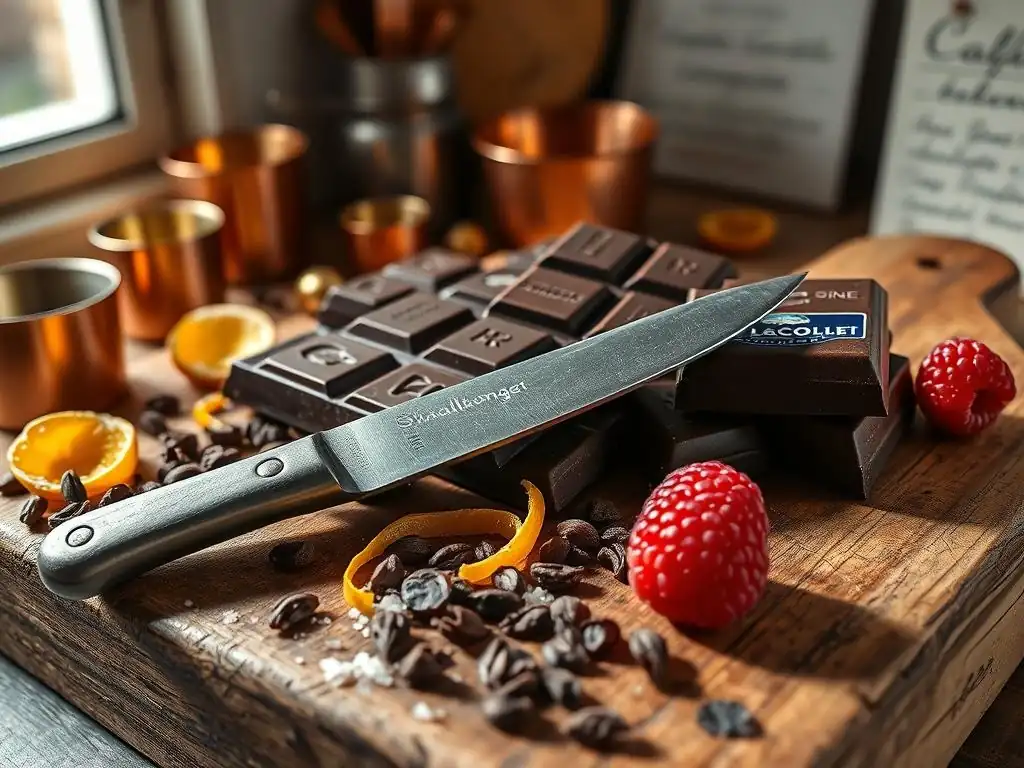
Welcome to BakeWithEase, your guide to unlocking baking brilliance! Ever wondered how to harness the intense, nuanced flavor of unsweetened baking chocolate in your recipes? Dive into our comprehensive guide to Unsweetened Baking Chocolate Recipes and discover how to elevate your creations with the right techniques and premium brands. We'll show you how this powerful ingredient can transform your baking – are you ready to explore its potential?
- Understanding Unsweetened Baking Chocolate for Recipes
- Choosing the Best Unsweetened Baking Chocolate Brands
- Mastering Unsweetened Baking Chocolate Recipes: Tips and Techniques
- Troubleshooting Unsweetened Baking Chocolate: Common Problems and Solutions
- Conclusion: Elevate Your Baking with Quality Unsweetened Chocolate
-
Frequently Asked Questions
- What exactly is unsweetened baking chocolate, and how does it differ from other types of chocolate?
- Why would I use unsweetened baking chocolate in a recipe?
- What are some reputable brands of unsweetened baking chocolate recommended by BakeWithEase?
- Can I substitute unsweetened baking chocolate with another type of chocolate?
- How should I properly store unsweetened baking chocolate to maintain its quality?
- Final Reflection: Unlocking the Richness of Unsweetened Baking Chocolate
- Unlock the Richness: Elevate Your Baking with Dark Chocolate
Understanding Unsweetened Baking Chocolate for Recipes
What is Unsweetened Chocolate and Why Use It?
Unsweetened baking chocolate is the purest form of chocolate used in baking, composed of 100% cacao solids with no added sugar. It's essentially ground cacao beans, consisting of cocoa butter and cocoa mass. Unlike other chocolate types, its intense, bitter flavor comes directly from the cacao bean itself.
Bakers often turn to unsweetened baking chocolate recipes when they need precise control over the sweetness level of a dessert. By starting with a sugar-free base, they can add exactly the right amount of sugar or other sweeteners to achieve their desired flavor balance and texture, making it indispensable for rich, deeply chocolatey creations.
Using unsweetened chocolate is also crucial for achieving a truly profound chocolate flavor that cannot be replicated with sweeter varieties. The high concentration of cacao solids contributes to a more complex and robust taste profile, providing a depth that elevates desserts like fudgy brownies, dense chocolate cakes, and rich ganaches.
Its unique properties also affect the texture of baked goods; the high fat content from the cocoa butter contributes to moisture and tenderness, while the lack of sugar means it behaves differently during melting and mixing compared to milk or semi-sweet chocolate, requiring careful handling in unsweetened baking chocolate recipes.
The Unique Flavor Profile of Unsweetened Chocolate: Bitterness and Beyond
The defining characteristic of unsweetened baking chocolate is its intense bitterness. This bitterness isn't just a lack of sweetness; it's a complex array of flavors derived from the cacao bean itself. Depending on the origin and processing of the beans, unsweetened chocolate can exhibit notes ranging from fruity and floral to earthy, nutty, or even spicy undertones. This complexity is often masked in chocolates with added sugar, but it shines through when using 100% cacao. Mastering unsweetened baking chocolate recipes means understanding how to complement and balance these inherent bitter and complex notes with other ingredients.
Beyond the initial bitterness, a high-quality unsweetened chocolate reveals layers of flavor upon tasting. A well-processed chocolate will have a smooth melt and a long finish, allowing the subtle characteristics of the cacao to emerge. For example, some chocolates might have hints of red fruit, while others lean towards deep, roasted coffee notes. The specific flavor profile is heavily influenced by the cacao variety (like Criollo, Forastero, or Trinitario), the terroir where it was grown, and the fermentation and roasting processes. These nuances are what make choosing a specific brand important when developing unsweetened baking chocolate recipes.
Unsweetened Baking Chocolate vs. Other Chocolate Types: A Baker's Guide
Understanding the difference between unsweetened baking chocolate and other types is fundamental for successful baking. Unsweetened chocolate contains approximately 100% cacao solids and no sugar. In contrast, bittersweet chocolate typically contains 50-70% cacao solids and added sugar, while semi-sweet chocolate generally has 35-50% cacao solids and more sugar. Milk chocolate contains even less cacao (around 10-30%), milk solids, and significant sugar, resulting in a much sweeter and creamier product. White chocolate contains no cacao solids at all, only cocoa butter, sugar, and milk solids.
The significant difference in sugar and cacao content means these chocolates are not directly interchangeable in unsweetened baking chocolate recipes without significant adjustments. Substituting unsweetened chocolate for semi-sweet or bittersweet will dramatically increase bitterness and require adding sugar to the recipe.
Conversely, using a sweeter chocolate in a recipe calling for unsweetened will introduce too much sugar and reduce the intensity of the chocolate flavor, potentially throwing off the balance of fats and dry ingredients. Professional bakers understand that each type of chocolate plays a distinct role and requires specific handling to achieve the desired outcome in texture, flavor, and sweetness.
Choosing the Best Unsweetened Baking Chocolate Brands
Key Factors to Consider When Buying Unsweetened Chocolate
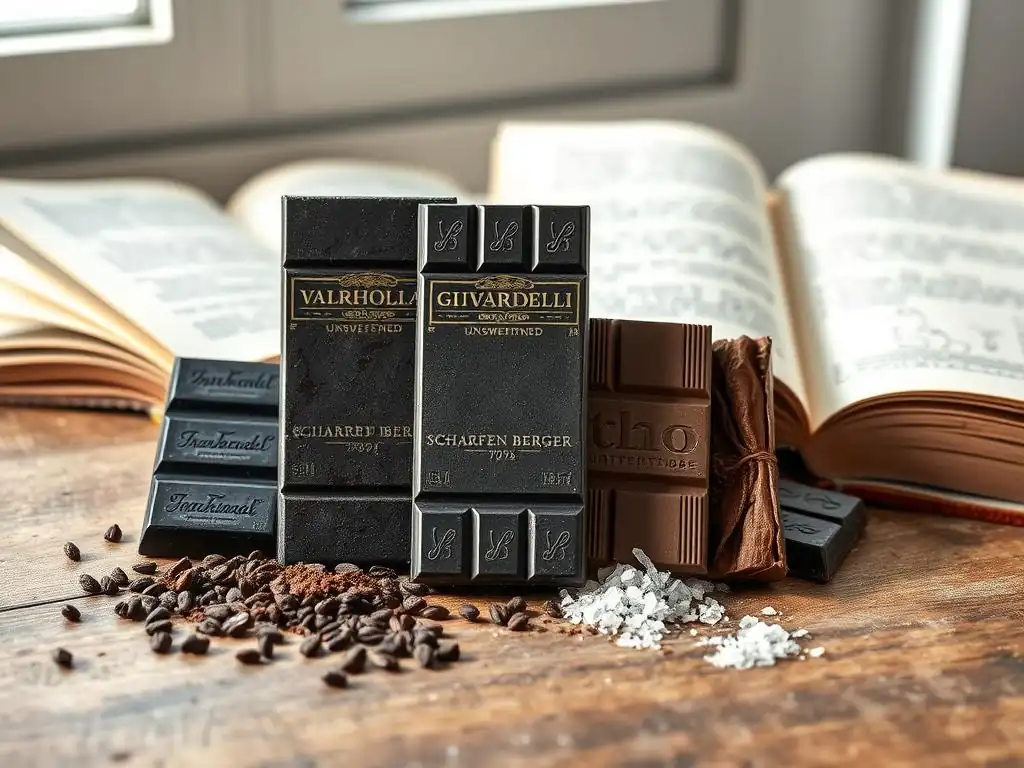
Selecting the right unsweetened baking chocolate is crucial for achieving optimal results in your unsweetened baking chocolate recipes. Several factors influence the quality and flavor profile of the chocolate. The most important is the cacao percentage, which for unsweetened chocolate is typically 100%.
However, the quality of that 100% cacao varies greatly. You should also consider the origin of the cacao beans, as terroir imparts unique characteristics. Finally, scrutinizing the ingredient list for purity is essential; high-quality unsweetened chocolate should contain only cacao mass or chocolate liquor, sometimes with lecithin as an emulsifier, but ideally free from unnecessary additives or artificial flavors.
Another factor to consider is the form in which the chocolate is sold. Unsweetened chocolate is commonly available as bars, blocks, or wafers/feves. Bars and blocks need to be chopped, which can be time-consuming but allows for precise measurement by weight. Wafers or feves are easier to weigh and melt more evenly, making them convenient for many unsweetened baking chocolate recipes. The texture and grind of the chocolate liquor also matter; a finer grind typically results in a smoother melt and mouthfeel in the finished baked good.
Cacao Percentage: Understanding Intensity Levels
For unsweetened baking chocolate, the cacao percentage is almost always 100%. This indicates that the product consists solely of cacao solids (cocoa mass and cocoa butter) with no added sugar. While the percentage itself is uniform, the type and quality of the cacao beans making up that 100% are what truly differentiate brands. A 100% cacao chocolate made from premium, well-fermented beans will taste different and often less harshly bitter than one made from lower-grade beans. The intensity level, therefore, isn't just about the percentage but also the inherent characteristics of the cacao itself.
Understanding the 100% cacao level is vital when adapting or creating unsweetened baking chocolate recipes. It provides a consistent baseline of chocolate intensity and fat content. This predictability allows bakers to accurately calculate how much sugar, fat, and liquid are needed to balance the recipe. It also ensures that the primary chocolate flavor comes directly from the cacao, providing a clean, intense base that can be layered with other flavors without being muddled by added sugar from the chocolate itself.
Origin of Cacao Beans: Impact on Flavor
The geographic origin of cacao beans profoundly impacts the flavor of unsweetened baking chocolate. Just like wine or coffee, cacao absorbs characteristics from its environment – the soil, climate, and surrounding flora. Beans from different regions possess distinct flavor profiles. For instance, cacao from Madagascar is often described as having bright, fruity, and sometimes acidic notes, while beans from West Africa, like Ghana or Ivory Coast, tend to be more classic "chocolatey," robust, and sometimes earthy. Latin American beans, such as those from Ecuador or Venezuela, can range from floral and nutty to complex and spicy.
Many premium unsweetened baking chocolate brands highlight the origin of their beans, sometimes even offering single-origin options. Using a single-origin 100% cacao chocolate can bring a specific, nuanced flavor to your unsweetened baking chocolate recipes, adding an extra layer of complexity. A blend of beans from different regions, on the other hand, might be crafted to achieve a consistent, balanced flavor profile year after year. Experimenting with origins can be a fascinating way to explore the diversity of chocolate flavor in your baking.
Ingredients and Additives: Purity is Key
When selecting unsweetened baking chocolate, simplicity in the ingredient list is a strong indicator of quality. The ideal unsweetened chocolate should list only "chocolate liquor," "cacao mass," or "cocoa mass." These terms refer to the ground cacao beans, which naturally contain both cocoa solids and cocoa butter. Some brands may include soy or sunflower lecithin, an emulsifier used to improve flow properties during manufacturing and potentially aid in melting smoothness. While lecithin is generally considered acceptable, its absence is often preferred by purists seeking the most unadulterated chocolate flavor.
Avoid unsweetened baking chocolate that lists added fats other than cocoa butter, artificial flavors, or preservatives. The purity of the chocolate is paramount, especially in unsweetened baking chocolate recipes where the intense cacao flavor is the star. High-quality brands prioritize using the best cacao beans and minimal processing to let the natural flavor of the chocolate shine through. Reading the ingredients ensures you're getting 100% pure cacao, essential for predictable results and superior taste in your baked goods.
Top Unsweetened Baking Chocolate Brands Reviewed
Ghirardelli Unsweetened Baking Chocolate: A Classic Choice
Ghirardelli is a widely recognized and accessible brand, often found in major supermarkets. Their 100% Cacao Unsweetened Baking Bar is a staple for many home bakers working on unsweetened baking chocolate recipes. It provides a reliable, intensely bitter chocolate flavor that is consistent from bar to bar. While not a single-origin gourmet chocolate, it offers a good balance of flavor and functionality for everyday baking needs. The bar form needs chopping, but it melts relatively smoothly when handled correctly.
Features and Benefits: Rich Flavor, Widely Available
Ghirardelli Unsweetened Baking Chocolate offers a robust, classic dark chocolate flavor that provides a strong backbone for baked goods. Its consistent quality makes it a dependable ingredient. A key benefit is its widespread availability; you can find it in most grocery stores across the United States, making it convenient for impromptu baking sessions. The richness it imparts is excellent for achieving deep, chocolatey results in standard unsweetened baking chocolate recipes like brownies and cakes.
Price and Availability: A Good Value Option
Ghirardelli is typically priced in the mid-range for baking chocolate, offering excellent value given its quality and accessibility. A 4-ounce bar usually costs around $3-4, depending on the retailer and location. Its broad distribution means it's easy to find, whether you're shopping at a large supermarket or a smaller local store. This combination of reasonable price and high availability makes it a go-to choice for many bakers.
Best Uses in Recipes: Brownies, Cakes, and Ganache
Ghirardelli Unsweetened Baking Chocolate excels in classic unsweetened baking chocolate recipes where a strong, traditional chocolate flavor is desired. It's perfect for creating intensely fudgy brownies, moist and dark chocolate cakes, and rich, pourable ganaches. Its straightforward flavor profile doesn't overpower other ingredients but provides a solid foundation for deep chocolate taste. It melts well for sauces and frostings, provided it's heated gently.
Valrhona Unsweetened Baking Chocolate: The Gourmet Option
Valrhona, a French chocolate manufacturer, is renowned in the professional baking world for its high-quality couverture chocolates. Their 100% Cacao offers a sophisticated take on unsweetened chocolate, often available in feves (small oval pieces) or blocks. Sourced from specific regions, their 100% cacao products, like the Valrhona Coeur de Guanaja, are known for complex flavor profiles that go beyond simple bitterness, often exhibiting subtle fruity or floral notes depending on the specific product line and origin.
Features and Benefits: Complex Flavor, High Cacao Quality
Valrhona's primary benefit is the exceptional quality of its cacao and the resulting complex flavor. Their 100% cacao products are crafted to showcase the nuanced characteristics of the beans. The texture is typically very smooth, contributing to a superior mouthfeel in finished desserts. Using Valrhona can elevate unsweetened baking chocolate recipes, adding layers of flavor that are noticeable even when combined with other ingredients. The feves are particularly convenient for weighing and melting.
Price and Availability: Premium Chocolate for Serious Bakers
As a gourmet brand, Valrhona is significantly more expensive than widely available options like Ghirardelli. A kilogram (about 2.2 lbs) of Valrhona 100% cacao feves can cost upwards of $40-50. It's primarily available in specialty food stores, online retailers specializing in baking supplies, or restaurant supply stores. This price point and limited availability position it as a premium ingredient for serious home bakers or professionals seeking the highest quality for their unsweetened baking chocolate recipes.
Best Uses in Recipes: Mousse, Sophisticated Desserts
Valrhona 100% cacao is best used in applications where its complex flavor can truly shine. It's excellent for creating exceptionally smooth and intensely flavored chocolate mousse, sophisticated tarts, fine pastries, and high-end ganaches. Its superior melt quality makes it ideal for tempering for chocolate decorations or coatings. It's the choice when you want the chocolate flavor to be the undisputed star of an unsweetened baking chocolate recipe.
Scharffen Berger Unsweetened Baking Chocolate: Bold and Intense
Scharffen Berger, an American craft chocolate maker now owned by Hershey, built its reputation on producing high-quality chocolate with distinct, intense flavors. Their 100% Cacao Unsweetened Baking Chocolate is known for its robust and sometimes earthy or nutty notes, reflecting the specific blend of beans they use. It's a favorite among bakers who want a pronounced, bold chocolate presence in their unsweetened baking chocolate recipes.
Features and Benefits: Robust Flavor, Single-Origin Options
Scharffen Berger offers a notably bold and intense chocolate flavor compared to many standard baking chocolates. They have historically highlighted the origin of their beans and sometimes offered single-origin bars, contributing to their distinct profiles. The intensity makes it particularly effective in recipes where you want the chocolate flavor to cut through other rich ingredients. It melts smoothly, making it versatile for various applications.
Price and Availability: A Specialty Chocolate Experience
Scharffen Berger is priced higher than Ghirardelli but generally below ultra-premium brands like Valrhona, placing it in the specialty chocolate category. A 9.7-ounce bag of feves or a bar might range from $8-12. It's typically found in higher-end grocery stores, natural food markets, and online retailers. Its price and availability reflect its position as a step up from standard baking chocolate for those seeking a more defined flavor profile in their unsweetened baking chocolate recipes.
Best Uses in Recipes: Chocolate Lava Cakes, Dark Chocolate Sauces
The bold flavor of Scharffen Berger 100% cacao makes it ideal for unsweetened baking chocolate recipes where intensity is key. It's fantastic in chocolate lava cakes, providing a deep, molten core. It also works wonderfully in dark chocolate sauces, rich frostings, and dense chocolate tortes where its robust profile can stand up to other strong flavors. Its intensity means a little can go a long way in adding significant chocolate depth.
Guittard Unsweetened Baking Chocolate: A San Francisco Staple
Guittard Chocolate Company, another heritage American brand based in the San Francisco Bay Area, has been making chocolate for over 150 years. Their Unsweetened Baking Chocolate, often sold as an 8-ounce bar, is valued for its consistent quality and reliable performance in a wide range of unsweetened baking chocolate recipes. It offers a balanced, classic unsweetened chocolate flavor that is less overtly bitter than some other 100% options, making it very approachable.
Features and Benefits: Consistent Quality, Heritage Brand
Guittard's strength lies in its consistent quality and reliable performance. Their unsweetened chocolate melts smoothly and incorporates well into batters and doughs. As a long-standing heritage brand, they have perfected a balanced flavor profile that is intensely chocolatey without being overwhelmingly bitter for many palates. This makes it a very forgiving and versatile option for home bakers tackling various unsweetened baking chocolate recipes.
Price and Availability: Mid-Range Price Point, Good Availability
Guittard is typically priced similarly to or slightly above Ghirardelli, placing it firmly in the mid-range price category for baking chocolate. An 8-ounce bar usually costs around $6-8. Its availability is quite good, found in many supermarkets, particularly on the West Coast, as well as in specialty stores and online. This balance of price, quality, and availability makes it a popular choice for everyday and slightly more ambitious unsweetened baking chocolate recipes.
Best Uses in Recipes: Cookies, Frosting, and General Baking
Guittard Unsweetened Baking Chocolate is incredibly versatile. It's excellent for adding deep chocolate flavor to cookies, creating rich and smooth chocolate frostings, and for general use in cakes, muffins, and quick breads that require unsweetened chocolate. Its balanced bitterness integrates well into a variety of baked goods, making it a reliable workhorse for countless unsweetened baking chocolate recipes.
Comparison Table: Unsweetened Baking Chocolate Brands at a Glance
| Brand | Cacao Percentage | Origin | Key Features | Price Range | Best For | Affiliate Link |
|---|---|---|---|---|---|---|
| Ghirardelli | 100% | Varies | Widely Available, Rich Flavor | $ | Everyday Baking, Brownies, Cakes | Link |
| Valrhona | 100% | Dominican Republic | Complex Flavor, High Quality | $$$ | Gourmet Desserts, Mousse, Pastries | Link |
| Scharffen Berger | 100% | Varies | Bold Flavor, Single-Origin Options | $$ | Intense Chocolate Flavors, Lava Cakes | Link |
| Guittard | 100% | Varies | Consistent Quality, Heritage Brand | $$ | General Baking, Cookies, Frosting | Link |
Mastering Unsweetened Baking Chocolate Recipes: Tips and Techniques
How to Temper Unsweetened Chocolate for a Smooth Finish
Tempering unsweetened chocolate is a technique used to give chocolate a glossy finish, a firm snap when broken, and prevent blooming (the formation of grey streaks). It involves carefully melting and cooling the chocolate to specific temperatures to stabilize the cocoa butter crystals.
For 100% cacao chocolate, the process requires precision due to its high fat content. You'll typically melt the chocolate to an initial temperature (around 115-122°F or 46-50°C), cool it down by adding more solid chocolate or stirring on a cool surface to a working temperature (around 88-90°F or 31-32°C for dark chocolate), and then potentially warm it slightly back up.
Achieving proper temper ensures that coatings, dipped items, or chocolate decorations made with unsweetened baking chocolate recipes have the desired professional appearance and texture. While it might seem intimidating, it's a skill worth practicing, especially if you plan to use unsweetened chocolate for applications beyond simply melting it into a batter. Using a digital thermometer is crucial for accuracy in this process. The result is a beautiful, stable chocolate finish that elevates the presentation of your unsweetened baking chocolate recipes.
Balancing Bitterness: Sweetening Strategies for Unsweetened Chocolate
The key to successful unsweetened baking chocolate recipes is effectively balancing the intense bitterness with sweetness. Since the chocolate itself contains no sugar, you have complete control over the sweetness level by adding sugar (granulated, brown, powdered), liquid sweeteners (maple syrup, honey, corn syrup), or alternative sweeteners. The amount and type of sweetener used will significantly impact the final flavor and texture of your baked goods. For instance, brown sugar adds moisture and a caramel note, while granulated sugar provides clean sweetness.
Beyond just adding sugar, other ingredients can help balance the bitterness and enhance the chocolate flavor in unsweetened baking chocolate recipes. A pinch of salt is essential, as it sharpens and brings out the chocolate notes while counteracting bitterness. Vanilla extract adds warmth and complexity.
Coffee or espresso powder is a classic pairing that deepens the chocolate flavor without adding a coffee taste. Even a small amount of acidity, like a splash of vinegar or lemon juice (often used in vegan chocolate cakes), can react with cocoa and enhance the chocolate's depth. Fat, such as butter or oil, also helps to carry the chocolate flavor and smooth the texture.
Converting Recipes: Adjusting for Unsweetened Chocolate
Converting a recipe that calls for a different type of chocolate (like semi-sweet or bittersweet) to use unsweetened baking chocolate requires careful adjustment, primarily regarding sweetness and fat content. If a recipe calls for semi-sweet chocolate, which contains roughly 50% sugar, and you substitute with 100% cacao unsweetened chocolate, you need to add back the missing sugar.
A common rule of thumb is to add approximately half the weight of the unsweetened chocolate in sugar to the recipe. For example, if substituting 4 ounces of semi-sweet with 4 ounces of unsweetened, you'd add about 2 ounces (or roughly 1/4 cup) of sugar to the overall recipe.
You might also need to slightly adjust the fat or liquid. Semi-sweet chocolate has less cocoa butter relative to the total mass than unsweetened chocolate because sugar replaces some of the volume. However, the difference is often minor enough that simply adding sugar is sufficient for most unsweetened baking chocolate recipes.
Always start with the sugar adjustment and see how the batter or dough feels; you can sometimes add a tiny splash more liquid if it seems too dry, but be cautious not to thin it out too much. Taste and adjust as needed, keeping in mind that the flavor will develop as it bakes.
Delicious Unsweetened Baking Chocolate Recipes to Try
Exploring unsweetened baking chocolate recipes is a rewarding experience, allowing you to create desserts with truly intense and sophisticated chocolate flavor. Many classic recipes rely on 100% cacao to achieve their signature depth. Think about those incredibly dark and fudgy brownies, rich chocolate cakes that aren't overly sweet, or smooth, decadent ganaches perfect for frosting or dipping. Using quality unsweetened chocolate as the base ensures a profound chocolate experience.
Unsweetened baking chocolate recipes often highlight the pure taste of cacao. Consider a flourless chocolate cake, where the primary ingredients are chocolate, butter, eggs, and sugar – the quality of the chocolate is paramount here. Or a deep, dark chocolate sauce made simply with chocolate, cream, and perhaps a touch of sweetener and vanilla. Even simple chocolate cookies can be transformed by using unsweetened chocolate alongside granulated sugar for a complex, bittersweet bite. These recipes showcase the power and versatility of 100% cacao.
Rich and Fudgy Unsweetened Chocolate Brownies Recipe
Creating rich and fudgy brownies using unsweetened baking chocolate results in an intensely chocolatey treat with a perfect balance of bitterness and sweetness. A typical recipe might start by melting a significant amount of unsweetened chocolate (perhaps 6-8 ounces) with butter. Eggs and a generous amount of sugar (often a mix of granulated and brown sugar for chewiness and moisture) are then beaten in. Flour, salt, and vanilla are added, and sometimes cocoa powder is included to amp up the chocolate flavor even further. The key to fudginess is a higher fat-to-flour ratio and often slightly underbaking.
Using 100% cacao ensures that the dominant flavor is pure chocolate, rather than just sweetness. The sugar added in the recipe provides the necessary balance, while the fat from the chocolate and butter creates that desirable dense, moist texture. This type of unsweetened baking chocolate recipe allows for variations, such as adding chocolate chips for extra pockets of melted chocolate or nuts for crunch, all while maintaining that deep, sophisticated chocolate base.
Decadent Unsweetened Chocolate Cake Recipe
An unsweetened chocolate cake is a true indulgence, offering a deep, complex flavor profile that is far superior to cakes made with cocoa powder alone or sweeter chocolates. A standard recipe often involves creaming butter and sugar, adding eggs and vanilla, then incorporating melted unsweetened chocolate (perhaps 4-6 ounces). The dry ingredients (flour, baking soda/powder, salt) are typically alternated with a liquid like buttermilk or coffee, which reacts with the cocoa and leavening agents while adding moisture and depth.
The use of unsweetened chocolate provides the cake with a dark color and an intense, slightly bitter chocolate foundation. The sugar and other wet ingredients ensure the cake is moist and tender, balancing the bitterness. This type of unsweetened baking chocolate recipe is perfect for pairing with a contrasting frosting, like a classic buttercream, a tangy cream cheese frosting, or even a simple glaze, allowing the complex chocolate flavor of the cake to shine through.
Silky Smooth Unsweetened Chocolate Ganache Recipe
Ganache made with unsweetened baking chocolate is incredibly rich and versatile, perfect as a glaze, frosting, or filling. The basic ratio for a firm ganache suitable for truffles or filling is often equal parts (by weight) melted unsweetened chocolate and hot heavy cream, though ratios can vary based on desired consistency. For a pourable glaze, the ratio might be closer to 1 part chocolate to 1.5 or 2 parts cream.
Since the chocolate is unsweetened, sugar or another sweetener is typically added to the cream before heating, allowing it to dissolve properly. A common starting point might be 1/4 to 1/2 cup of sugar per cup of cream and 8 ounces of chocolate.
The high cocoa butter content in unsweetened chocolate contributes to the ganache's luxurious, smooth texture and glossy finish. The intense chocolate flavor provides a perfect counterpoint to the sweetness of the added sugar and the richness of the cream. This simple unsweetened baking chocolate recipe is fundamental for many dessert decorations and fillings and is a testament to how effectively the bitterness of pure cacao can be balanced into something truly decadent.
Troubleshooting Unsweetened Baking Chocolate: Common Problems and Solutions
Bitter Chocolate? How to Fix It
If your unsweetened baking chocolate recipe tastes too bitter, it's usually a sign that the sugar hasn't been adequately balanced against the 100% cacao. The most direct solution is to increase the amount of sugar in the recipe. If the baked good is already finished, you can compensate by adding a sweeter element when serving, such as a sweet glaze, frosting, whipped cream, ice cream, or a dusting of powdered sugar. For sauces or ganaches, you can gently reheat and stir in more sugar until the desired sweetness is achieved.
Beyond sweetness, other ingredients can help mitigate harsh bitterness. A pinch of salt is crucial for enhancing chocolate flavor and reducing the perception of bitterness; ensure you haven't skipped it. Adding a small amount of vanilla extract, coffee powder, or even a touch of spice like cinnamon can add complexity that distracts from or complements the bitterness. Ensuring the chocolate hasn't been burned during melting is also important, as burnt chocolate will have an acrid, irreparable bitterness.
Grainy Texture? Tips for Smooth Melting
A grainy texture in baked goods or sauces involving melted unsweetened chocolate often occurs when the chocolate hasn't been melted smoothly or has seized. Unsweetened chocolate, with its high cocoa butter content, is susceptible to seizing if it comes into contact with even a tiny amount of water while melting. To ensure a smooth melt, use a dry, clean bowl and a double boiler method (a heatproof bowl set over a pot of simmering water, ensuring the bottom of the bowl doesn't touch the water) or melt gently in the microwave on low power, stirring frequently.
If your melted unsweetened chocolate becomes grainy or seizes, it might be salvageable. If it seized due to a tiny amount of water, try stirring in a tablespoon or two of hot liquid (water, milk, or cream) per ounce of chocolate, stirring vigorously until it smooths out.
If it seems grainy from undissolved sugar or solids (less common with pure unsweetened chocolate but possible if other ingredients were added too early), the texture might be harder to fix in a batter, but for sauces, you might try whisking vigorously over gentle heat or even carefully using an immersion blender. Prevention is key: melt slowly, gently, and keep away from water.
Substitutions for Unsweetened Baking Chocolate
While unsweetened baking chocolate provides a unique intensity and is ideal for precise sweetness control in unsweetened baking chocolate recipes, there might be instances where you need a substitute. The closest alternative is bittersweet or semi-sweet chocolate, but you must adjust the sugar in the recipe significantly.
If a recipe calls for 4 ounces of unsweetened chocolate and you use semi-sweet (which is roughly 50% sugar), you would need to reduce the sugar in the recipe by about 2 ounces (1/4 cup). The resulting flavor will be less intense, and the texture might differ slightly due to the lower cacao solids and different fat/sugar balance.
Another possible substitution, particularly for recipes relying on the chocolate's flavor rather than its structure (like cakes or muffins), is natural unsweetened cocoa powder plus added fat and sugar. As a rough guideline, for every 1 ounce of unsweetened chocolate, you can substitute 3 tablespoons of unsweetened cocoa powder plus 1 tablespoon of unsalted butter, shortening, or oil, and add about 1-2 tablespoons of sugar to the overall recipe.
This substitution will alter the texture, as cocoa powder contains very little fat compared to solid chocolate, and the flavor profile will be slightly different. It's generally best to stick to unsweetened baking chocolate for optimal results in unsweetened baking chocolate recipes.
Conclusion: Elevate Your Baking with Quality Unsweetened Chocolate
Unsweetened baking chocolate is a fundamental ingredient for any serious baker looking to achieve deep, complex, and perfectly balanced chocolate flavors in their creations. Its 100% cacao composition offers unparalleled intensity and allows for complete control over sweetness, making it indispensable for a wide range of unsweetened baking chocolate recipes. Understanding the nuances between brands, the impact of cacao origin, and the importance of purity is key to selecting the best chocolate for your needs.
Choosing the Right Brand for Your Baking Needs
Selecting the appropriate unsweetened baking chocolate brand depends on your budget, availability, and the desired outcome for your unsweetened baking chocolate recipes. For reliable everyday baking, widely available options like Ghirardelli or Guittard offer consistent quality and classic flavor profiles. If you're seeking a more intense, bold flavor for specific applications like lava cakes, Scharffen Berger is an excellent choice.
For gourmet desserts where complexity and superior texture are paramount, investing in a premium brand like Valrhona will yield exceptional results. Consider the flavor notes described for each brand and how they might complement the other ingredients in your recipe.
Unlock the Full Potential of Unsweetened Chocolate in Your Recipes
Mastering unsweetened baking chocolate recipes involves more than just melting chocolate; it requires understanding how to balance its intensity with sweetness and other flavors. By using proper techniques for melting and potentially tempering, and by thoughtfully adjusting sugar and complementary ingredients, you can unlock the full potential of 100% cacao. Experiment with different brands and recipes to discover how this single ingredient can transform your baked goods from simply chocolatey to truly extraordinary. Embrace the bitterness, balance it wisely, and enjoy the profound depth that only quality unsweetened baking chocolate can provide.
Frequently Asked Questions
What exactly is unsweetened baking chocolate, and how does it differ from other types of chocolate?
Unsweetened baking chocolate is pure chocolate liquor, meaning it's made solely from ground cacao beans. Unlike milk or dark chocolate, it contains no added sugar or dairy.
Why would I use unsweetened baking chocolate in a recipe?
Unsweetened baking chocolate provides a deep, intense chocolate flavor and richness. It's often used to balance sweetness in recipes or to create a complex chocolate profile.
What are some reputable brands of unsweetened baking chocolate recommended by BakeWithEase?
While BakeWithEase doesn't endorse specific brands, we recommend looking for options with a high percentage of cacao. Consider brands known for quality sourcing and consistent flavor.
Can I substitute unsweetened baking chocolate with another type of chocolate?
Substitution is tricky. While you can try, you'll need to adjust the sugar and liquid content in your recipe to compensate for the sweetness and fat in other chocolates. It's often not recommended for beginners.
How should I properly store unsweetened baking chocolate to maintain its quality?
Store unsweetened baking chocolate in a cool, dry, and dark place away from strong odors. Properly stored, it can last for several months without significant loss of flavor.
Final Reflection: Unlocking the Richness of Unsweetened Baking Chocolate
The pursuit of the perfect chocolate experience transcends mere sweetness; it's about unlocking the deep, complex notes found within high-quality unsweetened baking chocolate. This journey, as explored throughout this article, reveals that choosing the right brand and understanding its unique characteristics is paramount to achieving truly exceptional results in your baking. The subtle differences between brands, from their cocoa percentage to their processing methods, significantly impact the final flavor profile of your creations.
The influence of unsweetened baking chocolate extends far beyond the simple addition of bitterness. It's a foundational ingredient that shapes the texture and depth of countless recipes, from rich brownies to decadent cakes. It's a testament to the power of simple, quality ingredients. The best things in life are simple,
a phrase often repeated, rings especially true when considering the transformative power of a single, high-quality bar of unsweetened baking chocolate. Its versatility and ability to elevate even the most basic recipes are a constant source of culinary inspiration for me, and I hope for you as well.
Now, I invite you to explore the world of unsweetened baking chocolate with renewed curiosity. Don't be afraid to experiment with different brands, to taste the nuances of each, and to discover your personal favorite. The recipes shared in this article serve as a starting point; let them inspire you to create your own unique masterpieces. Embrace the intensity, the depth, the pure chocolate experience that awaits you. The journey of mastering unsweetened baking chocolate is a rewarding one, filled with delicious discoveries and the satisfaction of crafting truly exceptional baked goods.
Unlock the Richness: Elevate Your Baking with Dark Chocolate
Thanks for exploring the world of unsweetened baking chocolate with us! You've now discovered the secrets to unlocking intense flavor and creating truly exceptional baked goods. Ready to put your newfound knowledge into practice?
- Bake your dream dessert: Choose a recipe and immediately substitute unsweetened chocolate for a richer, more intense flavor profile. Let us know how it goes in the comments below!
- Share your chocolate creations: Show off your baking skills and inspire others by sharing your delicious results on social media – tag us if you want!
- Explore new brands: Dive deeper into the world of quality chocolate. Which brand will be your next adventure?
What unexpected flavor combinations will you create with your newfound chocolate expertise?