
The Ultimate Guide to Bittersweet vs. SemiSweet Baking Chocolate

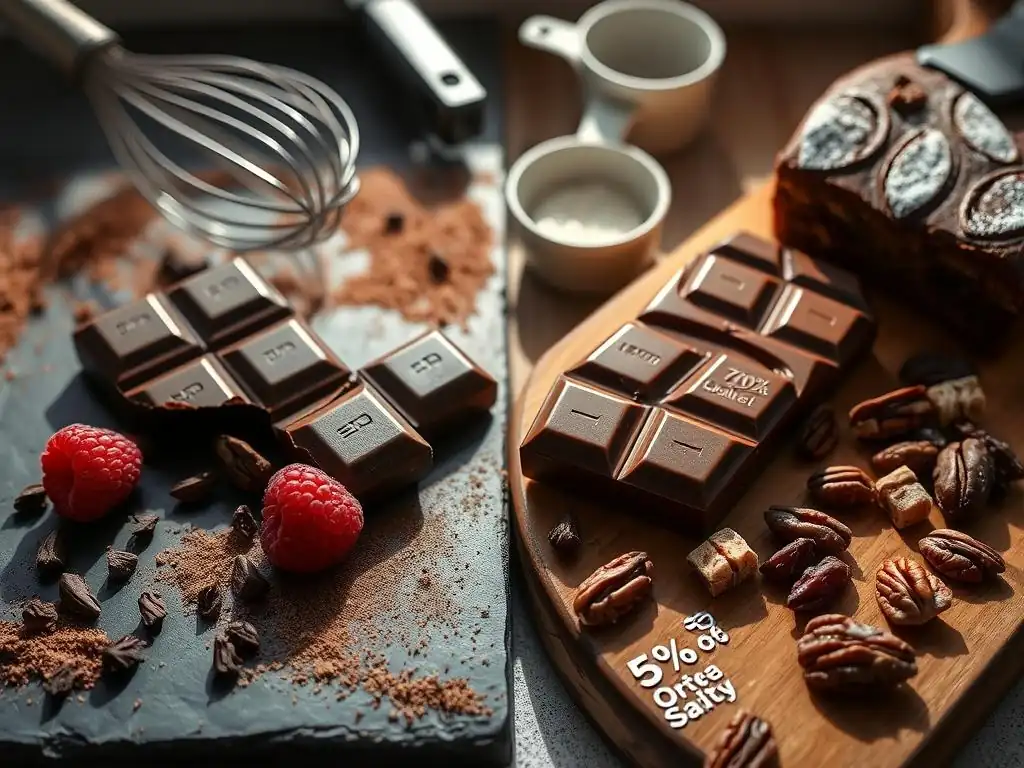
Welcome to BakeWithEase, your secret ingredient to baking success! Ever wondered which chocolate truly unlocks the depth of flavor in your bittersweet baking chocolate recipes? Dive into our guide and discover the nuanced differences between bittersweet and semisweet chocolate, and learn how to elevate your desserts from ordinary to extraordinary. Prepare to unlock a world of richer, more rewarding baking experiences – your journey to perfect chocolate creations starts now!
- Baking with Chocolate: Unveiling the Secrets of Dark vs. Milk Chocolate
- Understanding Baking Chocolate: Dark and Milk Chocolate Defined
- Dark vs. Milk Chocolate: A Detailed Comparison
- When to Use Dark Chocolate in Recipes
- Converting Dark to Milk Chocolate (and Vice Versa)
- Exploring Dark Chocolate Recipes: Examples and Techniques
- Maximizing Flavor with High-Quality Chocolate
- Mastering Baking Chocolate: Dark vs. Milk Chocolate Recap
-
Frequently Asked Questions
- What is the primary difference between bittersweet and semi-sweet baking chocolate?
- Can I substitute bittersweet chocolate for semi-sweet chocolate in a recipe?
- What types of recipes are best suited for bittersweet baking chocolate?
- How should I store bittersweet baking chocolate to maintain its quality?
- Is it necessary to temper bittersweet baking chocolate when using it for dipping or coating?
- Final Reflection: Unlocking the Sweet Science of Chocolate
- Unlock Your Inner Chocolatier: Mastering Bittersweet & Semisweet
Baking with Chocolate: Unveiling the Secrets of Dark vs. Milk Chocolate
Understanding Baking Chocolate: Dark and Milk Chocolate Defined
What is Baking Chocolate? A Foundation for Flavor
Baking chocolate is specifically formulated to melt smoothly and provide intense flavor in baked goods. Unlike eating chocolate, which often contains more sugar and emulsifiers for a pleasant texture straight from the wrapper, baking chocolate typically has a higher proportion of cocoa solids and cocoa butter. This composition allows it to integrate seamlessly into batters, doughs, and sauces, creating a richer, more stable finished product.
The world of baking chocolate includes several key types, primarily distinguished by their sugar and cocoa content: unsweetened (100% cacao), bittersweet (often 50-70% cacao), semi-sweet (historically 35-60%, now often overlapping with bittersweet), milk (around 20-40% cacao plus milk solids), and white (cocoa butter, sugar, milk solids, no cocoa solids). Understanding these types is the first step in mastering any chocolate-based recipe.
Dark Chocolate: Exploring Intense Cocoa Notes
Dark chocolate is characterized by its higher percentage of cocoa solids and less sugar compared to milk chocolate. This results in a more intense, complex flavor profile that can range from fruity and floral to earthy and even smoky, depending on the origin and processing of the cacao beans. The cocoa percentage on the label indicates the total amount of cocoa solids (both cocoa liquor and cocoa butter) in the chocolate.
Within the dark chocolate category, you'll frequently encounter terms like bittersweet and semi-sweet. While historically distinct, these terms are often used interchangeably today and typically refer to dark chocolates with a cacao percentage ranging from about 35% to 70%. These varieties are staples in many classic bittersweet baking chocolate recipes, providing a deep, robust flavor without being overly bitter.
Milk Chocolate: Embracing Creamy Sweetness
Milk chocolate is defined by the addition of milk solids, which contribute to its creamy texture and sweeter, milder flavor compared to dark chocolate. It contains a lower percentage of cocoa solids, usually falling between 20% and 40%. This lower cocoa content and higher sugar level make it appealing in recipes where a less intense, sweeter chocolate taste is desired.
The flavor of milk chocolate is often described as sweet, creamy, and sometimes having notes of caramel. While it may not offer the complex depth of high-percentage dark chocolate, its familiar sweetness makes it a favorite for applications like cookies, frostings, and confections where a classic, comforting chocolate flavor is needed.
Dark vs. Milk Chocolate: A Detailed Comparison
Sugar Content: The Sweetness Spectrum
One of the most significant differences between dark and milk chocolate lies in their sugar content. Milk chocolate typically contains a much higher proportion of sugar, often making up 40-50% or more of its weight. This is a primary reason for its characteristic sweetness.
Dark chocolate, especially varieties with higher cacao percentages (like 70% and above), contains significantly less sugar, sometimes as low as 20-30%. This lower sugar level allows the pure cocoa flavor to shine through and contributes to the perceived bitterness or intensity, which is crucial for balancing the sweetness in many bittersweet baking chocolate recipes.
Cacao Percentage: Measuring Cocoa Intensity
The cacao percentage is a key indicator of a chocolate's intensity and flavor profile. It represents the total weight of ingredients derived from the cacao bean – cocoa solids (cocoa liquor) and cocoa butter. A higher percentage means more cocoa and generally less sugar (in dark chocolate), leading to a more pronounced cocoa flavor and often a richer texture due to more cocoa butter.
Bittersweet and semi-sweet chocolates, often used in bittersweet baking chocolate recipes, typically fall in the 50-70% range. Milk chocolate is much lower, usually 20-40%. This difference directly impacts how the chocolate behaves when melted and how it contributes flavor and structure to a baked good. For instance, a 70% dark chocolate will yield a much more intense and less sweet result than a 50% bittersweet or a 30% milk chocolate in the same recipe.
Flavor Profiles: From Bold to Buttery
The flavor profiles of dark and milk chocolate are vastly different, influencing the final taste of any baked creation. Dark chocolate, particularly those with higher cacao percentages like those used in many bittersweet baking chocolate recipes, offers a complex range of notes. These can include fruity, floral, nutty, earthy, or even spicy undertones, along with varying degrees of bitterness.
Milk chocolate, in contrast, presents a simpler, sweeter, and creamier flavor. The dairy solids and higher sugar content mask many of the nuanced cocoa notes found in dark chocolate. Its primary contribution is a sweet, milky, classic "chocolate" taste, which can be comforting and familiar in many desserts.
Texture and Melting Properties: Impact on Baking
The composition differences, particularly in cocoa butter and milk solids, affect how dark and milk chocolate melt and set. High-quality dark chocolate, with its generous cocoa butter content, melts smoothly and evenly, producing glossy ganaches and glazes. When tempered correctly, it sets with a satisfying snap.
Milk chocolate, due to the presence of milk solids and sometimes less cocoa butter relative to sugar, often has a softer texture and a slightly different melting point. It can sometimes melt less cleanly than dark chocolate and doesn't typically set as firmly. This impacts its suitability for certain applications like delicate chocolate decorations or very firm ganaches.
When to Use Dark Chocolate in Recipes
Dark Chocolate Recipes: Best Applications
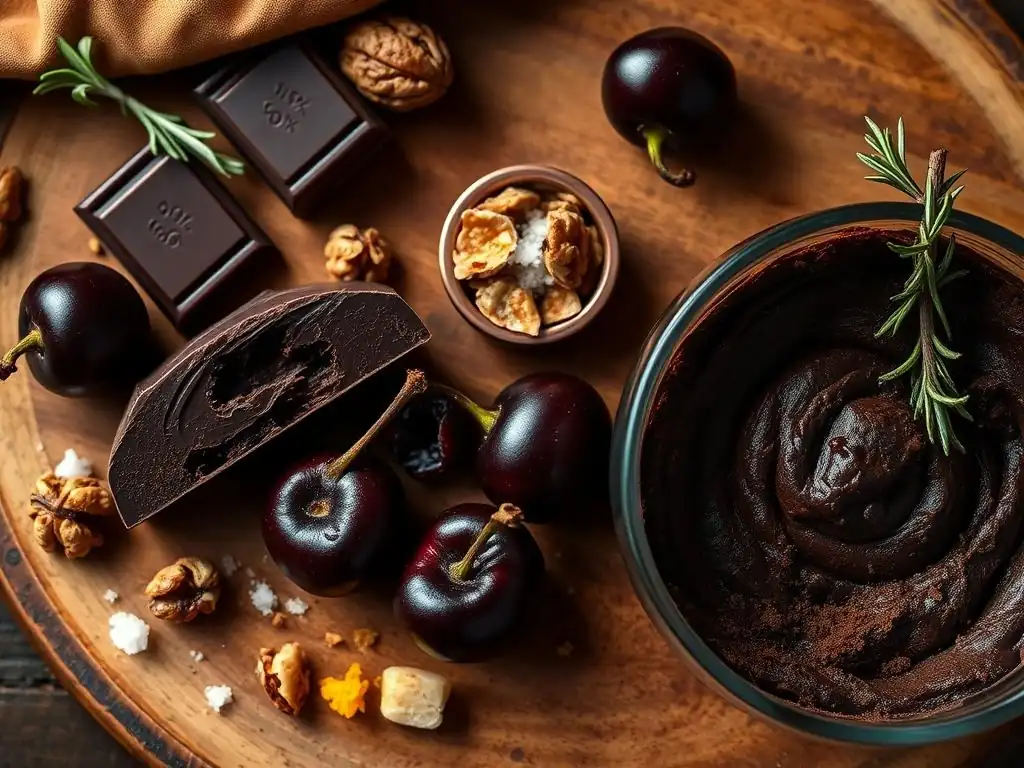
Dark chocolate is the star ingredient in many baked goods where a deep, intense chocolate flavor and rich texture are desired. Its lower sugar content and higher cocoa solids make it ideal for balancing sweetness in desserts and providing structural integrity in others. Many classic bittersweet baking chocolate recipes specifically call for dark chocolate to achieve their signature taste and texture.
Whether you're aiming for a decadent dessert that showcases the pure flavor of cacao or need chocolate that provides structure and sets firmly, dark chocolate is often the superior choice. It pairs beautifully with ingredients like red wine, coffee, raspberries, and chilies, allowing for sophisticated flavor combinations.
Flourless Chocolate Cake: Enhancing Depth and Richness
Flourless chocolate cake relies heavily on the quality and intensity of the chocolate for both flavor and structure. Using a high-quality bittersweet or semi-sweet chocolate (typically 50-70% cacao) provides the necessary depth of flavor and allows the cake to set correctly as it cools, resulting in that signature dense, fudgy texture.
Chocolate Ganache: Achieving a Luxurious Finish
Dark chocolate is perfect for creating a rich, stable ganache used for glazes, fillings, or truffles. The high cocoa butter content emulsifies beautifully with cream, producing a smooth, glossy, and luxurious finish. A common ratio for a pouring ganache is equal parts chopped dark chocolate and hot cream, while a thicker truffle ganache might use a 2:1 ratio of chocolate to cream.
Chocolate Bark: A Sophisticated Treat
Chocolate bark is a simple yet elegant confection where dark chocolate shines. Melting and tempering good quality dark chocolate allows it to set into a thin, snappy layer that holds various toppings. Using a bittersweet or semi-sweet chocolate provides a lovely balance against additions like nuts, dried fruit, or sea salt.
Recommended Dark Chocolate Brands for Baking
Choosing a quality brand of dark chocolate can significantly elevate your baking. Better chocolates use fine cacao beans and have a higher proportion of cocoa butter, leading to superior flavor and melting characteristics essential for successful bittersweet baking chocolate recipes.
Investing in reputable brands ensures consistent results and a depth of flavor that compound or lower-quality chocolates simply cannot match. Look for brands that specify cacao percentage and ideally list cocoa butter high in their ingredients.
Valrhona: A Premium Choice for Bakers
Valrhona is a French brand widely regarded as a top-tier choice for professional and serious home bakers. Known for its high-quality couverture chocolate, Valrhona offers a range of single-origin and blended dark chocolates with specific flavor profiles and percentages, such as their popular Guanaja 70% or Caraïbe 66%.
Guittard: A Reliable and Flavorful Option
Guittard is an American chocolate maker offering a wide selection of baking chocolates, from chips to wafers and bars. They are known for consistent quality and good flavor. Their Akoma 63% Bittersweet or 70% wafers are excellent choices for many bittersweet baking chocolate recipes, melting smoothly and providing robust flavor.
Scharffen Berger: Known for its Intense Flavors
Scharffen Berger, now part of Hershey's but maintaining its focus on quality, is another American brand favored by bakers for its intense, complex dark chocolate flavors. Their 70% Cacao Bittersweet chocolate is particularly noted for its deep, fruity, and slightly smoky notes, working wonderfully in brownies and tortes.
Milk Chocolate Recipes: Versatile Applications
Milk chocolate brings sweetness and a creamy texture to baked goods, making it suitable for a different range of applications than dark chocolate. It's often chosen when a milder, sweeter chocolate flavor is preferred, or when a softer, creamier texture is desired in the finished product.
While less common in recipes specifically labeled as "bittersweet baking chocolate recipes," milk chocolate has its own domain where it excels, bringing comfort and familiar sweetness to classic treats.
Chocolate Chip Cookies: A Classic Favorite
Milk chocolate chips are a perennial favorite in classic chocolate chip cookies, especially for those who prefer a sweeter, milder cookie. They melt into creamy puddles and offer a comforting, sweet chocolate bite that contrasts nicely with the cookie dough.
Fudge: Creating a Creamy Indulgence
Milk chocolate is frequently used in fudge recipes to achieve that signature soft, creamy texture and sweet, rich flavor. Its milk solids contribute to the smooth consistency, resulting in a decadent and easy-to-make confection.
Chocolate Frosting: Achieving a Balanced Sweetness
Adding melted milk chocolate to butter-based or cream cheese frostings can create a wonderfully smooth and balanced sweetness. It provides a creamy chocolate flavor that is less intense and often more palatable to those who find dark chocolate frosting too rich or slightly bitter.
Recommended Milk Chocolate Brands for Baking
Just like with dark chocolate, the quality of milk chocolate matters in baking. Good quality milk chocolate will melt better and have a cleaner, more pleasant flavor than cheaper alternatives which may contain excessive sugar or additives.
Choosing a reputable brand ensures that the milk chocolate contributes positively to the texture and taste of your baked goods, providing that desired creamy sweetness without an artificial aftertaste.
Ghirardelli: A Widely Available Choice
Ghirardelli is a widely accessible brand in many supermarkets, offering reliable quality for everyday baking. Their milk chocolate chips and bars melt well and provide a consistent, sweet, and creamy flavor that works well in cookies, bars, and simple melted applications.
Lindt: Known for its Smooth Texture
Lindt is renowned for its smooth, melt-in-your-mouth chocolate. While their bars are often enjoyed for eating, their classic recipe milk chocolate bars can also be melted and used in baking applications where a very smooth texture is desired, such as ganaches or glazes (though adjustments might be needed compared to dark chocolate).
Callebaut: A Professional-Grade Option
Callebaut is a Belgian brand frequently used by professional pastry chefs. Available in convenient callet form (small drops), their 823 milk chocolate is a couverture chocolate known for its excellent melting properties and balanced creamy, caramel, and cocoa notes. It's a fantastic choice for serious home bakers looking for professional results in their milk chocolate creations.
Converting Dark to Milk Chocolate (and Vice Versa)
Understanding Chocolate Conversions in Baking
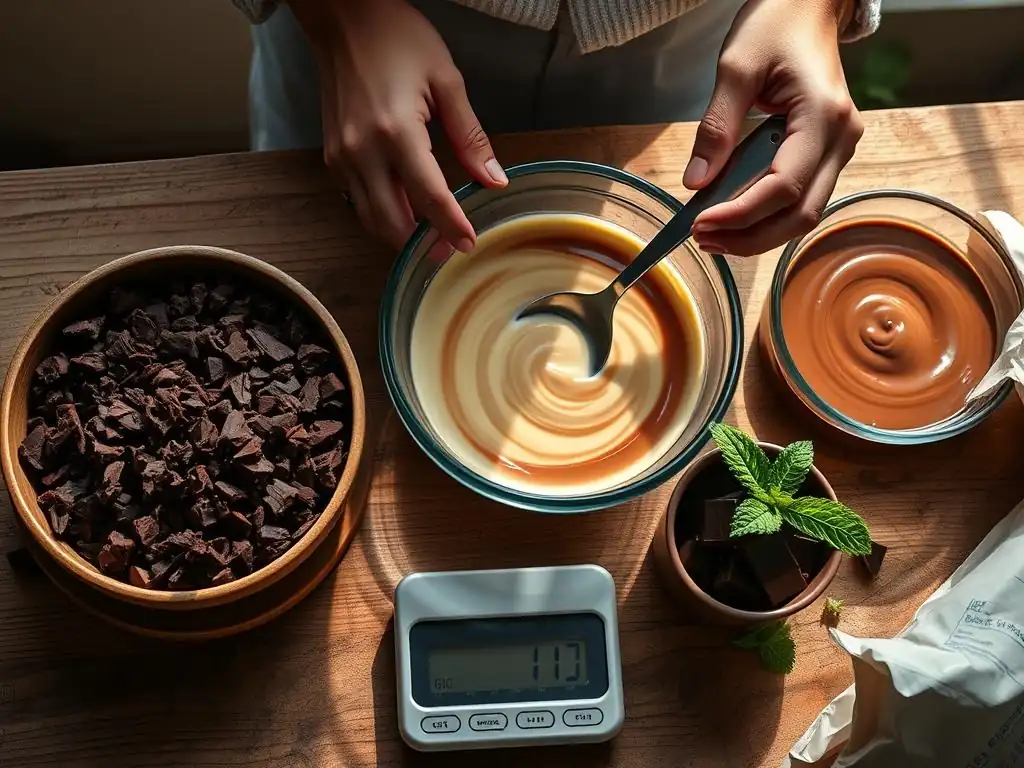
Swapping dark chocolate for milk chocolate (or vice versa) in a recipe is not always a simple one-to-one substitution. The fundamental differences in sugar content, cocoa solids percentage, and fat composition mean that a straight swap can significantly alter the texture, sweetness, and overall outcome of your baked good.
For instance, substituting milk chocolate into a bittersweet baking chocolate recipe designed for 70% dark chocolate will drastically increase the sugar content and decrease the intense cocoa flavor, potentially resulting in an overly sweet and less structured dessert. Conversely, using high-percentage dark chocolate in a recipe calling for milk chocolate will reduce sweetness and increase intensity, possibly making the result too bitter for some palates.
Adjusting Sugar and Fat Levels for Balance
When attempting a conversion, you'll often need to adjust other ingredients to compensate for the differences in the chocolate. If using dark chocolate instead of milk, you will likely need to add extra sugar to achieve the desired sweetness level of the original recipe. The amount needed will depend on the cacao percentage of the dark chocolate used.
If using milk chocolate instead of dark, especially in recipes where the dark chocolate's higher cocoa butter content is crucial for texture (like ganache or certain cakes), you might need to slightly reduce other sugars in the recipe and potentially add a small amount of extra fat, like butter or a neutral oil, to help with texture and richness, although this is a more complex adjustment.
Tips for Successful Substitutions
The most reliable approach is to use recipes specifically developed for the type of chocolate you intend to use. However, if you need to substitute, start with recipes where the chocolate isn't the primary structural component. Swapping chips in cookies is generally easier than swapping the main chocolate component in a flourless cake or a delicate mousse.
When substituting, especially in bittersweet baking chocolate recipes, consider the percentage of the dark chocolate you are using. A 55% bittersweet is closer to semi-sweet and easier to swap for milk (with less sugar adjustment) than a 75% or 85% dark chocolate. Always remember that results may vary, and it's often best to test the substitution in a small batch if possible before committing to a full recipe.
Exploring Dark Chocolate Recipes: Examples and Techniques
Recipe 1: Dark Chocolate Brownies
Dark chocolate brownies are a quintessential example of how bittersweet or semi-sweet chocolate can create a truly decadent treat. Using chopped dark chocolate (around 60-70%) provides intense pockets of melted chocolate throughout the brownie, contributing to both flavor and that sought-after fudgy texture.
Achieving the perfect dark chocolate brownie often involves melting the chocolate with butter, using a mix of granulated and brown sugar for moisture, and being careful not to overbake. The quality of the dark chocolate is paramount here; a good bittersweet chocolate will give the brownies a deep, complex flavor that simple cocoa powder alone cannot replicate.
Achieving the Perfect Fudgy Texture
For fudgy brownies, focus on melting your chopped dark chocolate and butter together until smooth. Incorporate eggs and sugar, then just enough flour to bind. Crucially, avoid overmixing once the flour is added and bake until the edges are set but the center is still slightly moist – a toothpick test should show moist crumbs, not a clean stick.
Enhancing Flavor with Espresso Powder
A common baker's trick to deepen and intensify the flavor in bittersweet baking chocolate recipes like brownies is to add a small amount of instant espresso powder or finely ground coffee. This doesn't make the brownies taste like coffee but rather amplifies the inherent chocolate notes, making them taste richer and more complex.
Recipe 2: Dark Chocolate Mousse
Dark chocolate mousse is a luxurious dessert that showcases the smooth, intense flavor of high-quality dark chocolate. It relies on the chocolate's ability to set as it cools, providing structure to the light and airy mixture of whipped cream and/or beaten egg whites. Using a bittersweet or semi-sweet chocolate (60-70%) provides the ideal balance of intensity and sweetness.
Creating a successful dark chocolate mousse involves carefully melting the chocolate and then gently folding in the aerated components (whipped cream or egg whites) to maintain lightness. The quality of the dark chocolate directly impacts the final texture and depth of flavor, resulting in a sophisticated and elegant dessert.
Creating a Light and Airy Texture
The key to a light mousse is incorporating air through whipped cream, meringue (beaten egg whites), or both, and gently folding these into the melted dark chocolate base. Avoid stirring vigorously, which can deflate the mixture. Chill thoroughly to allow the chocolate to set and stabilize the mousse.
Garnishing with Berries
Dark chocolate's intense flavor pairs beautifully with the tartness of fresh berries. Garnishing dark chocolate mousse with raspberries, strawberries, or mixed berries provides a lovely visual contrast and a refreshing counterpoint to the richness of the chocolate.
Recipe 1: Milk Chocolate Rice Krispie Treats
While often made with marshmallows and butter, adding milk chocolate can transform simple Rice Krispie treats into an even more indulgent snack. Melting milk chocolate chips or chopped milk chocolate and stirring it into the marshmallow mixture, or using it as a coating, adds a layer of creamy sweetness that is incredibly popular.
Milk chocolate contributes a comforting, familiar sweetness and a slightly softer texture compared to using dark chocolate. This approach provides a delightful variation on a classic, appealing especially to those who love the taste of milk chocolate.
Achieving the Perfect Chewy Texture
The classic chewy texture of Rice Krispie treats comes from melting marshmallows gently over low heat with butter and then quickly incorporating the cereal. Avoid overheating the marshmallows, which can make the treats hard. Adding the milk chocolate while the mixture is still warm allows it to melt smoothly.
Variations: Adding Sprinkles or Other Candies
Milk chocolate Rice Krispie treats are highly customizable. Stirring in colorful sprinkles with the cereal or pressing candies like mini M&M's or chopped peanut butter cups into the top while still warm adds extra flavor, texture, and visual appeal.
Recipe 2: Milk Chocolate Blondies
Blondies are the vanilla-based cousin of brownies, typically featuring brown sugar and vanilla as the dominant flavors. Adding milk chocolate chips or chunks provides pockets of sweet, creamy chocolate that complement the buttery, caramel notes of the blondie base.
Milk chocolate works well in blondies because its sweetness and creaminess align with the overall flavor profile. It melts nicely within the dense, moist batter, creating delightful bursts of chocolate flavor throughout this classic bar cookie.
Creating a Moist and Tender Blondie
A moist and tender blondie is achieved by using melted butter and a higher proportion of brown sugar, which adds moisture and a chewy texture. Don't overmix the batter once the dry ingredients are added, and bake just until the edges are set and the center is still slightly soft.
Adding White Chocolate Chips for Extra Sweetness
For an extra layer of sweetness and visual contrast, consider adding both milk chocolate chips and white chocolate chips to your blondie batter. The combination provides different levels of sweetness and creaminess, making each bite interesting.
Maximizing Flavor with High-Quality Chocolate
The Importance of Choosing the Right Chocolate
The quality of your baking chocolate profoundly impacts the flavor, texture, and appearance of your finished baked goods. High-quality chocolate, whether dark or milk, contains more cocoa butter and fewer additives, resulting in superior melting properties, a smoother texture, and a richer, more nuanced flavor.
Using a good quality bittersweet or semi-sweet chocolate in bittersweet baking chocolate recipes, for example, will yield a far more complex and satisfying result than using a cheap compound chocolate. The flavor difference is often immediately noticeable and can elevate a simple recipe into something truly special.
Storing Baking Chocolate Properly
Proper storage is essential to maintain the quality of your baking chocolate. Chocolate should be stored in a cool, dark, dry place, ideally between 60-70°F (15-21°C), away from direct sunlight and strong odors. An airtight container or wrapping can protect it from moisture and odors.
Avoid storing chocolate in the refrigerator unless absolutely necessary in hot, humid climates, as temperature fluctuations can cause "bloom" (a harmless white or grayish film of fat or sugar on the surface) and affect texture. Properly stored, quality baking chocolate can last for many months.
Experimenting with Different Chocolate Percentages
Once you're comfortable with a few basic bittersweet baking chocolate recipes, don't hesitate to experiment with different percentages of dark chocolate. Try a brownie recipe with 60% cacao one time and 75% the next to see how the flavor intensity and sweetness change.
This experimentation helps you understand how varying the cacao percentage affects the final product and allows you to tailor recipes to your personal preference or the specific requirements of a dish. It's a great way to deepen your understanding and mastery of baking with dark chocolate.
Mastering Baking Chocolate: Dark vs. Milk Chocolate Recap
Choosing the Right Chocolate for Your Project
Selecting the appropriate chocolate is a critical step in successful baking. Consider the desired outcome: do you want an intensely chocolatey, less sweet result with a firm set, or a sweeter, creamier flavor with a softer texture? Dark chocolate, particularly bittersweet or semi-sweet varieties, is generally best for deep flavor and structure, while milk chocolate offers sweetness and creaminess.
Many bittersweet baking chocolate recipes are specifically formulated for dark chocolate because it provides the necessary depth of flavor and structural integrity. Understanding the properties of both dark and milk chocolate empowers you to make informed choices that will lead to delicious results every time.
Elevating Your Baking with Quality Ingredients
Ultimately, the key to masterful baking with chocolate lies in using high-quality ingredients and understanding how they function in a recipe. Whether you're working on complex bittersweet baking chocolate recipes or simple milk chocolate treats, choosing good quality chocolate makes a tangible difference in the final product's flavor, texture, and overall appeal.
By understanding the distinctions between dark and milk chocolate, their ideal applications, and how to handle them properly, you can confidently tackle a wide range of baking projects and consistently produce delicious, chocolatey delights.
Frequently Asked Questions
What is the primary difference between bittersweet and semi-sweet baking chocolate?
The main difference lies in the percentage of cocoa solids. Bittersweet chocolate has a higher percentage, typically over 60%, while semi-sweet is usually between 35% and 60%. This affects the final flavor profile.
Can I substitute bittersweet chocolate for semi-sweet chocolate in a recipe?
Yes, you can, but the outcome will be different. Using bittersweet instead of semi-sweet will result in a less sweet, more intense chocolate flavor. Adjust the sugar in the recipe accordingly if needed.
What types of recipes are best suited for bittersweet baking chocolate?
Bittersweet chocolate is excellent in recipes where you want a rich, complex chocolate flavor to shine. Examples include chocolate mousse, flourless chocolate cake, or brownies where sweetness is already present.
How should I store bittersweet baking chocolate to maintain its quality?
Store bittersweet chocolate in a cool, dry, and dark place, ideally between 65-70°F (18-21°C). Keep it wrapped tightly to prevent it from absorbing odors or moisture, which can cause chocolate bloom.
Is it necessary to temper bittersweet baking chocolate when using it for dipping or coating?
Yes, tempering is crucial for achieving a smooth, glossy finish and a satisfying snap. Tempering involves carefully heating and cooling the chocolate to stabilize the cocoa butter crystals.
Final Reflection: Unlocking the Sweet Science of Chocolate
The discerning baker understands that the choice of chocolate isn't merely a matter of preference; it's the cornerstone of a successful recipe. A subtle shift in bitterness or sweetness can dramatically alter the final product, transforming a bland dessert into a masterpiece or vice versa. This guide has explored the nuanced differences between bittersweet and semisweet chocolate, empowering you to make informed decisions in the kitchen.
The journey through the world of chocolate has been a fascinating one, revealing how deeply intertwined the history and production of cocoa are with the cultural landscape of baking. The subtle variations in flavor profiles, dictated by cocoa percentage and added sugar, reflect a rich tradition passed down through generations. The best chocolate is the one that brings you joy,
a wise baker once said, and I believe that choosing the right chocolate is a crucial step in that journey of culinary happiness. Understanding the distinctions between bittersweet and semisweet allows for a more intentional and rewarding baking experience.
Now, armed with this knowledge, I invite you to experiment! Don't be afraid to venture beyond familiar recipes, to substitute and explore the unique characteristics of each chocolate type. The next time you stand before a shelf brimming with chocolate bars, remember the lessons learned here. Embrace the bittersweet, savor the semisweet, and discover the boundless possibilities that await you in the world of chocolate baking. Your next culinary creation awaits!
Unlock Your Inner Chocolatier: Mastering Bittersweet & Semisweet
Thanks for taking the time to explore the delicious world of baking chocolate with us! You've now got the knowledge to confidently choose the perfect chocolate for your next baking masterpiece. Ready to put your newfound expertise to the test?
- Bake a show-stopping treat: Use your newfound knowledge to select the perfect chocolate for your next recipe. Try substituting bittersweet for semisweet in a familiar recipe – you might be surprised by the results!
- Share your chocolate creations: Show off your baking skills and tag us on social media with your delicious results! Let's build a community of chocolate lovers.
- Explore more baking guides: Dive deeper into our other articles for more baking tips and tricks, from frosting techniques to cake decorating ideas.
What exciting chocolate creation will you bake first?