
Why Compound Chocolate Isn't HighQuality Baking Chocolate

Welcome to BakeWithEase, your trusted guide to baking brilliance! Ever wondered about the secret ingredient that separates a good bake from a truly unforgettable one? Today, we delve into the world of chocolate and explore why using compound chocolate might not unlock the premium baking quality you're searching for. Discover the surprising differences and elevate your creations with our expert insights. Curious to learn more? Let's get started!
Baking is an art form, and like any art, the quality of your materials significantly impacts the final masterpiece. When it comes to chocolate, the options can seem endless, from simple chips to fancy bars. But not all chocolate is created equal, especially when we talk about compound chocolate baking quality compared to true baking chocolate. Understanding the fundamental differences is key to achieving delicious, professional-looking results in your kitchen. This guide will help you navigate the world of baking chocolate and explain why compound chocolate, while convenient, often falls short of the mark for high-quality baking projects.
- Understanding the Differences: Compound Chocolate vs. High-Quality Baking Chocolate
- Compound Chocolate Baking Quality: Examining the Key Ingredients
- The Impact on Taste and Texture: Compound Chocolate vs. Real Chocolate
- Baking Performance: When to Use Compound Chocolate (and When to Avoid It)
- The Cost Factor: Is High-Quality Chocolate Worth the Investment?
- Identifying High-Quality Baking Chocolate Brands and Types for Optimal Baking Results
- The Verdict: Choosing the Right Chocolate for Your Baking Goals
-
Frequently Asked Questions
- What is the primary difference between compound chocolate and high-quality baking chocolate?
- Why does BakeWithEase consider compound chocolate "not high-quality"?
- Can I substitute high-quality baking chocolate with compound chocolate in BakeWithEase recipes?
- What are the benefits of using high-quality baking chocolate as opposed to compound chocolate?
- Where can I find recommendations for high-quality baking chocolate brands on BakeWithEase?
- Final Reflection: The Enduring Quest for Quality in Baking
- Unlock the Secrets to Decadent Baking!
Understanding the Differences: Compound Chocolate vs. High-Quality Baking Chocolate
At its core, the difference lies in the fat content. Real chocolate, including high-quality baking chocolate, uses cocoa butter as its primary fat. Compound chocolate, on the other hand, substitutes less expensive vegetable fats for cocoa butter. This single difference has profound implications for flavor, texture, melting properties, and ultimately, the overall compound chocolate baking quality.
Defining Compound Chocolate: A Cost-Effective Alternative
Compound chocolate is a product made from a blend of cocoa powder, vegetable fat (such as palm kernel oil or hydrogenated oils), and sweeteners. It is often used in commercial confectionery because it is significantly cheaper to produce than chocolate made with cocoa butter. Its composition allows it to melt easily and set quickly at room temperature, making it very convenient for dipping and coating without needing to be tempered like real chocolate.
While convenient, this composition impacts the compound chocolate baking quality. The presence of vegetable fats instead of cocoa butter means it doesn't have the same rich, smooth melt or complex flavor profile. It's designed for ease of use and cost-effectiveness rather than delivering superior taste and texture in baked goods. Think of the waxy feel you sometimes get from store-bought chocolate coatings – that's often due to the vegetable fats in compound chocolate.
Defining High-Quality Baking Chocolate: Exploring Couverture and Single-Origin Varieties
High-quality baking chocolate, particularly couverture chocolate, is characterized by a high percentage of cocoa butter (typically 30-39% or more, depending on the type) and fine cocoa solids. Couverture chocolate is the professional standard because its high cocoa butter content allows it to melt smoothly and evenly, and it can be tempered to achieve a beautiful sheen and crisp snap when set. This is crucial for applications like dipping truffles or creating chocolate decorations.
Beyond couverture, high-quality baking chocolate also includes premium bar chocolate made with carefully selected cocoa beans, sometimes from a single origin (single-origin chocolate). These chocolates offer complex flavor notes influenced by the bean's terroir (the environment in which it was grown), fermentation process, and roasting. Using such chocolate elevates the compound chocolate baking quality comparison significantly, as it introduces nuanced flavors like fruit, floral, or earthy notes that are simply absent in compound chocolate. Brands like Valrhona, Callebaut, and Guittard are well-regarded examples of companies producing high-quality baking chocolate.
Compound Chocolate Baking Quality: Examining the Key Ingredients
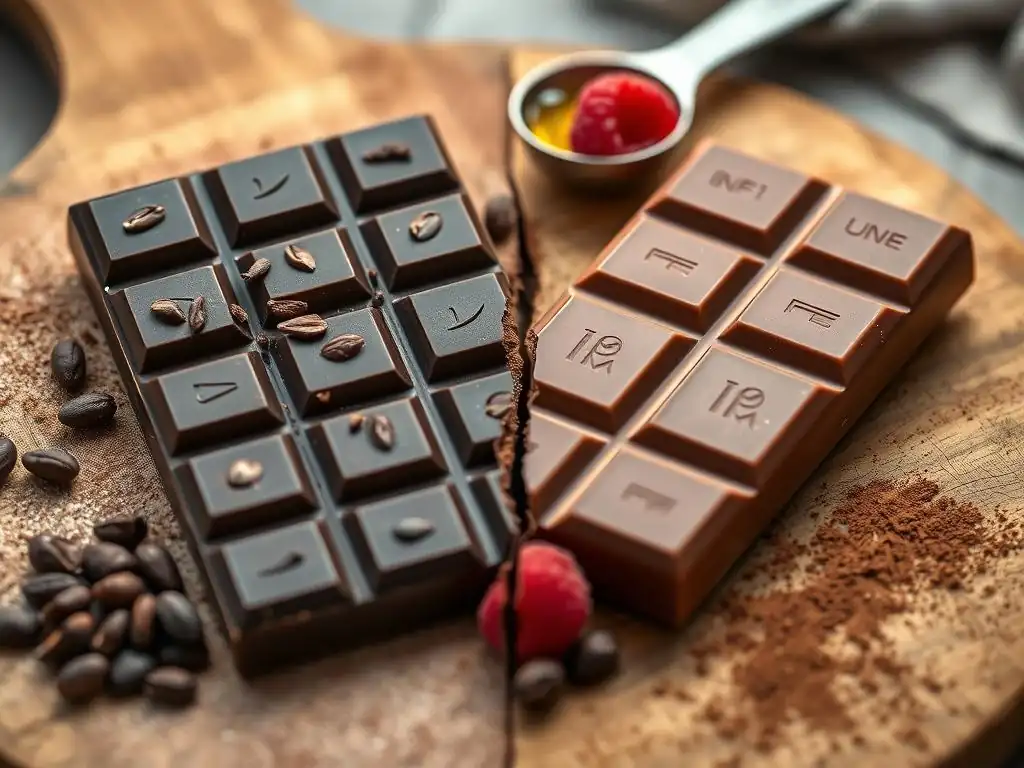
The ingredient list tells the story. The type of fat and the presence of additives are the most significant factors differentiating compound chocolate from real chocolate and determining its suitability for high-quality baking.
Vegetable Fats vs. Cocoa Butter: Impact on Melting and Flavor Release
The defining characteristic of compound chocolate is the replacement of cocoa butter with cheaper vegetable fats. These fats have different melting points and crystalline structures compared to cocoa butter. Cocoa butter melts at just below body temperature, which gives real chocolate its characteristic smooth, melt-in-your-mouth sensation and allows its flavors to bloom beautifully on the palate.
Vegetable fats, like palm kernel oil or coconut oil (often hydrogenated or fractionated for specific melting properties), tend to have higher melting points or melt differently. This is why compound chocolate can feel waxy or greasy and doesn't melt as cleanly or release flavor as effectively as chocolate made with cocoa butter. The substitution fundamentally limits the compound chocolate baking quality in terms of sensory experience.
Sugar Content and Additives: Masking and Enhancing Flavors in Compound Chocolate
Compound chocolate often contains a higher proportion of sugar compared to high-quality baking chocolate. This is sometimes used to mask the less desirable flavors that can arise from using lower-quality cocoa powder and vegetable fats. Additionally, emulsifiers like soy lecithin are common in both types of chocolate, but they can be used more heavily in compound coatings to improve texture and flow.
Other additives, such as artificial flavorings or colorings, might also be present in some compound chocolate products, further distancing them from the pure, intense flavor of real chocolate. These ingredients prioritize stability, shelf life, and cost over the depth and complexity of flavor that bakers seek when aiming for truly exceptional results. This formulation directly impacts the perceived compound chocolate baking quality.
Exploring the Purity of Ingredients in Superior Baking Chocolate: The Bean-to-Bar Process
High-quality baking chocolate often starts with carefully selected cocoa beans. Many premium producers control or have close relationships with the entire process, from 'bean-to-bar.' This involves sourcing quality beans, fermentation, drying, roasting, grinding the nibs into cocoa liquor, pressing out cocoa butter, and conching (a process of mixing and aerating the chocolate mass to develop flavor and smooth texture).
The emphasis is on using high-quality cocoa beans, a significant amount of pure cocoa butter, and minimal additives. For example, a high-quality dark couverture might list cocoa mass, sugar, cocoa butter, and vanilla extract as its primary ingredients, with a cocoa percentage of 60-70% or higher. This focus on ingredient purity and meticulous processing is what gives superior baking chocolate its rich flavor, smooth texture, and excellent working properties, fundamentally differing from compound chocolate baking quality.
The Impact on Taste and Texture: Compound Chocolate vs. Real Chocolate
The difference in ingredients directly translates to a noticeable difference in how the chocolate tastes and feels, both on its own and within a baked good.
Compound Chocolate's Melt and Mouthfeel: A Waxy Sensation
When you eat compound chocolate, you often notice a different melt compared to real chocolate. Because the vegetable fats have higher melting points than cocoa butter, the compound coating might feel harder at room temperature and melt more slowly or feel waxy in your mouth. It can leave a greasy residue on the palate rather than the clean, smooth finish of real chocolate.
This waxy texture affects baked goods where the chocolate is a prominent element, such as a chocolate coating or chips in cookies. The compound chocolate baking quality suffers because it doesn't contribute the luxurious mouthfeel that high-quality chocolate provides. Instead of a rich, melting pool of chocolate, you might get a firmer, less satisfying texture.
High-Quality Chocolate's Complex Flavors: Terroir and Fermentation's Influence
High-quality chocolate, especially those made from fine flavor cocoa beans, offers a spectrum of complex flavors beyond just "chocolatey." Just like wine or coffee, the origin of the cocoa bean (terroir) and how it's processed (fermentation, drying, roasting) dramatically influences the final taste. You might detect notes of red berries, citrus, nuts, caramel, or even subtle floral hints.
These nuanced flavors significantly enhance the depth and complexity of baked goods. When you use a high-quality dark chocolate with cherry notes in a chocolate cake or a single-origin milk chocolate with caramel undertones in a ganache, those flavors come through and elevate the final product far beyond what compound chocolate baking quality can achieve. The pure cocoa butter also allows these flavors to be released more effectively as the chocolate melts.
Achieving the Perfect Temper: Why Real Chocolate Matters for Professional Finishes
Tempering is a process of carefully melting and cooling real chocolate to stabilize the cocoa butter crystals. When chocolate is properly tempered, it sets with a beautiful glossy sheen, a firm snap when broken, and resists melting at room temperature. This is essential for creating professional-looking dipped items, molded chocolates, or decorations.
Compound chocolate does not contain enough cocoa butter to be tempered in the same way. While it melts easily and sets quickly, it lacks the snap and sheen of tempered real chocolate and is more prone to blooming (developing a dull, grayish surface) over time. For applications where appearance and texture are paramount, the lack of temperability in compound chocolate severely limits its compound chocolate baking quality.
Baking Performance: When to Use Compound Chocolate (and When to Avoid It)
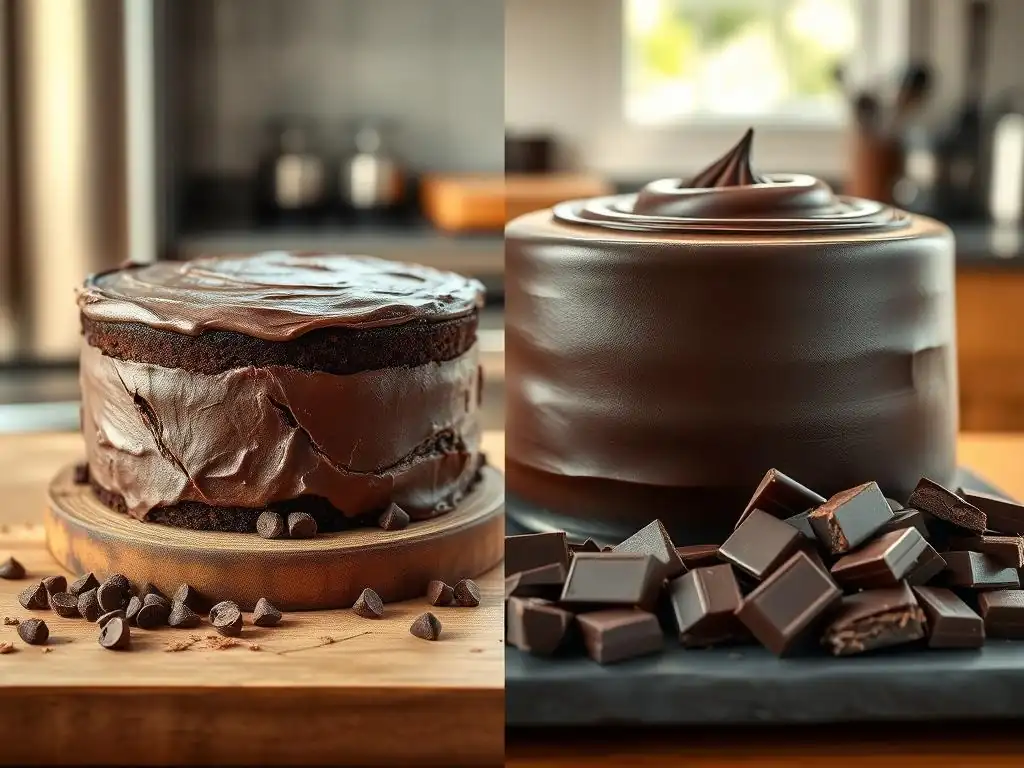
Understanding the strengths and weaknesses of compound chocolate helps you decide when it might be an acceptable choice and when it's best to invest in something better.
Compound Chocolate for Easy Melting and Coating: Candy Making and Dipping
Compound chocolate's primary advantage is its ease of use. Because it doesn't require tempering, you can simply melt it gently (often just in a microwave or double boiler) and use it for dipping candies, coating pretzels, or making simple bark. It sets quickly and firmly at room temperature, which is convenient for fast production.
This makes it a popular choice for home candy makers or for simple coatings where the primary goal is a quick, stable shell rather than complex flavor or texture. The compound chocolate baking quality in these specific applications is defined by its workability and quick set, making it a functional ingredient for certain confectionery tasks.
High-Quality Baking Chocolate for Ganaches, Mousses, and Intricate Decorations: Achieving Superior Results
For applications where the chocolate's flavor, texture, and melting properties are critical components of the final product, high-quality baking chocolate is indispensable. Ganaches rely on the emulsion of melted chocolate and cream, and the quality of the chocolate significantly impacts the richness, smoothness, and flavor depth. Mousses require chocolate that melts cleanly and whips into a light, airy texture.
Creating intricate chocolate decorations or molded figures demands real chocolate that can be tempered to achieve a stable structure, glossy finish, and crisp snap. Using compound chocolate in these recipes would result in a ganache that might be greasy, a mousse with poor texture, or decorations that are dull and prone to melting. The superior compound chocolate baking quality is simply not present for these demanding tasks.
Let's consider a classic: chocolate chip cookies. Using standard chocolate chips (which can sometimes be compound or have a lower cocoa butter content formulated for chip stability) versus using chopped pieces of a high-quality bar like Guittard's 63% Semisweet Baking Bar will yield vastly different results.
With standard chips or compound chocolate, you might get distinct, firm pockets of chocolate that hold their shape well during baking. However, the flavor might be less intense, and the texture within the chip can be somewhat hard or waxy after cooling. When you use chopped high-quality chocolate like Guittard, the chocolate melts more fully, creating luscious pools or streaks of rich, complex chocolate throughout the cookie. The flavor is deeper, and the texture is smoother and more decadent. This comparison highlights the significant difference in compound chocolate baking quality versus real chocolate in a common baked good.
The Cost Factor: Is High-Quality Chocolate Worth the Investment?
Quality often comes at a price, and this is certainly true for baking chocolate. However, considering the impact on your final product, the investment is often well worth it for serious bakers.
There is a noticeable price gap between compound chocolate and high-quality baking chocolate. Compound chocolate is typically sold at a lower price point per pound or kilogram, reflecting the lower cost of vegetable fats compared to cocoa butter and often less expensive processing methods. You might find large bags of compound wafers for a fraction of the cost of a smaller quantity of premium couverture.
For example, a kilogram of compound chocolate wafers might cost around $5-$10, while a kilogram of Callebaut or Valrhona couverture could range from $15-$30 or more, depending on the type and percentage. This initial price difference can make compound chocolate seem appealing, especially for large-scale production or simple applications where compound chocolate baking quality isn't the top priority.
Long-Term Value: Considering Flavor, Texture, and Baking Performance
While the upfront cost is higher, the long-term value of using high-quality baking chocolate lies in the superior results it delivers. If you're spending time and money on other quality ingredients like fresh butter, eggs, and vanilla, using subpar chocolate can compromise the entire effort.
The improved flavor, smoother texture, and better performance (especially the ability to temper) mean your baked goods will taste better, look more professional, and provide a more satisfying experience. For home bakers who bake for pleasure or gifting, the enhanced enjoyment and positive feedback often justify the extra expense. For professionals, the consistent quality and superior results are essential for their reputation. The true compound chocolate baking quality must be measured not just by price, but by the final culinary outcome.
Where to Buy High-Quality Baking Chocolate: Recommendations for Online and Local Suppliers
Finding high-quality baking chocolate is easier than ever. Many specialty food stores, gourmet markets, and even some well-stocked supermarkets carry reputable brands like Ghirardelli (their baking bars, not chips), Guittard, or Lindt (check the ingredients for cocoa butter).
For a wider selection, including couverture from brands like Callebaut, Valrhona, and Cacao Barry, online retailers specializing in baking supplies are excellent resources. These sites often sell chocolate in larger quantities (like 1kg or 2.5kg bags of callets or fèves) at more economical prices per pound. Look for suppliers that store and ship chocolate properly to ensure it arrives in good condition. Investing a little time in sourcing good chocolate is a key step in improving your compound chocolate baking quality.
Identifying High-Quality Baking Chocolate Brands and Types for Optimal Baking Results
Knowing what to look for on the label is crucial. Focus on ingredients and cocoa percentage to gauge quality.
Couverture chocolate is the gold standard for professional baking because of its high cocoa butter content (typically 30-39% for dark, higher for milk and white) and fine particle size, which results in a smoother texture. Look for brands like Callebaut, Valrhona, Cacao Barry, and Guittard's professional line. These brands are renowned for their consistent quality and excellent flavor profiles, offering a range of percentages and origins.
For example, Callebaut 811 (54.5% dark) is a popular all-around couverture known for its balanced flavor. Valrhona Guanaja (70% dark) is prized for its intense, complex notes. Using these chocolates ensures superior compound chocolate baking quality is left far behind. They are designed specifically for baking and confectionery, providing reliable performance for tempering, ganaches, mousses, and more.
Understanding Different Cocoa Percentages: Choosing the Right Chocolate for Your Recipe
The cocoa percentage on a chocolate label indicates the total proportion of cocoa solids (cocoa mass/liquor, cocoa butter, and cocoa powder) in the chocolate. A higher percentage generally means less sugar and a more intense chocolate flavor.
- Dark Chocolate (50% to 100% cocoa): Versatile for many applications. 60-70% is common for cookies, cakes, and ganaches. Higher percentages (70%+) offer more intense flavor but require more sugar in the recipe balance.
- Milk Chocolate (typically 30-45% cocoa): Contains milk solids, giving it a creamier texture and sweeter flavor. Best for recipes where a milder, sweeter chocolate taste is desired.
- White Chocolate (technically not chocolate as it contains no cocoa solids): Made from cocoa butter, sugar, and milk solids. Quality varies greatly; look for a high cocoa butter percentage (ideally 30%+) for a smooth, creamy product that melts well.
Choosing the right percentage depends on the recipe and your desired flavor intensity, a consideration entirely absent when dealing with the uniform profile of compound chocolate baking quality.
Dark Chocolate, Milk Chocolate, and White Chocolate: Selecting the Perfect Type for Your Baking Needs
The type of chocolate you choose significantly impacts the flavor and appearance of your baked goods.
- Dark Chocolate: Provides deep, rich chocolate flavor. Essential for classic chocolate cakes, brownies, lava cakes, and intense ganaches. Its slight bitterness balances sweetness in many desserts.
- Milk Chocolate: Adds sweetness and creamy flavor. Great for creating milder chocolate ganaches, fillings, or for recipes where a less intense chocolate note is preferred, like some types of cookies or pastries.
- White Chocolate: Offers a sweet, creamy, vanilla-like flavor derived from cocoa butter. Used in white chocolate mousses, blondies, or as a counterpoint to darker flavors. Quality is paramount here, as poor white chocolate can taste artificial or greasy.
Matching the chocolate type to the recipe's requirements is key to achieving optimal results. While compound chocolate comes in these types, its inherent limitations mean it cannot replicate the complex flavors and textures achievable with high-quality versions of dark, milk, or white chocolate made with pure cocoa butter. The compound chocolate baking quality simply isn't comparable across the board.
The Verdict: Choosing the Right Chocolate for Your Baking Goals
Ultimately, the choice between compound chocolate and high-quality baking chocolate depends on your specific baking project and priorities.
Prioritizing Flavor and Texture: When High-Quality Chocolate is Essential
If your goal is to create baked goods with outstanding flavor, luxurious texture, and a professional finish, then investing in high-quality baking chocolate is essential. For recipes where chocolate is a star ingredient—like a rich chocolate torte, silky ganache, delicate mousse, or perfectly tempered decorations—the difference is undeniable.
Using chocolate with high cocoa butter content and complex flavor notes elevates your baking from good to exceptional. The investment in quality ingredients truly shines through in the final taste and texture, making the extra cost worthwhile for these applications. Relying on compound chocolate baking quality alone will limit your ability to achieve these superior results.
Budget-Conscious Baking: When Compound Chocolate Might Be Sufficient
For simple applications where flavor complexity and texture aren't the primary concern, or when working with a very tight budget, compound chocolate can be a sufficient option. This includes tasks like coating cake pops, making simple chocolate bark with lots of mix-ins, or dipping candies where the coating is just one element among many.
It's also sometimes used in situations where ease of melting and setting is absolutely critical and tempering is not feasible. While it doesn't offer the same compound chocolate baking quality as real chocolate, its convenience and lower cost make it a practical choice for certain specific uses in high-volume or less demanding scenarios.
Elevating Your Baking: Why Investing in High-Quality Baking Chocolate Pays Off
For bakers who are passionate about their craft and want to continuously improve, understanding and using high-quality ingredients is a crucial step. Switching from standard or compound chocolate to premium baking chocolate can be a revelation, demonstrating the significant impact ingredient quality has on the final product.
Think of it as upgrading from basic paint to artist-grade pigments. While both can create a picture, the depth, vibrancy, and longevity differ dramatically. By choosing high-quality baking chocolate, you're choosing to prioritize flavor, texture, and performance, ultimately elevating your baking results and bringing a higher level of deliciousness to everything you create. The effort to find and use better chocolate directly enhances your overall compound chocolate baking quality potential.
Frequently Asked Questions
What is the primary difference between compound chocolate and high-quality baking chocolate?
The main difference lies in the fat source. Compound chocolate uses vegetable fats like palm kernel oil, while high-quality baking chocolate uses cocoa butter. This significantly impacts the flavor and texture.
Why does BakeWithEase consider compound chocolate "not high-quality"?
BakeWithEase prioritizes recipes that offer the best flavor and texture. Compound chocolate's use of vegetable fats often results in a less rich and complex taste compared to chocolate made with pure cocoa butter.
Can I substitute high-quality baking chocolate with compound chocolate in BakeWithEase recipes?
While you can substitute, the website generally advises against it for recipes where the chocolate flavor is paramount. Expect a noticeable difference in the final product's taste and overall quality.
What are the benefits of using high-quality baking chocolate as opposed to compound chocolate?
High-quality baking chocolate provides a richer, more intense chocolate flavor and a smoother, more luxurious texture. It melts more evenly and contributes to a superior final product, aligning with BakeWithEase's standards.
Where can I find recommendations for high-quality baking chocolate brands on BakeWithEase?
BakeWithEase often includes specific brand recommendations within its recipes and articles. Look for suggestions in the ingredients list or within the recipe notes for preferred chocolate brands.
Final Reflection: The Enduring Quest for Quality in Baking
The pursuit of the perfect bake hinges on understanding the ingredients, and nowhere is this more crucial than in the choice of chocolate. The stark differences between compound chocolate and real chocolate, as explored throughout this article, remain strikingly relevant in today's baking landscape, impacting both the professional and home baker alike. The subtle nuances of flavor and texture, often overlooked, dramatically affect the final product, proving that a seemingly small ingredient choice can have a significant impact on the overall success of a recipe.
The pervasive availability of compound chocolate, often marketed deceptively, highlights a larger issue within the food industry: the prioritization of cost over quality. This has created a cultural landscape where many are unknowingly compromising on taste and texture, accepting a less-than-ideal result. This resonates deeply with my own experiences; I've witnessed firsthand the disappointment of a recipe falling flat due to the use of inferior chocolate. The best things in life are worth waiting for, and the same holds true for truly exceptional baking.
This quote, while not directly about chocolate, speaks to the patience and dedication required to achieve superior results, a dedication that starts with selecting the right ingredients.
Now, consider your own baking practices. Are you consciously choosing real chocolate, understanding its impact on your creations? I urge you to take a moment to reflect on your ingredient choices and the potential for elevating your baking to the next level. Embrace the journey of discovering the subtle differences between compound and real chocolate, and unlock the potential for richer, more complex, and ultimately more satisfying baked goods. The reward? A deeper appreciation for the art of baking and the delicious results that come from using quality ingredients.
Unlock the Secrets to Decadent Baking!
Thanks for taking the time to learn about the difference between compound and real chocolate! We hope you now feel more confident in choosing the right ingredients for your baking projects. Ready to elevate your creations?
- Dive deeper into the world of fine chocolate: Explore different cacao percentages and origins to discover your new favorite chocolate! This is your chance to experiment with different flavor profiles.
- Share your baking journey: Show off your chocolate masterpieces on social media – tag us! We love seeing your creations.
- Join our baking community: Share your baking tips and ask questions. Let’s make baking easier together!
What unique chocolate flavor will you explore first to enhance your next baking masterpiece?