
Navigating HighQuality Chocolate Brands: What to Look For

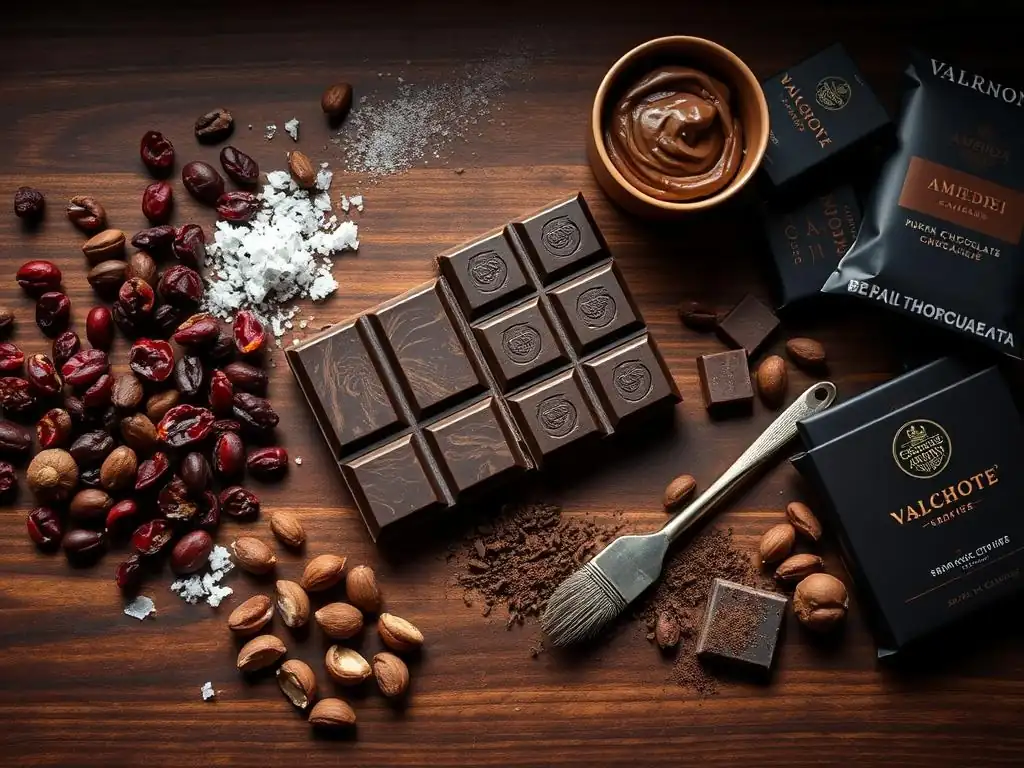
Welcome to BakeWithEase, your kitchen companion for all things baking! Ever wondered which chocolate can truly elevate your desserts? Navigating High-Quality Chocolate Brands: What to Look For unlocks the secrets to selecting the best chocolate brands for baking, revealing the crucial factors that separate the good from the truly exceptional. Prepare to transform your creations – the perfect chocolate is just a scroll away!
- Navigating High-Quality Chocolate Brands: What to Look For (BakeWithEase.com)
- Introduction: Elevating Your Baking with the Best Chocolate Brands
- Understanding Baking Chocolate: Types & Their Uses
- Key Factors to Consider When Selecting Baking Chocolate
- The Best Chocolate Brands for Baking: A Detailed Comparison
- Beyond the Brands: Exploring Specialty Baking Chocolate
- Tips for Using Baking Chocolate Effectively
- Recipes That Showcase the Best Baking Chocolate
- Conclusion: Choosing the Right Chocolate for Your Baking Needs
-
Frequently Asked Questions
- What are the key factors to consider when choosing a chocolate brand for baking?
- Is there a significant difference between using baking chocolate and regular chocolate bars in recipes?
- What are some indicators of a high-quality chocolate brand specifically for baking purposes?
- Can I substitute different types of chocolate (e.g., dark, milk, white) in baking recipes?
- How does the cocoa percentage in baking chocolate affect the final product?
- Final Reflection: The Sweet Science of Choosing Chocolate for Baking
- Unlock Your Inner Chocolatier: Elevate Your Baking!
Introduction: Elevating Your Baking with the Best Chocolate Brands
Why Choosing the Right Chocolate Matters for Baking Success
Selecting the appropriate chocolate is arguably one of the most critical decisions a baker makes. It's not just about adding sweetness; it's about building the foundational flavor profile of your baked goods. Using low-quality chocolate, which often contains vegetable oils, artificial flavors, or excessive sugar, can result in a flat, waxy, or overly sweet product that lacks depth and complexity.
Conversely, investing in the best chocolate brands for baking can transform a simple recipe into an extraordinary culinary experience. The nuanced notes of fruit, floral, nutty, or earthy tones present in fine chocolate interact beautifully with other ingredients, creating layers of flavor that are impossible to achieve otherwise.
High-quality baking chocolate melts smoothly and evenly, incorporates seamlessly into batters and ganaches, and solidifies with a desirable snap and sheen. This superior performance is due to a higher percentage of cocoa butter compared to cheaper alternatives. Cocoa butter is a natural fat that provides structure, mouthfeel, and aids in the tempering process, which is essential for achieving stable, shiny chocolate coatings or decorations. Understanding these differences is the first step in elevating your baking, ensuring that your chocolate chip cookies spread just right, your ganache is silky smooth, and your chocolate cake is deeply, satisfyingly rich.
Embarking on the quest for the best chocolate brands for baking can feel a bit overwhelming with the sheer number of options available. Our goal at BakeWithEase is to demystify the world of premium baking chocolate and guide you toward making informed choices that will enhance your baking results. We'll explore different types of chocolate, decode confusing labels, and highlight some of the most respected names in the industry known for their consistent quality and exceptional flavor.
This guide is designed for bakers of all skill levels, whether you're just starting out or looking to refine your techniques. We believe that using high-quality ingredients is a fundamental principle of great baking, and chocolate is no exception. By understanding what to look for and where to find it, you'll be well-equipped to choose the best chocolate brands for baking that suit your specific needs and recipes, turning every baking project into a delicious success story.
Understanding Baking Chocolate: Types & Their Uses
Decoding Chocolate Percentages: What Do They Mean?
The percentage listed on a bar of chocolate refers to the total proportion of the chocolate derived from the cacao bean. This includes cocoa solids (the non-fat part of the bean) and cocoa butter (the fat extracted from the bean). It does not include added sugar, vanilla, or emulsifiers like lecithin. A higher percentage generally indicates a more intense chocolate flavor and less sugar, leading to a more bitter profile. For instance, a 70% dark chocolate contains 70% cacao-derived ingredients and 30% other ingredients (mostly sugar), while a 50% dark chocolate has 50% cacao-derived ingredients and 50% other ingredients.
Understanding percentages is crucial for baking because it directly impacts the sweetness and bitterness of your final product. Recipes are often developed using chocolate within a specific percentage range (e.g., 60-70% dark chocolate). Substituting a 50% chocolate for a 70% chocolate without adjusting other ingredients like sugar will result in a significantly sweeter and less intensely chocolatey outcome.
Conversely, using an 85% chocolate in a recipe calling for 60% will yield a much more bitter result. White chocolate has no cocoa solids, so its percentage refers only to the cocoa butter content, typically ranging from 20% to 35% or more, alongside sugar, milk solids, and vanilla.
From Cacao Beans to Baking Bars: A Quick Chocolate Making Overview
The journey of chocolate begins with the cacao tree, Theobroma cacao, which produces pods containing cacao beans. After harvesting, these pods are opened, and the beans are fermented, which develops flavor precursors. Following fermentation, the beans are dried and then roasted, a critical step that brings out the characteristic chocolate flavor. The roasted beans are then cracked, and the outer shells are removed, leaving behind the nibs.
These nibs are ground into a paste called chocolate liquor (despite the name, it contains no alcohol). This liquor is a mix of cocoa solids and cocoa butter. For baking chocolate, this liquor is then pressed to separate the cocoa solids from the cocoa butter.
Different proportions of cocoa liquor, additional cocoa butter, sugar, and sometimes vanilla and lecithin are combined and refined to create the smooth texture we expect. Conching, a process of continuous mixing, further develops flavor and texture, and finally, the chocolate is tempered and molded into bars, chips, or other forms ready for bakers. The quality of the initial cacao beans, the fermentation process, roasting, and the subsequent manufacturing steps all profoundly influence the flavor and performance of the final baking chocolate.
Different Forms of Baking Chocolate: Bars, Chips, Powder, and More
Baking chocolate comes in several forms, each suited for different applications. Bars are often considered the highest quality for melting and incorporating into batters, ganaches, and sauces. They are typically made with more cocoa butter and fewer stabilizers than chips, resulting in a smoother melt. High-quality bars are usually found in blocks or fèves (small, oval-shaped pieces) and are ideal for chopping into custom-sized pieces for cookies or melting for tempering.
Chocolate chips are designed to hold their shape when baked, thanks to a lower cocoa butter content or added stabilizers. While convenient for cookies and muffins, they don't melt as smoothly as bar chocolate and are less ideal for ganaches or delicate sauces. Cocoa powder, available in natural and Dutch-processed forms, provides intense chocolate flavor without the added fat and sugar of solid chocolate.
It's essential for cakes, brownies, and frostings. Couverture chocolate is a professional-grade chocolate with a high percentage of cocoa butter (typically 32-39%) that melts very smoothly and is specifically designed for tempering and coating, offering a superior snap and shine. Understanding these forms helps you choose the right product for your specific baking task.
Key Factors to Consider When Selecting Baking Chocolate
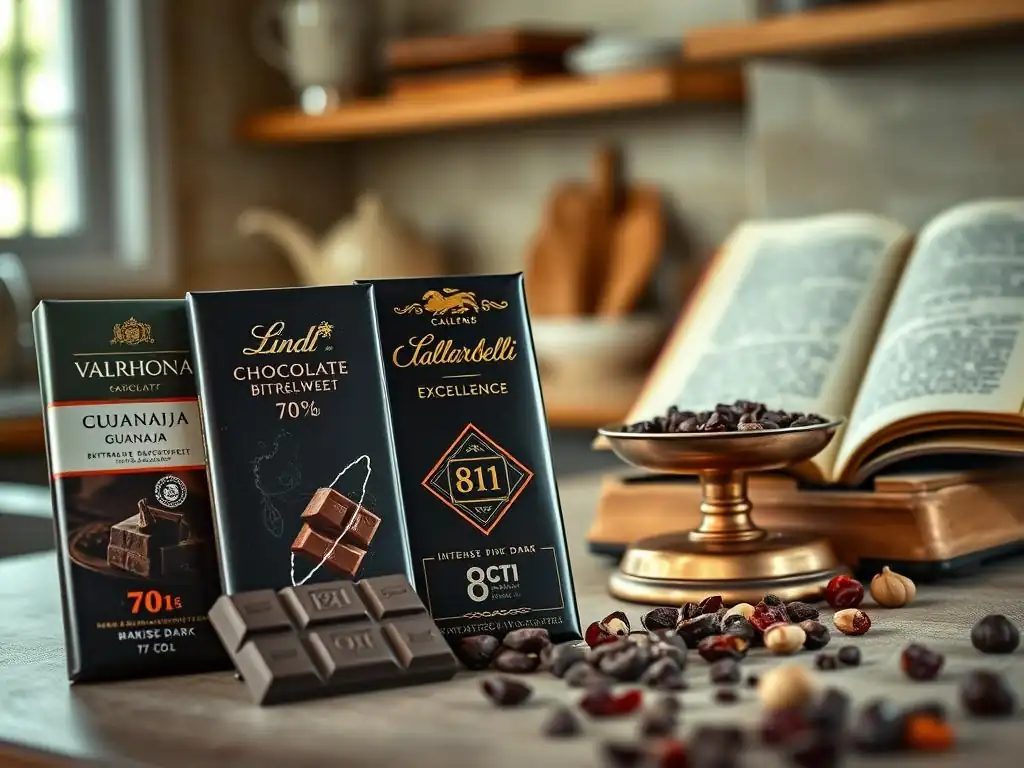
Taste Profile: Finding Your Perfect Chocolate Flavor
The taste profile of baking chocolate is perhaps the most subjective yet critical factor. Different chocolates possess distinct flavor notes influenced by the origin of the cacao beans, the roasting process, and the specific blend of cocoa solids and butter. Some chocolates might have bright, fruity notes reminiscent of berries or citrus, while others could exhibit deeper, earthier tones like coffee, tobacco, or nuts. Still others might be predominantly fudgy or have caramel undertones.
Consider the other flavors in your recipe when selecting chocolate. A chocolate with berry notes might pair beautifully with red fruit tarts, while a more robust, earthy chocolate could be perfect for a dark, intense chocolate cake. Tasting a small piece of the chocolate before you bake is a great way to understand its profile. Many premium brands provide tasting notes on their packaging, offering clues about the flavor characteristics you can expect. Experimenting with different brands and percentages is the best way to discover which taste profiles you prefer for various baking applications.
Cacao Content: Balancing Bitterness and Sweetness
As discussed earlier, the cacao percentage dictates the balance between bitterness from the cocoa solids and sweetness from the added sugar. Choosing the right percentage is vital for achieving the desired flavor balance in your final baked good. For instance, classic American chocolate chip cookies often call for semi-sweet chocolate, typically in the 40-55% cacao range, which provides a moderate sweetness and classic chocolate flavor that appeals to many palates.
Dark chocolate for brownies or cakes might range from 60% to 75% or even higher, delivering a richer, less sweet, and more complex flavor. Milk chocolate (typically 30-40% cacao, with added milk solids) is sweeter and creamier, ideal for certain candies, frostings, or specific cookie recipes. White chocolate (at least 20% cocoa butter) is purely sweet and creamy, lacking the bitterness of cocoa solids, making it suitable for contrasting flavors or adding richness without typical chocolate intensity. Always consider the recipe's requirements and your personal preference for sweetness and intensity when selecting the cacao content.
Ingredient Quality: Avoiding Unnecessary Additives
Examining the ingredient list is paramount when seeking high-quality baking chocolate. A premium chocolate should have a relatively short list of ingredients, primarily consisting of cocoa mass (chocolate liquor), sugar, cocoa butter, and possibly vanilla extract and lecithin (an emulsifier, usually soy or sunflower, used in small amounts). The order of ingredients matters; cocoa mass or cocoa liquor should ideally be listed first or second after sugar, indicating a higher chocolate content.
Ingredients to be wary of or avoid include vegetable oils (like palm oil or coconut oil) used as substitutes for cocoa butter, artificial flavors, and excessive amounts of emulsifiers or stabilizers. Vegetable oils can negatively impact the chocolate's melting properties, texture, and flavor, often resulting in a waxy mouthfeel. High-quality chocolate relies on the natural properties of cocoa butter for its smooth texture and clean melt. Prioritizing chocolates with minimal, high-quality ingredients ensures you're getting pure chocolate flavor and superior performance in your baking.
Melting Properties: Achieving Smooth and Even Results
The way chocolate melts is a critical performance indicator for baking. High-quality baking chocolate, particularly couverture or good-quality bar chocolate, melts smoothly and evenly due to its high cocoa butter content and proper processing. This is essential for creating silky ganaches, smooth glazes, and incorporating chocolate seamlessly into batters without lumps or graininess. Chocolate chips, designed to retain their shape, often contain less cocoa butter or stabilizers, making them less suitable for applications requiring a perfectly smooth melt.
When melting chocolate, whether over a double boiler or in the microwave, using a high-quality product minimizes the risk of seizing (when the chocolate suddenly becomes thick, lumpy, and unworkable, often due to contact with even a tiny amount of moisture or overheating). Chocolate with a good proportion of cocoa butter is more forgiving and easier to work with, especially when tempering. Bakers who prioritize smooth, professional-looking results will always lean towards chocolates known for their excellent melting properties.
Price vs. Quality: Finding the Sweet Spot
While it's true that high-quality baking chocolate often comes with a higher price tag, it's important to view this as an investment in the final product. The cost difference between standard supermarket chocolate chips and premium baking chocolate is often justified by the superior flavor, texture, and performance. A small increase in ingredient cost can lead to a significant improvement in the overall quality and enjoyment of your baked goods.
However, the most expensive chocolate isn't always the best chocolate brands for your specific baking needs. Consider the application: for a simple batch of everyday chocolate chip cookies, a good mid-range baking chocolate might be perfectly sufficient and offer excellent value.
For a special occasion dessert like a chocolate mousse or mirror glaze, investing in a top-tier couverture chocolate will likely yield results that are noticeably superior and worth the extra expense. Finding the sweet spot involves balancing your budget with the requirements of your recipe and your desired outcome, recognizing that using better chocolate generally leads to better baking.
The Best Chocolate Brands for Baking: A Detailed Comparison
Valrhona: The Gold Standard for Pastry Chefs
Valrhona, founded in 1922 in the Rhône Valley of France, is widely regarded as one of the world's premier chocolate manufacturers, particularly favored by professional pastry chefs. Known for its commitment to quality from bean to bar, Valrhona sources fine cacao beans from specific origins and processes them with meticulous care. Their chocolate is characterized by complex, nuanced flavors and exceptionally smooth texture, largely due to their high cocoa butter content (often above 32% for their couverture lines). This makes Valrhona ideal for applications where chocolate is the star ingredient, such as mousses, ganaches, glazes, and fine pastries.
Their extensive range includes single-origin chocolates, unique blends like Guanaja (70% cacao, known for its intense bitterness and floral notes) and Manjari (64% cacao, with bright, fruity notes), and various percentages of dark, milk, and white chocolate. Valrhona is often sold in fèves, which are small, easy-to-melt pieces perfect for precise weighing and even melting. While on the higher end of the price spectrum, the quality, consistency, and depth of flavor make Valrhona a go-to choice for bakers seeking truly exceptional results and often considered among the best chocolate brands for baking fine desserts.
Valrhona's Key Features and Baking Applications
Valrhona chocolates are celebrated for their distinct flavor profiles and superior melting properties. Their high cocoa butter content ensures a smooth, fluid melt, making them perfect for tempering, resulting in shiny, snappy coatings and decorations. The specific flavor notes of their different chocolates allow bakers to tailor the chocolate choice to complement other ingredients; for example, using their Caraïbe (66% cacao) with its balanced, slightly nutty flavor in brownies, or their Alpaco (66% cacao) with its floral notes in fruit-based desserts.
Beyond melting and tempering, Valrhona fèves or chopped bars are excellent for incorporating into doughs and batters. When baked, they melt into pockets of intensely flavored chocolate, providing bursts of richness. Their cocoa powders, such as the deep, rich cocoa, are also highly regarded for adding robust chocolate flavor to cakes and sauces. While an investment, using Valrhona can elevate the quality of your baked goods significantly, demonstrating why it's considered among the best chocolate brands for baking by professionals.
Where to Buy Valrhona and Potential Affiliate Opportunities
Valrhona is typically found in specialty food stores, high-end grocery stores, and online retailers specializing in baking supplies. Due to its premium nature, it's less common in standard supermarkets. Many online stores dedicated to gourmet ingredients stock a wide range of Valrhona products, including fèves, bars, and cocoa powder, often in various sizes from small bags to bulk quantities.
For those interested in promoting high-quality baking ingredients, some gourmet food retailers or baking supply websites that carry Valrhona may offer affiliate programs. This allows partners to earn a commission on sales generated through their referrals. While specific programs vary, they often involve linking to the retailer's product pages. Searching for "gourmet food affiliate programs" or "baking supply affiliate programs" can reveal potential opportunities with retailers stocking Valrhona.
Guittard: A Classic American Baking Chocolate Brand
Founded in San Francisco in 1868, Guittard Chocolate Company is one of the oldest continuously family-owned chocolate companies in the United States. Guittard has a long-standing reputation among American bakers for producing high-quality, consistent, and flavorful baking chocolates. They work directly with cacao farms to ensure the quality and sustainability of their beans. Guittard offers a wide range of products specifically designed for baking, including various percentages of dark, milk, and white chocolate in chip, wafer, and bar forms.
Guittard's chocolates are known for their balanced flavor profiles, reliable melting, and excellent performance in a variety of baking applications. They strike a good balance between quality and accessibility, being readily available in many grocery stores and specialty shops across the US. Their products are favored by home bakers and professionals alike for their consistent results, making them a staple for everything from classic chocolate chip cookies to more elaborate desserts. Guittard is frequently listed among the best chocolate brands for baking accessible, high-quality treats.
Guittard's Strengths and Ideal Uses in Recipes
Guittard's strength lies in its versatility and consistent quality. Their chocolate chips, such as the popular Semi-Sweet Chocolate Baking Chips (often around 46% cacao), are specifically formulated to hold their shape while baking, making them a go-to for cookies, muffins, and scones. However, unlike some other chip brands, Guittard's chips still offer a good depth of flavor. Their baking bars and wafers, like the 63% Extra Dark Chocolate Baking Bar or the 70% Bittersweet Chocolate Wafers, melt beautifully and are excellent for ganaches, sauces, cakes, and brownies.
The flavor profiles of Guittard chocolates tend to be classic and well-rounded, often featuring notes of fruit, spice, or roasted nuts depending on the specific product and cacao percentage. This balanced approach makes them highly adaptable to a wide range of recipes without overpowering other flavors. Whether you need chocolate for melting, chopping, or embedding, Guittard offers reliable options that consistently deliver good results, cementing their place among the best chocolate brands for baking for everyday and special occasions.
Exploring Guittard's Product Line and Affiliate Links
Guittard offers a comprehensive product line catering specifically to bakers. This includes various percentages of dark chocolate chips (like 63% Extra Dark and 74% Intense Dark), semi-sweet chips, milk chocolate chips, and white chocolate chips. They also produce baking bars and wafers in different cacao percentages, as well as cocoa powders (both natural and Dutch-process) and even baking discs (couverture-style chocolate). Their Akoma line focuses on ethically sourced cacao.
Many major grocery retailers and online baking supply stores carry Guittard products. While Guittard Chocolate Company itself primarily focuses on manufacturing, the retailers who sell their products may have affiliate programs. Websites specializing in selling baking ingredients or gourmet foods are good places to explore for potential affiliate partnerships that feature Guittard. Look for affiliate programs offered by large online supermarkets or specialty baking shops.
Scharffen Berger: Intense Flavors for Bold Baking
Founded in 1996 in California (and now part of Hershey's, though they maintain separate operations and recipes), Scharffen Berger was one of the pioneers of the American bean-to-bar chocolate movement. They are known for producing high-quality dark chocolate with intense, complex flavors derived from carefully selected and blended cacao beans. Scharffen Berger emphasizes the origin and roasting of their beans to create distinctive taste profiles.
Scharffen Berger chocolates are characterized by their robust, often bold, and sometimes earthy or fruity notes. Their products are favored by bakers who want the chocolate flavor to be prominent and assertive in the final dish. They offer various percentages of dark chocolate in bars and chunks, popular for baking applications like brownies, cookies, and tarts where a strong, pure chocolate flavor is desired. Scharffen Berger is often recognized as one of the best chocolate brands for baking applications requiring deep, intense chocolate character.
Scharffen Berger's Unique Characteristics and Recipe Pairings
Scharffen Berger's chocolates stand out due to their intensity and complexity, which is achieved through a careful blending of beans from different origins and specific roasting profiles. Their 70% Cacao Bittersweet Chocolate Baking Bar, for instance, is known for its deep, fudgy notes with hints of fruit. The 62% Cacao Semisweet Chocolate Baking Chunks offer a slightly sweeter but still robust flavor, melting into rich puddles in cookies.
These intense flavors pair particularly well with recipes where the chocolate is a main component and needs to hold its own against other strong flavors. Think about pairing Scharffen Berger with ingredients like coffee, chilies, red wine, or dark fruits like cherries or raspberries. It's an excellent choice for deeply flavored brownies, molten chocolate cakes, or sophisticated chocolate tarts. Using Scharffen Berger ensures that the chocolate flavor is front and center, providing a memorable taste experience.
Purchasing Scharffen Berger: Affiliate Programs and Deals
Scharffen Berger products are widely available in many supermarkets, specialty food stores, and online retailers across the United States. They are generally easier to find than some European premium brands but are typically priced higher than standard supermarket chocolates. Their availability in major chains makes them a convenient option for many home bakers seeking high quality.
Retailers stocking Scharffen Berger, including large online grocery platforms and dedicated baking supply e-commerce sites, may operate affiliate programs. While Scharffen Berger itself may not have a direct affiliate program for their brand specifically, partnering with retailers who carry their products is a way to promote the brand. Look for affiliate opportunities with well-known online food retailers or kitchen supply stores that feature a gourmet chocolate section.
Callebaut: Versatile Chocolate for Everyday Baking
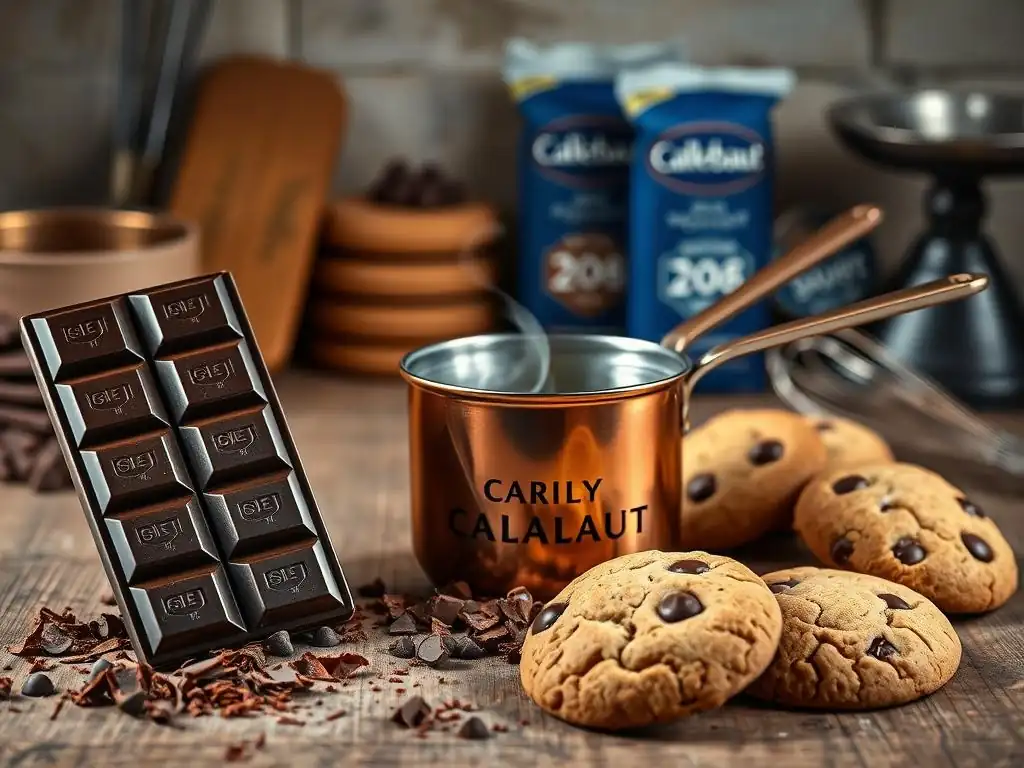
Callebaut, based in Belgium, is another major player in the world of professional chocolate, widely used by chocolatiers and pastry chefs globally. Like Valrhona, Callebaut produces high-quality couverture chocolate, characterized by its excellent workability and consistency. However, Callebaut is often considered slightly more approachable and versatile for a broader range of applications, including larger-scale production or everyday professional use.
Callebaut offers a vast selection of chocolates, including dark, milk, white, and even ruby chocolate, available in various forms like callets (small drops or discs), blocks, and chunks. Their "811" dark callets (54.5% cacao) are particularly popular among bakers for their balanced flavor and ease of melting. Callebaut provides reliable performance for everything from coating and molding to incorporating into batters and ganaches, making it a staple for many who bake frequently. It's considered one of the best chocolate brands for baking when seeking reliable, versatile, and high-quality chocolate in larger quantities.
Callebaut's Advantages and Suitable Baking Projects
One of Callebaut's primary advantages is its exceptional workability, especially their callets, which melt quickly and evenly due to their uniform size. This makes them incredibly convenient for melting large quantities for dipping, molding, or incorporating into large batches of dough or batter. Their flavor profiles are generally classic and well-balanced, less intensely specific than some single-origin chocolates, which makes them highly versatile and suitable for a wide array of recipes.
Callebaut's 54.5% dark callets are perfect for classic chocolate chip cookies, moist chocolate cakes, fudgy brownies, and reliable ganaches. Their milk and white chocolates are also high-quality and perform well in their respective applications, such as white chocolate macadamia nut cookies or milk chocolate ganache. Callebaut is an excellent choice for bakers who need a dependable, high-performing chocolate in slightly larger quantities (often sold in kilogram bags) for regular baking.
Callebaut's Availability and Affiliate Partnerships
Callebaut is readily available through specialty baking supply stores, restaurant supply stores, and numerous online retailers specializing in confectionery and baking ingredients. It's less likely to be found in standard supermarkets but is common in shops catering to professional or serious home bakers. Buying Callebaut in bulk (e.g., 2.5kg bags of callets) is often more cost-effective than buying smaller quantities of premium bars.
As a widely distributed professional brand, many online baking supply shops and gourmet food retailers carry Callebaut products. These retailers are potential partners for affiliate marketing. Look for online stores selling professional baking ingredients or confectionery supplies, as they often have affiliate programs. Promoting these retailers and their Callebaut offerings can be a viable strategy for those in the baking niche.
Ghirardelli: Widely Available and Affordable Baking Chocolate
Ghirardelli Chocolate Company, founded in 1852 in San Francisco, is a well-known American chocolate maker that offers a range of products specifically marketed towards home bakers. While perhaps not always considered in the same ultra-premium category as Valrhona or Callebaut by professional purists, Ghirardelli provides significantly higher quality than many standard supermarket baking chocolates and is widely accessible.
Ghirardelli baking products, such as their baking chips, wafers, and bars, are formulated for reliable performance in home baking. They are known for their smooth texture and consistent flavor. Ghirardelli offers various types, including 60% Cacao Bittersweet, 70% Cacao Intense Dark, Semi-Sweet, Milk, and White chocolates, making it easy for home bakers to find the right type and percentage for their recipes. Ghirardelli is recognized as one of the best chocolate brands for baking among widely available, affordable options.
Ghirardelli's Accessibility and Baking Applications
One of Ghirardelli's biggest advantages is its widespread availability. You can find Ghirardelli baking chips and bars in most major grocery stores across the United States, making it incredibly convenient for impulse baking or when you don't have access to specialty stores. Their products are generally priced affordably, offering a good balance of quality and cost for everyday baking.
Ghirardelli baking chips are popular for classic recipes like chocolate chip cookies, pancakes, and muffins. Their baking bars and wafers, particularly the 60% and 70% dark options, are suitable for melting into brownies, cakes, frostings, and ganaches, providing a richer flavor than standard chocolate chips. While they might not offer the complex nuances of higher-end single-origin chocolates, Ghirardelli provides reliable, good-tasting chocolate that performs well for a wide variety of home baking projects.
Ghirardelli's Product Range and Affiliate Marketing
Ghirardelli's baking range includes various percentages of chips (Semi-Sweet, 60% Bittersweet, 70% Intense Dark, Milk, White), baking bars (60% Bittersweet, 70% Intense Dark, White), and melting wafers (Milk, Dark, White), designed to melt smoothly for dipping and coating. They also produce cocoa powder. This wide selection covers most common home baking needs.
Given Ghirardelli's presence in most major supermarkets and online retailers, opportunities for affiliate marketing are abundant. Large online grocery platforms, general e-commerce sites with a grocery or baking section, and many food bloggers or recipe sites that link to ingredients will often feature Ghirardelli products. Partnering with these types of platforms is a common way to promote Ghirardelli baking chocolate and potentially earn commissions.
Beyond the Brands: Exploring Specialty Baking Chocolate
Single-Origin Chocolate: Unique Flavors from Around the World
Moving beyond established brands, single-origin chocolate offers an exciting dimension to baking. This type of chocolate is made using cacao beans sourced exclusively from a specific geographic region, farm, or even cooperative. Just like coffee or wine, cacao beans grown in different terroirs (climate, soil, environment) develop unique flavor characteristics. For example, beans from Madagascar might yield chocolate with bright, fruity, or citrusy notes, while beans from Ecuador could produce chocolate with floral or earthy undertones.
Baking with single-origin chocolate allows you to introduce distinct, complex flavors into your desserts that are directly tied to the origin of the cacao. This is particularly effective in recipes where the chocolate flavor is prominent and can be appreciated, such as simple chocolate tarts, mousses, or ganaches. Many smaller artisan chocolate makers specialize in single-origin bars, and exploring these can open up a world of unique taste experiences, moving beyond the blended flavors common in larger-scale production.
Organic and Fair-Trade Chocolate: Ethical and Sustainable Choices
For bakers who prioritize ethical sourcing and sustainability, seeking out organic and fair-trade certified chocolates is important. Organic certification ensures that the cacao beans were grown without the use of synthetic pesticides or fertilizers, promoting healthier ecosystems and potentially safer working conditions. Fair-trade certification focuses on ensuring that cacao farmers receive a fair price for their crops, often above market rate, and that their communities benefit through social and economic development initiatives.
Many smaller bean-to-bar makers and some larger companies are increasingly offering organic and fair-trade options. Choosing these chocolates supports farming practices that are better for the environment and contribute to improving the livelihoods of cacao farmers. While they may sometimes be more expensive due to the costs associated with certification and sustainable practices, they offer peace of mind and align baking with ethical consumption values. Look for certifications like Fair Trade USA, Fairtrade International, or organic seals on packaging.
Local Artisan Chocolate Makers: Supporting Small Businesses
Supporting local artisan chocolate makers can be a rewarding way to find high-quality baking chocolate and connect with your community. Many small-batch chocolate producers are passionate about their craft, often sourcing high-quality beans and employing meticulous techniques to create unique and flavorful chocolates. These makers may offer baking-specific products, or you can use their eating bars (provided they have a good cocoa butter content and ingredient list) in your baking.
Buying from local artisans often means getting access to very fresh chocolate and potentially discovering unique flavor profiles not available from larger brands. It also directly supports small businesses and local economies. Visiting local chocolate shops or farmers' markets where these artisans sell their products can be a great way to sample their offerings and find hidden gems that could become your new favorite among the best chocolate brands for baking. Don't hesitate to ask them about their process and recommendations for baking use.
Tips for Using Baking Chocolate Effectively
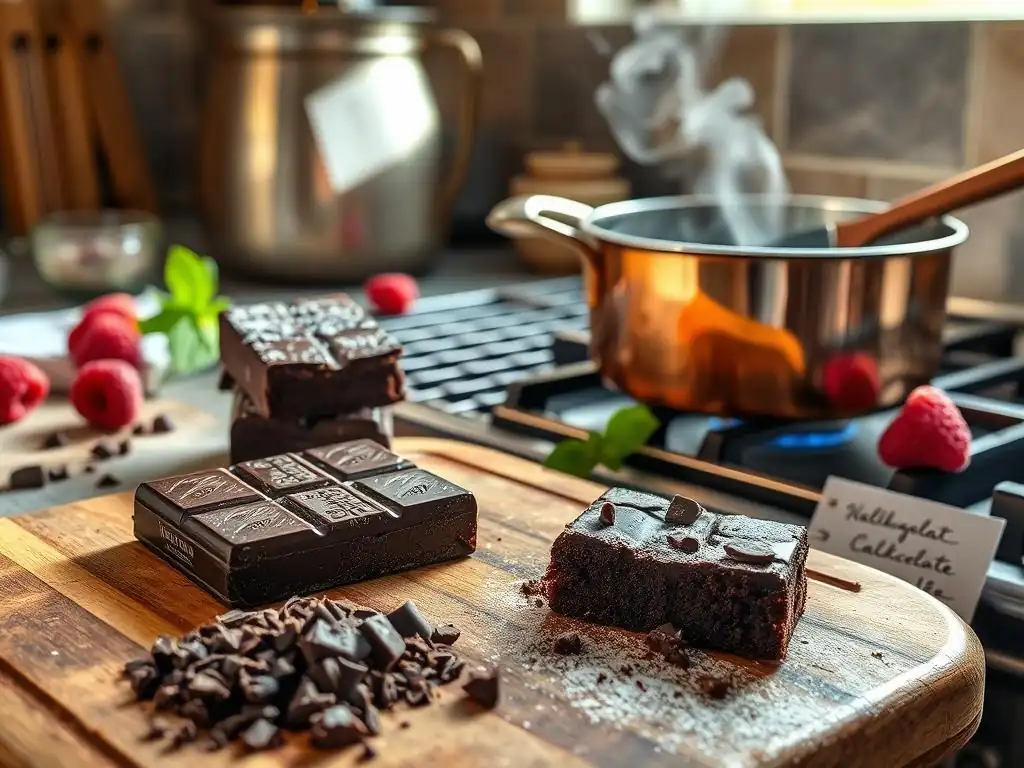
Tempering Chocolate: Achieving a Shiny Finish
Tempering chocolate is a process of carefully melting and cooling chocolate to specific temperatures to stabilize the cocoa butter crystals. This results in chocolate that sets with a beautiful glossy shine, a firm snap when broken, and prevents bloom (the unsightly gray streaks that can appear on untempered chocolate). Tempering is essential for dipping, coating, molding chocolates, or creating decorative elements.
The process typically involves melting chocolate (often to around 110-115°F for dark chocolate), cooling it down while agitating (often to around 80-82°F for dark), and then warming it slightly back up to a working temperature (around 88-91°F for dark). This can be done using a marble slab, a double boiler with ice water, or the seeding method (adding unmelted tempered chocolate to melted chocolate). Using high-quality chocolate with sufficient cocoa butter, like couverture from brands like Valrhona or Callebaut, makes the tempering process significantly easier and more successful.
Melting Chocolate: Avoiding Seizing
Melting chocolate properly is crucial for smooth results. The most common methods are using a double boiler (a bowl set over a pot of simmering water, ensuring the bottom of the bowl doesn't touch the water) or a microwave on low power in short intervals (e.g., 30 seconds at a time, stirring between each interval). The key is to melt the chocolate gently and slowly to avoid overheating.
Seizing occurs when chocolate comes into contact with even a tiny amount of water or is overheated, causing it to turn thick, grainy, and unworkable. To avoid this, ensure all your equipment (bowls, spatulas) is completely dry. When using a double boiler, make sure no steam or water splashes into the chocolate. In the microwave, use low power and stir frequently. If chocolate does seize, sometimes adding a tablespoon of hot liquid (like melted butter or cream, depending on the recipe) and stirring vigorously can rescue it, though the texture may not be perfectly smooth.
Storing Baking Chocolate: Maintaining Freshness
Proper storage is essential to maintain the quality and flavor of your baking chocolate. Chocolate should be stored in a cool, dry place, away from direct sunlight and strong odors. Ideal storage temperatures are typically between 60-70°F (15-21°C). Avoid storing chocolate in the refrigerator if possible, as condensation can cause sugar bloom (a white, powdery surface) and it can absorb odors from other foods.
Airtight containers or double-wrapping the chocolate can help protect it from moisture and odors. While chocolate doesn't truly "spoil" in the sense of becoming unsafe to eat quickly due to its low water content, it can lose flavor complexity and develop off-notes over time. Using high-quality baking chocolate within a year or two of purchase, stored correctly, ensures you get the best possible flavor in your baked goods. Checking the "best by" date on the packaging is also a good practice.
Recipes That Showcase the Best Baking Chocolate
Decadent Chocolate Cake Recipe Using Valrhona
Imagine a rich, dark chocolate cake, intensely flavored and incredibly moist. A recipe specifically designed for a high-percentage, single-origin Valrhona chocolate, like their 70% Guanaja or 66% Caraïbe, would truly showcase the complexity of these premium chocolates. The intensity of the chocolate would provide a deep, sophisticated base flavor, with subtle notes of fruit or nuts coming through depending on the specific Valrhona used.
Such a cake might involve melting a significant amount of the Valrhona chocolate with butter, incorporating it into a batter enriched with cocoa powder (perhaps Valrhona's own), eggs, sugar, and a touch of coffee to enhance the chocolate notes. The high quality of the chocolate ensures a smooth texture in the batter and a moist crumb in the baked cake. This type of recipe highlights why Valrhona is often considered among the best chocolate brands for baking showstopping desserts.
Rich Chocolate Brownies Recipe Featuring Guittard
For classic, fudgy brownies with a perfect chewiness and deep chocolate flavor, Guittard is an excellent choice. A recipe calling for both melted Guittard baking chocolate (like their 63% Extra Dark Baking Bar) and chunks or chips (like their 60% Bittersweet Chips) provides layers of chocolate texture and flavor. The melted chocolate contributes to the fudgy structure, while the chips or chunks create pockets of gooey chocolate goodness within the baked brownie.
Using Guittard in brownies ensures consistent results and a balanced, classic chocolate taste that satisfies without being overly sweet. The reliability of Guittard's melt and their pleasing flavor profile make them ideal for a beloved treat like brownies, demonstrating why they are a staple among the best chocolate brands for baking in American kitchens.
Elevating a simple chocolate chip cookie recipe is easily achieved by using high-quality chocolate chunks instead of standard chips. Imagine a recipe where hand-chopped chunks of Scharffen Berger's 70% Cacao Bittersweet Baking Bar or Callebaut's 54.5% Dark Callets are folded into a classic cookie dough. The irregular shapes of the chopped chocolate or the smooth melt of the callets create wonderful pools and puddles of rich, flavorful chocolate throughout the cookie.
Using premium chocolate in cookies transforms them from ordinary to extraordinary. The superior flavor of brands like Scharffen Berger or Callebaut adds depth and complexity that standard chips often lack. The way these high-quality chocolates melt and spread slightly during baking contributes to a more desirable texture in the final cookie, showcasing why investing in the best chocolate brands for baking, even for something as simple as a cookie, makes a noticeable difference.
Conclusion: Choosing the Right Chocolate for Your Baking Needs
Recap of the Best Chocolate Brands and Their Applications
Choosing the right chocolate is fundamental to successful and delicious baking. We've explored some of the best chocolate brands for baking, each offering unique qualities. Valrhona stands out for its exceptional quality, complex flavors, and suitability for professional-level pastries and applications requiring precise tempering. Guittard is a classic American brand known for its reliable performance and versatile range, perfect for a wide variety of recipes from cookies to cakes.
Scharffen Berger offers intense, bold flavors ideal for recipes where the chocolate should be the star. Callebaut provides highly workable, consistent chocolate in bulk, a favorite for everyday professional use and larger batches. Finally, Ghirardelli offers accessible, good-quality options readily available for convenient home baking.
Understanding the different forms of chocolate (bars, chips, callets, powder) and factors like cacao percentage, ingredient quality, and melting properties are key to making informed choices. While premium chocolates may cost more, the improvement in flavor and texture they bring to your baked goods is often well worth the investment. Exploring single-origin, organic, fair-trade, and local artisan chocolates offers even more exciting possibilities to tailor your chocolate choice to specific flavor preferences and ethical considerations.
Encouraging Experimentation and Finding Your Personal Favorite
Finding the absolute best chocolate brands for baking is ultimately a personal journey. What works perfectly for one baker or recipe might not be the ideal choice for another. We strongly encourage you to experiment with different brands, percentages, and origins. Try making the same recipe, like a simple batch of brownies or chocolate chip cookies, using two different high-quality chocolates side-by-side to taste the difference the chocolate makes.
Pay attention to how the chocolate melts, how it behaves in your recipe, and most importantly, how it tastes in the final baked good. Keep notes on which chocolates you preferred for different applications. This hands-on approach is the most enjoyable and effective way to discover your own personal favorite best chocolate brands for baking and build your pantry with the chocolates that consistently yield the results you desire.
BakeWithEase's Recommendations for Beginner Bakers
For those just starting their baking journey or looking to upgrade from standard supermarket options, we recommend beginning with accessible, reliable brands that offer good quality without being overly specialized or expensive. Ghirardelli's baking bars and chips are a great starting point, widely available and offering a noticeable step up in quality. Guittard is another excellent choice for beginners, providing consistent results and great flavor for classic American baked goods.
As you gain confidence, consider exploring Callebaut callets, which are fantastic for learning melting and ganache techniques, and offer great value in larger bags. Don't be afraid to try different percentages, perhaps starting with a versatile 60-66% dark chocolate, a classic semi-sweet (around 40-55%), and a good quality milk or white chocolate depending on your interests. Focus on understanding how each chocolate performs in different recipes, and soon you'll be navigating the world of premium baking chocolate with ease and confidence, creating truly delicious treats.
Frequently Asked Questions
What are the key factors to consider when choosing a chocolate brand for baking?
When selecting chocolate, prioritize cocoa percentage, which impacts the intensity of flavor. Also, consider the quality of ingredients and the brand's reputation for consistent results.
Is there a significant difference between using baking chocolate and regular chocolate bars in recipes?
Yes, there's a difference. Baking chocolate usually has a higher cocoa butter content and less sugar, designed for melting and incorporating into baked goods. Regular chocolate bars may contain additives that affect the texture and flavor of your baked goods.
What are some indicators of a high-quality chocolate brand specifically for baking purposes?
Look for brands that clearly state the cocoa origin and processing methods. High-quality chocolate often has a smooth texture and a rich, complex flavor profile.
Can I substitute different types of chocolate (e.g., dark, milk, white) in baking recipes?
While substitution is possible, it will change the outcome. Different types of chocolate have varying sugar and cocoa butter content, impacting sweetness, texture, and flavor. Adjust other ingredients accordingly.
How does the cocoa percentage in baking chocolate affect the final product?
A higher cocoa percentage results in a more intense chocolate flavor and a less sweet product. Lower percentages yield a milder, sweeter flavor. It's crucial to consider the recipe's intended flavor profile.
Final Reflection: The Sweet Science of Choosing Chocolate for Baking
The pursuit of the perfect baked good hinges on the quality of its ingredients, and nowhere is this more apparent than in the choice of chocolate. Finding the right chocolate can elevate a simple recipe to a masterpiece, transforming a humble brownie into a decadent delight. The subtle nuances of flavor, the melt in your mouth texture, the rich aroma – these are all crucial elements that depend entirely on your chocolate selection.
This exploration into the world of high-quality chocolate brands has underscored the importance of understanding not just the brand name, but the sourcing, processing, and percentage of cacao. The journey from bean to bar is a fascinating one, and appreciating the craftsmanship involved elevates the entire baking experience. The best chocolate is not just about taste; it's about the story behind it.
This quote, though not directly from a specific source, encapsulates the essence of what we've explored – the connection between ethical sourcing, sustainable practices, and the superior flavor profile that results.
Now, armed with this knowledge, I encourage you to embark on your own chocolate tasting adventure. Don't be afraid to experiment, to try different brands and percentages, to discover your own personal preferences. The world of chocolate is vast and varied, and the journey of finding your perfect baking chocolate is a delicious one. Let the rich aroma and exquisite taste inspire your next culinary creation, and remember – the best chocolate is the one that brings you the most joy.
Unlock Your Inner Chocolatier: Elevate Your Baking!
Thanks for exploring the world of high-quality chocolate with us! You've now got the knowledge to choose the perfect chocolate for your next baking masterpiece. Ready to put your newfound expertise into action?
- Indulge in a blind taste test: Gather a few different chocolate bars based on your learnings and challenge yourself to identify the notes and quality levels. This is a fun way to deepen your appreciation.
- Experiment with a new recipe: Use your favorite newly discovered chocolate brand in a recipe you love to see how it enhances the flavor profile. Share your results!
- Join our BakeWithEase community: Connect with fellow baking enthusiasts and share your chocolate discoveries, tips, and favorite recipes! Let's build a delicious network.
What's the most surprising thing you learned about choosing high-quality chocolate, and how will you use it in your next bake?