
Is Expensive Baking Chocolate Worth It? A Deep Dive for Bakers

Welcome to BakeWithEase, your partner in crafting delicious moments! Ever wondered if splurging on that expensive baking chocolate really makes a difference? We're diving deep into the highquality baking chocolate benefits, exploring the nuanced flavors and textures that elevate your creations. Prepare to unlock the secrets of premium ingredients and discover if investing in better chocolate will truly transform your baking. Ready to taste the difference?
- Understanding High-Quality Baking Chocolate Benefits for Your Creations
- High-Quality Baking Chocolate Benefits: Impact on Baking Projects
- When is High-Quality Baking Chocolate Worth the Investment?
- Top High-Quality Baking Chocolate Brands and Products: Recommendations for Bakers
- Conclusion: Making an Informed Decision About High-Quality Baking Chocolate
-
Frequently Asked Questions
- What are the main benefits of using high-quality baking chocolate?
- How does the price of baking chocolate correlate with its quality?
- What types of baked goods benefit most from using expensive baking chocolate?
- Can I substitute cheaper baking chocolate for expensive baking chocolate in a recipe?
- Where can I find reliable reviews and ratings of different baking chocolate brands?
- Final Reflection: The Sweet Truth About Quality Chocolate
- Unlock Your Baking Potential: Taste the Difference!
Understanding High-Quality Baking Chocolate Benefits for Your Creations
The Core Difference: What Sets Expensive Baking Chocolate Apart?
The journey from cacao bean to the chocolate bar in your pantry is complex, and the choices made at each step significantly impact the final product's quality. High-quality baking chocolate distinguishes itself right from the source: the cacao beans themselves. Premium chocolate makers often source specific varietals from particular regions, similar to how winemakers select grapes.
They pay close attention to fermentation and drying processes, which are crucial for developing complex flavor precursors in the beans. Mass-produced chocolate, on the other hand, often uses a blend of beans from various sources, processed quickly and at higher temperatures, which can diminish subtle flavors and sometimes introduce off-notes. This meticulous attention to detail in sourcing and processing is the foundational difference that contributes to the overall highquality baking chocolate benefits you'll experience.
Another critical factor setting expensive baking chocolate apart is its composition, particularly the cocoa butter content. Cocoa butter is a luxurious fat that melts beautifully and contributes significantly to texture and mouthfeel. High-quality chocolates typically boast a higher percentage of pure cocoa butter compared to standard baking chocolates, which may use cheaper vegetable oils as partial or complete replacements.
This higher cocoa butter content results in chocolate that melts more smoothly, tempered chocolate that sets with a beautiful snap and glossy finish, and baked goods with a superior texture – think fudgier brownies or ganache with a silkier consistency. This difference in composition is a key element in realizing the benefits of using highquality baking chocolate in your culinary projects.
Beyond sweetness and bitterness, high-quality baking chocolate offers a fascinating spectrum of flavors, much like fine wine or coffee. These nuances are influenced by the cacao bean's origin, genetics, fermentation, roasting, and the chocolate maker's technique. You might encounter notes described as fruity (like berries or citrus), floral (jasmine or orange blossom), nutty (almond or hazelnut), earthy, spicy, or even caramel-like.
For example, a chocolate made from cacao beans originating from Madagascar might inherently possess bright, red fruit notes, while beans from Ecuador could yield more floral characteristics. Exploring these diverse flavor profiles allows bakers to choose a chocolate that doesn't just add chocolate flavor but enhances the overall complexity of their creation.
The cacao percentage listed on the packaging is a significant indicator, but it tells only part of the story regarding flavor. It represents the total proportion of cacao solids (cocoa mass and cocoa butter) in the chocolate. A higher percentage generally means a more intense chocolate flavor and often less added sugar, leading to increased bitterness.
However, the quality of those cacao solids and the specific blend of beans are paramount. A well-crafted 65% dark chocolate from a premium maker might taste more balanced and complex than a poorly made 70% chocolate. Consider Valrhona Guanaja 70%, known for its intense bitterness and complex layers of flavor, versus Michel Cluizel Los Ancones 67%, which often exhibits brighter, fruity notes despite a similar percentage.
Amano Dos Rios 70% from the Dominican Republic is celebrated for its complex, almost brownie-like richness with hints of spice. Understanding how cacao percentage interacts with bean origin and processing helps unlock the full highquality baking chocolate benefits in terms of taste.
Evaluating chocolate goes beyond simply eating it; a sensory assessment can reveal much about its quality. The appearance is the first clue: high-quality tempered chocolate should have a smooth, glossy surface without streaks or bloom (the gray, dusty look indicating improper crystallization). Next, the aroma: break a piece and inhale. Premium chocolate releases complex aromatic compounds – you might detect those fruity, floral, or nutty notes mentioned earlier, whereas standard chocolate often smells simply sweet or generically "chocolatey."
The snap is also crucial: properly tempered dark chocolate should break with a clean, sharp snap, indicating a stable crystalline structure. Finally, the melt: place a piece on your tongue. High-quality chocolate with ample cocoa butter will melt smoothly and evenly, coating your mouth with flavor, while chocolate with vegetable oils might feel waxy or gritty.
Conducting a simple blind taste test between a premium baking chocolate and a standard one can be incredibly revealing. Use chocolates with similar cacao percentages (e.g., a premium 70% and a standard 70%). Pay attention to the points above: appearance, aroma, snap, and melt. Most importantly, focus on the flavor evolution as the chocolate melts. Does the flavor deepen?
Are there multiple layers or just one flat note? Does it linger pleasantly? This exercise clearly illustrates how highquality baking chocolate benefits the sensory experience, offering a richer, more nuanced, and satisfying taste that translates directly into superior baked goods. The depth of flavor from premium chocolate doesn't just add sweetness; it contributes complexity and intensity that elevates the entire recipe.
High-Quality Baking Chocolate Benefits: Impact on Baking Projects

Using high-quality baking chocolate has a tangible impact on the texture and flavor of your baked goods, transforming them from good to exceptional. In cakes, premium chocolate melts more evenly and contributes a richer, more profound chocolate flavor that permeates the crumb, leading to enhanced moistness and a more luxurious texture.
Consider a classic chocolate layer cake; using a high-quality 70% dark chocolate will yield a deeper, less cloyingly sweet result than one made with standard chips. For cookies, the higher cocoa butter content in premium chocolate results in chips or chunks that melt into luscious pockets of flavor during baking, contributing to a chewier texture and a more intense, lasting chocolate taste.
Brownies are perhaps one of the most direct beneficiaries of high-quality baking chocolate benefits. A brownie recipe relying heavily on melted chocolate (rather than just cocoa powder) will achieve a significantly fudgier consistency and a more complex flavor profile when made with premium chocolate. The clean melt and rich flavor of chocolate like Valrhona Guanaja or Scharffen Berger can turn a simple brownie into a decadent dessert.
When making ganache, the higher cocoa butter content and superior emulsification properties of high-quality chocolate result in a smoother, glossier, and more stable emulsion. This is crucial for frostings, fillings, and glazes where a perfect texture and shine are desired. The difference is noticeable in both appearance and mouthfeel – a silky ganache made with premium chocolate feels far more luxurious.
Recipe Optimization: Adjusting Techniques for High-Quality Chocolate
While the benefits of high-quality baking chocolate are numerous, sometimes minor adjustments in technique can maximize their potential. Tempering, the process of carefully melting and cooling chocolate to stabilize its crystalline structure, is particularly important when working with premium chocolate, especially if you want a shiny, snappy finish for dipped items or decorations.
Chocolates with higher cocoa butter content are often easier to temper successfully and yield better results than those with added vegetable fats. Understanding the correct temperature ranges for melting, cooling, and working with dark, milk, and white chocolate is key to achieving that perfect temper and unlocking the visual highquality baking chocolate benefits.
Incorporation techniques also matter. When melting chocolate for batters or ganaches, gentle heat is essential to prevent scorching, which can ruin the flavor of even the finest chocolate. Using a double boiler or melting in short bursts in the microwave on low power are preferred methods.
When adding chocolate chips or chunks to cookie dough or muffins, ensure they are evenly distributed so every bite benefits from the intense flavor pockets. Because premium chocolate has a clean melt, it integrates beautifully into batters, ensuring consistent flavor throughout. While baking times and temperatures for recipes using premium chocolate generally remain the same as those using standard chocolate, paying attention to visual cues for doneness is always important, as the richer color from high-quality cocoa solids might make it slightly harder to judge based solely on color.
When is High-Quality Baking Chocolate Worth the Investment?
Considering the Occasion: Matching Chocolate Quality to Your Needs
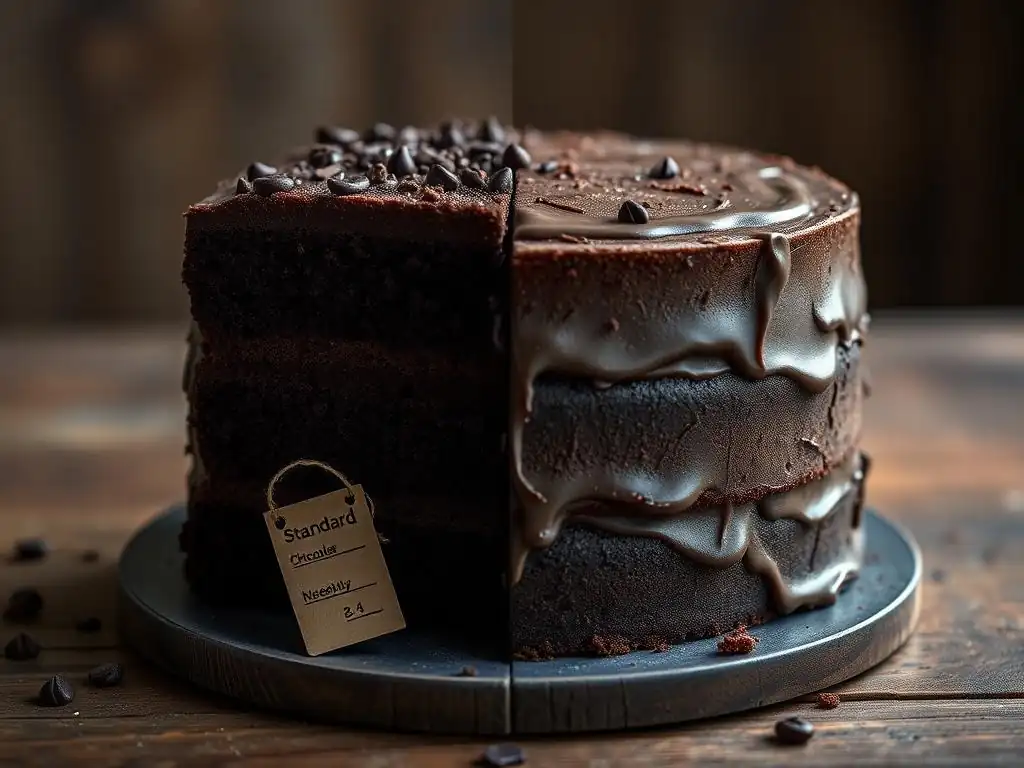
Deciding whether to splurge on high-quality baking chocolate often comes down to the purpose of your baking project. For special events and celebrations – think wedding cakes, milestone birthday desserts, or holiday showstoppers – the enhanced flavor, texture, and overall sophistication that premium chocolate provides can absolutely justify the expense. These are moments when you want your baking to truly shine and be memorable, and the distinctive highquality baking chocolate benefits contribute significantly to that goal. The superior taste and texture can elevate a standard recipe into something truly extraordinary, making the dessert a highlight of the occasion.
Similarly, if you are baking gifts or preparing items for a presentation (like a bake sale where quality is a selling point or a dinner party where you want to impress guests), using high-quality chocolate makes a noticeable difference. Recipients and diners will appreciate the depth of flavor and luxurious texture. However, for everyday baking – whipping up a batch of chocolate chip cookies for after-school snacks or a simple cake for a weeknight dessert – the cost difference might outweigh the perceived benefit for some bakers.
It's about balancing the desire for the absolute best result with practicality and budget. Many bakers find a middle ground, using premium chocolate for recipes where chocolate is the star ingredient (like ganache or flourless chocolate cake) and a good quality, but less expensive, option for recipes where chocolate plays a supporting role.
Analyzing the Cost-Benefit: Weighing Price vs. Performance
When considering the cost-benefit of high-quality baking chocolate, it's helpful to look beyond the price per bar and consider the cost per serving or the impact on the final product's perceived value. While a 1kg bag of premium chocolate might cost $30-$50 compared to $10-$15 for a standard brand, a typical recipe might only use 200-300g (about 1-2 cups of chips). If a recipe yields 12 servings, the difference in chocolate cost per serving might only be around $0.50 to $1.50.
Is that incremental cost worth the significant improvement in flavor and texture? For many passionate bakers and those seeking the highquality baking chocolate benefits, the answer is yes, especially for key recipes.
- [ ] Calculate approximate cost per serving difference for a favorite recipe.
- [ ] Consider the primary role of chocolate in the recipe (star ingredient vs. supporting role).
- [ ] Assess the importance of the occasion or recipient.
If the budget is a major constraint but you still want to improve quality, exploring alternatives or hybrid approaches can be beneficial. One common strategy is to use a blend of chocolates – perhaps using a smaller amount of a very high-quality chocolate mixed with a less expensive, but still decent, option. For instance, using 50% premium chips and 50% standard chips in cookies can offer a noticeable upgrade without doubling the chocolate cost.
Another approach is to invest in high-quality cocoa powder, which provides intense chocolate flavor for a relatively lower cost per serving in recipes like cakes or brownies where cocoa powder is a primary ingredient. These strategies allow bakers to access some highquality baking chocolate benefits without the full investment.
Top High-Quality Baking Chocolate Brands and Products: Recommendations for Bakers
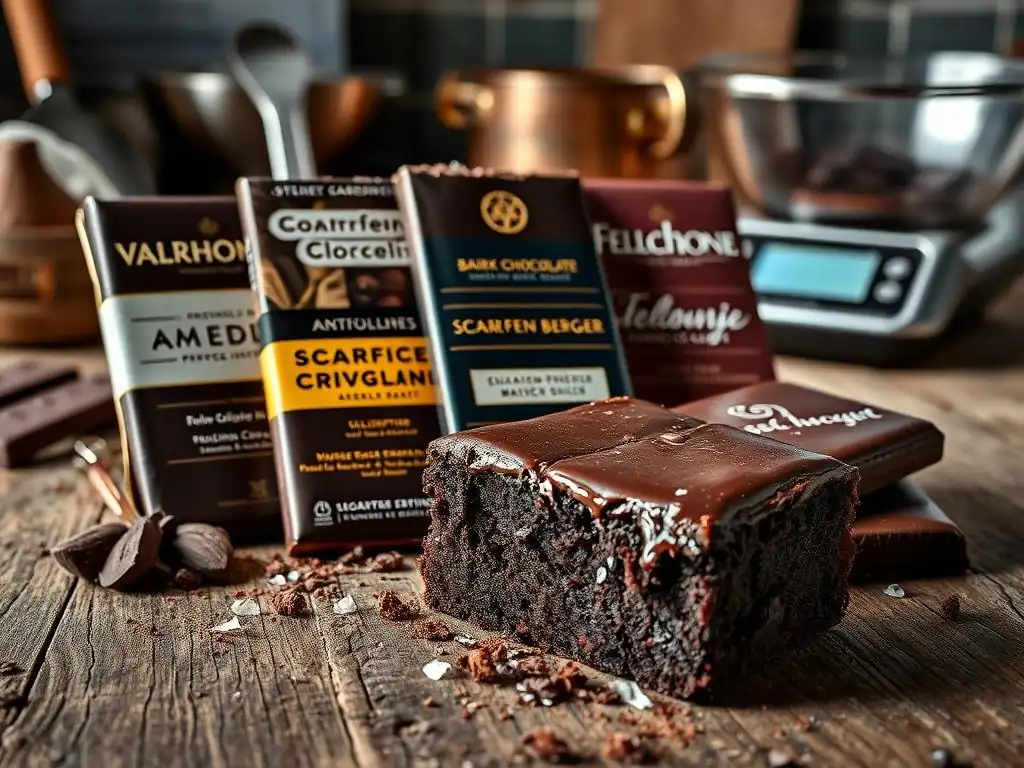
Navigating the world of premium baking chocolate can be exciting, with several brands consistently recognized for their exceptional quality and commitment to craft. Valrhona, a French brand, is a favorite among pastry professionals worldwide. Known for its consistent quality and wide range of products from single origins to complex blends, Valrhona offers options suitable for virtually any baking application. Their commitment to sourcing and bean processing is a key part of the highquality baking chocolate benefits they provide.
Michel Cluizel, another esteemed French chocolatier, stands out for its "single plantation" chocolates, highlighting the unique terroir of specific cacao farms. Their focus on ethical sourcing and crafting chocolate directly from bean to bar results in unique and nuanced flavor profiles. Amano Artisan Chocolate, based in the U.S., has garnered numerous awards for its small-batch, ethically sourced chocolates, often featuring rare or unique cacao varieties. Their commitment to highlighting the distinct flavors of different origins is a significant benefit for bakers seeking specific taste notes.
Guittard Chocolate Company, a long-standing American family-owned business, offers a balance of quality and accessibility. They provide a range of products from classic baking chips to couverture chocolates, trusted by many bakers for their reliability and good flavor. Finally, Scharffen Berger Chocolate Maker, known for pioneering the bean-to-bar movement in the U.S., offers intensely flavored dark chocolates that are particularly well-suited for baking applications where a strong chocolate presence is desired. Exploring these brands allows bakers to experience a wide array of highquality baking chocolate benefits.
Product Spotlight: Recommended Chocolate Types for Specific Baking Projects
Choosing the right format and type of chocolate is as important as choosing the brand. For recipes where you are melting chocolate into a batter or ganache, baking bars (also known as couverture if they have a high cocoa butter percentage suitable for tempering) are ideal. Valrhona Guanaja 70% is a classic choice for intense, bittersweet flavor in brownies, cakes, or ganache.
If you're looking for something with brighter notes, Michel Cluizel Los Ancones 67% (often described as having fruity undertones) can add another dimension to your chocolate desserts. These bars melt smoothly and integrate beautifully, providing significant highquality baking chocolate benefits in terms of texture and flavor.
For cookies, muffins, or other recipes calling for chocolate chips, while some premium brands offer chips, many bakers prefer chopping up a high-quality bar for more varied melt pockets and superior flavor. However, convenience is key sometimes. Guittard Semisweet Baking Chips are a reliable option that offers better flavor than many standard chips. For added texture and a unique twist, products like Valrhona Cara Crakine (caramelized feuilletine pieces coated in chocolate) can be excellent inclusions.
Don't forget cocoa powder! A high-quality cocoa powder like Valrhona Cocoa Powder provides intense color and flavor for cakes, brownies, and sauces, offering significant highquality baking chocolate benefits even without using solid chocolate. Selecting the right product format ensures you get the best performance for your specific baking needs.
Conclusion: Making an Informed Decision About High-Quality Baking Chocolate
The Value Proposition: Is Expensive Chocolate Right for Your Baking Style?
Ultimately, the decision of whether to invest in high-quality baking chocolate depends on your personal baking goals, budget, and priorities. The benefits are clear: superior flavor complexity, richer aroma, better texture, and improved performance in technical applications like tempering and ganache making. These highquality baking chocolate benefits can transform a standard baked good into something truly special, elevating the entire eating experience. If you are passionate about baking, enjoy exploring nuanced flavors, and appreciate the difference that quality ingredients make, then experimenting with premium chocolate is likely a worthwhile endeavor.
We encourage you to experiment! Try making your favorite chocolate chip cookie recipe or brownie recipe side-by-side with both a standard chocolate and a premium one. Taste the difference yourself and see if the highquality baking chocolate benefits justify the cost for your palate and your baking.
Discover which brands and cacao percentages you prefer and for which applications you notice the biggest impact. While it might not be necessary for every single baking project, investing in quality chocolate when it matters most – for significant occasions, gifts, or recipes where chocolate is the undeniable star – will undoubtedly lead to exceptional results that you and anyone you share them with will appreciate.
Frequently Asked Questions
What are the main benefits of using high-quality baking chocolate?
High-quality baking chocolate offers superior flavor due to a higher percentage of cacao butter and cocoa solids. This results in a richer, more complex taste and a smoother texture in your baked goods.
How does the price of baking chocolate correlate with its quality?
While not always a direct relationship, higher-priced baking chocolate often indicates better ingredients and production processes. This typically translates to a higher cacao percentage and fewer additives, impacting the final product.
What types of baked goods benefit most from using expensive baking chocolate?
Items where the chocolate flavor is prominent, such as chocolate cakes, brownies, and ganaches, will see the most significant improvement in taste when using high-quality chocolate.
Can I substitute cheaper baking chocolate for expensive baking chocolate in a recipe?
Yes, but be aware that the flavor and texture may be noticeably different. You might need to adjust other ingredients to compensate for the less intense chocolate flavor and potential dryness.
Where can I find reliable reviews and ratings of different baking chocolate brands?
Look to reputable baking websites and blogs, like BakeWithEase.com, or consult cooking magazines and books. These sources often provide unbiased opinions and comparisons of various chocolate brands.
Final Reflection: The Sweet Truth About Quality Chocolate
The pursuit of the perfect bake often hinges on seemingly small details, and the choice of chocolate is paramount. The difference between a mediocre and a magnificent dessert can often be traced back to the quality of its core ingredient. This exploration into high-quality baking chocolate reveals that the investment, while sometimes significant, often yields unparalleled results.
This journey through cocoa percentages, flavor profiles, and the impact of sourcing has underscored the profound influence of chocolate on the baking experience. It's not simply about sweetness; it's about depth, complexity, and the ability to elevate a recipe from ordinary to extraordinary. As renowned pastry chef Jacques Torres once said, Chocolate is a magical ingredient. It can transform a simple cake into a masterpiece.
This rings truer than ever when considering the nuances of high-quality chocolate and its transformative power.
Now, consider your own baking. What compromises have you made in the past? Are you ready to experience the difference a superior chocolate can make? I encourage you to take the leap, to explore the world of fine cocoa, and to discover the joy of baking with ingredients that truly inspire. The reward – a richer, more nuanced, and ultimately more satisfying dessert – is well worth the investment.
Unlock Your Baking Potential: Taste the Difference!
Thanks for taking the time to explore the world of baking chocolate with us! We hope you now have a clearer understanding of what makes high-quality chocolate shine. Ready to elevate your baking game?
- Indulge in a blind taste test: Pick up a bar of your usual baking chocolate and one of the premium varieties we discussed. See if you can truly taste the difference! This is the best way to personally discover the value for you.
- Share your chocolate discoveries: Tell us – and your fellow baking enthusiasts – about your experience! What did you think? Join the conversation in the comments below.
- Experiment with a new recipe: Use your newfound knowledge to bake something amazing with your chosen chocolate. What decadent treat will you create?
So, are you ready to experience the transformative power of superior baking chocolate?