
Bake a Classic French Lemon Tart (Tarte au Citron) with Meringue

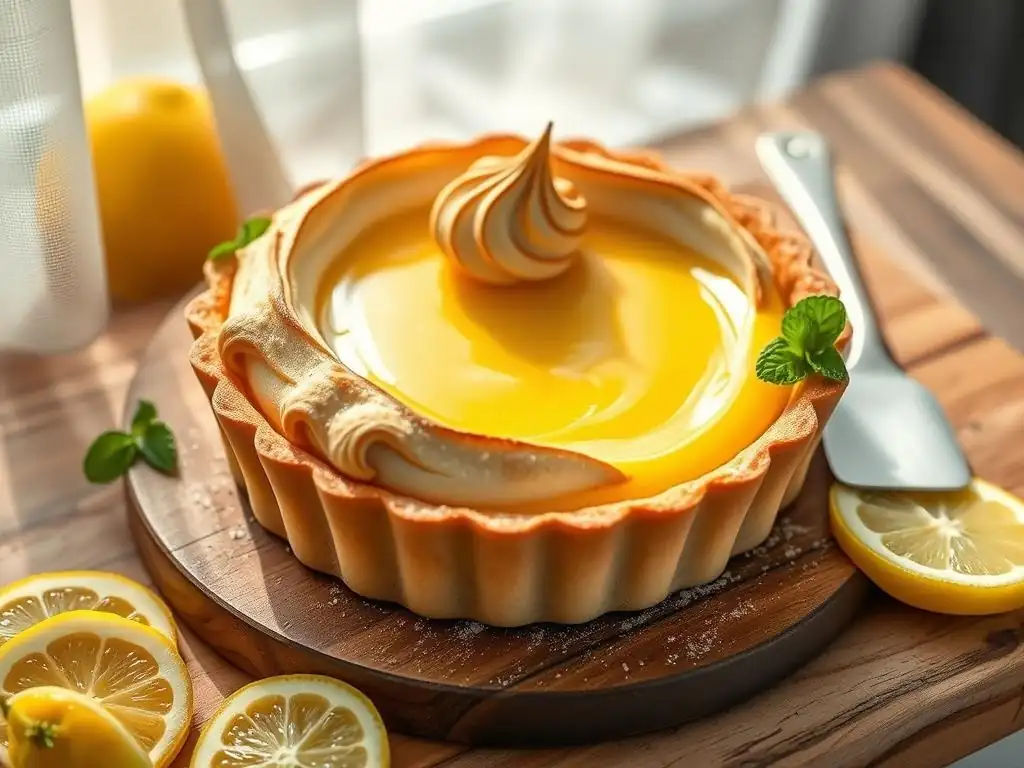
Welcome to BakeWithEase, your trusted companion in the delightful world of baking! Ever dreamt of creating a dessert that's both stunning and surprisingly simple? Then prepare to be amazed. This week, we're whisking you away to France with our easy French lemon meringue tart. But what makes this Tarte au Citron so special, and how can you achieve that perfect balance of tangy citrus and fluffy meringue? Discover the secrets within and unlock a taste of Parisian elegance in your own kitchen!
- Bake a Classic French Lemon Tart (Tarte au Citron) with Meringue: An Easy Recipe
- Introduction: Mastering the French Lemon Meringue Tart
- Understanding the Key Components of a Classic Tarte au Citron
- Step-by-Step Guide: Baking Your Own French Lemon Meringue Tart
- Assembling and Finishing Your French Lemon Meringue Tart
- Tips and Tricks for Baking the Best French Lemon Tart
- Essential Tools and Equipment for French Lemon Tart Baking
- Enjoying Your Homemade French Lemon Meringue Tart
- Conclusion: You Can Bake a Delicious French Lemon Tart.
-
Frequently Asked Questions
- How difficult is it to make a French Lemon Meringue Tart if I'm a beginner baker?
- What are the key ingredients needed for the "Easy French Lemon Meringue Tart" recipe on BakeWithEase?
- Can I substitute any ingredients in the lemon filling of the tart?
- How do I prevent my meringue from weeping or shrinking after baking?
- What makes the BakeWithEase version of the French Lemon Meringue Tart "easy"?
- Final Reflection: The Enduring Allure of a Simple Tart
- Unlock Your Inner Pâtissier: Master the Art of the Lemon Tart!
Bake a Classic French Lemon Tart (Tarte au Citron) with Meringue: An Easy Recipe
Introduction: Mastering the French Lemon Meringue Tart
Discover the Delight of Tarte au Citron Meringuée
Embarking on the journey of baking a classic French lemon tart, or tarte au citron meringuée, is a truly rewarding experience. This iconic dessert, with its vibrant citrus filling and cloud-like meringue topping, is a staple in French pâtisseries and a beloved treat worldwide. The contrast between the crisp, buttery pastry crust, the smooth, tangy lemon curd, and the sweet, airy meringue creates a symphony of textures and flavors that is simply irresistible. While it might seem intimidating at first glance, breaking it down into manageable steps makes creating this elegant dessert at home surprisingly achievable.
Mastering the tarte au citron meringuée allows you to bring a piece of French culinary artistry into your own kitchen. Imagine the satisfaction of presenting a beautifully browned meringue topping, knowing the zesty lemon filling and delicate pastry lie beneath. This guide focuses on making the process accessible, proving that baking an authentic and delicious easy French lemon meringue tart is well within your reach, even if you're new to French baking. We'll walk through each component, ensuring you build confidence with every step, from the base to the peak.
Why This Lemon Tart Recipe is Perfect for Home Bakers
This specific recipe is designed with the home baker in mind, prioritizing simplicity and clarity without compromising on authentic flavor. We've streamlined techniques where possible and provided detailed instructions to help you navigate each stage successfully. Unlike some complex traditional methods, our approach breaks down the process into three distinct, manageable components: the pastry, the lemon curd, and the meringue, allowing you to focus on mastering one part at a time.
Furthermore, this easy French lemon meringue tart recipe utilizes readily available ingredients and standard kitchen equipment. You won't need specialized tools beyond basic baking essentials like a tart pan, mixing bowls, and a whisk or mixer. We provide clear temperature guidelines – for instance, blind baking the crust typically occurs around 375°F (190°C) – and ingredient ratios that have been tested for reliability. This focus on approachability makes this recipe an excellent starting point for anyone wanting to tackle a classic French dessert and achieve impressive results with minimal stress.
Understanding the Key Components of a Classic Tarte au Citron
The Perfect Pâte Sucrée (Sweet Shortcrust Pastry) for Your Tart
The foundation of a great tarte au citron is a perfect pâte sucrée, or sweet shortcrust pastry. This dough is richer and more delicate than standard pie crust due to the addition of sugar and often egg yolks. It bakes into a crisp, crumbly shell that provides a wonderful textural counterpoint to the smooth filling.
The key to a good pâte sucrée lies in handling the dough minimally to avoid developing too much gluten, which results in a tough crust. Keeping the ingredients, especially the butter, very cold is crucial for creating those desirable flaky layers and a tender bite.
Achieving the right consistency for pâte sucrée involves cutting cold butter into the flour until the mixture resembles coarse meal or small peas, similar to making biscuits. Adding the liquid (usually egg yolk and sometimes a little cold water or milk) just until the dough comes together is vital; overmixing will activate gluten. Chilling the dough for at least 30-60 minutes before rolling is non-negotiable.
This resting period allows the gluten to relax and the fat to firm up, making the dough easier to handle and ensuring a tender crust after baking. For a standard 9-inch tart pan, you'll typically use about 1.5 to 2 cups of flour and roughly half a cup of cold butter.
Achieving the Tangy and Creamy Lemon Curd Filling
The heart of the easy French lemon meringue tart is its vibrant lemon curd filling. This isn't just any lemon filling; it's a smooth, intensely flavored custard that balances sweetness with a pronounced, zesty tang. A classic lemon curd is made from fresh lemon juice and zest, sugar, eggs (whole eggs and/or yolks), and butter. The combination is cooked gently, usually over low heat or a double boiler, until it thickens to a spoon-coating consistency. The acidity of the lemon juice is crucial not only for flavor but also for helping the eggs set the curd.
The magic happens as the ingredients are heated slowly, allowing the egg proteins to coagulate and thicken the mixture without scrambling. Incorporating butter at the end adds richness and a silky smooth texture. To ensure a perfectly smooth curd, it's often strained through a fine-mesh sieve after cooking to remove any potential cooked egg bits or zest.
A well-made lemon curd should be bright yellow, glossy, and have a strong, clean lemon flavor that makes your taste buds sing. Using fresh lemons is paramount; bottled juice simply won't deliver the same intensity or aroma required for an authentic tarte au citron.
Creating a Light and Fluffy Italian Meringue Topping
The crowning glory of the tarte au citron meringuée is the Italian meringue topping. Unlike French meringue (made by whipping sugar directly into egg whites), Italian meringue is made by slowly pouring hot sugar syrup into stiffly whipped egg whites. This method cooks the egg whites as the syrup is incorporated, resulting in a very stable, glossy, and safe-to-eat meringue that holds its shape beautifully and doesn't weep as easily as other types.
Making Italian meringue involves carefully heating sugar and water to the "soft ball" stage, which is typically around 240°F (115°C). While the syrup heats, egg whites are whipped to stiff peaks. The hot syrup is then drizzled into the egg whites in a thin, steady stream while the mixer runs on high speed.
This process creates a strong, stable foam. The meringue is then whipped until it cools down significantly, becoming thick, shiny, and perfect for piping or spreading over the chilled lemon curd. This stable structure is key to creating those dramatic peaks that can be lightly torched or browned under a broiler for a beautiful finish on your easy French lemon meringue tart.
Step-by-Step Guide: Baking Your Own French Lemon Meringue Tart

Part 1: Preparing the Pâte Sucrée (Sweet Pastry Dough)
Ingredients for the Sweet Shortcrust Pastry
To make the pâte sucrée for a standard 9-inch tart pan, you will need:
- 1 ¾ cups (220g) all-purpose flour
- ½ cup (115g) cold unsalted butter, cut into small cubes
- ½ cup (60g) powdered sugar
- ¼ teaspoon salt
- 1 large egg yolk
- 1-2 tablespoons ice water (optional, only if needed)
Mixing and Chilling the Dough
Begin by combining the flour, powdered sugar, and salt in a large bowl. Add the cold butter cubes and cut them into the dry ingredients using a pastry blender, your fingertips, or a food processor until the mixture resembles coarse crumbs with some pea-sized pieces of butter remaining. This step is crucial for creating a tender crust. In a separate small bowl, whisk the egg yolk.
Add the egg yolk to the flour mixture and mix until just combined. If the dough seems too dry to come together, add ice water, one teaspoon at a time, mixing until the dough forms a cohesive ball. Be careful not to add too much water.
Turn the dough out onto a lightly floured surface and gather it into a disc. Do not knead the dough. Wrap the disc tightly in plastic wrap and flatten it slightly. Refrigerate the dough for at least 1 hour, or preferably 2 hours, to allow the gluten to relax and the butter to firm up. This chilling time is essential for easy rolling and a flaky texture. Without adequate chilling, the dough will be sticky and difficult to work with, and the baked crust may shrink excessively.
Rolling Out and Lining the Tart Pan
Once the dough is well-chilled, unwrap it and place it on a lightly floured surface. If the dough is very hard, let it sit at room temperature for a few minutes to soften slightly. Roll the dough out evenly from the center outwards, rotating the dough frequently to prevent sticking and maintain a circular shape.
Aim for a thickness of about ⅛ inch (3mm) and a diameter large enough to fit your tart pan with some overhang, typically about 12 inches for a 9-inch pan. Carefully transfer the rolled dough to a 9-inch tart pan with a removable bottom. The easiest way to do this is to gently roll the dough around your rolling pin and then unroll it over the pan.
Press the dough gently into the bottom and up the sides of the pan, ensuring it fits snugly into the fluted edges. Trim the excess dough by rolling the rolling pin over the top of the pan. Prick the bottom of the tart shell all over with a fork. This prevents the crust from puffing up during baking.
Place the lined tart pan in the freezer for at least 20-30 minutes. Freezing the shell before blind baking helps the crust hold its shape and minimizes shrinkage during baking. This step is particularly helpful for achieving a neat and professional-looking tart shell.
Blind Baking the Tart Crust to Perfection
Blind baking, or pre-baking the tart shell before adding the filling, is necessary to ensure the crust is fully cooked and crisp, especially since the lemon curd filling is not baked for a long time. Preheat your oven to 375°F (190°C). Remove the frozen tart shell from the freezer. Line the inside of the shell with parchment paper or aluminum foil, pressing it gently against the sides. Fill the lined shell with pie weights, dried beans, or uncooked rice, distributing them evenly to weigh down the bottom and sides.
Bake the tart shell for 15-20 minutes with the weights, until the edges appear set and lightly golden. Carefully remove the weights and the parchment or foil liner. Return the tart shell to the oven and bake for another 8-12 minutes, or until the bottom is golden brown and appears dry.
The exact time will vary depending on your oven, but the goal is a fully baked crust. Remove the baked tart shell from the oven and let it cool completely on a wire rack before adding the filling. A well-baked crust is essential for an easy French lemon meringue tart that holds up beautifully.
Part 2: Making the Lemon Curd Filling
Ingredients for the Lemon Curd
To create the luscious lemon curd filling, you will need:
- ½ cup (120ml) fresh lemon juice (from about 3-4 lemons)
- Zest of 2-3 lemons (about 1 tablespoon)
- ¾ cup (150g) granulated sugar
- 3 large eggs
- 1 large egg yolk
- ½ cup (115g) unsalted butter, cut into cubes
Combining and Cooking the Lemon Curd
In a medium saucepan, whisk together the fresh lemon juice, lemon zest, granulated sugar, whole eggs, and egg yolk until well combined. Place the saucepan over medium-low heat. Continuously whisk the mixture as it heats. It's important to heat the curd gently and consistently to prevent the eggs from scrambling. The mixture will initially be thin and foamy.
As the mixture heats, the foam will subside, and the curd will begin to thicken. Continue whisking constantly, paying special attention to the bottom and edges of the pan to prevent sticking. The curd is ready when it is thick enough to coat the back of a spoon, usually reaching a temperature of around 170-175°F (77-79°C). This typically takes about 8-12 minutes of gentle heating. Avoid boiling the curd, as this can cause the eggs to curdle.
Achieving the Perfect Lemon Curd Consistency
The ideal consistency for lemon curd is smooth, thick, and pourable, similar to a rich custard or thick pudding. It should hold its shape somewhat but still spread easily. Overcooking will result in a rubbery texture, while undercooking will leave it too runny. A good test is to dip the back of a spoon into the curd; if you run your finger through the coating on the spoon, the line should hold without the curd running back together.
Once the curd has thickened, remove the saucepan from the heat. Immediately whisk in the cold butter cubes, one or two at a time, until they are completely melted and incorporated. The butter adds richness, shine, and helps to create that desirable smooth, silky texture. This step is crucial for a luxurious mouthfeel in your easy French lemon meringue tart.
Cooling and Straining the Lemon Curd
After incorporating the butter, for an extra-smooth and glossy curd, strain the mixture through a fine-mesh sieve set over a bowl. This removes any potential small bits of cooked egg or pieces of zest, ensuring a perfectly smooth filling. Press any solids in the sieve to extract all the delicious curd.
Cover the surface of the strained lemon curd directly with plastic wrap to prevent a skin from forming as it cools. Allow the curd to cool at room temperature for about 30 minutes, then refrigerate it for at least 2-3 hours, or until it is completely chilled and set. The curd will thicken considerably as it cools. A properly chilled curd is essential before adding the meringue topping.
Part 3: Whipping Up the Italian Meringue
Ingredients for the Italian Meringue
For the classic Italian meringue topping on your easy French lemon meringue tart, you will need:
- 4 large egg whites (at room temperature)
- ⅛ teaspoon cream of tartar (optional, but helps stabilize the whites)
- 1 ½ cups (300g) granulated sugar
- ½ cup (120ml) water
- ½ teaspoon vanilla extract (optional)
Making the Sugar Syrup
Combine the granulated sugar and water in a small, heavy-bottomed saucepan. Stir gently just until the sugar is moistened. Avoid splashing sugar crystals up the sides of the pan. Place the saucepan over medium-high heat and bring the mixture to a boil. Once boiling, stop stirring and let the syrup cook undisturbed. You can use a wet pastry brush to brush down any sugar crystals that form on the sides of the pan to prevent crystallization.
Cook the syrup until it reaches the "soft ball" stage, which is 240°F (115°C) on a candy thermometer. This stage means that if you dropped a small amount of the syrup into cold water, it would form a soft, pliable ball. This temperature is crucial for cooking the egg whites safely and creating a stable meringue. This usually takes about 5-10 minutes once the syrup starts boiling, depending on your stove.
Whipping the Egg Whites to Stiff Peaks
While the sugar syrup is heating, place the room temperature egg whites in a clean, grease-free bowl of a stand mixer fitted with the whisk attachment (or use a hand mixer). Begin whipping the egg whites on medium speed. Once they become foamy, add the cream of tartar (if using). Increase the speed to medium-high and whip until the egg whites reach stiff peaks. Stiff peaks hold their shape firmly when the whisk is lifted. Be careful not to over-whip them to the point of dryness.
It is essential that the egg whites reach stiff peaks before the sugar syrup is ready. If the syrup reaches temperature first, remove it from the heat temporarily. If the egg whites are ready first, reduce the mixer speed to low until the syrup is ready. Timing is key for incorporating the hot syrup correctly into the whipped whites for this easy French lemon meringue tart.
Combining the Syrup and Egg Whites for a Stable Meringue
Once the sugar syrup reaches 240°F (115°C) and the egg whites are at stiff peaks, remove the syrup from the heat. Reduce the mixer speed to low. Carefully and slowly pour the hot sugar syrup down the side of the mixing bowl in a thin, steady stream. Avoid pouring the syrup directly onto the whisk attachment. As you pour, the mixer should continue running on low speed.
Once all the syrup has been added, increase the mixer speed to high. Continue to whip the meringue until it is very thick, glossy, and cools down to room temperature. This process can take anywhere from 8 to 15 minutes, depending on your mixer and the ambient temperature. Adding vanilla extract (if using) can be done during the last minute of whipping. The finished Italian meringue should be smooth, shiny, and hold stiff, beautiful peaks – perfect for topping your easy French lemon meringue tart.
Assembling and Finishing Your French Lemon Meringue Tart
Filling the Tart Crust with Lemon Curd
Ensure your blind-baked tart shell is completely cool and the lemon curd filling is thoroughly chilled and set. Gently spoon or pour the chilled lemon curd into the cooled tart shell. Use an offset spatula or the back of a spoon to spread the curd evenly across the bottom of the tart shell, creating a smooth, level surface. Fill the tart shell almost to the top edge, leaving a small margin for the meringue topping.
It's important that the lemon curd is cold when you add the meringue. Warm curd can cause the meringue to become unstable or "weep." A well-chilled curd will provide a solid base for the meringue, ensuring your easy French lemon meringue tart holds its structure beautifully when cut.
Piping or Spreading the Meringue Topping
Once the lemon curd is in the tart shell, it's time to add the Italian meringue. You can either spread the meringue over the curd using an offset spatula or pipe it using a piping bag fitted with a large star or round tip.
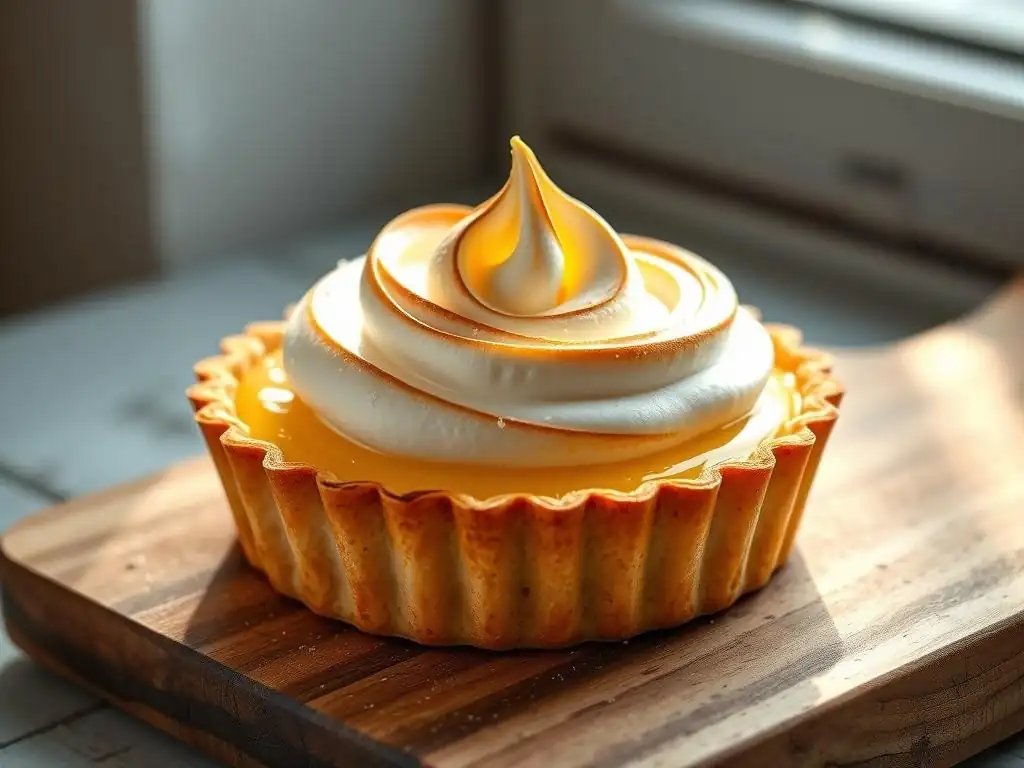
For a rustic look, simply dollop the meringue onto the tart and create swirls and peaks with the back of a spoon or spatula. For a more professional finish, transfer the meringue to a piping bag and pipe decorative mounds or swirls over the entire surface of the tart, making sure the meringue touches the crust all around the edge to prevent shrinkage or separation.
Ensure the meringue completely covers the lemon curd filling from edge to edge. This seals the filling and prevents it from drying out. The height and shape of the meringue peaks are up to your personal preference, but creating some height allows for beautiful browning later. This step is where you can really showcase the visual appeal of your easy French lemon meringue tart.
Browning the Meringue: Torch or Oven?
To give the Italian meringue that classic toasted look and slightly caramelized flavor, you have two main options: using a kitchen torch or your oven's broiler.
- Kitchen Torch: This is the preferred method for many bakers as it offers precise control over browning. Hold the torch a few inches away from the meringue peaks and move the flame back and forth slowly until the desired golden-brown color is achieved. This method is quick and doesn't heat the filling significantly.
- Oven Broiler: If you don't have a torch, you can briefly place the tart under a hot broiler. Place the tart on a lower rack, far enough from the heat source to prevent burning. Watch it constantly as meringue can go from perfectly toasted to burnt in seconds. This method is faster but less controlled than a torch and can slightly warm the filling.
Whichever method you choose, the goal is to lightly brown the tips and swirls of the meringue to add visual appeal and a subtle toasted flavor to your easy French lemon meringue tart.
Chilling and Serving Your Tarte au Citron Meringuée
After browning the meringue, the assembled tart should be chilled again before serving. Refrigerate the tarte au citron meringuée for at least 1-2 hours. This allows the flavors to meld and the filling and meringue to set completely, making it easier to slice cleanly. While Italian meringue is quite stable, chilling helps everything hold together beautifully.
When you're ready to serve, use a sharp knife dipped in hot water and wiped clean between slices for the neatest cuts. This easy French lemon meringue tart is best enjoyed cold. The chilled, tangy filling and the sweet, fluffy meringue are a delightful combination, especially when contrasted with the crisp pastry base.
Tips and Tricks for Baking the Best French Lemon Tart
Troubleshooting Common Lemon Tart Baking Issues
Even with an easy French lemon meringue tart recipe, baking can sometimes present challenges.
- Crust Shrinkage: This is often due to not chilling the dough enough before rolling and blind baking, or not using pie weights. Ensure adequate chilling (at least 1-2 hours) and use weights during the initial blind bake.
- Soggy Bottom: A soggy crust results from not blind baking the shell sufficiently before adding the filling. Make sure the bottom of the crust is golden brown and looks dry after removing the weights.
- Curd Not Thickening: This can happen if the heat is too low or the curd isn't cooked long enough. Ensure you cook the curd over medium-low heat, stirring constantly, until it coats the back of a spoon and reaches about 170-175°F (77-79°C).
- Meringue Weeping: Italian meringue is less prone to weeping than French meringue, but it can still happen, especially if the sugar syrup wasn't cooked to the correct temperature (240°F/115°C) or if the meringue wasn't whipped long enough to cool down. Ensure accurate syrup temperature and whip until the meringue is thick and room temperature.
Addressing these points proactively will significantly improve your results when making an easy French lemon meringue tart.
Variations and Customizations: Exploring Different Flavors and Techniques
While the classic tarte au citron meringuée is wonderful on its own, you can explore variations.
- Lime Curd: Substitute some or all of the lemon juice and zest with lime for a sharper, more tropical flavor profile.
- Orange Curd: Use orange juice and zest for a sweeter, less tart filling. You might need to adjust sugar levels slightly.
- Flavor Extracts: Add a touch of almond extract or a different citrus extract (like grapefruit) to the lemon curd for subtle flavor variations.
- Different Meringues: While Italian meringue is classic for stability, you could use French meringue for a lighter, less stable topping (though it's prone to weeping) or Swiss meringue (egg whites and sugar heated over a double boiler, then whipped) which is also quite stable.
These simple tweaks allow you to put your own spin on the easy French lemon meringue tart.
Storing and Serving Your Lemon Meringue Tart for Optimal Freshness
For the best taste and texture, your tarte au citron meringuée should be stored in the refrigerator. Cover it loosely with plastic wrap or foil once it's completely chilled. It is generally best consumed within 2-3 days of baking. Over time, the meringue may start to weep slightly, and the crust can soften, although Italian meringue is much more resistant to weeping than other types.
When serving, take the tart directly from the refrigerator. The cold temperature enhances the tanginess of the lemon curd and provides a refreshing contrast to the sweet meringue. For the neatest slices of your easy French lemon meringue tart, use a sharp knife that has been warmed in hot water and dried.
Essential Tools and Equipment for French Lemon Tart Baking
Must-Have Baking Tools for Perfect Results
Having the right tools makes the process of baking an easy French lemon meringue tart much smoother and helps ensure success.
- Stand Mixer or Hand Mixer: Essential for whipping the egg whites for the meringue to stiff peaks and incorporating the hot syrup safely. A stand mixer with a whisk attachment is ideal.
- Rolling Pin: For rolling out the pâte sucrée evenly.
- Pastry Blender or Food Processor: Helps cut cold butter into the flour for the pastry dough without warming it up too much.
- Whisk: Needed for combining ingredients for the curd and initially whisking egg whites.
- Saucepan: For cooking the lemon curd and the sugar syrup for the meringue. Choose a heavy-bottomed pan for even heating.
- Fine-Mesh Sieve: For straining the lemon curd for a perfectly smooth texture.
- Rubber Spatula: For stirring the curd and folding ingredients.
- Candy Thermometer: Crucial for accurately measuring the temperature of the sugar syrup for the Italian meringue (240°F/115°C).
- Pie Weights, Dried Beans, or Rice: Used for blind baking the tart shell to prevent it from puffing up.
These tools are standard in most home kitchens and will serve you well beyond making an easy French lemon meringue tart.
Choosing the Right Tart Pan for Your Needs
The most common and recommended pan for a tarte au citron meringuée is a 9-inch tart pan with a removable bottom.
- Removable Bottom: This feature is incredibly useful as it allows you to easily unmold the finished tart without damaging the delicate crust or meringue. You simply push up from the bottom.
- Fluted Edge: Tart pans typically have a fluted edge, which gives the baked crust a beautiful, classic appearance.
- Material: Metal pans (like aluminum or non-stick) are generally preferred as they conduct heat well, resulting in a crisp, evenly baked crust. Glass or ceramic pans can be used but may require longer baking times or result in a less crisp bottom.
Using the correct size and type of tart pan is key to achieving the intended structure and look of your easy French lemon meringue tart. A 9-inch pan is standard and yields about 8-10 slices.
Enjoying Your Homemade French Lemon Meringue Tart

Pairing Suggestions: What to Serve with Your Tarte au Citron
A classic easy French lemon meringue tart is a showstopper on its own, but certain pairings can enhance the experience.
- Fresh Berries: A simple garnish of fresh raspberries, strawberries, or blueberries adds a touch of color and freshness that complements the tartness of the lemon.
- Crème Fraîche or Whipped Cream: A dollop of lightly sweetened whipped cream or tangy crème fraîche provides a creamy counterpoint to the tart filling and sweet meringue.
- Tea or Coffee: A warm cup of Earl Grey tea, a black tea, or a strong coffee pairs wonderfully with the rich and tangy dessert.
- Sweet Dessert Wine: A small glass of a late-harvest Sauvignon Blanc or a Moscato can be a delightful accompaniment, balancing the tartness with its own sweetness.
These simple additions can elevate the serving of your homemade easy French lemon meringue tart.
Baking a tarte au citron meringuée is an achievement worth celebrating! Don't hesitate to share your creation with friends and family. The visual appeal of the golden meringue peaks makes it a perfect dessert for special occasions, dinner parties, or simply a weekend treat. Take photos of your finished tart to capture your baking success.
Sharing your easy French lemon meringue tart is not just about the dessert itself, but about sharing the joy of baking and the delicious results of your effort. Your guests will surely appreciate the homemade goodness and the classic flavors of this beloved French dessert.
Conclusion: You Can Bake a Delicious French Lemon Tart.
You've walked through each step of creating a beautiful and delicious classic French lemon tart with meringue. From mastering the delicate pâte sucrée and achieving a vibrant, tangy lemon curd to whipping up a stable, glossy Italian meringue, you now have the knowledge and confidence to tackle this iconic dessert. Remember that baking, especially French pastries, is a journey of practice and patience. Your first easy French lemon meringue tart might not be absolutely perfect, but it will undoubtedly be delicious.
By following these detailed instructions, paying attention to temperatures and techniques, and using fresh ingredients, you are well on your way to baking a truly impressive tarte au citron meringuée. This recipe is designed to be approachable, proving that classic French baking is accessible to home bakers. So gather your ingredients, preheat your oven, and enjoy the rewarding process of bringing this sweet and tangy masterpiece to life in your own kitchen. You absolutely can bake a delicious easy French lemon meringue tart!
Frequently Asked Questions
How difficult is it to make a French Lemon Meringue Tart if I'm a beginner baker?
While a French Lemon Meringue Tart might seem intimidating, our recipe at BakeWithEase focuses on easy-to-follow steps. With our guide, even beginners can achieve a delicious and impressive result.
What are the key ingredients needed for the "Easy French Lemon Meringue Tart" recipe on BakeWithEase?
You'll need ingredients for the crust (like flour, butter, sugar), the lemon filling (lemons, eggs, sugar, butter), and the meringue (egg whites, sugar). The recipe on BakeWithEase provides a detailed ingredient list and measurements.
Can I substitute any ingredients in the lemon filling of the tart?
While we recommend sticking to the recipe for best results, you could potentially adjust the sugar level to your taste. However, altering the key ingredients like lemon juice or butter may affect the texture and flavor.
How do I prevent my meringue from weeping or shrinking after baking?
Ensure your bowl and whisk are completely clean of any grease before whipping the egg whites. Also, bake the meringue at a low temperature for a longer period to dry it out properly, preventing weeping.
What makes the BakeWithEase version of the French Lemon Meringue Tart "easy"?
Our recipe simplifies the traditional method by offering step-by-step instructions and using readily available ingredients. We also provide tips and tricks to avoid common baking pitfalls.
Final Reflection: The Enduring Allure of a Simple Tart
The seemingly simple act of baking a French lemon tart transcends mere culinary creation; it's a journey into tradition, a testament to the power of fresh ingredients, and a surprisingly accessible path to culinary artistry. This recipe, designed for ease and accessibility, aims to demystify the classic tarte au citron, proving that even the most elegant desserts can be within reach of the home baker. The ease of the process, coupled with the stunning results, makes this recipe a perfect entry point for those looking to expand their baking repertoire.
The enduring appeal of the French lemon tart lies not just in its exquisite taste, but in its ability to evoke feelings of warmth, comfort, and perhaps even a touch of French elegance. It's a dessert that speaks to a timeless tradition, a connection to culinary history that resonates across cultures. The simplest things are often the most beautiful.
This quote, though not specifically about baking, perfectly encapsulates the essence of this classic tart – its beauty lies in its simplicity and the quality of its ingredients. The process itself, from the careful preparation of the pastry crust to the delicate swirling of the meringue, becomes a meditative practice, a moment of mindful creation.
Now, I invite you to step into your kitchen, armed with this recipe and a spirit of adventure. Don't be intimidated by the seemingly complex steps; embrace the process, savor the aromas, and allow yourself to be transported by the creation of something beautiful and delicious. The joy of baking, and the satisfaction of sharing your creation with loved ones, is a reward far greater than the finished product itself.
So, gather your ingredients, preheat your oven, and embark on your own journey to bake a perfect, easy French lemon meringue tart. The experience, I promise, will be as rewarding as the taste.
Unlock Your Inner Pâtissier: Master the Art of the Lemon Tart!
Thanks for joining us on this delightful journey into the world of classic French baking! We hope you gained valuable insights and inspiration for creating your own stunning lemon tart. Ready to take your baking skills to the next level?
- Bake your own masterpiece! Grab your ingredients and follow our recipe – the detailed steps will guide you every inch of the way. Don't be afraid to experiment with flavors!
- Share your creation: Tag us on social media (@BakeWithEase) with a picture of your finished tart. We'd love to see your baking triumphs!
- Explore more classic French recipes on our website, BakeWithEase.com – there's a whole world of deliciousness waiting to be discovered.
So, what unique twist will you add to your next lemon tart? Let's hear your ideas in the comments below!