
Bake Perfect French Almond Financiers Every Time


Welcome to BakeWithEase, your trusted guide to baking brilliance! Ever dreamt of effortlessly crafting those delicate, buttery almond cakes that whisper of Parisian patisseries? This week, we're unlocking the secrets to the perfect French almond financiers. Dive in to discover our tried-and-true recipe and foolproof techniques. But that's not all – what makes our financiers truly exceptional? Read on to find out, and prepare to impress with your newfound baking prowess!
- Bake Perfect Raspberry Financiers Every Time
- Introduction to Raspberry Financiers: A Baking Delight
- Understanding the Key Ingredients for Authentic Financiers
- Step-by-Step Guide to Baking Flawless Raspberry Financiers
- Troubleshooting Common Financier Baking Problems
- Variations and Customizations for Your Financier Recipe
- Serving and Storing Your Perfect Raspberry Financiers
- Mastering the Art of French Baking
-
Frequently Asked Questions
- How difficult is the Perfect French Almond Financiers Recipe from BakeWithEase.com to make for a beginner baker?
- What are the key ingredients needed to bake the Perfect French Almond Financiers?
- Does BakeWithEase.com offer any tips or techniques to ensure the Perfect French Almond Financiers are baked evenly?
- Can I substitute any ingredients in the Perfect French Almond Financiers Recipe from BakeWithEase.com?
- Where can I find detailed, step-by-step instructions for the Perfect French Almond Financiers Recipe on BakeWithEase.com?
- Final Reflection: The Enduring Allure of the Perfect Financier
- Unleash Your Inner Pâtissier: Master the Financier!
Bake Perfect Raspberry Financiers Every Time
Introduction to Raspberry Financiers: A Baking Delight
Discover the Delight of Financiers: A French Baking Staple
Financiers are a beloved staple in French patisseries, known for their delicate, moist interior and crisp edge. Traditionally rectangular, resembling gold bars, they are said to have originated in the financial district of Paris, lending them their name. These small cakes are fundamentally simple, relying on a few key ingredients to create a rich, nutty flavor and unique texture. Unlike many cakes that use whole eggs, financiers primarily utilize egg whites, which contribute to their characteristic light crumb, while the generous use of almond flour provides depth and tenderness.
The essence of a classic financier lies in the preparation of beurre noisette, or brown butter, which infuses the cake with a warm, nutty aroma that complements the almond base beautifully. This simple technique elevates the flavor profile significantly. While the traditional perfect French almond financiers recipe is a classic, variations incorporating fruits like raspberries add a delightful burst of tartness and vibrant color, creating a wonderful contrast to the rich, nutty cake. Mastering the basic technique is key to unlocking the potential for countless delicious variations.
Why This Perfect Raspberry Financiers Recipe is a Must-Try
This particular recipe for perfect French almond financiers with raspberries offers a wonderful balance of classic technique and bright, fruity flavor. It guides you through creating the essential brown butter, ensuring your financiers have that signature nutty depth. The inclusion of freeze-dried raspberries, specifically, is a game-changer; they don't add excess moisture like fresh berries can, which often leads to sunken or soggy centers. Instead, they provide concentrated flavor and beautiful flecks of color throughout the cake.
Following this perfect French almond financiers recipe will result in financiers that are consistently moist, incredibly flavorful, and beautifully presented. The steps are broken down to be accessible for bakers of various skill levels, from those just starting their French baking journey to experienced home bakers looking to perfect a classic. By focusing on technique, especially the preparation of brown butter and the gentle handling of the batter, you are set to achieve a truly exceptional result that rivals those found in the finest French bakeries.
Understanding the Key Ingredients for Authentic Financiers
Almond Flour: The Heart of Financiers Flavor
Almond flour is the cornerstone of any authentic perfect French almond financiers recipe. It provides the characteristic nutty flavor and contributes significantly to the cake's unique texture. Unlike wheat flour, almond flour contains more fat and protein and less gluten, which results in a dense yet incredibly moist and tender crumb. The quality of your almond flour can impact the final product; using finely ground, blanched almond flour typically yields the smoothest texture and most delicate flavor.
The proportion of almond flour to other ingredients is crucial. A typical financier batter might use almond flour in a ratio comparable to or even exceeding the weight of sugar or butter, highlighting its importance. This high ratio ensures that the almond flavor is prominent and the texture is rich and moist, avoiding the dryness that can sometimes plague cakes made primarily with wheat flour. When selecting almond flour, look for brands that specify "finely ground" for the best results in this perfect French almond financiers recipe.
Brown Butter (Beurre Noisette): Achieving the Nutty Perfection
Brown butter, or beurre noisette, is non-negotiable for achieving the authentic, deep flavor profile of perfect French almond financiers. It is made by gently melting unsalted butter and continuing to cook it over medium heat until the water evaporates and the milk solids at the bottom of the pan turn a rich, golden-brown color, emitting a distinct nutty aroma. This process caramelizes the milk solids, creating complex notes of toasted nuts and caramel that permeate the entire cake.
The transformation of butter into beurre noisette typically occurs when the butter reaches a temperature between 150°C and 160°C (300°F - 320°F). Carefully watching the color and aroma is essential, as it can go from perfectly browned to burnt quite quickly. Once the desired color is achieved, immediately remove the pan from the heat and pour the butter into a heatproof bowl to stop the cooking process. Using brown butter, cooled slightly but still liquid, is key to incorporating its rich flavor into the financier batter.
Egg Whites: Creating the Financiers' Signature Texture
Egg whites are the primary leavening agent and structural component in a perfect French almond financiers recipe. Unlike many cake recipes that use whole eggs or whipped egg whites for significant lift, financiers often use just the egg whites, sometimes lightly whisked or simply folded in. This contributes to a denser, more compact crumb compared to a sponge cake or génoise, while still providing enough structure to hold its shape and contribute to a slightly chewy texture.
The protein in egg whites (primarily albumin) coagulates when heated, forming a network that provides structure to the cake. Using only the whites, without the fat from the yolks, helps maintain the delicate balance required for the financier's texture. It's common to use egg whites left over from other baking projects (like making pastry cream or lemon curd), making financiers a perfect way to utilize them. For this perfect French almond financiers recipe, ensure the egg whites are at room temperature for easier incorporation.
Sugar: Balancing Sweetness and Structure
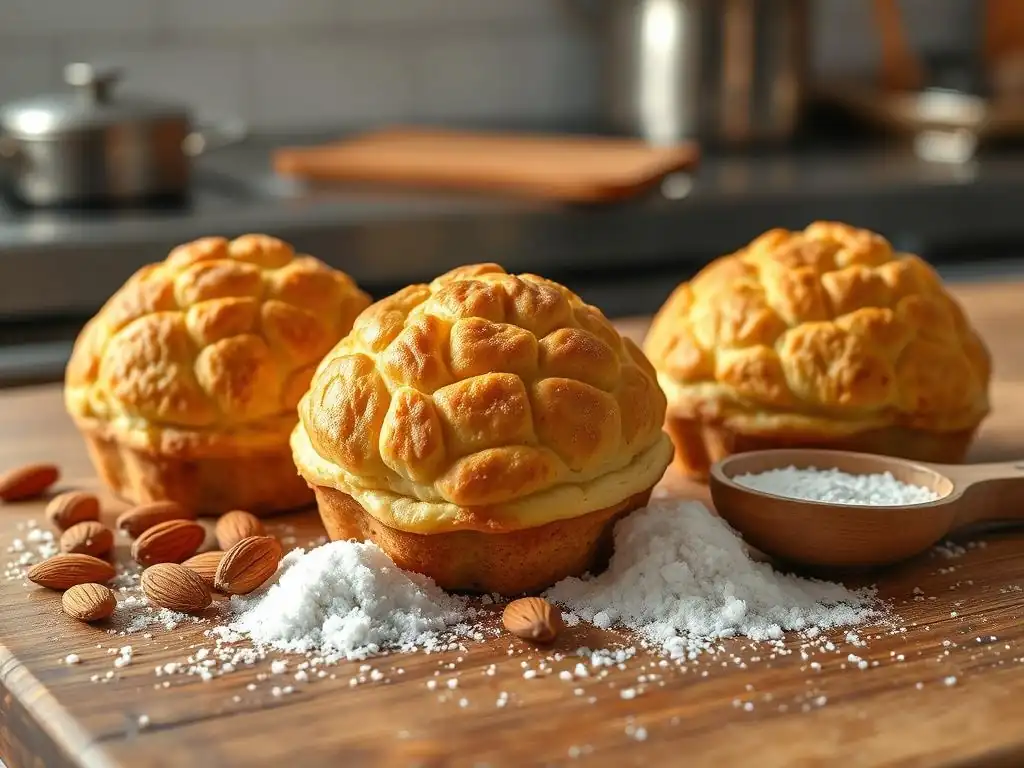
Sugar in a perfect French almond financiers recipe serves multiple purposes beyond just providing sweetness. It contributes to the tenderness of the cake by interfering with gluten development (though minimal in almond flour) and protein coagulation. Sugar also aids in moisture retention, helping to keep the financiers moist and preventing them from drying out too quickly. Furthermore, it assists in achieving that desirable golden-brown crust during baking through caramelization.
While granulated sugar is standard, some recipes might incorporate a small amount of brown sugar for added moisture and a hint of caramel flavor, complementing the brown butter. The amount of sugar used is carefully balanced to ensure the financiers are sweet but not overly so, allowing the nutty flavor of the almond flour and brown butter, and the tartness of the raspberries, to shine through. Precision in measuring sugar is important for achieving the correct texture and sweetness profile.
Freeze-Dried Raspberries: Enhancing Flavor and Color
The addition of freeze-dried raspberries is what sets this perfect French almond financiers recipe apart, adding a vibrant burst of flavor and beautiful visual appeal without compromising the cake's structure. Unlike fresh or frozen raspberries, freeze-dried berries contain virtually no moisture. When added to the batter, they absorb a small amount of liquid during baking, intensifying their flavor and softening slightly, but they don't release excess water that could disrupt the crumb or cause the financiers to sink.
Finely crushing or powdering some of the freeze-dried raspberries before adding them to the dry ingredients ensures their flavor is distributed throughout the batter, while leaving some larger pieces provides delightful pockets of intense raspberry taste. This technique allows you to incorporate a significant amount of fruit flavor without the common issues associated with baking with fresh berries in a delicate batter like that for financiers. The bright red color also adds a lovely contrast to the golden-brown cake.
Step-by-Step Guide to Baking Flawless Raspberry Financiers
Step 1: Preparing the Brown Butter (Beurre Noisette)
Start by melting unsalted butter in a light-colored saucepan over medium heat. The light color of the pan helps you monitor the color change of the butter solids. As the butter melts, it will foam, then the foam will subside. Swirl the pan occasionally to ensure even heating.
You will hear a gentle sizzling sound as the water evaporates. Continue cooking, watching closely, until the milk solids at the bottom of the pan turn a rich, nutty brown and the butter emits a fragrant, nutty aroma. This process typically takes 5-10 minutes depending on the amount of butter and heat level.
Once the butter reaches the desired color and aroma, immediately remove the pan from the heat. Carefully pour the brown butter, including the browned bits at the bottom, into a heatproof bowl or container. This stops the cooking process and prevents the butter from burning. Allow the brown butter to cool slightly before incorporating it into the batter. It should still be liquid but not piping hot; aiming for around 40-50°C (100-120°F) is ideal for easy mixing.
Tips for Achieving Perfectly Browned Butter
- Use a light-colored pan: This makes it much easier to see the color of the milk solids as they brown, preventing accidental burning.
- Watch constantly: Brown butter can change from perfect to burnt in mere seconds. Stay by the stove and keep a close eye on the color and smell.
- Listen for the sizzle to subside: The cessation of vigorous sizzling indicates that most of the water has evaporated, meaning the milk solids are ready to start browning.
- Scrape the bottom: Ensure you get all the delicious browned bits into your bowl after pouring the butter. These bits are full of flavor!
Step 2: Combining the Dry Ingredients
In a medium bowl, whisk together the almond flour, granulated sugar, a pinch of salt, and the freeze-dried raspberries (some powdered, some left in small pieces, as desired). Whisking ensures that the ingredients are evenly distributed before you add the wet components. This step is particularly important for incorporating the freeze-dried raspberries throughout the batter, preventing clumps and ensuring each bite has a burst of fruit flavor.
Make sure there are no large lumps in the almond flour or sugar. If your almond flour seems clumpy, you can sift it before mixing, although this is often unnecessary with finely ground varieties. The goal is a homogenous dry mixture that will combine smoothly with the egg whites and brown butter in the subsequent steps of this perfect French almond financiers recipe.
Ensuring Even Distribution of Almond Flour and Raspberries
- Use a whisk: A whisk is effective at breaking up small clumps and distributing the lighter almond flour and sugar evenly.
- Break up raspberry pieces: If using larger pieces of freeze-dried raspberry, ensure they are broken down to a size that will fit well within the small financier molds and distribute evenly.
- Gentle stirring after adding wet ingredients: Once wet ingredients are added, subsequent mixing should be gentle, but ensuring the dry ingredients are fully incorporated is key to avoiding pockets of unmixed flour.
Step 3: Incorporating the Egg Whites
Add the room-temperature egg whites to the bowl with the dry ingredients. Using a whisk or a spatula, gently mix the dry ingredients into the egg whites until just combined. Do not overmix at this stage; you are simply bringing the mixture together to form a thick paste. The mixture will be quite stiff initially.
The goal is to hydrate the dry ingredients with the egg whites without developing too much elasticity (not a huge concern with almond flour, but good practice) or incorporating excess air. Gentle mixing helps maintain the tender crumb structure characteristic of perfect French almond financiers.
Gentle Folding Technique for Light and Airy Financiers
- Use a spatula: A rubber or silicone spatula is ideal for gently folding.
- Mix until just combined: Stop mixing as soon as you no longer see streaks of dry ingredients. Overmixing can lead to tougher financiers.
- Fold from the bottom up: Use a motion that brings the mixture from the bottom of the bowl up over the top, rotating the bowl as you go.
Step 4: Adding the Brown Butter
Gradually pour the slightly cooled brown butter into the batter while gently mixing with a spatula. Continue mixing just until the brown butter is fully incorporated and the batter is smooth and homogenous. The batter will loosen up considerably as the fat is added and emulsified.
It's important that the brown butter is not too hot when added, as hot butter could potentially cook the egg whites or negatively impact the texture. It should be warm enough to remain liquid but cool enough to handle comfortably. Proper emulsification of the butter into the batter is key to a moist and even crumb.
Temperature Considerations for Optimal Emulsification
- Butter temperature: Aim for brown butter that has cooled to around 40-50°C (100-120°F). It should be liquid but not steaming hot.
- Room temperature egg whites: Using room temperature egg whites helps the butter emulsify more smoothly into the batter.
- Gentle mixing: Avoid aggressive whisking once the butter is added; gentle folding or stirring helps maintain a smooth emulsion.
Step 5: Preparing the Financier Molds

Traditional financiers are baked in small rectangular molds, often made of metal or silicone, resembling gold bars. However, you can use mini muffin tins or other small molds if you don't have financier-specific pans. Regardless of the mold type, proper preparation is essential to prevent sticking. Generously grease the molds with softened butter or a non-stick baking spray. Ensure you get into all the corners and edges.
After greasing, dust the molds with a light coating of flour (either all-purpose or almond flour). Tap out any excess flour. This creates a non-stick barrier, ensuring your perfect French almond financiers release cleanly after baking. For silicone molds, greasing might still be necessary depending on the mold's quality, but flouring is often optional.
Greasing and Flouring for Easy Release
- Use softened butter: Softened butter allows for a thorough coating of the mold's surface.
- Dust evenly: Ensure the flour coating is light and even; too much flour can leave a white residue on the baked financiers.
- Tap out excess: Invert the mold and tap it gently to remove any loose flour.
- Consider baking spray with flour: Some commercial sprays contain flour and can be very effective for intricate molds.
Step 6: Filling the Molds and Baking
Spoon or pipe the financier batter into the prepared molds, filling them about two-thirds to three-quarters full. Avoid overfilling, as the financiers will rise during baking. If using a piping bag (or a zip-top bag with a corner snipped off), it can make filling the molds neatly much easier, especially with smaller or intricately shaped molds.
Bake the financiers in a preheated oven, typically at around 180°C (350°F), for 12-18 minutes, depending on the size of your molds and your oven. The financiers are ready when they are golden brown around the edges and slightly puffed in the center. A toothpick inserted into the center should come out clean. The surface should spring back gently when lightly touched.
Baking Time and Temperature for Golden Brown Perfection
- Preheat your oven accurately: Use an oven thermometer if possible to ensure your oven is at the correct temperature.
- Adjust time based on size: Smaller molds will bake faster than larger ones. Start checking for doneness around the 12-minute mark for mini muffin size.
- Look for visual cues: Golden-brown edges, a slightly domed center, and a firm-yet-springy surface are key indicators of doneness.
- Don't overbake: Overbaking will result in dry financiers. They should remain moist inside.
Step 7: Cooling and Demolding the Financiers
Once baked, remove the financiers from the oven and place the mold on a wire rack. Allow them to cool in the molds for a few minutes, typically 5-10 minutes. This allows the cakes to set slightly, making them less fragile and easier to handle.
After the initial cooling period in the molds, gently invert the mold onto the wire rack to release the financiers. If any are sticking, use a small offset spatula or knife to carefully loosen the edges. Allow the financiers to cool completely on the wire rack before serving. Cooling on a rack allows air circulation, preventing the bottoms from becoming soggy.
Preventing Sticking and Maintaining Shape
- Thorough mold preparation: Proper greasing and flouring (or use of non-stick spray) is the first line of defense against sticking.
- Cool slightly in the mold: Giving the financiers a few minutes to cool and firm up in the mold makes them stronger and less likely to break upon demolding.
- Gentle demolding: Don't force them out. If they resist, gently loosen edges with a thin, flexible tool.
- Cool completely on a rack: This is essential for texture and prevents condensation from making the bottom soggy.
Troubleshooting Common Financier Baking Problems
Financiers Too Dry: Causes and Solutions
Dry financiers can be disappointing, especially when aiming for a moist, tender crumb characteristic of a perfect French almond financiers recipe. One common cause is overbaking. Baking too long or at too high a temperature evaporates too much moisture from the cake. Ensure you are using an accurate oven thermometer and check for doneness at the lower end of the suggested time range. The edges should be golden, but the center should still feel moist and springy.
Another reason for dryness can be inaccurate measurement of ingredients, particularly the fat (brown butter) or egg whites. Not enough fat will result in a drier cake, while using too much dry ingredient (like almond flour or sugar) relative to the wet can also lead to this issue. Ensure you are measuring your ingredients accurately, ideally by weight for consistency. Using room-temperature egg whites also helps with proper emulsification, contributing to moisture.
Financiers Not Rising Properly: Causes and Solutions
Financiers don't rise dramatically like sponge cakes, but they should puff up slightly and dome in the center. If yours are flat or dense, several factors could be at play. Using cold egg whites can hinder their ability to provide lift; ensure they are at room temperature. Overmixing the batter after adding the dry ingredients or butter can also knock out any air incorporated and toughen the batter, restricting rise.
Another potential issue is the temperature of the brown butter when added. If it's too hot, it can weigh down the batter or even partially cook the egg whites, affecting their leavening power. Ensure the brown butter has cooled slightly before mixing it in. Finally, an old or inactive leavening agent, though less critical in a financier that relies more on egg whites and steam, could also contribute if a recipe variation includes baking powder (though this perfect French almond financiers recipe typically does not).
Financiers Sticking to the Mold: Causes and Solutions
Sticking is a frustrating problem after successfully baking your perfect French almond financiers. The primary cause is inadequate mold preparation. Simply put, you need to grease and flour your molds thoroughly. Ensure you get into every nook and cranny, especially with intricate financier molds. Using softened butter (not melted) for greasing provides a better coating than liquid oil.
Make sure to tap out excess flour after dusting; too much can create a paste that causes sticking. For very sticky molds or recipes, consider using a non-stick baking spray that contains flour, or lining the molds with parchment paper if possible (though this is difficult with traditional financier shapes). Allowing the financiers to cool in the mold for 5-10 minutes before attempting to demold also helps them firm up and release more cleanly.
Uneven Baking: Causes and Solutions
If some of your financiers are perfectly golden while others are pale or overdone, it indicates uneven heat distribution in your oven. Oven hot spots are common. To mitigate this, rotate your baking pan halfway through the baking time. For example, if you bake for 15 minutes, rotate the pan after 7-8 minutes.
Ensure your oven is properly preheated before placing the financiers inside. Using an oven thermometer can verify the actual temperature matches the setting. Avoid opening the oven door frequently during baking, as this causes temperature fluctuations. If you are baking multiple trays, swap their positions on the racks halfway through as well, if your oven allows for multiple racks to be used simultaneously without compromising airflow.
Variations and Customizations for Your Financier Recipe

Adding White Chocolate Chips
Elevate your perfect French almond financiers recipe by adding white chocolate chips. White chocolate pairs beautifully with both almond and raspberry flavors. Stir in about 50-75 grams of good quality white chocolate chips or chopped white chocolate into the batter just before filling the molds. The chips will melt slightly during baking, creating delicious pockets of creamy sweetness that complement the nutty cake and tart raspberries.
Ensure the chocolate is chopped into small pieces if using a bar, so it distributes evenly throughout the small financiers. Avoid using overly large chunks. The sweetness of the white chocolate should be considered; you might slightly reduce the granulated sugar in the recipe if you prefer a less sweet financier, though the acidity of the raspberries helps balance the sweetness.
Incorporating Lemon Zest
A bright, citrusy note can wonderfully enhance the flavors in this perfect French almond financiers recipe. Adding the zest of one lemon to the dry ingredients mixture introduces a fragrant element that cuts through the richness of the brown butter and almond. Lemon and raspberry are a classic pairing, and the zest provides a vibrant aroma and subtle tang without adding extra liquid.
Make sure to use only the yellow part of the lemon peel, as the white pith is bitter. Use a microplane or fine grater to get very fine zest that disperses easily in the batter. The amount of zest can be adjusted based on your preference for citrus intensity. Start with the zest of half a lemon and add more if you like a stronger lemon flavor.
Exploring Different Fruit Combinations
While this article focuses on the perfect French almond financiers recipe with raspberries, the base batter is versatile and works well with various other fruits. Small berries like blueberries or chopped strawberries can be incorporated similarly to the raspberries, ideally using freeze-dried versions to control moisture. Chopped dried cranberries or cherries also work wonderfully, offering a chewier texture and tart flavor.
For a different twist, consider adding finely diced apple or pear that has been lightly sautéed or roasted to remove some moisture and soften. Even small pieces of candied ginger or orange peel can add interesting flavor dimensions. Experiment with your favorite fruit and flavor pairings, keeping in mind the importance of managing moisture content in the batter.
Serving and Storing Your Perfect Raspberry Financiers
Serving Suggestions: Tea, Coffee, Dessert
Your freshly baked perfect French almond financiers are best enjoyed slightly warm or at room temperature. Their rich, nutty flavor and moist texture make them a perfect accompaniment to a hot beverage. They are exquisite served alongside a cup of coffee, particularly a rich espresso or a creamy latte, as the bitterness of the coffee balances the sweetness of the cake.
Financiers also pair beautifully with tea, whether it's a classic black tea, a fragrant Earl Grey, or a fruity herbal blend. For a more indulgent dessert, serve financiers with a dollop of crème fraîche, a scoop of vanilla bean ice cream, or a fresh raspberry coulis. Their simple elegance makes them suitable for a casual afternoon treat or a sophisticated end to a meal.
Storage Tips for Maintaining Freshness
To maintain the freshness and signature moist texture of your perfect French almond financiers, proper storage is key. Once completely cooled, store them in an airtight container at room temperature. Layering them with parchment paper can prevent them from sticking together, especially in humid conditions. Stored correctly, they will remain moist and delicious for 2-3 days.
For longer storage, financiers freeze exceptionally well. Wrap individual financiers tightly in plastic wrap, then place them in a freezer-safe bag or container. They can be frozen for up to 2-3 months. To thaw, simply unwrap them and let them sit at room temperature for about 30-60 minutes. You can gently warm them in a low oven (around 150°C/300°F) for a few minutes before serving to refresh their texture and aroma.
Mastering the Art of French Baking
Exploring Other French Baking Classics
Mastering a perfect French almond financiers recipe is a wonderful step into the world of French patisserie, a realm rich with iconic and delicious treats. Once you've become comfortable with financiers, you might find yourself drawn to other classics that utilize similar techniques or ingredients. Consider exploring madeleines, another small cake often made with brown butter, offering a slightly different texture and shape.
Macarons, while more technically challenging, also rely heavily on egg whites and almond flour, providing an opportunity to refine those skills further. Or delve into the world of puff pastry with croissants or pain au chocolat, requiring patience and precision. Each French baking classic offers unique lessons and rewards, building upon fundamental techniques like working with butter, understanding doughs, and achieving perfect textures.
Tips for Improving Your Overall Baking Skills
Consistently achieving delicious results in baking, whether it's a perfect French almond financiers recipe or a rustic loaf of bread, comes down to practice and attention to detail. Invest in accurate measuring tools, particularly a digital scale, as weighing ingredients is far more precise than using volume measurements, especially for dry ingredients like flour. Understand the role each ingredient plays; knowing why you use brown butter or egg whites in a financier helps you troubleshoot when things go wrong.
Read the recipe through completely before you start, and prepare all your ingredients (mise en place) before you begin mixing. Pay close attention to temperatures – both ingredient temperatures (like room-temperature egg whites) and oven temperature. Don't be afraid to experiment and learn from mistakes; every bake is a learning opportunity. Finally, use good quality ingredients; the flavor of your final product is directly linked to the quality of what you put into it.
Frequently Asked Questions
How difficult is the Perfect French Almond Financiers Recipe from BakeWithEase.com to make for a beginner baker?
The recipe is designed with beginner-friendly instructions. BakeWithEase.com focuses on providing simple recipes and step-by-step guidance, making it accessible to all skill levels.
What are the key ingredients needed to bake the Perfect French Almond Financiers?
The essential ingredients include almond flour, butter (preferably beurre noisette or brown butter), egg whites, powdered sugar, and regular sugar. Almond flour is crucial for the financier's characteristic texture and flavor.
Does BakeWithEase.com offer any tips or techniques to ensure the Perfect French Almond Financiers are baked evenly?
Yes, the website emphasizes proper oven temperature and using a financier mold or muffin tin to ensure even baking. They also advise against over-mixing the batter.
Can I substitute any ingredients in the Perfect French Almond Financiers Recipe from BakeWithEase.com?
While substitutions are possible, they may affect the final outcome. For example, using regular flour instead of almond flour will alter the texture.
Where can I find detailed, step-by-step instructions for the Perfect French Almond Financiers Recipe on BakeWithEase.com?
The step-by-step guide is available directly on the BakeWithEase.com website, under the "Perfect French Almond Financiers Every Time" article.
Final Reflection: The Enduring Allure of the Perfect Financier
The pursuit of the perfect French almond financier is more than just a culinary quest; it's a journey into precision, patience, and the undeniable magic of transforming simple ingredients into something truly exquisite. This article has explored the nuances of this delicate pastry, from the importance of properly browned butter to the subtle art of achieving that signature crisp exterior and tender interior. But beyond the technical details, we've uncovered a deeper truth: the power of a perfectly executed recipe to bring joy and connection.
The enduring appeal of the financier lies not only in its delightful taste but also in its ability to evoke memories and create new ones. The delicate aroma of browned butter, the satisfying crunch, the subtle sweetness – these sensory experiences transcend the simple act of eating. They transport us to Parisian patisseries, cozy kitchens, and shared moments of delight. The best things in life are simple, but not easy.
This holds especially true for the financier, a testament to the rewarding nature of mastering a seemingly straightforward recipe.
Now, I invite you to step into your own kitchen, armed with the knowledge and inspiration gained from this article. Don't be afraid to experiment, to adjust the recipe to your own taste, and most importantly, to savor the process. The perfect financier isn't just about the end result; it's about the journey, the learning, and the joy of creating something beautiful and delicious with your own hands. Embrace the challenge, and may your next batch be the most perfect yet!
Unleash Your Inner Pâtissier: Master the Financier!
Thanks for joining us on this delicious journey into the world of French almond financiers! We hope you now feel confident in tackling this elegant little pastry. Ready to take your baking skills to the next level?
- Bake a batch of financiers today! Use the recipe we shared and adapt it to your favorite flavor combinations. Don't be afraid to experiment!
- Share your creations: Post a picture of your beautiful financiers on social media and tag us! We’d love to see your baking triumphs.
- Join our baking community: Leave a comment below sharing your experience – what was your favorite part of the recipe, or what are you planning to try next?
What unique twist will you add to your next batch of financiers?