
Beyond Cornbread: Exploring Unique Regional American Cornbread Styles

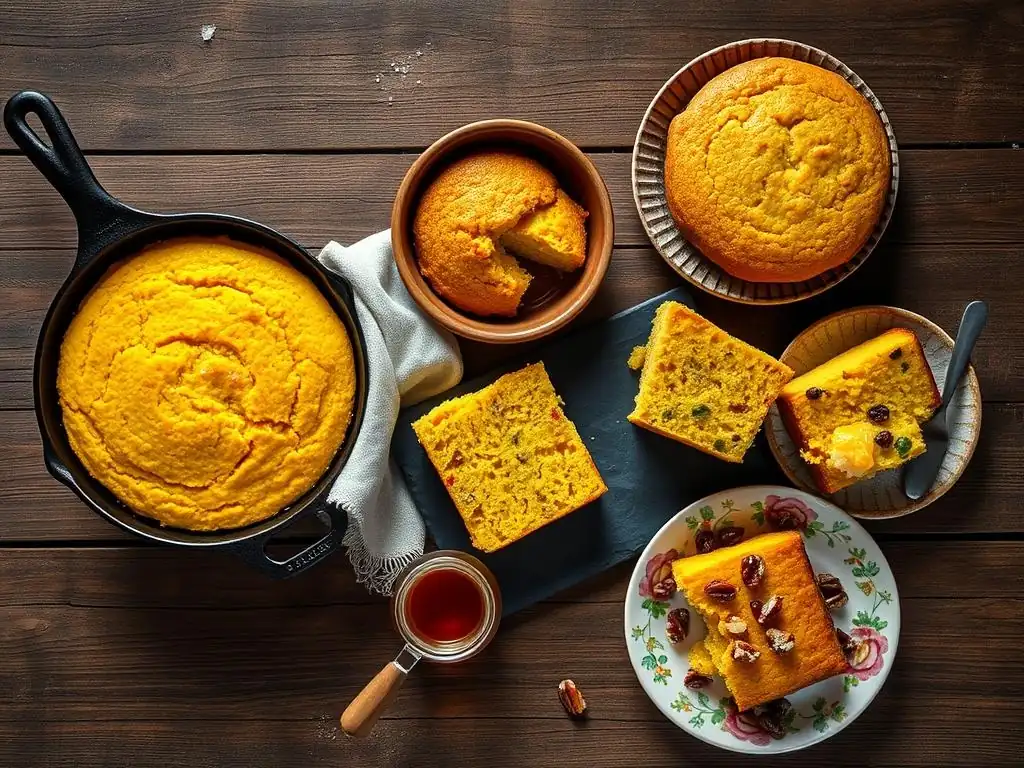
Welcome to BakeWithEase, your kitchen companion for all things baked! Ever wondered how cornbread evolves across the United States? Beyond the skillet of classic cornbread, a fascinating world of Regional American cornbread variations awaits. Prepare to embark on a delicious journey as we uncover the secrets and unique flavors that make each style a true reflection of its region. Intrigued? Let's dive in and discover the incredible diversity hiding in this seemingly simple staple!
- A Culinary Journey Through Regional American Cornbread Variations
- Exploring the Rich Tapestry of American Cornbread: A Regional Recipe Collection
- Southern Cornbread: A Celebration of Tradition and Flavor
- Northern Cornbread: A Sweet and Tender Delight
- Southwestern Cornbread: A Bold and Aromatic Experience
- Appalachian Cornbread: A Hearty and Rustic Tradition
- Beyond the Basics: Other Regional Cornbread Styles
- Tips and Tricks for Baking Perfect Regional Cornbread
- Embrace the Diversity of American Cornbread: A Culinary Adventure
-
Frequently Asked Questions
- What makes regional American cornbread variations so unique?
- Are there any specific regional ingredients that are crucial for authentic cornbread recipes?
- What are some examples of popular regional cornbread styles in America?
- How can I adapt a basic cornbread recipe to reflect a specific regional style?
- Where can I find reliable recipes for different regional American cornbread variations?
- Final Reflection: A Crumb of History, A Taste of Place
- Unleash Your Inner Baker: Discover Your Next Cornbread Obsession!
A Culinary Journey Through Regional American Cornbread Variations
Exploring the Rich Tapestry of American Cornbread: A Regional Recipe Collection
The Story of Cornbread: From Indigenous Origins to American Staple
Cornbread's history in America is deeply intertwined with the story of corn itself, a crop cultivated by Indigenous peoples for thousands of years. Long before European settlers arrived, Native American tribes across the continent were grinding corn into meal and using it to create various forms of bread, often cooked on hot stones or directly in the fire. These early forms were simple, made primarily from cornmeal and water, showcasing the versatility and importance of maize as a primary food source.
The adoption of cornmeal by early settlers was crucial for survival, as wheat was not readily available. They learned techniques from Native Americans, adapting them based on available ingredients and cooking methods, laying the groundwork for the diverse regional American cornbread variations recipes we know today.
As European ingredients like dairy, eggs, and leavening agents (like pearlash, a precursor to baking soda) became more accessible, cornbread evolved. In different parts of the developing nation, bakers began incorporating these new elements, leading to distinct styles. For instance, the availability of pork fat in the South influenced the common practice of baking cornbread in hot, greased cast-iron skillets, resulting in a crispy crust.
Meanwhile, in the North, access to ovens and a preference for sweeter baked goods led to recipes incorporating sugar and wheat flour, creating a softer, cake-like texture. This divergence, driven by geography, ingredient availability, and cultural preferences, is the foundation of the fascinating array of regional American cornbread variations recipes that reflect the nation's culinary history.
Essential Cornbread Ingredients and Techniques for Success
Mastering regional American cornbread variations recipes starts with understanding the core ingredients and fundamental techniques. At its heart, cornbread requires cornmeal, the finely ground dried corn that gives the bread its characteristic flavor and texture. The type of cornmeal used – yellow, white, fine, medium, or stone-ground – significantly impacts the final result, influencing everything from color to crumb structure.
Leavening agents are also critical, typically baking soda and/or baking powder, which react with acidic ingredients like buttermilk or yogurt to create lift and tenderness. Eggs bind the ingredients together and add richness, while fats such as butter, oil, or bacon grease contribute moisture and flavor. Liquids, most commonly milk or buttermilk, hydrate the dry ingredients and activate the leavening.
Beyond the ingredients, specific techniques define different cornbread styles. The mixing method is usually straightforward, often following the muffin method: mixing dry ingredients in one bowl and wet ingredients in another, then combining them just until moistened to avoid developing gluten and resulting in a tough texture. Baking vessel choice is paramount; a preheated cast-iron skillet, especially one hot from being greased with bacon fat or oil, is traditional in Southern styles and creates a prized crispy crust.
Northern styles are often baked in baking pans or muffin tins. Baking temperature is typically high, around 400-450°F (200-230°C), to ensure a quick rise and set. Knowing these basics provides a solid foundation for exploring the nuances of various regional American cornbread variations recipes.
Southern Cornbread: A Celebration of Tradition and Flavor
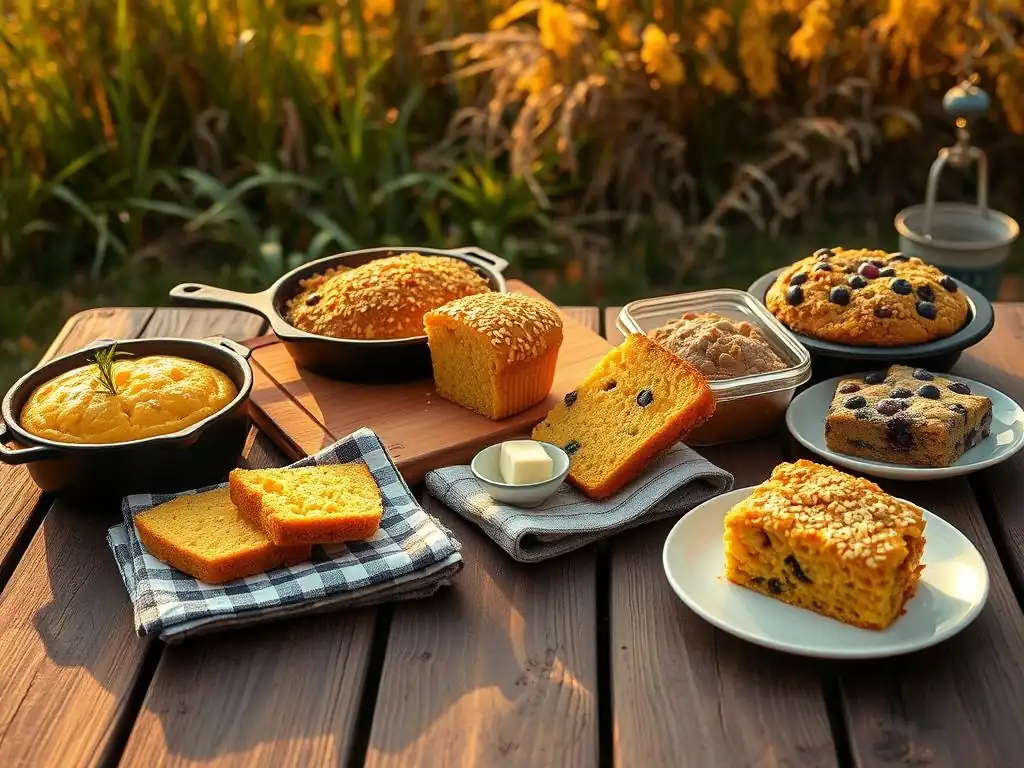
Classic Southern Cornbread: A Timeless Recipe
Classic Southern cornbread is perhaps the most iconic style, deeply rooted in tradition and characterized by its savory flavor and sturdy texture. Unlike many Northern versions, traditional Southern cornbread typically contains little to no sugar, allowing the pure flavor of the cornmeal to shine. It often uses white cornmeal, which some purists prefer for its subtle sweetness and fine texture, though yellow cornmeal is also common.
The leavening usually comes from baking soda reacting with acidic buttermilk, resulting in a tender crumb within a crispy exterior. A key technique involves heating a cast-iron skillet with lard, bacon grease, or oil in a hot oven (often 400-450°F or 200-230°C) before pouring in the batter, ensuring that signature golden-brown, crunchy crust.
The ingredient ratio in classic Southern cornbread often leans heavily towards cornmeal, sometimes using 100% cornmeal with no wheat flour, or a ratio like 1.5 to 2 cups of cornmeal to 1/2 cup of flour. This higher cornmeal content contributes to its crumbly texture. Milk or buttermilk (typically 1 to 1.5 cups), an egg (usually 1), and a fat (like 1/4 cup melted butter or bacon grease) complete the simple yet flavorful profile.
It's traditionally served hot, often straight from the skillet, alongside savory dishes like collard greens, chili, or fried chicken, perfect for crumbling into stews or soaking up pot liquor. This humble yet essential bread exemplifies Southern culinary heritage.
Southern Cornbread Variations: Sweet, Savory, and Everything in Between
While the classic savory version is paramount, Southern cuisine embraces a variety of regional American cornbread variations recipes that build upon the basic structure. One popular variation introduces a touch of sweetness, though usually far less than Northern styles, perhaps a tablespoon or two of sugar or honey to a standard recipe. This slight sweetness appeals to some palates while still maintaining a savory base. Another common adaptation involves adding mix-ins for extra flavor and texture.
Savory additions are particularly popular. Think of cornbread with cracklings (crispy pieces of fried pork fat), which adds a rich, meaty depth. Diced jalapeños and shredded cheddar cheese create a spicy and gooey version, a staple in Tex-Mex influenced areas of the South.
Cooked corn kernels (fresh, frozen, or canned) can be folded into the batter for bursts of sweetness and moisture. Herbs like chives or green onions are also sometimes included. These variations on the Southern theme showcase the adaptability of the basic recipe while staying true to the region's love for hearty, flavorful additions, expanding the range of regional American cornbread variations recipes available.
Jalapeño Cheddar Cornbread: A Spicy Southern Twist
Jalapeño Cheddar Cornbread is a beloved variation, particularly prevalent in Texas and other parts of the Southwest and South where Tex-Mex flavors are influential. It takes the classic savory Southern cornbread base and injects it with a kick of heat and a layer of cheesy richness.
A typical recipe involves adding about 1/2 cup to 1 cup of finely diced fresh or pickled jalapeños and 1 to 1.5 cups of shredded cheddar cheese (sharp or mild) to the cornbread batter before baking. Some recipes might call for sautéing the jalapeños briefly beforehand to mellow their heat slightly, or using pickled jalapeños for a tangy bite.
The beauty of Jalapeño Cheddar Cornbread lies in the contrast between the crumbly, slightly coarse texture of the cornbread and the gooey, melted cheese pockets, punctuated by the sharp, spicy notes of the jalapeños. It's often baked in a hot cast-iron skillet to ensure a crispy crust, providing another textural contrast. This flavorful twist on traditional cornbread serves as a fantastic side dish for chili, BBQ, or roasted meats, and is a prime example of how regional ingredients and culinary cross-pollination create exciting regional American cornbread variations recipes.
Northern Cornbread: A Sweet and Tender Delight
Northern vs. Southern: Understanding the Key Differences
The distinction between Northern and Southern cornbread is one of the most significant in the world of regional American cornbread variations recipes. The core difference lies in the presence and amount of sugar and wheat flour. Northern-style cornbread typically includes a substantial amount of sugar, often 1/4 cup to 1/2 cup or more per standard recipe, giving it a distinctly sweet flavor profile.
It also commonly incorporates a significant proportion of wheat flour, sometimes equal parts cornmeal and flour, or even more flour than cornmeal. This addition of wheat flour, particularly all-purpose flour, contributes to a softer, finer, and more cake-like crumb texture compared to the more crumbly, coarse Southern versions.
Leavening in Northern cornbread often relies more heavily on baking powder, sometimes in combination with baking soda, and the liquid used might be sweet milk rather than buttermilk, further emphasizing the sweeter profile. While Southern cornbread is traditionally baked in a hot, greased cast-iron skillet for a crispy crust, Northern cornbread is frequently baked in standard baking pans or muffin tins, resulting in softer sides and less emphasis on a dark, crispy crust.
These fundamental differences in ingredients, ratios, and baking methods result in two distinct, yet equally valid, expressions of cornbread, highlighting the diverse regional American cornbread variations recipes found across the country.
Defining Ingredients in Northern-Style Cornbread
Several ingredients are characteristic of Northern-style cornbread and set it apart from its Southern counterpart. As mentioned, sugar is a defining component, often added in amounts that make the cornbread suitable for serving with butter and jam, or even as a base for shortcake-like desserts. Typical recipes might call for 1/4 to 1/2 cup of granulated sugar or brown sugar, adding sweetness and moisture.
Wheat flour, usually all-purpose flour, is another key ingredient, often used in a 1:1 ratio with cornmeal or sometimes even a 2:1 ratio (flour to cornmeal). This flour contributes gluten, which provides structure and results in a less crumbly, more cohesive texture.
Dairy is also essential, with recipes often using sweet milk (whole or 2%) or sometimes yogurt, which provides moisture and richness. Butter is the fat of choice for its flavor, typically melted and incorporated into the batter. Eggs are used as a binder.
Leavening is commonly baking powder, sometimes boosted with baking soda if a touch of acidity is present (like yogurt). The cornmeal used is often fine or medium-grind yellow cornmeal, contributing a classic golden hue. These ingredients, combined with baking in a standard pan, create the tender, slightly sweet, and moist cornbread that is characteristic of many Northern regional American cornbread variations recipes.
Cranberry Walnut Cornbread: A Festive Northern Favorite
Cranberry Walnut Cornbread is a delightful example of Northern-style cornbread, showcasing its affinity for sweet additions and fruit/nut pairings. This variation is particularly popular during the fall and winter holidays, aligning with the seasonality of cranberries. It typically starts with a standard Northern cornbread batter – featuring sugar, wheat flour, cornmeal, eggs, milk, and butter – and incorporates additions like fresh or dried cranberries and chopped walnuts. A common ratio might be 1/2 to 1 cup of cranberries (fresh or dried, plumped) and 1/2 to 3/4 cup of chopped walnuts folded into the batter.
The result is a moist, tender, and sweet cornbread studded with tart cranberries and crunchy walnuts. The sweetness of the cornbread base provides a perfect backdrop for the bright, slightly acidic burst of the cranberries and the earthy richness of the walnuts. It's often baked in a square or rectangular pan or as muffins. This type of cornbread is delicious served warm with butter, perhaps alongside a holiday meal or as a sweet snack. It highlights how regional preferences for sweeter profiles and the inclusion of seasonal produce lead to unique and flavorful regional American cornbread variations recipes.
Southwestern Cornbread: A Bold and Aromatic Experience
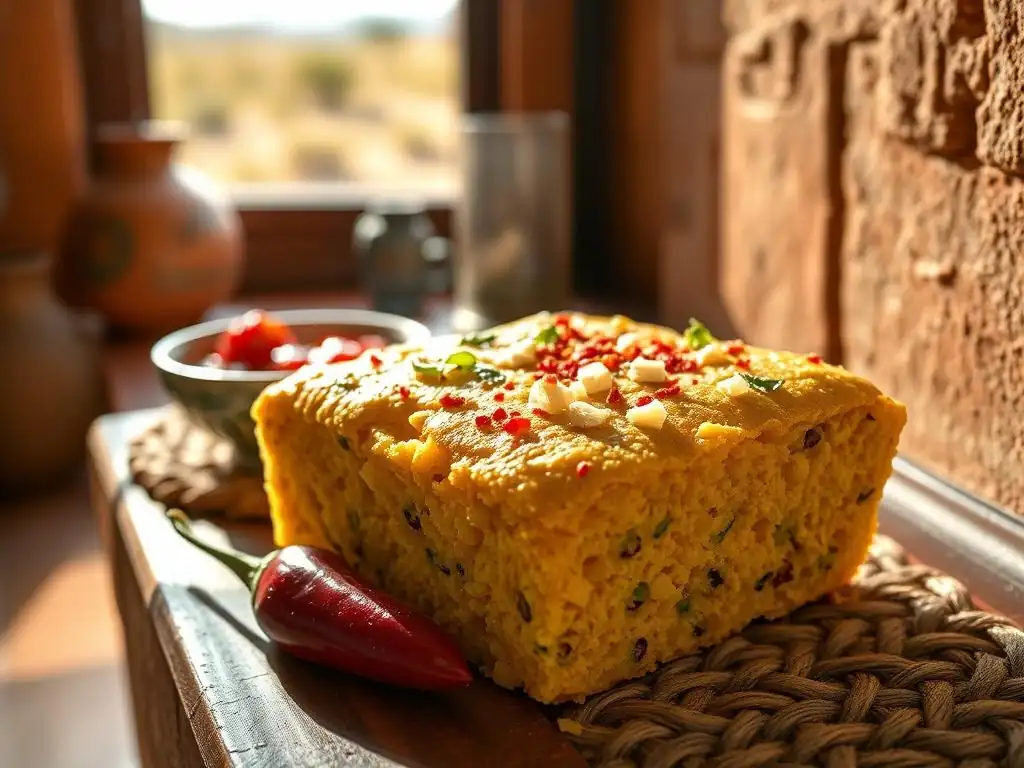
Southwestern Flavors: Adding Chiles, Cheese, and Regional Spices
Southwestern cornbread is a vibrant category within regional American cornbread variations recipes, distinguished by its bold flavors and the incorporation of ingredients common to the cuisine of the American Southwest, influenced by Mexican and Native American culinary traditions. The most defining additions are various types of chiles, cheese, and regional spices.
Diced green chiles (like Hatch chiles, especially when in season, or canned mild green chiles) are frequently added, providing a smoky flavor with mild to moderate heat. Jalapeños, both fresh and pickled, are also popular for a spicier kick, often used in similar quantities as in the Southern Jalapeño Cheddar variation (e.g., 1/2 to 1 cup diced chiles).
Cheese is another staple, with cheddar, Monterey Jack, or a Mexican blend being common choices, adding gooeyness and depth (typically 1 to 1.5 cups shredded cheese per batch). Spices like cumin, chili powder, and sometimes a pinch of cayenne pepper are often incorporated into the batter, enhancing the savory and slightly smoky profile.
Ingredients like corn kernels (fresh or roasted) and sometimes black beans are also folded in for texture and flavor. While the base cornbread can lean towards either a Southern (savory, less sugar) or Northern (slightly sweeter, includes flour) style depending on the specific recipe, the defining characteristic is the generous inclusion of these regional, aromatic additions.
Local Ingredients that Elevate Southwestern Cornbread
The authentic taste of Southwestern cornbread is often enhanced by the use of local or regionally significant ingredients. Beyond the common chiles and cheeses, specific types of cornmeal play a role. Blue cornmeal, derived from blue corn, is a notable regional ingredient, particularly in New Mexico and Arizona. It imparts a slightly sweeter, nuttier flavor and a distinctive purplish-blue hue to the cornbread, offering a visually striking and flavorful alternative to yellow or white cornmeal. Using blue cornmeal instantly signals a Southwestern origin for many regional American cornbread variations recipes.
Other local ingredients that might find their way into Southwestern cornbread include roasted corn (especially sweet corn when in season), which adds a caramelized sweetness, and piñon nuts (pine nuts), which are harvested in the region and provide a unique buttery crunch and earthy flavor. Some recipes might even incorporate ingredients like cultured buttermilk or sour cream from local dairies, or use lard rendered from regional pork. The emphasis on utilizing ingredients native to or widely cultivated and used in the Southwest is key to capturing the true essence of this regional style.
Blue Corn Cornbread with Piñon Nuts: A Southwestern Specialty
Blue Corn Cornbread with Piñon Nuts is a prime example of a unique Southwestern regional American cornbread variations recipe that celebrates local ingredients. This variation utilizes blue cornmeal as its base, giving the bread a beautiful color ranging from slate blue to purple. The flavor of blue cornmeal is often described as slightly sweeter and more intensely "corny" than yellow or white varieties. The recipe structure is often similar to other cornbread recipes, combining blue cornmeal with leavening, eggs, fat (like melted butter or oil), and liquid (milk or buttermilk).
What truly makes it Southwestern is the addition of piñon nuts. These small, flavorful pine nuts are native to the region and are often toasted before being folded into the batter, enhancing their rich, slightly resinous, and buttery flavor. A typical recipe might include 1/2 to 3/4 cup of piñon nuts for a standard batch.
Sometimes, mild green chiles or a touch of cheese might also be included to further anchor it in Southwestern flavors. Baked, this cornbread offers a dense yet tender crumb, a unique color, and pockets of crunchy, flavorful piñon nuts, making it a distinctive and delicious representation of regional American cornbread variations recipes from the Southwest.
Appalachian Cornbread: A Hearty and Rustic Tradition
The Importance of Stone-Ground Cornmeal in Appalachian Baking
Appalachian cornbread, like Southern cornbread, is traditionally savory and relies heavily on cornmeal. However, a defining characteristic in many authentic Appalachian regional American cornbread variations recipes is the preference for stone-ground cornmeal. Stone-grinding is an older milling process where corn is ground between large stones. This method retains more of the corn kernel's germ and bran compared to modern roller-milled cornmeal, which often removes these components for a finer texture and longer shelf life. The presence of the germ, in particular, contributes a richer, more complex, and intensely "corny" flavor, as well as a slightly coarser texture and speckling.
Using stone-ground cornmeal also means the meal is often less uniform in texture and may require slightly different liquid ratios due to varying absorption rates. The result is a cornbread with a robust, earthy flavor and a rustic, hearty texture that is less uniform than versions made with finely milled, degerminated cornmeal. This emphasis on a less refined ingredient reflects the region's history of self-sufficiency and utilizing locally available resources, making stone-ground cornmeal a cornerstone of many traditional Appalachian baked goods, including their distinctive regional American cornbread variations recipes.
Simple and Wholesome Appalachian Cornbread Ingredients
Appalachian cornbread recipes tend to be minimalist, focusing on simple, wholesome ingredients that were readily available in mountain communities. The base is typically stone-ground cornmeal (often white cornmeal, though yellow is also used) and a leavening agent, most commonly baking soda activated by buttermilk or sour milk. Unlike Northern styles, sugar is usually absent or used in very small quantities, keeping the focus firmly on the savory flavor of the corn. Wheat flour is often omitted entirely, or used in very small amounts, making the cornbread denser and more crumbly than recipes that incorporate significant amounts of flour.
Fat is essential for moisture and flavor, with bacon grease or lard being traditional and preferred choices for their rich flavor and ability to create a crisp crust when the cornbread is baked in a hot, greased cast-iron skillet. Eggs are often included as a binder (typically one or two). The liquid is usually buttermilk or clabber (naturally soured milk), providing the necessary acidity for the baking soda. These simple, pantry-staple ingredients, combined with the distinct flavor and texture of stone-ground cornmeal, define the humble yet satisfying nature of Appalachian regional American cornbread variations recipes.
Cornmeal Cakes: A Traditional Appalachian Cornbread
While larger skillet-baked cornbread is common, "Cornmeal Cakes," also known as "corn pones" or "fried cornbread," represent a very traditional and rustic form of Appalachian cornbread. These are essentially small patties or oval-shaped cakes made from a simple, stiff cornmeal batter, often just cornmeal, boiling water (or milk/buttermilk), salt, and sometimes a little grease. Leavening is often minimal or absent in the most traditional versions, resulting in a very dense product.
The defining characteristic is the cooking method: these cakes are typically fried or baked on a griddle or in a hot, well-greased cast-iron skillet or griddle, rather than being baked as a single loaf in an oven. This method creates a wonderfully crispy exterior while the interior remains moist and dense.
Cornmeal cakes are a direct descendant of early American cornbread forms and are still enjoyed in parts of Appalachia, often served alongside beans, greens, or fried fish. Their simplicity and cooking method highlight the resourceful nature of Appalachian cooking and represent a distinct category within regional American cornbread variations recipes.
Beyond the Basics: Other Regional Cornbread Styles
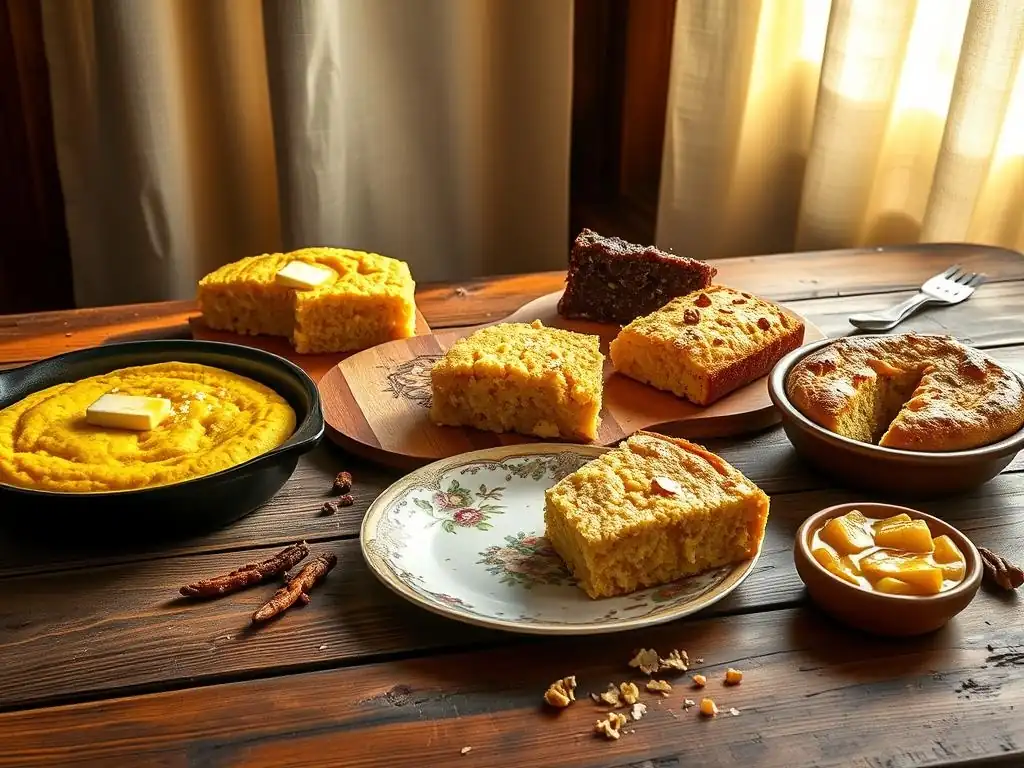
Rhode Island Johnnycakes: A New England Classic
Moving beyond the major regional styles, we find unique cornbread variations in specific locales. Rhode Island Johnnycakes are a prime example from New England. These are thin, griddle-cooked flatbreads made from a very simple batter of fine white cornmeal (specifically, a type of white cornmeal known as "Narragansett Bay white cap flint cornmeal" is traditional, though other fine white cornmeal can be used), boiling water or milk, and salt. Unlike most cornbread, traditional Johnnycakes contain no eggs, leavening, or sugar, and often no added fat in the batter itself, relying on the greased griddle for cooking.
The batter is thin enough to pour or spoon onto a hot, greased griddle (historically, they were cooked on a hoe blade over a fire, hence the alternative name "hoecake," though the term "Johnnycake" is more specific to this thin, griddle-fried type). They cook quickly, developing a slightly crispy edge and a soft, tender interior.
Johnnycakes are often served for breakfast or alongside savory dishes, sometimes with butter and maple syrup or molasses, or even savory accompaniments like salt pork. They represent one of the oldest forms of American cornbread still regularly made and are a unique part of regional American cornbread variations recipes.
Hoecakes: A Simple and Versatile Cornmeal Bread
The term "hoecake" is sometimes used interchangeably with Johnnycake, but it can also refer more broadly to simple cornmeal flatbreads cooked on a griddle or hot surface. Historically, the name comes from the practice of cooking these flatbreads on the blade of a field hoe heated over an open fire – a testament to their humble origins and the ingenuity of early cooks.
Hoecakes are typically made from a basic mixture of cornmeal, water or milk, and salt. Some versions might include a little fat or a touch of leavening, but they are generally much simpler and thinner than baked cornbread.
Like Johnnycakes, hoecakes are cooked quickly on a hot, greased surface until golden brown and cooked through. They are versatile and can be served in various ways, from a simple bread accompaniment to savory meals to a base for sweet toppings. While the term might be used in different regions (including the South), the concept of a simple, griddle-cooked cornmeal cake is a recurring theme in the history of regional American cornbread variations recipes, representing a fundamental way of preparing cornmeal.
Hushpuppies: Southern Fried Cornmeal Delights
Hushpuppies are another distinctive Southern regional American cornbread variation, though they are not baked but deep-fried. These are small, savory fritters made from a batter typically consisting of cornmeal, wheat flour, leavening (baking powder and/or baking soda), salt, and often finely minced onion or garlic. Wet ingredients usually include milk or buttermilk and eggs. The batter is thicker than pancake batter but scoopable.
Small portions of the batter are dropped into hot oil (often the same oil used for frying fish or seafood) and fried until golden brown and cooked through. The result is a crispy exterior and a soft, flavorful interior. Hushpuppies are a classic accompaniment to fried seafood, particularly in the coastal South, and are also served with BBQ or other savory dishes. The legend says they were tossed to quiet barking dogs ("hush, puppies!") during fish fries. They represent a unique fried iteration within the spectrum of regional American cornbread variations recipes.
Tips and Tricks for Baking Perfect Regional Cornbread
Selecting the Right Cornmeal for Optimal Flavor and Texture
Choosing the correct type of cornmeal is perhaps the most crucial step in making authentic regional American cornbread variations recipes. For classic Southern and Appalachian styles, stone-ground cornmeal (white or yellow) is often preferred for its robust flavor and coarser texture. If stone-ground is unavailable, look for medium-grind cornmeal.
Avoid "self-rising" cornmeal unless the recipe specifically calls for it, as it already contains leavening and salt, which will throw off the balance of standard recipes. For Northern styles that aim for a finer crumb, a finer grind of yellow cornmeal is suitable. Blue cornmeal is essential for specific Southwestern variations.
Consider the freshness of your cornmeal. Like flour, cornmeal can go rancid over time due to the fat content in the germ (especially true for stone-ground varieties). Store cornmeal in an airtight container in a cool, dark place, or for longer storage, in the refrigerator or freezer. Using fresh cornmeal ensures the best flavor in your regional American cornbread variations recipes. Pay attention to the grind size specified in a recipe, as it impacts the texture and liquid absorption.
Achieving the Perfect Cornbread Texture: Baking Techniques
Achieving the desired texture is key to successful regional American cornbread variations recipes. For a crispy crust, particularly important in Southern and Appalachian styles, always preheat your cast-iron skillet with the fat (lard, bacon grease, or oil) in a hot oven (400-450°F / 200-230°C) before adding the batter.
The hot fat sears the outside of the batter immediately, creating that prized crunch. For a softer, more cake-like texture preferred in many Northern and some Southwestern versions, bake in a greased standard baking pan or muffin tin without preheating the fat in the pan (though preheating the oven is still essential).
Do not overmix the batter. Overmixing develops gluten in any wheat flour present and can make the cornbread tough. Mix the wet and dry ingredients just until combined; a few lumps are acceptable. Baking at a relatively high temperature ensures a quick rise and helps set the structure before it dries out. Typical baking times range from 20-30 minutes for a skillet or pan and 15-20 minutes for muffins, depending on the temperature and depth of the batter. The cornbread is done when a toothpick inserted into the center comes out clean.
Storing and Serving Your Homemade Cornbread for Maximum Enjoyment
Proper storage helps maintain the quality of your regional American cornbread variations recipes. Cornbread is best enjoyed fresh and warm, especially styles baked in a cast-iron skillet where the crust is at its crispiest. If you have leftovers, allow the cornbread to cool completely before storing it. Wrap it tightly in plastic wrap or aluminum foil, or place it in an airtight container. Stored at room temperature, it will keep for 1-2 days. For longer storage, refrigerate it for up to a week or freeze it for several months.
To reheat, wrap slices or the whole piece loosely in foil and warm in a moderate oven (around 300-350°F / 150-175°C) until heated through. Avoid microwaving, as it can make the texture rubbery. Serving suggestions vary by region: Southern styles are excellent crumbled into chili or beans, served with greens, or alongside BBQ. Northern styles are delicious with butter, jam, or honey, or as a base for savory toppings like pulled pork. Southwestern versions pair wonderfully with stews, grilled meats, or simply enjoyed on their own, showcasing the versatility of regional American cornbread variations recipes.
Embrace the Diversity of American Cornbread: A Culinary Adventure
Easy-to-Follow Recipes for Every Region and Skill Level
Exploring regional American cornbread variations recipes is a rewarding culinary journey accessible to bakers of all skill levels. Whether you're a beginner or an experienced baker, there's a cornbread style waiting for you. Classic Southern skillet cornbread, with its simple ingredients and hot-skillet technique, is a great starting point for those new to savory baking. Northern sweet cornbread, often baked in a standard pan, is forgiving and familiar for those used to cake or muffin recipes. Variations like Jalapeño Cheddar or Cranberry Walnut introduce easy mix-ins that add complexity without requiring advanced techniques.
Recipes for regional American cornbread variations recipes are widely available and typically follow straightforward mixing and baking instructions. The primary differences lie in ingredient ratios (cornmeal vs. flour, amount of sugar), leavening choices, and the type of pan used. By starting with basic recipes for each style and then experimenting with the suggested variations – adding chiles, cheese, fruits, nuts, or using different types of cornmeal – you can easily expand your repertoire and discover your favorite regional expression of this beloved American bread.
Elevating Your Baking Skills: Techniques and Insights
Diving into regional American cornbread variations recipes offers excellent opportunities to refine your baking skills. Paying close attention to the type of cornmeal used and its impact on texture teaches you about ingredient properties. Mastering the hot cast-iron skillet technique for Southern styles hones your understanding of how pan material and preheating affect crust development. Learning how different leavening agents (baking soda vs. baking powder) work with various liquids (buttermilk vs. sweet milk) deepens your knowledge of chemical leavening.
Experimenting with different mix-ins requires understanding how additions like cheese or fruit affect moisture and baking time. By practicing recipes from different regions, you gain insight into how historical context, geography, and ingredient availability shape culinary traditions. Each batch of cornbread provides a chance to observe how small changes in ingredients or technique lead to distinct outcomes, making the process of exploring regional American cornbread variations recipes both delicious and educational.
Savoring the Flavors of America, One Cornbread at a Time
The journey through regional American cornbread variations recipes is more than just baking; it's about tasting the history and culture of the United States. From the rustic, savory simplicity of Appalachian and classic Southern styles, born from necessity and resourcefulness, to the sweeter, softer Northern versions reflecting different palates and ingredients, and the bold, ingredient-rich Southwestern variations showing regional culinary cross-pollination, each style tells a story.
Whether you prefer the crispy crust of a skillet-baked Southern cornbread perfect for soaking up chili, the tender crumb of a sweet Northern cornbread ideal with butter and jam, or the spicy, cheesy delight of a Southwestern creation, there is a cornbread variation for every taste and occasion. By baking and savoring these diverse regional American cornbread variations recipes, you connect with a fundamental piece of American culinary heritage and discover the rich tapestry woven from cornmeal across the nation.
Frequently Asked Questions
What makes regional American cornbread variations so unique?
Regional cornbread variations are unique due to the differences in ingredients and preparation methods reflecting local tastes and available resources. This includes variations in sweetness, texture, and added ingredients like cheese or jalapenos.
Are there any specific regional ingredients that are crucial for authentic cornbread recipes?
Yes, some regions rely on specific ingredients. For example, Southern cornbread often uses white cornmeal and is traditionally cooked in a cast iron skillet. Other regions might prefer yellow cornmeal or add ingredients like molasses.
What are some examples of popular regional cornbread styles in America?
Some popular examples include Southern cornbread (often unsweetened and crumbly), Northern cornbread (typically sweeter and cakier), and Southwestern cornbread (often incorporating ingredients like chilies and cheese for a spicier flavor profile).
How can I adapt a basic cornbread recipe to reflect a specific regional style?
You can adapt a basic recipe by adjusting the level of sweetness, the type of cornmeal used (yellow vs. white), and the cooking method. Researching recipes specific to the region you want to emulate is key.
Where can I find reliable recipes for different regional American cornbread variations?
BakeWithEase.com is a great resource for finding simple recipes and step-by-step guides for various regional American cornbread styles. Look for recipes that highlight the unique ingredients and techniques of each region.
Final Reflection: A Crumb of History, A Taste of Place
The humble cornbread, a staple of American cuisine, reveals a surprisingly diverse culinary landscape. Far from a monolithic dish, its variations across the country reflect not only regional ingredients and techniques but also the rich tapestry of cultural influences that have shaped American identity. This exploration of regional cornbread styles underscores the power of food to tell stories, to connect us to our past, and to illuminate the vibrant diversity of our nation.
The enduring appeal of cornbread lies not just in its taste, but in its ability to evoke a sense of home, of belonging, of shared heritage. Each recipe, each variation, whispers tales of family traditions, cultural exchanges, and the ingenuity of cooks adapting to their environment. Food is symbolic of love when words are inadequate.
– Alan D. Wolfelt. This quote perfectly encapsulates the emotional connection we forge with food, and cornbread, in its myriad forms, is a potent symbol of this connection. The subtle differences—from the sweetness of Southern cornbread to the savory depth of Southwestern variations—speak volumes about the unique character of each region.
Consider the journey we've taken together, exploring the diverse textures, flavors, and histories embedded within each cornbread recipe. Now, I invite you to embark on your own culinary adventure. Experiment with these recipes, adapt them to your own tastes, and perhaps even discover a new favorite cornbread style. More importantly, consider the stories these recipes tell, the connections they forge, and the rich cultural heritage they represent. Let the simple act of baking cornbread become a celebration of American culinary diversity and a testament to the enduring power of food to bring us together.
Unleash Your Inner Baker: Discover Your Next Cornbread Obsession!
Thanks for joining us on this delicious journey through the diverse world of American cornbread! We hope you've discovered some new baking inspiration and maybe even a recipe or two to try. Ready to take your cornbread game to the next level?
- Bake your favorite new cornbread recipe today! Whether it's the spicy jalapeño cheddar or the sweet, Southern classic, put your newfound knowledge to the test.
- Share your baking creations with us on social media! Use #BakeWithEaseCornbread and tag us – we love seeing your culinary adventures.
- Explore other regional baking styles on BakeWithEase.com. Dive deeper into the world of American baking traditions and discover your next favorite treat.
What unique twist will you add to your next cornbread masterpiece?