
British Baking for Beginners: Your First Steps

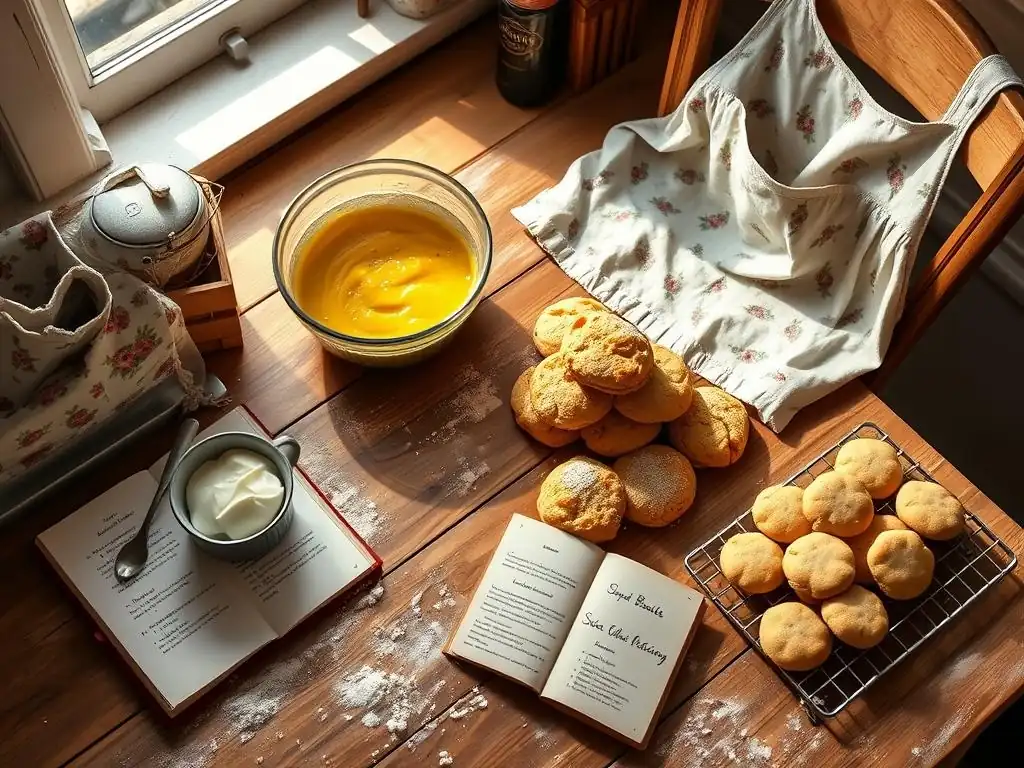
Welcome to BakeWithEase, your partner in crafting delightful baked goods! Are you ready to embark on a culinary adventure across the pond? This week, we're diving into the heart of Regional & Cultural Baking with a focus on Easy British Baking Recipes perfect for beginners. Discover the secrets to classic treats, and prepare to be amazed at how simple it is to create authentic British flavors in your own kitchen. Intrigued? Let's get baking!
- British Baking for Beginners: Your First Steps with BakeWithEase
- Welcome to British Baking!
- Essential Tools for Baking British Classics
- Key Ingredients in British Baking
- Your First Recipe: Classic British Scones
- Beyond Scones: More Beginner-Friendly Recipes
- Common Baking Mistakes and How to Avoid Them
- Tips and Tricks for Baking Success
- Storing Your Baked Goods
- Further Exploration of British Baking
-
Frequently Asked Questions
- What constitutes an "Easy British Baking Recipe" according to BakeWithEase?
- What types of British baked goods can I expect to find recipes for on BakeWithEase?
- Are the ingredients used in these British baking recipes readily available?
- Does BakeWithEase provide guidance beyond just the recipe itself?
- Is this content suitable for someone who has never baked before?
- Final Reflection: The Enduring Charm of Simple British Baking
- Unlock Your Inner Baker: Start Your Baking Journey Today!
British Baking for Beginners: Your First Steps with BakeWithEase
Welcome to British Baking!
BakeWithEase: Your Guide to Classic British Treats
Welcome to the wonderful world of British baking! It's a realm filled with comforting classics, simple ingredients, and techniques perfect for anyone starting their baking journey. At BakeWithEase, we believe that mastering delicious baked goods shouldn't be complicated. Our goal is to demystify traditional recipes, making them accessible and enjoyable for bakers of all skill levels. We focus on providing clear, step-by-step guides and helpful tips to ensure your success in the kitchen, especially when tackling easy British baking recipes.
British baking offers a rich tapestry of flavors and textures, from flaky pastries to dense fruitcakes. For beginners, the focus often starts with beloved staples like scones, shortbread, and simple sponges. These recipes typically require minimal specialized equipment and rely on readily available pantry items. By starting with these foundational bakes, you'll build confidence and skills that can be applied to more complex recipes later on. Let BakeWithEase be your trusted companion as you discover the joy of creating these timeless treats right in your own home.
Why British Baking is Great for Beginners
British baking is uniquely suited for beginners for several compelling reasons. Firstly, many foundational recipes utilize straightforward techniques like the rubbing-in method for scones or simple creaming for cakes. These methods are easy to grasp and provide immediate, satisfying results. Think about the classic scone: it often requires just a handful of basic ingredients and can be mixed and baked in under 30-40 minutes, offering a quick win for new bakers. This immediate gratification is incredibly encouraging when you're just starting out and exploring easy British baking recipes.
Secondly, the core ingredients in British baking are generally standard and forgiving. Flour, butter, sugar, eggs, and milk form the backbone of countless recipes. Variations in measurements or technique might slightly alter the outcome, but it's rare for a beginner-level British bake to be a complete disaster. This inherent robustness makes it a great cuisine to experiment with. Furthermore, many traditional British bakes, such as gingerbread or rock cakes, were historically designed to be simple and economical, relying on pantry staples and minimal fuss, making them perfect candidates for easy British baking recipes today.
Essential Tools for Baking British Classics
Must-Have Baking Equipment
To embark on your British baking adventure, you don't need a professional kitchen setup, but a few essential tools will make the process much smoother. A reliable set of digital kitchen scales is paramount, as baking in the UK traditionally relies heavily on weighing ingredients for accuracy, rather than volume measurements. You'll also need a sturdy set of mixing bowls, ideally in different sizes – glass, ceramic, or metal all work well. A good quality rolling pin is necessary for flattening doughs like pastry or scones.
Other crucial items include a baking sheet or two, lined with parchment paper for non-stick baking, and a few different sizes of cake tins (a standard 20cm/8-inch round tin is versatile for many cakes). Measuring spoons are useful for smaller quantities like baking powder or vanilla extract. Finally, a wire cooling rack is essential for cooling your baked goods properly, preventing soggy bottoms and ensuring even cooling throughout. Investing in these basic tools will set you up for success with a wide range of easy British baking recipes.
Affordable Baking Tools for Beginners
Starting out in baking doesn't require a large financial investment. Many essential tools can be found affordably at supermarkets, homeware stores, or even second-hand shops. For instance, while high-end stand mixers exist, a simple hand whisk or even just a wooden spoon and some elbow grease are perfectly adequate for mixing many easy British baking recipes like scone or simple cake batters. Basic metal baking sheets and cake tins are widely available at budget-friendly prices, often under £10 each.
Instead of specialized pastry blenders, you can use your fingertips or two knives to rub butter into flour for scones or crumbles. Simple plastic spatulas and wooden spoons are inexpensive yet indispensable for mixing and scraping down bowls. Look for multi-packs of measuring spoons, which are usually very affordable. Remember, the key is functionality and cleanliness, not brand name or fancy features. You can build a functional kit for easy British baking recipes without spending a fortune, allowing you to focus your resources on quality ingredients.
Key Ingredients in British Baking
Understanding Common Ingredients
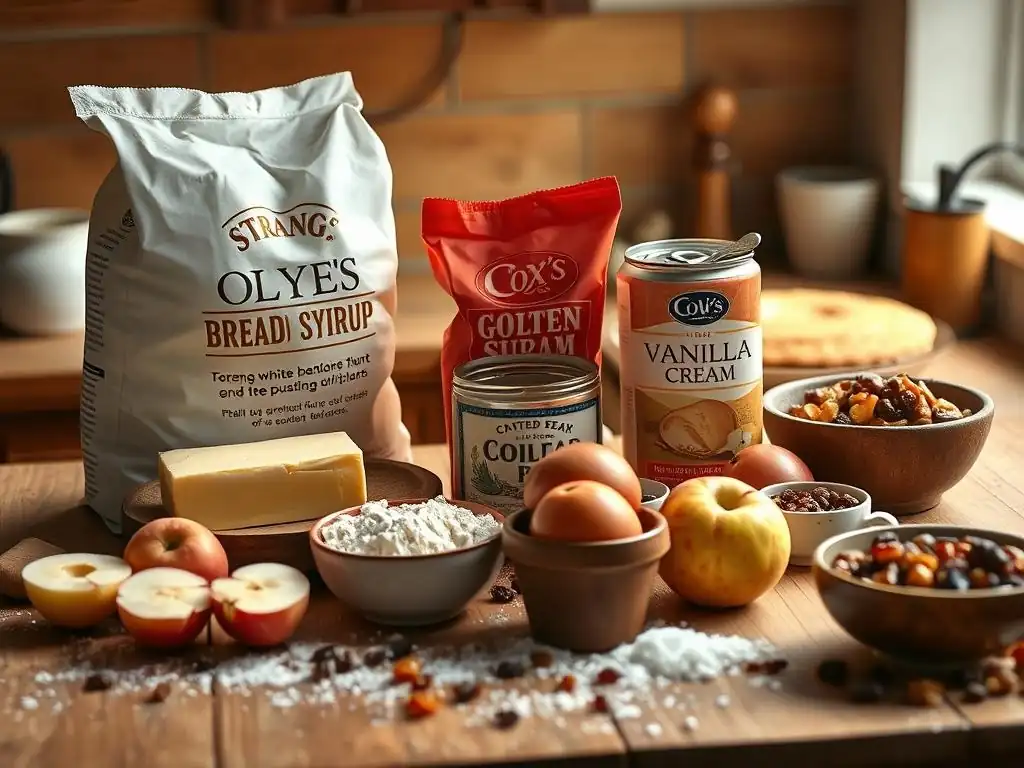
British baking relies on a core set of ingredients that are simple but require understanding for best results. Flour is fundamental, with plain (all-purpose) and self-raising flour being the most common types. Self-raising flour already contains a leavening agent (baking powder), making it convenient for many cakes and scones where you want a reliable rise. Plain flour is used when the recipe calls for adding a specific amount of leavener or when making pastries or enriched doughs like brioche. Sugar, typically caster sugar (fine granulated) for cakes and granulated sugar for general use, provides sweetness and structure.
Butter is crucial for flavor and texture, particularly in shortbread, pastries, and rich cakes. Using unsalted butter allows you to control the salt content in your bake. Eggs act as a binder and provide richness and structure. Milk is often used for liquid in batters and doughs, and sometimes buttermilk is called for to add tenderness and a slight tang, as seen in some scone variations. Understanding the role of each of these simple ingredients is the first step to mastering easy British baking recipes.
Sourcing Quality Ingredients
While British baking uses simple ingredients, sourcing quality versions can significantly impact the final taste and texture of your bakes. For flour, choosing a reputable brand ensures consistent protein content and milling quality, which affects how the flour absorbs liquid and develops structure. Look for flours specifically labelled for baking if possible. Butter quality is also vital; a good butter with decent fat content will yield flakier pastries and richer cakes. Some bakers prefer British butter for its specific flavor profile.
Eggs should ideally be free-range for better flavor and color, though standard large eggs work perfectly well in most recipes. When it comes to sugar, ensure it's fresh and free-flowing. For recipes involving dried fruit, like tea cakes or fruit loaves, using plump, moist fruit makes a big difference – soaking dried fruit in tea or juice beforehand is a common trick.
Sourcing local ingredients where possible can also enhance flavor and support local producers. Don't feel pressured to buy the most expensive items, but selecting standard, well-regarded brands for your core ingredients will improve your results with easy British baking recipes.
Your First Recipe: Classic British Scones
Simple Scone Recipe
Let's dive into making classic British scones, a perfect example of easy British baking recipes! This recipe yields about 8-10 scones.
Ingredients:
- 225g self-raising flour
- A pinch of salt
- 50g cold butter, cubed
- 25g caster sugar
- 150ml milk
- 1 egg, beaten (for egg wash, optional)
Instructions:
- Preheat oven to 220°C (200°C fan/Gas Mark 7). Lightly grease a baking sheet or line with parchment paper.
- In a large bowl, mix the flour and salt.
- Add the cold butter cubes. Using your fingertips, rub the butter into the flour until the mixture resembles fine breadcrumbs. Lift your hands high as you rub to incorporate air.
- Stir in the caster sugar.
- Make a well in the center and pour in most of the milk. Use a round-bladed knife to mix quickly until a soft, slightly sticky dough forms, adding a little more milk if needed. Avoid overmixing.
- Gently bring the dough together with your hands. Tip onto a lightly floured surface. Pat gently to a thickness of about 2-2.5cm (around 1 inch).
- Using a floured cutter (about 5cm/2-inch diameter), cut out rounds. Don't twist the cutter; press straight down. Re-shape scraps gently to cut more scones.
- Place the scones onto the prepared baking sheet. If using egg wash, brush the tops (avoiding the sides to help them rise straight).
- Bake for 10-12 minutes until well-risen and golden brown.
- Cool on a wire rack. Serve warm, split in half, with clotted cream and jam.
Step-by-Step Scone Baking Guide
Baking perfect scones involves following a few key steps carefully. Begin by ensuring all your ingredients are measured accurately using scales, especially the flour and butter. Cold butter is crucial for achieving a light, crumbly texture; as it melts in the oven, it creates steam pockets that help the scones rise. The rubbing-in step requires a light touch – you want the mixture to resemble fine breadcrumbs, with no large lumps of butter remaining. This process incorporates air, which also contributes to the rise.
Mixing the dough is perhaps the most critical stage for achieving tender scones. Use a knife initially to bring the milk into the dry ingredients, and switch to your hands only briefly to bring the dough together. Overworking the dough develops gluten, resulting in tough scones. When patting out the dough, be gentle and aim for the specified thickness; too thin and they won't rise much, too thick and they might not cook through.
Cutting straight down with the cutter is vital – twisting can seal the edges, inhibiting a good rise. Baking at a high temperature ensures a rapid rise and a golden crust. Following these steps closely will lead you to delicious, easy British baking recipes like these classic scones.
Tips for Perfect Scones
Achieving perfect scones consistently is easier with a few insider tips. Firstly, ensure your oven is fully preheated to the correct temperature before putting the scones in. A hot oven is essential for a quick, high rise. Secondly, handle the dough as little as possible at every stage, from mixing to cutting. Think of it as persuading the ingredients to come together rather than forcing them. Overworking is the most common reason for tough scones.
Another tip is to use cold ingredients, especially the butter and milk. Some bakers even chill their flour slightly. When cutting, dip your cutter in flour between each scone to prevent sticking. If you are using an egg wash, apply it only to the top surface, avoiding the sides.
Egg wash running down the sides can glue the layers together, preventing the scones from rising evenly. Finally, resist the urge to open the oven door too early during baking; this can cause them to sink. Serve them as soon as possible after baking, ideally warm, for the best experience of this classic easy British baking recipe.
Beyond Scones: More Beginner-Friendly Recipes
Exploring Shortbread
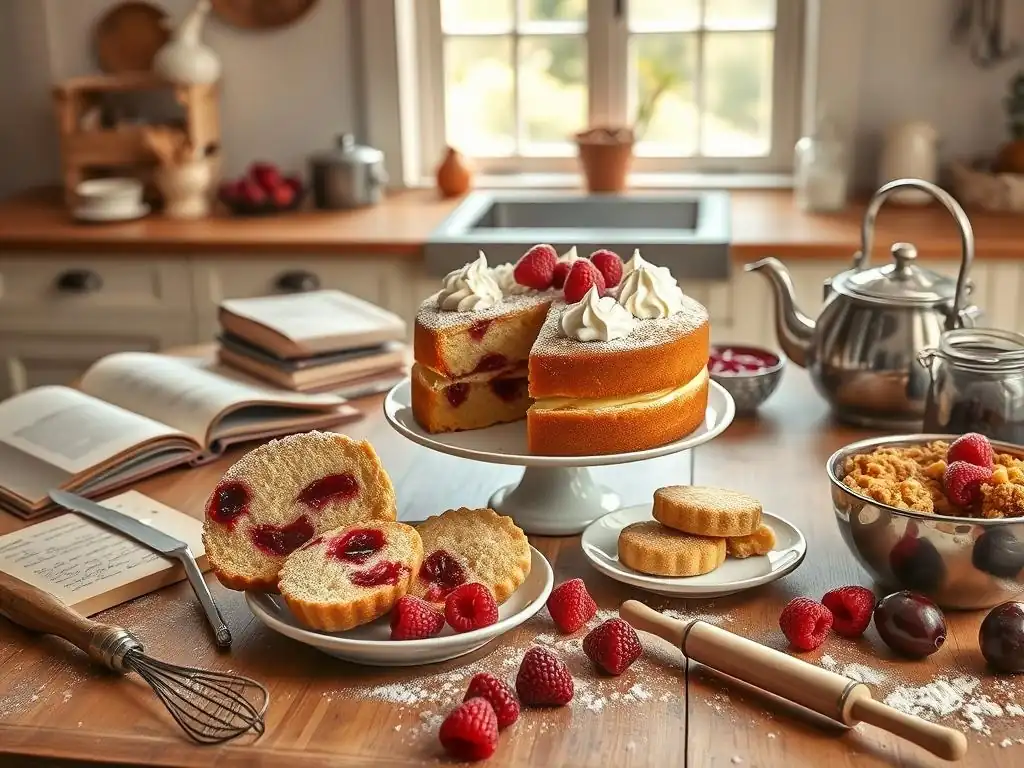
Shortbread is another excellent starting point for anyone exploring easy British baking recipes. This simple biscuit (cookie) requires only three core ingredients: butter, sugar, and flour. The magic lies in the ratio and the technique. A typical ratio might be 1 part sugar, 2 parts butter, and 3 parts flour by weight. The high butter content gives shortbread its characteristic crumbly, melt-in-the-mouth texture. It's traditionally made by creaming the butter and sugar, then mixing in the flour until a dough forms, which is then pressed into a tin or rolled and cut.
Baking shortbread is usually done at a lower temperature for a longer time compared to scones, around 150-170°C (130-150°C fan/Gas Mark 2-3), to prevent browning and ensure it cooks through evenly while remaining pale. The key is to bake it until it's just set and slightly firm, not deeply golden. Once baked, it's often pricked with a fork and cut into fingers or wedges while still warm. Its simplicity makes it a rewarding bake for beginners, demonstrating how just a few ingredients can create something utterly delicious.
Baking Victoria Sponge Cake
The Victoria Sponge Cake is a quintessential British classic and a surprisingly accessible cake for beginners. It's essentially two simple sponge layers sandwiched together with jam and usually whipped cream or buttercream. The standard method is the creaming method: beating softened butter and sugar together until light and fluffy, then gradually adding beaten eggs, followed by folding in self-raising flour. This method incorporates air early in the process, contributing to a light crumb.
A standard recipe might call for equal weights of butter, sugar, flour, and eggs (e.g., 200g of each). The batter is divided between two prepared cake tins and baked until golden and a skewer inserted comes out clean. Baking time is typically around 20-25 minutes at 180°C (160°C fan/Gas Mark 4).
Once cooled, one layer is spread with jam (strawberry or raspberry is traditional), topped with whipped cream or buttercream, and the second layer is placed on top, often dusted with icing sugar. It's a beautiful and tasty example of easy British baking recipes that looks impressive but is fundamentally simple.
Making Tea Cakes
Tea cakes, distinct from the toasted currant buns often served with butter, are soft, enriched bread rolls studded with dried fruit, typically currants or sultanas. They are a lovely, slightly sweet bake, perfect for enjoying with a cup of tea. The process involves making a simple enriched dough using flour, yeast, a little sugar, butter, milk, and egg, similar to a basic sweet bun dough. Dried fruit is added towards the end of kneading.
After kneading, the dough is left to rise until doubled in size (proving), which usually takes around 1-1.5 hours in a warm place. The dough is then divided and shaped into individual rolls, proved again briefly, and baked until golden brown. Baking temperature is typically around 190-200°C (170-180°C fan/Gas Mark 5-6) for about 12-15 minutes.
The result is a soft, slightly sweet bun, often glazed with a sugar syrup while still warm. While they involve yeast, making the dough is quite forgiving, making them a good next step after trying some simpler easy British baking recipes like scones or shortbread.
Common Baking Mistakes and How to Avoid Them
Avoiding Common Errors
As a beginner, you're bound to encounter a few bumps in the road, but understanding common pitfalls can help you avoid them. One frequent error, especially in easy British baking recipes like scones or cakes, is overmixing the dough or batter. This develops gluten unnecessarily, resulting in tough textures. To avoid this, mix only until the ingredients are just combined, and use a light hand. For scones, stop mixing as soon as the dough comes together. For cakes, stop once the flour streaks disappear.
Another common mistake is incorrect oven temperature. Ovens can be inaccurate, and baking at the wrong temperature or not preheating properly affects how your bake rises and cooks. Using an oven thermometer can help verify your oven's temperature.
Not measuring ingredients accurately is also a major cause of problems; always weigh solid ingredients like flour and sugar using scales for best results in British recipes. Finally, opening the oven door too early, especially for cakes and soufflés, can cause them to sink due to the sudden drop in temperature. Resist the urge to check until at least two-thirds of the way through the estimated baking time.
Troubleshooting Your Baking
Even with care, things can sometimes go wrong. If your scones are tough, it's almost certainly due to overmixing or handling the dough too much. The fix for next time is to be quicker and gentler during the mixing and shaping stages. If a cake sinks in the middle, it could be underbaking, opening the oven door too early, or sometimes too much leavener. Ensure the cake is fully cooked (test with a skewer) and check your leavener measurements.
Pale shortbread that isn't firm might need a little more baking time at a low temperature. If your tea cakes are dense, the yeast might not have been active, or the dough wasn't proved sufficiently. Ensure your yeast is fresh and give the dough enough time in a warm place to rise visibly.
Baked goods browning too quickly on the outside but remaining raw inside indicates the oven temperature is too high; try lowering it slightly and baking for longer, or cover loosely with foil if the top is done. Learning to troubleshoot is part of the process of mastering easy British baking recipes.
Tips and Tricks for Baking Success
Expert Baking Advice
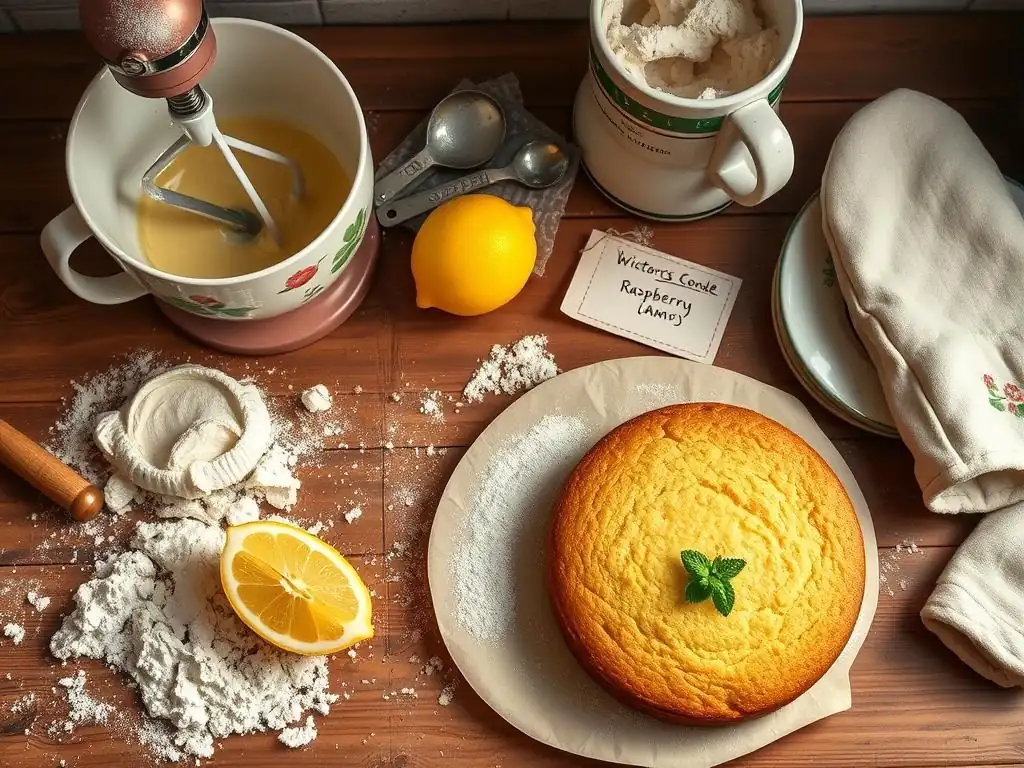
Beyond following recipes, incorporating simple expert tips can significantly improve your baking results. Always use ingredients at the temperature specified in the recipe – often, this means using butter and eggs at room temperature for cakes, as they emulsify better with other ingredients, leading to a smoother batter and better rise. For pastries and scones, however, cold butter is essential.
- Read the recipe thoroughly before you start to understand the steps and required techniques.
- Prepare your workspace and equipment (grease tins, preheat oven) before mixing begins.
- Measure ingredients accurately, especially in baking where ratios are key.
- Don't rush the process, particularly stages like creaming butter and sugar or proving dough.
- Trust your senses: Look for visual cues like golden brown color, feel for texture, and use the skewer test for doneness.
These simple habits, combined with following clear easy British baking recipes, will set you on the path to success.
Mastering Basic Techniques
Focusing on mastering a few fundamental techniques will build a strong foundation for all your baking. The creaming method, used for many cakes, involves beating butter and sugar until light and fluffy, incorporating air vital for leavening. Practice this until you achieve a pale, airy mixture. The rubbing-in method, used for scones, crumbles, and some pastries, requires rubbing cold fat into flour until it resembles breadcrumbs; the key is a light touch and cold ingredients.
Understanding kneading is important for yeasted doughs like tea cakes; it develops gluten, giving the bread structure. Practice until your dough is smooth and elastic. Learning how to fold ingredients gently, rather than stirring or beating vigorously, is crucial for keeping air in mixtures like sponge batters after adding flour. Mastering these basic skills through practice with easy British baking recipes will make tackling more complex bakes much less daunting.
Storing Your Baked Goods
Proper Storage for Cakes and Scones
Storing your delicious easy British baking recipes correctly ensures they stay fresh and enjoyable for as long as possible. Scones are best eaten on the day they are baked, ideally still warm. If you have leftovers, store them in an airtight container at room temperature for up to 1-2 days. Reheating them gently in a low oven or toaster oven can help revive their texture. Avoid storing them in the refrigerator, as this can dry them out quickly.
Cakes, like Victoria Sponge, also benefit from airtight storage at room temperature. If the cake contains fresh cream, it should be stored in the refrigerator and consumed within 2-3 days. Cakes without fresh cream (e.g., with buttercream or just jam) can last 3-4 days at room temperature. A cake tin is ideal for storage, or wrap slices individually in plastic wrap before placing in a container to prevent them from drying out. Proper storage is key to enjoying the fruits of your labor from easy British baking recipes.
Keeping Baked Goods Fresh
Beyond specific storage methods, a few general principles help keep all your baked goods fresh. Air is the enemy of freshness, causing staling, so using airtight containers is paramount. Ensure baked goods are completely cooled before storing them. Storing warm goods creates condensation, which can make them soggy or encourage mold growth.
For longer storage, many baked goods, including cakes (without fresh cream) and scones, can be frozen. Wrap them tightly in plastic wrap and then in foil or place in a freezer bag. Cakes can often be frozen whole or in slices. Scones are best frozen unbaked or fully baked and cooled; reheat baked frozen scones directly from the freezer in a moderate oven. Freezing allows you to enjoy your easy British baking recipes weeks or even months after baking.
Further Exploration of British Baking
Exploring Chelsea Buns and Bakewell Tart
Once you've mastered the basics like scones and simple cakes using easy British baking recipes, you might be ready to explore slightly more involved classics. Chelsea Buns are sweet, spiced buns filled with currants and brown sugar, rolled up like a cinnamon roll, and often topped with a glaze. They involve working with a slightly richer yeast dough than tea cakes and the technique of rolling and slicing.
The Bakewell Tart is another iconic British bake, originating from Bakewell in Derbyshire. It consists of a shortcrust pastry shell filled with a layer of jam (traditionally raspberry or strawberry), covered with a frangipane (almond cream) filling, and often topped with flaked almonds. While making pastry and frangipane adds complexity compared to a simple sponge, it's a rewarding challenge and a delicious next step in your British baking journey.
Advanced Techniques: Laminated Doughs and Custards
As you gain confidence with easy British baking recipes, you might venture into more advanced techniques. Laminated doughs, like those used for puff pastry or rough puff pastry (a slightly simpler version), are the basis for many British treats like sausage rolls, pasties, and mille-feuille. This involves repeatedly folding butter into dough to create many thin layers, resulting in a very flaky texture. It requires patience and precise temperature control.
Mastering custards is also key for many traditional British desserts. From simple poured custards served with crumbles and puddings to thicker baked custards like crème brûlée or the filling for a classic egg custard tart, understanding how to cook eggs and milk/cream gently to create a smooth, rich sauce or filling is a valuable skill. These techniques represent the next level of British baking, offering new challenges and even more delicious results beyond the realm of easy British baking recipes.
Frequently Asked Questions
What constitutes an "Easy British Baking Recipe" according to BakeWithEase?
An easy British baking recipe on BakeWithEase focuses on simple recipes, easy-to-find ingredients, and step-by-step guides suitable for beginner bakers.
What types of British baked goods can I expect to find recipes for on BakeWithEase?
Expect recipes for a variety of British baked goods like pastries, breads, cakes, and cookies. The focus is on making these traditional treats accessible for beginners.
Are the ingredients used in these British baking recipes readily available?
Yes, BakeWithEase prioritizes recipes using easy-to-find ingredients that are commonly available in most supermarkets. This ensures a stress-free baking experience for beginners.
Does BakeWithEase provide guidance beyond just the recipe itself?
Yes, BakeWithEase offers techniques and tips alongside the recipes to help bakers improve their skills. This includes guidance on baking fundamentals and troubleshooting.
Is this content suitable for someone who has never baked before?
Absolutely! BakeWithEase is designed for bakers of all levels, with a particular focus on beginner-friendly recipes and easy-to-follow instructions.
Final Reflection: The Enduring Charm of Simple British Baking
The enduring appeal of British baking lies not in its complexity, but in its comforting familiarity and accessibility. From the humble scone to the classic Victoria sponge, these recipes offer a gateway to a rich culinary heritage, easily navigated even by the most novice baker. This accessibility is more important than ever in a world increasingly focused on quick, convenient meals, reminding us of the joy found in slowing down and creating something delicious from scratch.
The influence of British baking extends far beyond the kitchen; it's woven into the fabric of social gatherings, family traditions, and personal memories. The aroma of freshly baked bread or a warm, buttery cake evokes feelings of nostalgia and connection, a testament to the power of simple food to bring people together. As the great British chef, Mary Berry, once said: Baking is about sharing, it's about love, it's about making people happy.
This sentiment perfectly encapsulates the heart of British baking, and its enduring relevance in our lives.
Now, it's your turn. Don't be intimidated by the seemingly endless possibilities within British baking. Choose a recipe that sparks your interest, gather your ingredients, and embark on your own culinary adventure. Embrace the imperfections, celebrate the successes, and most importantly, savor the experience. The joy of baking isn't just in the final product, but in the journey itself – a journey that connects you to tradition, creativity, and the simple pleasures of life.
Unlock Your Inner Baker: Start Your Baking Journey Today!
Thanks for taking the time to explore the wonderful world of British baking! We hope you've gained some valuable insights and inspiration. Now it's time to put your newfound knowledge into practice.
- Bake your first scone (or biscuit, depending on where you are!): Grab those ingredients, follow a simple recipe (we've got plenty on the site! ), and experience the joy of creating something delicious. This is your chance to truly embrace British baking tradition!
- Share your baking adventure: Post a picture of your creation on social media using #BakeWithEase and tag us! Let's build a supportive baking community together.
- Explore our recipe index: Discover more British baking classics and hidden gems to expand your culinary repertoire.
Ready to transform your kitchen into a British baking haven? What simple British treat will you tackle first?