
Discovering Delicious Regional Cobblers & Crisps Across the USA

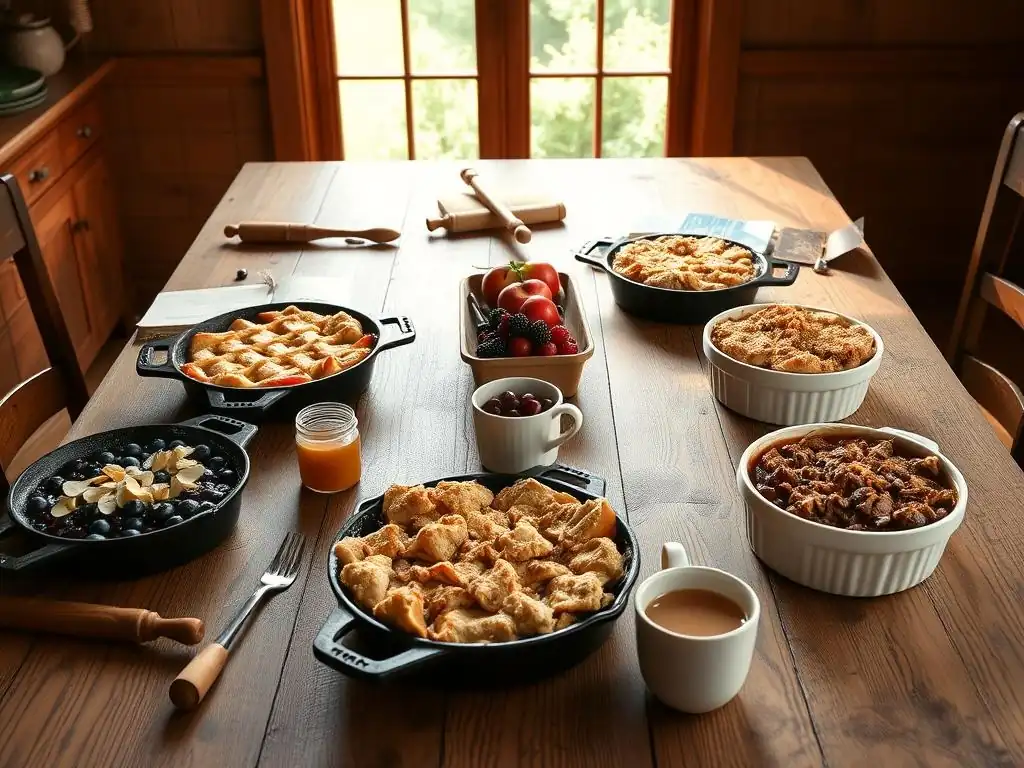
Welcome to BakeWithEase, your home for baking inspiration! Ever wondered how the flavors of the USA translate into delightful desserts? Prepare to embark on a delicious journey as we uncover the secrets of USA regional cobbler recipes. From the juicy peaches of Georgia to the tart apples of New England, each cobbler tells a unique story. Intrigued? Keep reading to discover the diverse and delectable world of American cobblers and crisps, and find your next baking adventure!
- A Culinary Tour of Regional Pies & Tarts in the USA
- Understanding American Regional Pie Variations
- Pie Perfection Across America: A Regional Exploration
- Unique Pie Crusts and Filling Innovations
- Baking the Perfect Regional Pie: Essential Techniques
- The Cultural Significance of American Pies
-
Frequently Asked Questions
- What exactly is a cobbler, and how does it differ from a crisp?
- Why are regional variations of cobblers so interesting to explore?
- What are some popular fruit choices for cobblers across different US regions?
- Are cobbler recipes generally easy to adapt for different dietary needs, like gluten-free or vegan?
- Where can I find reliable recipes for authentic regional cobblers from around the USA?
- Final Reflection: A Crumbly Legacy, A Sweet Future
- Unearth Your Next Favorite Cobbler!
A Culinary Tour of Regional Pies & Tarts in the USA
Understanding American Regional Pie Variations
What Defines a Pie? Crusts, Fillings, and Traditions
At its heart, a pie is a baked dish typically consisting of a filling encased in or topped with pastry dough. The defining characteristic is often the crust, which can range from a delicate, flaky shortcrust made with butter or lard to a more robust, crumbly dough.
Traditional American pies usually feature a bottom crust and a top crust (either solid or lattice), though single-crust pies, like many cream or custard varieties, are also common. Fillings are incredibly diverse, spanning sweet options like fruits, custards, and nuts, to savory ingredients such as meats, vegetables, or cheese.
Historically, pies served a practical purpose as a way to preserve fruit or meat within a protective crust, evolving over centuries into the beloved dessert we know today. Early American pies were often deeper and filled with more substantial ingredients than their European ancestors, reflecting the bounty of the new land and the need for hearty sustenance.
The tradition of pie-making in the USA is deeply intertwined with regional agriculture and cultural heritage. For instance, areas with abundant apple orchards developed strong apple pie traditions, while the South, with its access to pecans and sweet potatoes, became famous for those particular pies. The choice of fat for the crust, the specific spices used, and even the preferred type of filling often reflect local availability and historical culinary practices passed down through generations.
While pies are distinct from other regional fruit desserts like USA regional cobbler recipes, which typically use a biscuit or crumb topping instead of a full pastry crust, they share a common heritage in celebrating local ingredients baked to perfection. Understanding these foundational elements helps appreciate the vast and delicious landscape of American regional pies.
Tarts: A Close Relative in the Baked Dessert Family
While often grouped together in bakeries, pies and tarts have distinct differences primarily in their structure and presentation. Tarts are generally baked in a pan with straight, often fluted, sides and a removable bottom, resulting in a free-standing dessert once removed from the pan. Unlike many traditional pies, tarts typically have only a bottom crust, which is often richer and shorter (less flaky) than pie dough, sometimes pressed into the pan rather than rolled.
The filling in a tart is usually visible and can be anything from fruit arranged in an elegant pattern to smooth ganache or rich pastry cream. This open-faced style allows the filling to be the star, often presented with minimal adornment compared to the covered or lattice-topped pie.
Tarts have a long history in European patisserie and were brought to America, where they adapted to local ingredients and tastes. While perhaps not as iconic in the general American consciousness as the classic double-crust pie, tarts hold a significant place in regional baking, particularly in areas with stronger ties to European culinary roots or in contemporary bakeries. Examples include French-inspired fruit tarts or savory quiches, which are essentially savory tarts.
The precision required for tart shells and the often-delicate nature of tart fillings distinguish them from the more rustic and forgiving nature of some pies. Both pies and tarts, however, showcase the baker's skill and the quality of the ingredients, providing a delightful end to a meal or a comforting treat.
Pie Perfection Across America: A Regional Exploration
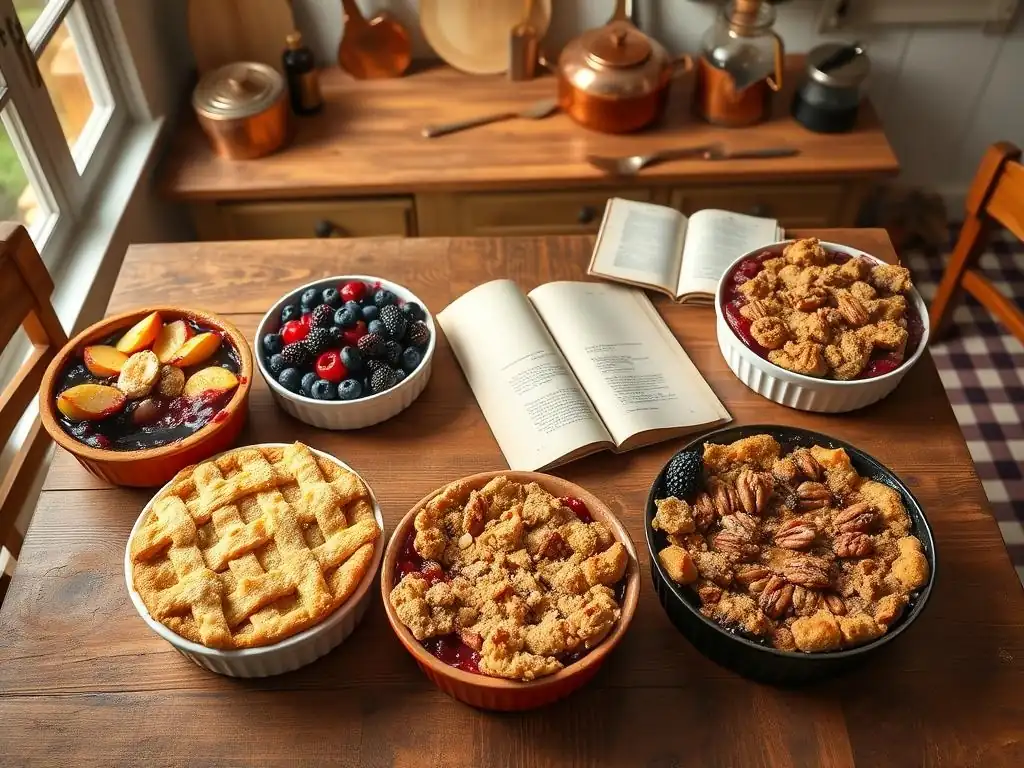
Southern Charm: Pecan Pies of Georgia and Beyond
The American South is a treasure trove of rich, comforting desserts, and pies hold a particularly esteemed position. Pecan pie, with its signature sweet, gooey filling packed with crunchy nuts, is perhaps the most iconic Southern pie. Georgia, often called the "Pecan Capital of the World," is a major producer, accounting for a significant portion of the U.S. pecan crop, historically ranging from 75 to over 100 million pounds annually.
This abundance naturally led to the pecan becoming a staple in Southern baking. Authentic Georgia pecan pie features a filling typically made from pecans, eggs, sugar (often a mix of granulated and brown), corn syrup or molasses, butter, and vanilla, baked in a flaky crust until the filling is set but still slightly soft in the center. Variations exist, with some adding chocolate chips, bourbon, or coconut, but the core remains the celebration of the native pecan nut.
Another cornerstone of Southern pie traditions is Sweet Potato Pie. This spiced, creamy pie is a beloved dessert, particularly associated with African American culinary heritage and a staple at Thanksgiving tables across the region. Made with mashed sweet potatoes, evaporated milk, sugar, eggs, butter, and warm spices like cinnamon, nutmeg, and sometimes ginger or allspice, the filling is smooth and fragrant.
While often compared to pumpkin pie, sweet potato pie typically has a slightly different texture and a naturally sweeter, earthier flavor profile. It represents resourcefulness and culinary artistry, transforming humble sweet potatoes into a dish of celebration and comfort. Like many USA regional cobbler recipes found in the South featuring fruits like peaches or berries, these pies embody the region's knack for turning local agricultural products into deeply satisfying desserts.
New England's Apple Pie Heritage
New England is synonymous with apples and autumn, making apple pie a cornerstone of its culinary identity. The region's climate is ideal for growing a variety of apples, and settlers brought apple trees with them early on. Vermont, known for its picturesque orchards, produces millions of pounds of apples each year, with popular varieties like McIntosh, Honeycrisp, and Cortland frequently finding their way into pies.
A classic New England apple pie often features a mix of apple varieties for balanced flavor and texture, spiced generously with cinnamon, nutmeg, and sometimes a hint of allspice. A unique regional twist, particularly in Vermont and parts of upstate New York, is the practice of serving apple pie with a slice of sharp cheddar cheese, a tradition dating back generations that offers a delightful sweet and savory contrast.
While technically not a pie in the traditional sense, the Boston Cream Pie is a New England institution with a delicious history. Created at Boston's Omni Parker House Hotel in 1856, it's actually a two-layer sponge cake filled with rich pastry cream and topped with a glossy chocolate glaze. It was originally called a "chocolate cream pie" and later became known as Boston Cream Pie.
Despite the misnomer, it holds a cherished place in the region's dessert repertoire and was even named the official state dessert of Massachusetts in 1996. This highlights how regional dessert names and categories can sometimes blur, much like how the term "cobbler" or "crisp" might vary slightly in definition across different USA regional cobbler recipes.
Midwest Pie Traditions: Cherry and Cream Delights
The American Midwest, often called the nation's breadbasket, is also home to rich pie traditions, particularly those featuring fruits and simple, comforting fillings. Michigan stands out as the leading producer of tart cherries in the United States, accounting for approximately 70-75% of the nation's supply in an average year, often exceeding 200 million pounds. This makes Michigan Cherry Pie a quintessential summer dessert throughout the state and beyond.
Made with bright red Montmorency cherries, sugar, and a thickener, often almond extract is added to enhance the cherry flavor. The annual National Cherry Festival in Traverse City, Michigan, celebrates this beloved fruit and its iconic pie, drawing hundreds of thousands of visitors.
Further south in the Midwest, Indiana is famous for its Hoosier Sugar Cream Pie. This incredibly simple yet utterly satisfying pie is a true testament to minimal ingredients yielding maximum comfort. Traditionally made with just cream, sugar, flour or cornstarch, butter, and vanilla, and baked in a single crust, it contains no eggs (though some modern recipes add them).
Its origins are often traced back to the Amish and Shaker communities in Indiana, who relied on pantry staples. The filling bakes into a smooth, thick custard with a crackly top. Its unassuming nature and reliance on basic dairy ingredients make it a unique and cherished part of Midwest culinary heritage, standing apart from more complex fruit pies or even the fruit bases found in many USA regional cobbler recipes.
Pacific Northwest Berry Pies: Fresh and Fruity Flavors
The Pacific Northwest, with its lush climate and fertile land, is a haven for berry cultivation, and its pies reflect this bounty. Oregon is particularly famous for the marionberry, a complex, slightly tart blackberry hybrid developed at Oregon State University in the 1940s. Marionberry Pie is a regional delicacy, celebrated for its deep, intense flavor that's less sweet than typical blackberry varieties.
Often combined with a touch of lemon juice to brighten the flavor and a generous amount of sugar to balance the tartness, it's baked in a flaky crust, showcasing the vibrant purple filling. Oregon is a major producer of various berries, including marionberries, raspberries, and blueberries, making berry pies a staple throughout the state.
Neighboring Washington State is the largest producer of apples in the United States, often exceeding 2.5 million tons annually, and also contributes significantly to the nation's raspberry and blueberry crops. This agricultural wealth lends itself to creative fruit combinations in pies. While apple pie is popular, a Washington Apple Raspberry Pie offers a delightful fusion of sweet-tart flavors.
The firmness of apples holds up well during baking, while the raspberries add bursts of color and intense berry notes. This combination highlights the best of the region's produce, creating a pie that is both familiar and uniquely Pacific Northwest. These vibrant fruit pies share a common thread with many USA regional cobbler recipes from the area, which also feature fresh, locally sourced berries and fruits.
Unique Pie Crusts and Filling Innovations
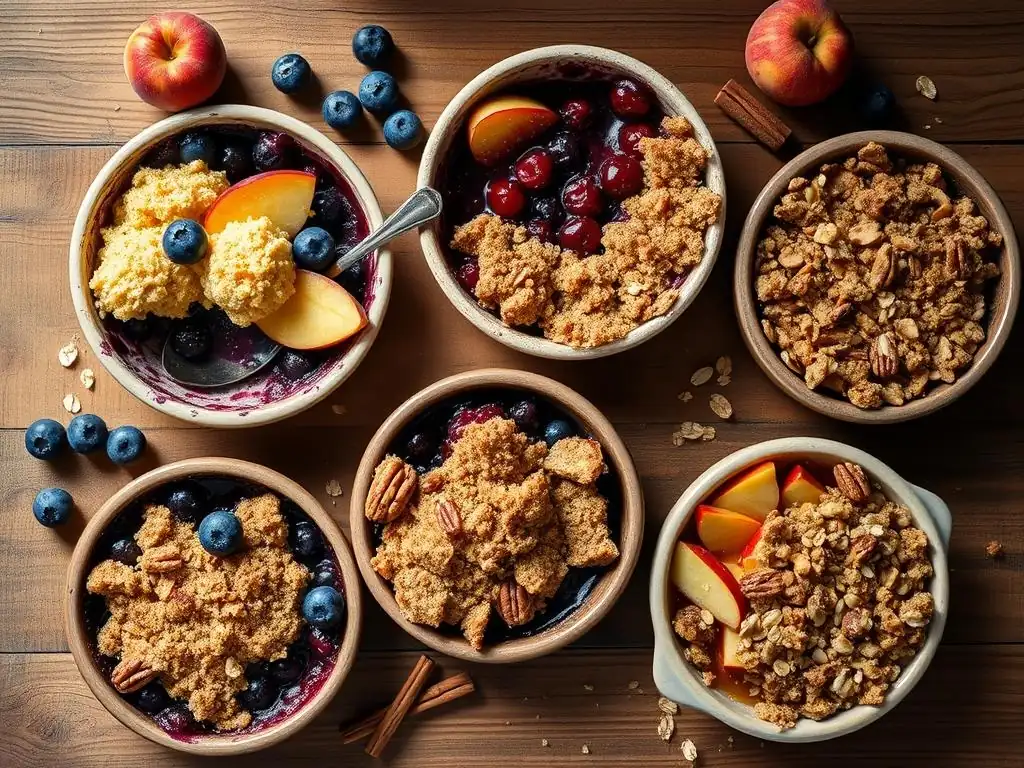
Lattice Crusts vs. Crumb Crusts: Visual Appeal and Texture
The choice of pie crust topping significantly impacts both the visual appeal and the texture of a pie. The classic double-crust pie often features a solid top crust or, more decoratively, a lattice crust. A lattice crust, made by cutting dough into strips and weaving them over the filling, serves multiple purposes.
Aesthetically, it's beautiful, allowing glimpses of the vibrant filling beneath. Functionally, the gaps in the lattice allow steam to escape during baking, preventing the crust from becoming soggy and ensuring the filling thickens properly. Achieving a perfect lattice requires careful rolling and handling of the dough, often seen as a mark of a skilled baker.
In contrast, crumb crusts offer a simpler, often faster alternative, particularly popular for pies with no-bake or chilled fillings like cream pies or cheesecakes. These crusts are typically made from crushed cookies (like graham crackers or Oreos), mixed with melted butter and sometimes sugar, then pressed into the pie plate and baked briefly or chilled to set. Crumb crusts provide a different texture – crunchy and often sweeter than traditional pastry.
They are also less prone to the "soggy bottom" issue sometimes faced with traditional bottom crusts and raw fruit fillings. While traditional pastry crusts are standard for many classic USA regional cobbler recipes, crumb toppings or biscuit-like crusts are the defining feature of cobblers and crisps, showcasing that diverse crust types are central to regional baked goods.
Incorporating Local Ingredients: Regional Twists on Classic Pies
One of the most fascinating aspects of American regional pies is how local ingredients create unique variations on common themes. While apple pie is found nationwide, the specific apple varieties used differ by region, impacting flavor and texture. Similarly, the sweetener might change; maple syrup is sometimes used in New England pies, while sorghum syrup appears in parts of the South.
Nuts like pecans in Georgia or walnuts in California find their way into fillings or crusts. Even savory ingredients play a role; oysters were historically used in pies in the Chesapeake Bay area, and various local cheeses can be incorporated into savory tarts or quiches.
This regional adaptation isn't limited to main ingredients. The fat used in the crust can also vary – lard was traditionally more common in some areas, while butter is favored in others, influencing flakiness and flavor. Spices might reflect historical trade routes or local cultivation; for instance, a stronger emphasis on certain spices might be found in areas with historical connections to spice trading ports.
These subtle shifts, driven by what's locally available and culturally preferred, ensure that even a seemingly simple dish like pie offers a taste of place. This principle is also evident in USA regional cobbler recipes, where the choice of fruit or the specific topping ingredients often reflect the agricultural bounty of that particular state or locality.
Spices and Extracts: Enhancing Pie Flavor Profiles
Spices and extracts are the unsung heroes of many pie fillings, transforming simple fruit or cream bases into complex and aromatic desserts. Warm spices like cinnamon, nutmeg, cloves, and allspice are classic pairings for fruit pies, particularly apple, pumpkin, and berry fillings. Cinnamon is almost ubiquitous in apple pie, providing warmth and depth, while nutmeg is essential for the signature flavor of pumpkin or sweet potato pie.
The blend and proportion of these spices can subtly vary by regional or family recipes, creating distinct flavor profiles even for the same type of pie. For example, a New England apple pie might feature a different spice blend than a Southern one.
Extracts, such as vanilla, almond, lemon, or bourbon, add concentrated bursts of flavor that complement or enhance the main ingredients. Vanilla extract is a standard addition to most sweet pie fillings, rounding out flavors and adding a comforting aroma. Almond extract pairs beautifully with cherry pies, intensifying the fruit's natural notes.
A splash of bourbon is a classic addition to pecan pie in many Southern recipes, adding a layer of boozy warmth. These flavor enhancers are crucial for balancing sweetness and acidity, adding complexity, and creating the memorable tastes associated with beloved regional pies. Understanding how different spices and extracts interact is key to perfecting any pie, just as it is for mastering the flavors in USA regional cobbler recipes that feature spiced fruit fillings.
Baking the Perfect Regional Pie: Essential Techniques
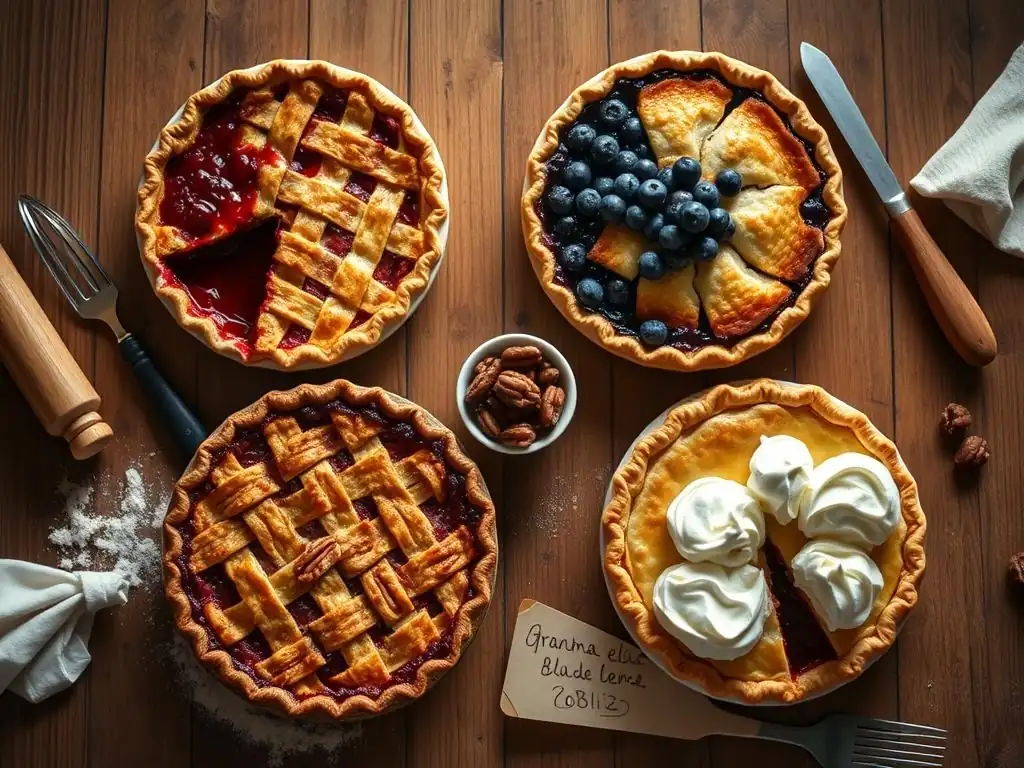
Mastering Pie Crust: From Dough to Delectable
A truly great pie starts with a perfect crust, and mastering pie dough is a foundational skill for any baker. The key to a flaky crust lies in keeping the ingredients, especially the fat (butter, lard, or shortening), very cold. As the cold fat melts in the oven, it creates steam, which separates the layers of dough, resulting in flakiness.
The ratio of fat to flour, typically around 1:2 by weight, is crucial. Mixing should be minimal; overworking the dough develops gluten, leading to a tough crust. The fat should be cut into the flour until it resembles coarse crumbs with some pea-sized pieces remaining.
Adding just enough ice water to bring the dough together, without making it sticky, is another critical step. After mixing, the dough must be chilled for at least 30 minutes (preferably longer) before rolling. Chilling relaxes the gluten and firms up the fat, making the dough easier to handle and ensuring a flaky result.
Rolling the dough evenly and handling it gently prevents toughness. For pies with wet fillings, blind baking (partially baking the bottom crust before adding the filling) can help prevent a soggy bottom, especially when using a traditional pastry crust, a technique less common but sometimes adapted for the base of certain USA regional cobbler recipes.
Achieving the Ideal Filling Consistency
The texture of the pie filling is just as important as the flavor. Fruit fillings require a thickener to prevent them from being too runny. Common thickeners include flour, cornstarch, tapioca, and pectin. The amount needed depends on the juiciness of the fruit; a cup of sliced apples might need 1-2 tablespoons of flour or cornstarch, while very juicy berries might need more or a stronger thickener like tapioca. Some bakers cook the fruit slightly on the stovetop before filling the pie to reduce excess liquid, while others prefer to bake the fruit raw within the crust.
Custard and cream fillings present a different challenge: baking them until they are set but not curdled. This often involves tempering eggs (gradually whisking hot liquid into the eggs before adding them to the rest of the filling) to prevent scrambling. Baking temperatures and times are crucial; overbaking can lead to a rubbery or cracked surface, while underbaking results in a runny filling.
Knowing when a custard pie is done usually involves a gentle jiggle test – the center should be slightly wobbly but the edges set. Similar considerations for fruit juiciness and thickening agents apply when creating the fruit layer for USA regional cobbler recipes, ensuring the topping doesn't sink into an overly liquid base.
Baking Temperatures and Times: Preventing Soggy Bottoms
Preventing a soggy bottom crust is one of the most common challenges in pie baking, particularly with fruit pies. The temperature of the oven and the duration of baking play key roles. Many recipes recommend starting the pie at a higher temperature (like 400-425°F or 200-220°C) for the first 15-20 minutes.
This initial burst of heat helps set the bottom crust quickly before the fruit filling releases too much juice. After the initial high-temperature bake, the oven temperature is typically reduced (to 350-375°F or 175-190°C) to allow the filling to cook through and the top crust to brown evenly without burning.
Placing the pie on a preheated baking sheet in the oven can also help conduct heat quickly to the bottom crust. Shielding the edges of the pie crust with foil or silicone protectors prevents them from burning before the rest of the pie is done. Baking time varies significantly depending on the size of the pie, the type of filling, and the oven, but a typical fruit pie might take 45-75 minutes. The pie is usually ready when the crust is golden brown and the filling is bubbling, indicating it has thickened. Allowing the pie to cool completely (often for several hours for fruit pies) is essential, as the filling continues to set as it cools. These temperature strategies are less critical for most USA regional cobbler recipes, where the focus is on baking the fruit and crisp/biscuit topping until golden, but ensuring the fruit is fully cooked remains important.
The Cultural Significance of American Pies
Pie as a Symbol of Home and Comfort
In American culture, pie is often more than just a dessert; it's a powerful symbol of home, comfort, and nostalgia. The aroma of a pie baking can evoke potent memories of childhood, holidays, and family gatherings. It represents warmth, generosity, and hospitality. Serving a homemade pie is often seen as an act of love and care, a tangible expression of welcome. This emotional connection is deeply rooted in the idea of pie as a staple of traditional American households, a dessert enjoyed at kitchen tables across the country.
Pie features prominently in iconic American imagery, from Norman Rockwell paintings to classic advertisements. The phrase "as American as apple pie" speaks volumes about its perceived place in the national identity, representing wholesomeness, tradition, and simplicity, even though apple pie itself has European origins.
Whether it's a slice of warm apple pie à la mode, a comforting piece of sweet potato pie after a holiday meal, or a simple berry pie enjoyed on a summer porch, pie connects us to our past and to each other. This sense of comfort and tradition is also strongly associated with other home-style baked goods like USA regional cobbler recipes, which similarly evoke feelings of warmth and simpler times.
Pie in American Literature and Folklore
Pie has made numerous appearances in American literature, folklore, and popular culture, solidifying its place in the national narrative. It often serves as a plot device, a character's favorite food highlighting their personality, or a backdrop setting the scene of a traditional American home. From descriptions of Aunt Sally's pies in Mark Twain's Adventures of Huckleberry Finn to the central role of pie in movies like Waitress, the dessert is woven into the fabric of storytelling.
Folklore and common sayings also feature pie. The phrase "humble pie" refers to admitting one's mistakes, though its origin relates to a medieval meat pie made from animal innards ("umbles"). More positively, contests and festivals celebrating regional pies are common, becoming part of local lore and tradition.
These cultural references underscore how deeply ingrained pie is in the American psyche, representing not just food, but shared experiences and cultural touchstones. Like the stories told around a campfire or at family reunions, the tales of regional pies and even discussions about the best USA regional cobbler recipes contribute to the rich tapestry of American culinary folklore.
Modern Pie Trends: Vegan, Gluten-Free, and Creative Fillings
While traditional pies remain beloved, modern bakers are innovating, adapting classics, and creating entirely new concepts. Dietary restrictions and preferences have led to a rise in vegan and gluten-free pie options. Vegan pies utilize plant-based fats for crusts and alternative thickeners and dairy substitutes for fillings, allowing those who avoid animal products to enjoy classic flavors. Gluten-free crusts are made with alternative flours like almond, rice, or oat flour, sometimes combined with binders like xanthan gum, offering delicious options for those with gluten sensitivities or celiac disease.
Beyond dietary adaptations, creative fillings are pushing the boundaries of what constitutes a pie. Savory pies, like gourmet chicken pot pies, steak and mushroom pies, or even breakfast pies with eggs and cheese, are gaining popularity.
Sweet fillings are also becoming more adventurous, incorporating ingredients like exotic fruits, international flavor profiles (e.g., matcha cream pie, spiced chai custard), or unique combinations like bourbon caramel apple or lavender honey custard. These modern trends show that while the classic forms endure, the American pie is a dynamic and evolving dessert, constantly reinventing itself while holding onto its core appeal – a delicious filling encased in or topped with a delightful crust, a characteristic also shared with the diverse landscape of USA regional cobbler recipes.
Frequently Asked Questions
What exactly is a cobbler, and how does it differ from a crisp?
A cobbler typically features a thick, biscuit-like topping dropped over the fruit, while a crisp has a streusel topping made from oats, flour, butter, and sugar. Both are delicious baked fruit desserts!
Why are regional variations of cobblers so interesting to explore?
Regional variations showcase local ingredients and unique baking traditions, reflecting the distinct culinary heritage of different areas in the USA. You'll find surprising variations in both fruit and topping ingredients.
What are some popular fruit choices for cobblers across different US regions?
Common fruits include peaches (especially in the South), apples (popular in the Northeast), and berries (often found in the Pacific Northwest). However, regional specialties can include cranberries, rhubarb, or even figs.
Are cobbler recipes generally easy to adapt for different dietary needs, like gluten-free or vegan?
Yes! Cobblers are quite versatile. Gluten-free flours can easily replace wheat flour in the topping, and vegan butter substitutes work well. Adjusting the recipe is usually straightforward.
Where can I find reliable recipes for authentic regional cobblers from around the USA?
Websites like BakeWithEase.com offer a curated collection of recipes, emphasizing easy-to-follow instructions and authentic regional flavors. Look for recipes that highlight specific locations or ingredients.
Final Reflection: A Crumbly Legacy, A Sweet Future
The enduring appeal of cobblers and crisps across the USA isn't just about the deliciousness; it's a testament to the power of shared culinary heritage and regional pride. These humble desserts, born from simple ingredients and resourceful kitchens, continue to connect us to our past and offer a comforting taste of home, no matter where we are. Their variations, from the juicy peach cobbler of Georgia to the tart apple crisp of New England, paint a vibrant picture of American diversity and ingenuity.
The journey through these regional recipes has been a deeply personal one, reminding me of family gatherings centered around warm, comforting desserts and the stories they evoke. Food is symbolic of love when words are inadequate.
- Alan D. Wolfelt. This quote perfectly encapsulates the emotional resonance of these recipes, transcending mere culinary enjoyment to become vessels of memory and connection. The subtle differences in each recipe, the unique blend of spices and fruits, reflect the unique character of each region, a delicious tapestry woven from generations of culinary traditions.
Now, it's your turn. I encourage you to explore the recipes highlighted in this article, to experiment with variations, and most importantly, to share these sweet treats with loved ones. Don't just bake a cobbler or crisp; bake a memory, a connection, a piece of your own culinary heritage. Let the simple act of baking become a celebration of the rich and diverse culinary landscape of the USA, one delicious crumb at a time.
Unearth Your Next Favorite Cobbler!
Thanks for joining us on this delicious journey through America's best regional cobblers and crisps! We hope you've found some inspiration for your next baking adventure. Ready to get your hands a little messy?
- Bake your way across the country! Choose one of the recipes highlighted in the article and give it a try. Let your taste buds be your guide!
- Share your baking triumphs (and mishaps!) Tag us on social media with your creations – we'd love to see what you bake!
- Explore regional variations: Research other local cobbler recipes from your state or region – you might discover a hidden gem!
What unique twist will you add to your next cobbler creation?