
From Scones to Sticky Toffee: A British Baking Journey

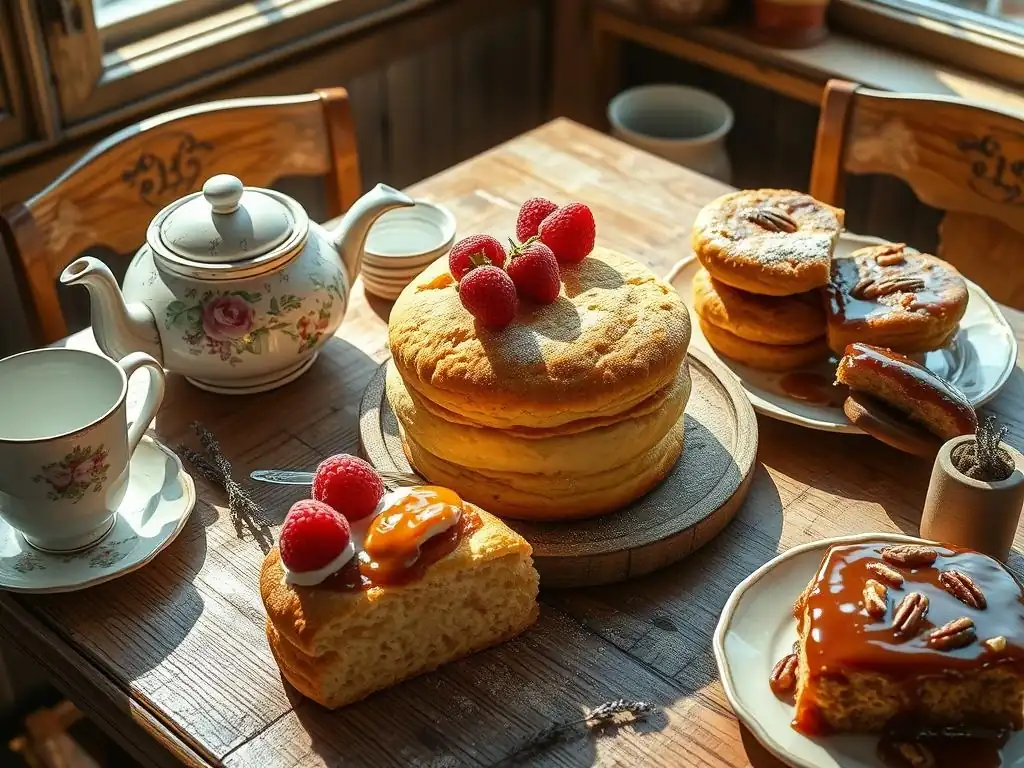
Welcome to BakeWithEase!
Ever wondered how to achieve perfectly light and fluffy scones, just like they make them across the pond? You're in the right place! This week, we're diving deep into the heart of British baking, starting with a classic: the iconic scone. Discover our expert scone recipe tips and unlock the secrets to creating authentic British treats. But that's not all – stick around as we explore the rich tapestry of regional baking, from crumbles to sticky toffee pudding, and bring a taste of Britain to your kitchen. Let's get baking!
- From Scones to Bakewell Tart: A British Baking Journey with BakeWithEase
- Explore the Delights of British Baking: A BakeWithEase Guide
- Mastering the Classic British Scone: Recipe and Baking Tips
- Beyond Scones: Discovering Other British Baking Favorites
- Traditional British Cakes: A Slice of History
- British Biscuits and Cookies: Sweet Treats from Across the Pond
- British Baking for Beginners: Essential Techniques and Tools
- Troubleshooting Your British Baking Adventures
- Further Exploration: Expanding Your British Baking Repertoire
-
Frequently Asked Questions
- What exactly are British scones, and how do they differ from American scones?
- What are some common mistakes to avoid when making British scones?
- Can you provide some tips for achieving a perfect rise in my British scones?
- Besides clotted cream and jam, what are some other popular toppings or accompaniments for British scones?
- Where can I find easy-to-follow British baking recipes, especially for scones?
- Final Reflection: The Enduring Allure of British Baking
- Unleash Your Inner Baker: Craft Your British Baking Adventure!
From Scones to Bakewell Tart: A British Baking Journey with BakeWithEase
Explore the Delights of British Baking: A BakeWithEase Guide
British baking offers a comforting embrace of tradition, simple ingredients, and delightful flavors. From the cornerstone of afternoon tea – the humble scone – to rich fruitcakes and crumbly biscuits, the repertoire is vast and inviting. This journey through British baking favorites is designed for bakers of all levels, providing insights, tips, and recipes to bring a taste of the UK into your kitchen. At BakeWithEase, we believe that mastering these classics is not only achievable but also incredibly rewarding, offering a connection to centuries of culinary history.
Dive into the world of British baking and discover why these recipes have stood the test of time. We'll cover everything from the perfect rise on a scone to the ideal balance of jam and frangipane in a Bakewell tart, ensuring you have the knowledge and confidence to tackle these delicious challenges. Our aim is to demystify the process, making traditional British baking accessible and enjoyable, whether you're seeking a reliable British baking scones recipe or tips for creating other beloved treats.
Mastering the Classic British Scone: Recipe and Baking Tips
The scone is arguably the most iconic element of a traditional British afternoon tea. Simple in its components, yet nuanced in its execution, a truly perfect scone is light, fluffy, and rises beautifully. Achieving this requires attention to detail, from ingredient selection to mixing technique and baking temperature. Let BakeWithEase guide you through creating scones that would make any British baker proud, sharing our best British baking scones recipe tips along the way.
Understanding the science behind the scone's rise and texture is key. The combination of flour, fat, liquid, and a leavening agent like baking powder creates the structure and airy crumb. Overworking the dough is the most common pitfall, leading to tough scones. We'll provide a foolproof method designed to minimize handling and maximize tenderness, ensuring your British baking scones recipe results in delightful treats every time.
Essential Ingredients for the Perfect British Scone
Creating the quintessential British scone starts with selecting the right ingredients and understanding their roles. Typically, a standard recipe for about 8-10 scones calls for around 225g self-raising flour, 50g cold butter (cubed), about 150ml milk, and a tablespoon or two of sugar for a touch of sweetness.
The self-raising flour is crucial as it contains the baking powder needed for the rise, though plain flour with added baking powder can also be used (usually 1 tsp per 100g flour). Using cold butter is vital; rubbing it into the flour creates small pockets of fat that melt during baking, forming steam and contributing to a light, flaky texture.
The liquid, usually milk, binds the dough together. The exact amount can vary slightly depending on the flour and humidity, so it's often added gradually until a soft, slightly sticky dough forms. Some recipes also include an egg for richness and better binding, or buttermilk for a tangier flavor and a softer crumb due to its acidity reacting with the baking powder. A pinch of salt balances the sweetness. For a classic plain scone, these simple components are all you need, proving that sometimes, the most delicious results come from the fewest ingredients when handled correctly.
Step-by-Step Scone Recipe: BakeWithEase's Foolproof Method
Ready to bake? Follow this simple British baking scones recipe from BakeWithEase for consistent success. Start by preheating your oven to a hot temperature, typically around 220°C (200°C fan/Gas Mark 7). Lightly grease or line a baking tray. In a large bowl, sift together 225g self-raising flour and a pinch of salt. Add 50g cold butter, cubed, and rub it into the flour using your fingertips until the mixture resembles fine breadcrumbs. This step should be done quickly to keep the butter cold. Stir in 1-2 tablespoons of sugar if using.
Next, make a well in the center. Pour in about 150ml milk (or buttermilk) gradually, using a round-bladed knife to mix it into the flour until a soft, slightly sticky dough forms. Avoid overmixing. Turn the dough out onto a lightly floured surface. Gently bring the dough together – do not knead it. Pat or lightly roll the dough to about 2-2.5cm (around 1 inch) thickness.
Use a floured cookie cutter (about 5-6cm diameter) to cut out the scones, pressing straight down without twisting to ensure an even rise. Re-form the scraps gently and cut more scones. Place them on the prepared baking tray. Brush the tops with a little milk or beaten egg for a golden finish, being careful not to let the wash drip down the sides, which can impede the rise. Bake for 10-15 minutes until well-risen and golden brown.
Pro Baking Tips for Light and Fluffy Scones
Achieving that coveted light and fluffy texture in your British baking scones requires more than just a recipe; it needs technique. One key tip is to handle the dough as little as possible. Overworking the gluten in the flour will result in tough scones. Think of it as bringing the ingredients together just enough to form a cohesive dough, rather than kneading it like bread.
This gentle handling is paramount for a tender crumb. Another critical factor is the temperature: ensure your butter is cold and your oven is hot. The cold butter creates steam pockets, and the high heat helps the scones rise quickly before they set, contributing to a taller, lighter structure.
When cutting the scones, press the cutter straight down without twisting. Twisting can seal the edges, hindering the upward rise. Also, when placing them on the baking sheet, position them relatively close together, about 1-2 cm apart. This encourages them to rise upwards rather than spreading outwards as they support each other. Finally, resist the urge to open the oven door too early during baking; a sudden drop in temperature can cause the scones to collapse. By following these British baking scones recipe tips, you'll be well on your way to baking perfect scones every time.
Variations on a Theme: Scone Flavor Inspirations
While the classic plain scone is a staple, British baking offers a delightful array of variations. Fruit scones are perhaps the most popular alternative, with sultanas or currants being traditional additions. Simply mix about 50-75g of dried fruit into the dry ingredients before adding the milk. For a burst of citrus, add the zest of one lemon or orange along with the fruit. Cheese scones are another savory delight, often incorporating grated mature cheddar and a pinch of cayenne pepper or mustard powder for warmth. These are typically served with butter rather than jam and cream.
Beyond these common variations, you can get creative. Add dried cranberries and orange zest, chopped dates and walnuts, or even chocolate chips for a sweeter treat. For savory options, consider adding chives and cheese, or experimenting with different cheeses like stilton or smoked cheddar. The basic British baking scones recipe is incredibly versatile, serving as a perfect canvas for countless flavor combinations. Just remember to keep the dough handling minimal regardless of the additions.
Beyond Scones: Discovering Other British Baking Favorites
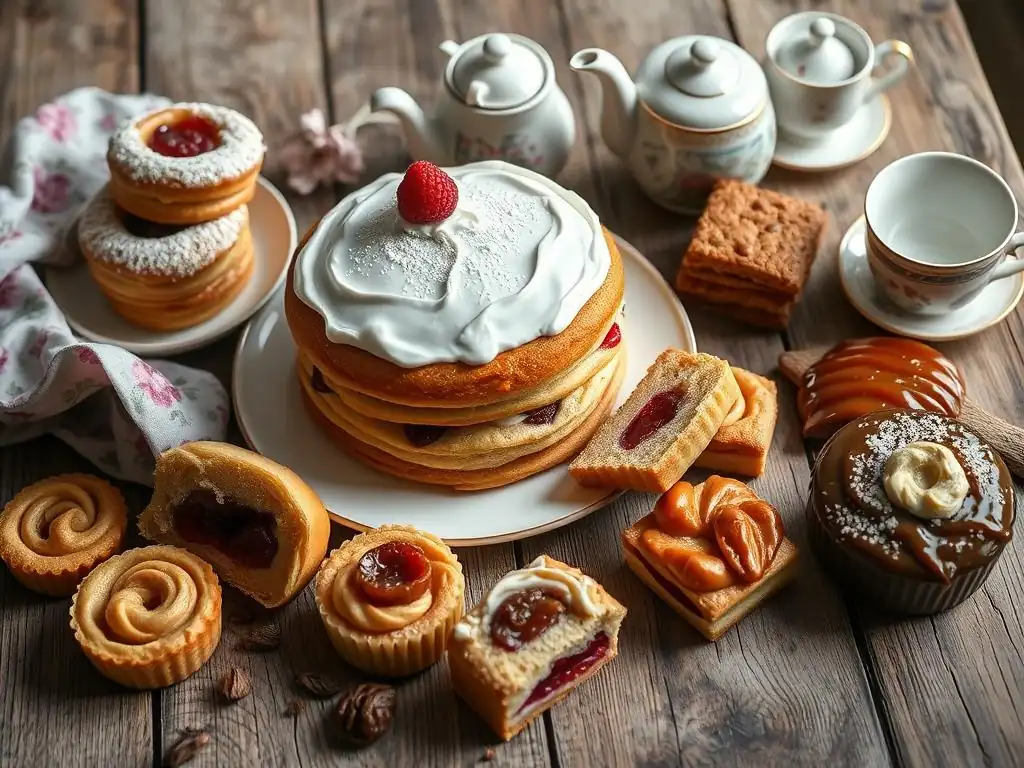
While scones hold a special place, the landscape of British baking extends far beyond. It encompasses a rich tapestry of cakes, tarts, biscuits, and puddings, each with its own history and charm. Exploring these other favorites offers a deeper dive into the comforting, often rustic, style that defines British sweets. From the layered elegance of a Victoria Sponge to the sticky sweetness of a Toffee Pudding, there's a British bake to suit every taste and occasion.
Many of these traditional recipes share common threads: simple ingredients, straightforward techniques, and a focus on flavor and comfort. They are often tied to seasons, holidays, or specific regions, reflecting the diverse culinary heritage of the British Isles. Let's explore some of these beloved classics and see what makes them enduring favorites in the world of British baking.
The Allure of Bakewell Tart: A British Dessert Icon
The Bakewell Tart, originating from the Derbyshire town of Bakewell, is a true icon of British baking. Its appeal lies in the delightful combination of textures and flavors: a crisp shortcrust pastry base, a layer of sweet jam (traditionally raspberry or strawberry), and a moist, almond-rich frangipane filling, often topped with flaked almonds or a drizzle of icing. It's a dessert that feels both elegant and comforting, making it a favorite for afternoon tea, picnics, or a simple weeknight treat.
While the original "Bakewell Pudding" is a different, richer dessert, the Bakewell Tart as we know it today has become the more widely recognized version. Its enduring popularity speaks to the satisfying contrast between the buttery pastry, the fruity jam, and the nutty, slightly chewy frangipane. It's a testament to how simple components, when combined thoughtfully, can create a truly memorable dessert.
Baking Bakewell Tart at Home: A Simplified Recipe
Baking a Bakewell Tart at home is a rewarding experience, and simpler than you might think. You'll need to start with a good shortcrust pastry. A basic recipe involves rubbing 175g plain flour with 85g cold butter until it resembles breadcrumbs, then adding a little cold water (about 2-3 tbsp) to form a dough.
Chill the dough for at least 30 minutes before rolling it out to line a 20-23cm tart tin. Prick the base with a fork and blind bake it for about 15-20 minutes at 180°C (160°C fan/Gas Mark 4) until lightly golden. This pre-baking step prevents a soggy bottom.
While the pastry cools slightly, prepare the frangipane filling. Cream together 125g softened butter and 125g caster sugar until pale and fluffy. Beat in 2 large eggs one at a time, then stir in 125g ground almonds and a few drops of almond extract. Spread a layer of jam (about 3-4 tablespoons) over the base of the blind-baked pastry case. Spoon the frangipane filling over the jam and spread it evenly. Sprinkle with flaked almonds (about 25-50g). Bake for another 30-40 minutes, or until the frangipane is golden brown and set in the center. Let it cool before slicing.
Understanding Bakewell Tart Flavors: Almond and Jam
The signature flavors of a Bakewell Tart are undeniably almond and jam. The frangipane filling, made primarily from ground almonds, butter, sugar, and eggs, provides a rich, moist, and slightly nutty core. The almond extract often added enhances this flavor, giving it that distinctive sweet almond note. The texture is dense yet tender, a delightful contrast to the crisp pastry.
The layer of jam is equally crucial. Traditionally, raspberry or strawberry jam is used, providing a sweet and slightly tart counterpoint to the richness of the frangipane. The warmth of the oven melds the jam and frangipane together, creating a harmonious blend of fruit and nut. Some variations might use cherry or apricot jam, but the classic pairing of almond and berry jam remains the most popular and iconic.
Serving Suggestions: Elevating Your Bakewell Tart Experience
A slice of Bakewell Tart is delicious on its own, but a few simple additions can elevate the experience. For a classic British dessert presentation, serve it warm or at room temperature with a dollop of clotted cream or a scoop of vanilla ice cream. The richness of the cream or ice cream complements the tart's flavors beautifully.
Another popular pairing is custard, either hot or cold. Pouring warm custard over a slice of Bakewell Tart on a chilly evening is incredibly comforting. For a lighter option, a dusting of icing sugar or a drizzle of simple glacé icing (made from icing sugar and a little water or lemon juice) adds a touch of sweetness and visual appeal. A few fresh raspberries or strawberries on the side can also brighten the plate and echo the jam filling.
Traditional British Cakes: A Slice of History
British cakes are steeped in history and tradition, often linked to celebrations, tea time, and family gatherings. They range from simple sponge cakes to rich fruitcakes designed to last for weeks. These cakes represent a comforting constant in British culinary life, passed down through generations and enjoyed in homes across the country. They are perfect examples of British baking at its finest.
Many traditional British cakes rely on the 'creaming method' (beating butter and sugar together until light and fluffy) or the 'all-in-one method' for ease. Ingredients are typically simple – flour, sugar, butter, eggs, milk – but the results are often spectacular. Let's explore two beloved examples: the elegant Victoria Sponge and the zesty Lemon Drizzle.
Victoria Sponge Cake: A Royal Baking Tradition
The Victoria Sponge, named after Queen Victoria, is perhaps the most quintessential British cake. It's a simple yet elegant creation consisting of two light sponge cakes sandwiched together with strawberry jam and whipped cream (or buttercream). Its popularity soared during Queen Victoria's reign, becoming a staple of afternoon tea. The key to a perfect Victoria Sponge lies in the lightness and tenderness of the sponge itself.
A classic recipe often follows the 'same weight' principle, using equal weights of butter, sugar, flour, and eggs. For instance, 200g of each ingredient might make two 20cm sponges. Baking powder is added for lift, and a splash of milk ensures a tender crumb. The filling is traditionally just jam and cream, keeping the focus squarely on the quality of the sponge.
Baking a Perfect Victoria Sponge: BakeWithEase's Secrets
Baking a perfect Victoria Sponge is achievable with a few key techniques from BakeWithEase. Use room temperature ingredients; this helps the butter and sugar cream together effectively and ensures the batter emulsifies properly. Cream the softened butter and caster sugar until very pale and fluffy – this incorporates air, which is crucial for a light sponge. Beat the eggs in one at a time, adding a tablespoon of the flour with each egg to prevent curdling.
Sift the self-raising flour gently into the wet mixture and fold it in carefully using a large metal spoon or spatula. Avoid vigorous mixing, which can develop gluten and make the cake tough. Add a splash of milk if the batter seems too stiff. Divide the batter equally between two greased and floured 20cm cake tins.
Bake in a preheated oven at around 180°C (160°C fan/Gas Mark 4) for 20-25 minutes, or until golden and a skewer inserted into the center comes out clean. Allow the cakes to cool in the tins for a few minutes before turning them out onto a wire rack to cool completely. Once cool, sandwich them with good quality strawberry jam and freshly whipped double cream.
Lemon Drizzle Cake: A Zesty British Classic
The Lemon Drizzle Cake is a beloved British classic, celebrated for its moist texture and intensely zesty, sugary topping. It's a simple loaf cake, often made using the easy 'all-in-one' method, where all the ingredients are simply mixed together. What elevates it is the hot lemon syrup poured over the cake as soon as it comes out of the oven, creating a sweet, tangy, and slightly crunchy crust as it soaks in and sets.
This cake is a perfect example of how simple flavors can create something truly delicious and comforting. It's ideal for afternoon tea, a bake sale, or simply enjoyed with a cup of tea. The balance between the moist crumb and the sharp, sweet drizzle is key to its enduring popularity in British baking.
Lemon Drizzle Cake Recipe: A Step-by-Step Guide
Creating a delicious Lemon Drizzle Cake is wonderfully straightforward. You'll need a loaf tin, typically around 2lb (approx. 900g) capacity, greased and lined. For the cake batter, combine 225g softened butter, 225g caster sugar, 4 large eggs, 225g self-raising flour, and the zest of 2 unwaxed lemons in a large bowl. Beat everything together using an electric mixer or by hand until smooth and creamy. If the mixture is very stiff, add a tablespoon or two of milk.
Pour the batter into the prepared loaf tin and level the surface. Bake in a preheated oven at 180°C (160°C fan/Gas Mark 4) for about 45-55 minutes, or until golden brown and a skewer inserted into the center comes out clean. While the cake is baking, prepare the drizzle: mix the juice of the 2 lemons with 100g caster sugar in a small bowl. As soon as the cake comes out of the oven, while it's still hot in the tin, prick it all over with a skewer or fork.
Slowly pour the lemon drizzle evenly over the cake, allowing it to soak in. Let the cake cool completely in the tin before turning it out. The drizzle will create a lovely, slightly crunchy top.
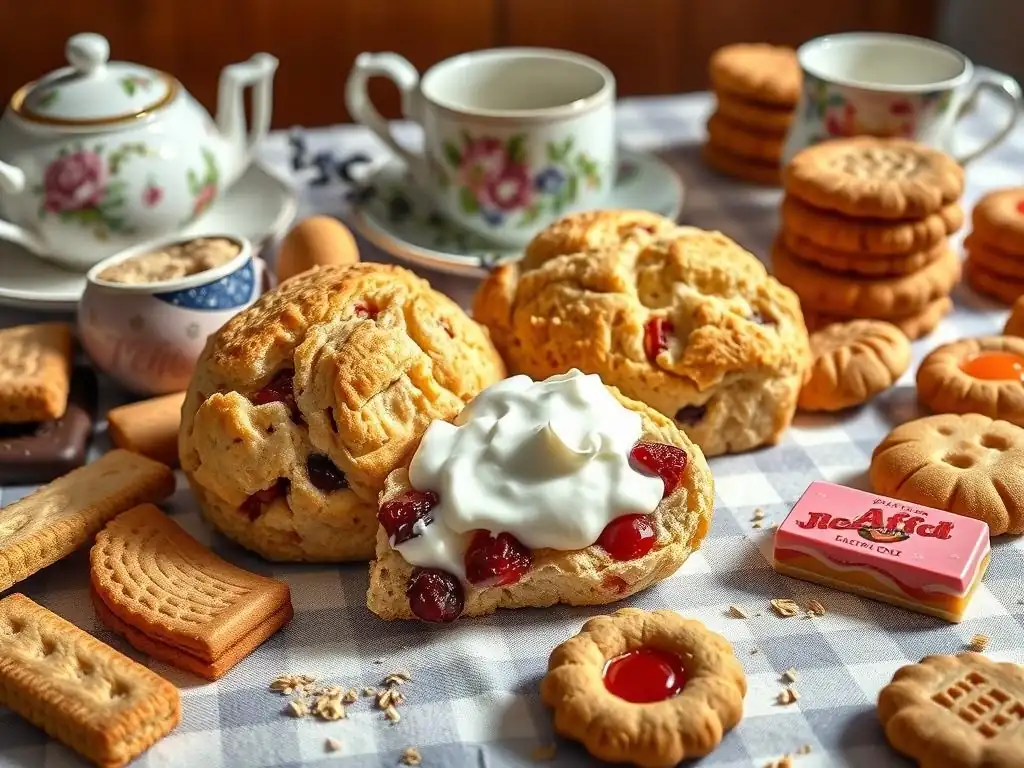
In the UK, what Americans call "cookies" are often referred to as "biscuits." These sweet treats are a staple of tea time and lunchboxes, ranging from simple shortbread to filled and decorated varieties. British biscuits often have a firmer, crispier texture than their American cookie counterparts. They are designed for dunking in tea – a national pastime!
Exploring British biscuits reveals a fascinating array of textures and flavors, many with long histories. They showcase how simple ingredients like flour, butter, and sugar can be transformed into myriad delightful forms. Let's look at two very different but equally beloved British biscuits: the simple elegance of Shortbread and the playful charm of Jammie Dodgers.
Shortbread: The Quintessential Scottish Biscuit
Shortbread is a classic Scottish biscuit, famous for its rich, buttery flavor and crumbly texture. Made with just three main ingredients – butter, sugar, and flour – its quality relies entirely on the proportion and treatment of these simple components. Traditionally, shortbread contains a higher ratio of butter to flour compared to many other biscuits, which is what gives it its signature "short" or crumbly texture (derived from the word "shortening").
The history of shortbread dates back centuries, evolving from medieval biscuit bread. Mary, Queen of Scots, is often credited with popularizing the refined version in the 16th century. It's traditionally shaped into a large circle divided into "petticoat tails," individual fingers, or rounds. Its simplicity is its strength, making it a perfect accompaniment to tea or coffee.
Shortbread Recipe: Achieving the Perfect Crumble
Achieving the perfect crumbly texture in shortbread is key. A classic recipe might use a ratio of 3 parts flour to 2 parts butter and 1 part sugar by weight. For example, 225g plain flour, 150g cold butter, and 75g caster sugar. Some recipes also add a little rice flour (replacing about a quarter of the plain flour) to enhance the "shortness." Start by creaming the cold butter and sugar until just combined – avoid over-creaming as you don't want to incorporate too much air.
Gradually add the flour, mixing until it just comes together to form a dough. Do not overwork the dough. Gently press the dough into a tin (like a square or round pan) or roll it out to about 1-1.5cm thickness and cut into shapes. Prick the surface all over with a fork.
Bake in a relatively low oven, around 150°C (130°C fan/Gas Mark 2), for 30-40 minutes until pale golden and cooked through. Baking at a low temperature helps to dry out the biscuit and achieve that perfect crumbly texture without browning too much. While still warm, cut into fingers (if baking a slab) and sprinkle with a little extra caster sugar.
Jammie Dodgers: A Childhood Favorite
Jammie Dodgers are a beloved British biscuit, instantly recognizable by their buttery shortcake base, raspberry jam filling, and distinctive heart-shaped cut-out on the top biscuit. They are a nostalgic treat for many Britons, often associated with childhood and tea time. Their simple, sweet flavor and fun shape make them perennially popular.
These biscuits are essentially two layers of a slightly sweet, buttery biscuit dough sandwiched together with a generous dollop of bright red raspberry jam. The cut-out window allows the vibrant jam to peek through, adding to their visual appeal. While commercially produced versions are ubiquitous, baking them at home is a fun and rewarding project.
Jammie Dodgers Recipe: From Dough to Delicious
Making Jammie Dodgers at home involves creating a simple biscuit dough and assembling the layers. You'll need ingredients similar to shortbread, but often with a slightly higher proportion of flour to butter for a firmer biscuit that holds its shape. A typical recipe might use 200g plain flour, 100g cold butter, 75g caster sugar, and maybe an egg yolk for richness. Cream the butter and sugar, then add the egg yolk and mix. Gradually add the flour until a dough forms. Chill the dough for at least 30 minutes.
Roll out the chilled dough to about 3-4mm thickness on a lightly floured surface. Using a round cookie cutter (about 5-6cm), cut out an even number of circles. In half of these circles, cut out a smaller shape from the center – traditionally a heart, but any small cutter works. Place the biscuits on baking trays lined with parchment paper.
Bake in a preheated oven at 180°C (160°C fan/Gas Mark 4) for 10-12 minutes, or until pale golden brown. Let them cool completely on the trays. Once cool, spread a thin layer of raspberry jam onto the flat side of the solid biscuits. Place a biscuit with the cut-out on top of the jam side, pressing gently to sandwich them together.
British Baking for Beginners: Essential Techniques and Tools
Embarking on your British baking journey is exciting, and having the right foundation makes all the difference. For beginners, understanding a few essential techniques and having the correct tools can simplify recipes and lead to greater success. British baking often emphasizes precision in measurement and temperature, but with a little guidance, anyone can master these skills.
At BakeWithEase, we aim to make British baking accessible. We'll cover the basic equipment that will serve you well and explain common ingredients and techniques you'll encounter in British baking recipes, including crucial British baking scones recipe tips applicable to many doughs.
Must-Have Baking Tools for British Baking
Having the right tools can significantly improve your baking results. For British baking, a few key items are indispensable. Accurate weighing scales are crucial, as most British recipes use grams rather than cups for dry ingredients, which is more precise. A good set of measuring spoons is also necessary for smaller quantities like baking powder or extracts.
Mixing bowls of various sizes are essential, as is a sturdy whisk and a wooden spoon or silicone spatula for mixing and folding. For cakes and loafs, a set of cake tins (like 20cm rounds for Victoria Sponge or a 2lb loaf tin for Lemon Drizzle) and a muffin tin are standard. For biscuits and scones, cookie cutters in different shapes and sizes are helpful.
A rolling pin, a wire cooling rack, and baking sheets (often lined with parchment paper) complete the basic kit. Investing in these fundamental tools will set you up for success with a wide range of British baking recipes.
Understanding British Baking Ingredients: A Guide
British baking recipes often use specific ingredient names that might be unfamiliar. 'Plain flour' is equivalent to all-purpose flour. 'Self-raising flour' is plain flour with baking powder already added; using the correct type is vital for recipes relying on this leavening. 'Caster sugar' is a superfine granulated sugar that dissolves easily, perfect for sponges and meringues. 'Granulated sugar' is used where texture is less critical, like in crumbles or some biscuit recipes. 'Icing sugar' is powdered sugar.
Fats commonly used include 'butter' (unsalted is often preferred for control over saltiness, but salted is also used), 'margarine' (though butter is generally preferred for flavor), and sometimes 'lard' or 'shortening' for pastry. Liquids include 'milk' (full-fat is common), 'buttermilk', and 'eggs'. Leavening agents are typically 'baking powder' and 'bicarbonate of soda' (baking soda), which often needs an acidic ingredient like buttermilk or molasses to activate fully. Understanding these terms is key to following British baking recipes accurately.
Essential Techniques for Baking Success: BakeWithEase's Tips
Mastering a few fundamental techniques will greatly enhance your British baking success. The 'creaming method' involves beating butter and sugar together until light and fluffy, incorporating air for a tender cake crumb. The 'rubbing-in method,' used for scones, crumbles, and some pastries, involves rubbing cold fat into flour with fingertips until it resembles breadcrumbs; this creates pockets of fat that melt during baking, producing a light, crumbly texture. This is a core technique for British baking scones recipe success.
Gentle mixing and folding are crucial for many batters and doughs to avoid developing too much gluten, which can result in tough baked goods. Always preheat your oven to the correct temperature before putting anything in – inconsistent oven temperatures are a common cause of baking failures. And finally, learning to recognize when something is baked through – using visual cues like golden color, a skewer test, or firmness – is a skill that comes with practice. Don't be afraid to peek, but avoid opening the oven too early!
Troubleshooting Your British Baking Adventures
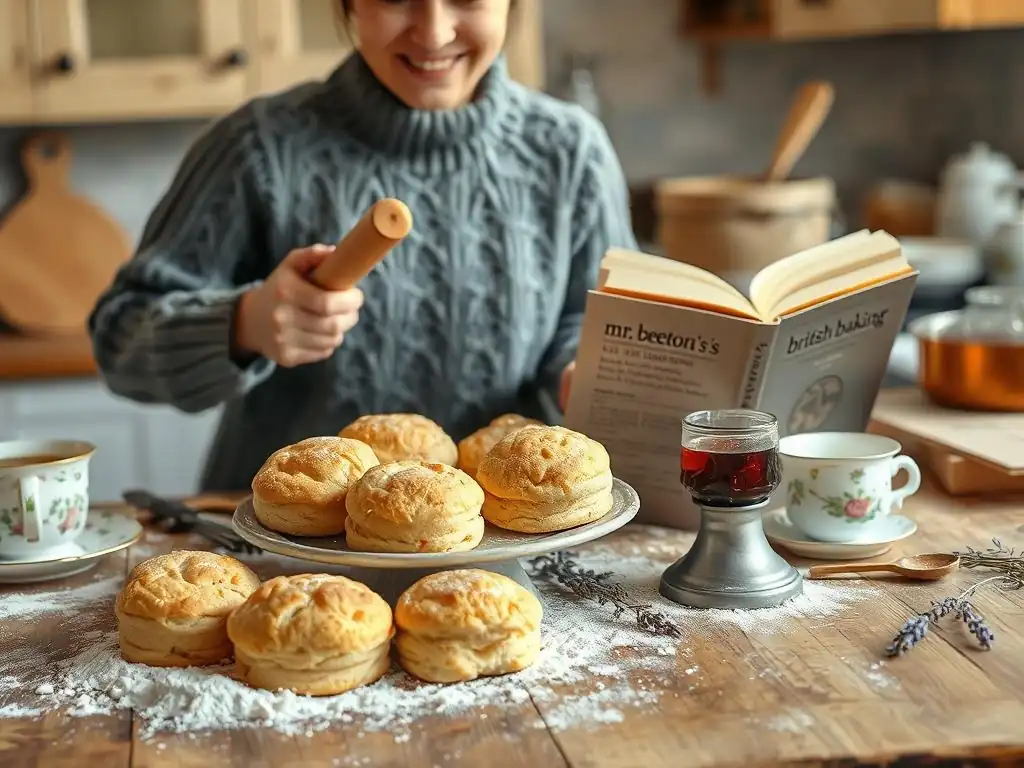
Even experienced bakers encounter issues sometimes. Understanding common problems and how to solve them is part of the learning process in British baking. Whether your scones didn't rise, your Bakewell Tart has a soggy bottom, or your Lemon Drizzle is dry, there are usually simple explanations and fixes. Don't get discouraged; see it as an opportunity to refine your technique.
We'll address some frequent stumbling blocks you might face when attempting British baking favorites like scones, Bakewell Tart, and Lemon Drizzle Cake, providing practical troubleshooting tips from BakeWithEase to help you achieve perfect results next time.
Common Scone Baking Problems and Solutions
If your British baking scones didn't rise properly, several factors could be at play. The most common culprit is insufficient or old baking powder (if using plain flour) or using stale self-raising flour. Ensure your leavening is fresh. Overworking the dough is another major cause of flat, tough scones; handle the dough minimally, just until it comes together.
Using warm butter or cold liquid can also negatively impact the rise; ensure your butter is cold and your milk is at room temperature or slightly cool. Baking in an oven that isn't hot enough prevents the quick rise needed for lightness. Always preheat your oven fully to the specified temperature (often quite hot, like 220°C).
If your scones are tough, it's almost certainly due to overmixing the dough or handling it too much after adding the liquid. Remember the goal is a soft, slightly sticky dough, not a smooth, elastic one. If the tops are browning too quickly before the inside is cooked, the oven temperature might be too high, or the scones might be placed too high in the oven; try reducing the temperature slightly or moving the tray to a lower shelf. Following careful British baking scones recipe tips regarding dough handling and oven temperature is key to avoiding these issues.
Bakewell Tart Troubleshooting: Tips and Tricks
A common issue with Bakewell Tart is a soggy pastry bottom. This is usually prevented by blind baking the pastry case before adding the filling. Ensure you bake it long enough for the base to be lightly golden and cooked through, not just set. Pricking the base with a fork before blind baking also helps prevent it from puffing up. Using a hot oven for the blind bake is important.
If the frangipane filling is dry or cracked on top, it might have been overbaked, or the mixture might have been too dry to begin with. Ensure your butter and sugar are well-creamed and the eggs are fully incorporated. Baking at the correct temperature for the specified time should result in a moist filling. If the top is browning too quickly before the center is set, cover loosely with foil for the remaining baking time.
Lemon Drizzle Cake Troubleshooting: Common Issues and How to Fix Them
If your Lemon Drizzle Cake is dry, it could be due to overbaking or not enough liquid in the batter. Always check for doneness with a skewer and remove the cake from the oven as soon as it comes out clean. Ensure you follow the recipe's liquid quantities accurately. Using room temperature ingredients helps create a smooth batter that retains moisture better.
If the drizzle doesn't soak in well, ensure you prick the hot cake immediately after it comes out of the oven while it's still hot and porous. Pour the hot drizzle over slowly, allowing it time to seep into the holes. If the drizzle hardens too quickly or forms a solid block, the sugar-to-juice ratio might be off, or the cake might have cooled too much before the drizzle was applied. Conversely, if the top is too wet, you might have used too much drizzle relative to the cake size, or the cake might not have been pricked enough.
Further Exploration: Expanding Your British Baking Repertoire
Mastering scones, Bakewell Tart, and Lemon Drizzle Cake is a fantastic start, but the world of British baking is vast and full of delicious discoveries. Once you feel confident with these classics, consider branching out to explore other regional specialties, seasonal treats, and historical recipes. There's always something new and exciting to bake, from festive fruitcakes to everyday tea breads.
Expanding your repertoire allows you to delve deeper into the history and culture behind these beloved bakes. It also provides opportunities to learn new techniques and experiment with different flavor combinations. Let BakeWithEase inspire your next British baking adventure!
Other British Baking Recipes to Try: A Curated List
Ready for more British baking challenges? Here's a list of other popular recipes you might enjoy trying:
- Sticky Toffee Pudding: A moist sponge cake made with dates, served with a rich toffee sauce. A modern classic.
- Eccles Cakes: Flaky puff pastry filled with currants and sugar. A Manchester specialty.
- Chelsea Buns: Sweet yeast dough rolled up with currants, brown sugar, and butter, glazed with sugar syrup.
- Mincemeat Pies: Small tarts filled with sweet, spiced dried fruit mixture (mincemeat). Traditionally eaten at Christmas.
- Shortcake: A crumbly biscuit base topped with jam and a thick layer of icing.
- Parkin: A soft, slightly sticky gingerbread cake made with oatmeal and black treacle, originating from Northern England.
- Spotted Dick: A steamed pudding made with suet and dried fruit (currants or raisins), often served with custard.
Each of these offers a unique taste of British baking tradition and is well worth the effort to bake at home.
The History of British Baking: A Brief Overview
British baking has a rich and fascinating history, shaped by centuries of agricultural practices, trade routes, and social customs. Early baking often involved simple bread and fruitcakes preserved with sugar and alcohol. The availability of sugar and spices through trade routes significantly impacted recipes from the medieval period onwards. The Industrial Revolution brought about changes in flour production and oven technology, making baking more accessible.
The Victorian era saw the rise of elaborate cakes and pastries, particularly associated with afternoon tea, a custom popularized by the Duchess of Bedford in the 1840s. Recipes like the Victoria Sponge became staples during this time. War rationing in the 20th century led to simpler, more economical recipes, some of which remain popular today. British baking continues to evolve, blending traditional methods with modern twists, but the emphasis on comfort, quality ingredients, and time-honored techniques remains a defining characteristic.
Where to Find Authentic British Baking Ingredients
For many traditional British baking recipes, standard supermarket ingredients are sufficient. Plain flour, self-raising flour, caster sugar, granulated sugar, butter, eggs, and milk are readily available. However, for certain recipes or to achieve a truly authentic taste, you might look for specific items.
Ingredients like suet (for puddings like Spotted Dick or dumplings), black treacle (a dark, syrupy molasses used in Parkin and gingerbread), and specific types of dried fruit (like currants or mixed peel for fruitcakes) might be found in the international aisle of larger supermarkets, specialty food stores, or online retailers specializing in British goods. Using the correct type of sugar, like caster sugar for sponges, makes a noticeable difference in texture. While not always strictly necessary, seeking out these specific ingredients can enhance the authenticity of your British baking.
Frequently Asked Questions
What exactly are British scones, and how do they differ from American scones?
British scones are typically lighter and less sweet than their American counterparts. They are often served with clotted cream and jam, and are a staple of afternoon tea.
What are some common mistakes to avoid when making British scones?
Overmixing the dough is a common error, leading to tough scones. Also, using warm ingredients can melt the butter and impact the rise.
Can you provide some tips for achieving a perfect rise in my British scones?
Ensure your baking powder is fresh, and avoid overworking the dough. A hot oven and cold ingredients are key to a good rise.
Besides clotted cream and jam, what are some other popular toppings or accompaniments for British scones?
While clotted cream and jam are traditional, other options include lemon curd, honey, or even savory spreads like cream cheese with herbs.
Where can I find easy-to-follow British baking recipes, especially for scones?
Websites like BakeWithEase.com are excellent resources for simple recipes, techniques, and tips. Look for step-by-step guides suitable for all skill levels.
Final Reflection: The Enduring Allure of British Baking
The simple act of baking a scone, a humble staple of British cuisine, transcends mere culinary practice; it's a connection to history, tradition, and a comforting sense of home. This journey through the world of British baking, focusing particularly on scones and sticky toffee pudding, has revealed not just recipes and techniques, but also the deep cultural significance embedded within each crumb. The enduring popularity of these treats speaks volumes about our collective desire for comfort, connection, and the simple pleasures life offers.
The influence of British baking extends far beyond the kitchen; it's a cultural export, a source of national pride, and a powerful symbol of shared experiences. From afternoon teas to village fêtes, these baked goods are integral to social gatherings and celebrations. They represent a sense of belonging, a shared heritage, and a tangible link to generations past. Baking is at once child's play and adult joy. And love, of course.
This quote perfectly encapsulates the emotional resonance of baking, particularly within the British context, where recipes are often passed down through families, carrying with them stories and memories.
Now, I invite you to consider your own relationship with baking. Perhaps you'll be inspired to try your hand at a classic scone recipe, experimenting with different flours and techniques. Or maybe you'll delve deeper into the rich history of British baking, discovering the stories and traditions behind your favorite treats.
Regardless of your approach, remember that the act of baking, like the sharing of baked goods, is a powerful way to connect with yourself, your loved ones, and the rich tapestry of culinary heritage that surrounds us. Let the aroma of freshly baked goods fill your home, and may it bring you joy and connection.
Unleash Your Inner Baker: Craft Your British Baking Adventure!
Thanks for joining us on this delicious journey through the heart of British baking! We hope you've discovered some new favorites and gained the confidence to tackle classic recipes. Now it's time to put your newfound skills to the test!
- Bake your own batch of scones: Use the tips and tricks we shared to perfect your technique. Let's see those fluffy creations!
- Share your baking triumphs (and even your bloopers!): Join our BakeWithEase community on social media using #BakeWithEaseBritishBaking. We'd love to see what you create!
- Explore a new British dessert: Challenge yourself with a recipe you haven’t tried before – maybe a Victoria sponge or a traditional gingerbread?
What British baking masterpiece will you conquer next?