
The Art of Adding Depth: Baking with Star Anise and Orange

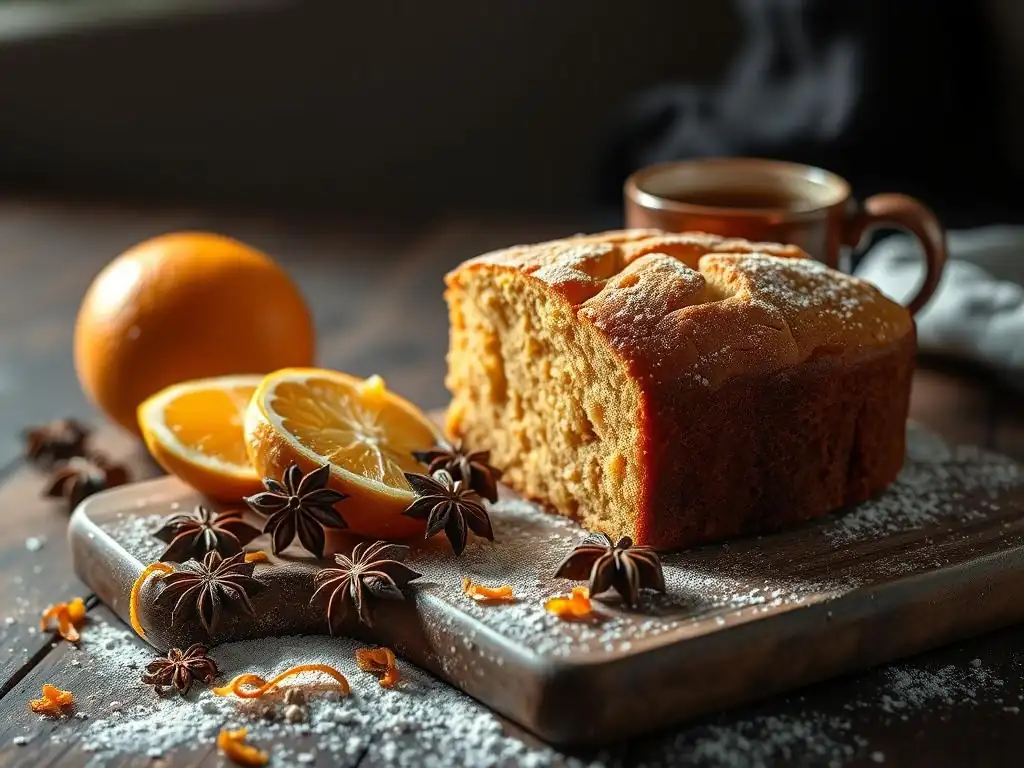
Welcome to BakeWithEase, where the joy of baking is always within reach! Ever wondered how a single spice could transform your favorite treats into something truly extraordinary? Prepare to unlock a world of flavor with our latest exploration into seasonal baking. Dive into the aromatic dance of citrus and spice with our featured Star anise orange baking recipe and discover how this unique combination can elevate your creations. Curious to learn more about adding unexpected depth to your baking? Let's get started!
- BakeWithEase: Mastering Seasonal Baking with Star Anise and Orange
- Star Anise Orange Baking Recipe Ideas for Seasonal Treats
- Understanding the Flavor Profile: Star Anise and Orange
- Tips for Baking with Star Anise and Orange
- Star Anise Orange Baking Recipe: Step-by-Step Guide
- Variations and Substitutions in Star Anise and Orange Recipes
- Storing and Enjoying Your Star Anise and Orange Baked Goods
- Conclusion: Embrace the Warmth of Star Anise and Orange in Your Baking
-
Frequently Asked Questions
- How does star anise and orange enhance baked goods?
- What types of baked goods pair well with star anise and orange?
- Can I substitute other spices for star anise in my orange baking recipe?
- What is the best way to incorporate orange flavor in a star anise recipe?
- How much star anise should I use in a baking recipe to avoid overpowering the orange?
- Final Reflection: The Enduring Allure of Star Anise and Orange
- Unlock the Magic: Elevate Your Baking Today!
BakeWithEase: Mastering Seasonal Baking with Star Anise and Orange
Elevating Seasonal Baking with Aromatic Spices and Citrus
As the seasons change, so do the flavors we crave in our baked goods. While spring often brings lighter, floral notes, embracing warmer, more aromatic spices and bright citrus can add wonderful depth and character to your seasonal baking repertoire. Star anise, with its distinct licorice-like warmth, pairs unexpectedly yet beautifully with the vibrant zest of orange, creating a flavor profile that is both comforting and uplifting. This combination is particularly delightful during cooler months, offering a cozy embrace in cakes, cookies, and pastries.
Incorporating star anise and orange into your baking goes beyond just flavor; it's about creating an experience. The visual appeal of a whole star anise pod or the flecks of orange zest in a crumb is inviting. These ingredients aren't just fillers; they are central to the star anise orange baking recipe, transforming simple flour, sugar, and butter into something truly special. Think of a spiced orange cake that fills your home with a rich aroma as it bakes, or delicate shortbread with a subtle hint of star anise that lingers pleasantly after each bite.
Why Choose Star Anise and Orange for Your Baked Goods?
The pairing of star anise and orange offers a complex yet harmonious flavor profile that stands out. Star anise provides a deep, warm base with notes of licorice and subtle spice, often compared to fennel seed or aniseed but with a unique intensity. Orange, on the other hand, brings bright, acidic, and sweet citrus notes that cut through the richness of baked goods and lift the heavier spice. The synergy between the two is captivating – the orange brightens the star anise, preventing it from being overwhelming, while the star anise grounds the orange, adding sophistication.
Beyond their delightful taste, star anise and orange bring wonderful aromas that enhance the baking process itself and the enjoyment of the finished product. The essential oils released from orange zest are incredibly fragrant, and star anise contains anethole, the primary compound responsible for its distinctive scent. This aromatic quality makes a star anise orange baking recipe a sensory delight from start to finish. Approximately 80-90% of the world's star anise production comes from China, highlighting its specific geographic origin and traditional uses, including culinary applications that span both sweet and savory dishes.
Star Anise Orange Baking Recipe Ideas for Seasonal Treats
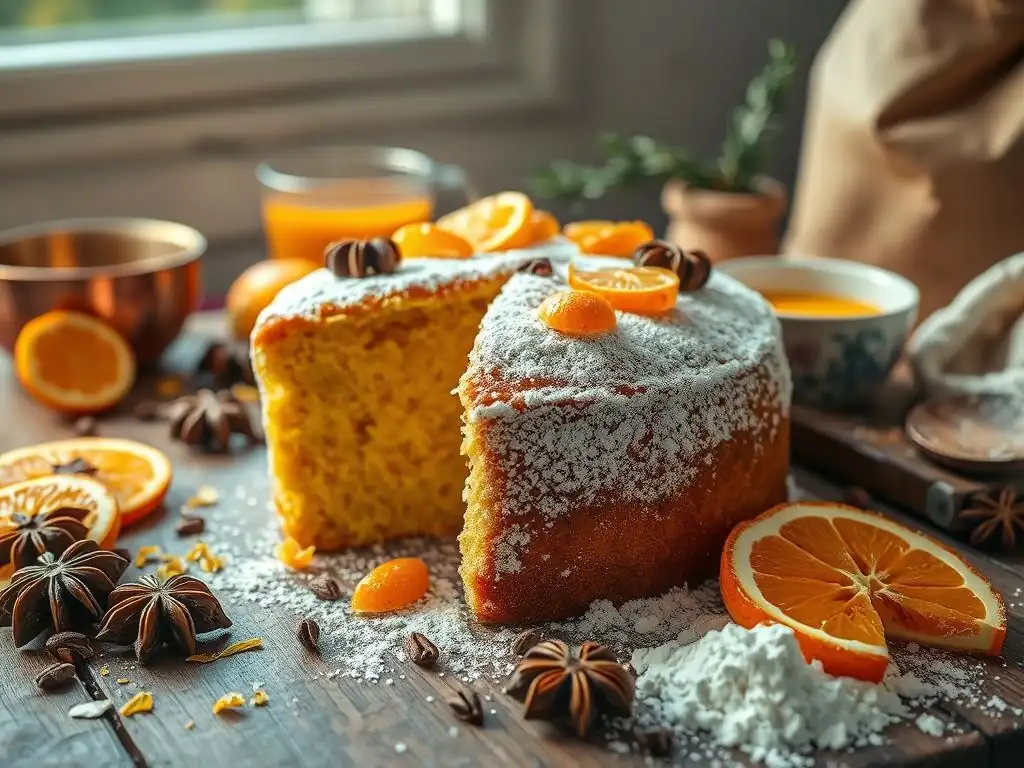
Star Anise and Orange Shortbread: A Delicate Seasonal Treat
Shortbread, traditionally simple, becomes elegantly complex with the addition of star anise and orange. The buttery crumb provides a perfect canvas for these bold flavors. A classic shortbread ratio is typically 1 part sugar, 2 parts butter, and 3 parts flour by weight. To infuse this with flavor, you might add finely ground star anise (perhaps 1/4 to 1/2 teaspoon per standard batch using 225g butter) and the zest of one large orange. The key is to distribute the spice and zest evenly without overworking the dough, ensuring that signature melt-in-your-mouth texture.
The delicate nature of shortbread allows the subtle nuances of star anise and the bright notes of orange to shine through beautifully. Unlike a dense cake, shortbread's simplicity highlights the quality and balance of the added flavors. Baking at a lower temperature, around 160°C (320°F), for a longer time (20-25 minutes) helps achieve a pale, crumbly texture without browning the star anise or orange zest, which can sometimes turn bitter if exposed to high heat for too long. This simple star anise orange baking recipe variation is perfect with a cup of tea.
Spiced Orange and Star Anise Cake: A Warm Delight
A spiced orange and star anise cake is a comforting centerpiece, ideal for gatherings or a cozy afternoon treat. This type of cake often features a moist crumb, benefiting from the addition of orange juice or buttermilk. For a standard loaf cake (approximately 9x5 inches), you might use the zest and juice of 1-2 oranges and perhaps 1 teaspoon of ground star anise, or infuse liquid ingredients with whole pods. Incorporating warm spices like cinnamon, ginger, or cloves alongside the star anise can further enhance its depth, creating a complex spice blend that complements the bright citrus.
Consider adding texture with ingredients like chopped nuts or dried cranberries, which pair well with the spice and orange flavors. A simple glaze made from powdered sugar and orange juice, perhaps with a tiny pinch of star anise, adds a final touch of sweetness and reinforces the orange flavor. Baking time for a loaf cake typically ranges from 50-60 minutes at 180°C (350°F), or until a skewer inserted into the center comes out clean. This star anise orange baking recipe for a cake offers a wonderful balance of warmth and brightness.
Star Anise Infused Orange Glaze: A Baker's Secret Weapon
Sometimes, the best way to introduce a complex flavor like star anise is through a glaze or syrup. An orange glaze infused with star anise is a versatile component that can elevate everything from simple muffins and scones to elaborate cakes and pastries. To make a basic infusion, simmer a few whole star anise pods (say, 2-3 pods) in a small amount of orange juice or water (around 1/4 cup) for about 10-15 minutes. Let it cool, then strain out the pods.
Combine this infused liquid with powdered sugar to reach your desired consistency. A thicker glaze might use a ratio of 1 cup powdered sugar to 2-3 tablespoons liquid, while a thinner glaze for drizzling might use more liquid. You can also add fresh orange zest to the glaze for extra brightness. This infusion method allows the star anise flavor to be present without the potentially gritty texture of ground spice, offering a smooth, aromatic finish. It's a clever technique in any star anise orange baking recipe where a clean flavor delivery is desired.
Understanding the Flavor Profile: Star Anise and Orange
The Unique Taste of Star Anise: Warm, Licorice-like, and Aromatic Notes in Baking
Star anise possesses a distinct and potent flavor profile dominated by anethole, the same aromatic compound found in anise seed and fennel. However, star anise often presents a more complex warmth with subtle hints of clove and cinnamon, alongside its prominent licorice-like sweetness. Its aroma is deeply fragrant and warm. In baking, star anise adds a layer of sophisticated spice that is less common than cinnamon or nutmeg, making baked goods featuring it feel unique and special.
Using star anise requires a delicate hand due to its intensity. Too much can overpower other flavors and even impart a medicinal or bitter note. It pairs exceptionally well with other warm spices, fruits like apples, pears, and citrus, and rich ingredients like chocolate or caramel. A small amount, carefully integrated, can provide a surprising depth and warmth that elevates a simple recipe. Studies on anethole show it has a sweetness perceived as 13 times sweeter than sucrose, contributing to the sweet-spicy character of the spice itself.
The Zesty Brightness of Orange: Complementing Star Anise
Orange brings a contrasting yet complementary set of flavors to the partnership. The zest contains volatile oils that are intensely fragrant and contribute a bright, slightly bitter, and sweet citrus note. The juice adds acidity, sweetness, and moisture. Together, they provide a lively counterpoint to the deep warmth of star anise. The acidity in orange juice can also interact with leavening agents like baking soda, helping cakes and muffins rise.
Different parts of the orange offer different nuances. Orange zest is where the majority of the aromatic oils reside, providing the most intense burst of fresh orange flavor. Orange juice contributes liquid and sweetness, while also mellowing the intensity of spices. The natural sweetness and acidity of orange balance the potent, warm notes of star anise beautifully, creating a harmonious pairing. For instance, Valencia oranges are known for their juiciness, making them excellent for liquid requirements, while Navel oranges are great for zest.
How Star Anise and Orange Flavors Interact in Baked Recipes
The interaction between star anise and orange in baking is a study in balance. The bright, high notes of orange cut through the richness of butter and sugar, while the deep, warm base of star anise adds complexity and prevents the orange from being overly simplistic or purely acidic. The sweetness of both the orange and the anethole in star anise enhances the overall dessert character. When heated during baking, the volatile compounds in both ingredients are released, creating a wonderfully aromatic environment.
In a star anise orange baking recipe, the fat in butter or oil helps to carry and distribute the fat-soluble flavor compounds from the orange zest and star anise, ensuring the flavor is dispersed throughout the crumb. The moisture from orange juice contributes to a tender texture. This combination works particularly well in recipes where a moist, flavorful result is desired, such as cakes, muffins, and quick breads. The warmth and brightness together create a layered flavor experience that evolves as you eat.
Tips for Baking with Star Anise and Orange
Sourcing the Best Star Anise for Baking: Pods vs. Ground
For the most potent and fresh flavor, it's generally recommended to source whole star anise pods. Whole pods retain their volatile oils much longer than ground spice. They should be dark reddish-brown, with eight points (though variations occur), and feel relatively heavy for their size. Avoid broken, dusty, or pale pods, which may indicate staleness. Store whole pods in an airtight container away from light and heat; they can last for several years.
While whole pods are ideal for infusions (like simmering in milk or syrup) or as a decorative element, ground star anise is necessary for incorporating directly into doughs and batters, such as in a star anise orange baking recipe for cookies or cakes. If using ground star anise, buy it in small quantities from a reputable source and store it properly, as its flavor diminishes relatively quickly, typically within 6-12 months.
For the best flavor, you can grind whole pods yourself using a spice grinder just before use, though removing the tough outer shell first can result in a finer powder.
Preparing Oranges for Baking: Zest, Juice, and Candied Peel
Effective use of oranges in baking involves utilizing different parts of the fruit. The zest is crucial for capturing the intense aromatic oils. Use a microplane or fine grater to remove only the brightly colored outer layer, avoiding the bitter white pith underneath. For a standard recipe, the zest of one medium to large orange (yielding approximately 1-2 tablespoons) is often sufficient.
Orange juice provides liquid, acidity, and sweetness. Freshly squeezed juice is always preferred over concentrate for its purer flavor. The amount needed will vary by recipe, but a medium orange typically yields about 1/4 to 1/3 cup of juice. Candied orange peel is another delicious option, adding chewy texture and concentrated orange flavor. It can be homemade or purchased. When using zest or juice in a star anise orange baking recipe, organic oranges are often preferred to avoid pesticides, especially when using the peel.
Mastering Star Anise Infusion Techniques for Baking: Simple Syrup and 30 Minutes
One effective way to integrate star anise flavor without dealing with the texture of ground spice is through infusion. A simple method is to simmer whole star anise pods in a liquid called for in your recipe, such as milk, cream, water, or orange juice. A common ratio might be 3-4 whole pods per cup of liquid. Heat the liquid gently with the pods, bring it just to a simmer, then remove from the heat, cover, and let it steep for about 30 minutes.
This steeping time allows the flavors from the star anise to permeate the liquid. After infusing, strain out the pods and use the flavored liquid as directed in your star anise orange baking recipe. This technique works particularly well for custards, panna cotta, glazes, or cake batters where you want a smooth texture but a pronounced star anise flavor. Another method is to infuse simple syrup (equal parts sugar and water simmered until dissolved) with star anise, creating a flavorful syrup to brush onto cakes or use in glazes.
Star Anise Orange Baking Recipe: Step-by-Step Guide
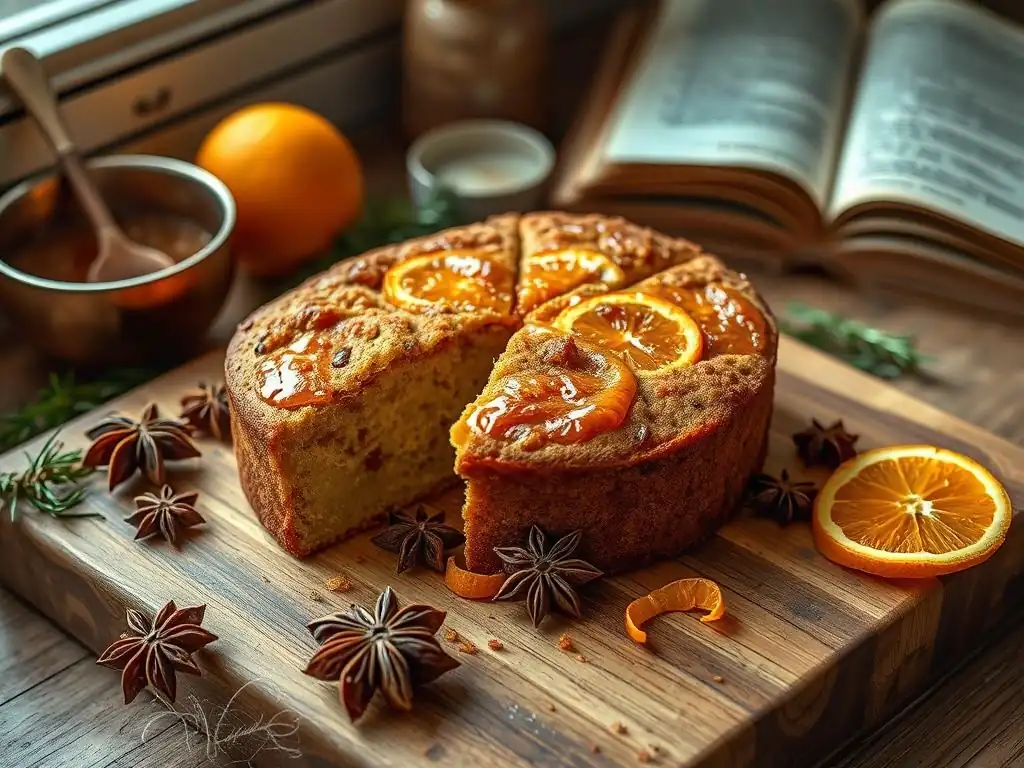
Let's explore a simple star anise orange baking recipe for moist and flavorful muffins. This recipe yields about 12 standard muffins.
Ingredients for Star Anise Orange Muffins
2 cups (250g) All-Purpose Flour1/2 teaspoon Ground Star Anise1 teaspoon Baking Powder1/2 teaspoon Baking Soda1/4 teaspoon Salt1/2 cup (115g) Unsalted Butter, melted and cooled3/4 cup (150g) Granulated Sugar2 large Eggs1 teaspoon Vanilla Extract1/2 cup (120ml) Buttermilk (or Milk with 1/2 tsp Lemon Juice)1/4 cup (60ml) Fresh Orange JuiceZest of 1 large Orange
- [ ] Preheat oven to 190°C (375°F).
- [ ] Line a 12-cup muffin tin with paper liners.
Step 1: Combining Dry Ingredients and Spices
In a large bowl, whisk together the all-purpose flour, ground star anise, baking powder, baking soda, and salt. Ensure the ground star anise is evenly distributed throughout the dry ingredients. This helps prevent clumps of spice in the finished muffins. A good whisking for about 30 seconds should be sufficient.
Ensure all dry ingredients are free of lumps. If your baking powder or soda is old, it might not react properly, resulting in flat muffins. Check their freshness by adding a pinch to hot water (baking powder should bubble vigorously) or vinegar (baking soda should bubble). Proper measurement of dry ingredients, like flour, is key – spoon it into the measuring cup and level off, rather than scooping directly from the bag.
Step 2: Mixing Wet Ingredients with Orange
In a separate medium bowl, whisk together the melted and cooled butter, granulated sugar, eggs, and vanilla extract until well combined and slightly lighter in color, about 1-2 minutes. Stir in the buttermilk and orange juice. Finally, add the orange zest. The zest contains the potent oils, so adding it here ensures its flavor is well dispersed within the wet ingredients before combining with the dry.
Make sure the butter is cooled sufficiently so it doesn't cook the eggs. The buttermilk adds tenderness and reacts with the baking soda for lift. If you don't have buttermilk, you can make a substitute by adding half a teaspoon of lemon juice or white vinegar to half a cup of milk and letting it sit for 5-10 minutes until it curdles slightly.
Step 3: Combining Wet and Dry Mixtures
Pour the wet ingredients into the bowl with the dry ingredients. Using a spatula or wooden spoon, gently fold the ingredients together just until combined. It's crucial not to overmix the batter; a few lumps are perfectly fine. Overmixing develops the gluten in the flour, resulting in tough muffins. This step should take less than 30 seconds of gentle folding.
The goal is to moisten all the dry ingredients. You should still see some streaks of flour. This method, often called the "muffin method," is designed for speed and minimal gluten development, yielding a tender crumb.
Step 4: Baking the Muffins to Perfection
Divide the batter evenly among the prepared muffin cups. Fill each cup about two-thirds to three-quarters full. Place the muffin tin in the preheated oven (190°C / 375°F). Bake for 18-22 minutes, or until the muffins are golden brown and a toothpick inserted into the center of a muffin comes out clean. Baking time can vary depending on your oven.
Starting at a slightly higher temperature (like 190°C) for the first few minutes can help the muffins rise quickly, creating a nice dome. Some recipes suggest starting higher then lowering the temperature. However, for simplicity, maintaining a consistent temperature works well. The muffins should feel springy to the touch when done.
Step 5: Cooling and Glazing (Optional Orange Glaze)
Once baked, remove the muffin tin from the oven and let the muffins cool in the tin for 5-10 minutes before transferring them to a wire rack to cool completely. Cooling on a wire rack allows air circulation, preventing the bottoms from becoming soggy.
If adding an orange glaze (made by whisking powdered sugar with a little orange juice, perhaps infused with star anise as described earlier), wait until the muffins are completely cool before drizzling or dipping. Applying glaze to hot muffins will cause it to melt and soak in rather than forming a smooth coating. This star anise orange baking recipe is best enjoyed fresh!
Variations and Substitutions in Star Anise and Orange Recipes
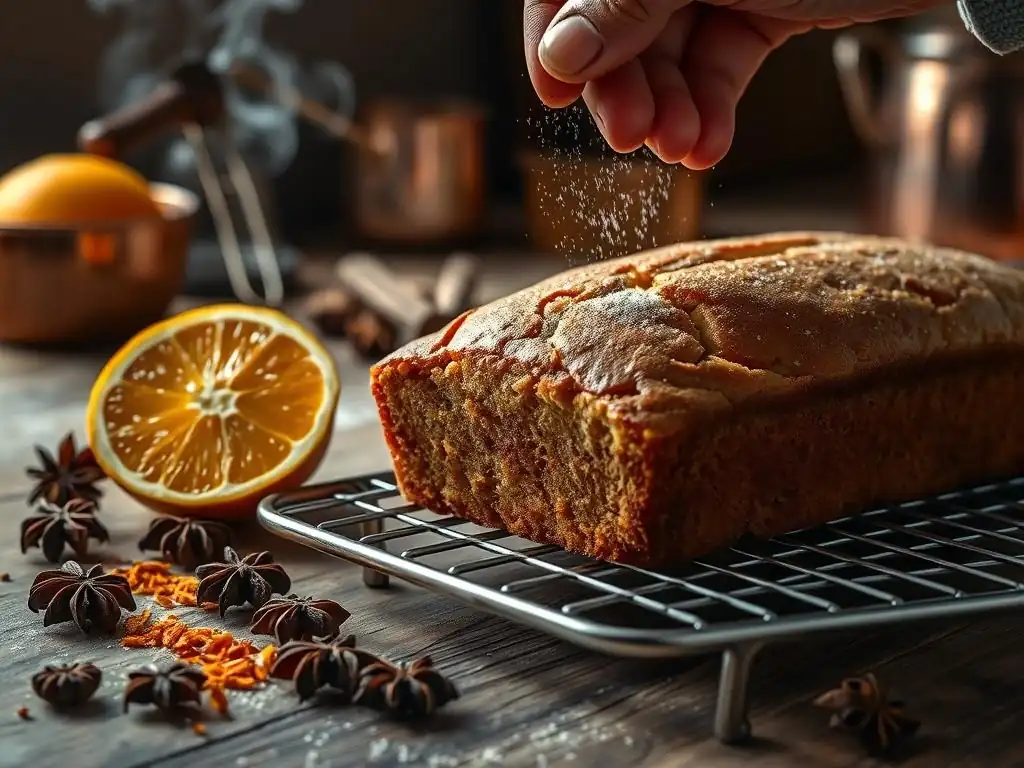
The type of orange used can subtly alter the flavor and color of your star anise orange baking recipe. Navel oranges are common and versatile, offering a good balance of sweetness and acidity with easy-to-zest peel. Valencia oranges are juicier, ideal for recipes requiring more liquid, though their zest can be thinner. Blood oranges offer a striking reddish-pink hue to the crumb and juice, along with a slightly berry-like undertone to their citrus flavor – a beautiful visual pairing with dark star anise.
Mandarin oranges (like Cuties or Clementines) are smaller, sweeter, and have a less acidic juice and zest. Their flavor is milder and less complex than larger oranges, making them suitable for recipes where a gentle orange note is desired. Experimenting with different varieties allows you to fine-tune the orange presence to perfectly complement the star anise.
Substituting Star Anise: Anise Seed or Fennel Seed
If you don't have star anise, or find its flavor too intense, anise seed or ground fennel seed can serve as potential substitutes, although they are not exact matches. Both contain anethole, providing that characteristic licorice-like flavor. Anise seed is generally closer in flavor to star anise than fennel seed, but it is often considered slightly sweeter and less complex.
Fennel seed has a similar flavor profile but also carries earthy and slightly bitter notes that distinguish it from star anise. When substituting, start with a smaller amount than the recipe calls for star anise, as the potency can vary, and adjust to taste. For example, if a recipe calls for 1 teaspoon of ground star anise, you might start with 3/4 teaspoon of ground anise seed or fennel seed. This substitution guide helps adapt a star anise orange baking recipe if star anise isn't available.
Adjusting the Intensity of Star Anise Flavor: Gradual Addition Guide
Star anise is potent, and its flavor preference is highly personal. To avoid overwhelming your baked goods, it's wise to approach its use cautiously. If using ground star anise in a batter, start with half the amount recommended in the recipe, bake a test batch (if possible, like a single muffin), and adjust for the next batch. For a standard cake or muffin recipe serving 8-12 people, 1/4 to 1 teaspoon of ground star anise is usually sufficient.
When infusing liquids with whole pods, you can control intensity by adjusting the steeping time or the number of pods used. A longer steep or more pods will yield a stronger flavor. Tasting the infused liquid periodically during the steeping process allows you to stop when the desired intensity is reached. For instance, simmering 3 pods in 1 cup of liquid for 15 minutes will be less intense than simmering for 30 minutes. This gradual addition and testing approach is key to mastering any star anise orange baking recipe.
Storing and Enjoying Your Star Anise and Orange Baked Goods
Proper Storage Techniques for Muffins
To keep your star anise orange muffins fresh, allow them to cool completely on a wire rack before storing. Storing warm muffins can create condensation, leading to sogginess. Once cool, store them in an airtight container at room temperature. Placing a paper towel in the bottom of the container and another on top of the muffins can help absorb excess moisture and prevent them from becoming too damp.
Properly stored muffins will typically stay fresh for 2-3 days at room temperature. For longer storage, you can freeze them. Wrap individual muffins tightly in plastic wrap, then place them in a freezer-safe bag or container. Frozen muffins can last for up to 3 months. Thaw them overnight in the refrigerator or at room temperature, or gently warm them in a microwave or oven.
Serving Suggestions: Pairing with Warm Drinks
Star anise and orange baked goods pair wonderfully with a variety of warm beverages. A classic choice is black tea, as its tannins and robust flavor stand up well to the spice and citrus. Coffee is another excellent companion, particularly a medium roast that complements the warmth of star anise without overpowering the orange notes.
For a more adventurous pairing, consider serving your star anise orange baking recipe creations with mulled wine or spiced cider during colder months, which often share similar spice profiles. A simple glass of milk also works well, providing a clean contrast to the complex flavors. Consider warming the muffins slightly before serving to enhance their aroma and texture.
Conclusion: Embrace the Warmth of Star Anise and Orange in Your Baking
Unleashing Creativity with Star Anise and Orange in Seasonal Recipes
The combination of star anise and orange offers a rich palette for bakers looking to add depth and complexity to their seasonal treats. From the subtle warmth of a spiced shortbread to the comforting embrace of a moist cake, this pairing provides a unique flavor profile that stands out. Mastering a star anise orange baking recipe opens up a world of possibilities, allowing you to explore new dimensions in familiar formats like muffins, cookies, loaves, and even glazes.
Don't be afraid to experiment with the intensity of each ingredient, the form in which you use them (whole, ground, zest, juice, infusion), and the types of baked goods you apply them to. This dynamic duo is versatile and rewarding, promising delicious results that capture the essence of cozy warmth and bright cheer. Embrace the journey of baking with star anise and orange, and delight in the aromatic and flavorful creations you bring to life from your kitchen.
Frequently Asked Questions
How does star anise and orange enhance baked goods?
Star anise and orange create a complex flavor profile adding warmth and brightness. The combination offers a unique aromatic experience not found in typical recipes. These ingredients can elevate simple recipes to gourmet levels.
What types of baked goods pair well with star anise and orange?
Star anise and orange work wonderfully in recipes like cookies, cakes, breads, and even some pastries. They complement rich, buttery flavors and can add a festive touch to holiday baking. Think of wintery spiced treats.
Can I substitute other spices for star anise in my orange baking recipe?
While star anise has a distinct flavor, you could try small amounts of anise seed or a pinch of cloves. However, the substitute will significantly alter the taste. It is best to find star anise for the authentic flavor.
What is the best way to incorporate orange flavor in a star anise recipe?
Using both orange zest and juice provides the most comprehensive orange flavor. Zest offers aromatic oils, while juice adds moisture and tang. Consider adding orange extract for an extra boost.
How much star anise should I use in a baking recipe to avoid overpowering the orange?
Start with a small amount, typically one or two pods, and adjust to taste. Star anise can be potent, so moderation is key. You can always add more, but you can't take it away.
Final Reflection: The Enduring Allure of Star Anise and Orange
The fragrant marriage of star anise and orange transcends mere culinary technique; it's a sensory journey that speaks to our deepest desires for warmth, comfort, and a touch of the exotic. This exploration into baking with these two powerful ingredients has revealed not only a wealth of delicious recipes, but also a deeper understanding of how seemingly simple flavor combinations can evoke powerful memories and emotions. The recipes shared here are more than just instructions; they are invitations to create, to experiment, and to savor the richness of these unique flavors.
The enduring appeal of star anise and orange lies in their ability to transport us. Their combined aroma evokes images of bustling markets, sun-drenched orchards, and cozy kitchens filled with the warmth of baking. The best things in life are the simple things.
This simple truth rings especially true when considering the profound impact these humble ingredients can have on our sensory experience and our connection to the culinary arts. The recipes presented here are a testament to the power of simplicity and the magic that unfolds when we allow ourselves to be guided by our senses.
Now, I invite you to step into your kitchen, armed with the knowledge and inspiration gained from this exploration. Don't be afraid to experiment! Try substituting different citrus fruits, or adding a pinch of spice to your own creations. Let the aroma of star anise and orange guide you, and allow yourself to be transported to a place of warmth, comfort, and delicious possibilities. The art of baking, much like life itself, is a journey of discovery, and these two ingredients are your perfect companions on the way.
Unlock the Magic: Elevate Your Baking Today!
Thanks for joining us on this aromatic journey into the world of star anise and orange! We hope you’ve discovered new flavor dimensions and gained inspiration for your next baking masterpiece. Ready to infuse your creations with this unique blend?
- Infuse your next creation: Try substituting star anise and orange zest in your favorite recipe – even a simple loaf cake will be transformed! Imagine the possibilities!
- Share your experience: Post a picture of your star anise and orange creation on social media and tag us – we'd love to see your culinary adventures!
- Explore further: Discover more unique flavor combinations by checking out our other articles on exploring unusual spices.
What unexpected flavor combinations will you try next to elevate your baking?