
Easy Guide to Zesting Citrus Like a Pro for Winter Baking

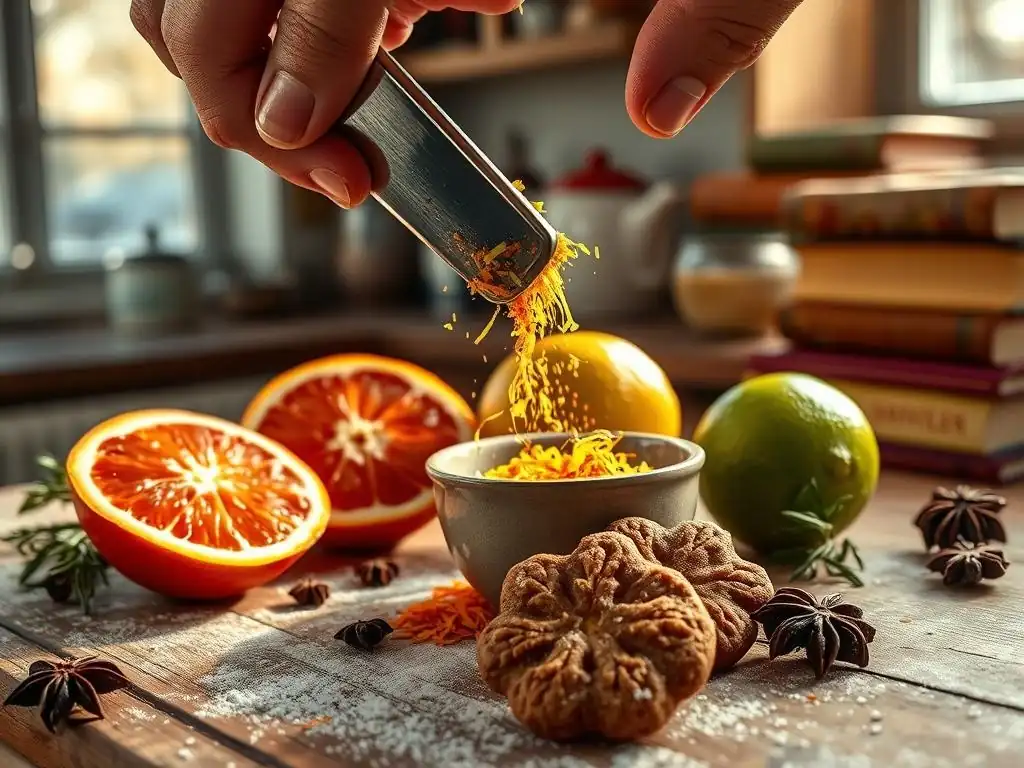
Welcome to BakeWithEase, your culinary haven for all things baking! Ever wondered how to elevate your winter baking with the vibrant flavors of citrus? Discover the secrets to zesting citrus like a pro in our latest guide and unlock a world of aromatic possibilities. Intrigued? Let's peel back the layers and turn your next bake into a citrus masterpiece!
- Introduction: Unlock the Flavor of Winter Baking with Perfect Citrus Zest
- Why Zesting Citrus is Essential for Winter Baking Recipes
- Choosing the Right Citrus for Zesting in Winter
- Essential Tools for Zesting Citrus Like a Pro
- Step-by-Step Guide: How to Zest Citrus Perfectly
- Tips and Tricks for Maximizing Citrus Zest Flavor
- Common Mistakes to Avoid When Zesting Citrus
- Delicious Winter Baking Recipes Featuring Citrus Zest
- Conclusion: Elevate Your Winter Baking with Expert Citrus Zesting Techniques
- Frequently Asked Questions
- Final Reflection: The Enduring Joy of Zest in Winter Baking
- Unlock the Zesty Secrets of Winter Baking!
Introduction: Unlock the Flavor of Winter Baking with Perfect Citrus Zest
Winter baking is synonymous with cozy warmth and comforting flavors, often featuring spices like cinnamon, nutmeg, and cloves. However, one of the most vibrant and essential ingredients for elevating your cold-weather creations is citrus zest. Far more potent and complex than the juice, the zest holds the aromatic essential oils that can transform a simple cake or batch of cookies into something truly special. Mastering the technique of zesting citrus is a fundamental skill for any baker looking to add a burst of brightness and depth to their seasonal treats.
This guide will walk you through everything you need to know about zesting citrus for baking, from selecting the perfect fruit and choosing the right tools to mastering the technique and incorporating this flavorful ingredient into your favorite winter recipes. Whether you're a beginner or looking to refine your skills, understanding how to properly zest citrus will unlock a new dimension of flavor in your kitchen, making your gingerbread more aromatic, your cranberry scones brighter, and your lemon bars truly unforgettable.
Let's dive into the world of citrus zest and discover how this simple ingredient can make a huge difference in your winter baking adventures.
Why Zesting Citrus is Essential for Winter Baking Recipes
The Flavor Powerhouse: Understanding Citrus Zest's Impact
Citrus zest is often underestimated, but it's a true flavor powerhouse. Unlike the acidic juice, the zest is packed with concentrated essential oils, stored in tiny pockets just beneath the surface of the peel. These oils, primarily composed of compounds like limonene (especially in lemons and oranges) and other terpenes, are highly volatile and intensely aromatic.
When you finely grate or strip the zest, you rupture these pockets, releasing a burst of fragrant compounds that contribute complex floral, sweet, and slightly bitter notes to your baked goods. This makes zesting citrus a crucial step for adding nuanced flavor without introducing excess liquid or acidity.
Consider the difference between a recipe using just lemon juice versus one incorporating lemon zest. While the juice provides tartness, it's the zest that delivers that distinct, bright "lemony" aroma and flavor that perfumes the entire dish. These essential oils are fat-soluble, meaning they bind beautifully with the fats (like butter and eggs) commonly found in baking, distributing their flavor throughout the batter or dough more effectively than water-soluble juice. This is why even a small amount of citrus zest can have a dramatic impact, providing a depth of flavor that juice alone cannot replicate.
Enhancing Winter Baking with Aromatic Citrus Oils
The aromatic oils found in citrus zest are key to enhancing winter baking. During baking, heat helps to release these volatile compounds, filling your kitchen with wonderful aromas and infusing your treats with bright, fresh notes that cut through the richness often found in winter desserts. Think of how orange zest brightens a chocolate cake or how grapefruit zest adds a sophisticated, slightly bitter counterpoint to sweet pastries. Zesting citrus effectively means capturing these potent oils.
These essential oils interact synergistically with other common winter baking ingredients, especially spices. The bright, fresh scent of orange zest, for instance, pairs beautifully with warm spices like cinnamon and ginger in a spice cake or gingerbread. Lemon zest can lift the heavy flavors of cranberries or rich doughs, adding a much-needed counterpoint. By focusing on proper zesting citrus techniques, you ensure you are extracting the maximum amount of these flavorful oils, leading to baked goods that are not just sweet or spicy, but also wonderfully fragrant and complex.
Boosting Flavor in Gingerbread, Cranberry Scones, and Lemon Bars
Let's look at specific examples of how zesting citrus elevates popular winter bakes. In gingerbread, adding the zest of an orange or lemon can provide a surprising layer of brightness that complements the deep, warm spices like ginger, molasses, and cloves. Just one tablespoon of finely grated orange zest in a standard gingerbread recipe can make a noticeable difference, lifting the overall flavor profile and preventing it from being overly heavy. The aromatic oils meld with the fats in the dough, distributing that fresh citrus note evenly throughout each bite.
Cranberry scones, particularly popular during the late fall and winter months, benefit immensely from zesting citrus. Often, recipes call for orange zest, which pairs naturally with cranberries' tartness. The bright, slightly sweet aroma of orange zest cuts through the richness of butter and cream in the scone dough and balances the sharp flavor of the cranberries.
Adding the zest from one medium orange (roughly 1-1.5 tablespoons) to a batch of 8-12 scones can transform them from good to exceptional. Similarly, lemon bars, a year-round favorite, rely heavily on both lemon juice for tartness and significant amounts of lemon zest for that signature intense lemon flavor and aroma. A classic 8x8 inch pan of lemon bars might call for the zest of 2-3 lemons, showcasing just how vital zesting citrus is for achieving that desired bright, tangy profile.
Choosing the Right Citrus for Zesting in Winter
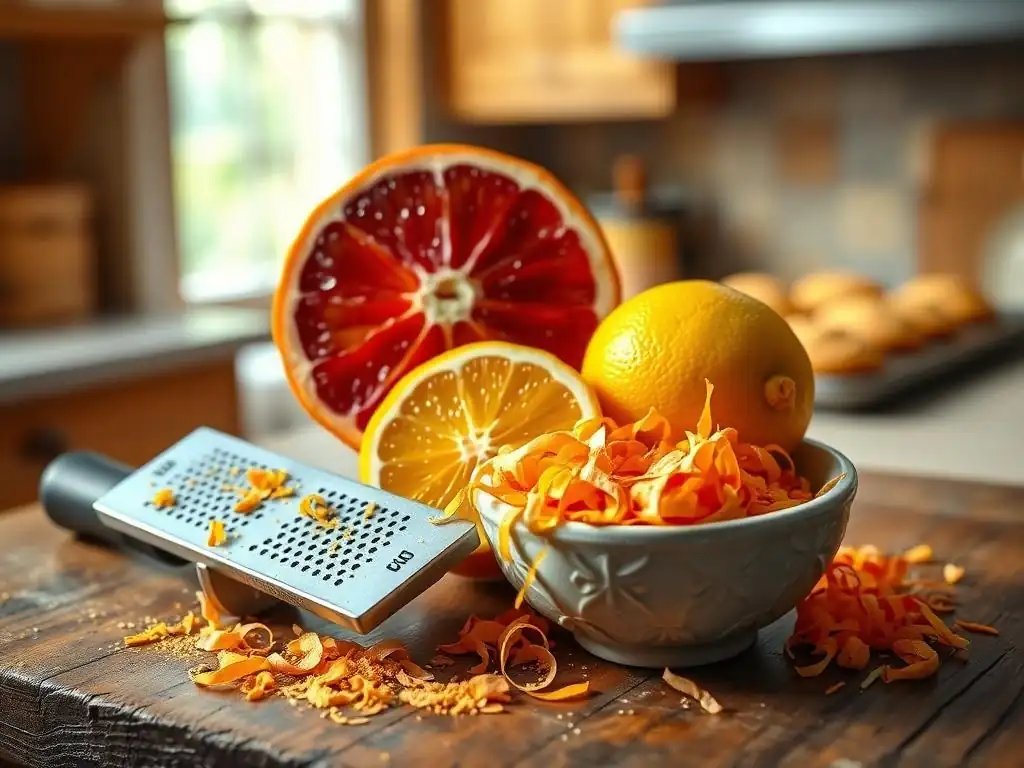
Best Citrus Fruits for Winter Baking: A Flavor Profile (Orange, Lemon, Grapefruit, Mandarin)
Several citrus fruits are fantastic for zesting in winter baking, each offering a unique flavor profile. Oranges are perhaps the most common, providing a sweet, warm, and slightly floral aroma. Varieties like Navel oranges or Cara Caras work wonderfully.
Their zest is versatile and pairs well with spices, chocolate, and other fruits like cranberries. Lemons, on the other hand, offer a bright, intensely tangy, and floral zest. Meyer lemons, a cross between a lemon and a mandarin orange, are particularly prized for their slightly sweeter, less acidic zest and distinct floral aroma, making them excellent for delicate cakes and pastries.
Grapefruit zest provides a more complex, slightly bitter, and tangy note. While less common than orange or lemon zest, it can add a sophisticated depth to certain recipes, particularly those involving olive oil or nuts. Ruby Red or Pink grapefruit varieties tend to have slightly sweeter zest than white grapefruit.
Mandarins, including tangerines, clementines, and satsumas, offer a sweeter, less acidic, and often more easily removed zest than oranges. Their flavor is typically milder and sweeter than oranges, making them lovely additions to lighter cakes, cookies, or glazes where a delicate citrus note is desired. Understanding these nuances helps you select the best citrus for zesting to complement your specific baking project.
Identifying Fresh and High-Quality Citrus Fruits for Zesting
Selecting fresh, high-quality citrus is paramount when zesting citrus for baking, as the zest's flavor and aroma are directly tied to the fruit's condition. Look for fruits that feel heavy for their size – this indicates juiciness, but also often correlates with vibrant, healthy peels. The skin should be firm, smooth, and relatively blemish-free. Avoid fruits with soft spots, excessive bruising, or dry, wrinkled skin, as these signs suggest the fruit is past its prime and the essential oils in the zest may have diminished.
The color of the citrus should be bright and uniform, though slight variations are natural. For example, some oranges might have green patches depending on the variety and growing conditions, but the skin should still look and feel healthy. A gentle scratch-and-sniff test can also be helpful; a fresh citrus fruit will release a noticeable burst of fragrance when the skin is lightly scratched, indicating that the essential oil pockets are full and ready for zesting.
Choosing organic citrus is also recommended when zesting, as pesticides and waxes often accumulate on the peel. If organic isn't available, thorough washing is crucial.
Peak Seasonality of Oranges, Grapefruit, and Clementines
Timing matters when you want the best flavor from zesting citrus. Many popular citrus fruits hit their peak seasonality during the winter months, making this the ideal time to use them in your baking. Navel oranges, one of the most common varieties used for zesting, are typically in season from November through June, with peak availability often occurring from December to March. This aligns perfectly with prime winter baking season.
Clementines and other mandarins, beloved for their easy-to-peel skin and sweet flavor, are classic winter fruits. Their season generally runs from November to January, making them a perfect choice for holiday baking and early winter treats. Grapefruit, particularly varieties like Ruby Red, also enjoys a peak season that extends through the winter and into the spring, typically from December to May. Focusing on fruits during their peak season ensures you are getting the most potent, flavorful zest possible for your zesting citrus needs.
Essential Tools for Zesting Citrus Like a Pro
The Microplane Zester: Your Go-To Tool for Fine Zest
When it comes to zesting citrus for baking, the Microplane-style zester is the undisputed champion for producing fine, fluffy zest. This tool, originally designed for woodworking, features razor-sharp blades that shave off only the outermost layer of the citrus peel, leaving behind the bitter white pith. The result is a fine, almost powdery zest that incorporates seamlessly into batters and doughs, distributing flavor evenly without leaving large, chewy bits of peel.
Holding the citrus in one hand and the Microplane in the other, you simply rub the fruit against the blades using gentle pressure, rotating the fruit as you go to remove only the colored part. The fine nature of the zest produced by a Microplane maximizes the surface area, allowing the essential oils to be more readily released and infused into your baked goods. For most winter baking recipes calling for "zest," a Microplane is the tool you'll want to reach for first.
Using a Citrus Zester with Channels: Creating Citrus Strips
While a Microplane is perfect for fine zest, a different tool is needed if your recipe or desired presentation calls for citrus strips or twists: a citrus zester with channels. This tool typically has a handle and a metal head with several small, sharp holes or channels. When you pull the tool across the surface of the citrus, these channels cut away narrow strips of the peel.
These strips are excellent for infusing liquids or decorating finished baked goods. For instance, you might use lemon twists to garnish a lemon pound cake or add orange strips to a mulled cider recipe that will later be used in baking. While not ideal for incorporating directly into a batter where fine zest is needed, this tool is invaluable for specific zesting citrus applications where larger pieces are desired for infusion or visual appeal.
Alternatives: Graters and Vegetable Peelers for Zesting Citrus (Pros and Cons)
If you don't own a Microplane or a channel zester, you can still achieve a degree of zesting citrus using common kitchen tools, though with some limitations. A standard box grater, particularly the side with the smallest holes, can be used. The pro is that most kitchens already have one. The con is that it's much harder to avoid the bitter pith, and the resulting zest tends to be coarser and less uniform than that from a Microplane. You must use very light pressure and work quickly, rotating the fruit constantly.
A vegetable peeler can also be used to remove larger strips of zest, similar to the channel zester but in wider pieces. The pro is its availability. The con is that you'll almost certainly get some pith with the peel. You'll then need to carefully scrape off the white pith with a knife before finely mincing the colored peel. This method requires more manual effort and precision to avoid bitterness and achieve a fine consistency, making it less ideal for recipes requiring a significant amount of finely grated zest compared to dedicated zesting citrus tools.
Step-by-Step Guide: How to Zest Citrus Perfectly
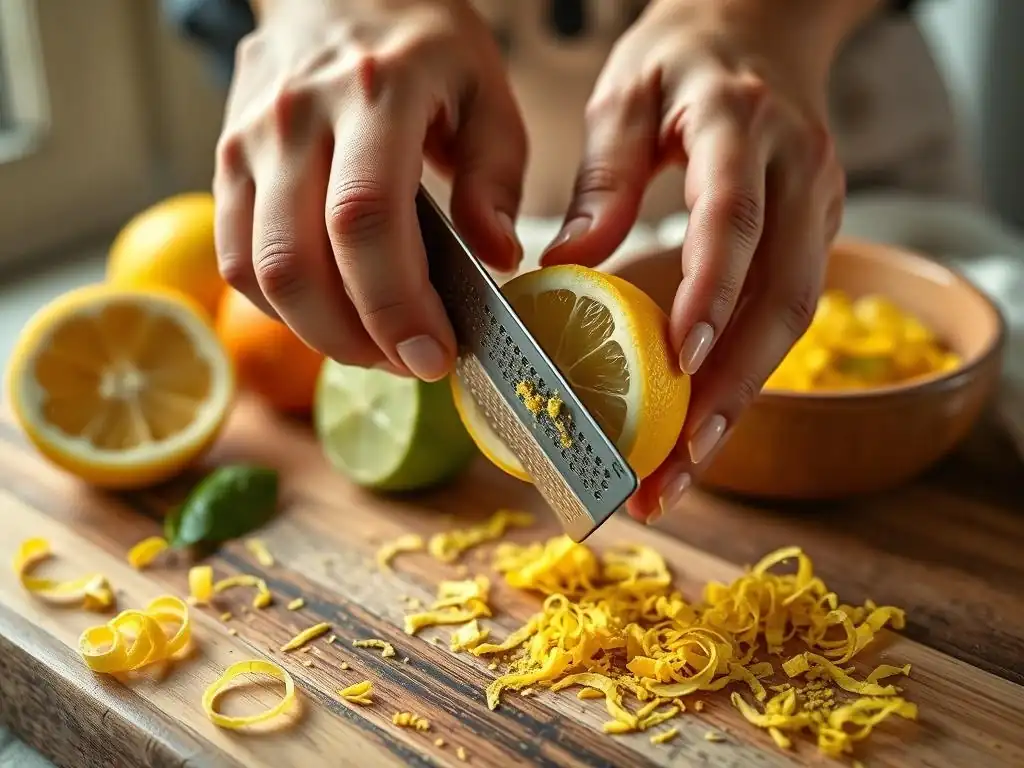
Preparing Your Citrus: Washing and Drying for Optimal Zesting
Before you begin zesting citrus, proper preparation of the fruit is essential. Citrus fruits are often coated with waxes, pesticides, and other residues that you definitely don't want in your baked goods. Always start by thoroughly washing the fruit under cool running water. Use a soft brush or your hands to gently scrub the surface. If using non-organic citrus, consider using a produce wash or soaking the fruit briefly in a solution of water and baking soda (about one teaspoon per cup of water) for a few minutes, then rinsing well.
After washing, it is crucial to dry the citrus completely. Water on the surface can make the zesting process more difficult, causing the zester to slip and potentially leading to uneven results or accidental contact with the pith. Use a clean kitchen towel or paper towel to dry the fruit thoroughly. A dry surface ensures you have a good grip and allows the zester to glide smoothly over the peel, making it easier to remove only the flavorful outer layer.
Mastering the Technique: Zesting Without the Bitter White Pith
The key to perfect zesting citrus is to remove only the colorful outermost layer of the peel, where the essential oils reside, while leaving behind the white layer underneath, known as the pith. The pith is bitter and can impart an unpleasant flavor to your baking. To avoid it when using a Microplane or grater, hold the zester at an angle and gently rub the fruit against the blades. Apply just enough pressure to shave off the colored peel.
As you zest, rotate the fruit frequently. Once you see the white pith appearing underneath where you've zested, move to a new section of the fruit. Don't press down hard or go over the same spot multiple times if the colored peel is gone. The goal is to skim the surface, collecting only the bright, fragrant zest. This careful technique ensures your zest is purely aromatic and free from bitterness, essential for successful zesting citrus in any recipe.
Different Zesting Techniques: Fine Zest vs. Citrus Strips
The technique you use for zesting citrus depends on the desired result: fine zest or citrus strips. For fine zest, the Microplane is the tool of choice. As described above, you'll gently rub the fruit against the blades, rotating it to get only the colored part. This yields tiny, almost powdery flakes of zest perfect for incorporating directly into batters, doughs, custards, or glazes, ensuring the flavor is evenly distributed and the texture is smooth.
For citrus strips (sometimes called peels or twists), you'll use a channel zester or a vegetable peeler. With a channel zester, simply pull the tool firmly along the length of the fruit to create thin strips. With a vegetable peeler, peel off wider sections, then use a sharp paring knife to carefully scrape away any white pith from the back of the peel.
These strips are ideal for infusing liquids (like simple syrups or spirits), adding to teas or mulled drinks, or using as a garnish on finished baked goods. The larger surface area allows for slower, more gradual flavor release compared to fine zest.
Tips and Tricks for Maximizing Citrus Zest Flavor
Zesting Citrus for Intense Aroma: Release the Essential Oils
To truly maximize the intense aroma when zesting citrus, focus on releasing those precious essential oils. The act of grating or peeling itself ruptures the oil glands. Using a sharp tool like a Microplane helps achieve this efficiently. Some bakers like to zest directly into the sugar called for in the recipe; then, they use their fingertips to rub the zest into the sugar. This action further breaks down the oil pockets and transfers the fragrant oils to the sugar crystals, which helps distribute the flavor more evenly throughout the batter.
Another tip for intense aroma is to use the zest immediately after zesting. The essential oils are volatile and begin to dissipate over time. While zest can be stored, its peak fragrance is right after it's been removed from the fruit. For recipes where citrus flavor is the star, such as a lemon pound cake or orange shortbread cookies, zesting the citrus just before adding it to the mix will provide the most potent burst of fresh flavor and aroma.
Storing Citrus Zest: Keeping it Fresh for Future Baking
Sometimes you zest more citrus than you need for a single recipe, or you want to save zest for future use. Properly storing citrus zest helps preserve its flavor and aroma. For short-term storage (a few days), place the zest in a small airtight container or zip-top bag and keep it in the refrigerator. Ensure the container is truly airtight, as air exposure diminishes the potency of the oils.
For longer-term storage (several months), freezing is an excellent option. Spread the zest in a thin layer on a small plate or baking sheet lined with parchment paper and freeze until solid. Then, transfer the frozen zest to a freezer-safe airtight container or bag, pressing out as much air as possible before sealing. Frozen zest can be added directly to most recipes without thawing, and it retains much of its flavor and aroma. You can also mix zest with a little sugar before freezing – the sugar helps prevent clumping and freezer burn.
Utilizing Zested Citrus: Recipes and Creative Applications
Once you've mastered zesting citrus, you'll find countless ways to use this versatile ingredient in your winter baking and beyond. Beyond the obvious inclusion in cakes, muffins, and cookies, citrus zest can elevate glazes and icings, adding a bright counterpoint to sweetness. Stir a teaspoon of lemon zest into a simple powdered sugar glaze for drizzling over scones or loaf cakes.
Consider adding orange zest to chocolate ganache for truffles or fillings. Infuse simple syrups with citrus strips for moistening cakes or making cocktails. Blend zest into sugar for a flavorful topping on sugar cookies or pastries. You can even dry citrus zest to create your own citrus powder, which can be stored for long periods and used as a spice blend component or rub. Don't let that flavorful peel go to waste after you've juiced the fruit!
Common Mistakes to Avoid When Zesting Citrus
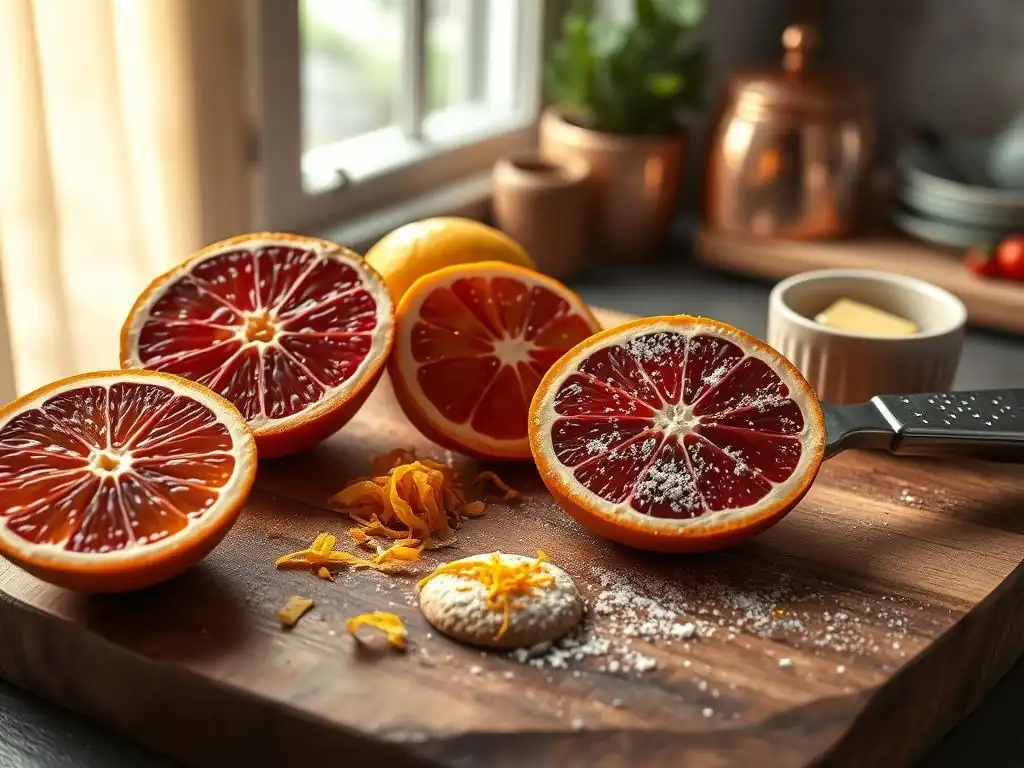
Preventing Bitter Zest: Avoiding the Pith
The most common mistake when zesting citrus is including the bitter white pith. This layer beneath the colorful zest contains compounds that are distinctly unpleasant and can ruin the flavor of your baked goods. As highlighted earlier, the key to avoiding pith is using a sharp tool and applying light pressure. With a Microplane, angle the fruit so only the colored surface touches the blades.
If using a box grater or peeler, be extra vigilant. Peel or grate only until the first hint of white appears, then move to a new section. If you accidentally get some pith, especially when using a peeler to get strips, take the time to carefully scrape it off the back of the peel with a sharp knife before using the zest. A little patience here makes a huge difference in the final taste of your baking.
Over-Zesting: Knowing When to Stop
It might seem counterintuitive, but it is possible to "over-zest" a single piece of fruit. Over-zesting refers to continuing to zest a spot after the colored peel is gone, digging into the white pith. As we know, this introduces bitterness. It also means you won't get any more of the desirable essential oils from that spot, as they are concentrated in the outer layer.
Know when to stop on a particular area of the fruit. Once you see the white pith showing through clearly, move your zester or the fruit to an untouched section. You might not be able to get zest from every single square inch of the fruit's surface, particularly around the stem and blossom ends or on irregularly shaped fruit. That's okay. Focus on getting the vibrant, oil-rich zest from the best areas of the peel, rather than trying to strip the fruit bare and risking bitterness.
Using Dull Zesters: Impact on Flavor and Texture
The sharpness of your zesting tool significantly impacts both the ease of zesting citrus and the quality of the resulting zest. A dull zester doesn't shave the peel cleanly; instead, it tends to tear and bruise it. This makes the process more difficult, requiring more pressure, which increases the likelihood of digging into the bitter pith.
Furthermore, a dull tool doesn't release the essential oils as effectively as a sharp one. Instead of cleanly rupturing the oil pockets, it might crush them less efficiently, resulting in less fragrant zest. The texture of the zest from a dull tool can also be less uniform. While Microplanes stay sharp for a long time, all tools eventually dull. If you find yourself having to press hard, or the zest looks bruised rather than finely shaved, it might be time to sharpen or replace your zester for optimal zesting citrus results.
Delicious Winter Baking Recipes Featuring Citrus Zest
Orange Cranberry Muffins
Orange Cranberry Muffins are a winter baking classic, and orange zest is absolutely key to their success. While fresh cranberries provide tartness, and perhaps a splash of orange juice adds moisture, it's the orange zest that infuses the muffins with a bright, warm citrus aroma that perfectly complements the cranberries. A typical recipe for 12 muffins might call for the zest of one large orange (about 1.5 tablespoons).
The zest is usually added to the dry ingredients or rubbed into the sugar to release its oils before being combined with the wet ingredients. As the muffins bake, the heat activates the oils, filling your kitchen with a delightful scent and ensuring every bite has that signature orange note. The bright, slightly sweet flavor of the orange zest balances the tartness of the cranberries and the richness of the muffin batter, creating a harmonious and flavorful treat perfect for a winter morning.
Lemon Poppy Seed Cake
Lemon Poppy Seed Cake is another recipe where zesting citrus is fundamental. While lemon juice provides the necessary acidity and tangy flavor, the bulk of the vibrant "lemony" taste and aroma comes from the zest. A standard loaf cake recipe might require the zest of two to three medium lemons (roughly 2-3 tablespoons). This significant amount ensures the lemon flavor is pronounced and permeates the entire cake.
Often, the lemon zest is rubbed into the sugar at the beginning of the recipe to maximize the release of its essential oils. This technique not only intensifies the lemon flavor but also helps distribute it evenly throughout the batter. The fine zest from a Microplane integrates seamlessly, providing flavor without an unpleasant chewy texture. The bright, floral notes of the lemon zest pair beautifully with the subtle nuttiness of the poppy seeds, creating a moist, flavorful cake that's a ray of sunshine on a cold winter day.
Grapefruit Olive Oil Cake
For a slightly more adventurous winter bake, consider a Grapefruit Olive Oil Cake. This recipe showcases how zesting citrus, specifically grapefruit, can add a sophisticated twist. Grapefruit zest offers a unique profile – tangy with a pleasant, slightly bitter undertone – that pairs surprisingly well with the fruity, sometimes peppery notes of good quality olive oil. A recipe for an 8 or 9-inch cake might use the zest of one large grapefruit (about 1-1.5 tablespoons).
The grapefruit zest is often added along with the wet ingredients, or again, rubbed into the sugar. Its role is to provide a bright counterpoint to the rich, moist crumb created by the olive oil. The slight bitterness of the grapefruit zest prevents the cake from being overly sweet and adds a layer of complexity that makes this cake stand out. It's a fantastic example of how exploring different types of citrus and mastering zesting citrus techniques can lead to exciting and delicious new flavor combinations in your baking.
Conclusion: Elevate Your Winter Baking with Expert Citrus Zesting Techniques
Mastering the art of zesting citrus is a simple yet powerful way to elevate your winter baking from good to truly great. The concentrated essential oils found in the zest offer a depth of flavor and aroma that juice alone cannot replicate, providing bright, vibrant notes that cut through the richness and warmth of seasonal recipes. By understanding which citrus fruits work best, selecting high-quality produce, and using the right tools and techniques, you can ensure your zest is potent, pure, and free from bitterness.
From the classic pairing of orange zest with cranberries to the sophisticated tang of grapefruit zest in an olive oil cake, incorporating citrus zest opens up a world of flavor possibilities. Remember to wash and dry your fruit, use a sharp zester to avoid the pith, and consider rubbing the zest into your sugar to maximize flavor release. Whether you're a novice baker or looking to refine your skills, dedicating a little care to zesting citrus will undoubtedly lead to more delicious, aromatic, and memorable winter baked goods. Happy zesting!
Frequently Asked Questions
How does zesting citrus enhance baked goods?
Zesting citrus adds a burst of fresh, aromatic flavor to your baked goods. The zest contains the citrus oils, which are where the majority of the flavor resides. This provides a more intense flavor compared to the juice.
What's the best tool for zesting citrus and why?
While several tools exist, a microplane zester is generally considered the best. It creates a fine zest that readily incorporates into batters and doughs, preventing bitter pith from being included.
How do I avoid zesting the bitter white pith?
Apply gentle pressure when zesting and stop as soon as you reach the white pith. Rotate the citrus fruit frequently to ensure you're only removing the outer, colored layer.
Can I use dried citrus zest instead of fresh?
Yes, you can, but the flavor won't be as vibrant. Use about half the amount of dried zest as you would fresh, as it has a more concentrated flavor. It's best to rehydrate it with a little liquid before adding.
What are some creative ways to use citrus zest in winter baking?
Citrus zest is fantastic in everything from cookies and cakes to breads and scones. Try adding it to your favorite holiday pies or using it to infuse simple syrups for cakes.
Final Reflection: The Enduring Joy of Zest in Winter Baking
The vibrant burst of citrus zest isn't just a flavor enhancer; it's a sensory experience that elevates winter baking from comforting to truly magical. This simple act, often overlooked, transforms ordinary recipes into extraordinary creations, adding depth and complexity that no other ingredient can quite replicate. From the fragrant oils released during zesting to the bright, uplifting notes they impart to baked goods, the power of zest is undeniable.
The impact of citrus zest extends beyond the simple addition of flavor; it's a connection to tradition, a reminder of simpler times spent in the kitchen. The act of carefully zesting a lemon or orange, feeling the fragrant oils on your fingertips, evokes a sense of warmth and nostalgia. It's a mindful process that slows us down and allows us to appreciate the simple pleasures of cooking. The best things in life are simple,
a sentiment perfectly captured by the humble, yet powerful, citrus zest.
Now, consider your own baking. What new zest-filled adventures await you? Will you experiment with different citrus varieties, exploring the unique nuances of each? Will you try infusing your own oils or syrups with zest? The possibilities are endless. Embrace the joy of zesting, and let the bright, invigorating flavors of citrus transform your winter baking into a truly unforgettable experience. Let the simple act of zesting bring a touch of sunshine to your kitchen and warmth to your heart.
Unlock the Zesty Secrets of Winter Baking!
Thanks for joining us on this citrus-zesting adventure! We hope you've gained some delicious new skills to elevate your winter baking. Ready to put your newfound expertise to the test?
- Experiment with different citrus fruits: Go beyond lemons and oranges! Try zesting grapefruits, limes, or even mandarins for unique flavor profiles. This is your chance to get creative!
- Share your zesty creations: Tag us on social media with your stunning winter bakes – we’d love to see what you come up with! Use #BakeWithEaseZest.
- Dive deeper into citrus baking: Explore more of our recipes featuring zesty ingredients – you might discover your new favorite winter treat!
What surprising citrus combination will you try in your next bake?