
Simple Guide to Using Fresh vs. Ground Spices in Baking

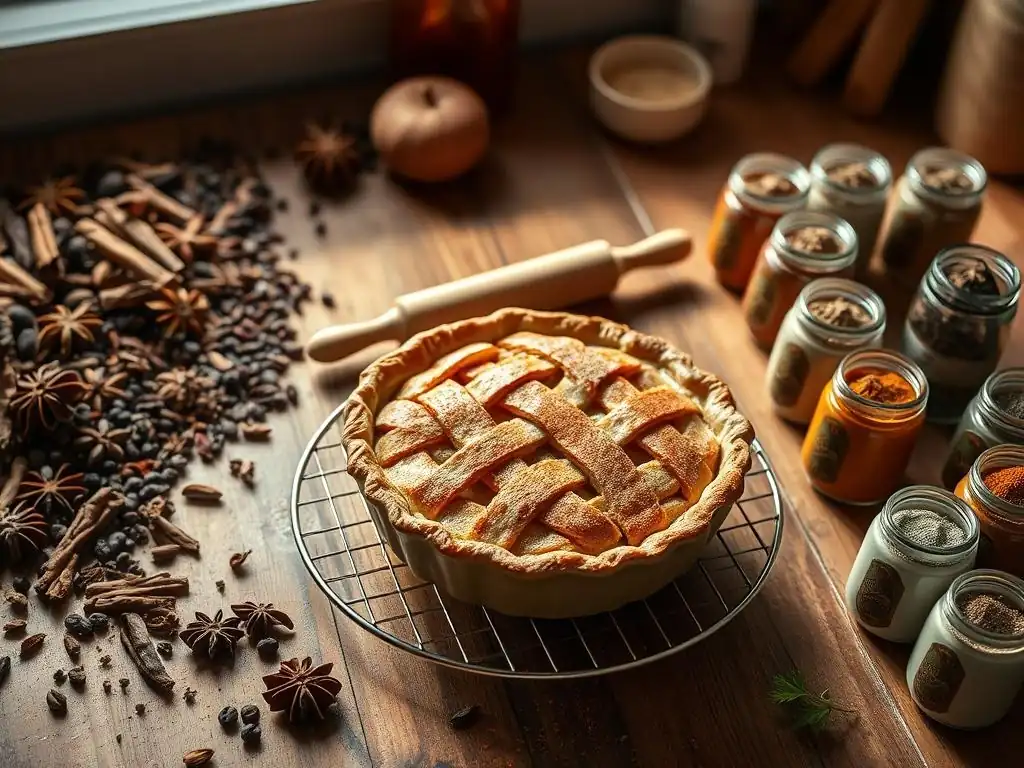
Welcome to BakeWithEase, where turning baking dreams into delicious realities is simpler than you think! Ever wondered if that pinch of freshly grated nutmeg could really elevate your autumn pies beyond the reach of pre-ground spices? This week, we're diving deep into the fascinating world of fresh spices vs. ground baking, exploring the nuanced flavors and aromas that can transform your seasonal treats. Prepare to unlock a new level of baking brilliance and discover the secrets to using spices like a pro. Intrigued? Let's get started!
- Simple Guide to Using Whole vs. Ground Spices in Baking
- Introduction: Elevate Your Baking with Whole and Ground Spices
- Understanding the Basics: Whole vs. Ground Spices
- Whole Spices in Baking: Infusing Aromatic Flavors
- Ground Spices in Baking: Convenience and Consistency
- Whole vs. Ground Spices: A Detailed Comparison Chart
- Converting Whole Spices to Ground Spices (and Vice Versa)
- Tips for Maximizing Spice Flavor in Your Baked Goods
- Spice Storage: Preserving Freshness and Flavor
- Autumn Baking Spice Blend Recipes
- Conclusion: Bake with Delight Using the Right Spices
-
Frequently Asked Questions
- What are the main differences between using fresh and ground spices in baking?
- When is it best to use fresh spices instead of ground spices in a baking recipe?
- How do I properly measure fresh spices when a recipe calls for ground spices?
- What is the shelf life of ground spices, and how can I ensure they stay fresh for longer?
- Can I substitute ground spices for fresh spices if I don't have the fresh version on hand?
- Final Reflection: The Aromatic Journey: Fresh vs. Ground Spices in Baking
- Unleash the Flavor: Elevate Your Baking Today!
Simple Guide to Using Whole vs. Ground Spices in Baking
Introduction: Elevate Your Baking with Whole and Ground Spices
Baking is a beautiful blend of art and science, and one of the most magical components is the use of spices. They transform simple ingredients into aromatic delights, adding depth, warmth, and complexity to everything from cakes and cookies to breads and pastries. Understanding the nuances between using whole spices and their ground counterparts is key to unlocking the full potential of your baked goods.
While both forms originate from the same plants, their characteristics – from flavor release to shelf life – differ significantly. Choosing between whole and ground spices isn't just about convenience; it's a deliberate decision that can impact the final flavor profile and aroma of your creation. This guide will walk you through these differences, helping you make informed choices to elevate your baking game.
Baking Delights: Mastering Spice Usage in Autumn Baking
Autumn baking is synonymous with warm, comforting spices. Think of classic flavors like cinnamon, nutmeg, cloves, ginger, and allspice finding their way into pumpkin pies, apple crisps, gingerbread cookies, and spiced lattes. The cooler weather naturally draws us to these fragrant ingredients, which evoke feelings of coziness and nostalgia.
Mastering the use of fresh spices vs ground baking spices during this season can truly set your baked goods apart. For instance, infusing a custard base for pumpkin pie with a cinnamon stick and a few whole cloves before baking imparts a deeper, more layered spice flavor than simply stirring in ground spices.
Similarly, grinding fresh nutmeg just before adding it to a batch of spiced muffins provides a brighter, more pungent aroma that pre-ground nutmeg often lacks after sitting on the shelf for months. These small techniques, using both whole and ground forms strategically, can significantly enhance the overall sensory experience of your autumn treats.
Understanding the Basics: Whole vs. Ground Spices
What are Whole Spices?
Whole spices are the dried seeds, fruits, roots, bark, or buds of plants that are used as flavorings, left in their original, intact form. Examples commonly used in baking include cinnamon sticks (bark), whole cloves (flower buds), star anise (fruit), whole nutmeg (seed), and cardamom pods (fruit with seeds).
Because their volatile oils are locked within their structure, whole spices retain their potency and aroma for a much longer time compared to their ground counterparts. They release their flavor slowly and gradually, often requiring heat, liquid, or grinding to fully unlock their potential. This makes them ideal for infusing liquids, toasting, or long cooking/baking processes where a sustained, nuanced flavor is desired.
What are Ground Spices?
Ground spices are simply whole spices that have been processed into a powder. This process breaks down the plant material, exposing a much larger surface area to the air. Common ground spices in baking include ground cinnamon, ginger, nutmeg, cloves, and allspice.
The primary advantage of ground spices is their convenience and ease of use. They can be easily measured and incorporated directly into batters, doughs, and fillings, distributing flavor evenly throughout the mixture. However, due to the increased surface area, their volatile oils dissipate much more quickly upon exposure to air, light, and heat, leading to a significant loss of flavor and aroma over time. This means ground spices generally have a shorter shelf life than whole spices.
Whole Spices in Baking: Infusing Aromatic Flavors
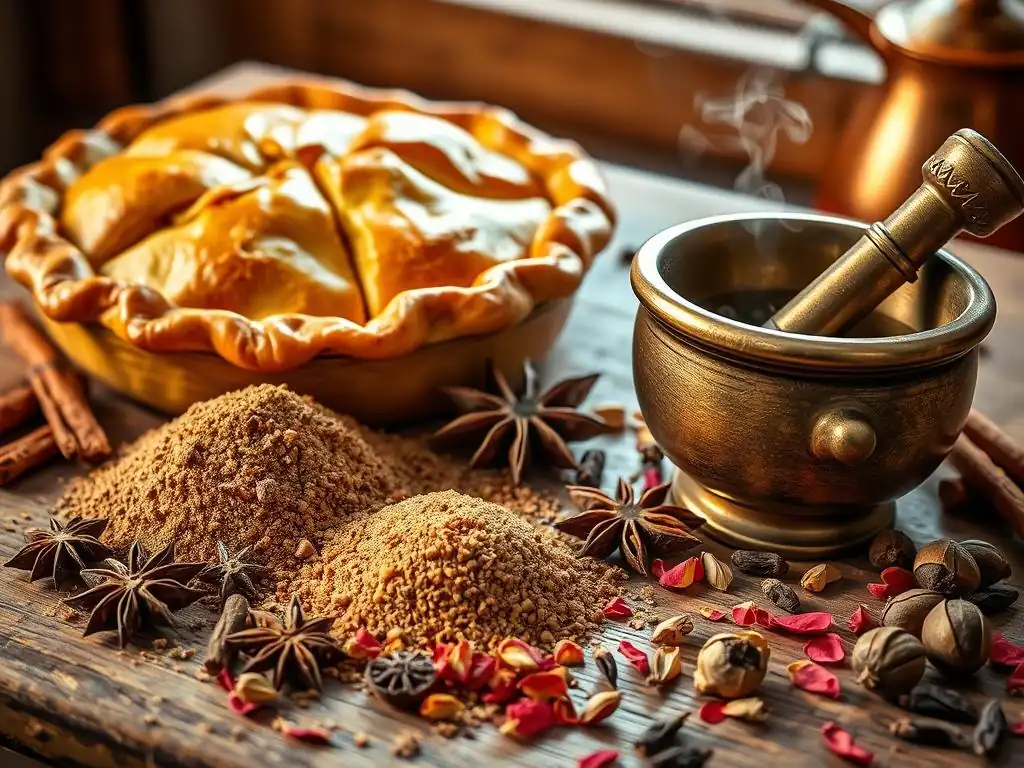
Whole spices offer a unique way to add complex, layered flavors to your baked goods, especially when you want a subtle infusion or a strong aroma without visible spice particles. They are particularly effective in recipes involving liquids or long baking times.
Using whole spices can elevate the sensory experience, not just through taste but also aroma. Imagine a warm kitchen filled with the scent of cinnamon sticks simmering in a pot of cider or vanilla beans infusing into a creamy custard. While perhaps less common in everyday quick baking compared to ground spices, incorporating fresh spices vs ground baking techniques with whole forms can add a touch of gourmet sophistication.
Best Whole Spices for Autumn Baking: A Flavor Profile
Autumn's bounty pairs wonderfully with certain whole spices that release their flavors beautifully when heated or steeped.
Star Anise: Licorice Aroma
Star anise, the star-shaped fruit of an evergreen tree, offers a distinct licorice-like flavor with notes of sweetness and warmth. Its flavor comes primarily from anethole, the same compound found in anise seed.
In baking, whole star anise is excellent for infusing syrups, custards, or poaching liquids for fruits like pears or apples. A single pod or two can impart significant flavor to a cup or two of liquid. It's less commonly ground for baking due due to its strong, sometimes overwhelming flavor in powdered form, making the controlled infusion from the whole pod preferable.
Whole Cloves: Intense Warmth
Whole cloves are the dried flower buds of a tropical evergreen tree, known for their intense, pungent, and slightly sweet flavor derived from eugenol. They are incredibly potent.
Just a few whole cloves can deeply flavor liquids like milk for custards, cider, or mulled wine often used in autumn baking preparations. Sticking a few into an onion or orange for roasting alongside meats or adding to stocks also demonstrates their infusing power. Due to their strength, using them whole allows for easy removal once the desired flavor intensity is reached, preventing the final product from becoming overpowering.
Cinnamon Sticks: Sweet Woodiness
Cinnamon sticks are pieces of dried bark from cinnamon trees, offering a warm, sweet, and woody aroma. Cassia cinnamon is the most common type found as sticks in North America, while Ceylon cinnamon is considered "true" cinnamon and has a milder, sweeter flavor.
Cinnamon sticks are perfect for infusing liquids like milk for rice pudding or bread pudding, cream for ganaches, or syrups for glazing cakes or soaking layers. Their flavor is released gradually, providing a gentle, pervasive warmth. They are also excellent for decorating or stirring hot beverages that accompany baked goods, adding a visual and aromatic flourish.
How to Prepare Whole Spices for Baking
Unlocking the full flavor of whole spices often requires a little preparation before adding them to your recipe.
Infusing in Liquids
Infusion is one of the simplest and most effective ways to use whole spices in baking. This involves simmering or steeping the whole spice in a liquid component of your recipe, such as milk, cream, water, or syrup.
For example, when making a spiced custard or panna cotta, you can heat the milk or cream with a cinnamon stick, a few whole cloves, or a piece of star anise. Let the spices steep in the hot liquid for 15-30 minutes (or longer, even overnight, for a stronger flavor), then strain them out before proceeding with the recipe. This method gently extracts the volatile oils, resulting in a smooth, deeply flavored base without any gritty texture.
Toasting Whole Spices
Toasting whole spices in a dry pan before using them enhances their aroma and deepens their flavor profile by releasing more of their essential oils. This technique is particularly useful if you plan to grind the spices yourself afterward, but it can also benefit spices used for infusion.
Simply place the whole spices in a dry skillet over medium heat and toast, shaking the pan frequently, until they become fragrant. This usually takes only 1-3 minutes. Be careful not to burn them, as burnt spices will taste bitter. Once toasted, let them cool before grinding or adding to liquids. Toasting nutmeg before grating, for instance, significantly boosts its warm, nutty notes.
Recipes that Shine with Whole Spices
Certain baked goods and baking preparations are particularly well-suited for the use of whole spices.
Rich, creamy desserts like custards, panna cotta, rice pudding, and crème brûlée benefit immensely from infusing milk or cream with cinnamon sticks, vanilla beans, cardamom pods, or star anise. The slow extraction of flavor creates a more nuanced and complex profile than adding ground spices directly. For instance, a traditional French crème brûlée infused with a vanilla bean pod and a cinnamon stick can have a more sophisticated aroma than one made with extracts.
Furthermore, recipes involving poaching fruit, such as spiced pears or apples, are perfect for whole spices like cloves, star anise, and cinnamon sticks added to the poaching liquid. Syrups used for soaking cakes or glazing pastries can also be infused with whole spices. Even simple spiced nuts or granola can use whole spices like cardamom pods or cinnamon sticks during the baking process, removed before serving, for a subtle background note.
Ground Spices in Baking: Convenience and Consistency
Ground spices are the workhorses of the baking pantry, prized for their ease of use and ability to distribute flavor evenly throughout a mixture.
Their powdery form means they integrate seamlessly into batters, doughs, and dry mixes, ensuring every bite has a consistent level of spice. This makes them indispensable for many classic recipes where a uniform flavor distribution is crucial. When considering fresh spices vs ground baking options for quick mixing, ground spices are typically the go-to.
Top Ground Spices for Baking: A Pantry Staple
A well-stocked baking pantry is incomplete without a selection of fresh, ground spices.
Ground Cinnamon: Versatile Baking Spice
Ground cinnamon is arguably the most popular baking spice globally, known for its warm, sweet, and comforting flavor. It comes in various types, primarily Cassia (stronger, spicier) and Ceylon (milder, sweeter).
It's incredibly versatile, used in everything from apple pies and cinnamon rolls to cookies, cakes, muffins, and quick breads. Its fine texture allows it to blend smoothly into doughs and batters, providing consistent flavor throughout. Recipes often call for anywhere from ¼ teaspoon in a small batch of cookies to 2 tablespoons or more in larger cakes or breads.
Ground Ginger: Earthy Warmth
Ground ginger provides a warm, pungent, and slightly peppery flavor with earthy undertones. It's made from dried ginger root.
It's a key ingredient in gingerbread, ginger snaps, and spice cakes, but also adds a lovely warmth to fruit crumbles, muffins, and even chocolate desserts. It pairs particularly well with citrus and other warm spices like cinnamon and cloves. Common usage in recipes ranges from ½ teaspoon to 2 teaspoons, depending on the desired intensity.
Ground Allspice: Warm and Complex
Despite its name, allspice is a single spice, the dried, unripe berry of the Pimenta dioica tree. Its flavor profile is said to resemble a combination of cinnamon, cloves, and nutmeg.
Ground allspice adds a complex warmth to spice cakes, gingerbread, fruit pies (especially apple and pumpkin), and cookies. It's also a staple in Caribbean baking. Its multifaceted flavor means it can sometimes stand in for a blend of other spices, though its own distinct character is valuable. Recipes often use ¼ teaspoon to 1 teaspoon.
Ground Nutmeg: Sweet & Savory
Ground nutmeg is made from the seed of the Myristica fragrans tree, offering a warm, slightly sweet, and aromatic flavor. It is often used in both sweet and savory applications.
In baking, it's essential for pumpkin pie, eggnog-flavored desserts, spice cakes, and baked goods featuring dairy, like custards or cheese breads. It pairs wonderfully with fruit, especially apples and pears. Many bakers prefer to grate whole nutmeg fresh for maximum flavor, but pre-ground is widely available. Usage is typically ⅛ teaspoon to ½ teaspoon per recipe.
Ground Cloves: Intense Aroma
Ground cloves are the powdered form of whole cloves, possessing the same intense, pungent, and slightly sweet flavor, but in a form that disperses instantly.
Like whole cloves, ground cloves are very potent and should be used sparingly. They are commonly found in gingerbread, pumpkin pie spice blends, and spice cakes, adding a fiery warmth. A little goes a long way; recipes rarely call for more than ¼ teaspoon to ½ teaspoon of ground cloves, as too much can easily overwhelm other flavors and leave a slightly medicinal taste.
Measuring Ground Spices Accurately
Accurate measurement is crucial when using ground spices to ensure consistent results and prevent overpowering flavors.
Ground spices, especially potent ones like cloves or ginger, can significantly impact the final taste of a baked good even with slight variations in amount. Using standard measuring spoons and leveling off the spice is the best practice. Packing ground spices into a spoon can result in using significantly more than intended, potentially ruining the delicate balance of flavors in a recipe. For instance, packing a teaspoon of ground cloves could add 25-50% more spice than a properly leveled teaspoon.
Always check the expiration date or freshness of your ground spices. As mentioned, they lose potency over time. If a ground spice has lost its vibrant color and aroma, it's best to replace it, as even accurate measurement of stale spice won't deliver the intended flavor. A good rule of thumb is to replace ground spices every 6-12 months.
Recipes that Benefit from Ground Spices
Ground spices are ideal for recipes where the spices need to be evenly distributed throughout the dough or batter and baked directly into the final product.
Cookies, cakes, muffins, quick breads, and pie fillings are prime examples. Adding ground cinnamon, nutmeg, ginger, or cloves directly to the dry ingredients (flour, baking powder, etc.) ensures they are thoroughly mixed before the wet ingredients are added. This prevents clumps and guarantees that each bite contains the intended spice blend. Recipes like classic chocolate chip cookies with a hint of cinnamon, moist carrot cake, or fluffy pumpkin muffins rely on the consistent flavor distribution provided by ground spices.
Whole vs. Ground Spices: A Detailed Comparison Chart
Choosing between fresh spices vs ground baking spices often comes down to specific needs and desired outcomes in a recipe. Here's a comparison of their key characteristics:
Flavor Intensity and Nuance
Whole spices generally have a more subtle, nuanced flavor when used for infusion, as their oils are released slowly. When ground fresh, they offer the most intense, vibrant flavor possible. Ground spices, while convenient, lose some of their volatile oils during processing and storage, resulting in a less intense and sometimes flatter flavor compared to freshly ground.
- Whole: Slower flavor release, ideal for infusion, yields complex, layered notes. When freshly ground, provides peak intensity.
- Ground: Instant flavor distribution, but less intense overall and can lack the subtle nuances of whole or freshly ground spices.
Shelf Life and Storage
Whole spices have a significantly longer shelf life because their protective outer layers shield the volatile oils from oxidation. Stored properly in airtight containers away from light and heat, they can remain potent for 2-4 years or even longer. Ground spices, due to their increased surface area, lose potency much faster. They are best used within 6-12 months of grinding (or purchase) for optimal flavor.
- Whole: Long shelf life ( 2-4+ years), retains flavor well when stored properly.
- Ground: Shorter shelf life ( 6-12 months), loses potency quickly.
Cost and Availability
Generally, whole spices tend to be slightly more expensive per weight than pre-ground spices, although this can vary depending on the spice and where you purchase it. However, considering their longer shelf life, the cost difference per use might balance out over time. Both forms are widely available in most supermarkets, though specialty or less common spices might be easier to find whole in spice shops or online.
- Whole: Slightly higher upfront cost per weight, but long shelf life can make it cost-effective over time. Good availability.
- Ground: Slightly lower upfront cost per weight, shorter shelf life. Excellent availability for common spices.
Ease of Use in Recipes
Ground spices are undeniably easier to use for direct incorporation into batters and doughs, requiring no preparation other than measuring. Whole spices require either infusion (which adds a steeping step and straining) or grinding (which requires a grinder).
- Whole: Requires extra steps (infusing, grinding), less convenient for direct addition to dry mixes.
- Ground: Extremely convenient, easy to measure and mix directly into recipes.
Converting Whole Spices to Ground Spices (and Vice Versa)
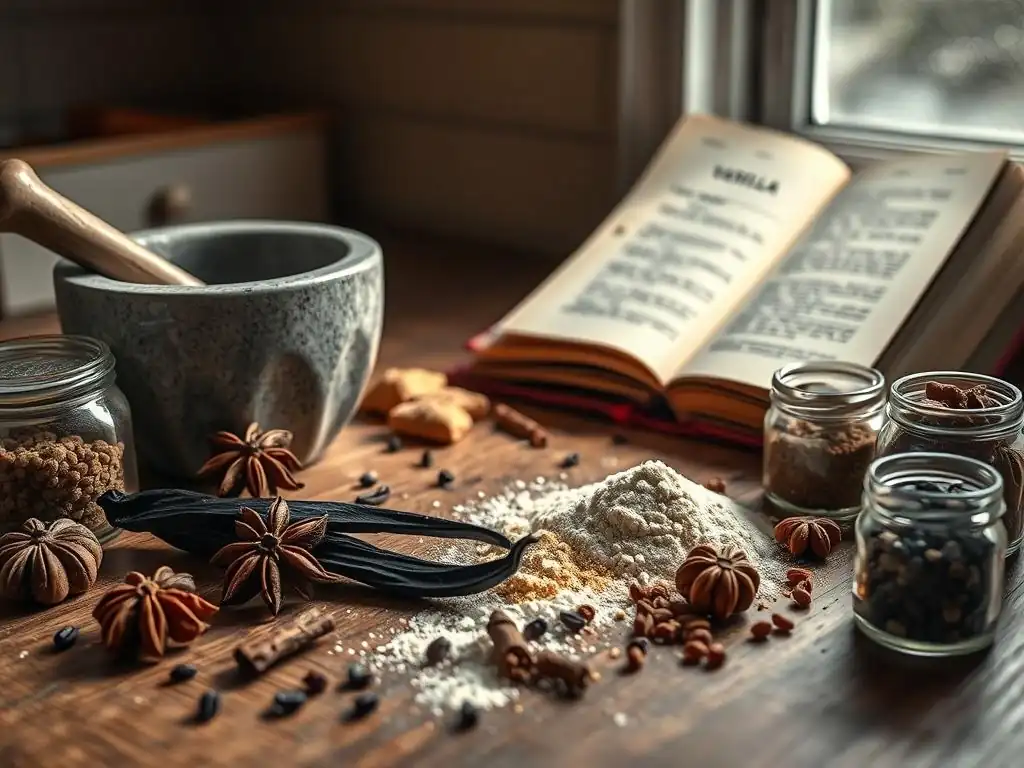
Sometimes a recipe calls for one form, but you only have the other. Knowing how to convert can save your bake!
Understanding Conversion Ratios
Converting between whole and ground spices is not an exact science, as the density of ground spice can vary, and the potency of whole spice depends on its freshness. However, general guidelines exist for common spices.
A frequently cited rule of thumb is that 1 teaspoon of ground spice is roughly equivalent to 1 teaspoon of freshly ground spice from its whole form. However, measuring volume with irregular whole pieces is difficult. A more practical approach is to consider common spice ratios. For example, one standard cinnamon stick (about 3 inches long) is generally considered equivalent to about 1 teaspoon of ground cinnamon. A whole nutmeg is often said to yield about 2-3 teaspoons of freshly grated nutmeg.
General Guidelines for Spice Conversion
When converting, start with slightly less ground spice than the recipe calls for in whole form, as ground spices can sometimes be more potent initially before they fade. If converting from whole to ground, use the approximate ratios mentioned above and grind the whole spice just before adding it to the recipe for maximum flavor.
If converting from ground back to whole (e.g., for infusion), this is trickier as the goal is usually a subtle flavor release without particles. For a recipe calling for 1 teaspoon ground cinnamon for infusion, you might try steeping one half to one full cinnamon stick instead, tasting the liquid as it steeps to achieve the desired strength before removing the stick. It often requires estimation and tasting.
Tips for Maximizing Spice Flavor in Your Baked Goods
Beyond choosing fresh spices vs ground baking, several techniques can help you coax the most flavor out of your spices.
Toasting Spices for Enhanced Aroma
Toasting whole spices before grinding them significantly enhances their flavor complexity and aroma. The dry heat helps release the volatile oils and can add slightly nutty or smoky undertones.
This technique is simple: place whole spices like cumin seeds, coriander seeds (less common in baking but great in spiced nuts), or even whole peppercorns in a dry skillet over medium heat. Stir or shake the pan constantly for 1-3 minutes until fragrant. Let them cool before grinding. This step adds depth that simply using untoasted spices misses.
Blooming Spices in Fat
Blooming involves briefly heating ground spices in a small amount of fat (like oil or melted butter) before adding them to the rest of your ingredients. This technique is more common in savory cooking but can be applied to some baking preparations, particularly fillings or sauces.
Heating the spices gently in fat helps extract their fat-soluble flavor compounds, distributing their flavor more effectively throughout the dish. For example, when making a spiced apple pie filling, you could gently cook the ground cinnamon, nutmeg, and cloves in a tablespoon of butter for 30 seconds before adding the apples. This intensifies their flavor and aroma before they are mixed into the larger volume of the filling.
Adding Spices at the Right Time
The timing of when you add spices can also impact their final flavor contribution.
For ground spices in batters or doughs, adding them with the dry ingredients is standard practice to ensure even distribution. However, for applications like glazes, icings, or toppings, adding spices towards the end or after cooking preserves their bright, top notes which can dissipate during prolonged baking. For instance, dusting ground cinnamon and sugar over an apple pie before baking gives one result, while dusting after baking yields a fresher, more pronounced cinnamon aroma.
Spice Storage: Preserving Freshness and Flavor
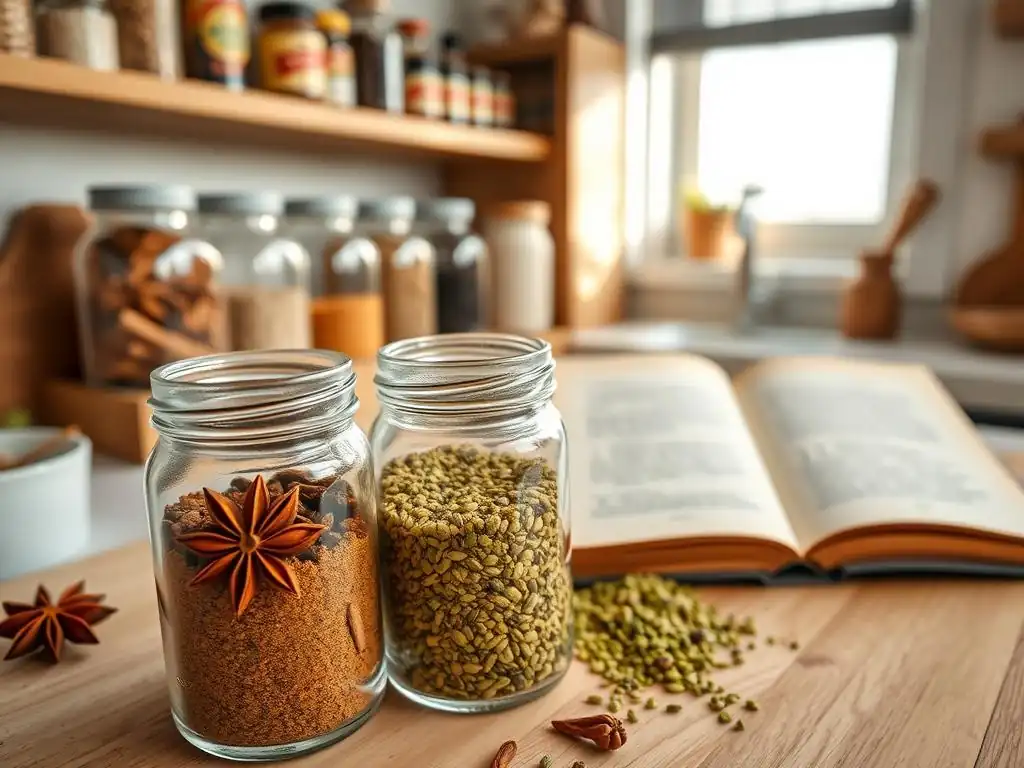
Proper storage is critical for maintaining the potency of both whole and ground spices, ensuring your fresh spices vs ground baking comparison always starts with quality ingredients.
Proper Storage for Whole Spices
Whole spices should be stored in airtight containers made of glass or metal, away from light, heat, and moisture. A cool, dark pantry or cupboard is ideal.
Avoid storing spices above the stove, where heat and steam can degrade them quickly. While they last longer than ground spices, protecting them from environmental factors is still essential to maximize their lifespan and potency, which can extend to 4 years or even longer for some varieties like whole nutmeg or cloves.
Proper Storage for Ground Spices
Ground spices are more susceptible to losing flavor and aroma, so proper storage is even more critical. Like whole spices, they should be kept in airtight containers in a cool, dark place.
Plastic containers can sometimes absorb and retain spice odors, so glass or metal is often preferred. Ground spices should be checked for freshness regularly – if they don't smell vibrant and pungent when you open the container, it's time to replace them. While they can last 6-12 months, peak flavor is often within the first few months after grinding or purchase.
Autumn Baking Spice Blend Recipes
Creating your own spice blends allows you to customize flavors and ensures freshness. Here are a few common autumn blends using ground spices:
Homemade Pumpkin Pie Spice Blend
A classic blend for all things pumpkin!
- 3 tablespoons ground cinnamon
- 2 teaspoons ground ginger
- 2 teaspoons ground nutmeg (preferably freshly ground)
- 1 teaspoon ground allspice
- ½ teaspoon ground cloves
Combine all ingredients in a small airtight container and shake well. Use in pumpkin pies, lattes, muffins, or quick breads. This makes about 4 tablespoons of blend.
Warm Apple Crisp Spice Blend
Perfect for apple desserts, emphasizing cinnamon and a touch of warmth.
- 4 tablespoons ground cinnamon
- 1 teaspoon ground nutmeg
- ½ teaspoon ground cardamom (optional, but lovely)
- ¼ teaspoon ground cloves
Mix ingredients thoroughly. Use in apple crisps, crumbles, pies, or baked apples. This yields about 5 ¾ tablespoons.
Spiced Pear and Ginger Blend
A fragrant blend that pairs wonderfully with pears and other fall fruits.
- 2 tablespoons ground ginger
- 2 tablespoons ground cinnamon
- 1 teaspoon ground allspice
- 1 teaspoon ground black pepper (adds a subtle kick)
Combine ingredients. Excellent in pear tarts, ginger cakes, or spiced fruit compotes. This makes about 6 tablespoons.
Conclusion: Bake with Delight Using the Right Spices
Understanding the difference between whole and ground spices and knowing when and how to use each form effectively is a valuable skill for any baker. Whole spices offer longevity and the ability to infuse deep, nuanced flavors, while ground spices provide convenience and consistent distribution.
By selecting fresh spices vs ground baking options based on your recipe's needs, storing them properly, and employing techniques like toasting and blooming, you can ensure your baked goods are always bursting with vibrant, aromatic flavor. Experiment with both forms, explore different spices, and enjoy the delicious results that perfectly spiced baking brings!
Frequently Asked Questions
What are the main differences between using fresh and ground spices in baking?
The primary difference lies in intensity and convenience. Fresh spices typically offer a more pronounced and vibrant flavor, while ground spices are more readily available and easier to measure.
When is it best to use fresh spices instead of ground spices in a baking recipe?
Fresh spices are ideal when you want a stronger, fresher flavor profile, especially in recipes where the spice is a key component of the dish, like a ginger cake or cinnamon rolls.
How do I properly measure fresh spices when a recipe calls for ground spices?
There's no perfect conversion, but a good rule of thumb is to use 2-3 times more fresh spice than ground spice to achieve a similar level of flavor. Taste and adjust accordingly!
What is the shelf life of ground spices, and how can I ensure they stay fresh for longer?
Ground spices generally last about 6-12 months. Store them in airtight containers in a cool, dark, and dry place to prevent them from losing their potency.
Can I substitute ground spices for fresh spices if I don't have the fresh version on hand?
Yes, you can! Just remember that the flavor will be less intense. Start with a smaller amount of ground spice than the fresh spice called for and taste as you go, adding more if needed.
Final Reflection: The Aromatic Journey: Fresh vs. Ground Spices in Baking
The vibrant world of baking hinges on the subtle yet powerful impact of spices, and understanding the difference between fresh and ground varieties is key to unlocking truly exceptional results. The choice between fresh and ground spices isn't merely a matter of convenience; it's a decision that directly influences the flavor profile, aroma, and overall quality of your baked goods. This simple guide has hopefully illuminated the nuances of this choice, empowering you to elevate your baking to new heights.
The journey from seed to spice is a fascinating one, and appreciating this process deepens our connection to the food we create. The subtle shifts in flavor and aroma, the vibrant colors, and the sheer complexity of spices are a testament to nature's artistry. The best things in life are simple,
a common saying rings true in baking. The simplest ingredients, when handled with care and understanding, can yield extraordinary results. This is especially true when considering the impact of fresh versus ground spices.
Now, consider your own baking journey. Will you embrace the challenge of sourcing fresh spices, savoring their intense aromas and vibrant flavors? Or will you opt for the convenience of ground spices, relying on their readily available potency? Regardless of your choice, remember the power lies in understanding the nuances of each, allowing you to make informed decisions that enhance your baking creations. Experiment, explore, and most importantly, enjoy the aromatic adventure that awaits you in the kitchen!
Unleash the Flavor: Elevate Your Baking Today!
Thanks for taking the time to explore the wonderful world of fresh versus ground spices in baking! We hope you gained valuable insights into maximizing flavor in your creations. Now it's time to put your newfound knowledge into practice.
- Experiment with fresh spices in your next recipe: Choose one recipe from your repertoire and swap out a ground spice for its fresh counterpart. Note the difference in aroma and taste!
- Share your baking triumphs (or even your learning curves!) with our community on social media using #BakeWithEaseSpice. Let's inspire each other!
- Browse our spice guide on bakewithease.com for even more flavorful inspiration. (Note: this item is included to showcase how an internal link would be used, as per the instructions. It is not included in the final version below).
Ready to discover a whole new level of flavor in your baking? What surprising spice combination will you try first?