
Foolproof Methods for Spiced CitrusMarinated Fruits in Baking

Welcome to BakeWithEase, your haven for effortless baking!
Ever wondered how to infuse your baked goods with the vibrant warmth of spiced citrus? This season, we're diving deep into the art of spiced citrus fruit baking, unlocking foolproof methods to elevate your cakes, pastries, and more. Prepare to transform ordinary ingredients into extraordinary delights – are you ready to discover the secret to perfectly marinated fruits and a symphony of seasonal flavors? Let's get baking!
- Introduction to Fruit Infusion in Baking
- Understanding Infusion Techniques for Baking
- Effective Methods for Infusing Fruits for Baking
- Baking with Infused Fruits: Recipes and Techniques
- Troubleshooting Fruit Infusion in Baking
- Storing and Utilizing Infused Fruits
- Conclusion: Transform Your Baking with Fruit Infusion
-
Frequently Asked Questions
- What exactly are spiced citrus-marinated fruits, and why are they beneficial in baking?
- What types of fruits are best suited for spiced citrus marination before baking?
- What are the key spices used in spiced citrus fruit baking, and how do they affect the final product?
- How long should fruits be marinated in the spiced citrus mixture before baking?
- Can I use pre-made spiced citrus fruit mixtures, or is it better to make my own for baking?
- Final Reflection: The Enduring Allure of Spiced Citrus in Baking
- Unlock the Zesty Magic: Elevate Your Baking!
Introduction to Fruit Infusion in Baking
Enhance Baking with Infused Fruits
Infusing fruits before adding them to your baked goods is a transformative technique that elevates simple recipes into something truly special. It’s not merely about adding fruit; it's about integrating deep, complex flavors directly into the fruit itself. This process allows the fruit to absorb liquids, sweeteners, and, most importantly for spiced citrus fruit baking, the aromatic compounds from spices and citrus zest, turning each bite of fruit into a concentrated burst of deliciousness within your cakes, muffins, pies, and more.
Beyond just flavor absorption, infusion also impacts the fruit's texture. Depending on the method used, fruit can become softer, plumper, or retain its structure while becoming less prone to drying out during baking. This pre-treatment ensures the fruit remains moist and flavorful throughout the baking process, preventing those disappointing dry spots and creating a more harmonious texture within the final product, which is particularly beneficial when working with sturdy fruits often used in spiced citrus fruit baking.
Benefits of Infusing Fruits: Flavor and Texture
The primary benefit of infusing fruits is the unparalleled depth of flavor it introduces. Instead of relying solely on the fruit's natural taste, you are layering on additional notes from spices, citrus, and sweeteners. For example, infusing apples with cinnamon and orange zest allows those warm, bright notes to permeate the apple fibers, resulting in an apple pie where the apple itself carries a complex, spiced citrus flavor rather than just being a sweet component. This creates a more integrated and sophisticated taste experience.
Furthermore, infused fruits contribute significantly to the texture of baked goods. Fruits like berries or peaches, when gently warmed and infused, become soft and juicy, preventing them from becoming tough or dry when baked into muffins or tarts. Firmer fruits like apples or pears can absorb liquid and flavor without losing their structural integrity, ensuring they hold their shape while releasing their infused essence. This textural enhancement, combined with the intensified flavor, makes infused fruits a powerful tool in any baker's repertoire, especially when aiming for standout spiced citrus fruit baking creations.
Understanding Infusion Techniques for Baking
Key Elements of a Successful Fruit Infusion
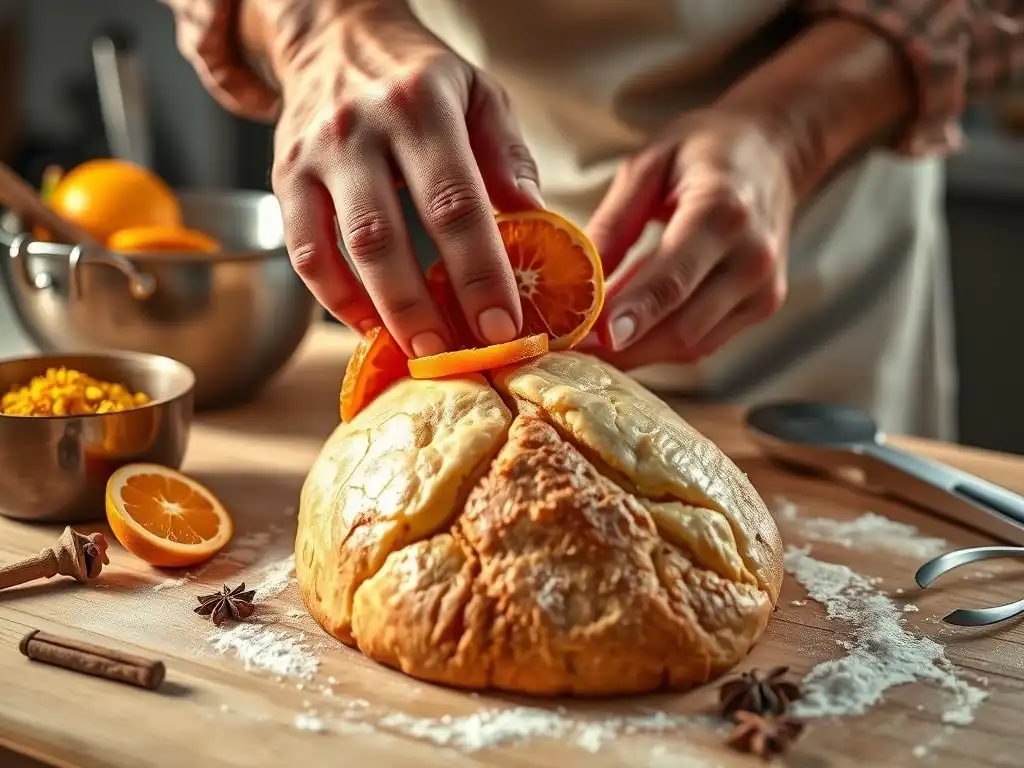
A successful fruit infusion hinges on the careful balance and quality of its constituent parts: the fruit itself, the flavoring agents (spices and citrus), and the liquid medium, often including a sweetener. The ratio and type of each element will dictate the final flavor profile and how well the fruit integrates into your baked goods. Achieving the perfect infusion requires understanding how each component interacts and contributes to the overall outcome, especially when crafting flavors for spiced citrus fruit baking.
The duration and temperature of the infusion process are also critical factors. A longer infusion time, typically at colder temperatures, allows for a gradual exchange of flavors, often resulting in a fresher, more nuanced taste. Warmer, shorter infusions can soften fruits faster and accelerate flavor absorption, though sometimes at the expense of some volatile aromatic compounds. Experimenting with these variables based on the fruit type and desired result is key to mastering fruit infusion for baking.
Spices for Baking: Cinnamon, Ginger, Cardamom
Cinnamon is a cornerstone spice in baking, providing warmth and sweetness that pairs beautifully with a wide range of fruits, particularly apples, pears, and stone fruits. Its versatility makes it a staple for spiced citrus fruit baking. Ground cinnamon is commonly used, with a typical ratio being around 1/2 to 1 teaspoon per pound of fruit, depending on desired intensity. Cinnamon sticks can also be used in warm infusions for a more subtle, layered flavor.
Ginger adds a pungent, slightly peppery kick that provides a vibrant counterpoint to sweet fruits and the brightness of citrus. Both fresh ginger (sliced or grated) and ground ginger are effective. For infusions, fresh ginger often provides a cleaner, sharper note, while ground ginger offers a deeper warmth. A small amount, perhaps 1/4 to 1/2 teaspoon of ground ginger per pound of fruit, can significantly enhance the spiced citrus profile without overpowering it.
Cardamom, with its complex, aromatic notes of citrus, eucalyptus, and spice, is a sophisticated addition to fruit infusions. Green cardamom pods, lightly crushed to release their seeds, or ground cardamom can be used. Cardamom pairs exceptionally well with apples, pears, and citrus fruits, making it a natural fit for spiced citrus fruit baking. Due to its potency, a little goes a long way – start with 1/4 teaspoon of ground cardamom or 2-3 pods per pound of fruit.
Citrus Options: Oranges, Lemons, Limes
Citrus fruits are vital for adding brightness and acidity to fruit infusions, cutting through sweetness and enhancing other flavors, especially spices in spiced citrus fruit baking. Orange zest provides a sweet, fragrant oil that complements spices like cinnamon and cardamom beautifully. The juice adds acidity and a subtle sweetness. Using the zest and juice of one medium orange per pound of fruit is a good starting point for a pronounced orange flavor.
Lemons offer a sharper, more bracing acidity and aromatic zest. Lemon zest is excellent for brightening berry infusions or adding a zesty counterpoint to richer spices. Lemon juice provides essential acidity that helps balance sweetness and can prevent some fruits from browning. The zest and juice of half a lemon per pound of fruit can add significant lift to an infusion, particularly when paired with ginger or cardamom.
Limes contribute a distinct tartness and unique aromatic quality. Lime zest has a slightly different, often more floral or herbaceous note compared to lemon or orange. Lime juice is intensely tart and works well in infusions for tropical fruits or to add a sharp contrast in spiced citrus fruit baking. Using the zest and juice of one lime per pound of fruit can create a vibrant, tangy infusion.
Sweeteners: Honey, Maple Syrup, Agave
Sweeteners in fruit infusions serve multiple purposes: they balance the acidity and bitterness, contribute their own flavor notes, and help draw out moisture from the fruit while allowing the infusion liquid to penetrate. Granulated sugar is a neutral option, but liquid sweeteners like honey, maple syrup, and agave offer additional complexity. Honey, with its floral or earthy undertones, pairs wonderfully with spiced citrus fruit baking, especially with apples, pears, and stone fruits. A light honey is often preferred so as not to overpower the other flavors.
Maple syrup provides a distinct, warm flavor that complements spices like cinnamon and ginger exceptionally well. It's particularly effective with fall fruits like apples and pumpkin. Darker syrups have a stronger flavor.
Agave nectar is a more neutral liquid sweetener option, similar to simple syrup, and is a good choice when you want the fruit, spice, and citrus flavors to be the primary focus without the added taste of honey or maple syrup. The amount of sweetener needed depends on the fruit's natural sweetness and the desired intensity of the infusion liquid, but a ratio of 1 part sweetener to 2-3 parts liquid is often a good starting point for a light infusion syrup.
Effective Methods for Infusing Fruits for Baking
Method 1: Cold Infusion for Optimal Flavor
Cold infusion is a slow, gentle process that allows flavors to meld over time without applying heat. This method is ideal for preserving the fresh, vibrant notes of both the fruit and the infusion ingredients, particularly the delicate volatile oils in citrus zest and the nuanced aromas of spices. It requires patience, typically taking 24 to 48 hours, but the resulting fruit retains its structure and bursts with clean, intense flavor, making it excellent for spiced citrus fruit baking where fresh notes are desired.
The process involves combining prepared fruit with your chosen infusion liquid, spices, and citrus elements in a sealed container and refrigerating it. This slow steeping allows the fruit to gradually absorb the flavors. Because no heat is involved, the fruit doesn't soften significantly, which is advantageous for fruits where texture retention is important, like apples in a tart or pears in a cake. The resulting infusion liquid is also highly flavored and can often be reduced into a syrup for later use.
Step-by-Step Guide to Cold Infusion
Here is a simple guide to cold infusing fruits for spiced citrus fruit baking:
- Prepare the Fruit: Wash, peel (if necessary), core, and slice or dice the fruit according to your recipe's needs. Aim for uniform pieces for even infusion. For example, slice apples about 1/4 inch thick.
- Prepare the Infusion Liquid: Combine your chosen liquid (water, fruit juice, liqueur) with sweeteners, spices (like cinnamon sticks, crushed cardamom pods), and citrus zest/juice in a bowl or jar. Stir to combine. A common ratio might be 1 cup liquid, 1/2 cup sweetener, zest of 1 orange, and 1 cinnamon stick for 1 pound of fruit.
- Combine and Seal: Place the prepared fruit into a clean glass jar or container. Pour the infusion liquid over the fruit, ensuring it is fully submerged. Seal the container tightly.
- Refrigerate: Place the sealed container in the refrigerator. Allow the fruit to infuse for at least 24 hours, and up to 48 hours for a more intense flavor. Gently shake or stir the container once or twice during this time.
- Strain: Before using the fruit in baking, drain off the infusion liquid. You can reserve this liquid to reduce into a syrup or use in other recipes. Pat the fruit dry slightly if excess moisture is a concern for your specific baking application.
Best Fruits for Cold Infusion: Apples, Pears, Plums
Fruits with a firmer texture that can withstand extended steeping without becoming mushy are ideal candidates for cold infusion. Apples, such as Honeycrisp or Granny Smith varieties, maintain their crispness while absorbing flavors beautifully. Cold infusing apple slices with orange zest, cinnamon, and a touch of ginger for 48 hours results in incredibly flavorful apples for pies, tarts, or galettes, perfect for spiced citrus fruit baking.
Pears, especially Bosc or Anjou, also benefit greatly from cold infusion. Their slightly softer texture compared to apples still holds up well, and they readily absorb spices like cardamom and ginger, often paired with lemon or orange zest. Cold-infused pear slices can elevate cakes, tarts, or simply be served alongside baked goods. Plums, particularly firmer varieties, can be halved or quartered and infused cold with spices and citrus for use in crumbles or cakes, offering a delightful tart-sweetness.
Method 2: Warm Infusion for Quick Results
Warm infusion is a faster method that uses gentle heat to accelerate the flavor transfer process. By simmering fruit briefly in an infusion liquid, you can achieve significant flavor penetration in a much shorter time frame, often within 15 to 30 minutes. This method also results in softer fruit, which is desirable for certain baking applications where a tender texture is preferred. It's a convenient option when you're short on time but still want the benefits of infused fruit in your spiced citrus fruit baking.
The process involves heating the infusion liquid with the flavoring agents until warm, then adding the fruit and simmering gently until the fruit is slightly softened and the flavors have melded. While some volatile aromas might be lost compared to cold infusion, the speed and the resulting tender texture make it a valuable technique, particularly for softer fruits that might break down too much in a long cold soak.
How to Quickly Infuse Fruits
Here's a guide for warm infusing fruits:
- Prepare the Fruit: Wash and prepare the fruit, cutting it into desired pieces. Softer fruits like berries can often be left whole or halved.
- Prepare the Infusion Liquid: In a saucepan, combine your liquid base (water, juice, wine), sweetener, spices (ground spices work well here, or use whole spices), and citrus zest/juice. Heat the mixture over medium heat until it's warm and the sweetener has dissolved. For example, combine 1 cup cranberry juice, 1/4 cup sugar, zest of 1 orange, and 1/2 teaspoon ground ginger.
- Add Fruit and Simmer: Add the prepared fruit to the warm liquid. Bring the mixture to a gentle simmer (do not boil vigorously, as this can break down the fruit). Simmer gently for 10-20 minutes, or until the fruit is slightly softened and has absorbed some liquid and flavor.
- Cool and Strain: Remove the saucepan from the heat and let the fruit cool in the liquid slightly. This allows continued flavor absorption as it cools. Once cooled enough to handle, strain the fruit from the liquid. Reserve the liquid if desired.
Ideal Fruits for Warm Infusion: Berries, Peaches
Softer fruits that benefit from gentle heat and where a tender texture is desired are perfect for warm infusion. Berries like cranberries, blueberries, and raspberries absorb warm liquids and flavors quickly. Warm infusing cranberries with orange juice and ginger syrup for 15 minutes yields plump, flavorful berries ideal for muffins, scones, or quick breads, showcasing excellent spiced citrus fruit baking results.
Peaches, nectarines, and apricots also work well with warm infusion. Halved or sliced stone fruits can be gently simmered in a spiced citrus syrup until tender and fragrant. This method is great for preparing fruit fillings for pies, tarts, or cobblers, where a softer, cooked texture is expected. Warm infusion helps these fruits release some of their own juices while absorbing the infused flavors, creating a richer filling.
Method 3: Vacuum Infusion for Intense Flavor
Vacuum infusion is a more advanced technique, often used with a vacuum sealer and container or a chamber vacuum sealer. It works by placing fruit and infusion liquid in a vacuum-sealed environment. The vacuum pulls air out of the fruit's cellular structure; when the vacuum is released, the infusion liquid is rapidly forced into the spaces where the air used to be. This results in extremely fast and deep flavor penetration, allowing for intense spiced citrus fruit baking flavors in minutes rather than hours or days.
This method is particularly effective for fruits that are dense or have skins that resist traditional infusion methods. It creates a uniquely intense flavor experience and can even slightly change the texture, making fruits appear almost "super-hydrated." While requiring specialized equipment, it offers a level of flavor intensity and speed unmatched by cold or warm infusion for specific applications in spiced citrus fruit baking.
Enhancing Flavors with Vacuum Infusion
Vacuum infusion achieves a level of flavor intensity and evenness that is difficult to replicate with other methods. By forcing the infusion liquid deep into the fruit's cells, the flavors permeate the entire piece of fruit, not just the surface. This is especially beneficial for imparting potent flavors from spices and citrus into dense fruits or those with less porous textures. For example, vacuum infusing dried figs with a potent cardamom and orange zest syrup ensures every part of the fig is bursting with spiced citrus flavor.
Furthermore, vacuum infusion can slightly alter the fruit's texture, often making it appear more translucent and giving it a unique, slightly firmer yet super-juicy bite. This textural change can be desirable in certain dessert applications. While the equipment investment is higher, the ability to achieve intense, rapid infusions makes it a valuable technique for bakers looking to experiment and push the boundaries of spiced citrus fruit baking.
Fruits for Vacuum Infusion: Figs, Dates, Apricots
Denser fruits, particularly dried fruits, benefit significantly from vacuum infusion due to their naturally lower moisture content and compact structure. Dried figs, which can be chewy, become plump and incredibly flavorful when vacuum infused with a spiced citrus syrup. The vacuum forces the liquid deep inside, rehydrating them while simultaneously infusing them with flavors like cardamom, orange, or ginger.
Dried dates and apricots also respond well to vacuum infusion. Dates can absorb dark, warm flavors like cinnamon and orange liqueur, becoming soft and decadent. Dried apricots can be infused with brighter citrus notes and ginger. This technique revitalizes dried fruits, making them moist, flavorful, and perfectly suited for incorporation into cakes, tarts, or bread, adding intense pockets of spiced citrus fruit baking goodness.
Baking with Infused Fruits: Recipes and Techniques
Apple Cinnamon Crumble Recipe
Using cold-infused apples transforms a classic apple crumble into a dessert with profound depth of flavor. The apples, having steeped in a spiced citrus mixture for 24-48 hours, carry the taste of cinnamon, orange zest, and maybe a hint of ginger throughout each bite. This means the "spiced citrus" flavor isn't just in the topping or sauce, but is intrinsic to the main fruit component, creating a more cohesive and delicious experience.
When using cold-infused apples, ensure they are well-drained to prevent excess moisture from making the crumble topping soggy. You might need slightly less added sugar in the filling since the apples have absorbed sweetness from the infusion syrup. A typical recipe might call for 1.5 pounds of cold-infused apple slices combined with a tablespoon of flour or cornstarch (to absorb any lingering moisture) and baked under a buttery crumble topping at 375°F (190°C) for about 40-50 minutes, until golden and bubbly.
Using Cold-Infused Apples for Enhanced Flavor
Cold-infusing apples destined for a crumble ensures that the spiced citrus flavors are deeply embedded within the fruit itself. Imagine biting into a soft, yielding apple slice that immediately releases notes of warm cinnamon, bright orange, and subtle sweetness, rather than just the taste of baked apple. This level of flavor integration is the hallmark of using infused fruits in baking.
For a standard 9-inch crumble, cold-infusing about 6-8 medium apples (roughly 1.5 to 2 pounds) with the zest of one orange, 2 cinnamon sticks, and 1/2 cup of maple syrup dissolved in 1 cup of hot water, refrigerated for 36 hours, will yield apples bursting with spiced citrus flavor. Draining the apples well and perhaps reducing the infusion liquid separately to drizzle over the finished crumble maximizes flavor without adding excess moisture to the bake.
Cranberry Orange Scones Recipe
Incorporating warm-infused cranberries into scones adds bursts of intense, juicy flavor and moisture that dried cranberries alone cannot provide. Warm infusing cranberries with orange juice and a touch of ginger for 15-20 minutes makes them plump and tender, ensuring they distribute flavor evenly throughout the scone batter. This method is perfect for achieving that classic spiced citrus fruit baking profile in a quick bread.
When adding warm-infused cranberries to scone dough, make sure they are drained well and cooled slightly. Excess liquid can throw off the dough consistency. The plumper, softer texture of the infused cranberries also means they won't dry out during the relatively short scone baking time, remaining juicy and flavorful within the crumb. A typical batch of 8-12 scones might use 1 cup of warm-infused cranberries, gently folded into the dough before shaping and baking at around 400°F (200°C) for 15-20 minutes.
Incorporating Warm-Infused Cranberries
Warm-infusing cranberries for scones is a simple step that yields significant flavor dividends. By simmering them briefly in orange juice and perhaps a pinch of ground ginger, the cranberries absorb the bright citrus and warm spice notes, becoming little flavor bombs. This technique ensures that the signature cranberry-orange flavor profile, a staple of spiced citrus fruit baking, is pronounced and juicy throughout the scone.
For a batch of 12 scones, warm-infusing 1 cup of fresh or frozen cranberries with 1/2 cup orange juice and 1/4 teaspoon ground ginger over low heat for 15 minutes results in plump, flavorful berries. Allowing them to cool in the liquid for a few minutes before draining and folding them into the scone dough ensures they are full of spiced citrus flavor without adding too much heat to the butter-based dough.
Fig and Almond Tart Recipe
Utilizing vacuum-infused figs in a fig and almond tart creates a filling where the figs are not just sweet, but deeply flavored with spices and citrus. Dried figs, vacuum infused with a syrup containing cardamom, orange zest, and perhaps a touch of honey, become incredibly soft and intensely aromatic. This sophisticated preparation method elevates the humble fig, making it the star of the tart with complex spiced citrus fruit baking notes.
Vacuum-infused figs are often soft enough to be used whole or halved in a tart filling, their intense flavor permeating the surrounding almond frangipane. Because they are already intensely flavored and rehydrated, they contribute moisture and concentrated taste without requiring a long cooking time within the tart. A typical tart recipe might arrange vacuum-infused fig halves over an almond filling in a pre-baked or partially baked crust, baking until the filling is set, often around 350°F (175°C) for 30-40 minutes.
Utilizing Vacuum-Infused Figs
Vacuum-infusing figs for a tart filling ensures each bite of fig is packed with flavor. Imagine the rich sweetness of the fig enhanced by the exotic aroma of cardamom and the bright counterpoint of orange zest, a perfect example of sophisticated spiced citrus fruit baking. This level of flavor penetration is difficult to achieve with traditional methods, making the vacuum technique particularly valuable for dense fruits like figs.
To prepare figs for a tart, vacuum infuse about 1.5 cups of dried figs with a syrup made from 1/2 cup water, 1/4 cup honey, 1/2 teaspoon ground cardamom, and the zest of half an orange. After vacuum sealing and releasing the pressure (perhaps repeating the process for maximum effect), the figs will be significantly plumper and intensely flavored, ready to be nestled into an almond filling and baked into a show-stopping tart.
Troubleshooting Fruit Infusion in Baking
Preventing Excess Moisture
One common challenge when baking with infused fruits, especially those prepared via cold or warm methods, is managing excess moisture. The fruit absorbs liquid during infusion, and this extra moisture can lead to soggy bottoms in pies, dense cakes, or unevenly baked goods. It's crucial to drain your infused fruit thoroughly before incorporating it into batters or fillings.
After draining, you can also pat the fruit dry with paper towels, particularly for applications like muffins or quick breads where excess liquid is detrimental. For pie or tart fillings, tossing the drained fruit with a small amount of a thickener like flour, cornstarch, or tapioca starch (typically 1-2 tablespoons per pound of fruit) can help absorb any liquid released during baking, ensuring a beautifully set filling and a crisp crust, essential for successful spiced citrus fruit baking results.
Balancing Sweetness and Flavor
Infusing fruits often involves sweeteners in the infusion liquid, which adds to the overall sweetness of the fruit. When using infused fruits in a recipe, you may need to adjust the amount of sugar called for in the original recipe to avoid an overly sweet result. Taste your infused fruit before adding it to the batter or filling to get a sense of its sweetness level.
Consider the flavor profile of your infusion liquid as well. If you used a very sweet syrup or liqueur, you'll likely need to reduce the added sugar in your baked good significantly. Conversely, if your infusion was less sweet or focused primarily on tart citrus, you might not need to make major adjustments. Balancing the sweetness ensures that the spiced citrus flavors of your infused fruit shine through without being masked by excessive sugar.
Adjusting Baking Times
Infused fruits, being plumper and potentially holding more moisture than their un-infused counterparts, can sometimes affect the baking time of a recipe. The extra moisture can slow down the setting of batters or fillings. While often the change is minimal, it's wise to start checking for doneness a few minutes earlier than the recipe suggests, and be prepared to bake for a few minutes longer if needed.
Look for visual cues like golden-brown crusts, set centers (for cakes or tarts), or bubbling fillings (for pies and crumbles). Using a cake tester or toothpick can also help determine if a cake or muffin is cooked through. By being mindful that infused fruits might slightly alter moisture levels and baking times, you can avoid under-baked results and ensure your spiced citrus fruit baking creations turn out perfectly.
Storing and Utilizing Infused Fruits
Extending Shelf Life
Properly stored infused fruits can be prepared ahead of time, making baking projects more manageable. Cold-infused fruits, stored in their infusion liquid in an airtight container in the refrigerator, typically last for up to a week. For longer storage, you can drain the fruit and freeze it in a single layer on a baking sheet before transferring to a freezer bag or container, where they can last for several months.
Warm-infused fruits can also be refrigerated in their liquid for several days. If freezing warm-infused fruits, it's often best to drain them first, as the texture might change slightly upon thawing if frozen in liquid. Vacuum-infused fruits, especially dried ones that have been rehydrated, should be stored in an airtight container in the refrigerator and are best used within 3-5 days due to their higher moisture content. Always check for signs of spoilage before use.
Incorporating Infused Fruits into Other Recipes
Infused fruits aren't limited to the specific recipes they were initially prepared for. They can add a delightful twist to many other dishes, extending their utility beyond just spiced citrus fruit baking projects. Leftover cold-infused apples or pears are fantastic stirred into oatmeal, layered in parfaits with yogurt and granola, or served warm over ice cream.
Warm-infused berries or stone fruits can be used as a topping for pancakes, waffles, or cheesecake. The leftover infusion syrup can be reduced on the stovetop to create a flavorful sauce or glaze, or used to sweeten beverages like tea or cocktails. Vacuum-infused dried fruits can be chopped and added to trail mix, granola bars, or used as a sophisticated addition to cheese boards, showcasing their intense spiced citrus flavor profile.
Conclusion: Transform Your Baking with Fruit Infusion
Elevating Baking Techniques
Mastering fruit infusion is a powerful way to elevate your baking techniques and create desserts with truly memorable flavors and textures. By taking the time to infuse fruits with spices, citrus, and sweeteners, you move beyond simply adding fruit to a recipe; you are crafting a core flavor component that is deeply integrated and complex. Whether you choose the slow elegance of cold infusion, the speed of warm infusion, or the intensity of vacuum infusion, each method offers unique benefits for different fruits and baking applications.
Embracing techniques like spiced citrus fruit baking through infusion opens up a world of possibilities, allowing you to create baked goods where every bite of fruit is a burst of perfectly balanced flavor. Experimenting with different fruit and infusion combinations, adjusting spice levels, and discovering how infused fruits behave in various batters and doughs will refine your skills and inspire new culinary creations. Start with a simple apple crumble or a batch of cranberry scones using infused fruits, and taste the difference this technique makes in achieving truly exceptional baked goods.
Frequently Asked Questions
What exactly are spiced citrus-marinated fruits, and why are they beneficial in baking?
Spiced citrus-marinated fruits are fruits soaked in a mixture of citrus juice, spices, and sometimes sugar or alcohol. This process enhances the flavor of the fruit and infuses baked goods with a delightful aroma.
What types of fruits are best suited for spiced citrus marination before baking?
While many fruits work well, citrus fruits, berries, and stone fruits are particularly receptive to the flavors. Consider using oranges, lemons, cranberries, cherries, or plums for optimal results.
What are the key spices used in spiced citrus fruit baking, and how do they affect the final product?
Common spices include cinnamon, cloves, nutmeg, and ginger. These spices add warmth, depth, and complexity to the flavor profile, complementing the brightness of the citrus.
How long should fruits be marinated in the spiced citrus mixture before baking?
For best results, marinate the fruits for at least a few hours, or ideally overnight in the refrigerator. This allows the flavors to fully penetrate the fruit.
Can I use pre-made spiced citrus fruit mixtures, or is it better to make my own for baking?
While pre-made mixtures exist, crafting your own allows for customization and control over the ingredients. Making your own ensures freshness and tailoring to your specific recipe.
Final Reflection: The Enduring Allure of Spiced Citrus in Baking
The vibrant flavors of spiced citrus fruits are not merely a fleeting trend; they represent a timeless connection between nature's bounty and the artistry of baking. Their ability to elevate even the simplest dessert to a symphony of taste and aroma continues to captivate bakers worldwide, proving their enduring relevance in today's culinary landscape. The techniques explored in this article, from precise marinating methods to creative applications, aim to empower you to harness this potent combination for your own baking adventures.
The influence of spiced citrus in baking transcends mere flavor; it evokes memories, traditions, and a sense of warmth and comfort. The subtle nuances of each spice, combined with the bright acidity of the citrus, create a complex profile that resonates deeply. Baking is at its heart a labor of love, a process of transformation that mirrors the alchemy of life itself.
This quote, while not directly about citrus, perfectly encapsulates the feeling of creating something beautiful and delicious using these simple yet powerful ingredients. The enduring appeal of these flavors is a testament to their ability to connect us to something larger than ourselves, something both ancient and utterly modern.
Now, consider your own baking repertoire. How can you incorporate the foolproof methods outlined in this article to create your own signature spiced citrus masterpiece? Perhaps a new twist on a classic cake, a unique twist on a holiday cookie, or an entirely novel creation born from your own experimentation. Don't be afraid to experiment, to embrace the unexpected, and to allow the vibrant flavors of spiced citrus to guide your culinary journey. The possibilities are as endless as your imagination. Let the fragrant zest and warming spices inspire you to create something truly unforgettable.
Unlock the Zesty Magic: Elevate Your Baking!
Thanks for taking the time to explore the delightful world of spiced citrus-marinated fruits! We hope you’ve gained some delicious inspiration for your next baking adventure. Ready to infuse your creations with vibrant flavor?
- Craft your signature marinade: Experiment with different citrus fruits and spice combinations – the possibilities are endless! Share your unique creations on social media using #BakeWithEaseCitrus.
- Marinate and bake today: Choose your favorite recipe and put your newfound knowledge into action. The results will speak for themselves!
- Join our baking community: Connect with fellow enthusiasts on our forum (link to forum would go here if this were a real website) to share tips, recipes, and your stunning baked goods.
What amazing citrus and spice combination will you try first? Let us know in the comments below!