
Achieving a Rustic Look on Your Layer Cake Frosting

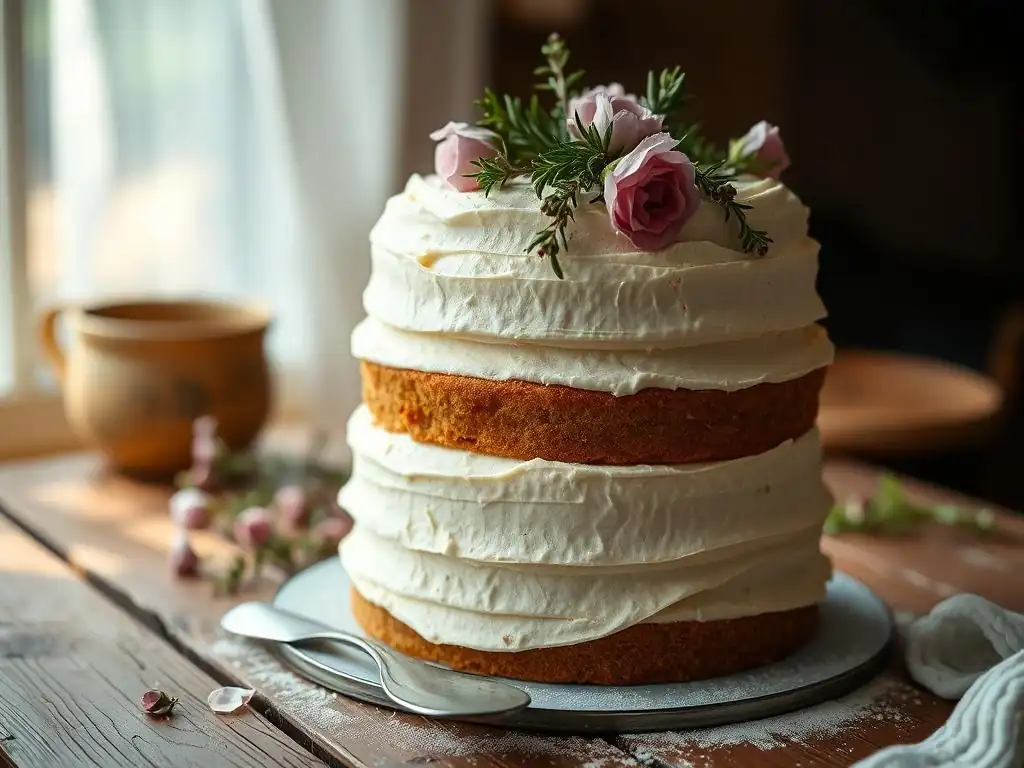
Welcome to BakeWithEase, your trusted guide to creating delicious baked goods! Ever wondered how to achieve that effortlessly charming, rustic look on your layer cakes? This is where the magic begins. Discover our Rustic Layer Cake Frosting Recipe – a simple yet stunning technique that will elevate your desserts from ordinary to extraordinary. Read on to unlock the secrets and impress everyone with your baking prowess.
- Achieving a Rustic Look on Your Layer Cake Frosting: BakeWithEase Guide
- Introduction: Embracing the Charm of Rustic Cake Frosting
- What is Rustic Frosting? Defining the Style and Appeal
- Essential Tools and Ingredients for Rustic Layer Cake Frosting
- Step-by-Step Guide: Creating a Rustic Layer Cake Frosting Recipe
- Different Frosting Styles for a Rustic Cake
- Troubleshooting Common Rustic Frosting Problems
- Tips for Perfecting Your Rustic Layer Cake Frosting Technique
- Rustic Layer Cake Frosting Ideas and Inspiration
- Conclusion: Mastering the Art of Rustic Cake Frosting
-
Frequently Asked Questions
- What exactly is a "rustic" layer cake frosting style?
- What kind of frosting works best for achieving a rustic look on a layer cake?
- Are there specific tools recommended for creating a rustic frosting effect?
- How can I prevent my rustic frosting from looking too messy or amateurish?
- Can I add decorations to a rustic-frosted layer cake?
- Final Reflection: The Enduring Allure of Rustic Charm
- Unleash Your Inner Rustic Baker!
Achieving a Rustic Look on Your Layer Cake Frosting: BakeWithEase Guide
Introduction: Embracing the Charm of Rustic Cake Frosting
Gone are the days when every cake had to be perfectly smooth, sharp-edged, and flawlessly symmetrical. While there's certainly a place for those pristine creations, there's an undeniable charm and approachability to a cake adorned with rustic layer cake frosting. This style celebrates natural textures, subtle imperfections, and an organic feel that makes a cake look inviting and homemade, even if you're a seasoned pro. It's a technique that allows for creativity and embraces the beauty of something less "perfectly finished," offering a wonderful way to express your personal baking style.
Embracing the rustic aesthetic isn't about being messy; it's about intentional artistry that conveys warmth and authenticity. Whether you're aiming for a delicate, textured smear or bold, sweeping peaks, mastering the art of rustic layer cake frosting opens up a world of decorative possibilities that are both beautiful and often less stressful than achieving a mirror-smooth surface. It's a fantastic technique for home bakers looking to elevate their layer cakes with a touch of effortless elegance.
What is Rustic Frosting? Defining the Style and Appeal
Rustic frosting is a style of cake decoration characterized by its intentionally imperfect, textured, and often less uniform appearance compared to traditional smooth finishes. It evokes a sense of handmade charm, natural beauty, and simplicity. Instead of striving for sharp edges and a perfectly flat surface, the rustic look embraces visible texture, swirls, peaks, and even the subtle visibility of cake layers in styles like the "naked cake."
The appeal of rustic layer cake frosting lies in its understated elegance and approachable nature. It suggests a focus on flavor and the joy of baking rather than just intricate, time-consuming decoration. This style is incredibly versatile, fitting perfectly with themes ranging from country weddings and garden parties to cozy family gatherings and holiday celebrations. It offers a refreshing alternative to overly polished cakes, providing a warm, inviting look that feels both sophisticated and down-to-earth.
Understanding Imperfection: The Beauty of a Rustic Finish
The core principle behind a rustic finish on your layer cake frosting is the deliberate acceptance and even enhancement of visible texture and less-than-perfect uniformity. Unlike techniques that demand hours of smoothing and precise application, the rustic approach leverages the natural way frosting spreads and holds peaks. This means embracing swirls left by spatulas, slight variations in frosting thickness, and the organic way the frosting interacts with the cake's surface. It's about creating visual interest through texture rather than flawless symmetry.
Think of it like perfectly imperfect pottery or a hand-knitted sweater – their beauty lies in the unique variations and the clear evidence of the maker's hand. For rustic layer cake frosting, this translates to frosting that might show subtle lines from your tool, intentional peaks left standing, or areas where the frosting is applied more thinly. This visual honesty is what gives the cake its character and charm, making it feel unique and lovingly crafted.
Key Characteristics of a Rustic Frosted Cake
Several features define the look of a rustic frosted cake, setting it apart from more formal styles. One primary characteristic is visible texture. This can range from gentle waves and swirls created by a palette knife to more pronounced peaks and valleys formed by rough application. The frosting is often applied more thickly in some areas and more thinly in others, contributing to an organic, uneven appearance.
Another hallmark is the less-than-perfect edge. Rustic cakes typically don't have sharp, defined edges. The frosting might softly transition at the top edge, or it could have a slightly uneven, rounded, or even crumbly appearance. Styles like the semi-naked or naked cake, where some or most of the cake layer is visible through minimal frosting, are also considered part of the rustic family. Finally, rustic cakes often incorporate natural elements like fresh flowers, herbs, or fruits for decoration, further enhancing their connection to nature and simple beauty.
Essential Tools and Ingredients for Rustic Layer Cake Frosting
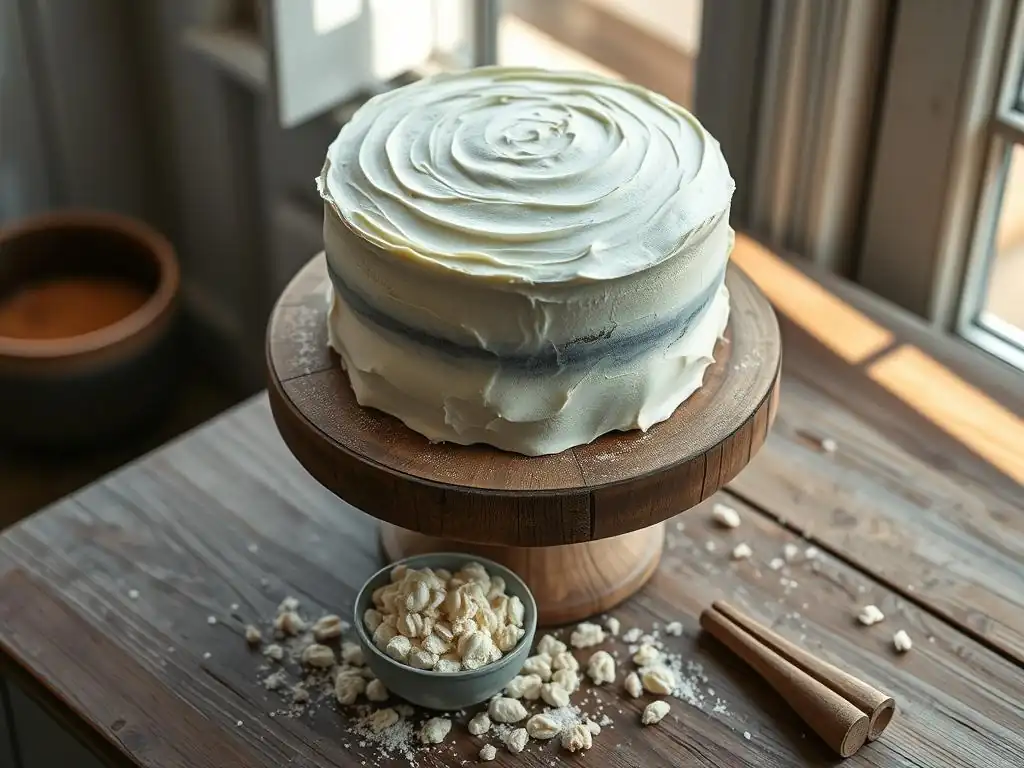
Achieving a beautiful rustic look doesn't require a vast collection of specialized tools, but having the right basics will make the process much smoother and more enjoyable. Similarly, while the technique is forgiving, starting with a high-quality frosting recipe is crucial for both taste and texture.
Must-Have Tools for Achieving a Rustic Frosting Effect
To create textured rustic layer cake frosting, a few key tools are indispensable. First and foremost is a good offset spatula. These come in various sizes (e.g., 4-inch, 8-inch, 10-inch blades) and are essential for spreading frosting evenly and creating sweeping motions. An 8-inch offset spatula is a versatile starting point for most layer cakes. Another useful tool is a palette knife, which typically has a more flexible, pointed blade. Palette knives are excellent for creating smaller textures, swirls, and for delicate application.
A cake turntable is also highly recommended. While not strictly essential, it allows you to rotate the cake smoothly as you apply and texture the frosting, making it much easier to achieve an even (or intentionally uneven) application around the sides. Finally, consider investing in a bench scraper or cake scraper. Although often used for smoothing, a metal scraper can also be used vertically against the sides to create specific textured patterns by dragging it through the frosting.
Choosing the Right Frosting Recipe for a Rustic Look
The type of frosting you choose significantly impacts the final rustic texture you can achieve. Generally, frostings that are stable and hold their shape well are ideal. American buttercream, made from butter and powdered sugar, is a popular choice because it's easy to make and holds peaks and textures beautifully. A standard ratio might be 1 cup (2 sticks) of unsalted butter softened, creamed with 4-5 cups of sifted powdered sugar and a few tablespoons of liquid (milk, cream, or flavoring).
Other suitable options include Swiss or Italian meringue buttercreams, which are lighter but still stable enough to texture, and ermine frosting. Cream cheese frosting is also excellent, offering a tangy flavor and a slightly softer texture that works well for a more relaxed, smeary rustic look. Frostings that are too soft or runny, like a simple glaze or thin pourable ganache, are less suitable for creating defined rustic textures.
Ingredient Quality Matters: Selecting the Best Ingredients
Using high-quality ingredients is important not just for flavor, but also for the performance of your rustic layer cake frosting. For buttercreams, opt for good quality unsalted butter. The fat content and consistency of butter can vary between brands, affecting how your frosting creams and thickens. Ensure your butter is at the correct temperature – typically softened but not melted, around 68-70°F (20-21°C).
For powdered sugar, using a brand that contains cornstarch (common in the US) helps prevent clumping and contributes to a smoother, more stable frosting texture. If using pure powdered sugar, sifting is absolutely essential. Vanilla extract should be pure vanilla, not imitation, for the best flavor. If using cocoa powder for chocolate frosting, a high-quality Dutch-processed cocoa will yield a richer color and flavor. Fresh, high-quality ingredients result in a frosting that is easier to work with and tastes significantly better, enhancing the overall rustic layer cake frosting recipe.
Step-by-Step Guide: Creating a Rustic Layer Cake Frosting Recipe
Let's walk through the process of applying rustic layer cake frosting, from the foundation to the final touches.
Baking the Perfect Cake Layers: Foundation for a Beautiful Finish
Before you even think about rustic layer cake frosting, you need well-baked and cooled cake layers. Ensure your cakes are baked evenly and are completely cool before frosting. Warm cakes will melt your frosting, making a rustic application impossible. Allow cakes to cool in their pans for 10-15 minutes before inverting them onto a wire rack to cool completely, which can take up to 2-3 hours depending on size.
For consistent layers, consider weighing your batter into the pans. For example, if a recipe yields enough batter for two 8-inch pans, aim for roughly 600-700 grams of batter in each pan. Leveling your cake layers is also helpful. You can gently slice off any domes using a serrated knife once the cakes are cool. This creates a flat surface for stacking and frosting, leading to a more stable structure for your rustic creation.
Preparing Your Frosting: Achieving the Right Consistency
The consistency of your frosting is paramount for achieving a good rustic texture. It should be spreadable but thick enough to hold peaks and not slide off the cake. If your frosting is too stiff, it will be hard to spread and create texture; add liquid (milk, cream, or flavoring) a teaspoon at a time and beat until smooth. If it's too soft or runny, it won't hold its shape; add more sifted powdered sugar a tablespoon at a time or chill it briefly in the refrigerator for 10-15 minutes.
Before applying, beat your frosting on low speed for a few minutes using a paddle attachment (if using a stand mixer) or a hand mixer. This helps remove air bubbles, resulting in a smoother base texture before you apply the rustic effects. Ensure the frosting is uniform in color and consistency throughout the bowl.
Applying the Crumb Coat: The First Step to a Flawless Rustic Cake
A crumb coat is a thin layer of frosting applied to the entire cake to trap any loose crumbs. This is an essential step, even for a rustic finish, as it prevents crumbs from mixing into your final, visible layer of rustic layer cake frosting. Apply a thin, even layer of frosting using an offset spatula, covering the top and sides of the cake. Don't worry about making it perfect; just ensure all surfaces are covered.
Once the crumb coat is applied, chill the cake in the refrigerator for at least 20-30 minutes, or until the frosting is firm to the touch. This sets the crumb coat, creating a stable base for your final rustic layer. A firm crumb coat makes applying the second, thicker layer of frosting much easier and cleaner, ensuring your rustic texture isn't marred by errant crumbs.
Achieving the Rustic Texture: Techniques and Methods
Now for the fun part! Applying the final layer of rustic layer cake frosting and creating the texture. There are several techniques you can use, often in combination.
The Palette Knife Technique: A Classic Approach
The palette knife is excellent for creating small, organic textures. Load a small amount of frosting onto the knife. Gently press the knife against the side or top of the cake and pull away slightly, creating little peaks or swirls. You can work in random patterns or more deliberate ones, building up layers of texture.
Alternatively, you can use the flat side of the palette knife to make short, sweeping strokes across the frosting, creating a less uniform, slightly rough surface. This technique allows for great control over the scale and direction of your textures.
The Spatula Smear: Creating a Textured Effect
This technique uses an offset spatula to create broader textures and sweeps. Apply a generous amount of frosting to the top and sides of the cake. Then, using the offset spatula, make sweeping motions across the surface. You can drag the spatula horizontally, vertically, or in swirling patterns.
For a very popular rustic look, apply a relatively thick layer of frosting, then use the offset spatula to gently scrape some of it away in sections, revealing glimpses of the crumb coat or cake beneath. This creates a beautiful, layered texture and is a key method for achieving a semi-naked or textured rustic layer cake frosting recipe look.
The Offset Spatula: Precision and Control
While used for general spreading, the offset spatula is also key for specific rustic textures. You can use the edge to create horizontal lines by holding it against the side and rotating the turntable. For a simple, classic rustic look, apply the frosting thickly and then use the offset spatula to create large, deliberate swirls or peaks by pressing and lifting.
The size of your offset spatula will influence the scale of your textures. A larger spatula (10-12 inches) is great for broad strokes on larger cakes, while a smaller one (4-6 inches) offers more precision for tighter textures or smaller areas. Experiment to see what feels most comfortable and effective for the look you want on your rustic layer cake frosting.
Adding Final Touches: Embellishing Your Rustic Layer Cake
Once your rustic layer cake frosting is textured, you can add decorations to enhance the natural, charming aesthetic.
Fresh Flowers: A Natural and Elegant Addition
Fresh flowers are a classic choice for rustic cakes. Ensure any flowers used are food-safe or properly prepared (e.g., stems wrapped in floral tape or inserted into food-safe picks) to avoid direct contact with the frosting. Edible flowers like pansies or violets are also a beautiful option. Arrange them in clusters on top, cascading down the sides, or tucked around the base.
Berries and Fruits: Adding Color and Flavor
Seasonal berries (strawberries, raspberries, blueberries) or sliced fruits (figs, peaches) add natural color, texture, and flavor. Arrange them artfully on the cake, perhaps following the lines of your rustic frosting texture or clustered in a natural-looking pile. A light dusting of powdered sugar over the fruit can enhance the rustic appeal.
Sprinkles and Edible Decorations: A Touch of Whimsy
While rustic often implies natural, subtle sprinkles or edible decorations can add a touch of whimsy without detracting from the style. Consider edible gold leaf for a touch of elegance, chopped nuts or toasted coconut for added texture, or even food-safe moss made from crumbled cake or cookies. The key is to use them sparingly and thoughtfully to complement, not cover up, your beautiful rustic layer cake frosting.
Different Frosting Styles for a Rustic Cake
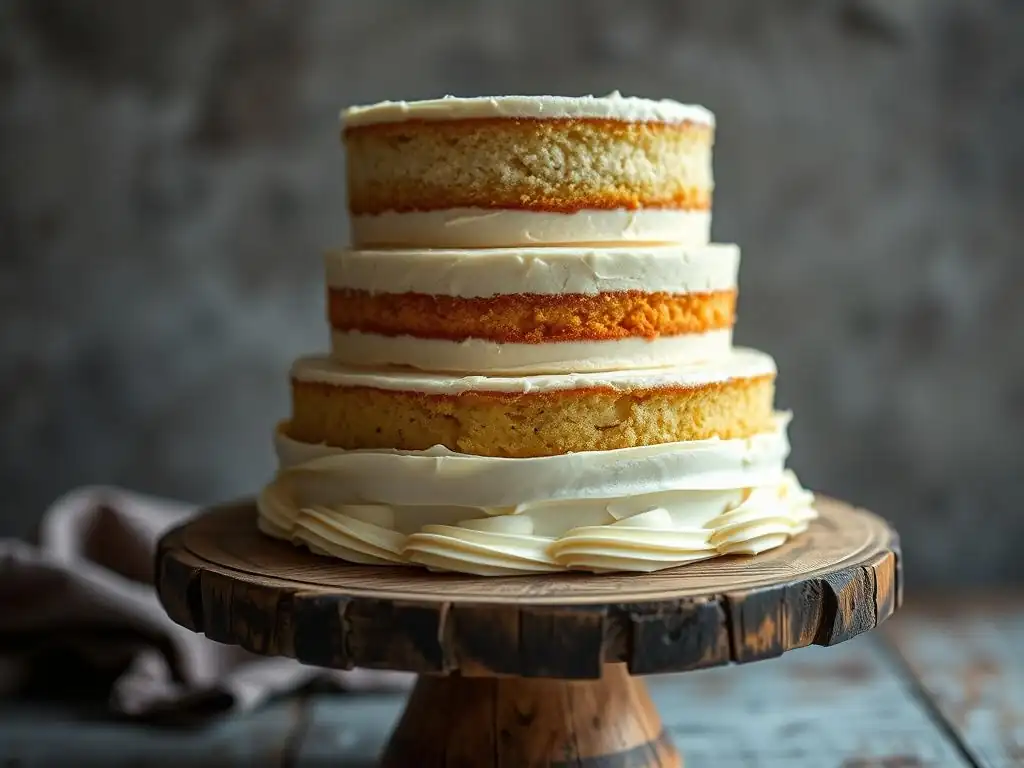
The type of frosting fundamentally changes the characteristics of your rustic finish.
American Buttercream: A Simple and Sweet Option
American buttercream is perhaps the easiest frosting to achieve a rustic look with. Its density and stability mean it holds peaks and textures exceptionally well. You can create sharp peaks, soft swirls, or a rugged bark-like texture easily. It crusts slightly as it dries, which can add another dimension to the rustic finish. This is often the go-to for a straightforward rustic layer cake frosting recipe.
Swiss Meringue Buttercream: Light and Airy with a Smooth Finish
Swiss meringue buttercream is lighter and less sweet than American buttercream. While it can be textured, it tends to create softer, more flowing textures rather than sharp peaks. It's excellent for a smoother, more subtle rustic smear or gentle waves. It doesn't crust, remaining soft and creamy, which gives a different feel to the finished cake.
Cream Cheese Frosting: Tangy and Adds Depth
Cream cheese frosting, especially a slightly firmer version, works wonderfully for rustic cakes. Its inherent softness lends itself well to a smeary, less defined rustic look. The tangy flavor pairs beautifully with many cake flavors, like red velvet or carrot cake, enhancing the overall experience. It's perfect for a more relaxed, homemade rustic layer cake frosting style.
Naked Cake Frosting: Minimizing Frosting for a Raw Look
The naked cake is a specific style within the rustic family. It involves applying only a very thin layer of frosting between the cake layers and a sheer "scrape" or minimal amount on the outside, allowing much of the cake itself to show through. This highlights the cake layers and filling, offering a very minimalist and natural rustic aesthetic. It requires well-baked, moist layers since they are so visible.
Troubleshooting Common Rustic Frosting Problems
Even with a rustic style, you might encounter issues. Here are some common ones and how to address them.
Achieving a Smooth Texture: Avoiding Bumps and Imperfections
While rustic embraces imperfection, large bumps or unincorporated ingredients are usually undesirable. Ensure your butter is properly softened (around 68-70°F or 20-21°C) before creaming. Sift your powdered sugar meticulously, especially if it seems lumpy. After mixing, beat the frosting on low speed for several minutes to remove air bubbles. If you still have small lumps, warming a small amount of frosting gently and whisking it back in can help, or pass the frosting through a fine-mesh sieve.
Preventing Frosting from Sliding: Ensuring a Stable Base
If your frosting is sliding off the cake, it's likely too soft or the cake wasn't properly cooled or crumb-coated. Ensure your cake layers are completely cool. Make sure your frosting isn't too warm or too soft; add a bit more powdered sugar or chill it briefly if needed. The crumb coat is crucial here – a firm crumb coat provides a surface the final frosting layer can adhere to securely. Chill the crumb-coated cake until the frosting is firm before applying the final rustic layer cake frosting.
Dealing with Air Bubbles: Eliminating Imperfections in the Frosting
Air bubbles can create pockmarks in your rustic texture. The best way to minimize them is to beat the finished frosting on low speed for 5-7 minutes using the paddle attachment on a stand mixer. This slow mixing helps push the air out. You can also occasionally scrape down the bowl to ensure everything is being mixed evenly. For stubborn bubbles on the cake, you can often gently press them out with a warm offset spatula.
Tips for Perfecting Your Rustic Layer Cake Frosting Technique
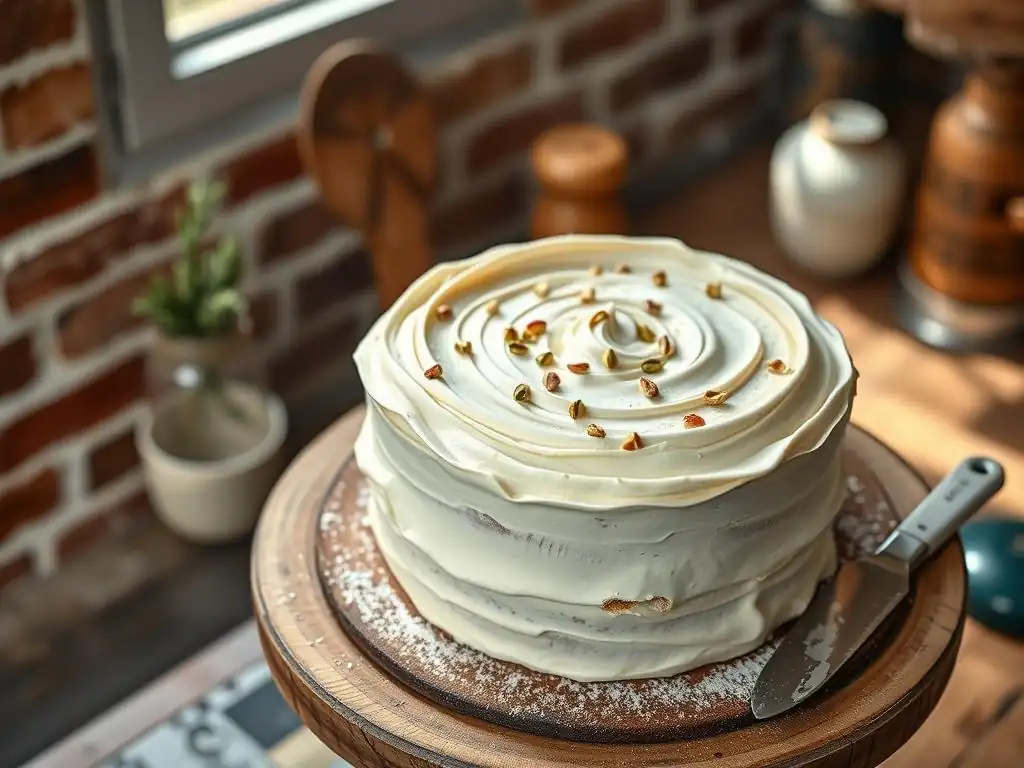
Mastering the rustic look is a process of practice and experimentation.
Practice Makes Perfect: Experimenting with Different Methods
Don't expect your first rustic cake to look exactly like the inspiration photos. Practice applying frosting and creating textures on a dummy cake or even the side of a bowl. Try different tools – an offset spatula, a palette knife, even the back of a spoon – to see what kind of textures they create. Experiment with applying different amounts of pressure and varying the direction of your strokes. Each practice session will help you feel more comfortable and confident applying your rustic layer cake frosting.
Temperature Control: Maintaining Ideal Frosting Consistency
Frosting consistency is highly sensitive to temperature. If your kitchen is warm, your frosting may become too soft; if it's cool, it might be too stiff. If frosting becomes too soft while working, pop the cake (or the bowl of frosting) into the refrigerator for 10-15 minutes to firm up. If it's too stiff, let it sit at room temperature for a bit or beat it on low speed to warm it slightly through friction. Aim for a temperature where the frosting is pliable but holds its shape when scooped.
Visualizing the Final Result: Planning Your Design
Before you start applying the final layer of rustic layer cake frosting, have a general idea of the texture you want to achieve. Are you aiming for defined peaks, soft waves, or a scraped, semi-naked look? While the rustic style is forgiving, having a plan helps guide your application techniques and ensures you achieve the overall aesthetic you desire. Look at inspiration photos and decide which techniques will help you replicate that look on your own rustic layer cake frosting recipe.
Rustic Layer Cake Frosting Ideas and Inspiration
Need some visual inspiration for your next rustic creation?
Woodland-Themed Rustic Cake with Moss and Edible Mushrooms
Imagine a dark chocolate cake frosted with brown-tinted buttercream using a spatula to create a bark-like texture. Edible "moss" made from crumbled green-tinted cake or cookies is applied around the base and top edge. Sugar paste mushrooms, painted with edible colors, are nestled amongst the moss. This theme perfectly complements a rugged rustic layer cake frosting style.
Lavender and Honey Rustic Cake with Drizzled Honeycomb
A light, airy cake like a honey cake or vanilla bean is frosted with Swiss meringue buttercream, applied in soft, horizontal waves using an offset spatula. Fresh or sugared lavender sprigs are placed artfully on top. Pieces of real honeycomb are added for texture and visual interest, with a light drizzle of honey cascading down the sides. This combines delicate flavors with a gentle rustic layer cake frosting technique.
Citrus and Rosemary Rustic Cake with Candied Citrus Peel
A lemon or orange cake is frosted with cream cheese frosting, applied with a palette knife to create a smeary, informal texture. Sprigs of fresh rosemary are tucked into the frosting. Homemade candied citrus peel (orange, lemon, or grapefruit) is arranged on top and around the base, adding bright color and a slightly chewy texture. This creates a vibrant and aromatic rustic layer cake frosting display.
Conclusion: Mastering the Art of Rustic Cake Frosting
Embracing the rustic look for your layer cake frosting is a rewarding journey that allows for creativity and reduces the pressure of achieving absolute perfection. By understanding the nature of this style, choosing the right tools and frosting, and practicing simple techniques like the spatula smear or palette knife texture, you can transform a simple cake into a charming, visually appealing centerpiece.
Remember that the beauty of rustic layer cake frosting lies in its natural, organic feel and the subtle evidence of your hand at work. So grab your spatula, prepare your favorite rustic layer cake frosting recipe, and start creating your own beautiful, perfectly imperfect cakes!
Frequently Asked Questions
What exactly is a "rustic" layer cake frosting style?
A rustic frosting style prioritizes texture and imperfections over a perfectly smooth finish. It often involves visible swirls, peaks, and slight variations in thickness, creating a charming, homemade look.
What kind of frosting works best for achieving a rustic look on a layer cake?
American buttercream is a great option for a rustic look because it's easy to manipulate and create texture. Swiss meringue buttercream and cream cheese frosting can also work, but require a little more finesse to avoid being too smooth.
Are there specific tools recommended for creating a rustic frosting effect?
While not strictly necessary, an offset spatula is incredibly helpful for creating swirls and peaks. A palette knife or even the back of a spoon can also be used to achieve different textures and effects.
How can I prevent my rustic frosting from looking too messy or amateurish?
Focus on intentional imperfections. Create deliberate swirls and peaks, and avoid overworking the frosting. Practicing on a smaller surface first can help you develop your technique.
Can I add decorations to a rustic-frosted layer cake?
Absolutely! Rustic frosting provides a beautiful backdrop for fresh fruit, edible flowers, or a simple dusting of powdered sugar. These additions can enhance the cake's natural, homemade appeal.
Final Reflection: The Enduring Allure of Rustic Charm
The pursuit of the perfect rustic layer cake frosting transcends mere aesthetics; it's a celebration of imperfection, a testament to the beauty found in the handmade. In a world increasingly obsessed with pristine perfection, embracing the rustic aesthetic offers a refreshing counterpoint, a return to the comforting simplicity of home-baked goodness. This intentional imperfection resonates deeply with today's desire for authenticity and connection to traditional crafts.
The journey of mastering rustic frosting, as explored in this article, is more than just following a recipe; it's about understanding the nuances of texture and embracing the happy accidents that contribute to its unique charm. The subtle crumbles, the uneven peaks, the slightly rustic swirls – these are not flaws, but rather the hallmarks of a truly handcrafted creation. As the renowned chef Alice Waters once said, Good food is all about the people who make it, and the people who eat it.
This sentiment perfectly encapsulates the spirit of rustic frosting: a connection to the maker and a shared experience for those who savor it.
Now, consider your own baking journey. Will you embrace the freedom of imperfection? Will you dare to let go of the need for absolute precision and instead revel in the unique beauty of a naturally textured frosting? I encourage you to experiment, to explore the textures and techniques discussed, and to discover the joy of creating a rustic layer cake that reflects your own personal style and celebrates the simple pleasures of baking. Let your next cake be a testament to the enduring allure of rustic charm.
Unleash Your Inner Rustic Baker!
Thanks for taking the time to explore the art of achieving that perfect rustic look on your layer cakes! We hope you've gained some valuable tips and tricks. Now it's time to put your newfound skills into action.
- Master the rustic swirl: Practice your piping techniques on a smaller cake or even just some parchment paper to really nail that effortless, charming look. This is your chance to shine!
- Share your masterpiece: Post a picture of your rustic creation on social media and tag us – we'd love to see your beautiful bake! Use #BakeWithEaseRustic.
- Experiment with textures: Try adding edible flowers, berries, or even a sprinkle of coarse sugar for added rustic charm. Let your creativity run wild!
Ready to transform your baking game and create stunning rustic cakes? What unique rustic element will you incorporate into your next cake?