
Pecan Perfection: Elevate Your Pies and Cookies

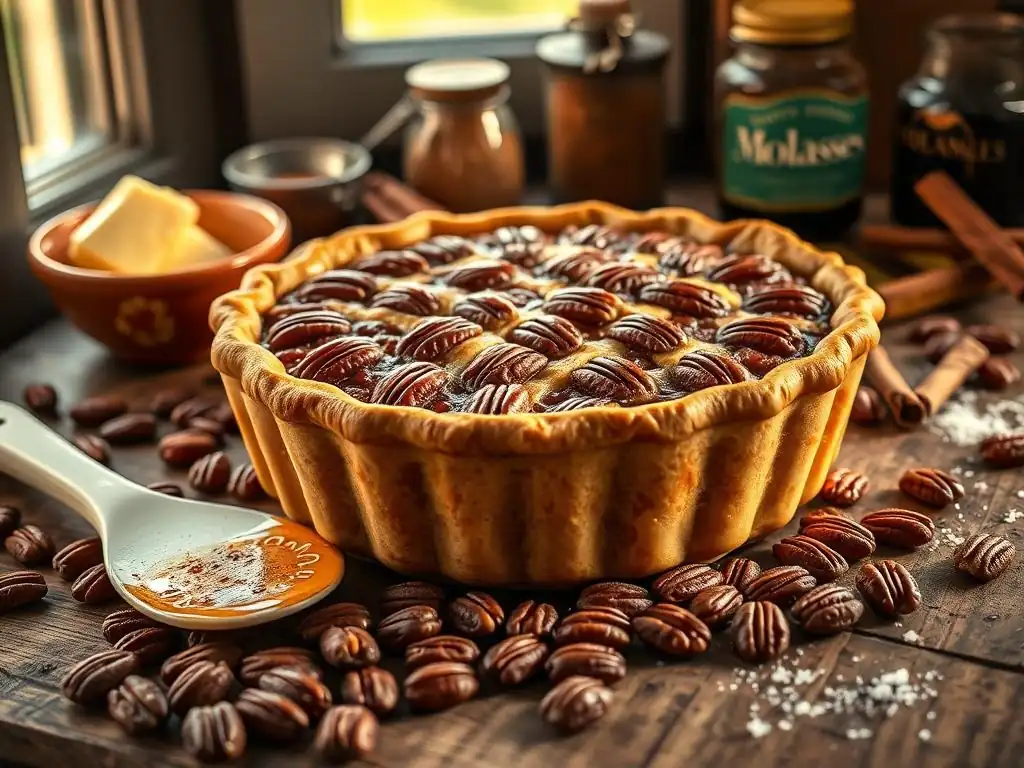
Welcome to BakeWithEase, where the joy of baking meets effortless execution! Ever wondered what separates a good pecan pie from a truly unforgettable one? In this article, we're diving deep into the secrets behind the perfect pecan pie recipe, exploring techniques and ingredient nuances that will elevate your pies (and cookies!) to a whole new level of deliciousness. Get ready to unlock pecan perfection – your baking journey starts here!
- Baking with Pecans: Elevate Your Pies and Cookies
- BakeWithEase Presents: Mastering the Art of Pecan Baking
- Perfect Pecan Pie Recipe: A BakeWithEase Signature
- Beyond Pie: Delicious Pecan Cookie Recipes
- Elevating Your Baking with Toasted Pecans
- Storing Pecans to Maintain Freshness
- Pecan Baking Troubleshooting: Common Problems and Solutions
- More Delicious Baking Recipes from BakeWithEase
-
Frequently Asked Questions
- What makes the BakeWithEase pecan pie recipe "perfect"?
- What are some common mistakes people make when baking pecan pie, and how does BakeWithEase help avoid them?
- Can this pecan pie recipe be easily adapted for cookies?
- What kind of pecans are recommended for the BakeWithEase "Pecan Perfection" recipe?
- Are there any substitutions suggested in the BakeWithEase recipe for common allergens or dietary restrictions?
- Final Reflection: The Enduring Allure of Pecan Perfection
- Unleash Your Inner Pastry Chef!
BakeWithEase Presents: Mastering the Art of Pecan Baking
Why Pecans are a Baker's Delight
Pecans hold a special place in the baker's pantry, offering a unique combination of rich flavor and tender texture that elevates countless desserts. Their natural buttery quality, derived from their high fat content (around 70%), contributes moisture and depth to baked goods in a way few other nuts can replicate.
This richness pairs beautifully with sweet flavors, making them a perfect partner for sugar, caramel, and chocolate. Unlike some nuts that can be overly crunchy or dry, pecans soften slightly when baked, integrating seamlessly into batters and doughs while still providing a pleasant chewiness or delicate crumble, depending on the application.
Beyond their delicious taste and texture, pecans are incredibly versatile. They are the undisputed star of classic pies, bring delightful crunch to cookies and bars, add nutty complexity to cakes and muffins, and even work wonders in savory applications. Whether roughly chopped and folded into dough or used as a beautiful topping, pecans contribute both structurally and flavor-wise. Their ability to toast easily further enhances their inherent sweetness and nuttiness, unlocking a deeper, more aromatic profile that can transform a simple recipe into something truly special.
Exploring Pecan Forms for Baking
Pecans are available in several forms, and choosing the right one can significantly impact the outcome of your baking projects. Pecan halves are perhaps the most visually appealing and are often used whole or decoratively placed on top of pies, tarts, or cakes. Their size makes them ideal for when you want distinct pieces of nut throughout your bake, offering substantial texture in each bite. For instance, a classic pecan pie often features a layer of beautiful halves on top of the filling.
Pecan pieces, which are smaller, irregularly shaped fragments, are excellent for incorporating directly into batters and doughs. Their smaller size ensures a more even distribution throughout cookies, muffins, or bread. Chopped pecans, which are even finer, are perfect for delicate applications like brittle, fine crumb toppings, or when you want the flavor integrated without large pieces of nut interfering with a smooth texture, such as in some cake batters or frostings. Using chopped pecans in a cookie dough ensures that every bite has a hint of that signature pecan flavor and a pleasant, subtle texture.
Perfect Pecan Pie Recipe: A BakeWithEase Signature
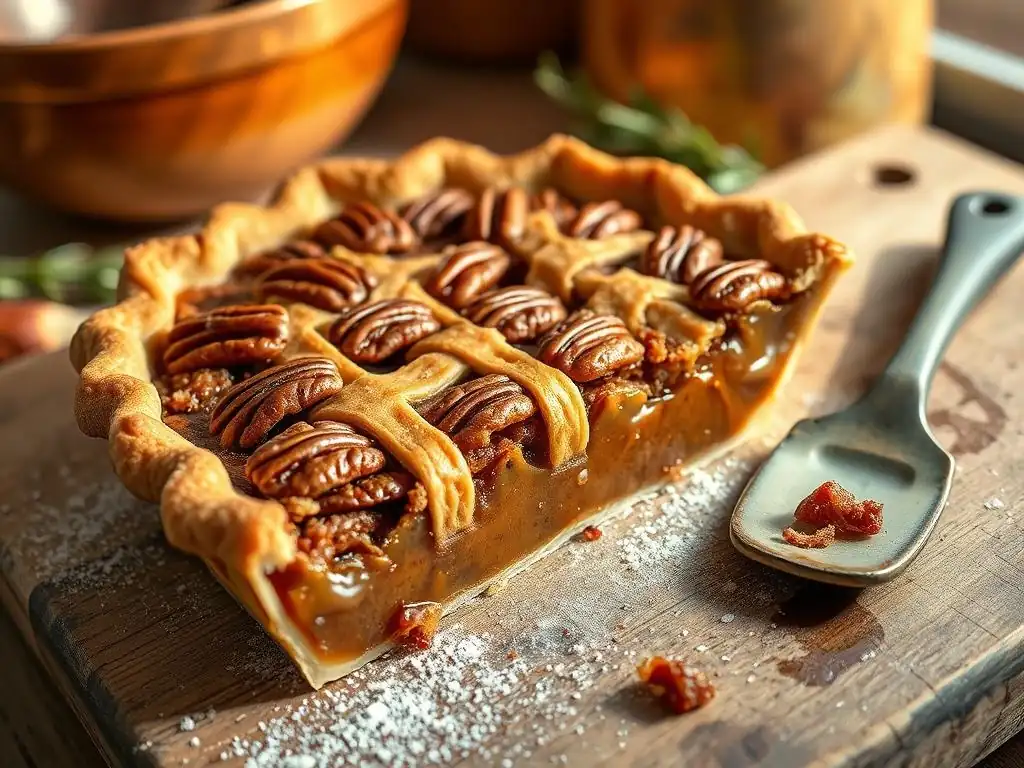
Achieving Pecan Pie Perfection: The Secret Ingredients
Crafting a truly perfect pecan pie recipe hinges on the quality of your ingredients and understanding their roles. At its heart, the filling relies on a balance of sweetness, richness, and binding agents. Fresh, high-quality pecans are non-negotiable; stale nuts can impart an off-flavor. The classic sweetener is corn syrup, typically a mix of light and dark, providing structure and preventing crystallization. Approximately 1 cup of corn syrup is standard for a single pie. Combined with about half a cup of granulated or brown sugar, this creates the sweet base.
Eggs are crucial binders, usually 3 to 4 large ones for a standard pie, ensuring the filling sets properly. Melted butter, around 1/4 cup, adds essential richness and helps carry the pecan flavor. A splash of vanilla extract (about a teaspoon) enhances the overall sweetness and aroma.
Some bakers add a tablespoon of bourbon or dark rum for complexity. Finally, the vessel: a good quality pie crust, whether homemade and flaky or a reliable store-bought option, is essential for holding the luscious filling and providing a textural contrast. Ensuring these components are fresh and measured accurately is the first step towards a perfect pecan pie.
Step-by-Step Guide to Baking the Ultimate Pecan Pie
Baking a perfect pecan pie recipe involves careful preparation and timing. Following these steps will guide you to a golden, set pie with a delightful filling.
Preparing the Pan for Your Pecan Pie
Begin by preparing your pie dish. If using a standard 9-inch pie plate, fit your chosen pie crust into the dish, crimping the edges decoratively. For many pecan pie recipes, blind baking the crust partially is recommended to prevent a soggy bottom.
Line the uncooked crust with parchment paper or foil, fill with pie weights, dried beans, or rice, and bake in a preheated oven (around 375°F or 190°C) for about 15 minutes, or until the edges are lightly golden. Remove the weights and liner, and if the bottom still seems very moist, bake for another 5 minutes until it looks drier. Let the crust cool slightly before adding the filling.
Making the Perfect Pecan Pie Filling
While the crust cools, prepare the filling. In a medium bowl, whisk together the eggs until just combined. Gradually whisk in the corn syrup (light and/or dark), sugar (granulated or brown), melted butter, and vanilla extract. Mix until everything is smooth and well combined, but avoid over-whisking, which can incorporate too much air and cause the filling to crack.
Stir in the pecans – you can use halves, pieces, or a mix. About 1.5 to 2 cups of pecans is typical for a rich filling. Pour the filling into the prepared, partially baked pie crust. Arrange extra pecan halves on top if desired for a classic look.
Baking and Cooling Your Pecan Pie to Perfection
Place the filled pie on a baking sheet (to catch any potential spills) and bake in the preheated oven (often starting at 375°F/190°C and sometimes reduced to 350°F/175°C after the first 15-20 minutes). Baking time varies but is typically 40-60 minutes. The pie is done when the edges are set and slightly puffed, and the center is still slightly jiggly, like firm gelatin. An internal temperature of 200-210°F (93-99°C) is a good indicator.
To prevent the crust edges from burning, you may need to cover them with foil or a pie crust shield halfway through baking. Once baked, carefully remove the pie from the oven and place it on a wire rack. This is crucial: allow the pie to cool completely, ideally for 2-4 hours, before slicing. This cooling time allows the filling to finish setting and achieve the perfect, slightly gooey but sliceable texture.
Tips and Tricks for a Flawless Pecan Pie
Even with a great recipe, small adjustments can make a big difference in achieving that perfect pecan pie.
Achieving a Set Pecan Pie Filling
A runny filling is a common pecan pie problem. This often happens if the pie isn't baked long enough or the balance of ingredients is off. Ensure you're using the correct number of eggs, as they provide the primary structure. Baking temperature is also key; starting hotter can help set the edges quickly, while finishing at a lower temperature allows the center to cook through without burning the top.
Check for doneness by gently shaking the pie; the center should jiggle slightly but not look liquid. Using a digital thermometer to check the internal temperature (aim for 200-210°F) is the most reliable method. If your pie is done but the edges are getting too dark, cover them with foil.
Enhancing Pecan Flavor in Pie
To truly make the pecan flavor sing in your perfect pecan pie recipe, consider toasting the pecans before adding them to the filling. Toasting deepens their nutty flavor and makes them more aromatic. You can do this in a dry skillet over medium heat for a few minutes or in a 350°F (175°C) oven for 8-10 minutes, watching carefully to prevent burning.
Allowing the baked pie to cool fully is also essential; the flavors meld and intensify as it cools and sets. Adding a tablespoon or two of bourbon, dark rum, or even a teaspoon of maple extract to the filling mixture can also complement and enhance the natural pecan flavor beautifully. A pinch of salt in the filling helps balance the sweetness.
Pecans aren't just for pies! They are magnificent in cookies, lending their buttery crunch and nutty aroma to a variety of textures and styles.
Classic Pecan Sandies: A BakeWithEase Favorite
Pecan Sandies are a beloved classic, known for their wonderfully crumbly, buttery texture and the generous inclusion of finely chopped pecans. These are typically a shortbread-style cookie, relying heavily on butter for their melt-in-your-mouth quality. The pecans are integrated directly into the dough, providing bursts of nutty flavor and a delicate crunch that complements the tender crumb. Often rolled in powdered sugar after baking, they offer a simple elegance that makes them perfect for tea time or holiday platters.
Achieving the Perfect Crumb in Pecan Sandies
The secret to the signature crumbly texture of pecan sandies lies in the ratio of ingredients and minimal handling of the dough. These cookies typically have a higher proportion of butter to flour compared to many other cookie types. Using softened, but not melted, butter creamed with sugar creates a tender base. Incorporating the flour and finely chopped pecans gently, mixing just until combined, is crucial.
Overworking the dough develops gluten, which leads to a tougher, less crumbly cookie. Chilling the dough before baking also helps the cookies hold their shape and contributes to a better texture. Baking at a moderate temperature allows them to set without spreading excessively.
Chewy Pecan Drops: A Simple Delight
For those who prefer a softer, chewier cookie, pecan drop cookies are an excellent choice. These are often based on a standard butter cookie dough, with chopped pecans folded in. The chewiness comes from ingredients like brown sugar and a slightly lower baking temperature or shorter baking time compared to crisp cookies. The pecans provide a pleasant textural contrast to the soft interior. These cookies are straightforward to make, requiring no chilling or shaping beyond dropping spoonfuls onto a baking sheet, making them a quick way to enjoy the flavor of pecans in a cookie.
Enhancing the Flavor of Pecan Drop Cookies
To make chewy pecan drops even more irresistible, consider pairing the pecans with complementary flavors. Chocolate chips are a classic partner, with the melting chocolate adding another layer of richness and texture. Caramel bits or toffee pieces also work wonderfully, creating pockets of gooey sweetness. A pinch of cinnamon or nutmeg can add warmth, especially if you're aiming for a more autumnal feel. Toasting the pecans before adding them to the dough, as discussed previously, will significantly amplify their nutty taste, ensuring it shines through the other flavors in the cookie.
Pecan Shortbread: A Festive Treat
Pecan shortbread combines the simple elegance of traditional shortbread with the rich flavor of pecans. This cookie is defined by its high butter content, minimal sugar, and absence of leavening, resulting in a dense, tender, and crumbly texture. Finely chopped pecans are typically mixed into the dough, offering a subtle nutty flavor and a delicate crunch that complements the buttery base perfectly. Shaped into rounds, fingers, or cut from a slab, pecan shortbread is a sophisticated treat, particularly popular around holidays.
Mastering the Art of Shortbread Texture
Achieving the characteristic melt-in-your-mouth texture of pecan shortbread requires careful technique. Start with good quality butter; its flavor is paramount. Creaming the butter and sugar until just combined, then gently mixing in the flour and chopped pecans until the dough just comes together is vital.
Overmixing develops gluten, which is the enemy of tender shortbread. Pressing the dough into an even layer or shaping it gently rather than kneading also helps maintain tenderness. Baking at a relatively low temperature (around 300-325°F or 150-160°C) for a longer time allows the cookies to bake through without browning too much, preserving their pale color and delicate crumb structure.
Elevating Your Baking with Toasted Pecans
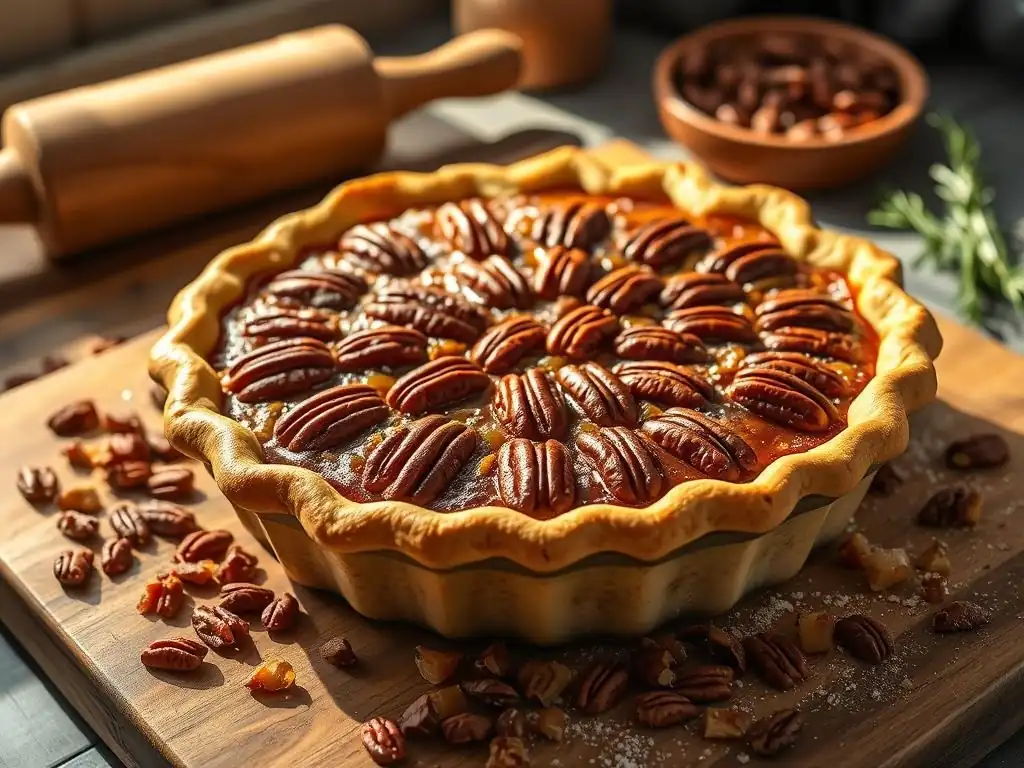
One of the simplest yet most impactful steps you can take to improve your baking with pecans is toasting them. This process deepens their flavor, enhances their aroma, and can even improve their texture slightly.
The Importance of Toasting Pecans for Flavor
Raw pecans have a lovely, mild, buttery flavor. However, when gently heated, the natural oils within the nut are released, and chemical reactions occur that intensify their inherent sweetness and nuttiness. This transformation unlocks a richer, more complex flavor profile that stands out better in baked goods, especially in recipes where the pecan is a primary flavor component, like a perfect pecan pie recipe or pecan bars. Toasting also contributes to a more appealing aroma as the nuts bake alongside other ingredients.
How to Toast Pecans Perfectly: A BakeWithEase Guide
Toasting pecans is quick and easy, but requires attention to prevent burning, as they can go from perfectly toasted to burnt very quickly.
Oven Toasting Method for Pecans
Preheat your oven to 350°F (175°C). Spread the pecans (halves or pieces) in a single layer on a baking sheet. Bake for 8-12 minutes, stirring halfway through. Keep a close eye on them after 8 minutes. They are done when they become fragrant and are slightly darker in color. Remove from the oven immediately and transfer them to a plate or another cool surface to stop the cooking process. Let them cool completely before using them in your recipe.
Stovetop Toasting Method for Pecans
This method is great for smaller quantities. Heat a dry skillet over medium heat. Add the pecans in a single layer. Cook, stirring or shaking the pan frequently, for 3-5 minutes. Again, watch them constantly. They are done when they are fragrant and slightly colored. Immediately remove them from the hot skillet and transfer them to a cool surface to cool down completely.
Storing Pecans to Maintain Freshness
Proper storage is essential to keep your pecans fresh and prevent them from going rancid, ensuring your baked goods always taste their best.
Proper Storage Techniques for Baking Pecans
Pecans, like other nuts, have a high oil content, which makes them susceptible to spoilage (rancidity) when exposed to air, heat, and light. The best way to store pecans for baking is in an airtight container to protect them from oxygen and moisture. For short-term storage (a few weeks), a cool, dark pantry is sufficient. However, for longer storage, refrigeration or freezing is highly recommended. Storing them in the refrigerator in a sealed container can keep them fresh for up to 6 months.
Extending the Shelf Life of Your Pecans
To significantly extend the shelf life of pecans, store them in the freezer. Placed in a heavy-duty freezer bag or airtight container, pecans can remain fresh for up to two years. Freezing is especially useful if you buy pecans in bulk or only use them occasionally for recipes like a perfect pecan pie recipe.
When you need them for baking, simply take out the desired amount; they thaw quickly at room temperature. Always label your containers with the date to keep track of freshness. Before using refrigerated or frozen pecans, it's a good idea to let them come to room temperature, especially if you plan to toast them.
Pecan Baking Troubleshooting: Common Problems and Solutions
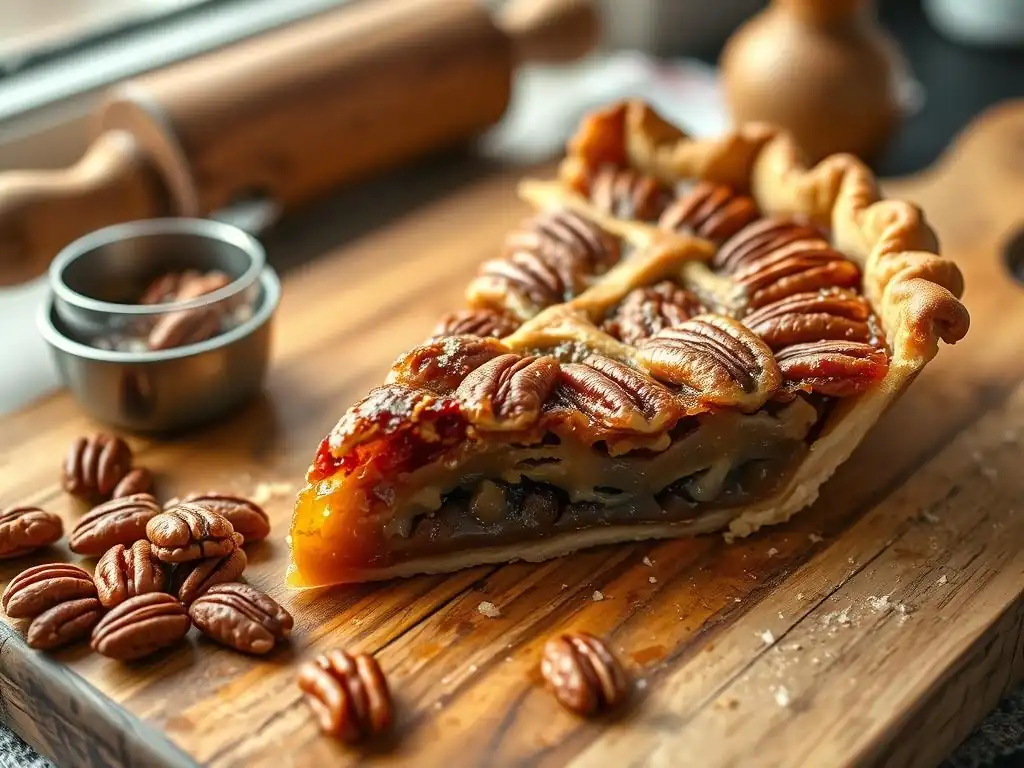
Even experienced bakers can encounter issues when baking with pecans. Here are some common challenges and how to address them.
Addressing Common Pecan Pie Issues
One frequent problem is a soggy bottom crust. This can be prevented by partially blind baking the crust before adding the filling, as described in our perfect pecan pie recipe guide. Ensure the crust is cooled slightly before filling.
Another issue is a cracked top on the filling; this often happens if the pie bakes too quickly or at too high a temperature, causing the surface to set before the center is fully cooked and expanded. Reducing the oven temperature after the initial setting period can help. If the filling is runny after cooling, the pie likely wasn't baked long enough; next time, check the internal temperature or bake until the center has only a slight jiggle.
If your pecan cookies spread too much, the butter might have been too soft, or there wasn't enough flour. Chilling the dough before baking helps solidify the fat and prevents excessive spreading. Ensure you're measuring flour accurately, ideally by weight.
If your cookies lack sufficient pecan flavor, consider increasing the amount of pecans slightly or, more effectively, toasting the pecans before adding them to the dough. If the pecans sink to the bottom of the cookies, try coating the chopped pecans lightly in a tablespoon of the recipe's flour before folding them into the dough; this helps suspend them evenly.
More Delicious Baking Recipes from BakeWithEase
[Link to other nut baking recipes]
Frequently Asked Questions
What makes the BakeWithEase pecan pie recipe "perfect"?
The BakeWithEase recipe focuses on achieving perfect texture and flavor, using a balance of sweet and nutty notes. It also provides step-by-step instructions for consistent results.
What are some common mistakes people make when baking pecan pie, and how does BakeWithEase help avoid them?
Common mistakes include a soggy crust and overly sweet filling. BakeWithEase offers tips for a crisp crust and balanced sweetness.
Yes, the BakeWithEase recipe can be adapted by using the pecan pie filling as a topping or component in pecan pie cookies. Further instructions would be needed.
What kind of pecans are recommended for the BakeWithEase "Pecan Perfection" recipe?
The recipe recommends using fresh, high-quality pecans for the best flavor. You can use pecan halves or pieces depending on your preference.
Are there any substitutions suggested in the BakeWithEase recipe for common allergens or dietary restrictions?
While the core recipe uses standard ingredients, BakeWithEase may offer alternative ingredient suggestions on their site for gluten-free or dairy-free variations. Check the full recipe for more details.
Final Reflection: The Enduring Allure of Pecan Perfection
The art of crafting the perfect pecan pie transcends mere baking; it's a celebration of tradition, a testament to the power of simple ingredients elevated to extraordinary heights. From humble beginnings, the pecan pie has become a beloved classic, gracing holiday tables and family gatherings for generations. Its enduring popularity speaks volumes about its comforting nature and the undeniable joy it brings.
The influence of the pecan pie extends far beyond the kitchen; it's woven into the fabric of our cultural heritage, a symbol of warmth, generosity, and shared experiences. It's a recipe passed down through families, each iteration carrying a unique story and a touch of personal flair. A pie is a love letter to the earth.
This sentiment, though not specifically about pecan pie, perfectly captures the essence of its creation – a harmonious blend of nature's bounty transformed into something truly special. The simple act of sharing a slice fosters connection and creates lasting memories.
Now, I invite you to consider your own approach to pecan pie perfection. Will you stick to a tried-and-true family recipe, or will you embark on a culinary adventure, experimenting with variations and twists? Regardless of your path, remember that the true magic lies not just in the final product, but in the process itself – the careful measuring, the gentle stirring, the anticipation of that first, glorious bite. Embrace the journey, and may your pecan pies always be a source of joy and connection.
Unleash Your Inner Pastry Chef!
Thanks for joining us on this pecan-filled adventure! We hope you've gained some delicious inspiration and new techniques to elevate your baking game. Ready to put your newfound knowledge into practice?
- Master the art of the perfect pecan pie: Try out one of the recipes we shared – you might be surprised at how easy it is to create a show-stopping dessert.
- Share your pecan creations: Show us your baking triumphs on social media using #BakeWithEasePecan – we can’t wait to see what you make!
- Experiment with different pecan variations: Try adding pecans to your favorite cookies or even savory dishes! Let your creativity run wild.
What's your favorite way to enjoy pecans in your baking? Let us know in the comments below!