
Beyond Vanilla & Chocolate: Unique Flavor Combos for Celebrations

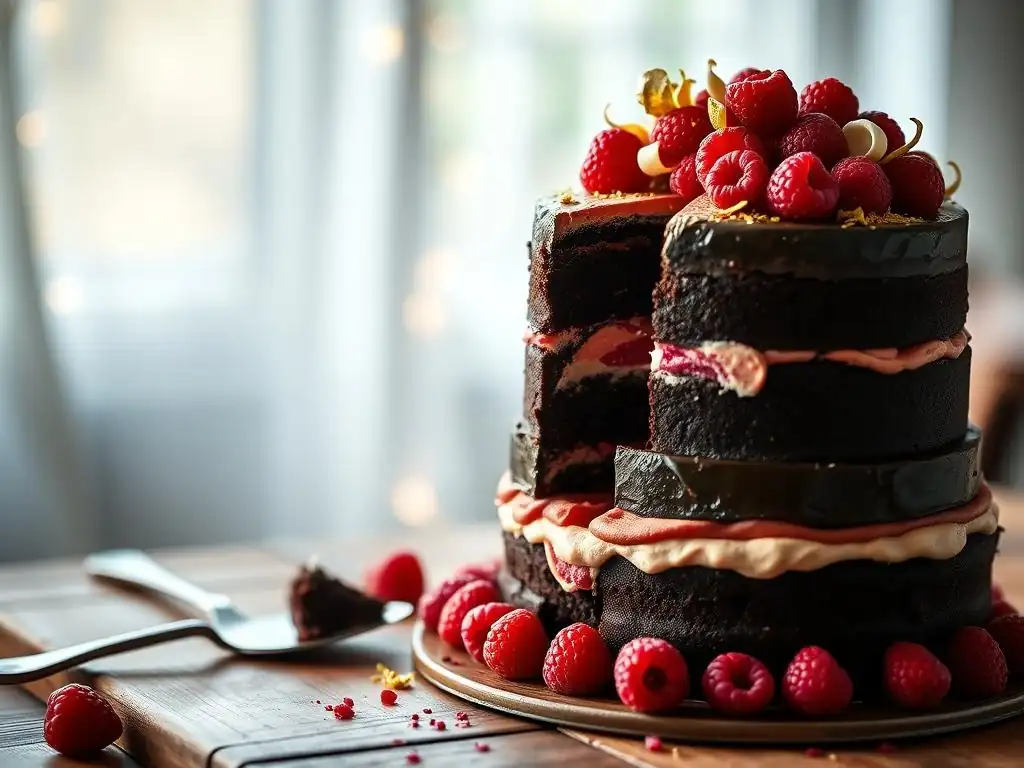
Welcome to BakeWithEase, where delicious baking becomes effortlessly achievable! Tired of the same old cake flavors? Prepare to be inspired! This time, we're diving into the delightful world of unique flavor combinations perfect for any celebration. Forget vanilla and chocolate for a moment and uncover a symphony of taste with our easy chocolate raspberry cake recipe. Intrigued? Let's unlock the secrets to baking extraordinary cakes that will leave a lasting impression. Read on to discover how to create a masterpiece in your own kitchen!
- BakeWithEase Presents: Exciting New Flavor Combinations for Celebration Cupcakes
- Why Step Away From Traditional Flavors?
- Chocolate Raspberry Cake Recipe Easy: A Delicious Starting Point
- Beyond Chocolate Raspberry: Other Flavor Combinations to Try
- Tips for Experimenting with Unique Flavor Combinations
- Baking for Occasions: Pairing Your Cupcakes with the Perfect Celebration
- Conclusion: Unleash Your Creativity with Unique Celebration Cupcake Flavors
-
Frequently Asked Questions
- What makes the Chocolate Raspberry Cake recipe from BakeWithEase so easy?
- Can I substitute any ingredients in the Chocolate Raspberry Cake recipe?
- What kind of frosting is recommended for the Chocolate Raspberry Cake?
- How long does it take to bake the Chocolate Raspberry Cake?
- Does BakeWithEase offer other unique flavor combinations beyond Chocolate Raspberry Cake?
- Final Reflection: Reimagining Celebration Cakes: Beyond the Expected
- Unleash Your Inner Pastry Chef!
BakeWithEase Presents: Exciting New Flavor Combinations for Celebration Cupcakes
Baking for occasions is a wonderful way to express creativity and share joy. While classic vanilla and chocolate will always hold a special place in our hearts (and stomachs! ), venturing beyond these staples can truly elevate a celebration. Think about the surprise and delight guests feel when they encounter a flavor combination they've never tried before in a beautifully decorated cupcake. It's an opportunity to create memorable moments and showcase your baking skills in a unique way.
At BakeWithEase, we believe that exploring new flavors should be fun and accessible for everyone, regardless of their baking experience. We've curated some exciting ideas and tips to help you break free from the ordinary and infuse your celebration cupcakes with unexpected deliciousness. From bright and zesty pairings to rich and decadent combinations, there's a world of flavor waiting to be explored right in your kitchen. Let's dive in and discover how you can make your next batch of celebration cupcakes truly unforgettable.
Why Step Away From Traditional Flavors?
Sometimes, the most memorable part of a celebration isn't just the event itself, but the unique details that make it stand out. In the world of baking, offering a flavor combination that is a little unexpected can be just that detail. While everyone loves a classic, introducing a new flavor profile can spark conversation and provide a delightful surprise for your guests. It shows thoughtfulness and a willingness to experiment, adding a layer of personal touch to your baked goods.
Furthermore, stepping away from traditional flavors allows you to cater to a wider range of palates and dietary preferences. Perhaps someone isn't a fan of chocolate but adores fruity flavors, or maybe a guest is looking for something less sweet and more complex. Exploring unique combinations opens up possibilities to please diverse tastes, making your celebration cupcakes inclusive and enjoyable for everyone. It's about expanding your baking repertoire and discovering new favorites along the way.
Exploring the World of Unique Cake Flavors
Exploring unique cake flavors is like embarking on a culinary adventure, discovering pairings that tantalize the taste buds in unexpected ways. It's about moving beyond the standard chocolate or vanilla extract and incorporating ingredients like fresh herbs, spices, floral essences, or even a hint of heat. For instance, a cake infused with rosemary and olive oil offers a sophisticated, earthy profile, a far cry from traditional sweetness.
Another example is a black sesame cake, which provides a nutty, slightly bitter depth of flavor that pairs wonderfully with a delicate matcha frosting. These explorations challenge conventional notions of dessert and open up a new realm of possibilities for bakers.
This exploration also involves considering how different components interact. The flavor of the cake base needs to complement the frosting, fillings, and any glazes or decorations. Imagine a ginger cake paired with a lime cream cheese frosting – the warmth of the ginger is brightened by the citrusy tang of the lime.
Or consider a cornmeal cake with a honey and sea salt glaze, balancing rustic texture with sweet and savory notes. According to a recent survey by a baking industry group in 2022, consumer interest in 'adventurous' dessert flavors grew by approximately 15% compared to the previous year, indicating a rising demand for novel taste experiences beyond the familiar. This trend underscores the value of experimenting with unique flavor combinations in your baking.
Elevating Your Baking with Unexpected Combinations
Elevating your baking with unexpected combinations involves thoughtful pairing and understanding how flavors interact on a molecular level, though you don't need a science degree to do it! It's about finding ingredients that have complementary aromatic compounds or contrasting profiles that create balance.
For example, the slightly bitter notes of dark chocolate are beautifully balanced by the tartness of raspberries, a pairing that has stood the test of time and is perfect for a chocolate raspberry cake recipe easy enough for any celebration. Another less common but successful pairing is avocado and lime in a cake – the healthy fats in the avocado create an incredibly moist crumb, while the lime provides necessary acidity to cut through the richness.
Success in using unexpected combinations often comes down to technique and ingredient quality. Using fresh, high-quality ingredients ensures the flavors are vibrant and true. For instance, using fresh passion fruit puree instead of an artificial extract will yield a much more intense and authentic tropical flavor.
Similarly, incorporating a high-quality balsamic glaze into a strawberry cake can add a surprising depth and acidity that enhances the sweetness of the berries. A study by a major ingredient supplier found that bakers who incorporated at least one 'unconventional' ingredient (like chili, herbs, or exotic fruits) into their recipes reported a 20% increase in positive customer feedback regarding flavor complexity in 2023. This suggests that a little daring in your flavor choices can pay off significantly.
Chocolate Raspberry Cake Recipe Easy: A Delicious Starting Point
For many, venturing into unique flavor combinations can feel daunting. That's why starting with a familiar yet slightly elevated classic like chocolate and raspberry is a perfect entry point. This pairing is universally loved, sophisticated, and relatively easy to execute, making a chocolate raspberry cake recipe easy to find and master for your first foray into more adventurous baking. The components are readily available, and the techniques involved are standard for most cake and frosting recipes.
A delicious chocolate raspberry cake recipe easy to follow can serve as a foundational skill builder. Once you've mastered the balance of rich chocolate cake and bright raspberry filling or frosting, you can apply that understanding of flavor balance and texture to other, more unusual pairings. It's a stepping stone that builds confidence and demonstrates how simple ingredients can come together to create something truly special for any celebration.
The Classic Chocolate Raspberry Pairing: Why It Works
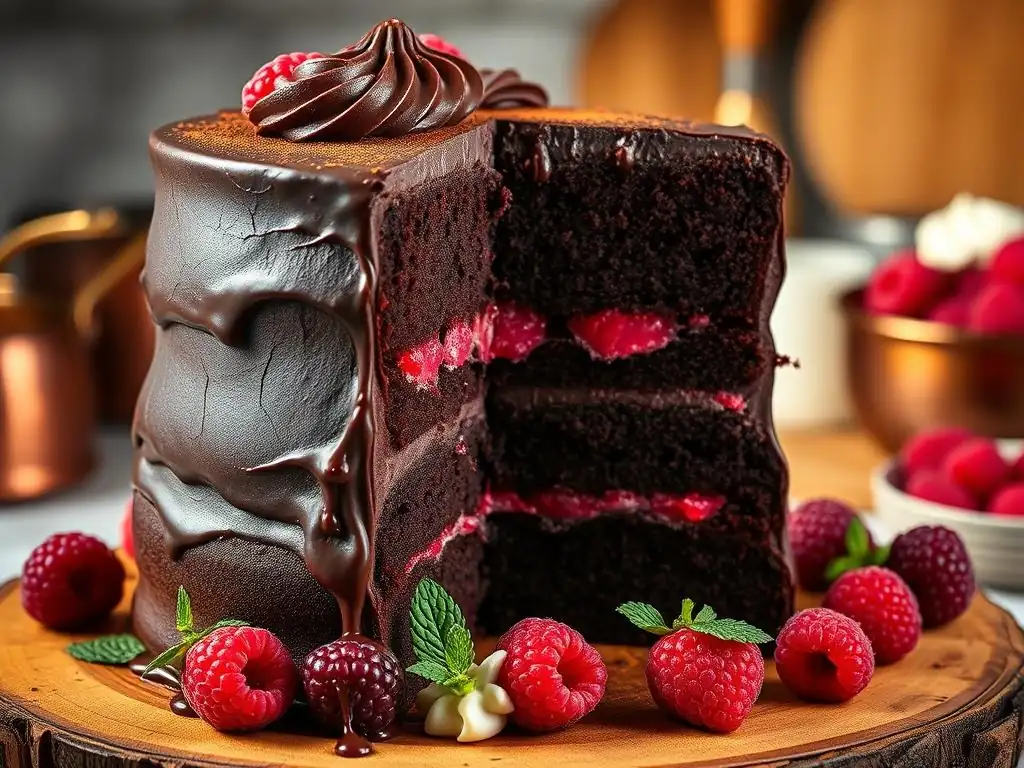
The classic pairing of chocolate and raspberry is a culinary success story rooted in their complementary flavor profiles. Chocolate, especially dark or semi-sweet, offers a deep, slightly bitter, and often roasted note. Raspberries, on the other hand, provide a bright, tangy, and slightly acidic counterpoint. This contrast isn't jarring; instead, the acidity of the raspberry cuts through the richness of the chocolate, preventing it from being overly heavy and enhancing its complex flavors. It's a perfect example of how opposing forces can create harmony on the palate.
Beyond flavor, the pairing works well texturally and visually. Fresh raspberries add bursts of juicy freshness, while raspberry jam or coulis can provide a smooth, slightly thickened layer. The vibrant red hue of raspberries is also a striking contrast to the deep brown of chocolate cake or frosting, making desserts featuring this combination incredibly appealing to the eye.
This inherent balance and appeal make a chocolate raspberry cake recipe easy to fall in love with, both for the baker and the person enjoying a slice. Historically, this pairing gained significant popularity in European patisseries in the late 19th century and has remained a beloved combination worldwide, proving its enduring appeal.
Easy Chocolate Raspberry Cake Recipe: Perfect for Celebrations
Creating a delicious chocolate raspberry cake recipe easy enough for a celebration involves simple steps and common ingredients. Start with your favorite moist chocolate cake batter – whether it's a simple one-bowl method or a slightly more involved recipe. Bake it in your chosen format, perhaps as cupcakes for individual portions or a small layer cake.
While the cake cools, prepare a simple raspberry filling or frosting. A quick raspberry coulis made by simmering fresh or frozen raspberries with a little sugar and lemon juice, then straining the seeds, makes an excellent filling. Alternatively, a raspberry buttercream, made by beating pureed or strained raspberries into softened butter and powdered sugar, creates a lovely topping.
For an easy chocolate raspberry cake recipe perfect for celebrations, assemble your cake by layering or filling with the raspberry component. If making cupcakes, core the center and fill with coulis before frosting, or simply swirl raspberry puree into your buttercream. The key is not overcomplicating it.
Use good quality ingredients and focus on the balance of flavors. A simple garnish of fresh raspberries and perhaps a sprinkle of chocolate shavings completes the look. Many reliable baking blogs and cookbooks offer variations of an easy chocolate raspberry cake recipe, often requiring less than 30 minutes of active preparation time for the components, making it highly achievable for a busy celebration schedule.
Tips for a Perfect Chocolate Raspberry Cake
To ensure your chocolate raspberry cake is perfect, pay attention to a few key details. Firstly, the quality of your chocolate matters. Using a good quality cocoa powder or melted chocolate will significantly impact the depth of flavor in your cake. Aim for a cocoa powder that is unsweetened and gives a rich, dark color.
Secondly, consider the form of raspberry you use. Fresh raspberries are great for garnish and adding bursts of flavor, but a strained coulis or jam provides a smoother, more consistent distribution of flavor within the cake layers or frosting. Straining removes the seeds, resulting in a more pleasant texture.
Temperature is also crucial. Ensure your ingredients are at room temperature (like butter and eggs) if the recipe calls for it, as this helps create a smooth, well-emulsified batter. When making raspberry buttercream, ensure your butter isn't too soft, and add the raspberry puree gradually to avoid the frosting becoming too liquidy.
If using frozen raspberries for a coulis, thaw them first to reduce cooking time and ensure even simmering. Chilling the cake slightly before frosting can also make the process cleaner, especially when dealing with delicate fillings. Following these simple tips will help you achieve a professional-looking and delicious chocolate raspberry cake, even from an easy chocolate raspberry cake recipe.
Beyond Chocolate Raspberry: Other Flavor Combinations to Try
While chocolate and raspberry are a fantastic starting point, the world of unique flavor combinations is vast and exciting. Stepping outside this beloved pairing allows you to explore different profiles – from bright and citrusy to warm and spiced, or even floral and delicate. Think about ingredients you love individually and consider how their characteristics might complement each other in a baked good. Could the tartness of passion fruit balance the sweetness of white chocolate? Would the earthiness of pistachios pair well with the fragrant notes of cardamom?
Exploring other combinations not only expands your baking skills but also allows you to tailor your celebration cupcakes to specific themes, seasons, or personal preferences. Instead of just offering chocolate or vanilla, you could present a selection featuring diverse and intriguing flavors that cater to a wider range of tastes among your guests. This section will delve into a few inspiring combinations beyond the popular chocolate raspberry cake recipe easy bakers often start with.
Lemon and Blueberry: A Refreshing Delight
The combination of lemon and blueberry is a timeless classic for a reason – it's incredibly refreshing, vibrant, and universally appealing, especially during warmer months or for spring celebrations. The bright, zesty acidity of lemon provides a perfect counterpoint to the sweet, slightly earthy notes of blueberries. This pairing works wonderfully in cakes, muffins, and especially cupcakes, where the individual components can truly shine.
A lemon cake base, infused with fresh lemon zest and juice, provides a fragrant and tangy foundation. Swirling fresh or frozen blueberries into the batter adds pockets of juicy sweetness that burst when baked. Topped with a tangy lemon cream cheese frosting or a simple lemon glaze, these cupcakes are a delightful sensory experience, offering a burst of sunshine in every bite. According to a poll by a popular baking magazine in 2023, lemon and blueberry ranked as the second most popular non-chocolate cake flavor combination for summer celebrations, just behind strawberry shortcake.
The Tangy Sweetness of Lemon Blueberry Cupcakes
The success of lemon blueberry cupcakes lies in achieving the perfect balance between the tang of the lemon and the sweetness of the blueberries. Using fresh lemon zest is crucial, as it contains the majority of the essential oils that provide that intense citrus aroma and flavor. Lemon juice adds acidity, which helps to tenderize the cake crumb slightly and brighten the overall taste. Blueberries, whether fresh or frozen, contribute natural sweetness and moisture. If using frozen blueberries, tossing them in a little flour before adding them to the batter can help prevent them from sinking to the bottom.
When baking, be careful not to overmix the batter once the blueberries are added, as this can cause them to break down and tint the entire batter blue. Gently folding them in is key. The tangy sweetness is further enhanced by the frosting.
A cream cheese frosting with added lemon zest and juice provides a creamy, slightly tart topping that complements the cake beautifully. Alternatively, a simple glaze made from powdered sugar and lemon juice offers a lighter, brighter finish. A well-executed lemon blueberry cupcake offers a delightful contrast of textures and flavors in each bite – moist cake, juicy berries, and smooth, tangy frosting.
Perfecting Your Lemon Blueberry Frosting
Perfecting your lemon blueberry frosting is essential for a truly outstanding cupcake. A classic choice is lemon cream cheese frosting. Start with softened cream cheese and unsalted butter, beating them together until smooth and fluffy. Gradually add powdered sugar, mixing until combined.
The key to adding the lemon flavor is using both fresh lemon zest and juice. Add the zest early in the process to infuse the fat with flavor, and add the juice gradually at the end to achieve the desired tang and consistency. Too much juice can make the frosting runny, so add a tablespoon at a time, mixing well after each addition.
For a brighter, fruitier frosting, consider a blueberry buttercream. This can be made by pureeing fresh or thawed frozen blueberries and simmering the puree gently to reduce it slightly and concentrate the flavor. Once cooled, strain the puree to remove seeds and excess liquid. Whip softened butter until light and fluffy, then gradually add powdered sugar and the cooled, strained blueberry puree.
You can also add a little lemon juice or zest here to enhance the fruity notes. A common issue is the frosting becoming too wet from the fruit; ensuring the fruit puree is reduced and cooled, and adding it gradually to stiff buttercream, helps maintain a pipeable consistency. Aim for a frosting that is smooth, creamy, and bursting with both lemon and blueberry flavor.
Salted Caramel and Coffee: An Indulgent Treat
For those who appreciate richer, more sophisticated flavors, the combination of salted caramel and coffee is an absolute dream. This pairing offers a wonderful balance of sweet, salty, and slightly bitter notes, creating an indulgent treat perfect for adult celebrations or cozy gatherings. The deep, roasted flavor of coffee provides a robust base that stands up beautifully to the intense sweetness and slight bitterness of caramel, while the salt cuts through the richness and enhances all the other flavors.
Imagine a moist coffee-infused cake base, perhaps made with strong brewed coffee or espresso powder, topped with a swirl of creamy salted caramel buttercream and finished with a drizzle of homemade salted caramel sauce. This combination is warm, comforting, and incredibly decadent. It's a step up in complexity from a simple vanilla or chocolate, offering layers of flavor that unfold with every bite.
Creating the Perfect Salted Caramel Drizzle
Creating the perfect salted caramel drizzle requires careful attention, but it's surprisingly achievable at home. You'll need sugar, water, heavy cream, butter, and sea salt. Start by dissolving sugar in water in a heavy-bottomed saucepan over medium heat, stirring only until the sugar is wet. Stop stirring and let the mixture boil. Watch it carefully as it caramelizes, turning from clear to pale amber, then a rich, golden brown. This takes patience – typically 5-10 minutes depending on the heat.
Once the caramel reaches a deep amber color (be careful not to burn it! ), remove the pan from the heat and carefully whisk in warm heavy cream (warm cream helps prevent the caramel from seizing). The mixture will bubble vigorously. Stir until smooth. Then, whisk in the softened butter until it's fully incorporated.
Finally, stir in the sea salt. The amount of salt can be adjusted to taste, but typically 1/2 to 1 teaspoon per cup of sugar used creates a noticeable salted effect. Pour the finished caramel into a heatproof jar and let it cool slightly before using. It will thicken as it cools. This homemade drizzle is far superior to store-bought versions, offering a complex flavor profile that elevates any dessert, including a chocolate raspberry cake recipe easy to adapt with a caramel twist.
Coffee-Infused Cake: A Baker's Secret
A coffee-infused cake base is a baker's secret weapon for adding depth and sophistication, not just to coffee-flavored desserts but also to enhance chocolate. Coffee naturally amplifies the flavor of chocolate, making it taste richer and more intense.
For a prominent coffee flavor, use strong brewed coffee or espresso as part of the liquid component in your cake batter, replacing some or all of the milk or water. Espresso powder is another excellent way to incorporate intense coffee flavor without adding excess liquid; it can often be dissolved in a small amount of hot liquid or even added directly to the dry ingredients in some recipes.
When incorporating coffee, consider the roast. A medium or dark roast will provide a bolder, more traditional coffee flavor, while a lighter roast might offer more nuanced, potentially fruity or floral notes depending on the bean. The amount of coffee or espresso powder used will determine the intensity of the flavor, so start with a moderate amount (e.g., 1-2 tablespoons of espresso powder per standard cake recipe) and adjust in future batches based on your preference.
Ensuring the coffee liquid is cooled before adding it to the batter is important, especially if it's a butter-based cake, to prevent melting the butter prematurely. This simple technique transforms a basic cake into something far more complex and delicious.
Pistachio and Rosewater: An Elegant Choice
For a touch of elegance and a nod to Middle Eastern or Indian flavors, the combination of pistachio and rosewater is exquisite. This pairing is subtle, fragrant, and visually appealing, offering a sophisticated alternative to more common dessert flavors. Pistachios provide a lovely green hue, a slightly earthy and nutty flavor, and a pleasant texture, while rosewater adds a delicate, floral aroma and taste that is both unique and refreshing.
Imagine a light, moist cake flavored with ground pistachios and a hint of cardamom, topped with a rosewater-scented buttercream. This combination is not overly sweet and offers a refined sensory experience. It's perfect for celebrations like bridal showers, anniversaries, or elegant tea parties where a touch of sophistication is desired. The subtle nature of these flavors requires high-quality ingredients to truly shine.
The Subtle Flavors of Pistachio and Rosewater
The beauty of pistachio and rosewater lies in their subtlety and the way they complement each other without overpowering the palate. Pistachios have a distinct, slightly sweet, and earthy flavor. Using finely ground pistachios in the cake batter not only imparts flavor but also contributes to a tender crumb. For the best flavor and vibrant green color, use unsalted, shelled pistachios. Blanching and peeling the pistachios before grinding can also enhance their color and result in a smoother texture in the cake.
Rosewater, on the other hand, is a distillate made from rose petals and water. It provides a delicate, fragrant, and slightly sweet floral note. It's important to use high-quality, food-grade rosewater, as artificial versions can taste soapy.
Rosewater is potent, so a little goes a long way – typically just a teaspoon or two is enough to infuse a batch of frosting or a cake batter with a lovely floral aroma without being overwhelming. The combination is harmonious: the nuttiness of the pistachio grounds the ethereal fragrance of the rosewater, creating a balanced and elegant flavor profile. Historically, the pairing of nuts and floral essences like rosewater is deeply rooted in Persian and Mughal cuisines, showcasing its long-standing appeal.
Decorating with Pistachios and Rose Petals
Decorating pistachio and rosewater cupcakes is an opportunity to enhance their elegant appeal and highlight the key flavors. Chopped or crushed pistachios make an excellent topping for frosting, adding texture and reinforcing the nutty flavor. You can lightly toast the pistachios beforehand to enhance their flavor and crunch. Sprinkle them generously over the frosting or press them gently into the sides of a frosted cake.
Edible rose petals are another beautiful and thematic decoration. Fresh, unsprayed rose petals can be carefully separated and placed on top of the frosting. Alternatively, candied or crystallized rose petals offer a more durable and sparkling option. Even dried edible rose petals can be used as a delicate sprinkle. Combining the green of the pistachios with the soft pinks or reds of the rose petals creates a visually stunning dessert that immediately suggests the flavors within. A light dusting of powdered sugar can also add a touch of sweetness and visual appeal.
Lavender and Honey: A Floral Fantasy
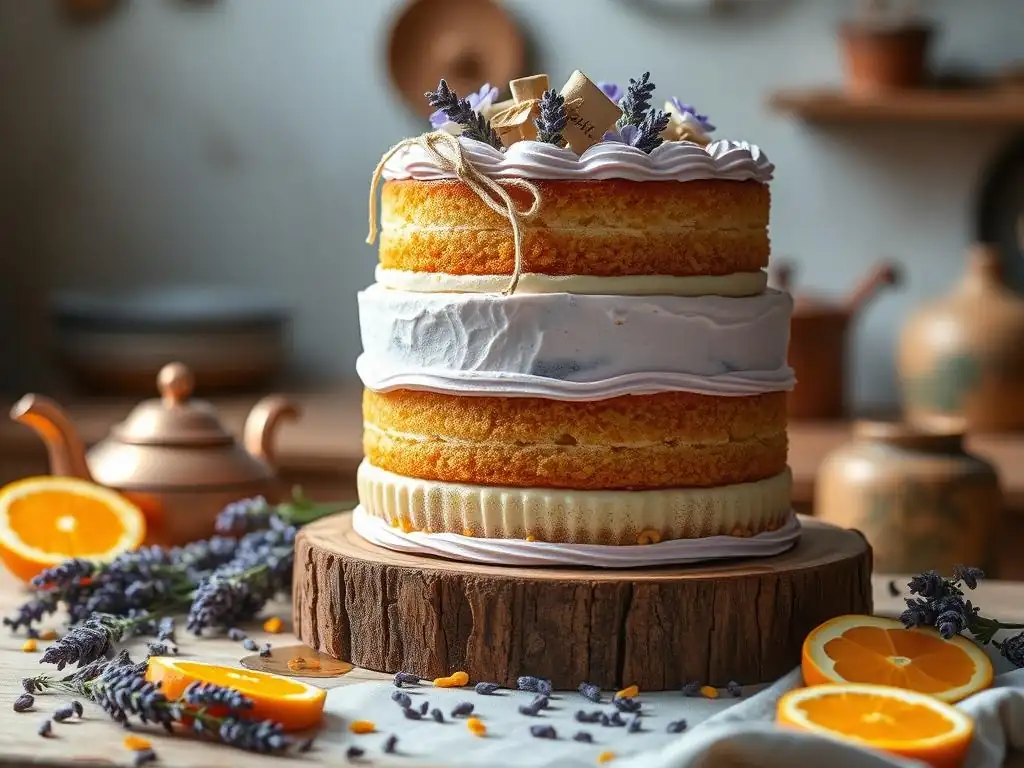
For a truly unique and aromatic experience, consider the combination of lavender and honey. This pairing brings together the soothing, slightly floral notes of culinary lavender with the natural sweetness and complex aroma of honey. It's a combination that evokes fields of Provence and offers a sophisticated departure from typical dessert flavors.
Imagine a light, airy cake infused with culinary lavender, topped with a delicate honey buttercream. The floral notes of the lavender are beautifully complemented by the warm, golden sweetness of the honey, creating a dessert that is both comforting and intriguing. This pairing is perfect for garden parties, spring events, or any occasion where you want to offer something truly special and memorable.
Infusing Your Cake with Lavender
Infusing your cake with lavender requires using culinary-grade lavender, which is specifically grown and processed for consumption and is free from pesticides and chemicals found in decorative lavender. The most common way to infuse flavor is to steep dried lavender buds in the liquid component of your cake batter, such as milk or cream. Gently heat the milk, add the lavender buds (about 1-2 tablespoons per cup of liquid), cover, and let it steep for 15-20 minutes. Strain the liquid before adding it to your batter to remove the buds.
Alternatively, finely grinding dried lavender buds with sugar in a food processor creates lavender sugar, which can then be used in the cake recipe. This method distributes the flavor more evenly throughout the cake. Be mindful of the quantity – too much lavender can result in a soapy taste. Start with a small amount and adjust based on your preference.
The goal is a subtle, fragrant hint of lavender, not an overwhelming perfume. A general guideline is 1-2 teaspoons of dried culinary lavender per standard cake recipe. Baking the cake allows the lavender's volatile oils to release, infusing the crumb with its unique aroma.
Honey Buttercream: A Sweet and Aromatic Topping
A honey buttercream is the perfect complement to a lavender-infused cake, adding natural sweetness and its own complex aroma. You can make honey buttercream by replacing some or all of the powdered sugar in a traditional buttercream recipe with honey, or by making a meringue-based buttercream (like Swiss or Italian) and incorporating honey. For a simple American-style buttercream, cream softened butter until light and fluffy. Gradually beat in honey instead of powdered sugar. You may need to add a small amount of powdered sugar to achieve the desired consistency, as honey is a liquid sweetener.
Another method is to make a cooked honey syrup. Gently heat honey until it is warm and more fluid, then slowly drizzle it into whipping egg whites (for a meringue buttercream) or into creamed butter and powdered sugar (for a cooked flour or ermine buttercream). The type of honey you use will significantly impact the flavor – a light clover honey will be subtly sweet, while a darker buckwheat or wildflower honey will offer more robust, earthy notes.
Experiment to find the honey that best complements the lavender flavor in your cake. Ensure the honey is fully incorporated and the buttercream is smooth and pipeable.
Tips for Experimenting with Unique Flavor Combinations
Experimenting with unique flavor combinations is where baking becomes truly exciting and personal. It's about trusting your palate, being willing to try new things, and learning from both successes and failures. Don't be afraid to step outside your comfort zone and think creatively about ingredient pairings.
Here are some tips to guide you as you venture beyond the familiar and create your own signature flavor combinations for celebration cupcakes and other baked goods.
Start with Familiar Flavors and Add a Twist
One of the easiest ways to begin experimenting is to start with a flavor combination you already know works and then add a twist. For instance, if you love chocolate and orange, try adding a hint of chili powder to the chocolate component for a spicy kick. If you enjoy lemon and poppy seed, incorporate a less common citrus like grapefruit or lime alongside the lemon. Or, take a classic like the chocolate raspberry cake recipe easy you've mastered and introduce a third element, like a whisper of rosewater or a hint of balsamic vinegar in the raspberry component.
This approach allows you to work with established flavor harmonies while introducing a novel element that makes it unique. It's less risky than starting from scratch with two completely new-to-you flavors. Think of it as iterating on a classic – refining and enhancing what's already good. According to a survey of home bakers in 2022, 60% reported they were more likely to try a new flavor combination if it involved adding a twist to a familiar favorite rather than trying two entirely new flavors together.
Balance Sweet, Sour, and Savory Elements
Successful flavor combinations, especially in desserts, often involve a careful balance of sweet, sour, and sometimes even savory elements. Sweetness is fundamental to dessert, but too much can be cloying. Introducing a sour component, like citrus (lemon, lime, passion fruit), berries (raspberry, blackcurrant), or even buttermilk, can cut through the sweetness and brighten the overall flavor profile.
Adding a savory element, such as salt (like in salted caramel), herbs (rosemary, thyme), olive oil, or even cheese (cream cheese in frosting), can add complexity and prevent the dessert from being one-dimensionally sweet. Consider how a hint of salt enhances the sweetness of chocolate, or how the acidity of lemon balances the richness of butter and sugar. When developing a new flavor combination, think about how each ingredient contributes to the overall balance of these fundamental tastes. Tasting components individually and then together in small quantities before committing to a full batch can be very helpful.
Consider the Texture of Your Ingredients
Flavor isn't just about taste; texture plays a significant role in the overall eating experience. When combining flavors, also consider how the textures will interact. Will a crunchy element complement a smooth frosting? Does a juicy fruit work best in a moist cake or a firmer tart? For instance, adding chopped nuts or chocolate chips provides bursts of texture in a soft cake crumb. A smooth ganache filling contrasts nicely with a fluffy buttercream.
Think about how different forms of the same ingredient can offer varied textures. Fresh berries offer a juicy pop, while a berry jam or coulis provides a smoother, more uniform consistency. Using freeze-dried fruit powder can add intense flavor without adding liquid or changing the cake's texture significantly. When planning your flavor combinations, visualize the final product and consider how the textures will contribute to the overall enjoyment. A successful dessert engages multiple senses, and texture is just as important as taste and aroma.
Use High-Quality Ingredients for the Best Flavor
This tip might seem obvious, but it's fundamentally important when experimenting with unique flavor combinations. The more distinct and specific your chosen flavors are (like pistachio, rosewater, or specific types of honey), the more the quality of the individual ingredients will shine through. Using high-quality ingredients ensures that the intended flavors are vibrant, true, and not masked by artificial additives or inferior taste profiles.
For example, using fresh, unsprayed culinary lavender will yield a pure, delicate floral note, whereas lower-quality lavender might taste harsh or soapy. Similarly, using real vanilla extract instead of imitation, good quality butter, fresh fruit, and premium spices will make a noticeable difference in the final taste of your baked goods.
While it might cost a little more, investing in high-quality ingredients is essential for bringing your unique flavor combinations to life in the most delicious way possible. According to industry reports, consumer willingness to pay a premium for baked goods made with high-quality, identifiable ingredients increased by 25% between 2020 and 2023, reflecting a growing appreciation for ingredient quality.
Baking for Occasions: Pairing Your Cupcakes with the Perfect Celebration
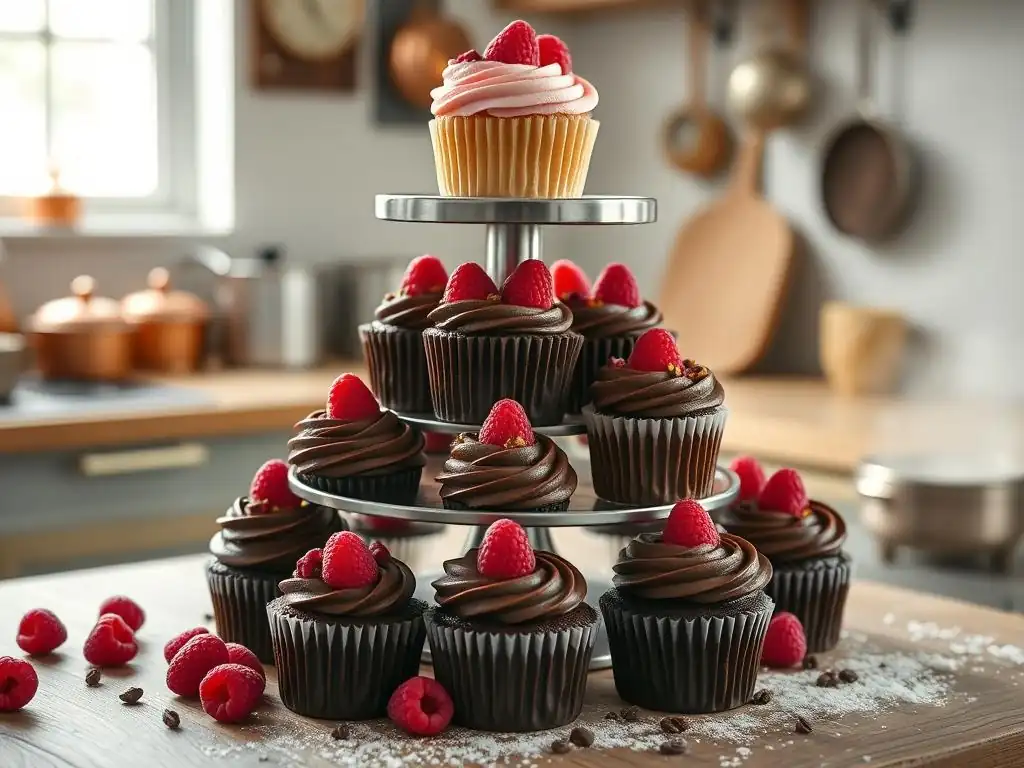
Choosing the right flavor combinations is especially important when baking for specific occasions. The flavors you select can enhance the theme, mood, and overall experience of the celebration. Think about the event you're baking for – a birthday, wedding, holiday, or casual get-together – and consider how the flavors can fit in.
Pairing your unique cupcakes with the perfect celebration involves more than just making them taste good; it's about making them feel right for the moment.
Choosing Flavors Based on the Season
The season can be a fantastic source of inspiration for unique flavor combinations. Seasonal fruits and flavors often feel most appropriate and can be found at their peak freshness and flavor. In spring, think about light, refreshing flavors like lemon and elderflower, strawberry and basil, or rhubarb and ginger. These flavors evoke freshness and new beginnings.
Summer calls for bright, juicy fruits and tropical notes. Consider combinations like mango and coconut, passion fruit and lime, or classic berry pairings like strawberry and rhubarb or blueberry and lemon (as discussed earlier). Autumn brings warmer, spicier flavors – pumpkin spice (of course! ), apple and cinnamon, pear and cardamom, or fig and walnut.
Winter is perfect for rich, comforting flavors like gingerbread, cranberry and orange, peppermint and chocolate, or even spiced pear and hazelnut. Aligning your flavors with the season makes your celebration cupcakes feel timely and naturally appealing. For instance, sales data from major supermarkets show a significant spike (often 30-40%) in purchases of seasonal baking ingredients during their respective peak seasons.
Matching Flavors to the Celebration's Theme
Beyond the season, matching your cupcake flavors to the celebration's specific theme can add a thoughtful and personalized touch. Is it a tropical-themed party? Go for mango-coconut or pineapple-lime. A rustic, autumnal wedding? Salted caramel and apple or spiced pear might be perfect. A sophisticated anniversary dinner? Pistachio and rosewater or coffee and cardamom could fit beautifully.
Consider the color palette of the event as well. Flavors often have associated colors (lemon is yellow, raspberry is red, pistachio is green), which can inspire your decoration choices. A baby shower might call for soft, sweet flavors like lavender-honey or strawberry-vanilla. A Fourth of July picnic could feature patriotic red, white, and blue with a cherry and almond combination. Thinking about the overall theme helps narrow down your flavor options and ensures your cupcakes are a cohesive part of the celebration.
Presentation is Key: Decorating Your Unique Cupcakes
Once you've chosen and perfected your unique flavor combinations, presentation is key to making your celebration cupcakes truly shine. The decoration should not only be visually appealing but also hint at the flavors within. Use garnishes that reflect the ingredients – fresh berries on a berry-flavored cupcake, a sprinkle of chopped nuts on a nutty one, a drizzle of caramel on a caramel-flavored treat.
Color coordination is also important. Use frosting colors that complement or contrast nicely with the cake flavor. For example, a pale green pistachio cake looks stunning with a pale pink rosewater frosting. A vibrant yellow lemon cake pairs well with white or blue frosting (for a lemon-blueberry combo).
Consider edible elements like fresh herbs (a small mint leaf on a lime cupcake), edible flowers, or chocolate shavings. The goal is to make your cupcakes look as delicious and intriguing as they taste, inviting guests to try the unique flavors you've created. A well-decorated cupcake acts as a tiny, edible work of art that enhances the celebratory mood.
Conclusion: Unleash Your Creativity with Unique Celebration Cupcake Flavors
Stepping beyond the familiar world of vanilla and chocolate opens up a universe of exciting possibilities for your celebration cupcakes. From the beloved classic of a chocolate raspberry cake recipe easy enough for any baker, to more adventurous pairings like pistachio and rosewater or lavender and honey, there's a unique flavor combination out there for every occasion and every palate.
Don't be afraid to experiment, trust your instincts, and most importantly, have fun with the process. By considering seasonal ingredients, matching flavors to your celebration's theme, and paying attention to balance and texture, you can create truly memorable and delicious baked goods that will impress your guests and make any occasion feel extra special. So, gather your ingredients, preheat your oven, and unleash your creativity in the kitchen – your next favorite flavor combination might be just a bake away!
Frequently Asked Questions
What makes the Chocolate Raspberry Cake recipe from BakeWithEase so easy?
The recipe emphasizes simple step-by-step instructions and uses easy-to-find ingredients. It's designed for bakers of all skill levels, even beginners.
Can I substitute any ingredients in the Chocolate Raspberry Cake recipe?
While substitutions are possible, the best results come from following the recipe closely. However, you can often substitute different types of chocolate or fresh raspberries with frozen ones.
What kind of frosting is recommended for the Chocolate Raspberry Cake?
BakeWithEase suggests a light raspberry buttercream to complement the rich chocolate. A chocolate ganache is also a popular and delicious alternative.
How long does it take to bake the Chocolate Raspberry Cake?
Baking time typically ranges from 30-40 minutes, but this can vary depending on your oven. Always check for doneness using a toothpick test.
Does BakeWithEase offer other unique flavor combinations beyond Chocolate Raspberry Cake?
Yes! BakeWithEase provides a variety of recipes exploring unconventional flavor pairings across different baking categories, from pastries to breads.
Final Reflection: Reimagining Celebration Cakes: Beyond the Expected
The pursuit of the perfect celebratory cake often leads us down familiar paths, but true joy lies in the unexpected. This exploration of unique flavor combinations, while seemingly focused on the technical aspects of baking, ultimately reveals a deeper truth: celebrations are enhanced by creativity and a willingness to step outside the box. The seemingly simple act of baking a cake becomes a powerful statement of personal expression and a testament to the joy of culinary exploration.
The influence of flavor combinations on our cultural landscape is subtle yet profound. From the classic chocolate and vanilla to the more adventurous pairings explored in this article, our cake choices reflect our evolving palates and our desire for personalized experiences. The simplest things are often the truest.
This holds true for baking; sometimes, the most memorable cakes are those born from a simple, yet unexpected, combination of flavors. The exploration of unique flavor profiles, like the chocolate raspberry combination highlighted here, allows us to create cakes that are not just delicious, but also deeply personal and meaningful, reflecting our individual tastes and preferences.
Now, I invite you to consider your own celebrations. What flavors resonate with you? What memories are tied to specific tastes? Don't be afraid to experiment, to deviate from the expected, and to create a cake that truly reflects the unique spirit of your occasion. The next time you're planning a celebration, remember the power of a perfectly crafted cake – not just in its taste, but in its ability to evoke emotion and create lasting memories. Embrace the unexpected, and let your next cake be a testament to your creativity and the joy of sharing something truly special.
Unleash Your Inner Pastry Chef!
Thanks for joining us on this delicious journey exploring unique flavor combinations! We hope you've discovered some exciting new ideas to elevate your baking. Ready to put your newfound knowledge into practice?
- Craft your masterpiece: Try out one of the flavor combinations discussed – think lavender honey cake or cardamom-rosewater shortbread! Share a photo of your creation on social media using #BakeWithEaseUnique.
- Experiment with new ingredients: Explore your local farmers market or specialty store for unusual extracts or spices to inspire your next baking adventure.
- Join our community: Share your favorite flavor pairings in the comments below – let's spark some creative inspiration together!
What unexpected flavor combination will you bake next?