
The Best Way to Store Homemade Vegan Bread

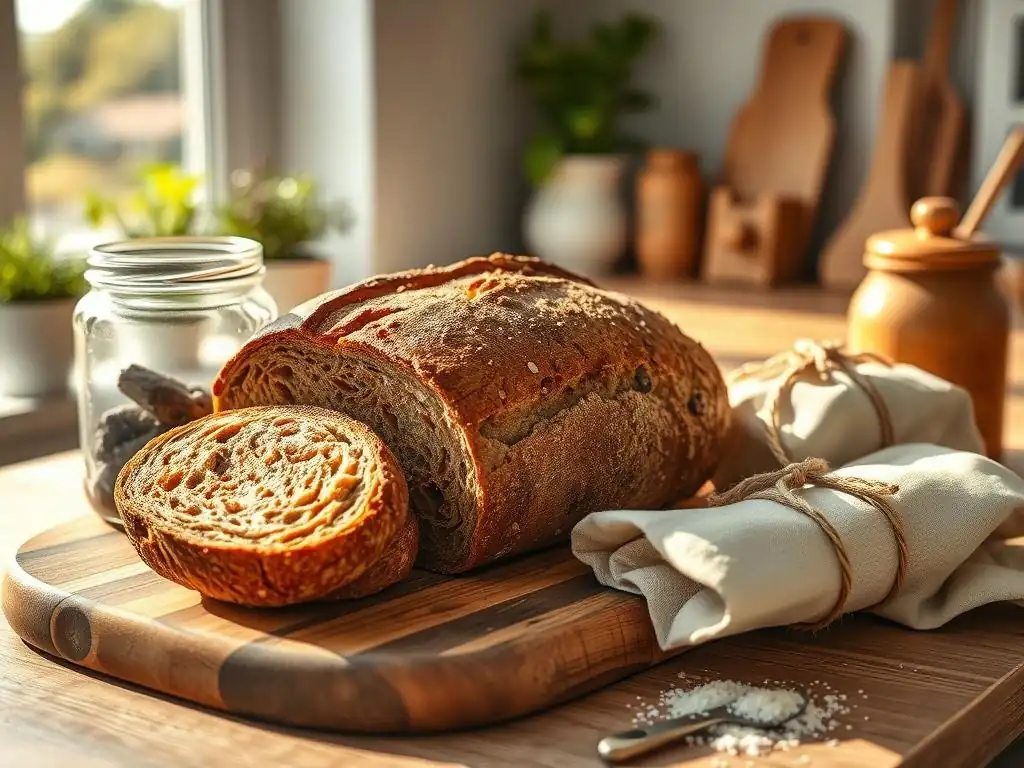
Welcome to BakeWithEase, your trusted companion on your baking journey! Ever wondered if you're storing your precious homemade vegan bread correctly? We've all been there. Dive into our article, " The Best Way to Store Homemade Vegan Bread," and unlock the secrets to keeping your loaves fresh, delicious, and lasting longer. Discover essential Vegan bread storage tips that will revolutionize your bread baking experience. Curious to learn more? Let's get baking – and storing – with ease!
- Introduction: Maintaining Quality of Homemade Vegan Bread
- Understanding Vegan Bread: Factors Affecting Storage
- Vegan Bread Storage Tips: Maintaining Texture and Flavor
- Long-Term Vegan Bread Storage: Freezing for Extended Freshness
- Preventing Mold and Stale Textures: Common Vegan Bread Storage Mistakes
- Reviving Stale Vegan Bread: Simple Techniques to Restore Texture
- Expert Vegan Bread Storage Advice
- Conclusion: Enjoying Fresh Vegan Bread with Proper Storage
- Frequently Asked Questions
- Final Reflection: Preserving the Perfect Vegan Loaf
- Unleash Your Inner Baker: Keep Your Vegan Bread Perfect!
Introduction: Maintaining Quality of Homemade Vegan Bread
Baking homemade vegan bread is a rewarding experience, filling your kitchen with wonderful aromas and providing delicious loaves free from animal products. However, enjoying that fresh-baked goodness for more than a day or two requires understanding how to store it properly. Unlike commercial breads that often contain preservatives, your homemade creation is more perishable. Effective vegan bread storage tips are crucial to maintaining its texture, flavor, and preventing premature spoilage, ensuring every slice is as enjoyable as the first.
Proper storage doesn't just extend the life of your bread; it preserves the quality you worked hard to achieve. A well-stored vegan loaf retains its soft interior and pleasant crust, whether it's a rustic whole wheat loaf or a tender sandwich bread. Ignoring storage best practices can quickly lead to a dry, hard crumb or worse, the unwelcome sight of mold. Mastering these techniques is an essential step for any home baker looking to maximize their enjoyment of their vegan baking efforts.
Understanding Vegan Bread: Factors Affecting Storage
Homemade vegan bread often differs from traditional or commercially produced bread in its composition. Typically, it lacks dairy (like milk or butter) and eggs, which can act as tenderizers, emulsifiers, and moisture retainers in conventional recipes. This absence means vegan bread's texture and moisture content can behave differently over time, impacting its shelf life and requiring specific vegan bread storage tips.
The type of flour used and the hydration level of the dough also significantly influence how well a vegan loaf stores. Breads made with higher hydration or softer flours might initially be moister but can also become gummy or mold faster if not stored correctly. Conversely, drier, whole-grain loaves might become hard and crumbly more quickly. Understanding these inherent characteristics of your specific vegan recipe helps tailor your storage approach for optimal results.
Why Vegan Bread Requires Specific Storage Techniques
The primary reason vegan bread benefits from specific storage techniques relates to moisture management and the absence of animal fats or dairy proteins. Dairy and eggs contribute to a bread's richness and help retain moisture over time. Without these, vegan bread can sometimes dry out faster, especially in dry environments. On the other hand, if moisture is trapped within the storage container, the lack of animal products (which can sometimes have mild anti-microbial properties or affect pH) combined with high humidity can accelerate mold growth.
Furthermore, many homemade vegan breads rely on simple, natural ingredients without the dough conditioners or preservatives found in mass-produced loaves. This is a positive for health and flavor, but it means the bread is a more hospitable environment for mold and staling processes. Effective vegan bread storage tips must therefore focus on balancing the need to protect the bread from drying out while allowing enough air circulation to prevent excessive humidity build-up around the crust and surface.
The Role of Ingredients (e.g., lack of dairy/eggs) in Vegan Bread's Shelf Life
The absence of dairy and eggs directly impacts the shelf life and storage properties of vegan bread. For example, the fats in butter or egg yolks contribute to a softer crumb and help slow down the retrogradation of starch molecules, the primary process behind staling. Without these fats, the starch recrystallization can happen more quickly, leading to a harder, less pliable texture sooner than in an enriched bread.
Moreover, dairy products can slightly alter the pH of bread, potentially inhibiting mold growth to a minor extent. Eggs contain lecithin, a natural emulsifier that helps distribute fats and moisture evenly, contributing to a more stable crumb structure over time. When baking vegan, alternative ingredients like plant-based milks, oils, or flax/chia eggs are used. While these provide structure and moisture, they may not offer the exact same shelf-life-extending properties as their animal-derived counterparts, making smart vegan bread storage tips even more vital for freshness.
Vegan Bread Storage Tips: Maintaining Texture and Flavor
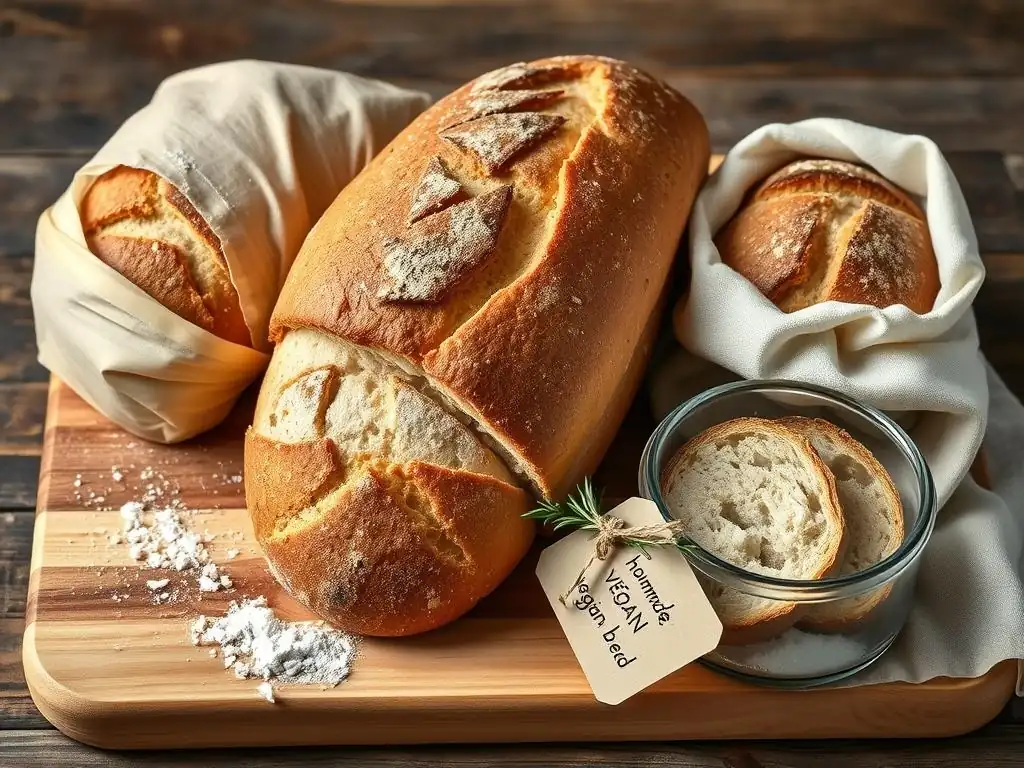
Once your delicious vegan loaf is baked, the clock starts ticking on its freshness. Proper storage is key to preserving that perfect balance of crust and crumb. The goal is to protect the bread from drying out while allowing the crust to breathe, preventing it from becoming soggy. The best vegan bread storage tips involve controlling exposure to air and managing humidity around the loaf.
Different types of vegan bread may benefit from slightly different approaches. A crusty artisan loaf will have different needs than a soft sandwich bread. However, some fundamental principles apply across the board to help you maintain quality. Paying attention to the environment where you store your bread and the container you choose can make a significant difference in extending its enjoyable life.
Cooling Vegan Bread Completely Before Storing: Preventing Condensation
This is arguably the most critical first step in vegan bread storage: allowing the loaf to cool completely on a wire rack before storing it. Freshly baked bread releases steam as it cools. If you store a warm or even slightly warm loaf, that steam becomes trapped inside the storage container, turning into condensation.
This trapped moisture is detrimental for several reasons. Firstly, it makes the crust soft and rubbery – the opposite of what you want for a good loaf. Secondly, and more importantly, trapped moisture creates a humid microclimate that is the perfect breeding ground for mold. Even a loaf that feels cool to the touch internally might still be releasing moisture. Allow smaller loaves at least 1-2 hours to cool, and larger or denser loaves up to 3 hours or more. This patience is essential for effective vegan bread storage.
Choosing the Right Storage Container for Vegan Bread
The container you choose plays a significant role in how well your vegan bread maintains its texture and resists mold. Different materials offer varying levels of breathability, which is key to balancing moisture retention and preventing sogginess or mold. There's no single "perfect" container for all types of vegan bread, as the ideal choice often depends on how quickly you plan to eat the loaf and the desired texture.
Consider the characteristics of various options before making your choice. Some materials are excellent at keeping the crumb soft but might compromise the crust, while others prioritize crust crispness but could lead to a slightly drier interior over time. Tailoring your container choice to the bread type and your consumption speed is a core part of effective vegan bread storage tips.
Linen Bread Bags: Maintaining Crust Crispness
Linen bread bags are an excellent choice for vegan bread, particularly crusty loaves. Linen is breathable, allowing air circulation around the loaf. This helps the crust retain its crispness for longer compared to non-breathable options. While the interior crumb might dry out slightly faster than in a sealed environment, linen bags strike a good balance for many home bakers who appreciate a good crust.
To use a linen bag, simply place the completely cooled vegan loaf inside and tie or close the top. Store the bag at room temperature on the counter or in a bread box. A linen bag is ideal for loaves you plan to consume within 1-3 days. For example, a loaf of vegan sourdough or a crusty baguette stores very well this way, keeping the exterior pleasantly firm while the interior remains soft enough. This method is a top recommendation for maintaining artisan-style vegan bread.
Paper Bags: Suitable for Short-Term Vegan Storage
Similar to linen bags, paper bags offer breathability, making them suitable for very short-term vegan bread storage, typically for consumption within 12-24 hours. A simple brown paper grocery bag or a dedicated paper bread bag works well. Place the cooled loaf inside and loosely fold the top.
Paper bags are particularly good for preserving the crust's texture immediately after cooling. However, they offer minimal protection against moisture loss from the crumb, so the bread will likely start to dry out relatively quickly compared to other methods. This makes them less ideal for longer-term storage but a fine, readily available option if you know the loaf will be eaten the same day or the next morning. Think of it as a temporary holding solution.
Avoid Plastic Bags: Trapping Moisture and Softening Crust
While it might seem intuitive to seal bread tightly to keep it fresh, plastic bags are generally not recommended for storing homemade vegan bread at room temperature, especially if you value the crust. Plastic is non-porous, which means it traps all the moisture released by the bread after it has cooled.
This trapped moisture quickly turns the crust soggy and creates a humid environment highly conducive to mold growth. You might gain a slightly softer crumb initially, but you sacrifice the crust and significantly increase the risk of spoilage within just a couple of days. For effective vegan bread storage that prioritizes both texture and safety, steer clear of wrapping your whole loaf in plastic wrap or placing it directly into a sealed plastic bag for countertop storage.
Long-Term Vegan Bread Storage: Freezing for Extended Freshness
Sometimes, you bake a large batch or simply know you won't finish a loaf within a few days. Freezing is the absolute best method for long-term vegan bread storage, allowing you to preserve its quality for weeks or even months. Freezing halts the staling process and prevents mold growth entirely, giving you the flexibility to enjoy your homemade bread whenever you like.
Proper preparation before freezing is key to preventing common issues like freezer burn, which can dry out the bread and affect its flavor. Whether you freeze a whole loaf or slice it first depends on how you plan to use it later, but the method of wrapping remains crucial for protecting its quality during its time in the freezer.
Preparing Vegan Bread for Freezing: Whole or Sliced Loaves
Before freezing, ensure your vegan bread is completely cooled. Freezing a warm loaf will cause ice crystals to form, leading to freezer burn. Decide whether you want to freeze the loaf whole or sliced. Freezing sliced bread is incredibly convenient as you can grab just a few slices at a time to thaw and toast, minimizing waste.
To slice before freezing, use a sharp bread knife to cut the cooled loaf into your desired thickness. If freezing whole, ensure it's intact and fully cooled. The goal is to minimize the bread's exposure to air and moisture loss during the freezing process. Proper wrapping is the next critical step in this vegan bread storage technique.
Best Practices for Freezing Vegan Bread: Preventing Freezer Burn and Flavor Loss
Preventing freezer burn is paramount when freezing vegan bread. Freezer burn occurs when the bread's surface is exposed to cold, dry air, causing moisture to sublimate (turn directly from ice to vapor), resulting in dry, leathery spots. The best way to combat this is through airtight wrapping.
First, wrap the cooled loaf (whole or sliced) tightly in plastic wrap, ensuring no air pockets. Wrap it at least twice. Alternatively, you can use beeswax wraps for a more sustainable option, ensuring a tight seal. Second, place the plastic-wrapped loaf into a freezer-safe bag or wrap it again tightly in aluminum foil. This double layer of protection is highly effective. For sliced bread, you can wrap stacks of slices before placing them in a freezer bag. Properly wrapped vegan bread can maintain excellent quality in the freezer for up to 2-3 months.
Thawing Frozen Vegan Bread: Methods for Restoring Texture and Flavor
Thawing frozen vegan bread properly helps restore its texture and flavor, making it taste almost as good as fresh. The best method depends on whether the bread is whole or sliced. Avoid thawing bread uncovered on the counter, as this can lead to a dry exterior and soggy interior.
For a whole frozen loaf, remove all wrapping and place it directly into a cold oven. Set the temperature to around 300-325°F (150-160°C) and bake for 20-40 minutes, depending on the size, until heated through and the crust is revived. This method steams the interior while re-crisping the crust. For sliced bread, you can simply take slices from the freezer and place them directly into a toaster, toaster oven, or under the broiler for a few minutes until thawed and toasted. You can also let slices thaw on the counter for 15-30 minutes before using.
Preventing Mold and Stale Textures: Common Vegan Bread Storage Mistakes
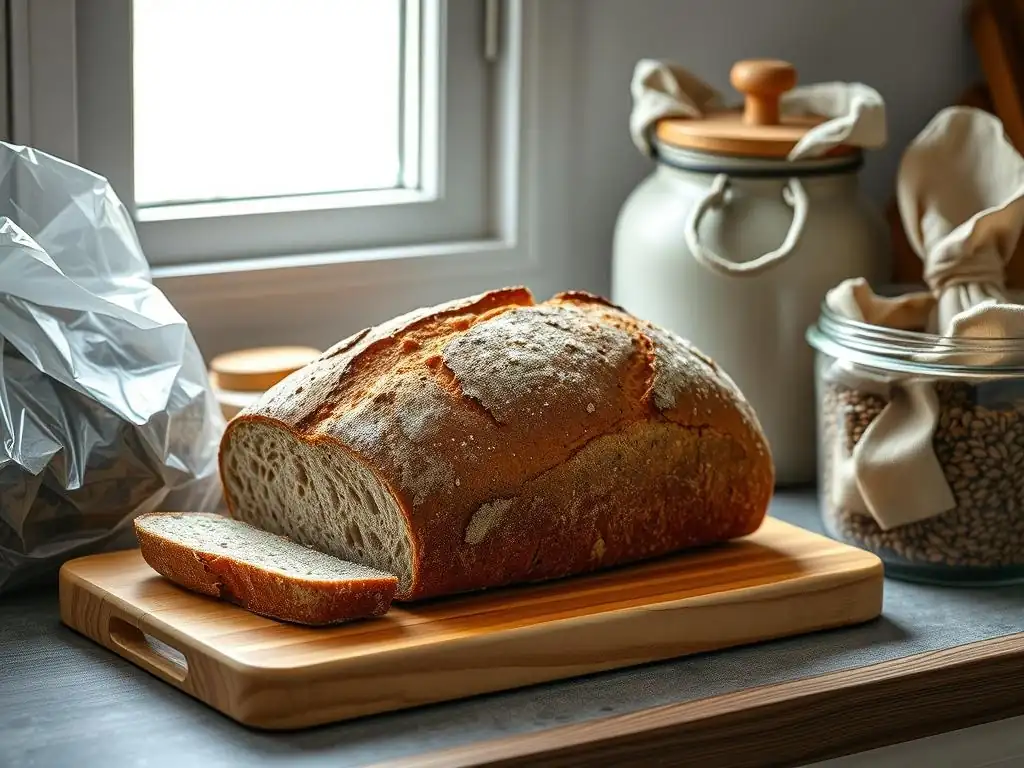
Even with the best intentions, mistakes happen in vegan bread storage. The two most common issues encountered are mold growth and the bread becoming stale. Mold is typically a result of excess moisture and warmth, while staling is a natural chemical process (starch retrogradation) accelerated by cold temperatures (above freezing) and air exposure.
Understanding the conditions that promote mold versus staling helps you choose the right storage method for your needs and avoid pitfalls. Countertop storage methods aim to slow staling while preventing mold, whereas refrigeration (which is generally not recommended for most bread) accelerates staling despite inhibiting mold. Freezing stops both.
Managing Humidity: Ideal Storage Conditions for Vegan Bread
Controlling humidity is crucial for successful vegan bread storage. Too much humidity, often caused by trapping moisture in non-breathable containers, leads to rapid mold growth. Too little humidity, resulting from excessive air exposure or very dry environments, causes the bread to dry out and become stale quickly.
The ideal storage environment for short-term countertop storage is one where the bread is protected from open air but can still "breathe" slightly. This is why linen or paper bags are often preferred over plastic for crusty loaves. Storing bread in a dedicated bread box can also help regulate the microclimate around the loaf, offering a balance of protection and ventilation. Aim for a cool, dry spot in your kitchen, away from direct sunlight or sources of heat/humidity like ovens or dishwashers.
The Impact of Temperature on Vegan Bread Storage
Temperature significantly impacts both staling and mold growth. Room temperature (around 68-72°F or 20-22°C) is generally the best for short-term vegan bread storage (1-4 days), balancing the rate of staling and mold growth. Staling is slowest at freezing temperatures and at temperatures above 140°F (60°C), like when bread is very fresh or being reheated.
Interestingly, staling is accelerated at temperatures just above freezing, specifically between 30°F and 50°F (-1°C to 10°C). This is why refrigerating bread is generally discouraged – it makes bread go stale much faster than leaving it on the counter, even though it slows mold growth. For long-term storage, freezing (0°F or -18°C or lower) is the only effective method to completely halt staling and prevent mold, making it a key vegan bread storage tip for preserving quality over time.
Reviving Stale Vegan Bread: Simple Techniques to Restore Texture
Even with the best vegan bread storage tips, bread will eventually start to go stale. Before you resign it to the compost bin, consider that stale vegan bread can often be wonderfully revived or repurposed. A slightly hardened loaf doesn't mean the end; simple techniques can bring back a pleasant texture, particularly restoring some softness to the crumb and crispness to the crust.
Reviving stale bread is a great way to reduce food waste and enjoy your homemade creation in different forms. Whether you want a slice that feels more like fresh bread or are looking for ways to use up drier pieces, there are effective methods to give your vegan bread a second life.
Reheating Vegan Bread: Oven Methods for Restoration
The most effective way to revive a stale piece or loaf of vegan bread is by briefly reheating it, preferably in an oven. This process temporarily reverses some of the starch retrogradation, softening the crumb and re-crisping the crust.
To revive a whole or partial stale loaf, preheat your oven to around 300-350°F (150-175°C). You can lightly mist the crust with water (optional, but helps create steam for a crispier crust) and place the bread directly on the oven rack or on a baking sheet. Bake for 5-10 minutes for slices or smaller pieces, and 10-20 minutes for larger portions or whole loaves, until the crust is crisp and the interior is warmed through. The bread will be softest and the crust crispest immediately after reheating, so enjoy it quickly!
Using Stale Vegan Bread for Bread Pudding or Croutons: Creative Repurposing
When revival isn't practical or desired, stale vegan bread is perfect for transforming into other delicious dishes. Its dry texture actually makes it ideal for absorbing liquids or getting extra crispy when baked or fried. This is a fantastic way to ensure none of your homemade goodness goes to waste.
Stale vegan bread can be cubed and dried further in a low oven to make excellent croutons for salads or soups. It's also the base for savory bread puddings or sweet French toast bakes (using vegan custard). Simply slice or cube the bread according to your recipe. These methods not only use up bread that's past its prime for slicing but turn it into entirely new culinary delights, showcasing the versatility of your homemade vegan loaves.
Expert Vegan Bread Storage Advice
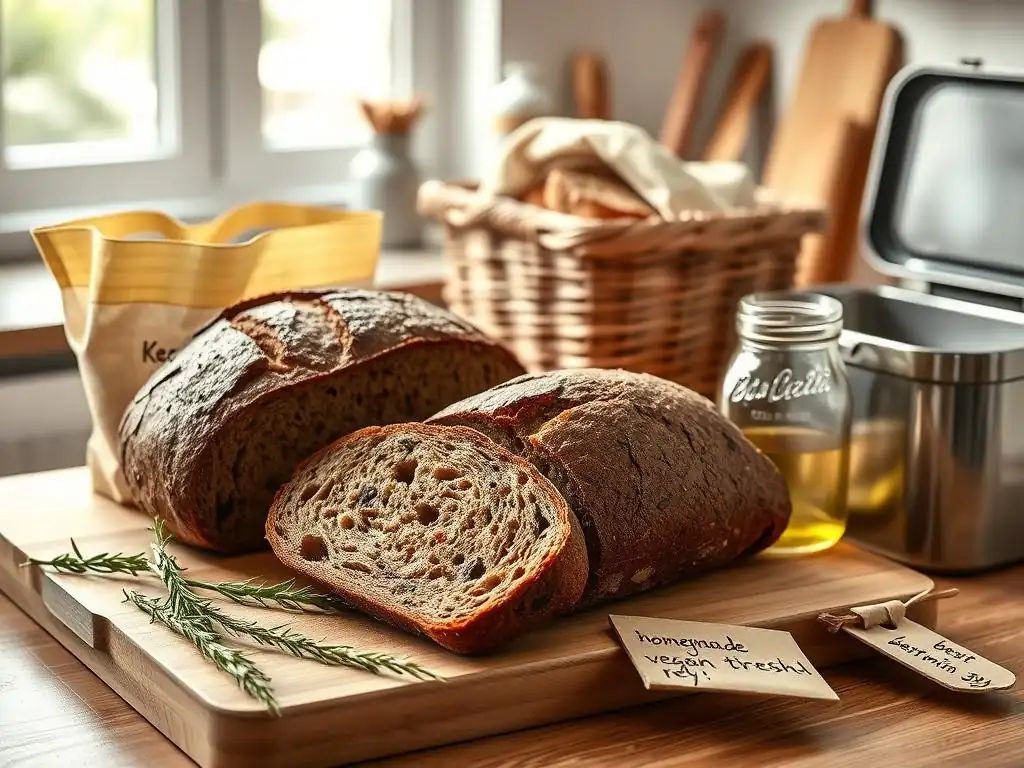
Here is a perspective on maintaining the quality of your baked goods:
The lifespan of homemade vegan bread is often shorter than commercial loaves, typically just 2-4 days at peak quality on the counter. This is a natural trade-off for avoiding preservatives. My best advice for home bakers is to embrace the freezer for anything you won't eat within a couple of days. Slice and freeze immediately after cooling. It's the simplest, most effective way to lock in that fresh texture and flavor, making those vegan bread storage tips pay off long-term.
Conclusion: Enjoying Fresh Vegan Bread with Proper Storage
Mastering vegan bread storage tips is an essential skill for any home baker. By understanding the unique characteristics of vegan loaves, focusing on proper cooling, choosing the right storage container for short-term needs (like breathable bags), and utilizing the freezer for anything beyond a few days, you can significantly extend the life and quality of your delicious creations.
From maintaining that perfect crust on a rustic loaf to ensuring soft slices for sandwiches, applying these vegan bread storage tips means less waste and more opportunities to enjoy the fruits of your labor. Whether you're pulling a perfectly thawed slice from the freezer or reviving a slightly stale piece in the oven, smart storage ensures that every bite of your homemade vegan bread is as satisfying as possible.
Frequently Asked Questions
What are the best storage methods for homemade vegan bread?
The best storage methods include wrapping the bread in plastic wrap or placing it in an airtight container to maintain freshness. You can also use a bread box for short-term storage.
How long can homemade vegan bread be stored?
Homemade vegan bread can typically be stored at room temperature for 3 to 5 days. For longer storage, consider freezing it to preserve its quality for up to 3 months.
Should I refrigerate homemade vegan bread?
It's generally not recommended to refrigerate homemade vegan bread, as this can lead to dryness. Instead, store it at room temperature or freeze it for extended freshness.
What is the best way to freeze vegan bread?
To freeze vegan bread, slice it first, then wrap each slice in plastic wrap and place them in a freezer bag. This makes it easy to thaw only what you need.
How can I tell if my vegan bread has gone bad?
Signs that your vegan bread has gone bad include mold, an off smell, or a hard, stale texture. Always check for these indicators before consuming.
Final Reflection: Preserving the Perfect Vegan Loaf
The art of baking delicious vegan bread is only half the battle; preserving its freshness and flavor is equally crucial. Without proper storage, even the most meticulously crafted loaf can quickly become stale and disappointing. This article has explored a range of techniques, from simple freezer methods to the nuances of choosing the right container, all aimed at extending the life and enjoyment of your homemade vegan bread.
The impact of readily available, convenient food has often overshadowed the appreciation for homemade goods, and bread, in particular, holds a special place in many cultures. It represents nourishment, comfort, and the connection to simpler times. Bread is the staff of life,
a proverb often repeated, highlights its fundamental importance. This article aims to help you honor that importance by ensuring your lovingly crafted vegan loaves remain enjoyable for as long as possible, reducing food waste and maximizing the reward of your baking efforts.
Now, consider your own baking journey. What techniques resonated most with you? Which storage method are you most excited to try? Remember, the best way to store your vegan bread is the one that works best for your lifestyle and kitchen. Experiment, discover your preferences, and savor each delicious slice knowing you've taken the extra steps to preserve its perfect texture and taste. Let the aroma of freshly baked bread continue to fill your home for days to come.
Unleash Your Inner Baker: Keep Your Vegan Bread Perfect!
Thanks for joining us on this bread-baking adventure! We hope you learned some valuable tips for keeping your delicious vegan loaves fresh and flavorful. Ready to take your baking skills to the next level?
- Master the art of bread storage: Put your newfound knowledge into practice! Experiment with different storage methods to see what works best for your baking style and the type of bread you create.
- Share your baking triumphs (and challenges!): Let's build a community of vegan bread enthusiasts! Share your experiences and photos on social media using #BakeWithEaseVeganBread.
- Explore our other recipes: Discover more amazing vegan baking recipes on BakeWithEase.com. We've got tons of inspiration waiting for you!
What's your favorite way to store homemade bread, and what's your next vegan baking challenge?