
Healthy Baking Made Delicious: The Role of Nuts & Seeds

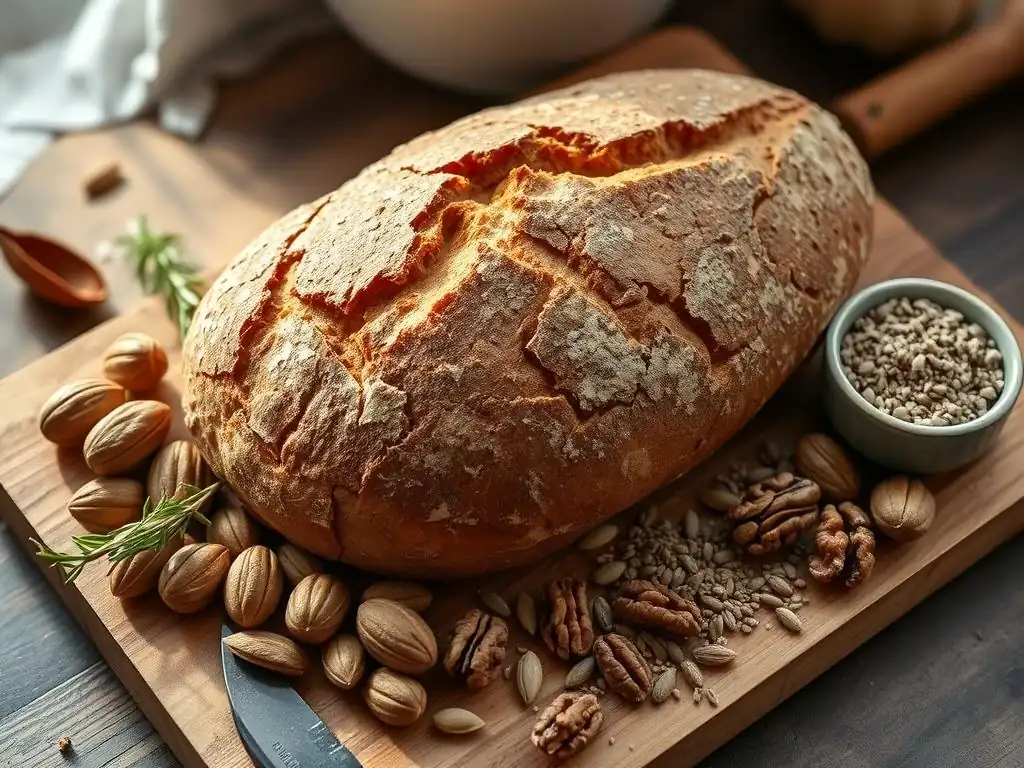
Welcome to BakeWithEase, your trusted companion on your baking journey! Curious about how to elevate your baking while embracing a healthier approach? This week, we're diving deep into the world of healthy nut seed baking. Discover how these powerhouse ingredients can transform your favorite recipes, adding flavor, texture, and a wealth of nutrients. Intrigued? Let's unlock the secrets to delicious and wholesome baking together.
- Baking for Blood Sugar Management: The Role of Nuts & Seeds
- BakeSmart: Exploring Blood Sugar-Friendly Baking with Nuts & Seeds
- Understanding the Glycemic Impact: Nuts in Baking
- Seeds: Small but Mighty Ingredients for Blood Sugar Control
- Mastering Blood Sugar-Friendly Nut Seed Baking Techniques
- Delicious & Blood Sugar-Friendly Nut Seed Baking Recipes to Try
- Tips for Storing Nuts and Seeds for Baking Freshness
- Common Mistakes to Avoid in Blood Sugar-Friendly Nut Seed Baking
- Beyond the Basics: Advanced Nut Seed Baking Ideas
-
Frequently Asked Questions
- What are the primary benefits of using nuts and seeds in healthy baking?
- How can I substitute nuts and seeds for unhealthy ingredients in a recipe?
- What are some popular nuts and seeds to use in healthy baking?
- How do I properly store nuts and seeds to maintain their freshness for baking?
- Can I use nuts and seeds in all types of baked goods, or are there limitations?
- Final Reflection: The Enduring Power of Nature's Pantry in Baking
- Unlock Your Baking Potential: Nutty & Seed-Powered Recipes Await!
Baking for Blood Sugar Management: The Role of Nuts & Seeds
BakeSmart: Exploring Blood Sugar-Friendly Baking with Nuts & Seeds
Welcome to Baking for Stable Blood Sugar
Welcome to the BakeWithEase kitchen, where we believe that delicious baking and mindful eating can go hand in hand. For many, managing blood sugar levels is a daily consideration, whether due to diabetes, prediabetes, or simply a desire for more sustained energy throughout the day. Traditional baked goods, often high in refined flours and sugars, can cause rapid spikes and crashes in blood glucose. However, adapting your baking techniques and ingredients allows you to enjoy satisfying treats without derailing your health goals.
This exploration delves into the wonderful world of healthy nut seed baking. We'll uncover how incorporating these nutritional powerhouses into your recipes can significantly impact the glycemic response of your baked goods. Nuts and seeds not only offer incredible flavor and texture but also bring a wealth of fiber, healthy fats, and protein – key nutrients that help slow sugar absorption and promote stable blood sugar levels. Get ready to transform your favorite recipes into blood sugar-friendly delights with the simple addition of nuts and seeds.
Why Choose Nuts & Seeds for Blood Sugar-Friendly Baking?
Nuts and seeds are nutritional champions, packed with components that are particularly beneficial for blood sugar management. Unlike refined carbohydrates that are quickly broken down into glucose, the fiber, fat, and protein in nuts and seeds create a metabolic buffer. This slows down the digestion and absorption of sugars from other ingredients in your baked goods, leading to a gentler rise in blood glucose after eating.
Beyond their direct impact on sugar absorption, nuts and seeds contribute essential micronutrients like magnesium, zinc, and various antioxidants. For example, magnesium plays a role in insulin sensitivity. By choosing healthy nut seed baking, you're not just making a single ingredient swap; you're enhancing the overall nutritional profile of your treats, making them more satisfying and supportive of long-term health, including better blood sugar control.
Understanding the Glycemic Impact: Nuts in Baking
The Blood Sugar Benefits of Baking with Nuts
Incorporating nuts into your baking isn't just about adding crunch or flavor; it's a strategic move for healthier blood sugar management. Nuts are inherently lower in carbohydrates compared to traditional flours and sweeteners, and their unique composition significantly influences how your body processes the sugars present in a recipe. The combination of fiber, healthy fats, and protein works synergistically to mitigate the glycemic impact of baked goods.
For instance, a plain white flour muffin might cause a sharp blood sugar spike, but introducing ingredients like almond flour or chopped walnuts dramatically changes the equation. The fats and protein in the nuts slow gastric emptying, meaning food stays in your stomach longer. This results in a slower, more gradual release of glucose into the bloodstream, preventing the rapid surge that can stress the body's insulin response. This makes healthy nut seed baking a smart choice for anyone monitoring their glucose levels.
Fiber Content of Nuts for Slow Glucose Release
Fiber is a non-digestible carbohydrate that plays a crucial role in blood sugar regulation. Nuts are excellent sources of dietary fiber, both soluble and insoluble. For example, a 1-ounce serving of almonds contains about 3.5 grams of fiber, while the same amount of walnuts offers around 2 grams. When fiber is present in food, it forms a gel-like consistency in the digestive tract (especially soluble fiber), which literally slows down the rate at which carbohydrates are broken down and absorbed as glucose.
This slower absorption rate means that glucose enters the bloodstream more gradually, avoiding the rapid spike that triggers a large insulin release. By boosting the fiber content of your baked goods through the addition of nuts, you create treats that lead to a more stable blood sugar response. This is a fundamental principle behind effective healthy nut seed baking for glycemic control.
Healthy Fats in Nut Baking for Insulin Sensitivity
Nuts are renowned for their healthy fat content, primarily monounsaturated and polyunsaturated fats. These fats, particularly omega-3 fatty acids found abundantly in walnuts, have been linked to improved insulin sensitivity. Insulin sensitivity refers to how effectively your body's cells respond to insulin, the hormone responsible for moving glucose from the blood into cells for energy.
When you consume healthy fats alongside carbohydrates in your baking, these fats slow down digestion and absorption, further contributing to a steady release of glucose. Furthermore, studies suggest that diets rich in monounsaturated fats, like those found in macadamia nuts and pecans, can help improve glycemic control over time. Incorporating these fats through healthy nut seed baking provides a double benefit: mitigating immediate blood sugar spikes and potentially improving insulin function long-term.
Protein Boost from Nuts in Baked Goods for Satiety
Protein is another macronutrient that significantly impacts blood sugar management and overall health. Like fiber and fat, protein slows digestion. It also has minimal direct impact on blood glucose levels compared to carbohydrates. A 1-ounce serving of almonds, for example, provides about 6 grams of protein, while peanuts (often used like nuts in baking) offer around 7 grams.
Adding protein-rich nuts to your baked goods increases their satiety factor. This means you'll likely feel fuller for longer after eating a portion, reducing the temptation to overconsume or snack on less healthy options later. The combination of slower digestion and increased satiety from the protein in nuts makes healthy nut seed baking a powerful tool for managing both blood sugar and appetite.
Popular Nuts for Blood Sugar-Friendly Baking Recipes
Several types of nuts are particularly well-suited for healthy nut seed baking due due to their nutritional profile and versatility. Understanding their specific benefits can help you choose the best nuts for your recipes. While all nuts offer benefits, their fat composition, fiber content, and micronutrients vary, influencing their overall impact on blood sugar and health.
Choosing the right nut can depend on the desired flavor, texture, and specific health goal. For instance, if you're looking for omega-3s, walnuts are the clear winner. If you prioritize a low glycemic impact and versatility in flour form, almonds are excellent. Healthy nut seed baking allows for creative combinations to maximize both taste and nutritional benefits.
Almonds: Low Glycemic Index and Versatility
Almonds are a staple in healthy baking, and for good reason. They have a very low glycemic index (GI), typically ranging from 0 to 10, meaning they cause a minimal rise in blood sugar. A 1-ounce serving contains approximately 6 grams of protein, 3.5 grams of fiber, and 14 grams of healthy fats, primarily monounsaturated.
Almonds are incredibly versatile in healthy nut seed baking. They can be used whole, slivered, or ground into almond flour, which is a popular low-carb alternative to wheat flour. Almond flour works well in muffins, cakes, cookies, and tarts, significantly reducing the overall carbohydrate load and glycemic impact compared to recipes made with white flour.
Walnuts: Rich in Omega-3s and Antioxidants
Walnuts are unique among nuts for their exceptionally high content of omega-3 fatty acids, specifically alpha-linolenic acid (ALA). A 1-ounce serving provides about 2.5 grams of ALA. Omega-3s are known for their anti-inflammatory properties and potential benefits for insulin sensitivity and cardiovascular health, which are often related to blood sugar management.
Walnuts also boast a high antioxidant capacity. In healthy nut seed baking, chopped walnuts add a distinctive flavor and texture to breads, muffins, and cookies. Their beneficial fats and fiber contribute to a lower glycemic response compared to baked goods without them.
Macadamia Nuts: High in Monounsaturated Fats
Macadamia nuts are prized for their rich, buttery flavor and high monounsaturated fat content. A 1-ounce serving contains about 21 grams of fat, with a large portion being monounsaturated fats, and around 2.4 grams of fiber. Like other healthy fats, these contribute to slow digestion and a steady release of glucose.
Macadamia nuts have a very low carbohydrate count and a low glycemic impact. They work wonderfully in healthy nut seed baking, adding richness and a creamy texture to cookies, bars, and even low-carb crusts. Their unique flavor profile makes them a luxurious addition to blood sugar-friendly treats.
Pecans: Moderate Glycemic Impact with Benefits
Pecans are another delicious nut option for healthy nut seed baking. They are a good source of monounsaturated fats and contain fiber and protein. A 1-ounce serving has about 20 grams of fat, 2.7 grams of fiber, and 2.6 grams of protein. While their glycemic index is moderate compared to some other nuts, their overall nutritional profile makes them beneficial.
Pecans contain numerous antioxidants and micronutrients like zinc and thiamine. Chopped pecans add a delightful crunch and earthy flavor to pies, muffins, and sweet breads, contributing healthy fats and fiber that help moderate the blood sugar response compared to recipes relying solely on refined ingredients.
Seeds: Small but Mighty Ingredients for Blood Sugar Control
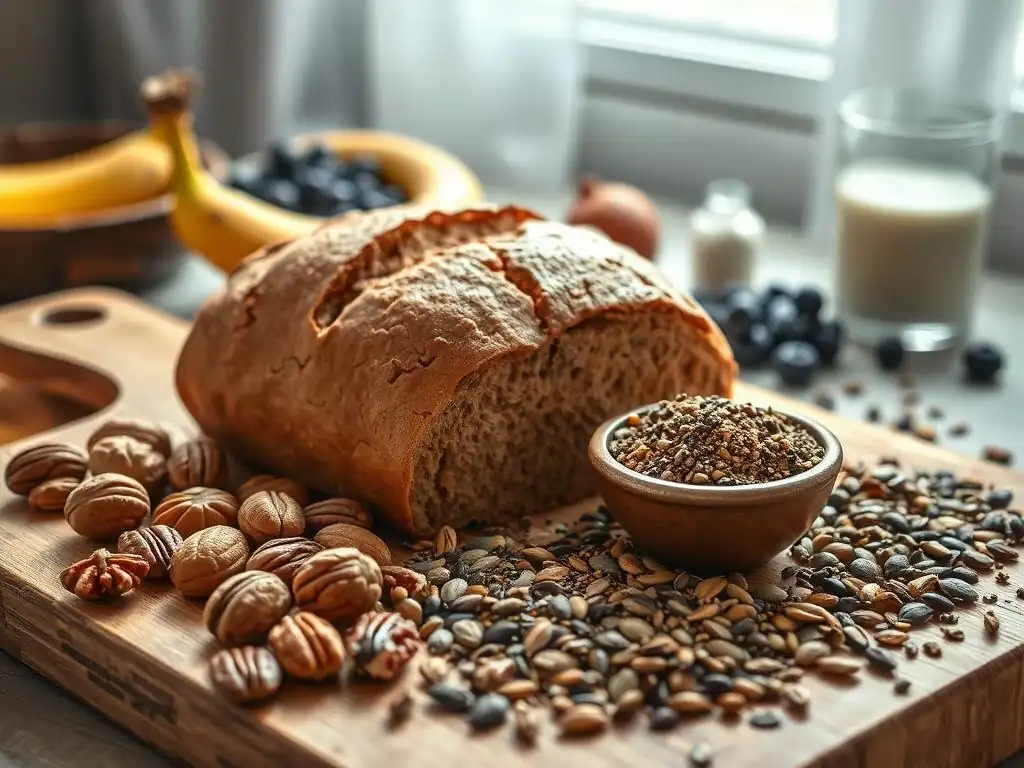
Seeds may be tiny, but they pack a powerful punch when it comes to nutrition and blood sugar management in baking. Like nuts, seeds are rich in fiber, healthy fats, and protein, making them excellent additions to healthy nut seed baking recipes. Their small size allows them to be easily incorporated into batters, doughs, or used as toppings.
Adding seeds is a simple yet effective way to boost the nutritional value and lower the glycemic load of your baked goods. Whether you're sprinkling them on top of bread, mixing them into muffin batter, or using them to create a crunchy crust, seeds offer a convenient way to enhance the blood sugar friendliness of your baking.
Blood Sugar Advantages of Baking with Seeds
Incorporating seeds into your baking is a smart move for better blood sugar control. Seeds contribute fiber, healthy fats, and protein, all of which work synergistically to slow down the absorption of sugar from your baked goods. This results in a more gradual increase in blood glucose levels after eating.
For example, adding chia seeds to a recipe significantly increases its fiber content. This added fiber helps create a physical barrier in the digestive system, slowing the rate at which carbohydrates are broken down and absorbed. Similarly, the healthy fats in seeds like flax or hemp contribute to slower gastric emptying, meaning the food stays in your stomach longer, further delaying glucose entry into the bloodstream. This makes seeds indispensable in healthy nut seed baking.
Chia Seeds: Fiber and Slow Carbohydrate Absorption
Chia seeds are renowned for their incredible fiber content and their ability to absorb liquid and form a gel. A 1-ounce serving contains an impressive 10 grams of fiber, most of which is soluble fiber. When chia seeds are added to wet ingredients in baking, they swell and create a viscous texture.
This gel-like property helps slow down the digestion and absorption of carbohydrates in the digestive tract. By incorporating chia seeds into muffins, breads, or even as an egg substitute in some recipes, you significantly increase the fiber content and contribute to a slower, more sustained release of glucose into the bloodstream. This is a key benefit in healthy nut seed baking.
Flax Seeds: Lignans and Improved Insulin Sensitivity
Flax seeds are another tiny powerhouse, particularly when ground. They are a good source of fiber, omega-3 fatty acids (ALA), and unique compounds called lignans, which are plant-based antioxidants that may have benefits for blood sugar control. A 1-ounce serving of ground flax seeds contains about 8 grams of fiber and 6 grams of omega-3 ALA.
Studies suggest that the lignans and fiber in flax seeds may help improve insulin sensitivity and reduce fasting blood sugar levels. Using ground flax seeds in healthy nut seed baking, such as adding them to bread dough or muffin batter, boosts the fiber and healthy fat content, contributing to a lower glycemic response.
Hemp Seeds: Protein and Healthy Fats
Hemp seeds, also known as hemp hearts, are an excellent source of complete protein and healthy fats, including omega-3 and omega-6 fatty acids in a beneficial ratio. A 1-ounce serving provides about 9-10 grams of protein and 12-14 grams of healthy fats, along with about 1-2 grams of fiber.
While lower in fiber than chia or flax, hemp seeds' high protein and fat content makes them valuable for healthy nut seed baking. The protein helps with satiety, and the fats contribute to slower digestion, both assisting in blood sugar management. They have a mild, nutty flavor and can be sprinkled on top of baked goods or mixed into batters.
Pumpkin Seeds: Magnesium and Blood Sugar Regulation
Pumpkin seeds, also called pepitas, are a good source of magnesium, a mineral that plays a vital role in glucose metabolism and insulin function. Many people are deficient in magnesium, and adequate intake is linked to a reduced risk of type 2 diabetes. A 1-ounce serving contains about 156 mg of magnesium, which is around 37% of the recommended daily intake for men and 48% for women.
In addition to magnesium, pumpkin seeds provide protein, fiber, and healthy fats. Adding pumpkin seeds to healthy nut seed baking, such as in breads, muffins, or granola bars, boosts the magnesium content and provides fiber and protein that help moderate the glycemic impact.
Mastering Blood Sugar-Friendly Nut Seed Baking Techniques
Achieving delicious, blood sugar-friendly results in healthy nut seed baking involves more than just adding nuts and seeds. It requires thoughtful consideration of other ingredients and techniques to create a balanced final product. Focusing on the overall composition of the baked good is key to minimizing its impact on blood glucose levels.
Successful healthy nut seed baking often involves reducing the reliance on refined flours and sugars, while leveraging the natural benefits of nuts and seeds. This section explores some fundamental techniques to help you create baked goods that are both tasty and supportive of stable blood sugar.
Using Nut and Seed Flours for Lower Carb Baking
One of the most effective ways to reduce the carbohydrate load and glycemic impact of baked goods is by substituting traditional wheat flour with nut or seed flours. Almond flour is perhaps the most popular, offering a low-carb, gluten-free alternative that works well in many recipes. Coconut flour is another option, though it absorbs more liquid and requires recipe adjustments. Seed flours like sunflower seed flour are also available.
Using these alternative flours significantly lowers the net carbohydrate count of your baked goods. For example, 1 cup of almond flour contains about 6 grams of net carbs, compared to roughly 92 grams in 1 cup of white wheat flour. This drastic reduction is fundamental to blood sugar-friendly healthy nut seed baking.
Sweetener Alternatives for Blood Sugar Control
Refined sugar is a major culprit behind blood sugar spikes. In healthy nut seed baking, exploring sweetener alternatives is crucial. Options like erythritol, stevia, monk fruit sweetener, and xylitol are sugar alcohols or high-intensity sweeteners that have minimal to no impact on blood sugar levels.
While these alternatives don't provide the same bulk or caramelization properties as sugar, they effectively provide sweetness without the glycemic load. It's important to use them according to package instructions, as their sweetness intensity varies. Combining them with the fiber and fats from nuts and seeds creates a much lower glycemic treat than one made with sugar and refined flour.
Incorporating Nuts and Seeds for Texture and Satiety
Beyond their nutritional benefits, nuts and seeds dramatically improve the texture and satiety of baked goods. Adding chopped nuts or whole seeds provides a pleasant crunch that contrasts with softer elements. This textural variety makes the baked item more enjoyable and satisfying.
The fiber, fat, and protein contributed by nuts and seeds also increase the satiety factor. You feel fuller and more content after eating a smaller portion compared to a baked good made primarily from refined carbohydrates. This inherent satiety is a significant advantage of healthy nut seed baking, helping with portion control and preventing overconsumption.
Understanding Glycemic Load Considerations
While the Glycemic Index (GI) measures how quickly a carbohydrate raises blood sugar, the Glycemic Load (GL) provides a more comprehensive picture by considering both the GI and the amount of carbohydrate per serving. GL is calculated as (GI * grams of carbohydrate per serving) / 100. A lower GL indicates a smaller impact on blood sugar.
Healthy nut seed baking inherently lowers the GL of baked goods. By reducing refined carbohydrates (lower GI and lower amount) and adding fiber, fat, and protein from nuts and seeds (which slow absorption, effectively lowering the GL), you create treats with a much more favorable GL. Focusing on reducing both the quantity and speed of carbohydrate absorption is key to effective blood sugar management through baking.
Delicious & Blood Sugar-Friendly Nut Seed Baking Recipes to Try
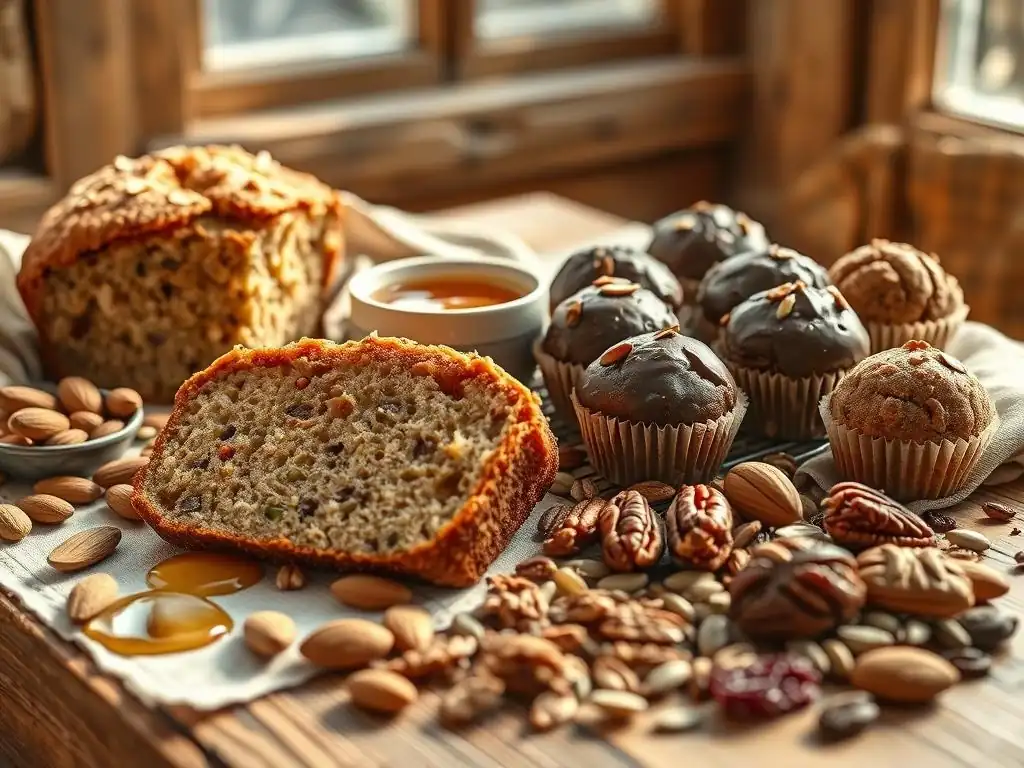
Ready to put healthy nut seed baking into practice? Here are a few examples of recipes that leverage the power of nuts and seeds to create delicious treats that are mindful of blood sugar levels. These recipes demonstrate how alternative flours, sweeteners, and the star ingredients – nuts and seeds – come together to create satisfying results.
Remember that portion control is still important, even with blood sugar-friendly recipes. Enjoy these as part of a balanced diet. These examples showcase the versatility of healthy nut seed baking for different types of treats.
Recipe 1: Almond Flour Muffins with Chia Seeds and Berries
These muffins use almond flour for a lower-carb base and are packed with fiber from chia seeds and berries.
- Ingredients often include:
- Almond flour
- Chia seeds
- Eggs
- Unsweetened almond milk
- Sweetener alternative (e.g., erythritol)
- Baking powder, vanilla extract, salt
- Fresh or frozen berries (low glycemic fruits)
- Mixing chia seeds into the batter adds significant fiber (approx. 5g per muffin, depending on recipe) and helps bind the ingredients. The almond flour provides healthy fats and protein (approx. 5-7g protein per muffin), while berries add antioxidants and natural sweetness with a lower sugar content than many fruits. This combination results in a muffin with a significantly lower glycemic load compared to a traditional wheat flour and sugar muffin.
Recipe 2: Walnut and Flax Seed Bread with Unsweetened Applesauce
This bread uses whole wheat or a blend of lower-carb flours, enhanced with walnuts and flax seeds for added fiber and healthy fats. Unsweetened applesauce can replace some oil or sugar, adding moisture and natural sweetness with less impact than refined sugar.
- Ingredients often include:
- Whole wheat flour or a blend (e.g., whole wheat and almond flour)
- Ground flax seeds
- Chopped walnuts
- Eggs
- Unsweetened applesauce
- Milk or buttermilk
- Sweetener alternative or a small amount of maple syrup
- Baking soda, baking powder, cinnamon
- Adding ground flax seeds (approx. 2-3g fiber per slice) and walnuts (approx. 1-2g fiber, 2-3g protein per slice) dramatically increases the fiber and healthy fat content. The unsweetened applesauce contributes moisture with minimal added sugar (approx. 7g natural sugar per slice vs. 15g+ in sugary quick breads). This makes for a hearty, blood sugar-conscious bread perfect for a snack or light breakfast.
These cookies focus on nuts and seeds for texture and nutritional value, using minimal sweetener and dark chocolate (70%+ cocoa) which has a lower sugar content.
- Ingredients often include:
- Almond flour or a nut butter base
- Hemp seeds
- Pumpkin seeds (pepitas)
- Butter or coconut oil
- Sweetener alternative
- Vanilla extract
- Dark chocolate chunks (70%+ cocoa)
- Hemp seeds provide protein (approx. 3-4g per cookie) and healthy fats, while pumpkin seeds add magnesium and crunch. Using dark chocolate with a high cocoa percentage minimizes added sugar (approx. 2-3g sugar per cookie vs. 8g+ in standard chocolate chip cookies). This recipe highlights healthy nut seed baking for a satisfying, lower-sugar cookie option.
Tips for Storing Nuts and Seeds for Baking Freshness
Proper storage is essential to maintain the quality, flavor, and nutritional value of nuts and seeds used in your healthy nut seed baking. Due to their high fat content, nuts and seeds are prone to becoming rancid if exposed to heat, light, and air. Rancid nuts and seeds not only taste bad but can also lose some of their beneficial properties.
Taking a few simple steps to store your nuts and seeds correctly will ensure they stay fresh and delicious, ready to be incorporated into your next blood sugar-friendly creation. This preserves the integrity of your healthy nut seed baking ingredients.
Proper Storage Containers and Methods
The best way to store nuts and seeds is in airtight containers. Glass jars with tight-fitting lids or high-quality plastic containers with rubber seals are ideal. This prevents exposure to air and moisture, which can accelerate spoilage.
For short-term storage (a few weeks), the pantry is acceptable, provided it's cool, dry, and dark. However, for longer storage, the refrigerator or freezer is highly recommended. The cooler temperatures significantly slow down the oxidation process that leads to rancidity. Store nuts and seeds away from strong-smelling foods, as they can absorb odors.
Extending Shelf Life of Nuts and Seeds
Refrigeration can extend the shelf life of most nuts and seeds for several months (typically 6-12 months depending on the type). Freezing offers even longer storage, often up to a year or more. When storing in the freezer, use freezer-safe bags or containers to prevent freezer burn.
Before using frozen nuts or seeds in your healthy nut seed baking, allow them to thaw at room temperature for a short period. Check for any off smells (a bitter or paint-like odor indicates rancidity) before adding them to your recipes. Buying nuts and seeds in bulk can be cost-effective, but only if you can store them properly to maintain freshness and avoid waste.
Common Mistakes to Avoid in Blood Sugar-Friendly Nut Seed Baking
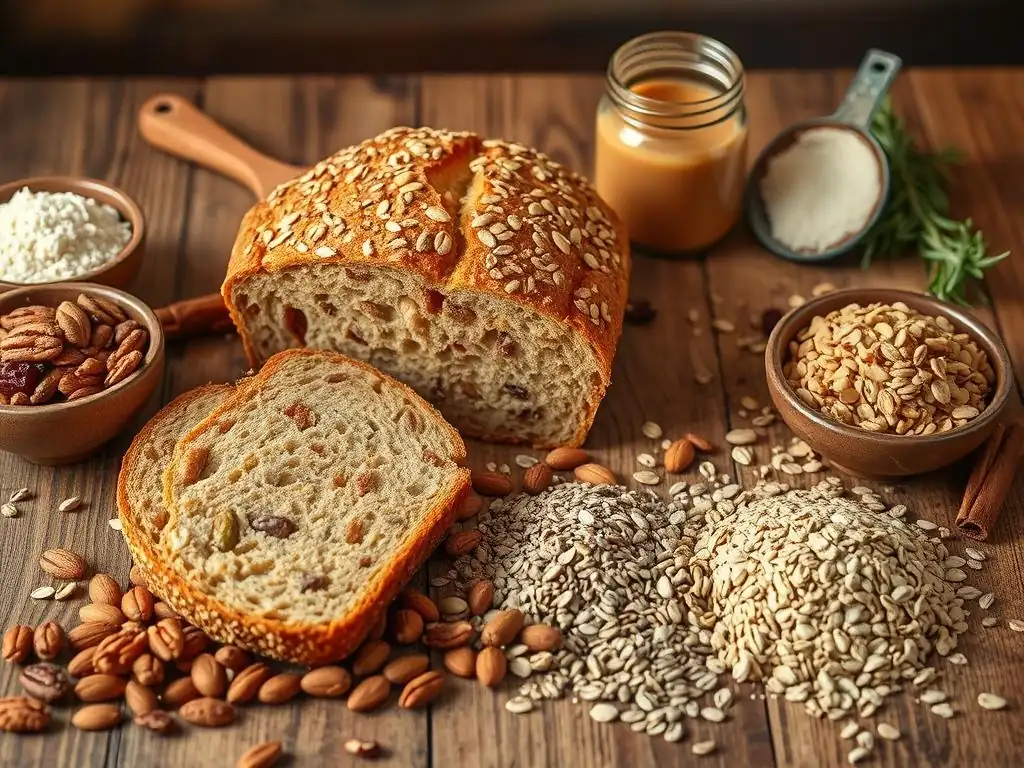
Even with the best intentions for healthy nut seed baking, it's easy to fall into common traps that can undermine your efforts to manage blood sugar. Being aware of these pitfalls can help you create truly beneficial baked goods. It's not just about adding healthy ingredients; it's also about how the entire recipe comes together and how it's consumed.
Avoiding these mistakes ensures that your healthy nut seed baking truly supports your blood sugar goals and provides the desired health benefits without unintended consequences.
Over-Reliance on Sweetener Alternatives
While sweetener alternatives don't raise blood sugar like sugar, relying too heavily on them can still perpetuate a strong preference for very sweet tastes. This can make it harder to appreciate less sweet, naturally flavored foods. Some individuals may also experience digestive upset from excessive consumption of certain sugar alcohols.
In healthy nut seed baking, aim to reduce the overall sweetness level in your recipes. Let the natural flavors of the nuts, seeds, spices (like cinnamon, nutmeg), and other ingredients (like vanilla or citrus zest) shine through. Gradually reducing the amount of sweetener used over time can help retrain your palate.
Ignoring Portion Control
Even though healthy nut seed baking produces treats with a lower glycemic load than traditional baked goods, they are still calorie-dense due to the fats in nuts and seeds. Eating excessively large portions, even of a "healthy" treat, can still impact blood sugar levels due to the total carbohydrate load and calorie intake.
Mindful portioning is crucial. Enjoy your healthy nut seed baked goods in moderation. Be aware of the serving size and stick to it. Savor each bite and pay attention to your body's hunger and fullness cues.
Not Adjusting Recipes for Individual Needs
Blood sugar responses can vary from person to person based on factors like individual metabolism, activity level, and other dietary choices. A recipe that works well for one person might have a slightly different impact on another.
When experimenting with healthy nut seed baking, pay attention to how your body responds after eating your creations. You might need to slightly adjust the amount of sweetener, the type of flour blend, or the portion size based on your personal glucose monitoring results. Tailoring recipes to your specific needs is key to successful blood sugar management.
Beyond the Basics: Advanced Nut Seed Baking Ideas
Once you've mastered the fundamentals of healthy nut seed baking, you can explore more creative and advanced ways to incorporate these incredible ingredients into your repertoire. Nuts and seeds offer endless possibilities for adding flavor, texture, and nutrition to a wider range of baked goods and accompaniments.
Pushing the boundaries of healthy nut seed baking can lead to exciting new recipes and techniques that further enhance the blood sugar friendliness and deliciousness of your homemade treats.
Creating Nut and Seed-Based Frostings and Glazes
Traditional frostings and glazes are often loaded with powdered sugar. You can create healthier alternatives using nut butters or ground nuts and seeds. For example, a simple glaze can be made from blended cashews or macadamia nuts with a little liquid (like almond milk) and a sweetener alternative.
Nut butters (like almond or peanut butter, ensure no added sugar) can be whipped with a touch of sweetener and vanilla for a richer frosting. Incorporating ground flax or chia seeds into glazes can also add thickness and nutrients. These nut and seed-based options provide flavor and healthy fats without the sugar spike of conventional frostings, complementing your healthy nut seed baking creations.
Exploring Different Nut and Seed Combinations for Flavor
Don't limit yourself to single nuts or seeds. Experiment with combining different types to create unique flavor profiles and maximize nutritional benefits in your healthy nut seed baking. For instance, a mix of walnuts and pecans adds depth to bread. A blend of pumpkin seeds, sunflower seeds, and chia seeds can create a fantastic crunchy topping for muffins or granola bars.
Consider how the different flavors complement each other – the sweetness of pecans, the earthiness of walnuts, the mildness of almonds, the nuttiness of pumpkin seeds. Playing with combinations adds excitement and complexity to your blood sugar-friendly baking.
Adapting Traditional Recipes for Blood Sugar Management
The principles of healthy nut seed baking can be applied to adapt many of your favorite traditional recipes. Look at a classic recipe and identify the high-impact ingredients (refined flour, sugar). Then, consider how you can replace or reduce them using the techniques discussed: swap flour for nut flour, reduce sugar and use alternatives, and incorporate nuts and seeds for bulk, fiber, and fat.
While not every recipe can be perfectly replicated in a blood sugar-friendly version, many can be successfully adapted with delicious results. Start with simpler recipes like muffins, cookies, or quick breads, and gradually work towards more complex items like cakes or pies, always keeping the goal of stable blood sugar in mind.
Frequently Asked Questions
What are the primary benefits of using nuts and seeds in healthy baking?
Nuts and seeds add essential nutrients like fiber, healthy fats, and protein to baked goods, making them more nutritious. They also contribute to a satisfying texture and enhanced flavor.
How can I substitute nuts and seeds for unhealthy ingredients in a recipe?
You can often replace some of the refined flour with nut flours like almond flour or add ground flaxseed as a binder. Seeds can also replace some of the added sugars by providing natural sweetness.
What are some popular nuts and seeds to use in healthy baking?
Popular choices include almonds, walnuts, pecans, sunflower seeds, pumpkin seeds, and flaxseeds. Each offers unique flavor profiles and nutritional benefits.
How do I properly store nuts and seeds to maintain their freshness for baking?
Nuts and seeds should be stored in an airtight container in the refrigerator or freezer to prevent them from going rancid. This preserves their flavor and nutritional value.
Can I use nuts and seeds in all types of baked goods, or are there limitations?
While versatile, some recipes may require adjustments when adding nuts and seeds. Consider the moisture content and texture they add, and adjust other ingredients accordingly to achieve the desired result.
Final Reflection: The Enduring Power of Nature's Pantry in Baking
The resurgence of interest in healthy baking isn't just a trend; it's a vital shift towards mindful eating and a deeper connection with our food. We've explored the incredible versatility and nutritional benefits of nuts and seeds, showcasing how these humble ingredients can transform even the simplest baked goods into wholesome, delicious delights. This isn't about deprivation; it's about empowerment – empowering ourselves to make conscious choices that nourish both our bodies and our souls.
The journey into healthy baking, for me, has been a revelation. It's shown me that deliciousness and nutrition aren't mutually exclusive. The best things in life are simple,
a phrase often repeated, rings especially true when considering the transformative power of a handful of nuts and seeds. Their inherent flavors, textures, and nutritional density elevate baked goods beyond mere sustenance, transforming them into experiences that satisfy both body and mind. This shift towards incorporating more natural ingredients has not only impacted my own baking but also reflects a broader cultural movement towards healthier, more sustainable food choices.
Now, it's your turn. Consider the recipes and insights shared within this article. Experiment with different nut and seed combinations, explore new flavor profiles, and most importantly, enjoy the process of creating wholesome treats that nourish you from the inside out. Let this be a starting point for your own journey towards healthier, happier baking – a journey fueled by the simple, yet powerful, ingredients nature provides.
Unlock Your Baking Potential: Nutty & Seed-Powered Recipes Await!
Thanks for exploring the wonderful world of healthy baking with nuts and seeds! You've learned how to boost flavor and nutrition in your favorite treats. Now it's time to put your newfound knowledge into action.
- Bake your dream recipe: Choose one recipe from the article and get baking! Let the delicious aroma fill your kitchen and amaze your taste buds. This is the most rewarding step!
- Share your creations: Post a picture of your masterpiece on social media and tag #BakeWithEaseNuttyRecipes to inspire others!
- Discover new nut and seed combinations: Browse our website for more inspiring recipes featuring diverse nut and seed blends. You might be surprised at what delicious flavors you uncover!
Ready to transform your baking game with the power of nuts and seeds? What's the first recipe you're going to try?