
The Secret to Light and Airy Fruit Scones

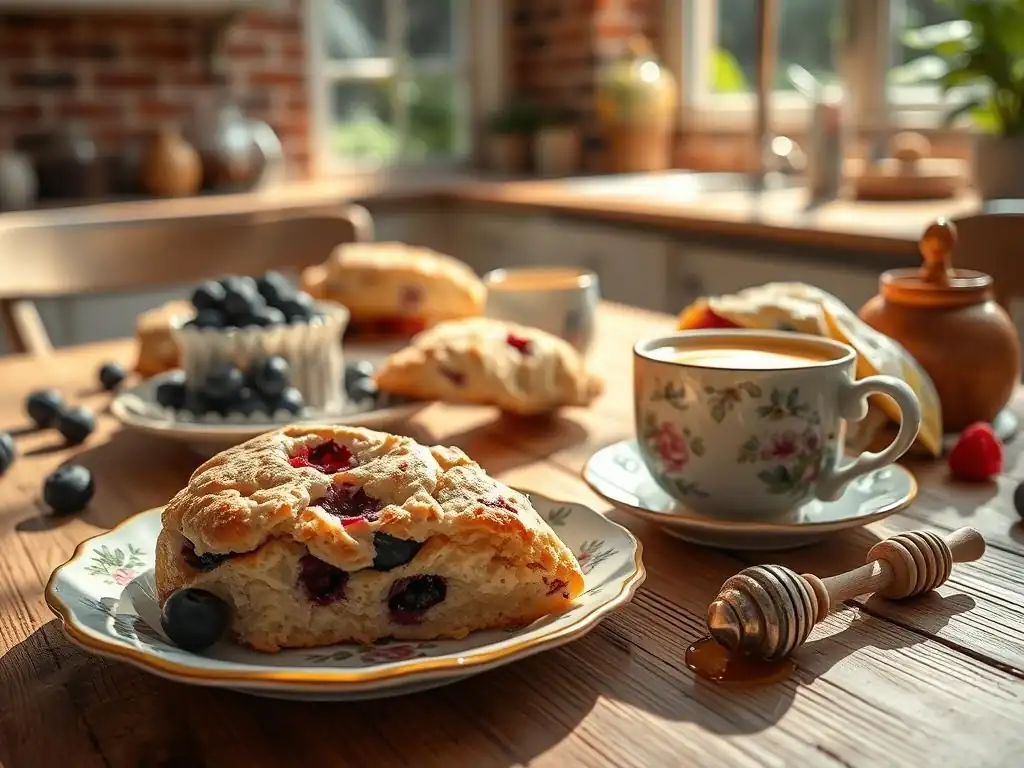
Welcome to BakeWithEase, your friendly guide to unlocking baking brilliance! Ever dreamt of creating that perfect afternoon treat? Dive in and discover The Secret to Light and Airy Fruit Scones, a recipe so simple, yet so rewarding, it will become your new go-to. But what makes these scones truly special? Read on to uncover the surprisingly easy techniques that will transform your baking and have everyone asking for more.
Introduction to Baking Perfect Fruit Scones
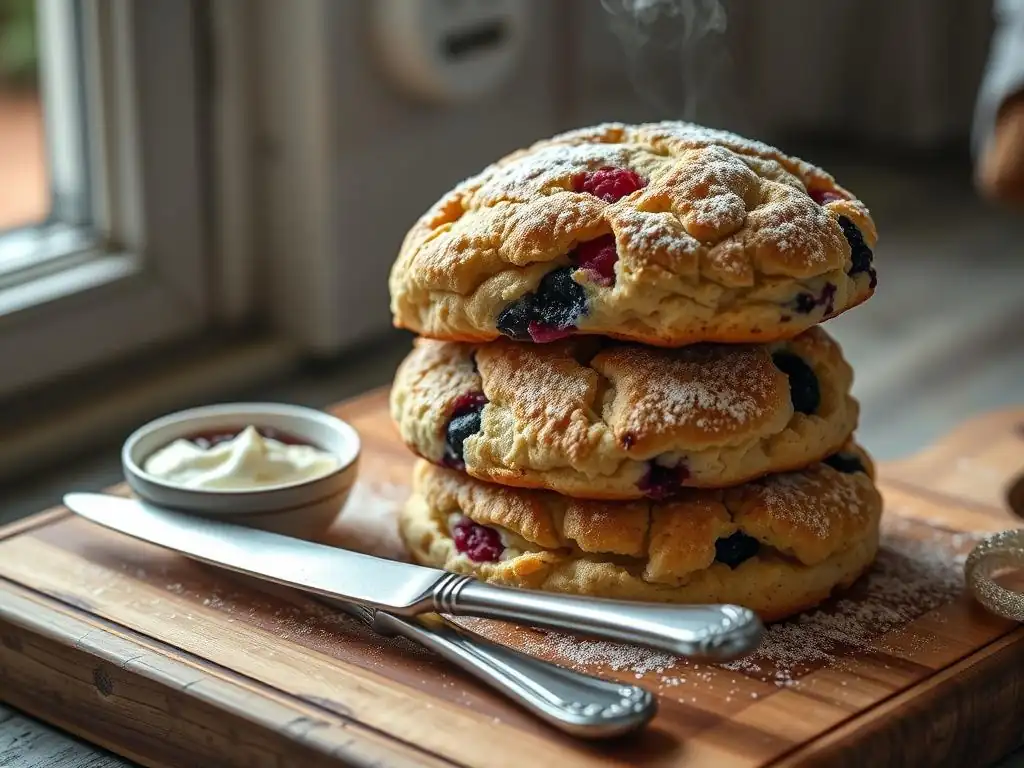
Baking is a delightful journey, and few things bring as much simple pleasure as a perfectly baked scone. While seemingly straightforward, achieving that ideal texture – light, airy, and with a tender crumb – can sometimes feel like chasing a baking unicorn. Especially when adding fruit, getting the balance just right is key.
This guide is designed to demystify the process, helping you unlock the secrets to baking truly exceptional light and airy fruit scones right in your own kitchen. We'll explore the science behind that sought-after texture, delve into the essential ingredients, and walk you through the steps to baking success. Get ready to impress yourself and your guests with these delightful British treats.
Whether you're a complete beginner or looking to refine your existing skills, mastering light and airy fruit scones is a rewarding endeavor. They are incredibly versatile, perfect for breakfast, brunch, or the star of a traditional afternoon tea. Forget dense, heavy scones; we're aiming for cloud-like perfection that melts in your mouth. By understanding the fundamental principles and paying attention to a few critical details, you'll be well on your way to consistently baking scones that are the epitome of lightness and tenderness.
What Makes a Scone Light and Airy?
Achieving a light and airy texture in scones is primarily about creating pockets of air within the dough and ensuring they expand during baking. This delicate structure is largely influenced by the leavening agents used, such as baking powder and sometimes baking soda, which react with liquid and heat to produce carbon dioxide gas. As the scones bake, these gas bubbles expand, causing the dough to rise and creating that characteristic open, tender crumb. The goal is to maximize this lift without developing too much gluten, which would result in a tougher texture.
Another crucial factor contributing to the lightness and flakiness is the way fat, typically cold butter, is incorporated into the dry ingredients. When cold butter is cut or rubbed into the flour, it creates small, irregular pieces throughout the dough. As the scones bake, the water in the butter turns to steam, which helps to push apart the layers of dough, creating flaky pockets. Simultaneously, the melting fat coats the flour particles, inhibiting excessive gluten development. This combination of steam lift and controlled gluten results in scones that are both light and possess delicate layers.
Why Fruit Scones are a British Baking Favorite
Fruit scones hold a special place in the heart of British baking, often considered an indispensable part of the traditional afternoon tea experience. Their popularity stems from their simple elegance and the comforting combination of a warm, tender pastry paired with rich clotted cream and sweet jam, most famously strawberry. While plain scones are common, the addition of fruit, typically currants or raisins, adds a delightful burst of sweetness and a slightly chewy texture that complements the soft crumb perfectly. This classic combination has been enjoyed for generations and remains a beloved treat across the UK.
The appeal of light and airy fruit scones also lies in their versatility and ease of preparation compared to more complex pastries. They offer a relatively quick way to produce a delicious baked good that feels both special and comforting.
Whether served warm from the oven for breakfast or as the centerpiece of a celebratory tea, they evoke a sense of tradition and home baking. While estimates vary, it's thought that millions of scones are consumed annually in the UK, with fruit variations consistently ranking among the most popular choices, highlighting their enduring status as a true British baking favorite.
Frequently Asked Questions
How can I ensure my fruit scones are light and airy?
The key is to avoid overmixing the dough! Overmixing develops gluten, leading to tough scones. Use cold butter and a light touch.
What type of flour works best for light and airy fruit scones?
Cake flour or a blend of all-purpose and cake flour is ideal. These flours have a lower protein content than all-purpose alone, contributing to a more tender and airy texture.
Can I use different types of fruit in my scones?
Absolutely! While the recipe may specify certain fruits, feel free to experiment. Just ensure the fruit is finely chopped and doesn't add too much moisture to the dough.
What's the best way to cut out the scones to achieve maximum rise?
Use a sharp cutter and press straight down without twisting. Twisting seals the edges and prevents the scones from rising fully, hindering that light and airy texture.
How do I prevent my fruit scones from drying out?
Don't overbake them! They should be golden brown but still slightly soft in the center. Also, store them in an airtight container once cooled to maintain their freshness and moisture.
Final Reflection: The Enduring Allure of the Perfect Scone
The pursuit of the light and airy fruit scone is more than just a culinary quest; it's a reflection of our desire for simple pleasures perfected. This seemingly simple baked good, when executed flawlessly, offers a transcendent experience – a delicate crumb, a subtle sweetness, and a texture that melts in the mouth. The techniques explored in this article, from the careful handling of ingredients to the precise baking time, are not mere recipes, but pathways to achieving this culinary nirvana.
The impact of a perfectly baked scone extends far beyond the individual enjoyment. It's a symbol of comfort, of home, of shared moments over tea and conversation. It's a tradition passed down through generations, evolving and adapting yet retaining its core essence. As someone who has spent countless hours perfecting this recipe, I understand the profound satisfaction in creating something beautiful and delicious from humble ingredients. The best things in life are simple.
This sentiment rings especially true when considering the enduring appeal of the perfect scone.
Now, I invite you to take what you've learned and embark on your own scone-baking journey. Don't be afraid to experiment, to adjust the recipe to your own tastes, and most importantly, to savor the process. The true reward isn't just in the final product, but in the journey of creation, the connection to tradition, and the joy of sharing your delicious results with loved ones. The secret to light and airy fruit scones? It's a blend of technique, passion, and a touch of magic – and now, it's yours to discover.
Unlock Your Inner Baker: Light & Airy Scone Success!
Thanks for joining us on this delicious journey into the world of light and airy fruit scones! We hope you’ve gained valuable insights and are ready to elevate your baking game. Now it's time to put your newfound knowledge into action.
- Bake a batch of your own delicious scones today! Use your favorite fruit and experiment with the techniques we've shared. Don't be afraid to get creative!
- Share your scone creations with us and the BakeWithEase community on social media using #BakeWithEaseScones. We'd love to see your baking triumphs!
- Try a surprising twist – add a unique ingredient like lavender or cardamom to your next batch. What unexpected flavor combinations will you discover?
What's your go-to fruit for the perfect scone? Let's discuss in the comments below!