
Discovering Regional Pastry Specialties Across France

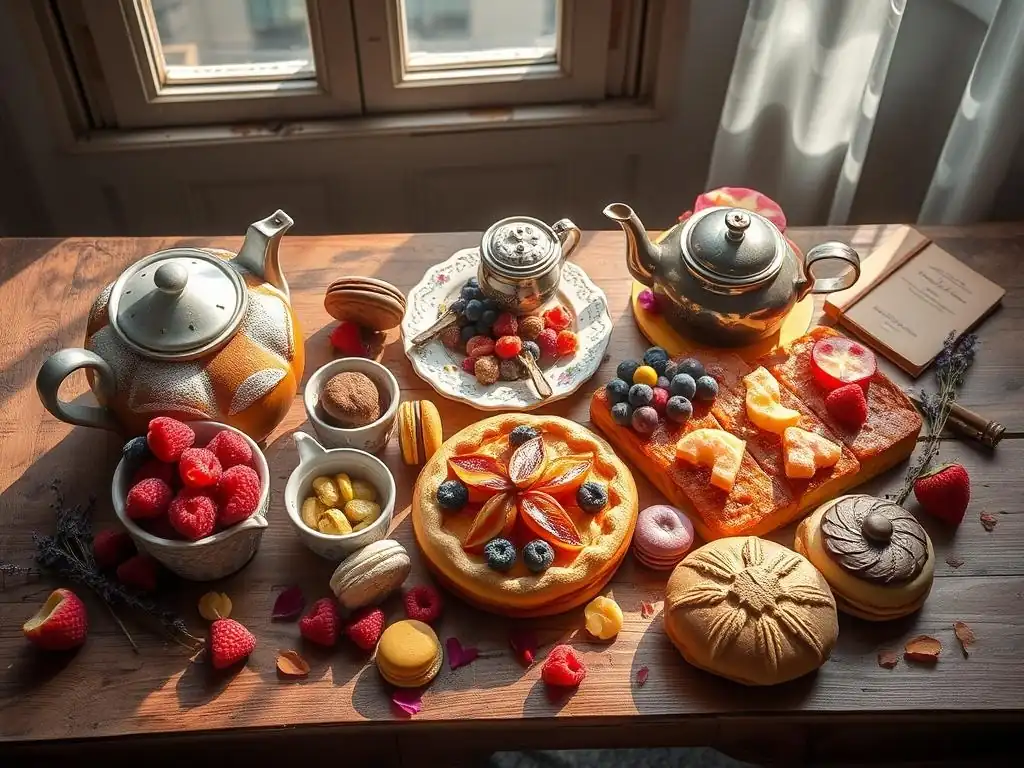
Welcome to BakeWithEase, your passport to the delectable world of baking! Ever wondered what hidden culinary gems lie nestled in the French countryside? Prepare to embark on a mouthwatering journey as we unveil the secrets of French pastry regional specialties. Get ready to discover unique and unforgettable treats that will tantalize your taste buds and inspire your next baking adventure. What delicious secrets await in each region? Let's find out!
- Discovering Regional Pastry Specialties Across France: A Baker's Tour
- Exploring France's Best Regional Pastry Specialties: A Culinary Journey
- The Allure of French Regional Pastries: Why They Matter
-
Best French Regional Pastry Specialties: A Baker's Guide
- 1. Kouign Amann from Brittany: The Buttery Delight
- 2. Canelés from Bordeaux: The Caramelized Treasure
- 3. Tarte Tatin from the Loire Valley: The Upside-Down Apple Sensation
- 4. Calissons d'Aix from Provence: The Almond and Candied Fruit Confection
- 5. Macarons from Paris (with a Regional Twist): The Iconic French Treat
- Tips for Baking French Regional Specialties at Home
- Planning Your French Pastry Tour: A Foodie's Itinerary
- Conclusion: Embrace the Art of French Regional Pastry
-
Frequently Asked Questions
- What are some examples of French pastry regional specialties mentioned on BakeWithEase.com?
- Does BakeWithEase.com offer recipes for French pastry regional specialties?
- What level of baking experience is needed to make French pastry regional specialties using BakeWithEase.com?
- Where can I find the ingredients needed for French pastry regional specialties as suggested by BakeWithEase.com?
- Does BakeWithEase.com provide tips and techniques specifically for mastering French pastry regional specialties?
- Final Reflection: A Sweet Journey Through France's Pastries
- Unleash Your Inner Pâtissier: Explore France's Sweet Delights!
Discovering Regional Pastry Specialties Across France: A Baker's Tour
Exploring France's Best Regional Pastry Specialties: A Culinary Journey
Unveiling the Sweet Secrets of France: A Baker's Dream Destination
France, a country synonymous with culinary excellence, offers a treasure trove of sweet delights beyond the famous Parisian patisseries. Venturing into its diverse regions reveals a world of unique French pastry regional specialties, each telling a story of local ingredients, history, and tradition. From the buttery richness of Brittany to the sun-kissed flavors of Provence, exploring these regional variations is an essential pilgrimage for any serious baker or food enthusiast. It's an opportunity to understand how climate, geography, and cultural heritage shape the very essence of a dessert, creating distinct textures and flavor profiles that cannot be replicated elsewhere.
This journey through France's regional kitchens uncovers pastries that are deeply embedded in the local identity, often tied to specific festivals, harvests, or historical events. These aren't just desserts; they are edible pieces of regional history and craftsmanship. By focusing on these regional French pastries, we gain a deeper appreciation for the meticulous techniques passed down through generations and the simple, high-quality ingredients that are the hallmark of French baking. Whether you're dreaming of flaky layers, tender crumb, or vibrant fruit fillings, France's regions offer an unparalleled exploration of the sweet side of its gastronomic landscape.
The Allure of French Regional Pastries: Why They Matter
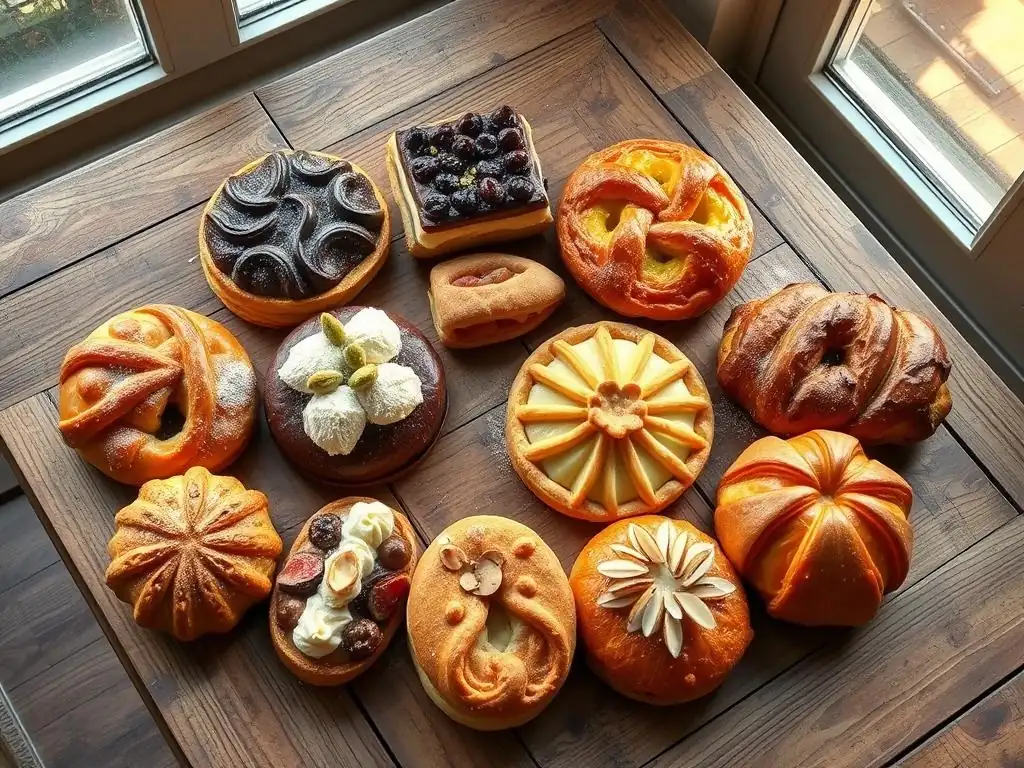
From North to South: The Diverse World of French Baking Traditions
The vast geographical and climatic differences across France directly influence its baking traditions, giving rise to a stunning array of French pastry regional specialties. In the cooler, dairy-rich north, butter and cream often take center stage, resulting in pastries known for their richness and flaky textures, such as the Kouign Amann from Brittany or the Tarte au Sucre from the North.
As you move south towards the Mediterranean, the focus shifts to sun-ripened fruits, nuts, and olive oil, leading to lighter, often fruit-based or almond-centric confections like the Calissons d'Aix from Provence or the Tarte Tropézienne from the French Riviera.
This regional diversity is not merely about ingredients; it's also about technique and form. Some regions specialize in leavened doughs, others in shortcrust or puff pastry, and some in delicate batters or confectionery. For example, the sturdy, yeasted cakes of Alsace contrast sharply with the ethereal, egg-white based macarons of Paris. Each region has perfected specific methods over centuries, resulting in a unique pantheon of regional French pastries that reflect the local agricultural bounty and historical context. Understanding this geographical tapestry is key to appreciating the depth and breadth of French baking.
Understanding Terroir in Pastry: How Region Shapes Flavor
The concept of terroir, usually associated with wine, applies equally to French pastry regional specialties. Terroir refers to the complete natural environment in which a particular food product is produced, including factors such as the soil, topography, and climate. In baking, this translates to the quality and specific characteristics of local ingredients—the richness of milk from cows grazing in Norman pastures, the specific sweetness of apples grown in the Loire Valley, or the unique aroma of almonds from Provence. These regional variations in core ingredients impart subtle yet distinct flavors and textures to the final pastry.
Moreover, terroir extends to the human element—the traditional knowledge and techniques developed within a specific region over generations. Bakers in Brittany mastered the art of working with high-fat butter in a humid climate, while those in Bordeaux perfected the tricky technique of baking Canelés in copper molds. This combination of environmental factors and accumulated expertise creates regional French pastries that are deeply rooted in their place of origin, offering a taste experience that is authentic and unique to that specific part of France.
Best French Regional Pastry Specialties: A Baker's Guide
1. Kouign Amann from Brittany: The Buttery Delight
Kouign Amann: A Breton Butter Bomb
The Kouign Amann, meaning "butter cake" in Breton, is a prime example of a French pastry regional specialty that celebrates its local bounty. Originating in Douarnenez, Brittany, in the 1860s, this round, multi-layered cake is made from bread dough folded with generous amounts of butter and sugar, similar to puff pastry but with sugar incorporated into the layers.
When baked, the butter creates steam that puffs the dough, while the sugar caramelizes, resulting in a pastry that is simultaneously flaky, tender, and intensely buttery with a delightful caramelized crust. It's notoriously rich, often cited as containing around 40% butter and 30% sugar by weight, making it a truly decadent treat.
The texture of a perfect Kouign Amann is a marvel: crisp and caramelized on the outside, giving way to soft, buttery, slightly chewy layers within. It's a pastry that demands attention, best enjoyed warm when the butter is still meltingly tender and the caramel is sticky. While variations exist, the classic form is a humble, round cake, often baked in a simple pan.
Its complexity lies not in elaborate decoration but in the masterful execution of the lamination process and the balance of butter, sugar, and dough. It stands as a proud symbol of Breton identity and its rich agricultural heritage.
The Secret to Perfect Kouign Amann: Paysan Breton Butter and Patience
Achieving the perfect Kouign Amann hinges on two critical factors: high-quality butter and meticulous technique, requiring patience. Breton butter, known for its high fat content (often 82% or more) and sometimes containing sea salt crystals, is traditionally used. Brands like Paysan Breton are classic examples of the type of rich, flavorful butter preferred by Breton bakers. This high fat content is crucial for creating distinct, flaky layers and contributing to the rich flavor profile. The butter must be cold and pliable, not melted, to be properly incorporated into the dough during the folding process.
The technique involves multiple folds, similar to making puff pastry, but with layers of sugar spread between the butter and dough. This process is time-consuming, requiring chilling periods between folds to keep the butter firm. Rushing the process can lead to the butter melting or breaking through the dough, resulting in a greasy, heavy pastry rather than a light, flaky one with caramelized layers. Patience in chilling and careful handling of the dough are paramount to developing the structure and achieving that signature caramelized crust that defines this iconic French pastry regional specialty.
Best Kouign Amann Baking Pan: USA Pan Bakeware Aluminized Steel 9-Inch Round Cake Pan
While traditional Kouign Amann is often baked freeform or in a simple tart pan, using a quality round cake pan, such as a USA Pan Bakeware Aluminized Steel 9-Inch Round Cake Pan, can help achieve a consistently round shape and promote even caramelization. Aluminized steel provides excellent heat conductivity, ensuring the bottom and sides of the pastry brown and caramelize properly without burning. The non-stick coating typical of these pans also aids in releasing the sticky, caramelized Kouign Amann after baking, which can otherwise adhere stubbornly to the pan.
A 9-inch round size is standard for many home baking recipes, allowing the pastry to rise and spread appropriately while developing a deep, caramelized edge. Using a pan with straight or slightly sloped sides helps contain the dough and melting butter/sugar mixture as it bakes, encouraging the characteristic dense, rich center and caramelized exterior. While not strictly necessary for a rustic Kouign Amann, a reliable pan like this can significantly improve the consistency and presentation of this challenging but rewarding French pastry regional specialty when baking at home.
2. Canelés from Bordeaux: The Caramelized Treasure
Canelés de Bordeaux: A Rum-Kissed Classic
Canelés de Bordeaux, a small, fluted pastry with a dark, caramelized crust and a soft, custardy interior flavored with rum and vanilla, is a distinctive French pastry regional specialty from the Bordeaux region. Legend has it that Canelés were first made by nuns in Bordeaux using egg yolks leftover from clarifying wine, combined with flour salvaged from ships. Whatever their true origin, they gained popularity in the 20th century and are now a beloved symbol of the city. Their unique texture—a hard, almost burnt exterior contrasting sharply with a tender, moist inside—sets them apart.
The batter is simple, typically consisting of milk, eggs, sugar, flour, butter, vanilla, and dark rum. However, achieving the perfect Canelé is notoriously difficult, requiring precise baking temperatures and the right molds. The high heat of the oven is crucial for developing the thick, dark, caramelized crust, which provides structure and a slightly bitter counterpoint to the sweet, aromatic interior. The rum adds a distinctive flavor depth, while the vanilla enhances the overall sweetness and aroma of this iconic regional French pastry.
The Importance of Beeswax in Canelé Baking: BLANCHON - Pure Beeswax Pellets
A crucial, traditional element in baking authentic Canelés is coating the molds with a mixture of beeswax and butter. This step is vital for achieving the characteristic dark, shiny, and crisp crust. Beeswax, such as BLANCHON - Pure Beeswax Pellets, provides a natural release agent that helps the Canelés slide out of the molds easily once baked. More importantly, it contributes to the unique texture and color of the crust, allowing it to caramelize deeply without sticking or burning unevenly.
The process involves melting the beeswax with butter, coating the inside of the special fluted molds, and often chilling them before filling with batter. The beeswax creates a barrier that facilitates heat transfer, promoting the Maillard reaction and caramelization on the surface of the batter as it bakes at high temperatures. Without the beeswax (or a suitable alternative), the crust would be pale, less crisp, and prone to sticking, fundamentally altering the texture that defines this specific French pastry regional specialty.
Achieve the Perfect Canelé Crust with Matfer Bourgeat Exoglass Canelé Mold
While traditional Canelés are baked in copper molds, which offer superior heat conductivity and help create a very dark crust, high-quality non-stick molds like the Matfer Bourgeat Exoglass Canelé Mold can also yield excellent results for the home baker. Exoglass, a composite material developed by Matfer, is known for its durability and even heat distribution. While it may not replicate the intense caramelization of copper molds precisely, it provides a reliable and easier-to-use alternative.
Using molds specifically designed for Canelés, with their distinctive fluted shape, is essential. The shape isn't just aesthetic; it increases the surface area exposed to heat, contributing significantly to the development of the thick, crisp crust. A good quality mold, whether copper or Exoglass, ensures the batter bakes evenly, allowing the exterior to crisp up while the interior remains soft and custardy. Investing in proper Canelé molds is a necessary step for anyone serious about mastering this challenging but rewarding regional French pastry.
3. Tarte Tatin from the Loire Valley: The Upside-Down Apple Sensation
Tarte Tatin: An Accidental Masterpiece from the Loire
Tarte Tatin, the famous upside-down caramelized apple tart, is a beloved French pastry regional specialty originating from Lamotte-Beuvron in the Loire Valley. The story goes that the Tatin sisters, Stéphanie and Caroline, who ran a hotel and restaurant in the late 19th century, accidentally created the tart.
In a rush, Stéphanie supposedly overcooked the apples for a traditional apple pie and, trying to salvage the dish, put a pastry base on top of the apples in the pan and baked it. She then flipped it over to serve, and the result was a revelation: soft, caramelized apples topped with flaky pastry.
This "accident" became a culinary icon. The key to a great Tarte Tatin lies in the quality of the apples and the depth of the caramelization. The apples, often cooked in butter and sugar before being topped with pastry and baked, become meltingly tender and imbued with rich, buttery caramel flavor. The pastry, typically a simple pâte brisée (shortcrust pastry), bakes on top of the apples and becomes wonderfully crisp when the tart is inverted. It's a rustic yet elegant dessert that perfectly showcases the apples abundant in the Loire Valley, making it a quintessential regional French pastry.
Essential Apples for Tarte Tatin: Reine des Reinettes
Selecting the right apples is crucial for a successful Tarte Tatin. You need varieties that hold their shape well during cooking but also become tender and absorb the caramel flavor. While many firm apples can work, the traditional and highly recommended variety for Tarte Tatin is the Reine des Reinettes, a classic French apple known for its slightly tart flavor and firm texture. This balance of tartness cuts through the richness of the caramel and butter, while its firmness prevents it from turning to mush during the extended cooking process.
Other suitable apple varieties include Golden Delicious, Gala, or Honeycrisp, provided they are firm and not too sweet. Using a mix of varieties can also add complexity to the flavor. The apples should be peeled, cored, and often cut into large quarters or halves, depending on size, then packed tightly into the pan over the caramel. The goal is to have them soften and caramelize evenly, creating a beautiful, cohesive layer when the tart is inverted, showcasing the simple perfection of this French pastry regional specialty.
The Ideal Tarte Tatin Pan: Lodge Pre-Seasoned Cast Iron Skillet
The pan used for Tarte Tatin is almost as important as the ingredients. A heavy, oven-safe skillet that can go from stovetop to oven is essential, as the caramel is typically made directly in the pan before adding the apples and pastry. A Lodge Pre-Seasoned Cast Iron Skillet is an excellent choice for this task. Cast iron retains and distributes heat exceptionally well, which is vital for creating a deep, even caramel without burning. Its durability means it can withstand the high temperatures required for caramelization.
Using a pan that is oven-safe is non-negotiable, as the entire assembly is baked in the oven to cook the pastry and finish softening the apples. A pan with a diameter of around 9 to 10 inches is standard for a home-sized Tarte Tatin. The pan's ability to maintain consistent heat ensures the apples cook evenly and the caramel develops properly, forming a beautiful, glossy coating when the tart is flipped. A well-seasoned cast iron skillet not only performs well but also contributes a rustic authenticity to the baking of this iconic regional French pastry.
4. Calissons d'Aix from Provence: The Almond and Candied Fruit Confection
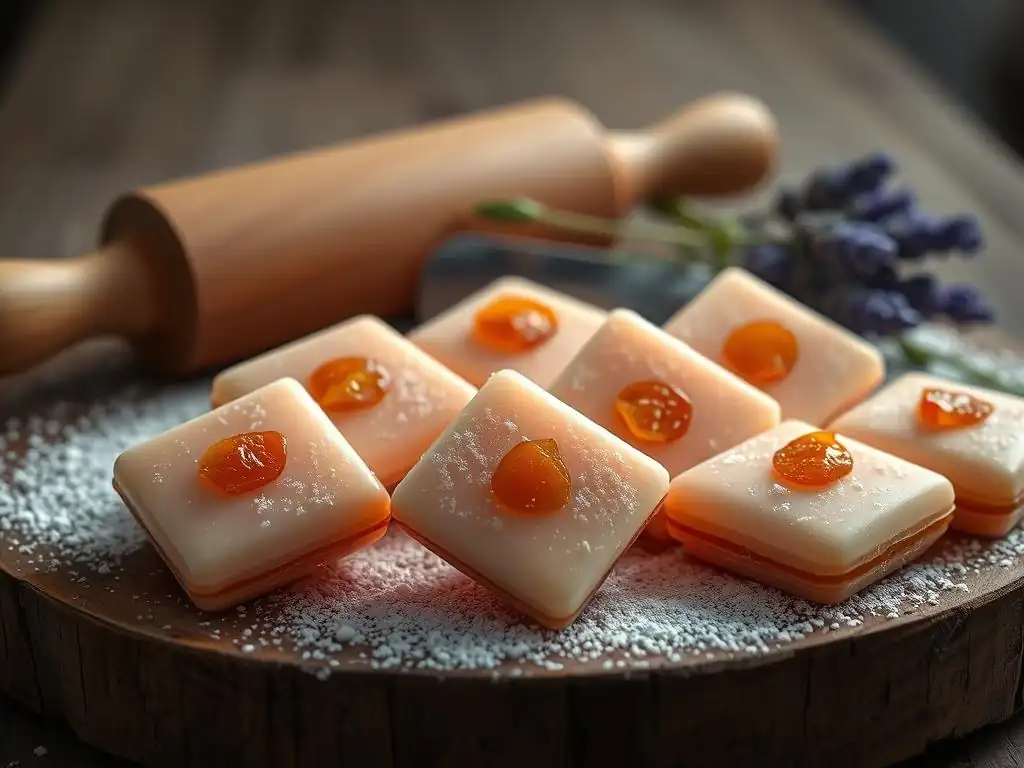
Calissons d'Aix: A Provençal Almond Delight
Calissons d'Aix are a unique and elegant French pastry regional specialty from the city of Aix-en-Provence. These small, diamond-shaped confections have a distinctive texture and flavor profile, featuring a base of finely ground almonds, candied melon, and orange peel, topped with a thin layer of royal icing. Their history is debated, with some legends tracing them back to the 15th century. They are traditionally associated with celebrations and have a Protected Geographical Indication (PGI) status, meaning only those produced in Aix-en-Provence following specific methods can bear the name.
The paste is made by grinding blanched almonds with preserved fruits, typically melon from Apt (a town renowned for its candied fruits) and orange peel, then bound with a syrup. This paste is then spread onto a thin layer of unleavened bread ( pain azyme) and covered with the royal icing before being cut into the characteristic leaf or diamond shape. The texture is chewy and slightly grainy from the almonds, with bursts of sweetness and aroma from the candied fruits. They are a delicate and aromatic representation of the flavors of Provence, a true regional French pastry confection.
Finding the Perfect Candied Melon for Calissons: Apt Union des Fruit Confits
The quality of the candied fruit is paramount in Calissons d'Aix, particularly the candied melon, which forms a significant portion of the base paste. The town of Apt in Provence is historically famous for its high-quality candied fruits, benefiting from the region's climate and fruit production. Reputable producers like Apt Union des Fruit Confits are known for providing candied fruits that are soft, flavorful, and not overly sweet or dry, which is essential for the texture and taste of the Calisson paste.
Using inferior or poorly candied fruit can result in a Calisson paste that is hard, lacks flavor, or has an unpleasant texture. The candied melon contributes not only sweetness but also moisture and a subtle, unique aroma that is characteristic of authentic Calissons. Combined with the almonds and orange peel, the candied fruit from a quality source ensures the paste has the right consistency for shaping and the balanced, aromatic flavor that defines this specific French pastry regional specialty.
Calisson Molds for Perfect Shapes: Martellato Polycarbonate Calisson Mold
While traditionally Calissons paste is rolled and cut by hand, using specific molds ensures uniformity in shape and size, which is important for the presentation of this elegant confection. A Martellato Polycarbonate Calisson Mold is an example of a tool designed to create the distinctive leaf or diamond shape. Polycarbonate molds are durable and allow for easy release of the paste once pressed or shaped.
The mold helps achieve the consistent thickness and outline required before the Calissons are placed on the unleavened bread base and iced. Although the taste relies on the ingredients, the visual appeal of Calissons, with their perfect shape and smooth white icing, is part of their charm. Using a dedicated mold streamlines the process and helps reproduce the classic look of this unique regional French pastry confection, making home production more accessible while maintaining authenticity in form.
5. Macarons from Paris (with a Regional Twist): The Iconic French Treat
Parisian Macarons: A Global Sensation
While macarons (specifically, the macaron parisien or Gerbet) are most famously associated with Paris, they represent a refinement and evolution of a much older, simpler almond cookie found across many regions of France and Europe. The modern Parisian macaron, consisting of two delicate meringue-based cookies made from almond flour, egg whites, and sugar, sandwiched around a creamy filling like ganache, buttercream, or jam, was popularized in the early 20th century by Parisian patisseries like Ladurée and Pierre Hermé. They are known for their smooth top, ruffled "foot" (pied), and vibrant colors and flavors.
Though their global fame stems from Paris, the underlying concept of an almond meringue cookie exists in simpler forms in various regions. For instance, the Macaron de Nancy or Macaron de Saint-Jean-de-Luz are single, rustic almond cookies, predating the Parisian version.
However, it is the Parisian iteration, with its precise technique, vibrant palette, and endless flavor combinations, that has captured international attention and become a symbol of sophisticated French pastry. While not strictly a regional specialty in the historical sense of originating in one specific rural area, the Parisian macaron is undeniably a specialty of its city and a significant part of the broader French pastry landscape, influencing baking globally.
Macaron Baking Mats for Consistent Results: Silpat Perfect Macaron Baking Mat
Baking perfect macarons requires precision, and using the right tools can make a significant difference. A Silpat Perfect Macaron Baking Mat is highly recommended for achieving consistently sized and shaped macaron shells. These silicone mats are non-stick and often feature pre-marked circles that serve as guides for piping the macaron batter ( appareil). This ensures that each shell is roughly the same size, which is crucial for pairing them up later.
Silicone mats also provide even heat distribution, promoting a uniform bake and helping the macaron shells develop their characteristic "foot"—the slightly risen, ruffled base. Baking directly on parchment paper can sometimes lead to uneven spreading or sticking. A quality mat like the Silpat helps regulate the temperature transferred to the bottom of the macaron, contributing to a smooth top and a well-formed foot, essential characteristics of a successful Parisian French pastry.
Level up your Macarons with Chefmaster Liqua-Gel Food Coloring
Achieving the vibrant, appealing colors that are synonymous with Parisian macarons requires using high-quality food coloring. Chefmaster Liqua-Gel Food Coloring is a popular choice among bakers for coloring macaron batter. Unlike liquid food colorings, gel colors are highly concentrated and do not add significant moisture to the batter, which is critical for the macaron's delicate structure. Adding too much liquid can affect the consistency of the appareil and prevent the formation of the foot or cause the shells to crack.
Gel colors allow bakers to achieve intense, beautiful hues with just a small amount of product, minimizing the risk of altering the batter's texture. The wide range of available colors also allows for creative expression, matching the shell's color to the filling's flavor (e.g., pink for raspberry, yellow for lemon). Using effective coloring helps make these iconic French pastry regional specialties (or rather, city specialties) as visually stunning as they are delicious.
Tips for Baking French Regional Specialties at Home
Mastering the Techniques: From Lamination to Caramelization
Successfully baking French pastry regional specialties at home often requires mastering specific techniques that are fundamental to French baking. Lamination, the process of folding butter into dough to create multiple layers (as seen in Kouign Amann and puff pastry, used in Tarte Tatin crusts), is key to achieving flaky textures. This technique requires careful temperature control and precise folding to ensure the butter remains in distinct layers, which create steam during baking and cause the dough to rise into airy sheets. Patience and practice are essential to perfect lamination.
Caramelization is another crucial technique, particularly for pastries like Tarte Tatin and Canelés. This involves heating sugar until it melts and turns a rich amber or dark brown color, developing complex flavors. Achieving the right level of caramelization—deep and flavorful without being burnt—requires attention and understanding of sugar's properties under heat. Other techniques, such as properly whipping meringue for macarons or achieving the right consistency for almond pastes in Calissons, are equally vital. Dedicating time to practicing these foundational methods will significantly improve your results when tackling complex regional French pastries.
Sourcing Authentic Ingredients: A Guide for Bakers
The quality and type of ingredients play a significant role in the authenticity and flavor of French pastry regional specialties. While some ingredients are universally available, seeking out specific regional products or high-quality equivalents can elevate your baking. For instance, using European-style butter with a higher fat content (82% or more) is preferable for laminated doughs like Kouign Amann, as it creates flakier layers. Similarly, using specific types of apples for Tarte Tatin, or high-quality almond flour for macarons and Calissons, will impact the final taste and texture.
For pastries featuring candied fruits, sourcing those from regions renowned for their production, like Apt in Provence for Calissons, makes a noticeable difference. Vanilla beans from reputable sources like Madagascar or Tahiti offer superior flavor compared to artificial extracts. While not always easy to find outside of France, looking for suppliers specializing in European or gourmet ingredients can help. When specific regional items are unavailable, researching and selecting the closest high-quality substitute is the next best approach to recreating these authentic French pastry regional specialties.
Essential Baking Tools for French Pastry Success
Having the right tools can significantly aid in the successful execution of French pastry regional specialties. While not every specialty requires a unique tool, some benefit greatly from specific equipment. For instance, a heavy, oven-safe skillet (like cast iron) is ideal for Tarte Tatin, ensuring even caramelization. Canelés require special fluted molds, traditionally copper but also available in materials like Exoglass, to achieve their distinctive shape and crust.
Precision tools like kitchen scales are essential for accurately measuring ingredients, especially for finicky recipes like macarons where ratios are critical. A good quality stand mixer can simplify tasks like kneading dough for Kouign Amann or whipping meringue. Specialized mats, like silicone macaron mats, help with consistency. While you don't need every single tool immediately, investing in key pieces relevant to the French pastry regional specialties you wish to bake will make the process smoother and improve the quality of your results.
Planning Your French Pastry Tour: A Foodie's Itinerary
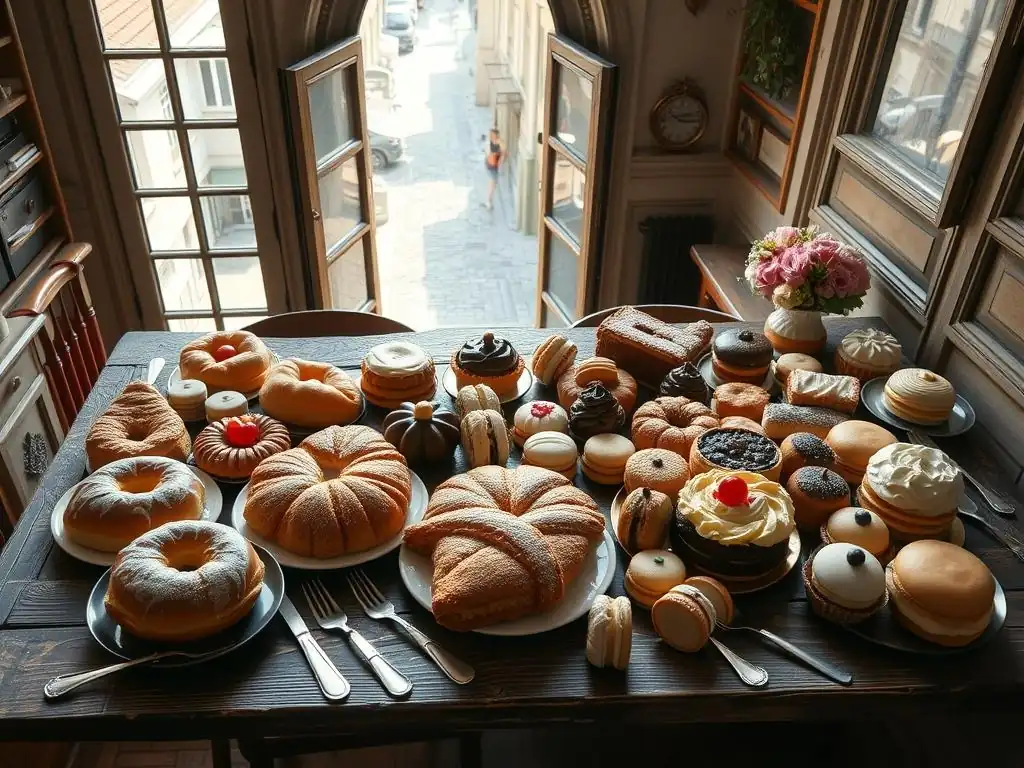
The Best Regions to Visit for Pastry Lovers: Brittany, Bordeaux, Provence & More
For pastry lovers embarking on a culinary tour of France, focusing on regions renowned for their French pastry regional specialties offers an unforgettable experience. Brittany is a must-visit for its buttery delights like Kouign Amann and Crêpes. Bordeaux calls to those eager to sample authentic Canelés and explore the city's elegant patisseries. Provence offers the unique almond and fruit flavors of Calissons d'Aix and the sunny sweetness of Tarte Tropézienne.
Beyond these, Alsace is famous for its Kugelhopf and fruit tarts, the Loire Valley for its Tarte Tatin, and the Basque Country for its Gateau Basque. Paris, while not a single region, remains the center for refined patisserie and the iconic macaron. Planning an itinerary that links several of these regions allows for a diverse exploration of regional French pastries, moving from one distinct culinary landscape to another and sampling the best each has to offer.
Booking Pastry Classes in France
To truly understand the art behind French pastry regional specialties, consider taking a hands-on baking class in France. Many patisseries and culinary schools across the country offer workshops ranging from a few hours to several days, focusing on specific regional pastries or broader French techniques. For example, you might find a class dedicated solely to making Kouign Amann in Brittany, or a workshop on Canelés in Bordeaux.
These classes provide invaluable insights into traditional methods, ingredient handling, and the subtle nuances that make each pastry unique. Learning directly from French bakers allows you to acquire skills and knowledge that are difficult to gain solely from recipes. It's an immersive way to connect with the culinary heritage and bring the techniques for making regional French pastries back to your own kitchen.
Recommended Accommodation for Pastry Lovers in France
When planning a pastry-focused trip to France, choosing accommodation that enhances your culinary exploration can be beneficial. Staying in guesthouses or smaller hotels in the heart of towns known for their French pastry regional specialties allows easy access to local bakeries and markets. Look for places that might offer breakfast featuring regional products, or hosts who can provide recommendations on the best local boulangeries and pâtisseries.
Consider accommodations with kitchen access if you plan to buy ingredients from local markets or practice techniques learned in classes. In cities like Paris or Bordeaux, choosing a hotel or rental in a central district known for its food scene puts you within walking distance of renowned patisseries. Selecting accommodation that aligns with your culinary interests adds another layer of enjoyment to your journey through the world of regional French pastries.
Conclusion: Embrace the Art of French Regional Pastry
Bringing the Flavors of France to Your Kitchen
Exploring French pastry regional specialties is a deeply rewarding culinary adventure, whether you travel to France or recreate these delightful treats in your own kitchen. Each pastry offers a unique glimpse into the history, culture, and agricultural bounty of its region. From the rich, caramelized layers of a Breton Kouign Amann to the delicate, almond-scented Calissons of Provence, these regional gems showcase the incredible diversity and skill within French baking.
Attempting these recipes at home allows you to connect with traditional techniques and appreciate the impact of quality ingredients. While some require patience and practice, the reward of biting into a perfectly baked regional French pastry is immeasurable. It’s an opportunity to bring the authentic flavors of France into your home, sharing a piece of its rich gastronomic heritage with friends and family.
Further Resources for Aspiring French Pastry Chefs
For those serious about delving deeper into the world of French pastry regional specialties, numerous resources are available. Cookbooks dedicated to regional French cuisine often include authentic pastry recipes, providing historical context and detailed instructions. Online culinary courses or masterclasses focusing on French baking techniques can help refine your skills.
Following French patisseries and bakers on social media can offer inspiration and insights into traditional and modern interpretations of these classics. Visiting local French markets (if available) or specialty food stores can help you source key ingredients. By utilizing these resources and committing to practice, you can continue to explore and master the art of baking regional French pastries, expanding your repertoire and sharing the joy of these sweet traditions.
Frequently Asked Questions
What are some examples of French pastry regional specialties mentioned on BakeWithEase.com?
BakeWithEase.com highlights diverse pastries like Kouign-amann from Brittany, known for its buttery and caramelized layers, and Canelés from Bordeaux, with their custardy interior and dark, caramelized crust.
Does BakeWithEase.com offer recipes for French pastry regional specialties?
Yes, BakeWithEase.com aims to provide simple recipes and step-by-step guides to help bakers recreate these regional delicacies at home.
What level of baking experience is needed to make French pastry regional specialties using BakeWithEase.com?
BakeWithEase.com caters to all levels. They offer recipes suitable for beginners and those with more advanced baking skills, focusing on clear instructions.
Where can I find the ingredients needed for French pastry regional specialties as suggested by BakeWithEase.com?
BakeWithEase.com focuses on recipes using easy-to-find ingredients, often specifying readily available alternatives if a specific ingredient is hard to source.
Does BakeWithEase.com provide tips and techniques specifically for mastering French pastry regional specialties?
Yes, the website offers detailed tips and techniques to help bakers achieve optimal results, ensuring the pastries are authentic and delicious. They cover key aspects of each recipe.
Final Reflection: A Sweet Journey Through France's Pastries
The enduring allure of French pastry lies not just in its exquisite taste, but in its deep connection to regional identity and culinary heritage. These aren't simply desserts; they're edible stories, each bite whispering tales of local ingredients, time-honored techniques, and the passionate artisans who keep these traditions alive. This exploration of regional specialties reveals a vibrant tapestry of flavors and techniques, a testament to the rich diversity within French gastronomy.
The impact of these regional pastries extends far beyond the simple pleasure of eating them. They are integral to the cultural fabric of France, shaping social gatherings, celebrations, and even everyday life. These sweet treats represent a tangible link to the past, a connection to family recipes passed down through generations. Food is symbolic of love when words are inadequate.
- Alan D. Wolfelt. This quote perfectly encapsulates the emotional resonance these pastries hold for many French people, and indeed, for anyone who experiences their unique charm.
Now, as you embark on your own culinary adventures, I encourage you to seek out these regional treasures. Don't just taste them; experience them. Consider the history behind each pastry, the dedication of the bakers who craft them, and the unique terroir that contributes to their distinct character. Let the sweetness of these treats inspire you to explore the rich culinary landscapes of France and beyond, and perhaps even discover a new favorite pastry along the way.
Unleash Your Inner Pâtissier: Explore France's Sweet Delights!
Thanks for joining us on this delicious journey through France's regional pastry specialties! We hope you've discovered some new favorites and maybe even found inspiration for your next baking adventure. Now it's time to put your newfound knowledge into practice!
- Master a new recipe: Choose one of the regional pastries highlighted in the article and try baking it yourself. Share your creation with us using #BakeWithEaseFrance on social media!
- Expand your French baking knowledge: Dive deeper into the history and techniques behind your chosen pastry. Perhaps you'll find a fascinating connection between the pastry and its region's history.
- Challenge a friend to a baking duel: Select a different regional pastry and challenge a friend to bake it – the winner gets bragging rights (and maybe a taste test)!
Which French pastry will you tackle first, and what unique twist will you add to make it your own?