
Troubleshooting Yeast Problems in Sweet Roll Dough

Welcome to BakeWithEase, your guide to baking bliss! Are your sweet rolls falling flat? Don't despair! This article dives deep into common yeast problems in sweet roll dough and offers practical solutions to achieve that perfect, fluffy texture. Unlock the secrets to successful yeast activation and fermentation, and say goodbye to dense, disappointing rolls. Ready to transform your baking game? Let's get started!
- Troubleshooting Yeast Problems in Sweet Roll Dough: BakeWithEase Guide
- Introduction: Achieving Sweet Roll Perfection with Yeast
- Identifying Common Yeast Problems in Sweet Roll Dough
-
Diagnosing the Root Cause of Yeast Issues in Sweet Roll Dough
- Expired or Inactive Yeast: Checking Yeast Viability
- Incorrect Yeast Hydration: Achieving Optimal Activation
- Liquid Temperature Problems: Finding the Sweet Spot for Yeast
- Sugar and Salt Imbalances: Impact on Yeast Fermentation
- Improper Mixing: The Role of Mixing in Yeast Development
- Unsuitable Proofing Environment: Controlling Temperature and Humidity
-
Troubleshooting Solutions: Fixing Yeast Problems in Sweet Roll Dough
- Testing Yeast Activity: The Bloom Test Explained
- Adjusting Liquid Temperature: Correcting for Hot and Cold Liquids
- Modifying Sugar and Salt Levels: Balancing the Dough's Ecosystem
- Improving Mixing Techniques: Ensuring Proper Gluten Development
- Optimizing the Proofing Environment: Creating the Ideal Conditions
- Rescuing Sweet Roll Dough: Salvaging Yeast-Related Failures
- Preventing Future Yeast Problems in Sweet Roll Dough
- Advanced Techniques for Working with Yeast in Sweet Rolls
- Conclusion: Mastering Yeast for Delicious Sweet Rolls Every Time
-
Frequently Asked Questions
- What are the most common signs of yeast problems in sweet roll dough?
- How can I test my yeast to see if it's still good?
- What could cause my yeast to not activate properly in my sweet roll dough?
- How can I adjust my sweet roll recipe if I suspect my yeast is weak?
- What type of yeast is best for sweet roll dough and how should it be stored?
- Final Reflection: The Sweet Success of Troubleshooting Yeast
- Unlock Perfectly Fluffy Sweet Rolls!
Troubleshooting Yeast Problems in Sweet Roll Dough: BakeWithEase Guide
Introduction: Achieving Sweet Roll Perfection with Yeast
Sweet rolls, with their soft, fluffy texture and rich fillings, are a beloved treat for many. The magic behind that light and airy crumb is often yeast, a living microorganism that ferments sugars, producing carbon dioxide gas that makes the dough rise. However, working with yeast in sweet roll dough can sometimes present challenges, leading to frustrating results like dense, heavy rolls or dough that simply refuses to budge. Understanding how yeast behaves and common pitfalls is the first step to mastering these delicious baked goods.
This guide from BakeWithEase will walk you through identifying, diagnosing, and fixing common yeast problems encountered when making sweet roll dough. We'll cover everything from recognizing the signs of inactive yeast to optimizing your proofing environment. By the end, you'll have the knowledge to troubleshoot yeast issues confidently and consistently achieve perfectly risen, tender sweet rolls every time, making those yeast problems sweet roll dough a thing of the past.
Identifying Common Yeast Problems in Sweet Roll Dough
Spotting signs of trouble early on is crucial when dealing with yeast problems in sweet roll dough. Pay close attention to how your dough behaves during mixing, kneading, and especially during the proofing (rising) stages. Visual cues and the feel of the dough can tell you a lot about the yeast's activity level and overall health.
Recognizing these symptoms early allows you to intervene and potentially salvage your batch. Whether it's a lack of rise, an off-putting smell, or an unexpected texture, understanding what these signs indicate is key to successful troubleshooting of yeast problems sweet roll dough.
Dough That Won't Rise: Recognizing the Signs of Yeast Failure
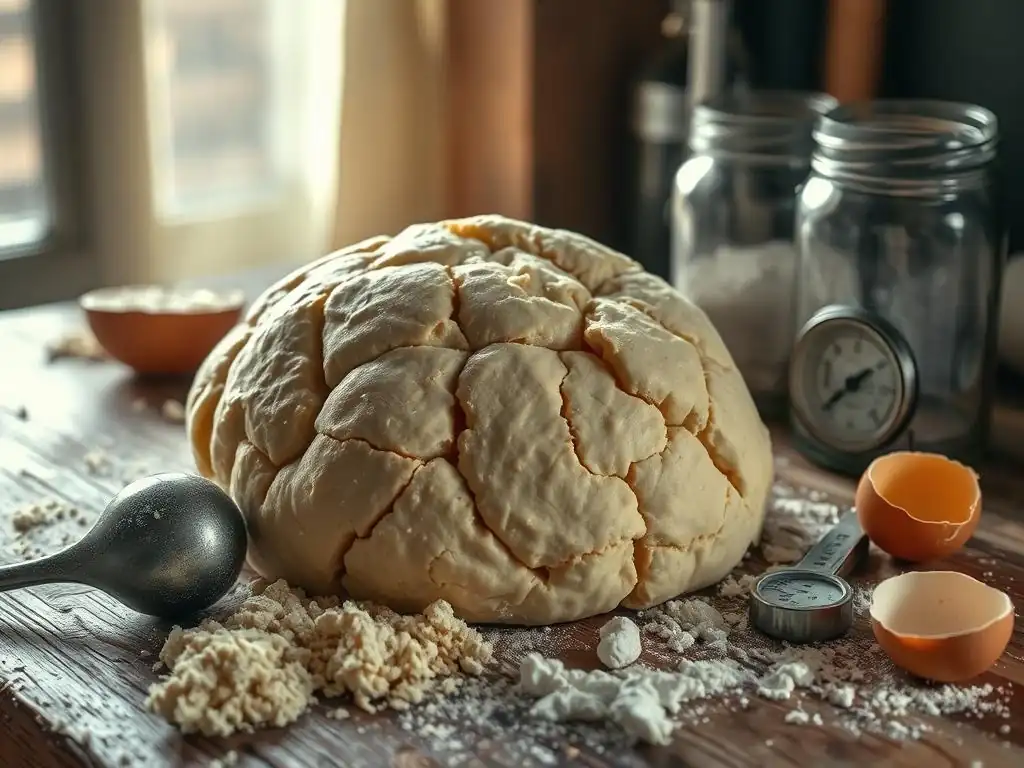
One of the most disheartening yeast problems in sweet roll dough is when it simply doesn't rise, or rises minimally. After the initial mixing and kneading, you expect your dough to double or at least significantly increase in volume during the first proofing. If, after the recommended time (often 1-2 hours at room temperature, or longer in the fridge), the dough looks much the same as when you started, your yeast likely isn't active. The dough might feel dense and heavy, lacking the characteristic airy feel of properly proofed dough.
This lack of activity can stem from several factors, including dead or inactive yeast, incorrect liquid temperature during activation, or even the presence of ingredients that inhibit yeast function. For instance, if you used hot tap water (above 130°F or 55°C) to dissolve active dry yeast, you might have killed the yeast cells before they had a chance to work. A dough that shows no signs of life after 30-60 minutes in a warm spot is a strong indicator of significant yeast failure, a common symptom of yeast problems sweet roll dough.
Dense and Heavy Sweet Rolls: A Consequence of Inactive Yeast
If your sweet roll dough did rise slightly, but the final baked rolls turn out surprisingly heavy, dense, and lacking that desirable fluffy texture, it's often a sign of insufficient yeast activity. This means the yeast was alive but didn't produce enough carbon dioxide gas to create a light, open crumb structure. The dough might have looked okay after proofing but didn't achieve the full volume or airiness needed.
This issue can arise if the yeast was only partially active, perhaps due to slightly expired yeast, a suboptimal proofing temperature (too cold), or insufficient time for the yeast to work. For example, if a recipe calls for proofing until doubled, and you bake the rolls when the dough has only increased by 50%, the resulting texture will be significantly denser. It's a classic outcome of unresolved yeast problems sweet roll dough, where the fermentation process was hindered.
Overly Sour or Tangy Sweet Roll Dough: The Result of Over-Proofing
While a slight tang can be desirable in some yeasted doughs, an intensely sour or overly alcoholic smell and taste in sweet roll dough indicates significant over-proofing. Yeast doesn't just produce carbon dioxide; it also produces alcohol and various organic acids as byproducts of fermentation. If the dough is allowed to rise for too long, especially in a warm environment, these byproducts accumulate, leading to off-flavors.
Over-proofing also breaks down the gluten structure. The dough might initially rise dramatically but then start to collapse slightly or become very fragile and difficult to handle. This breakdown happens because the yeast has consumed most of the available sugars, and the extended fermentation weakens the protein network. A dough that smells strongly of alcohol and has a pronounced sour aroma is a clear sign it has gone past its peak, a distinct type of yeast problems sweet roll dough.
Dough That Rises Too Quickly: Understanding Accelerated Yeast Activity
Conversely, if your sweet roll dough seems to be inflating at an alarming rate, doubling in size in a fraction of the time stated in the recipe (e.g., 30 minutes instead of 60-90 minutes), it's likely rising too quickly. This can happen if the proofing environment is excessively warm (above 90°F or 32°C) or if too much yeast was used relative to the other ingredients. While a fast rise might seem efficient, it can lead to issues.
Dough that rises too quickly may not develop sufficient flavor complexity, as the slower fermentation process contributes to richer tastes. Furthermore, the rapid gas production can overwhelm the gluten structure, potentially leading to a less stable dough that might collapse during baking. It's a different form of yeast problems sweet roll dough compared to a lack of rise, but it still requires careful attention to ensure optimal texture and flavor.
Diagnosing the Root Cause of Yeast Issues in Sweet Roll Dough
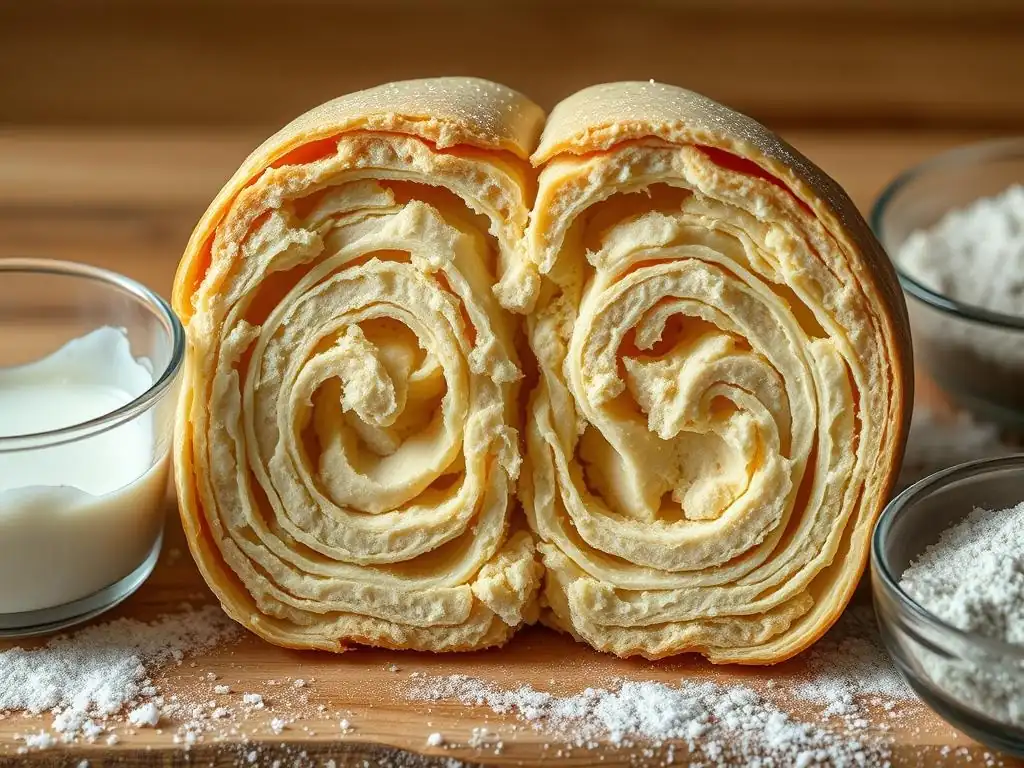
Pinpointing exactly why your sweet roll dough isn't behaving requires a bit of detective work. Several factors influence yeast activity, and a problem in any one of them can lead to disappointing results. By systematically checking these potential culprits, you can determine the underlying reason for your yeast problems sweet roll dough.
Understanding the conditions yeast needs to thrive – warmth, moisture, food (sugar), and time – helps in diagnosing issues. Let's break down the most common causes of yeast failure or misbehavior in sweet roll dough recipes.
Expired or Inactive Yeast: Checking Yeast Viability
The most common reason for dough failing to rise is using yeast that is no longer active. Yeast is a living organism, and like any living thing, it has a shelf life. Active dry yeast typically lasts for about 1-2 years if stored unopened in a cool, dry place, but once opened, its viability decreases significantly, especially if not stored properly (like in the refrigerator or freezer). Instant yeast is generally more robust but can still lose potency over time.
To check if your yeast is still alive and kicking, perform a simple bloom test. Dissolve the yeast in warm water (around 105-115°F or 40-46°C for active dry, slightly cooler for instant if proofing first) with a pinch of sugar. After 5-10 minutes, the mixture should become foamy and bubbly, indicating the yeast is active and producing gas. If there's little to no activity, your yeast is likely dead or inactive, causing your yeast problems sweet roll dough.
Incorrect Yeast Hydration: Achieving Optimal Activation
Proper hydration is key to waking up dormant yeast cells, particularly active dry yeast. This type of yeast needs to be dissolved in a warm liquid before being added to the dry ingredients. Using liquid that is too cold (below 100°F or 38°C) will cause the yeast to activate very slowly or not at all. Conversely, using liquid that is too hot (above 130°F or 55°C for active dry yeast, or even lower for instant or fresh yeast) can kill the yeast instantly.
The ideal temperature range for activating active dry yeast is typically between 105°F and 115°F (40°C and 46°C). Instant yeast can often be mixed directly with dry ingredients and activated by the liquid in the dough, but even then, the liquid temperature should ideally be warm (around 120-130°F or 49-55°C) to encourage rapid activity without killing the yeast. Getting this temperature right is critical for avoiding yeast problems sweet roll dough.
Liquid Temperature Problems: Finding the Sweet Spot for Yeast
Beyond just the initial activation liquid, the overall temperature of the liquids added to your dough affects yeast activity. Milk, melted butter, or eggs should be warmed to a temperature that is comfortable to the touch – roughly between 70°F and 80°F (21°C and 27°C). Adding very cold liquids will significantly slow down yeast activity, requiring a much longer proofing time.
Using liquids that are too hot, particularly when combined with the friction from mixing, can raise the dough temperature to a level that inhibits or kills the yeast. Imagine adding milk heated to 140°F (60°C) to your dough; even if the initial yeast hydration was correct, this could damage the yeast cells within the dough mass. Maintaining the correct liquid temperature is a fundamental step in preventing yeast problems sweet roll dough.
Sugar and Salt Imbalances: Impact on Yeast Fermentation
While yeast feeds on sugar to produce gas, too much sugar can actually hinder its activity. High concentrations of sugar draw moisture out of the yeast cells through osmosis, effectively dehydrating them and slowing down fermentation. Most sweet roll recipes have a moderate amount of sugar (perhaps 1/4 to 1/2 cup per 3-4 cups of flour), which is generally fine, but excessively sugary doughs might require a bit more yeast or a longer proofing time.
Salt is another crucial ingredient that affects yeast. Salt controls yeast activity, slowing down fermentation to allow for better flavor development and gluten structure. However, too much salt can inhibit or even kill yeast. If salt comes into direct contact with yeast for an extended period without other ingredients present, it can be detrimental. Always measure salt accurately – a slight excess could be the cause of your yeast problems sweet roll dough.
Improper Mixing: The Role of Mixing in Yeast Development
Proper mixing and kneading are vital for developing the gluten structure in your sweet roll dough. Gluten provides the framework that traps the carbon dioxide gas produced by the yeast, allowing the dough to rise and hold its shape. Dough that is not mixed enough will have a weak gluten network, resulting in a poor rise and dense final product, even if the yeast is healthy and active.
Over-mixing, while less common, can also be an issue, potentially overheating the dough and stressing the gluten. A good dough should be smooth, elastic, and pass the "windowpane" test (you should be able to stretch a small piece thin enough to see light through it without it tearing). Ensuring your dough is mixed to the correct consistency is an indirect but important factor in preventing yeast problems sweet roll dough.
Unsuitable Proofing Environment: Controlling Temperature and Humidity
Yeast activity is highly dependent on temperature. The ideal temperature range for proofing most sweet roll doughs is between 75°F and 85°F (24°C and 29°C). Temperatures significantly below this range will slow down the rise considerably, potentially taking hours longer than the recipe suggests. Temperatures much higher than this can cause the dough to rise too quickly, potentially leading to over-proofing or a less flavorful result.
Humidity also plays a role. A dry environment can cause the surface of the dough to dry out and form a crust, which restricts the dough's ability to expand evenly. Proofing in a slightly humid environment (like a lightly oiled bowl covered with plastic wrap or in a slightly warm oven with a pan of hot water) helps keep the dough surface supple and allows for optimal expansion, minimizing potential yeast problems sweet roll dough related to crusting.
Troubleshooting Solutions: Fixing Yeast Problems in Sweet Roll Dough
Once you've diagnosed the potential cause of your yeast problems sweet roll dough, it's time to implement solutions. Depending on the issue, there are steps you can take to correct the problem and get your dough back on track. Some fixes are preventative, while others are reactive measures for dough that isn't rising as expected.
Remember that patience is key when working with yeast. Sometimes, a slow rise just needs more time. However, if you suspect a more fundamental issue, these troubleshooting steps can help you revive your dough or understand what went wrong for next time.
Testing Yeast Activity: The Bloom Test Explained
If you suspect your yeast is the culprit behind your dough's lack of rise, the bloom test is your go-to diagnostic tool. To perform the test, measure 1/4 cup of warm water (105-115°F / 40-46°C for active dry yeast, 120-130°F / 49-55°C for instant yeast if testing it this way) into a small bowl. Stir in a pinch of sugar, then sprinkle 2 1/4 teaspoons (one standard packet) of yeast over the water. Do not stir the yeast in initially if using active dry; let it sit on the surface for a minute.
After 5-10 minutes, the mixture should be frothy and bubbly, expanding up the sides of the bowl. This foam indicates that the yeast is actively consuming the sugar and producing carbon dioxide gas. If there's little to no foam, the yeast is likely dead or inactive. In this case, you'll need to discard the old yeast and start your dough over with fresh, active yeast to resolve your yeast problems sweet roll dough.
Adjusting Liquid Temperature: Correcting for Hot and Cold Liquids
If you realize you used liquids that were too hot or too cold, you might be able to make adjustments, though this is easier to correct before mixing. If your mixed dough feels very cold, you can try placing it in a warmer proofing environment to encourage activity, but be patient as it will take longer to warm up and start rising. Aim for that 75-85°F (24-29°C) range.
If you suspect you killed the yeast with liquids that were too hot, unfortunately, there's not much you can do to revive dead yeast cells within the dough. Your best course of action is usually to discard the dough and start over, paying careful attention to liquid temperatures this time. Using a thermometer is highly recommended to ensure liquids are within the optimal range (105-115°F or 40-46°C for active dry yeast activation liquid, and around 70-80°F or 21-27°C for other dough liquids) to prevent these yeast problems sweet roll dough.
Modifying Sugar and Salt Levels: Balancing the Dough's Ecosystem
Correcting sugar or salt imbalances after the dough is mixed is challenging and often not recommended, as adding more ingredients without proper mixing can negatively impact the dough structure. The best approach here is preventative: always measure sugar and salt accurately using measuring spoons or, ideally, a kitchen scale for precision.
If you suspect your dough is slow because of slightly high sugar or salt, ensuring an optimal proofing environment (warm and humid) might help the yeast overcome the slight inhibition. For future batches, double-check your recipe's measurements and consider slightly reducing salt if you consistently face slow rise issues, while being mindful that salt is crucial for flavor and structure. Getting these ratios right is key to avoiding yeast problems sweet roll dough related to ingredient balance.
Improving Mixing Techniques: Ensuring Proper Gluten Development
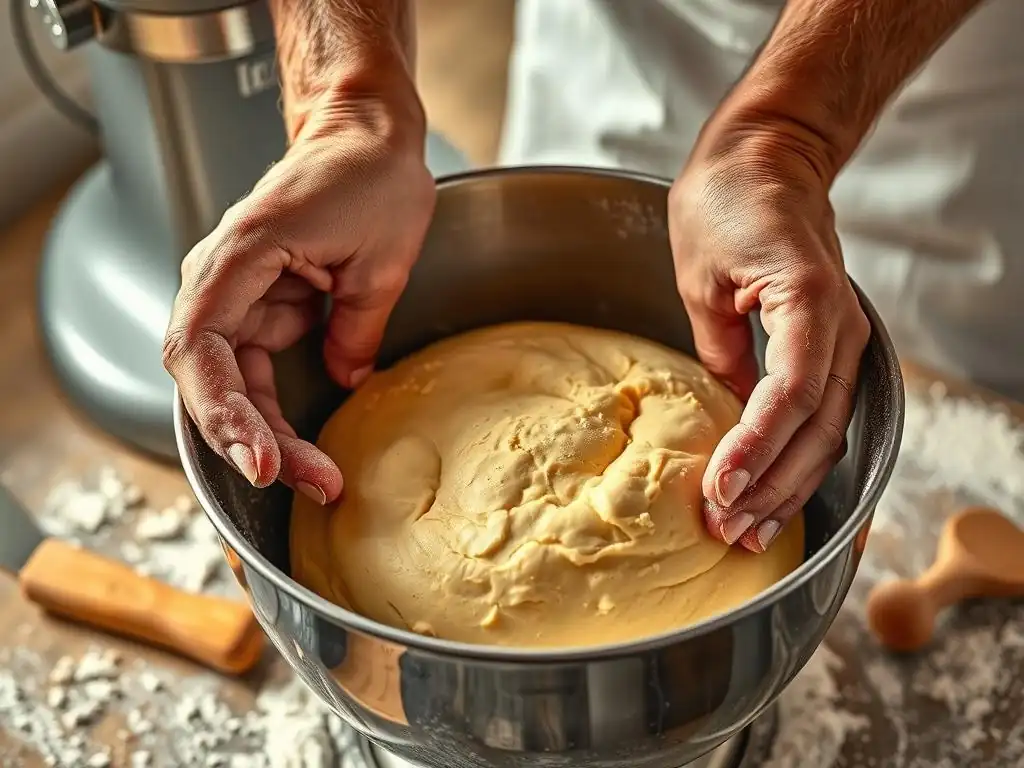
If your dough is slack, sticky, or tears easily, it might be due to insufficient mixing and gluten development. If you're kneading by hand, ensure you are kneading for the full recommended time (often 8-10 minutes) until the dough is smooth and elastic. With a stand mixer, use the dough hook on medium-low speed for the time specified in the recipe, often 6-8 minutes.
You can test for proper gluten development using the windowpane test: pull off a small piece of dough and gently stretch it. If you can stretch it thin enough to see light through it without it tearing, the gluten is well-developed. If it tears quickly, continue kneading for another minute or two and test again. Adequate gluten structure is essential for the yeast's gas production to result in a good rise, tackling a common cause of yeast problems sweet roll dough.
Optimizing the Proofing Environment: Creating the Ideal Conditions
Controlling the proofing environment is one of the most effective ways to troubleshoot a slow rise due to temperature. Find a warm spot in your kitchen, ideally between 75°F and 85°F (24°C and 29°C). Options include:
- Placing the covered dough in a slightly warm oven (turned off) with the light on.
- Using a proofing setting on your oven if available.
- Placing the bowl on top of a warm appliance, like a refrigerator or near a sunny window (ensure it's not too hot).
To add humidity, place a pan of hot water on the bottom rack of the oven while the dough proofs on a higher rack (if using the oven method). Alternatively, lightly oil the dough and the inside of the proofing bowl, then cover tightly with plastic wrap to trap moisture. A consistent, warm, and slightly humid environment significantly improves the chances of overcoming yeast problems sweet roll dough caused by temperature issues.
Sometimes, despite your best efforts, your sweet roll dough isn't cooperating. Before you give up entirely, there are a few techniques you can try to salvage dough experiencing yeast problems sweet roll dough. These methods can help correct a slow rise or deal with dough that has over-proofed.
It's important to assess the situation realistically. If your yeast was completely inactive from the start, these rescue methods might not fully compensate. However, for minor issues or slightly off timing, these tips can save your batch of sweet rolls.
Addressing a Slow Rise: Extending Proofing Time
If your dough is rising slowly but showing some signs of activity (a slight increase in volume, a few bubbles), the simplest solution is often patience. The yeast is working, just at a slower pace. This could be due to a slightly cooler room temperature, slightly cooler liquids, or yeast that wasn't quite as vigorous as expected.
Simply allow the dough more time to rise. Instead of the 60-90 minutes specified, it might take 2-3 hours, or even longer, to double in size. Check the dough periodically, perhaps every 30 minutes, until it has reached the desired volume. As long as the dough is increasing in size and doesn't smell off, extending the proofing time is often the most effective way to overcome a slow rise and resolve yeast problems sweet roll dough related to timing.
Handling Over-Proofed Dough: Punching Down and Re-Shaping
If your dough has risen too much or for too long and seems fragile, slightly collapsed, or overly acidic smelling, it is likely over-proofed. While you can't fully reverse over-proofing, you can sometimes mitigate its effects. The best course of action is to gently punch down the dough to deflate it. This redistributes the yeast, sugars, and gluten and expels excess carbon dioxide and alcohol.
After punching down, you can proceed with shaping your sweet rolls immediately. The dough might still be a bit fragile, so handle it gently. Be aware that rolls made from significantly over-proofed dough might not rise as much during the second proofing or baking and could have a slightly coarser texture or stronger flavor than intended. However, this is often preferable to discarding the entire batch due to yeast problems sweet roll dough.
Adding More Yeast: A Last Resort Solution
If your dough shows almost no signs of rise after a significant amount of time (e.g., several hours), and you've confirmed your initial yeast was inactive via a separate bloom test, you might try adding more active yeast. This is a slightly risky maneuver and works best if the dough hasn't been sitting for too long. Dissolve a fresh packet (2 1/4 tsp) of active dry yeast in 1/4 cup of warm water (105-115°F / 40-46°C) with a pinch of sugar. Let it bloom until very frothy (about 10 minutes).
Gently incorporate this activated yeast mixture into your dough. This can be tricky; you might need to knead it in carefully, which could slightly rework the gluten. Once the new yeast is incorporated, cover the dough and place it in a warm proofing environment. Monitor it closely. This method doesn't always work perfectly and can sometimes alter the dough's texture, but it's a potential way to salvage a batch facing severe yeast problems sweet roll dough due to completely inactive yeast.
Preventing Future Yeast Problems in Sweet Roll Dough
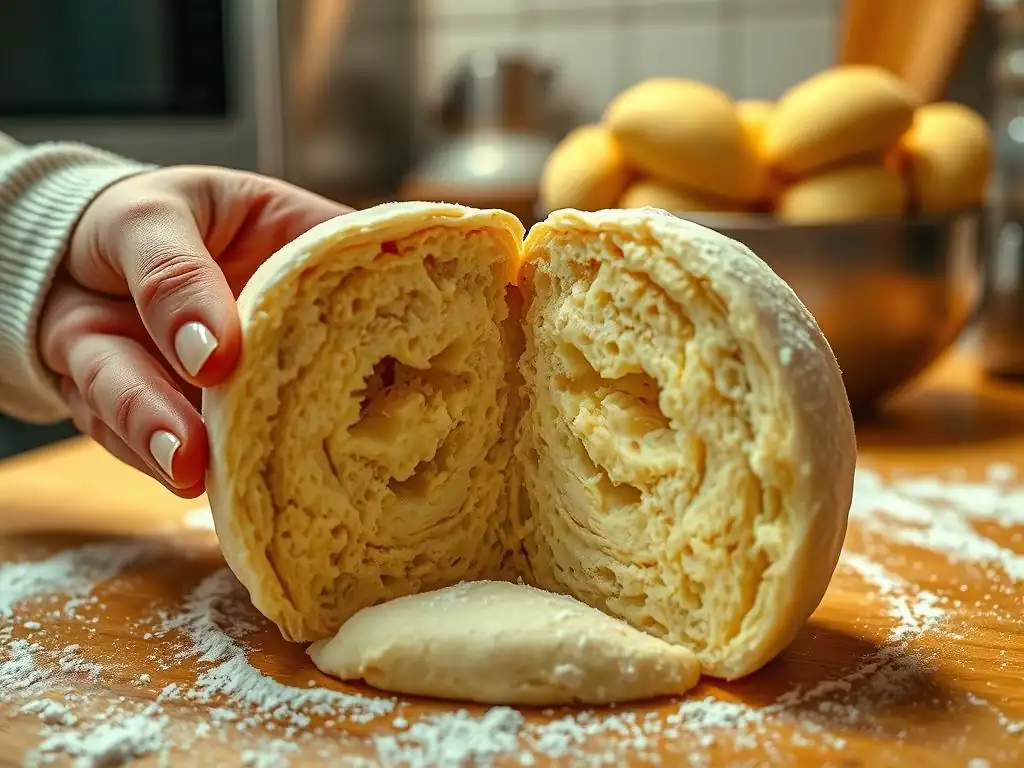
The best way to deal with yeast problems sweet roll dough is to prevent them from happening in the first place. By establishing good habits and paying attention to key details, you can significantly increase your success rate with yeasted sweet roll recipes.
Consistency, accuracy, and understanding the fundamentals of yeast behavior are your strongest allies. Incorporating these preventative measures into your baking routine will save you frustration and lead to more consistently delicious results.
Proper Yeast Storage: Maintaining Yeast Quality
How you store your yeast directly impacts its viability. Active dry and instant yeast should be stored in an airtight container away from heat and moisture. For best results after opening, store active dry yeast in the refrigerator for up to 4-6 months or in the freezer for up to a year. Instant yeast can also be stored in the freezer for up to a year after opening.
Always check the expiration date on the yeast packet before using it. While yeast can sometimes be active past its printed date, it's a gamble. Using fresh, properly stored yeast is one of the most critical steps in preventing yeast problems sweet roll dough. Consider buying yeast in smaller packets if you don't bake frequently, or store larger quantities in the freezer.
Accurate Measurement: Ensuring Consistent Results
Baking is a science, and accurate measurements are crucial, especially when working with sensitive ingredients like yeast, flour, sugar, and salt. Using measuring cups for dry ingredients can be inconsistent due to variations in how packed the ingredient is. For most reliable results, use a kitchen scale to weigh your ingredients, especially flour, which can vary by as much as 25% in weight depending on how it's measured by volume.
Measure liquids carefully using liquid measuring cups at eye level. Precise measurement of water temperature for yeast activation is also vital – use an instant-read thermometer. Avoiding approximations and using accurate measurements for all ingredients minimizes variables that could lead to yeast problems sweet roll dough.
Consistent Recipe Following: Adhering to Instructions
Read your sweet roll recipe thoroughly from start to finish before you begin. Pay close attention to details like recommended liquid temperatures, mixing times, kneading duration, and proofing instructions (temperature, time, and visual cues like "doubled in size"). Yeast dough recipes are often quite specific for a reason.
Avoid making significant substitutions, especially with flour type or the amount of sugar/salt, unless you understand how those changes will affect yeast activity and gluten development. Following a reliable recipe's instructions precisely is one of the simplest yet most effective ways to prevent yeast problems sweet roll dough.
Utilizing a Reliable Recipe: Choosing Proven Sweet Roll Recipes
Not all recipes are created equal. Some online recipes may have inaccuracies or lack sufficient detail, making them harder to execute successfully. For consistent results, choose recipes from reputable sources – established cookbooks, well-known baking blogs, or trusted baking websites like BakeWithEase.
A well-tested recipe will provide clear instructions, accurate measurements, and realistic expectations for timing and proofing. Starting with a proven recipe minimizes the chances that the recipe itself is the source of your yeast problems sweet roll dough, allowing you to focus on your technique and ingredient quality.
Advanced Techniques for Working with Yeast in Sweet Rolls
Beyond the basics of troubleshooting and prevention, understanding more about yeast can elevate your sweet roll baking. Exploring different types of yeast and their nuances can give you more control over the fermentation process, flavor, and texture of your finished sweet rolls.
These advanced techniques aren't strictly necessary for delicious rolls, but they offer insights for bakers looking to deepen their understanding and refine their craft, further minimizing those frustrating yeast problems sweet roll dough.
Using Different Types of Yeast: Instant vs. Active Dry vs. Fresh
The most common yeasts for home baking are active dry and instant (also called rapid-rise or quick-rise). Active dry yeast typically requires activation in warm liquid before use, while instant yeast can usually be mixed directly with dry ingredients, offering a faster rise. Instant yeast granules are smaller, allowing them to dissolve and activate more quickly.
Fresh yeast (also known as cake yeast) is less common in home kitchens today but favored by some professional bakers. It's sold as a moist block and needs to be crumbled and dissolved in liquid. Fresh yeast is highly perishable and requires refrigeration. It provides a slightly different flavor profile compared to dry yeasts and is known for producing a very soft crumb. Understanding the differences allows you to choose the best yeast for your desired outcome and recipe, avoiding compatibility yeast problems sweet roll dough.
Understanding Yeast Strains and their Impact on Flavor
While standard active dry and instant yeasts are strains of Saccharomyces cerevisiae, variations exist. Different yeast strains can produce slightly different flavor compounds during fermentation. Some strains might emphasize more yeasty or slightly alcoholic notes, while others might contribute more subtle aromas.
Specific products like "bread machine yeast" or "pizza crust yeast" are often instant yeasts blended with dough conditioners or enzymes to promote specific characteristics like rapid rise or crispness. While these can be used in sweet rolls, they might slightly alter the flavor or texture compared to standard yeasts. Experimenting with different brands or types can reveal subtle differences in the final taste profile, a more nuanced aspect of yeast problems sweet roll dough.
Adjusting Recipes for Different Proofing Times
Sometimes, you might want to intentionally adjust the proofing time of your sweet roll dough for convenience or flavor development. A longer, slower proof (often called a cold proof) in the refrigerator significantly slows down yeast activity. This extended fermentation develops richer, more complex flavors and often results in a dough that is easier to handle. Cold proofing can take anywhere from 8 to 48 hours, depending on the recipe and temperature.
Conversely, if you need a faster rise, using instant yeast and proofing in a slightly warmer environment (within the 75-85°F range) will speed things up. Be cautious with very warm temperatures, as they can lead to over-proofing or off-flavors. Learning how to manipulate temperature and yeast type allows you to control the fermentation process and avoid yeast problems sweet roll dough by tailoring the rise to your schedule and desired outcome.
Conclusion: Mastering Yeast for Delicious Sweet Rolls Every Time
Working with yeast can feel intimidating at first, especially when faced with dough that doesn't behave as expected. However, by understanding the fundamental needs of yeast and the common causes of yeast problems sweet roll dough, you gain the power to troubleshoot and prevent issues.
Remember the key takeaways: use fresh, active yeast; control your liquid temperatures; measure ingredients accurately; knead properly; and provide a warm, consistent proofing environment. Don't be discouraged by setbacks; every baking attempt is a learning opportunity. With practice and attention to detail, you'll master the art of working with yeast, ensuring your sweet roll dough rises beautifully every time, leading to consistently soft, fluffy, and utterly delicious sweet rolls. Happy baking!
Frequently Asked Questions
What are the most common signs of yeast problems in sweet roll dough?
The most common signs include lack of rising, a dense, gummy texture, and a sour or off-putting smell. These often indicate inactive or dead yeast.
How can I test my yeast to see if it's still good?
You can perform a simple test by mixing the yeast with warm water and sugar. If it foams within 5-10 minutes, the yeast is active. No foaming suggests it is inactive and needs replacing.
What could cause my yeast to not activate properly in my sweet roll dough?
Possible causes include using water that's too hot or too cold, using expired yeast, or adding the yeast directly to salt or fat, which can inhibit its activity.
How can I adjust my sweet roll recipe if I suspect my yeast is weak?
You can try adding a small amount of sugar to the dough to give the yeast more food. You might also need to increase the proofing time to allow for slower rising.
What type of yeast is best for sweet roll dough and how should it be stored?
Both active dry yeast and instant yeast work well for sweet rolls. Store your yeast in an airtight container in the refrigerator or freezer to extend its shelf life and maintain its potency.
Final Reflection: The Sweet Success of Troubleshooting Yeast
The seemingly simple act of baking sweet rolls hides a world of potential pitfalls, primarily stemming from unpredictable yeast behavior. A perfectly risen, golden-brown roll is a testament to understanding the subtle nuances of yeast fermentation, while a dense, flat disappointment speaks volumes about the need for careful troubleshooting. This article has explored the common culprits behind yeast failures in sweet roll dough, offering solutions to help bakers achieve consistent success.
The impact of mastering yeast extends far beyond the kitchen; it represents a journey of understanding the delicate balance of nature within a culinary context. It's a lesson in patience, observation, and the rewarding feeling of transforming simple ingredients into something delicious and comforting. As the old adage goes, Baking is a labor of love, and the reward is immeasurable.
This rings particularly true when overcoming the challenges of a temperamental yeast starter. The satisfaction of a perfectly risen batch is a testament to perseverance and a deeper appreciation for the process.
Now, consider your own baking journey. Have you experienced the frustration of a failed yeast rise? What did you learn from that experience? I encourage you to embrace the challenges, to experiment with different techniques, and to never give up on the pursuit of that perfect sweet roll. Remember the lessons learned here, and let them guide you towards the sweet success you deserve. The next time you face a yeast problem, remember you have the tools and knowledge to overcome it, leading to a future filled with delicious, perfectly risen sweet rolls.
Unlock Perfectly Fluffy Sweet Rolls!
Thanks for taking the time to troubleshoot your sweet roll dough with us! We hope you've gained valuable insights into achieving that perfect, fluffy texture. Now, let's put that knowledge into action:
- Dive deeper into our expert yeast guide: We've compiled a wealth of information on yeast types, activation, and storage – essential for consistent baking success! This will help you avoid future yeast mishaps.
- Share your sweet roll triumphs (or challenges!): Connect with our vibrant baking community on social media – let’s share tips and learn from each other’s experiences!
- Experiment with a new sweet roll recipe: Use your newfound yeast expertise to try a completely new recipe from our extensive collection.
What unique flavor combination will you create with your perfectly risen sweet rolls?