
Bake Authentic French Gougères (Cheese Puffs) with Ease

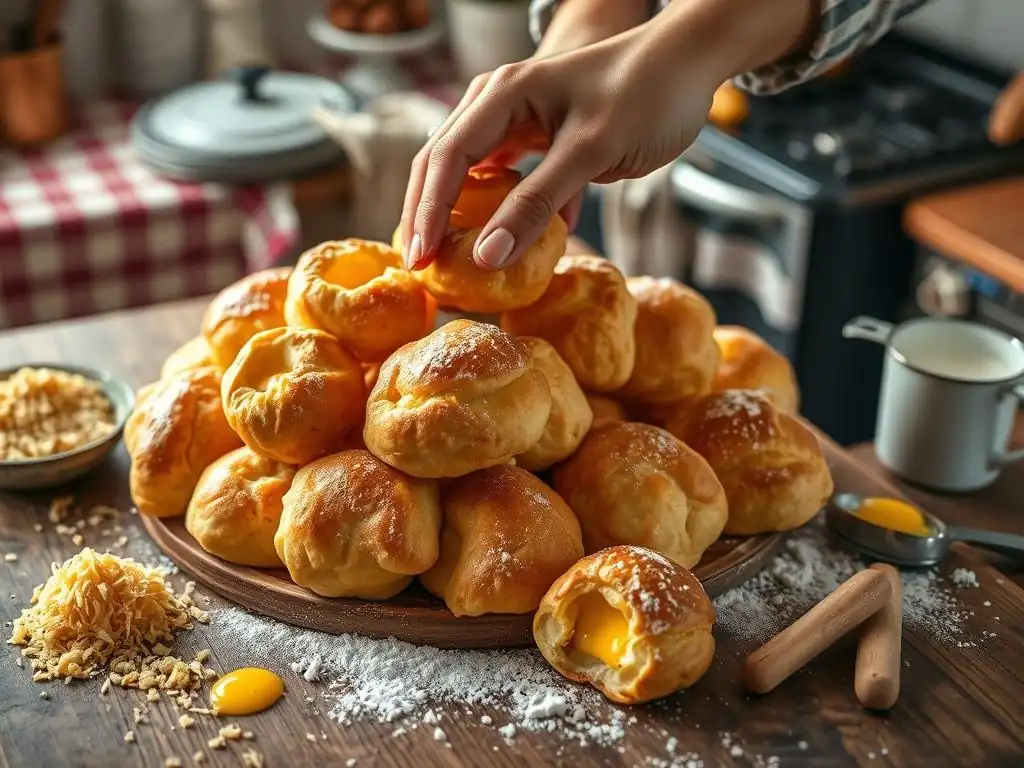
Welcome to BakeWithEase, where the magic of baking comes to life! Ever dreamt of creating delicate, cheesy clouds that transport you straight to a Parisian patisserie? Prepare to be amazed! Our Easy French gougères recipe unlocks the secrets to these irresistible cheese puffs, even if you've never baked a day in your life. Intrigued? Let's embark on a delectable journey into the world of regional baking and discover how simple it is to create authentic French delicacies. Ready to get baking?
- Mastering Gruyère Gougères: A Classic French Cheese Puff Recipe
- Understanding Gougères: The Quintessential French Apéritif
- Gruyère Gougères Recipe: A Detailed Step-by-Step Guide
- Tips and Tricks for Perfect Gruyère Gougères
- Serving Suggestions and Flavor Combinations
- More French Baking Recipes
- Conclusion: Enjoy Your Homemade Gruyère Gougères
- Frequently Asked Questions
- Final Reflection: The Enduring Allure of Effortless Elegance
- Unlock Your Inner Pâtissier: Master the Art of Gougères!
Mastering Gruyère Gougères: A Classic French Cheese Puff Recipe
Understanding Gougères: The Quintessential French Apéritif
What are Gougères? Exploring the Savory Cheese Puff
Gougères are delightful, savory cheese puffs originating from the Burgundy region of France. They are made from pâte à choux, the same dough used for éclairs and profiteroles, but with the addition of cheese, typically Gruyère. When baked, the dough puffs up dramatically, leaving a hollow interior and a wonderfully crisp exterior.
These light, airy pastries are a staple at French apéritifs (pre-dinner drinks) and celebrations, offering a burst of cheesy flavor in a delicate package. The ease with which these simple ingredients transform into something so elegant makes finding an easy French gougères recipe highly sought after by home bakers looking to impress.
Historically, gougères were simple affairs, often made with local cheeses. Their popularity grew beyond Burgundy, becoming a beloved classic across France and eventually worldwide. A key characteristic is their versatility; while Gruyère is traditional, variations using Comté, Emmental, or even cheddar are common. The light texture and rich, savory taste make them perfect on their own or served alongside charcuterie, salads, or soups. Mastering an easy French gougères recipe opens up a world of delicious possibilities for entertaining or simply enjoying a taste of France at home.
Why This Gruyère Gougères Recipe is Ideal for Home Bakers
This specific easy French gougères recipe is designed with the home baker in mind, breaking down the classic technique into manageable steps. We focus on clear instructions for creating the pâte à choux, which is often perceived as tricky, but becomes straightforward with precise guidance. By using common kitchen equipment and readily available ingredients, you can achieve impressive results without needing specialized skills or tools. Our goal is to demystify the process, making these elegant cheese puffs accessible and enjoyable to bake, even if you're new to French pastries.
Furthermore, this easy French gougères recipe emphasizes understanding the 'why' behind each step, from heating the milk and butter correctly to incorporating the eggs gradually. This foundational knowledge builds confidence and helps bakers troubleshoot potential issues, transforming what might seem daunting into a rewarding experience. The focus on Gruyère provides that authentic, nutty, slightly sweet flavor profile that defines classic gougères, ensuring your homemade batch tastes just like those from a French boulangerie. Get ready to discover how easy it is to bake these delightful cheese puffs!
Gruyère Gougères Recipe: A Detailed Step-by-Step Guide
Ingredients for Authentic Gruyère Cheese Puffs
Key Ingredients for Optimal Flavor
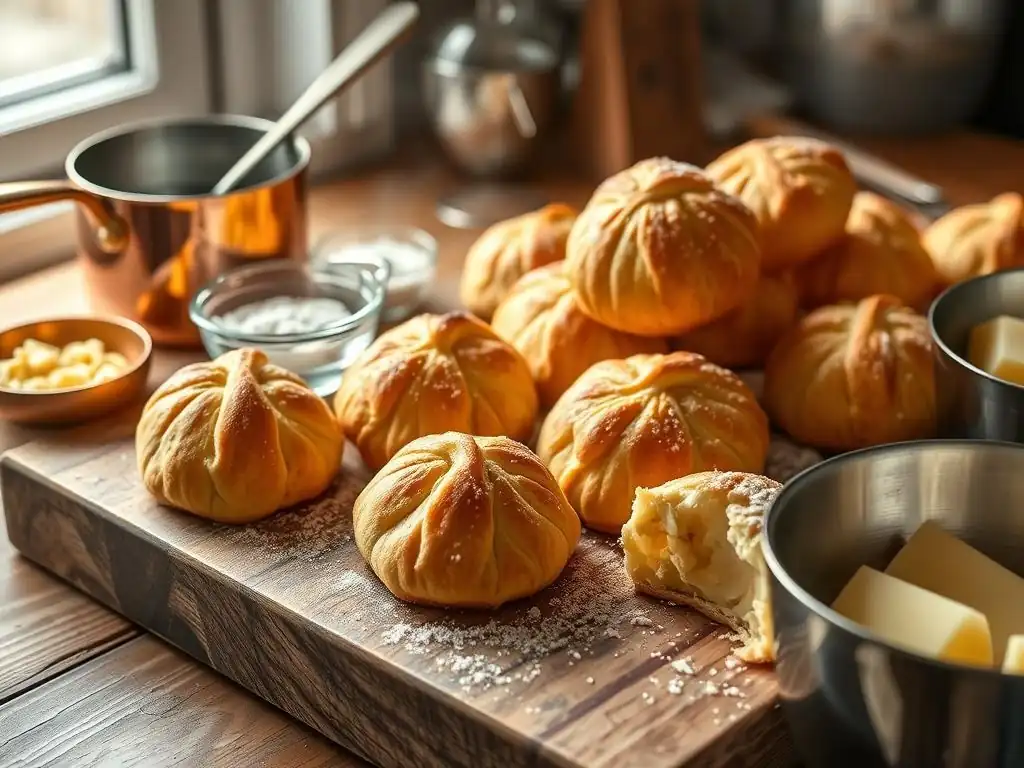
To bake truly authentic and flavorful easy French gougères, you'll need a few core ingredients. The foundation is the pâte à choux, which requires: 1 cup water or milk (or a mix), 1/2 cup unsalted butter (about 1 stick), 1 teaspoon salt, 1/4 teaspoon sugar (optional, helps with browning), 1 cup all-purpose flour, and 4 large eggs. The star, of course, is the cheese: approximately 1.5 to 2 cups of finely grated Gruyère cheese.
Using a good quality, aged Gruyère makes a significant difference in the final flavor. Freshly grated cheese is always better than pre-shredded, as it melts more smoothly and integrates better into the dough.
The quality of your butter and eggs also plays a role. Unsalted butter allows you to control the saltiness, crucial when adding cheese. Large eggs provide the necessary structure and lift for the puffs. Ensure your eggs are at room temperature; this helps them emulsify more easily into the warm dough. For the most authentic taste in your easy French gougères recipe, stick to these key ingredients and measure them accurately.
Ingredient Variations
While Gruyère is traditional for this easy French gougères recipe, you can certainly experiment with other cheeses or additions. A popular variation uses Comté cheese, which has a similar nutty profile to Gruyère but can be slightly milder or sweeter depending on its age. Emmental is another good choice, offering larger holes and a mild, nutty flavor. For a sharper taste, try adding a portion of aged cheddar, perhaps mixing 1 cup of Gruyère with 1/2 cup of sharp cheddar.
Beyond cheese, you can incorporate finely chopped fresh herbs like chives, parsley, or thyme for added freshness – perhaps 1-2 tablespoons mixed in with the cheese. For a touch of spice, a pinch of cayenne pepper or black pepper is common. Some recipes even include a small amount of Dijon mustard for tang. Remember that adding too much extra moisture or solid ingredients can affect the puffing, so start with small quantities when experimenting with your easy French gougères recipe variations.
Equipment Needed
To successfully bake this easy French gougères recipe, you'll need a few standard kitchen items. A medium-sized heavy-bottomed saucepan is essential for making the pâte à choux on the stovetop. You'll also need a sturdy wooden spoon or heatproof spatula for mixing the dough. For incorporating the eggs, a stand mixer with a paddle attachment is ideal, but you can absolutely do this by hand with vigorous stirring – just be prepared for an arm workout!
Other necessary equipment includes a fine grater for the cheese, parchment paper or silicone baking mats to line your baking sheets (this prevents sticking), and two large baking sheets. To shape the gougères, you can use two spoons to dollop the dough, or for more uniform puffs, a piping bag fitted with a large plain or star tip. A kitchen scale is highly recommended for precise ingredient measurements, especially for the flour and butter, which contributes significantly to the success of your easy French gougères recipe.
Step 1: Preparing the Pâte à Choux (Choux Pastry)
The Importance of Precise Measurements in Choux Pastry
Creating a successful pâte à choux, the foundation of your easy French gougères recipe, relies heavily on precise measurements. Unlike some doughs where a little extra flour or liquid might be forgiving, choux pastry requires a specific balance of moisture, fat, and flour to achieve the correct consistency for puffing. If there's too much liquid, the dough will be too loose and won't hold its shape; too much flour, and it will be stiff and dense, preventing proper steam expansion during baking.
Using a kitchen scale to measure flour and butter by weight (grams) is significantly more accurate than using volume cups, as flour can compact differently. For instance, 1 cup of all-purpose flour can weigh anywhere from 120g to 140g depending on how it's scooped. Aiming for approximately 125-130g per cup is a good rule of thumb if using volume, but weighing is best.
The initial step involves heating the liquid (water or milk) and butter together with salt and sugar until the butter is melted and the mixture comes to a rolling boil. At this point, you add all the flour at once and stir vigorously. This cooks the flour, gelatinizing the starches, which is crucial for absorbing the liquid and creating a smooth dough that pulls away from the sides of the pan.
This cooking step, often called "drying out the dough," should last for about 1-2 minutes over medium heat, ensuring excess moisture evaporates. A properly dried dough is key to an easy French gougères recipe that puffs beautifully.
How to Avoid Common Choux Pastry Mistakes
Several common pitfalls can derail your pâte à choux and, consequently, your easy French gougères recipe. One frequent error is not cooking the flour-butter mixture long enough after adding the flour. As mentioned, this step is vital for drying out the dough and developing the structure. If the dough isn't cooked sufficiently, it will be too wet, leading to flat gougères. Cook it for at least 1-2 minutes, stirring constantly over medium heat until a film forms on the bottom of the pan.
Another critical mistake is adding the eggs when the dough is too hot. If the dough is still steaming or very warm, the eggs will scramble, resulting in a lumpy, unusable mess. After cooking the flour, transfer the dough to a mixing bowl or stand mixer and let it cool for 5-10 minutes, or until it's warm but not hot to the touch. Then, add the eggs one at a time, ensuring each egg is fully incorporated before adding the next.
The dough should become smooth, glossy, and fall from the spoon or paddle in a thick "v" shape. If it's too stiff, you might need a partial fifth egg, but add it cautiously. Getting the egg consistency right is paramount for a successful easy French gougères recipe.
Step 2: Incorporating the Gruyère and Nutmeg
Choosing High-Quality Gruyère
The choice of cheese is paramount in an easy French gougères recipe, and high-quality Gruyère is the classic for a reason. Authentic Gruyère, hailing from Switzerland near the French border, is a hard, raw cow's milk cheese known for its complex flavor profile: nutty, slightly sweet, and earthy, with varying degrees of pungency depending on age. Look for Gruyère AOP (Appellation d'Origine Protégée) to ensure authenticity and quality.
Avoid pre-shredded cheeses if possible, as they often contain anti-caking agents that can affect texture and flavor. Buying a block and grating it yourself ensures the purest cheese flavor and best melting properties.
Approximately 1.5 to 2 cups of finely grated Gruyère is typically incorporated into the pâte à choux. This amount provides a significant cheesy punch without making the dough too heavy. The cheese is usually stirred in after the eggs have been fully incorporated into the cooled choux dough. The residual warmth of the dough helps the cheese melt slightly, distributing its flavor evenly throughout the mixture. Don't skimp on the cheese; it's what transforms simple choux pastry into delicious easy French gougères.
Adding Nutmeg for Enhanced Flavor
A traditional, though sometimes debated, addition to an easy French gougères recipe is a pinch of freshly grated nutmeg. Nutmeg's warm, slightly sweet, and aromatic profile surprisingly complements the rich, nutty flavor of Gruyère cheese beautifully. It adds an subtle layer of complexity that elevates the simple cheese puff. While not strictly essential, a small amount – perhaps 1/4 to 1/2 teaspoon of freshly grated nutmeg – can make a noticeable difference in the finished product.
The nutmeg is typically added along with the grated cheese, stirred into the warm pâte à choux until fully combined. Be sure to use freshly grated nutmeg from a whole nutmeg kernel for the best flavor; pre-ground nutmeg loses its potency quickly. This small addition is one of those classic French baking secrets that takes an easy French gougères recipe from good to truly exceptional, providing that authentic depth of flavor.
Step 3: Shaping and Baking the Gougères
Techniques for Uniform Cheese Puffs
Achieving uniform size and shape for your easy French gougères is important for even baking and an appealing presentation. The simplest method is to use two spoons to scoop and drop mounds of dough onto the prepared baking sheets, leaving about 1-2 inches between each puff to allow for expansion. Aim for mounds roughly 1.5 to 2 inches in diameter.
For a more consistent and professional look, use a piping bag fitted with a large round tip (about 1/2 inch or 1 cm diameter) or a large open star tip. Pipe rounds or rosettes of dough onto the baking sheet. Piping ensures each gougère is roughly the same size, which is crucial for them to finish baking at the same time. If using a piping bag, twist the end securely and hold it vertically when piping to create neat shapes for your easy French gougères.
Baking Time and Temperature for Golden Gougères
Baking is perhaps the most critical step in ensuring your easy French gougères recipe results in perfectly puffed, crispy delights. They require a relatively high initial temperature to create a burst of steam that causes them to rise rapidly. Preheat your oven to 425°F (220°C). Once the gougères are placed in the oven, immediately reduce the temperature to 375°F (190°C). This initial high heat provides the necessary lift, and the lower temperature allows them to bake through and crisp up without burning.
Bake the gougères for approximately 20-30 minutes. The exact time will vary depending on their size and your oven. They are done when they are significantly puffed, golden brown all over, and feel light when lifted.
Resist the urge to open the oven door during the first 15-20 minutes, as this can cause them to collapse. For extra crispness, some bakers turn off the oven after they are golden brown and leave them inside for another 5-10 minutes with the door slightly ajar. A properly baked easy French gougères recipe yields puffs that hold their shape and are hollow inside.
Step 4: Cooling and Serving Your Homemade Gougères
Once your easy French gougères recipe has yielded a batch of golden, puffed cheese delights, the next step is cooling. While they are best served warm, they shouldn't be eaten straight from the oven when they are still very fragile. Carefully transfer the baked gougères from the baking sheet to a wire cooling rack immediately. This allows air to circulate around them, preventing the bottoms from becoming soggy and helping them maintain their crisp exterior.
Let them cool on the rack for just a few minutes, perhaps 5-10 minutes, until they are cool enough to handle but still warm. Gougères are traditionally served warm, as the cheese flavor is most pronounced and the texture is at its peak – crispy outside, tender and hollow inside. Serve them promptly after cooling for the best experience. Enjoying your warm, homemade easy French gougères is the delicious culmination of your baking efforts!
Tips and Tricks for Perfect Gruyère Gougères
Achieving the Ideal Gougères Texture: Crispy Outside, Hollow Inside
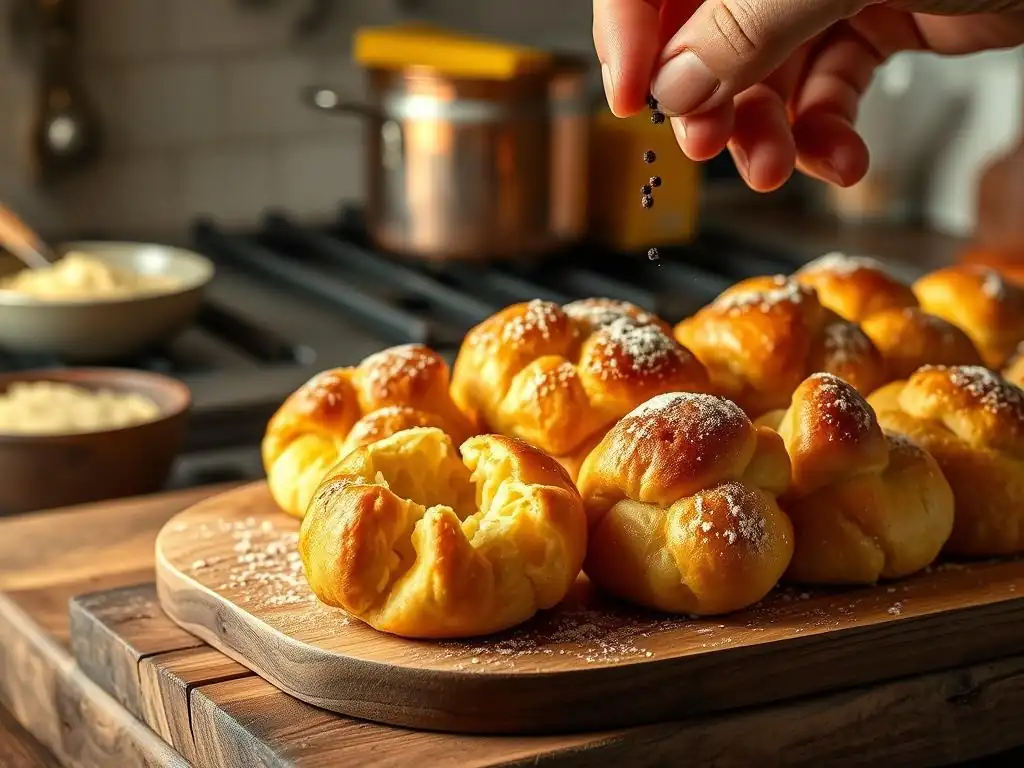
The hallmark of a perfect easy French gougères recipe is the contrast in texture: a wonderfully crisp, golden exterior giving way to a large, hollow interior. This is achieved through a combination of proper pâte à choux technique and correct baking. The initial cooking of the flour mixture on the stove dries out the dough, creating a stable structure. Adding the eggs incorporates moisture and leavening.
During baking, the high initial heat creates a burst of steam from the moisture in the dough, which forces the pastry to puff up. As it bakes at a lower temperature, the structure sets, and the moisture evaporates from the center, leaving it hollow. Baking until they are deeply golden brown and feel light ensures the exterior is fully dried out and crispy. If they are removed too early, they may collapse or have a damp interior. Trust the visual cues: really golden brown is key for that satisfying crunch in your easy French gougères recipe.
Troubleshooting Common Gougères Problems
Gougères Not Puffing Up? Here's Why
If your easy French gougères recipe resulted in flat discs rather than airy puffs, several factors could be the culprit. The most common reason is the pâte à choux dough being too wet. This can happen if the flour mixture wasn't cooked long enough on the stovetop to dry it out sufficiently (remember that 1-2 minute cooking time until a film forms).
Another cause of wet dough is adding too many eggs or eggs that are too large relative to the other ingredients. The dough should be shiny and smooth, but still thick enough to hold its shape when scooped or piped.
Another potential issue is opening the oven door too early during baking. The structure of the gougères is very fragile in the first 15-20 minutes as the steam is working to lift them. A sudden drop in temperature from opening the door can cause them to deflate. Ensure your oven is accurately preheated and maintain the temperature throughout baking. Using a good quality oven thermometer can help verify your oven's temperature. Getting the puff right is crucial for an easy French gougères recipe success.
Gougères are Flat or Soggy? Learn How to Fix It!
Flatness and sogginess often go hand-in-hand and are usually due to insufficient baking. If your easy French gougères recipe yields puffs that look good initially but deflate upon cooling or have a damp, heavy interior, they likely needed more time in the oven. They should be baked until they are not just golden, but deeply golden brown all over, including the sides. This ensures the structure is fully set and the interior moisture has evaporated.
To fix sogginess or prevent deflation, ensure you are baking at the correct temperature sequence (high initial heat, then lower). Always bake until they are visibly well-browned and feel light. If you're unsure, you can sacrifice one puff by breaking it open – it should be largely hollow inside with a thin crust. If it's still wet or doughy in the center, they need more baking time. For future batches of your easy French gougères recipe, try adding a few extra minutes to the baking time until you achieve that perfect crispness.
Making Gougères Ahead of Time: Storage and Reheating
While best served fresh, you can make your easy French gougères recipe ahead of time. There are two main ways to do this: storing baked gougères or storing unbaked dough. Fully baked and cooled gougères can be stored at room temperature in an airtight container for a day or two, but they will lose their crispness. For longer storage, place the cooled gougères in a freezer-safe bag or container and freeze for up to 1-2 months.
To reheat baked gougères (fresh or frozen), preheat your oven to 325°F (160°C). Place the gougères on a baking sheet and bake for 5-10 minutes (longer for frozen) until they are warmed through and the exterior has re-crisped. Alternatively, you can pipe the pâte à choux and freeze the unbaked gougères on a baking sheet until solid, then transfer them to a freezer bag.
To bake from frozen, place the frozen gougères on a parchment-lined baking sheet and bake at the standard temperature (425°F reduced to 375°F), adding about 5-10 minutes to the total baking time. This allows you to have fresh-baked easy French gougères ready whenever you like!
Serving Suggestions and Flavor Combinations
Pairing Your Gougères with Wine and Charcuterie
Easy French gougères are the quintessential apéritif snack, and they pair beautifully with beverages and small bites. Their rich, cheesy flavor and light texture make them a natural match for crisp, dry white wines. Think about a dry sparkling wine like Champagne or Crémant, which cuts through the richness. Still white wines such as a unoaked Chardonnay, Sauvignon Blanc, or a white Burgundy (like a Mâcon-Villages) also work wonderfully. For red wine lovers, a light-bodied, fruity red like a Beaujolais or Pinot Noir can be a delightful pairing.
Serving your easy French gougères alongside a selection of charcuterie is a classic French presentation. Offer cured meats like prosciutto, saucisson, or speck. Add some olives, cornichons (small pickles), and perhaps some grapes or fig preserves. The combination of savory cheese puffs with salty meats and tangy accompaniments creates a delightful array of flavors and textures, perfect for entertaining guests with your easy French gougères recipe.
Creative Gougères Variations: Explore Different Cheeses and Fillings
While Gruyère is traditional, the versatility of the easy French gougères recipe allows for creative variations. Experiment with different types of cheese or add various fillings. For instance, try using a mix of cheeses, perhaps half Gruyère and half aged cheddar for a sharper, more familiar flavor. A blend of Gruyère and Parmesan can add a salty, umami depth. Smoked Gouda or Provolone can also offer interesting twists.
Beyond cheese, you can incorporate other ingredients directly into the dough or use the hollow centers as a vessel for fillings.
Adding Ham or Herbs to your Gougères
A popular savory variation of the easy French gougères recipe involves adding finely diced ham or fresh herbs to the cheese mixture. For ham, use about 1/4 to 1/2 cup of finely diced cooked ham or prosciutto, stirred into the dough along with the cheese. This adds a salty, meaty element that complements the cheese perfectly.
For herbs, finely chop fresh chives, parsley, thyme, or rosemary – perhaps 1-2 tablespoons total. Mix them into the dough with the cheese. Chive gougères are particularly popular, offering a fresh, oniony bite. These additions enhance the flavor profile and add visual appeal to your easy French gougères recipe.
Making Garlic Gougères with Roasted Garlic
For garlic lovers, adding roasted garlic is a fantastic way to infuse your easy French gougères recipe with deep, sweet garlic flavor. Roast a head of garlic until soft and caramelized (usually wrapped in foil with a drizzle of olive oil in a 400°F/200°C oven for 40-60 minutes). Squeeze the soft cloves from the peel and mash them into a paste. Add about 1-2 tablespoons of this roasted garlic paste to the pâte à choux along with the cheese and nutmeg.
The roasted garlic provides a mellow, sweet flavor that pairs beautifully with the Gruyère, creating a sophisticated twist on the classic. This variation demonstrates how easily the basic easy French gougères recipe can be adapted to suit different tastes.
More French Baking Recipes
Conclusion: Enjoy Your Homemade Gruyère Gougères
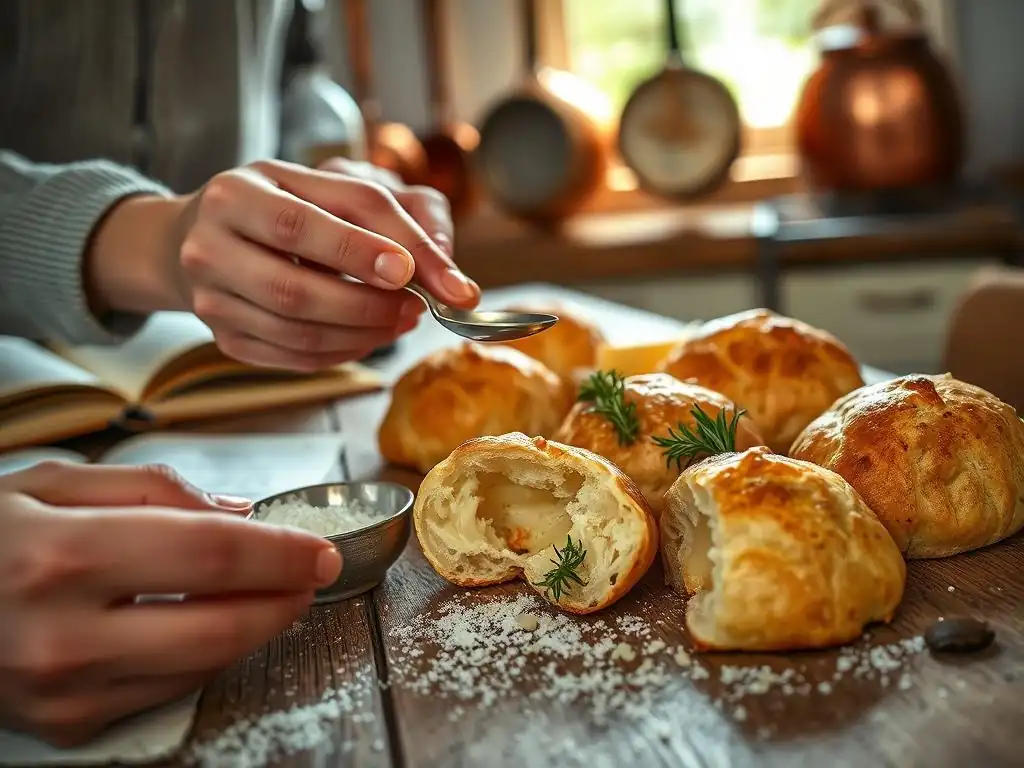
Baking authentic French gougères might seem intimidating at first glance, but as this easy French gougères recipe demonstrates, it's a rewarding and achievable task for any home baker. By following the detailed steps, paying attention to key techniques like properly cooking the pâte à choux and ensuring correct baking temperatures, you can consistently create these delightful cheese puffs. The combination of simple ingredients, a little technique, and the magic of steam creates a pastry that is both elegant and incredibly satisfying.
We hope this guide empowers you to try your hand at this classic French treat. Whether you stick to the traditional Gruyère or venture into exciting variations, the process of making your own easy French gougères is a truly enjoyable experience. They are perfect for entertaining, a special snack, or simply enjoying a little taste of France. So go ahead, gather your ingredients, and bake a batch of these wonderful cheese puffs. Bon appétit!
Frequently Asked Questions
What exactly are gougères, and why should I try this recipe?
Gougères are savory French cheese puffs made from pâte à choux dough. This recipe from BakeWithEase.com makes them easy to bake at home, even for beginners.
What makes this gougères recipe "easy" compared to others?
This recipe emphasizes simple, step-by-step instructions and uses easily accessible ingredients. BakeWithEase.com focuses on making baking approachable for all skill levels.
What kind of cheese works best in gougères?
While Gruyère is traditional, this recipe allows for flexibility in cheese choice. You can use any hard, flavorful cheese that melts well, like cheddar or Parmesan.
Can I make the pâte à choux dough ahead of time?
Yes, you can prepare the pâte à choux dough in advance. Store it in the refrigerator for up to 24 hours before baking.
Are there any tips for getting perfectly puffed gougères?
Ensure your oven is fully preheated and avoid opening the oven door during baking. This helps to create the steam needed for the puffs to rise.
Final Reflection: The Enduring Allure of Effortless Elegance
Mastering the art of French gougères doesn't have to be a daunting task; it's a testament to the fact that simple recipes can yield extraordinary results. This article aimed to demystify the process, proving that even seemingly complex pastries can be achieved with accessible techniques and readily available ingredients. The ease with which you can now create these delicate, cheesy puffs at home speaks to the power of accessible recipes and the joy of sharing culinary traditions.
The enduring appeal of gougères lies not just in their delicious taste, but in their ability to elevate any occasion. They represent a touch of French elegance, a sophisticated yet approachable treat that transcends mere sustenance. They're a conversation starter, a delightful addition to a party spread, or a comforting indulgence enjoyed on a quiet evening. As Julia Child once said, Find something you're passionate about and keep tremendously interested in it.
For me, that passion lies in sharing the joy of creating beautiful and delicious food, and gougères are a perfect embodiment of that.
Now, I invite you to embrace the simplicity and elegance of this recipe. Don't be intimidated by the seemingly complex nature of French pastries. Experiment with different cheeses, perhaps adding herbs or spices to personalize your gougères. Most importantly, enjoy the process, savor the aroma of baking cheese, and share the delightful results with those you love. The journey of creating these little puffs is as rewarding as the taste itself – a testament to the power of culinary exploration and the enduring magic of a perfectly executed recipe.
Unlock Your Inner Pâtissier: Master the Art of Gougères!
Thanks for taking the time to explore the delightful world of French gougères with us! We hope you’ve gained the confidence to tackle this classic recipe. Now it's time to put your newfound skills to the test.
- Bake a batch of gougères today! Use the recipe as a springboard—experiment with different cheeses, herbs, or even add some spice. Let your creativity flow!
- Share your gougère creations with friends and family, and don’t forget to brag about your baking skills!
- Join our baking community on social media to share tips, tricks, and photos of your amazing gougères. Let’s inspire each other!
What unique twist will you add to your next batch of gougères? Let us know in the comments below!