
GlutenFree SliceandBake: Your Easy Introduction

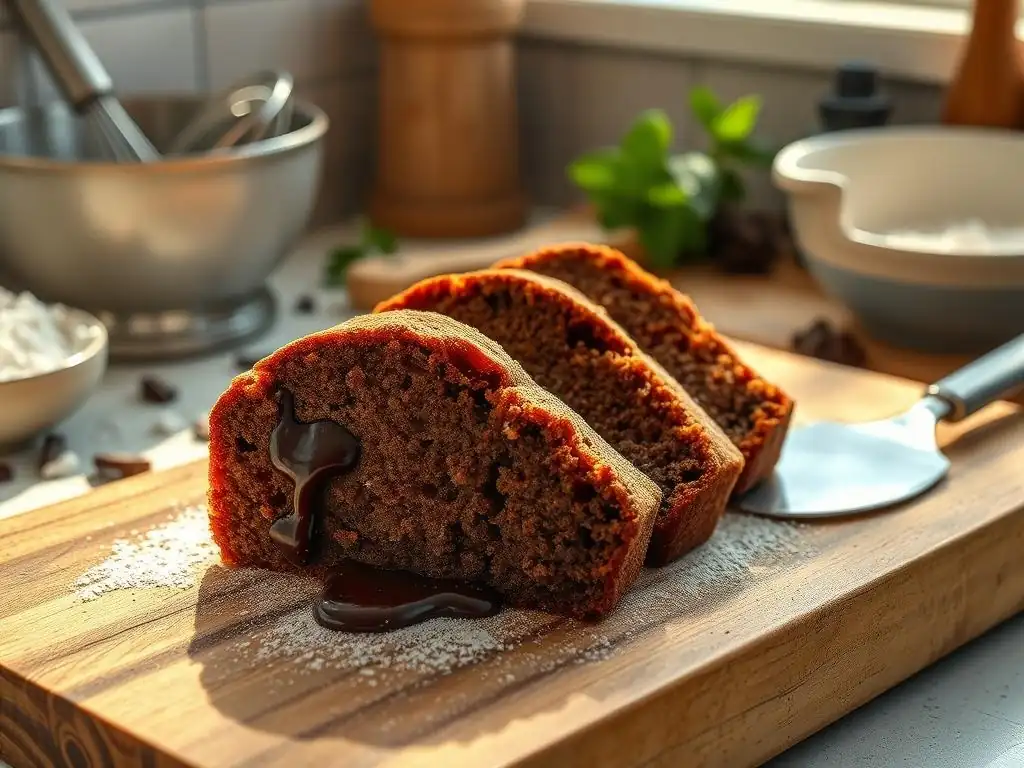
Welcome to BakeWithEase, your trusted companion on a delicious baking journey!
Ever dreamed of effortlessly creating a decadent, gluten-free chocolate cake that's both impressive and surprisingly simple? SliceandBake makes that dream a reality! Explore our beginner-friendly recipe below, designed to banish baking anxieties and unlock your inner pastry chef. Intrigued? Let's get started and discover how easy gluten-free baking can truly be!
- Almond Flour Slice and Bake Cookies: An Easy Gluten-Free Treat
- Bake It Gluten-Free Presents: Simple Almond Flour Cookies
- What are Almond Flour Slice and Bake Cookies?
- Essential Ingredients for Almond Flour Baking
- Simple Almond Flour Slice and Bake Cookie Recipe (Beginner-Friendly)
- Tips for Perfect Almond Flour Slice and Bake Cookies
- Storing Your Almond Flour Slice and Bake Cookies
- Troubleshooting Common Almond Flour Baking Issues
- Expanding Your Gluten-Free Baking Repertoire
- Conclusion: Enjoying Easy Almond Flour Baking
-
Frequently Asked Questions
- How difficult is this Gluten-Free Slice and Bake Chocolate Cake recipe for a beginner baker?
- What are the key ingredients needed for this Gluten-Free Slice and Bake Chocolate Cake?
- Can I substitute any ingredients in the Gluten-Free Slice and Bake Chocolate Cake recipe, and if so, what are some recommended substitutions?
- How does the Slice and Bake method simplify the gluten-free chocolate cake baking process?
- Where can I find the full Gluten-Free Slice and Bake Chocolate Cake recipe and other baking tips?
- Final Reflection: The Sweetness of Inclusion, One Gluten-Free Slice at a Time
- Unleash Your Inner Gluten-Free Baker!
This guide introduces the simplicity of almond flour slice and bake cookies, perfect for quick gluten-free baking. These delightful treats offer a straightforward path into the world of gluten-free desserts, proving that baking without traditional flour can be both easy and incredibly rewarding. Whether you're new to baking or looking for a hassle-free gluten-free option, this recipe provides a reliable starting point.
Slice and bake cookies are a fantastic invention for busy bakers or those just starting out. The process involves preparing a dough, shaping it into a log or logs, chilling it until firm, and then simply slicing off rounds to bake as needed. This method significantly cuts down on prep time before baking, allowing you to have freshly baked cookies ready in minutes, rather than needing to scoop and shape each one individually right before baking.
The true convenience lies in the make-ahead aspect. You can prepare the dough logs days in advance, keeping them in the refrigerator, or even freeze them for several weeks. This means you're always just a few minutes away from warm, homemade cookies, perfect for unexpected guests or a sudden craving. It's a technique that simplifies baking and makes it accessible to everyone, regardless of their schedule or prior baking experience.
Why Choose Almond Flour? Benefits and Considerations
Almond flour is a popular gluten-free alternative made from ground sweet almonds. It offers several benefits that make it excellent for baking, especially cookies. Unlike many gluten-free flour blends, almond flour provides a rich, slightly nutty flavor and contributes to a tender, moist crumb texture in baked goods. It's also packed with nutrients like Vitamin E, magnesium, and fiber, offering a bit more nutritional value than traditional refined flours.
While almond flour is a fantastic option for gluten-free baking, there are a few considerations. It behaves differently than wheat flour; it doesn't contain gluten, which provides structure, so recipes often require adjustments in binders or fats. Also, almond flour can be more expensive than wheat flour, costing roughly two to three times more per pound depending on the brand and grind. Finally, it's an allergen for those with nut sensitivities, so it's essential to be mindful of who you are baking for.
Essential Ingredients for Almond Flour Baking
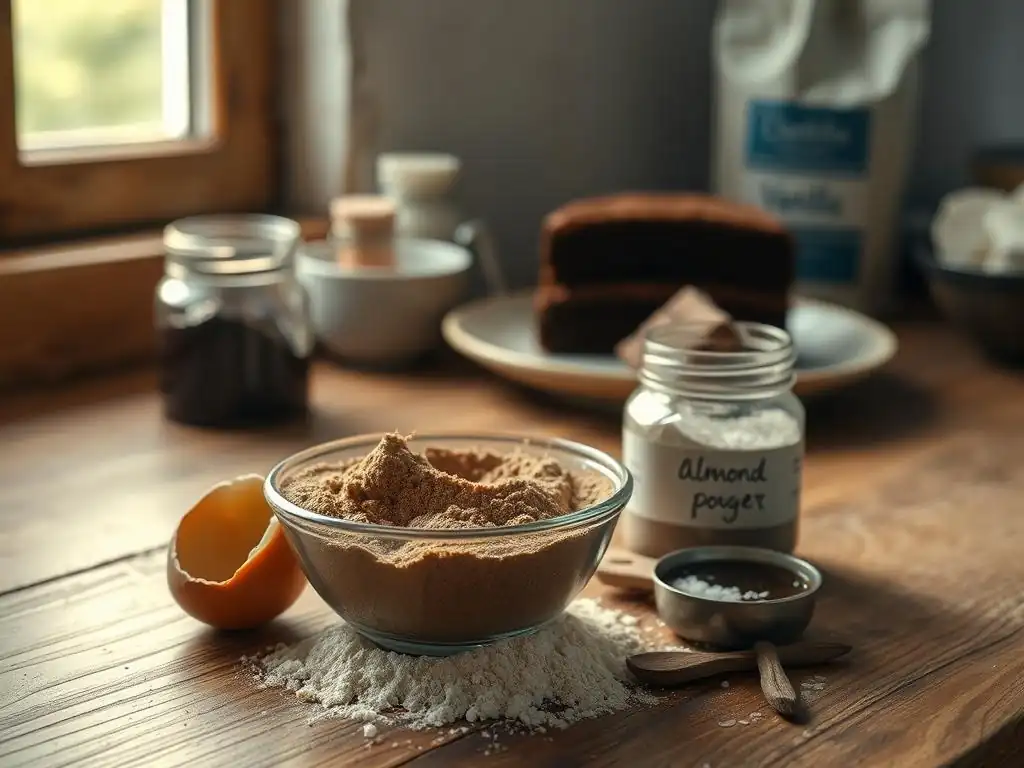
Key Ingredients: Almond Flour, Butter, and Sweetener
The foundation of most almond flour baked goods, including these simple slice and bake cookies, rests on three core ingredients: almond flour, butter, and a sweetener. Finely ground almond flour is generally preferred for cookies as it yields a smoother texture compared to almond meal, which includes the skins and is coarser. A typical cookie recipe might call for around 1 ¾ to 2 cups of finely ground almond flour.
Unsalted butter is crucial for providing richness and helping to bind the dough together. Using unsalted butter allows you to control the salt level in the recipe. It's often used cold and cut into pieces, especially in slice and bake recipes, to help maintain the dough's structure during slicing and baking. For sweeteners, granulated sugar is common, but you can also experiment with alternatives like coconut sugar or a sugar substitute, though this may affect texture and moisture.
Other Necessary Ingredients: Vanilla Extract, Salt
Beyond the main components, vanilla extract and salt play vital supporting roles in enhancing the flavor of your almond flour slice and bake cookies. Pure vanilla extract adds a warm, aromatic depth that complements the nutty flavor of the almond flour beautifully. Just a teaspoon or two can make a significant difference in the overall taste profile of the cookie.
Salt, often just a quarter or half teaspoon, is essential for balancing the sweetness and bringing out the other flavors in the cookie. It prevents the cookies from tasting flat and enhances the richness of the butter and almond flour. Using fine sea salt or table salt works well, ensuring it dissolves evenly into the dough during mixing.
This recipe for Vanilla Almond Slice and Bake Cookies is designed for simplicity and delicious results, even for novice bakers. It requires minimal equipment and steps, focusing on creating a versatile dough that can be easily prepared ahead of time. The resulting cookies are tender, with a delicate almond flavor and a satisfying crisp edge.
The core process involves creaming together butter and sugar, incorporating almond flour and flavorings, shaping the dough into logs, chilling them, and then slicing and baking. It's a forgiving recipe that allows for minor adjustments and additions, making it perfect for building confidence in gluten-free baking.
Step-by-Step Instructions for Easy Baking
Here is a simple guide to making your own batch of these easy almond flour cookies:
Step 1: Mixing the Almond Flour Cookie Dough
- [ ] In a medium bowl, whisk together the almond flour and salt. Set aside.
- [ ] In a large bowl, cream together
1 cup (2 sticks)of cold, unsalted butter (cut into cubes) with¾ cupgranulated sugar until just combined – do not overmix. - [ ] Beat in
1 teaspoonof vanilla extract. - [ ] Gradually add the dry ingredients to the wet ingredients, mixing on low speed or by hand until a dough just forms. Be careful not to overwork the dough.
This initial mixing ensures all ingredients are incorporated without developing toughness, which isn't typically an issue with almond flour but good practice. Using cold butter helps maintain the dough's structure.
Step 2: Forming the Cookie Dough Log
- [ ] Divide the dough into two equal portions.
- [ ] On a piece of parchment paper or plastic wrap, shape each portion into a log about
1.5 to 2 inchesin diameter. - [ ] Roll the dough logs tightly in the parchment paper or plastic wrap, pressing gently to ensure a uniform shape.
Achieving a consistent log thickness is key to ensuring your cookies bake evenly later. Rolling tightly helps prevent the dough from crumbling when you slice it.
Step 3: Chilling the Dough for Optimal Slicing
- [ ] Place the wrapped dough logs in the refrigerator for at least
1 hour, or up to3 days. - [ ] For faster chilling, you can place them in the freezer for
30-40 minutes.
Chilling is a critical step! It solidifies the butter, making the dough firm enough to slice cleanly without squishing or crumbling. Properly chilled dough results in perfectly shaped cookies.
Step 4: Slicing and Baking the Almond Flour Cookies
- [ ] Preheat your oven to
350°F (175°C). - [ ] Line baking sheets with parchment paper.
- [ ] Using a sharp knife, slice the chilled dough logs into rounds about
¼ inchthick. - [ ] Place the cookie slices about
1 inchapart on the prepared baking sheets.
Slicing with a sharp knife minimizes distortion. Placing them an inch apart allows for slight spreading during baking.
Baking these almond flour cookies typically takes between 10 to 14 minutes at 350°F (175°C). The exact time will vary depending on your oven's calibration, the thickness of your cookie slices, and how firm or crisp you prefer your cookies. Keep a close eye on them, especially during the last few minutes of baking, as they can go from perfectly baked to overdone quite quickly.
You'll know the cookies are ready when the edges are lightly golden brown and the centers appear set, not wet or overly soft. They will continue to firm up slightly as they cool on the baking sheet for a few minutes before being transferred to a wire rack to cool completely. Baking at the correct temperature ensures even cooking throughout the cookie.

Preventing Crumbly Dough: Using Cold Butter and Proper Mixing
A common challenge with almond flour dough can be crumbliness. Using cold butter, as specified in the recipe, is vital because it melts more slowly in the oven, creating steam that helps the cookies hold their shape and prevents excessive spreading, while also contributing to a tender texture. If your dough still seems too dry and crumbly to form logs, you might need to add a tiny splash—perhaps 1/2 teaspoon to 1 teaspoon—of milk (dairy or non-dairy) and mix just until it comes together.
Proper mixing is also key. Avoid overmixing once the almond flour is added. Mix only until the ingredients are just combined and the dough starts to come together. Overmixing can sometimes lead to a tougher texture, although this is less pronounced with almond flour than with wheat flour. Gentle handling of the dough is recommended.
Achieving Even Baking: Consistent Slice Thickness and Oven Temperature
For cookies that bake uniformly, consistency is paramount, starting with the thickness of your dough slices. Aim for slices that are as close to ¼ inch thick as possible. If some cookies are thicker or thinner than others on the same baking sheet, they will require different baking times, leading to some potentially being over or underdone.
Furthermore, knowing your oven is crucial. Oven temperatures can vary significantly from the dial setting. Using an oven thermometer can help you ensure your oven is preheated accurately to 350°F (175°C). Baking one sheet at a time on the center rack often yields the most consistent results. If baking multiple sheets, rotate them halfway through the baking time.
Once you've mastered the basic vanilla almond slice and bake cookie, the fun really begins with variations! Almond flour provides a great base for many additions.
Experimenting with Chocolate Chips and Nuts
Adding mix-ins like chocolate chips or chopped nuts is a simple way to elevate your cookies. You can fold in about ½ cup of mini chocolate chips or finely chopped nuts (like pecans, walnuts, or more almonds) into the dough during the final mixing step. Mini chips work particularly well in slice and bake cookies as they distribute more evenly and don't cause slicing issues.
For a delightful twist, try pressing a few chocolate chips or a nut piece onto the top of each sliced cookie before baking. This adds visual appeal and ensures every cookie has a bit of the added flavor.
Creating Unique Flavors with Extracts and Spices
Beyond vanilla, almond flour cookies welcome other extracts and spices. A small amount of almond extract ( ¼ teaspoon) can boost the almond flavor. Citrus zest, like lemon or orange, adds a bright note. Spices such as cinnamon, cardamom, or a pinch of nutmeg can lend a warm, comforting profile, especially appealing during cooler months.
Consider adding ½ teaspoon of cinnamon or ¼ teaspoon of cardamom to the dry ingredients. You can also replace some of the vanilla extract with another flavor, like peppermint extract for a festive cookie, using about ½ teaspoon.
Proper Storage for Freshness
Once your delicious almond flour slice and bake cookies have cooled completely, proper storage is key to maintaining their freshness and texture. Store the baked cookies in an airtight container at room temperature. A cookie jar with a tight-fitting lid or a plastic container with a sealing lid works well.
When stored correctly, these cookies will typically stay fresh for about 3 to 5 days. To prevent them from sticking together, you can place a sheet of parchment paper between layers of cookies in the container. Avoid refrigerating baked cookies unless you live in a very humid climate, as the refrigerator can sometimes dry them out.
One of the best features of slice and bake cookies is the ability to freeze the dough for future baking sessions. After shaping the dough into logs and wrapping them tightly in parchment paper or plastic wrap, add an extra layer of aluminum foil or place the wrapped logs in a freezer-safe bag. Label the package with the date.
The cookie dough logs can be frozen for up to 2 to 3 months. When you're ready to bake, simply take a log from the freezer, let it sit at room temperature for about 10-15 minutes (just enough to make it sliceable but still firm), slice the cookies, and bake as directed, adding a few extra minutes to the baking time if baking directly from frozen (typically 12-16 minutes).
Troubleshooting Common Almond Flour Baking Issues
If you find your almond flour cookie dough is excessively dry and crumbly, making it difficult to form logs or slice cleanly, it might be due to inaccurate ingredient measurements or variations in almond flour moisture content. Almond flour can absorb liquids differently depending on the brand and how it's stored.
Ensure you are using the correct type of almond flour (finely ground is best for this recipe). If the dough is still too dry after minimal mixing, try adding a very small amount of liquid, like ½ to 1 teaspoon of milk or water, mixing just until the dough comes together. Avoid adding too much liquid at once, as this can make the dough sticky. Weighing your ingredients, especially the flour, is the most accurate way to ensure consistency.
Almond flour cookies, especially those made with butter, can sometimes spread more than wheat flour cookies. The most common culprit for excessive spreading in slice and bake cookies is insufficient chilling time. If the butter isn't cold and firm, it will melt too quickly in the oven, causing the cookies to flatten out.
Ensure your dough logs are thoroughly chilled for at least 1 hour in the refrigerator, or until they are very firm. Baking on a cool baking sheet (not one that's still warm from a previous batch) also helps. If you consistently have issues with spreading, you might try reducing the amount of butter slightly in future batches or ensuring your oven temperature is accurate – an oven that isn't hot enough can also cause excessive spreading.
Expanding Your Gluten-Free Baking Repertoire
Once you've mastered the simplicity of slice and bake cookies, you'll find that almond flour is incredibly versatile for other gluten-free cookie types. You can explore recipes for almond flour shortbread, which offers a wonderfully buttery and crisp texture, or delicate almond crescent cookies, perfect for holidays. Almond flour is also the base for classic French macarons, though mastering those is a more advanced baking challenge!
Experimenting with different styles will help you understand how almond flour behaves in various contexts. Each recipe will build upon your foundational knowledge from making easy slice and bake cookies, opening up a world of delicious gluten-free possibilities.
Mastering Almond Flour Baking Techniques
Becoming proficient in almond flour baking involves understanding its unique properties. Because it lacks gluten, almond flour often requires different binding agents or techniques compared to wheat flour. Recipes might incorporate eggs, xanthan gum (used sparingly), or specific mixing methods to provide structure. Learning to accurately measure almond flour, preferably by weight ( around 100-115 grams per cup), is crucial for consistent results, as scooping methods can vary wildly.
Exploring techniques like creaming butter and sugar properly or understanding the role of chilling dough will benefit you across many gluten-free recipes. This foundational knowledge is valuable whether you're making these simple cookies or tackling something like a glutenfree chocolate cake recipe, which also often benefits from careful ingredient measurement and specific mixing approaches.
Conclusion: Enjoying Easy Almond Flour Baking
Your Gateway to Delicious Gluten-Free Treats
Almond flour slice and bake cookies are more than just a simple recipe; they are an accessible gateway into the rewarding world of gluten-free baking. Their ease of preparation, delicious flavor, and ability to be made ahead of time make them an ideal starting point for anyone looking to explore baking without gluten.
By following these steps and tips, you can confidently create a batch of tender, flavorful cookies that everyone will enjoy. This success can inspire you to try other gluten-free recipes, perhaps even moving on to more complex bakes like muffins, breads, or that delightful glutenfree chocolate cake recipe you've been wanting to try. Happy baking!
Frequently Asked Questions
How difficult is this Gluten-Free Slice and Bake Chocolate Cake recipe for a beginner baker?
This recipe is designed to be beginner-friendly. The steps are simple and the ingredients are easy to find, making it a great starting point for baking gluten-free.
What are the key ingredients needed for this Gluten-Free Slice and Bake Chocolate Cake?
The key ingredients include a gluten-free flour blend, cocoa powder, sugar, eggs, and a binding agent like xanthan gum. The recipe on BakeWithEase.com provides specific measurements.
Can I substitute any ingredients in the Gluten-Free Slice and Bake Chocolate Cake recipe, and if so, what are some recommended substitutions?
While following the recipe closely is recommended, you can substitute the type of sugar or add different extracts. However, changing the gluten-free flour blend may affect the texture.
How does the Slice and Bake method simplify the gluten-free chocolate cake baking process?
The Slice and Bake method allows you to prepare the dough in advance, chill it, and then bake only what you need. This offers convenience and prevents waste.
Where can I find the full Gluten-Free Slice and Bake Chocolate Cake recipe and other baking tips?
The complete recipe, along with detailed instructions and helpful tips, can be found on BakeWithEase.com. You'll also discover other baking resources there!
Final Reflection: The Sweetness of Inclusion, One Gluten-Free Slice at a Time
The ease and deliciousness of gluten-free baking are no longer a niche pursuit; they're a vital part of inclusive cooking, making delectable treats accessible to everyone. This simple gluten-free chocolate cake recipe, designed for even the most novice baker, demonstrates that deliciousness doesn't have to come at the cost of dietary restrictions. It's a testament to the power of adaptation and the joy of sharing food, regardless of individual needs.
This recipe, and the broader movement towards gluten-free options, reflects a growing awareness of dietary diversity and the importance of catering to different needs. It's not just about avoiding gluten; it's about creating a world where everyone feels welcome at the table, able to enjoy the simple pleasures of a homemade cake. Food is symbolic of love when words are inadequate.
- Alan D. Wolfelt. This sentiment rings especially true when considering the joy of sharing a delicious cake, regardless of dietary restrictions. The act of baking and sharing becomes a powerful expression of care and inclusivity.
Now, I invite you to take this recipe and make it your own. Experiment with different frostings, add your favorite fillings, and most importantly, share the joy of this simple, yet delicious, gluten-free chocolate cake with those you love. Let this be a starting point for your own culinary adventures, a reminder that deliciousness knows no bounds, and that inclusivity in the kitchen makes everything sweeter.
Unleash Your Inner Gluten-Free Baker!
Thanks for joining us on this gluten-free baking adventure! We hope you gained valuable insights and feel empowered to create delicious, allergy-friendly treats. Ready to take the next step?
- Bake your first gluten-free masterpiece: Grab your favorite gluten-free flour blend and try our Slice and Bake recipe – it's easier than you think! Let us know how it turns out in the comments!
- Share your baking journey: Tag us on social media with your creations using #BakeWithEaseGlutenFree – we love seeing your successes!
- Explore more gluten-free recipes: Dive into our recipe library for more inspiring ideas to expand your baking horizons.
What's your favorite gluten-free swap for traditional baking ingredients? Let's discuss!