
When Ingredients Arrive: Safe Handling from Delivery to Storage

Welcome to BakeWithEase, your trusted guide to a smoother, sweeter baking journey! Unlock the secrets to creating delectable treats, whether you're just starting out or aiming for sourdough perfection. But before you even preheat your oven, are you sure you're handling your ingredients correctly? Dive into our comprehensive guide on safe ingredient storage tips and discover how to keep your pantry organized, your ingredients fresh, and your baking safe. Don't let improper storage ruin your next masterpiece – read on to learn more!
- Safe Ingredient Handling and Storage for Home Bakers
- Receiving Baking Ingredients: Initial Safety Assessment
- Effective Ingredient Storage: A Baker's Guide
- Organizing Your Baking Area for Safety and Accessibility
- Temperature and Humidity Management for Baking Ingredients
- Preventing Cross-Contamination in Your Home Bakery
- Best Practices for Specific Baking Ingredients
- Addressing Common Ingredient Storage Issues
- Maintaining a Food Safety Record for Baking Ingredients
- Advanced Storage for Home Baking Businesses
-
Frequently Asked Questions
- What are the first steps I should take when my baking ingredients are delivered?
- How should I store dry ingredients like flour and sugar to prevent spoilage?
- What's the best way to store baking powder and baking soda to maintain their effectiveness?
- How should I handle and store perishable baking ingredients like eggs and butter?
- Are there any ingredients that should be stored separately to prevent cross-contamination?
- Final Reflection: The Enduring Importance of Safe Ingredient Handling
- Unleash Your Baking Potential: Safe Food Handling Starts Now!
Safe Ingredient Handling and Storage for Home Bakers
Ensuring Food Safety in Your Home Bakery
Operating a home baking business means wearing many hats, and food safety is arguably the most critical. Every ingredient that comes through your door is a potential vector for contamination if not handled correctly. Implementing robust safety protocols from the moment ingredients arrive is fundamental, not just for compliance, but for protecting the health of your customers and the reputation of your business.
Think of your kitchen as a professional facility, even if it's in your home. The same principles that apply to large bakeries regarding ingredient integrity and storage apply to you. Understanding the journey of an ingredient, from the supplier's truck to its place on your shelf or in your refrigerator, is the first step toward mastering safe ingredient storage tips and overall food safety in your operation.
Receiving Baking Ingredients: Initial Safety Assessment
Inspecting Deliveries for Damage and Pests
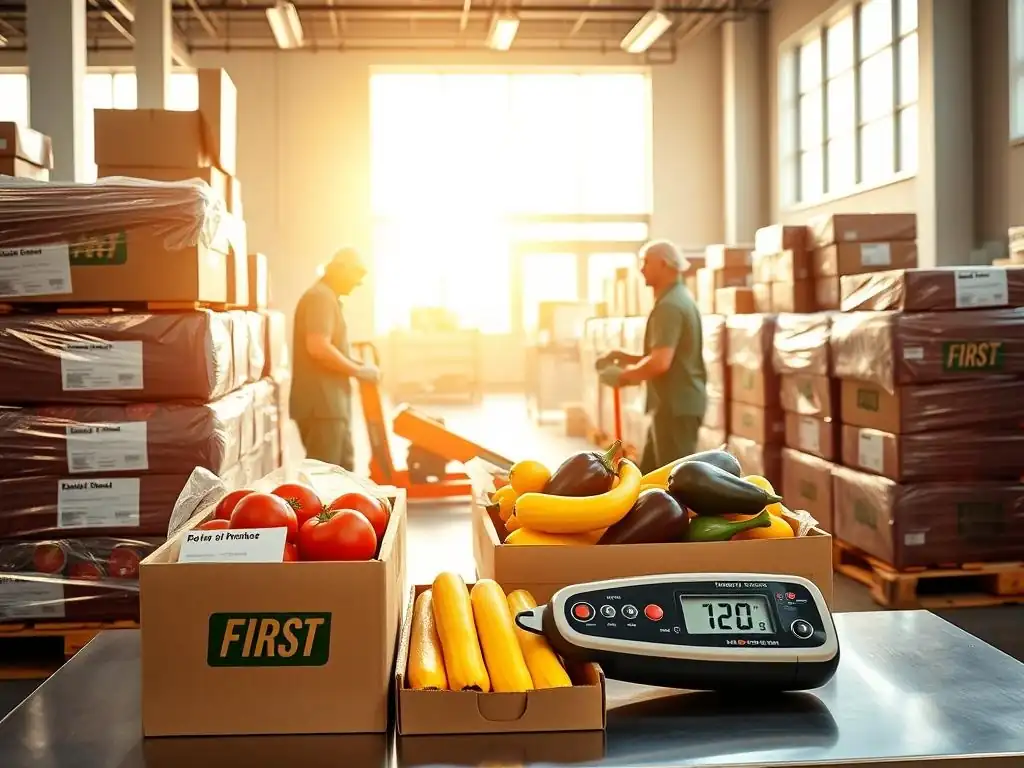
The arrival of a new ingredient delivery is the first critical point for ensuring safety. Before signing off or unpacking, take a moment for a thorough visual inspection of the packaging. Look for any signs of damage such as tears, crushed boxes, or evidence of moisture that wasn't intended. A damaged package could mean the contents have been exposed to contaminants or pests during transit.
Pay close attention to packaging that might indicate pest activity. Tiny holes, gnaw marks, or even visible insects or their droppings on the exterior of boxes are red flags. Reject any delivery that shows clear signs of pest infestation or significant damage that compromises the integrity of the inner packaging. This initial check is a vital step in practicing safe ingredient storage tips right from the start.
Verifying Expiration Dates and Best-Before Dates
Checking dates on incoming ingredients is non-negotiable. Every item should have a clear expiration date (for perishable goods where safety is affected) or a best-before date (for quality). Compare these dates against your expected usage timeline. Accepting products that are too close to their expiration date might lead to waste or, worse, using ingredients past their prime, which can compromise both the quality and safety of your baked goods.
Establish a clear policy for acceptable remaining shelf life upon arrival. For instance, you might require that refrigerated dairy products have at least 7-10 days remaining before expiration, while dry goods like flour or sugar might need several months. Immediately label or mark items with their receipt date alongside the expiration date to help with future inventory management and ensure you're always using ingredients at their best.
Temperature Monitoring for Temperature-Sensitive Ingredients
Ingredients like butter, eggs, milk, cream cheese, and certain fillings are temperature-sensitive and require refrigeration or freezing. Upon delivery, these items must be checked for appropriate temperature. Use a calibrated thermometer to quickly check the temperature of the product itself or the air within the delivery container (if sealed).
Refrigerated items should arrive at or below 4°C (40°F), and frozen items should be solid and arrive at or below -18°C (0°F). If temperature-sensitive ingredients arrive above these critical thresholds, they should be rejected. Temperature abuse is a leading cause of bacterial growth, and accepting improperly chilled ingredients immediately puts your food safety at risk, undermining all other safe ingredient storage tips you might follow later.
Effective Ingredient Storage: A Baker's Guide
Why Proper Storage is Crucial for Food Safety and Quality
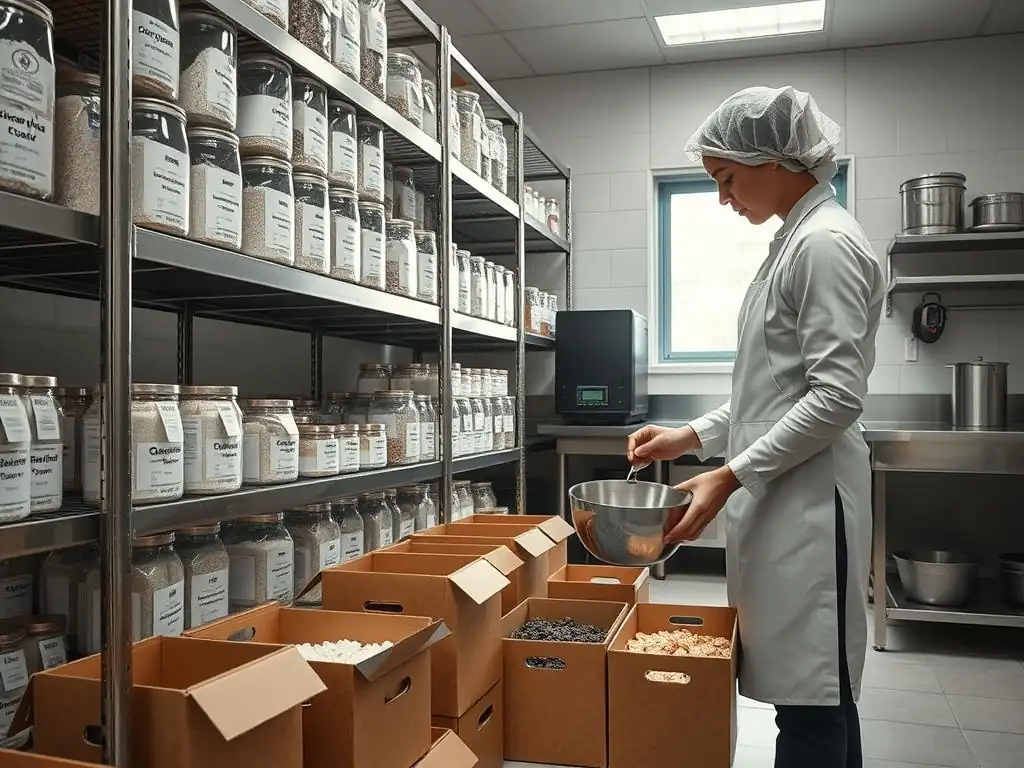
Proper ingredient storage isn't just about keeping things neat; it's a fundamental pillar of food safety and product quality. Incorrect storage conditions – whether it's temperature, humidity, or exposure to contaminants – can lead to spoilage, growth of harmful bacteria or mold, and infestation by pests. Using compromised ingredients can result in illness for your customers, which can be devastating for a home business.
Beyond safety, proper storage preserves the intended characteristics of your ingredients. Flour stored in a humid environment can clump and develop off-flavors. Chocolate stored improperly can bloom, affecting its texture and tempering properties. Yeast exposed to heat can lose its leavening power. Implementing safe ingredient storage tips ensures that the investment you make in quality ingredients translates into high-quality, delicious, and safe baked goods every time.
FIFO (First In, First Out) Implementation in Your Baking Area
The First In, First Out (FIFO) method is a simple yet incredibly effective inventory management principle that is essential for safe ingredient storage tips. It means that the first ingredients you purchased or received are the first ones you should use. This prevents older stock from sitting unused and potentially expiring or degrading in quality.
To implement FIFO, arrange your storage areas so that when you put away new stock, it goes behind the older stock. For example, when restocking bags of flour on a shelf, place the new bags behind the existing ones. This encourages you to grab the bags at the front first. Regularly check dates as you use ingredients to reinforce the FIFO principle and minimize waste due to spoilage or expiration.
Organizing Your Baking Area for Safety and Accessibility
Designated Storage Zones for Different Ingredient Categories
Creating specific zones for different types of ingredients helps prevent cross-contamination and makes inventory management easier. Dry goods like flour, sugar, grains, and spices should be stored together in a cool, dry pantry area. Refrigerated items (dairy, eggs, fresh fruit fillings) need dedicated space in the refrigerator, separate from personal food items if possible. Frozen goods (butter, certain doughs, fruits) belong in the freezer.
Chemicals and cleaning supplies must never be stored in the same area as food ingredients. Designate a completely separate cabinet or shelf, ideally away from food prep and storage zones, for these items. This clear separation is a non-negotiable safe ingredient storage tip to prevent accidental chemical contamination of your ingredients.
Selecting Appropriate Containers for Ingredient Storage
Choosing the right containers is paramount for protecting ingredients from moisture, pests, and contaminants. Original packaging is often not sufficient for long-term storage once opened. Invest in food-grade containers made of plastic, glass, or metal that are easy to clean and have tight-fitting lids.
For dry goods like flour, sugar, and oats, robust, airtight containers are essential to keep moisture and pests out. Refrigerated items should be stored in covered containers to prevent absorbing odors from other foods and to contain any potential spills. Proper containment is a key aspect of safe ingredient storage tips that extends shelf life and maintains hygiene.
Airtight Containers: Maintaining Freshness and Preventing Contamination
Airtight containers are a baker's best friend for many ingredients. For dry goods, they create a barrier against humidity, which can cause clumping in sugar or spoilage in flour and grains. They also provide an effective defense against pantry pests like moths and beetles, which can chew through bags.
For opened packages of ingredients like chocolate chips, nuts, or dried fruit, transferring them to airtight containers prevents them from drying out or absorbing off-flavors. This practice not only helps maintain the quality and freshness of your ingredients over time but is a crucial layer of defense in applying safe ingredient storage tips to keep contaminants out.
Clear Labeling: Identifying Ingredients and Tracking Dates
Once ingredients are transferred to storage containers, clear and accurate labeling is essential. Each container should be labeled with the name of the ingredient (e.g., "All-Purpose Flour," "Granulated Sugar," "Unsalted Butter"). This prevents mix-ups, especially with ingredients that look similar, like different types of flour or sugar.
Equally important is including the date the ingredient was received or opened, and its expiration or best-before date. This information supports your FIFO system and helps you quickly identify which ingredients need to be used first and which may be approaching the end of their usable life. Consistent labeling is a simple but vital safe ingredient storage tip for efficient inventory management and food safety.
Temperature and Humidity Management for Baking Ingredients
Ideal Temperatures for Various Ingredient Categories
Maintaining the correct temperature is critical for extending ingredient shelf life and preventing spoilage. Dry goods like flour, sugar, spices, and extracts should be stored in a cool pantry, ideally between 10°C and 21°C (50°F and 70°F). Avoiding heat fluctuations is important, so keep these items away from ovens, stoves, or direct sunlight.
Refrigerated items like dairy, eggs, and fresh produce must be kept at 4°C (40°F) or below. Freezing ingredients requires a temperature of -18°C (0°F) or below to effectively halt microbial growth and preserve quality for extended periods. Monitoring these temperatures regularly with reliable thermometers is a core part of safe ingredient storage tips.
Controlling Humidity to Prevent Spoilage
Humidity is a silent enemy of many baking ingredients. High moisture levels in storage areas can lead to clumping in sugar, mold growth on flour or spices, and spoilage of dried fruits and nuts. Aim for a dry storage environment for your pantry staples, ideally with humidity levels below 60%.
Using airtight containers is the primary defense against humidity for individual ingredients. For the storage area itself, consider using a dehumidifier if you live in a particularly humid climate or if your baking space is prone to moisture. Ensuring good ventilation in your storage areas can also help manage humidity levels effectively.
Preventing Cross-Contamination in Your Home Bakery
Allergen Segregation: Avoiding Accidental Exposure
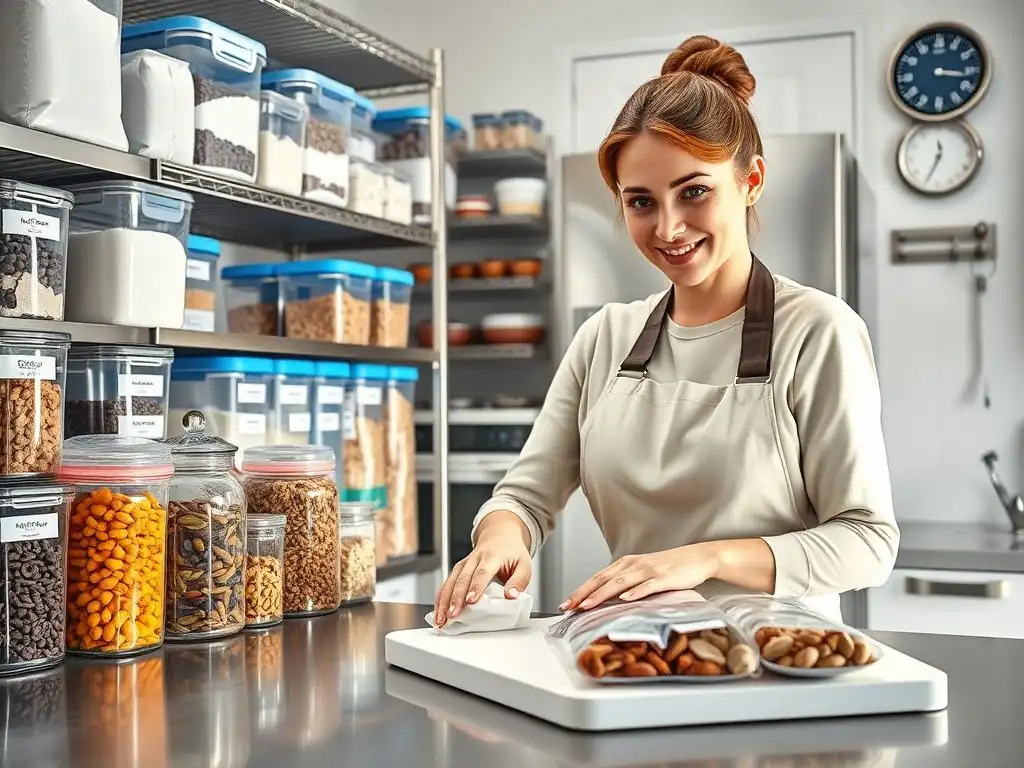
Managing allergens is a critical food safety responsibility, especially in a home bakery where space might be limited. If you work with common allergens like nuts, gluten, dairy, or soy, you must implement strict segregation practices to prevent cross-contact. This means storing allergen-containing ingredients separately from others.
Ideally, dedicate specific shelves or bins for allergenic ingredients. Use clearly labeled containers that are distinct from your regular storage containers. When using these ingredients, clean and sanitize all surfaces, equipment, and utensils thoroughly before handling non-allergenic ingredients. This diligent approach to separation is a non-negotiable safe ingredient storage tip for protecting customers with allergies.
Regular Cleaning and Sanitization of Storage Areas
Even with the best containers, spills and dust can accumulate in storage areas. Regular cleaning and sanitization are essential to prevent attracting pests and to eliminate potential sources of contamination. Schedule routine cleaning for your pantry shelves, refrigerator shelves, and freezer interiors.
Use appropriate food-safe cleaning and sanitizing solutions. Sweep or vacuum dry storage areas to remove crumbs and dust. Wipe down shelves with a cleaning solution, then follow with a sanitizing step. Allow surfaces to air dry completely before returning ingredients. This simple routine significantly enhances your overall safe ingredient storage tips.
Best Practices for Specific Baking Ingredients
Flour Storage: Preventing Pests and Maintaining Quality
Flour is particularly susceptible to pantry pests and moisture absorption. The best way to store flour is in an airtight container immediately after purchase. Food-grade plastic or metal containers with secure lids work well. Some bakers even store flour in the freezer for long-term storage, which effectively kills any potential insect eggs that might be present.
Keep flour in a cool, dry place away from direct sunlight and heat sources. While all-purpose flour has a relatively long shelf life (often 6-12 months if stored correctly), whole wheat flours and specialty flours with higher oil content can go rancid more quickly. Always check for off odors or signs of pests before using.
Sugar Storage: Preventing Clumping and Moisture
Sugar is less prone to bacterial spoilage but is highly susceptible to moisture, which causes it to clump and harden. Store all types of sugar (granulated, brown, powdered) in airtight containers to protect them from humidity. This is especially important in humid climates.
If brown sugar hardens, you can often soften it by placing a slice of bread or a marshmallow in its airtight container overnight – the sugar will absorb moisture from it. However, the primary goal of safe ingredient storage tips for sugar is preventing this issue in the first place through airtight storage in a dry environment.
Dairy and Egg Storage: Maintaining Refrigeration and Quality
Dairy products like milk, butter, cream, and cheese, along with eggs, are highly perishable and must be stored in the refrigerator at 4°C (40°F) or below. Store them in their original packaging or in covered containers to prevent contamination and absorption of odors.
Eggs should be stored in their carton on an inner shelf of the refrigerator, not in the door where temperatures fluctuate more. Butter can be stored in the refrigerator for several weeks or frozen for longer periods. Always check the expiration dates on dairy and eggs before use and discard any that have passed their date or show signs of spoilage like off smells or textures.
Chocolate Storage: Protecting Flavor and Preventing Bloom
Proper chocolate storage is key to maintaining its flavor and texture. Chocolate should be stored in a cool, dry place, ideally between 15°C and 18°C (60°F and 65°F). Avoid storing chocolate in the refrigerator unless you live in a very hot, humid climate, as temperature fluctuations can cause sugar or fat bloom (a harmless but aesthetically unappealing white or gray film).
Keep chocolate away from strong odors, as it can easily absorb them. Store chocolate in airtight containers or wrapped tightly in plastic wrap and then foil to protect it. While chocolate doesn't typically "spoil" in a way that makes it unsafe, improper storage will significantly degrade its quality for baking applications like tempering or melting.
Yeast and Leavening Agents: Preserving Effectiveness
Yeast and chemical leavening agents like baking powder and baking soda lose their effectiveness over time, especially if exposed to moisture or heat. Dry yeast (active dry or instant) should be stored in an airtight container in the refrigerator or freezer after opening to maintain potency. Check the expiration date, as expired yeast will not proof properly.
Baking powder and baking soda should be stored in their original packaging or transferred to airtight containers and kept in a cool, dry pantry. Test baking powder periodically by adding a teaspoon to hot water – it should bubble vigorously. Test baking soda similarly with vinegar – it should also fizz strongly. Discard if they don't react, as they've lost their leavening power.
Addressing Common Ingredient Storage Issues
Pest Control in Your Baking Area
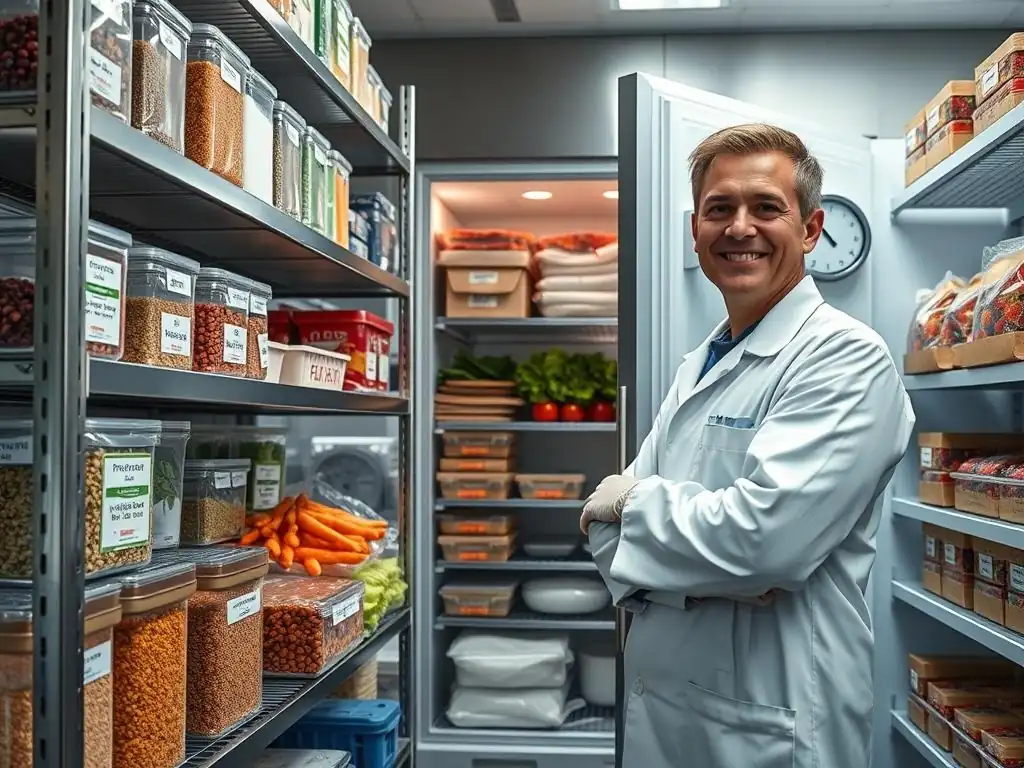
Pests like ants, cockroaches, mice, and pantry moths are drawn to food sources and can quickly contaminate ingredients. Preventing pests starts with excellent sanitation: regularly clean up spills and crumbs, store all ingredients in sealed, pest-proof containers, and avoid leaving food out.
Inspect ingredient deliveries carefully for signs of pests before bringing them into your storage areas. If you discover an infestation, immediately discard all affected ingredients, thoroughly clean and sanitize the storage area, and consider using traps appropriate for your home environment. Avoiding pesticides near food is crucial; focus on exclusion and sanitation as your primary pest control methods.
Preventing Moisture and Mold
Moisture is a major culprit behind ingredient spoilage, leading to clumping, mold growth, and bacterial proliferation. To prevent moisture issues, store ingredients in airtight containers in a cool, dry environment. Avoid storing ingredients near sources of heat or steam, such as ovens, dishwashers, or kettles.
If you notice condensation in your storage area or on containers, identify the source of the moisture and address it. Ensure good ventilation. Discard any ingredient showing signs of mold, even if it's just a small spot, as mold can produce invisible toxins. Maintaining a dry environment is one of the most effective safe ingredient storage tips.
Identifying and Discarding Spoiled Ingredients
Regularly inspecting your stored ingredients is essential for identifying spoilage before it can impact your baking or pose a health risk. Look for visual cues like mold growth, discoloration, or signs of insect activity. Smell the ingredients – off or rancid odors are clear indicators of spoilage, especially in fats, oils, or whole grain flours.
Check textures – clumping in dry goods (beyond simple sugar hardening) or sliminess in refrigerated items can indicate spoilage. When in doubt, throw it out. It's never worth risking the safety of your customers or wasting other good ingredients by using something questionable. Discarding spoiled ingredients promptly also prevents potential contamination of nearby items.
Maintaining a Food Safety Record for Baking Ingredients
Tracking Receiving Dates, Expiration Dates, and Storage Conditions
Keeping records of your ingredients adds an extra layer of control and traceability to your food safety system. A simple logbook or spreadsheet can track the date each ingredient was received, its expiration or best-before date, and where it is stored (pantry, fridge, freezer).
This record helps you easily implement FIFO, monitor stock levels, and quickly identify ingredients that need to be used or are approaching expiration. In the event of a product recall or an issue with a supplier, having these records allows you to quickly identify if you have the affected product and where it is located. This documentation is a robust addition to your safe ingredient storage tips.
Recording Cleaning and Sanitization Activities
Documenting when and how your storage areas are cleaned and sanitized provides proof of your commitment to maintaining a hygienic environment. Keep a simple log noting the date, the area cleaned (e.g., "pantry shelves," "refrigerator interior"), and the cleaning and sanitizing agents used.
This record serves as a reminder for routine tasks and can be valuable documentation if you ever need to demonstrate your food safety practices, perhaps for local regulations or just for your own quality assurance. Consistent record-keeping reinforces the importance of these tasks and helps ensure they don't get overlooked.
Advanced Storage for Home Baking Businesses
Implementing Food Safety Plan Principles
As a home baking business grows, adopting principles from formal food safety plans (like HACCP - Hazard Analysis and Critical Control Points) can enhance your operations. While a full HACCP plan might be complex, you can apply its core idea: identify potential hazards (e.g., temperature abuse of dairy, pest contamination of flour), determine critical points where these hazards can be controlled (e.g., receiving, storage temperature), and establish monitoring procedures (e.g., daily temperature checks, weekly storage area inspections).
Applying these principles helps you proactively identify risks associated with ingredient handling and storage, rather than just reacting to problems. This systematic approach ensures that your safe ingredient storage tips are part of a larger, well-thought-out safety system for your business.
Vacuum Sealing for Extended Shelf Life
For certain ingredients, vacuum sealing can significantly extend shelf life by removing oxygen, which is a major factor in spoilage and rancidity. This is particularly useful for ingredients like nuts, seeds, dried fruits, and even flours or grains that you buy in bulk.
Vacuum-sealed items still need to be stored appropriately (e.g., dry goods in a cool pantry), but the lack of oxygen helps preserve freshness and prevents oxidation. Ensure that ingredients are dry before vacuum sealing to prevent mold growth in the absence of air. Vacuum sealing is an advanced technique that complements your basic safe ingredient storage tips for longer-term preservation.
Frequently Asked Questions
What are the first steps I should take when my baking ingredients are delivered?
Immediately inspect the packaging for any damage or signs of contamination. Then, check expiration dates and ensure all items match your order.
How should I store dry ingredients like flour and sugar to prevent spoilage?
Store dry ingredients in airtight containers in a cool, dry, and dark place. This prevents moisture absorption and infestation.
What's the best way to store baking powder and baking soda to maintain their effectiveness?
Keep baking powder and baking soda in airtight containers away from moisture. Moisture can cause them to lose their leavening power.
How should I handle and store perishable baking ingredients like eggs and butter?
Refrigerate eggs and butter immediately after delivery. Follow the expiration dates and ensure proper temperature control.
Are there any ingredients that should be stored separately to prevent cross-contamination?
Yes, keep raw meats and poultry separate from baking ingredients to prevent bacterial contamination. Also, store strong-smelling ingredients like spices away from delicate items.
Final Reflection: The Enduring Importance of Safe Ingredient Handling
The journey of an ingredient, from delivery truck to final dish, is a critical chain of custody demanding unwavering vigilance. A single lapse in safe handling practices can compromise not only the quality of the food but also the health and safety of consumers. This is not merely a matter of best practices; it's a fundamental responsibility.
The impact of proper ingredient storage extends far beyond the immediate kitchen or restaurant. It influences everything from reducing food waste and saving money to preventing foodborne illnesses and maintaining a positive reputation. The consequences of negligence can be severe, impacting both individual health and the broader food system. Food safety is not just a matter of compliance; it's a matter of conscience.
This simple statement underscores the ethical dimension of responsible ingredient handling, a responsibility we all share in the food chain.
Now, consider your own kitchen, restaurant, or food business. What steps can you take today to enhance your ingredient handling procedures? Are your storage areas properly organized, temperature-controlled, and free from contamination? Take a moment to audit your practices, identify potential weaknesses, and implement improvements. By prioritizing safe ingredient handling, you are not only protecting your customers but also investing in the long-term success and sustainability of your operation. Let's work together to build a safer and more responsible food system, one ingredient at a time.
Unleash Your Baking Potential: Safe Food Handling Starts Now!
Thanks for taking the time to learn about safe food handling practices! You're now equipped to confidently create delicious treats. Ready to put your new knowledge into action?
- Prioritize food safety: Immediately refrigerate or freeze your perishable ingredients upon arrival, following the temperature guidelines outlined in the article. This is your top priority for delicious and safe baking!
- Share your experience: Tell us about your best food safety tip in the comments below! We love to learn from your expertise.
- Explore our recipe collection: Find the perfect recipe to showcase your newfound food safety skills – we've got something for every baker!
What's your favorite strategy for keeping your baking ingredients fresh and safe? Let's chat!