
Preventing a Gummy Crumb in Your Sourdough Rye

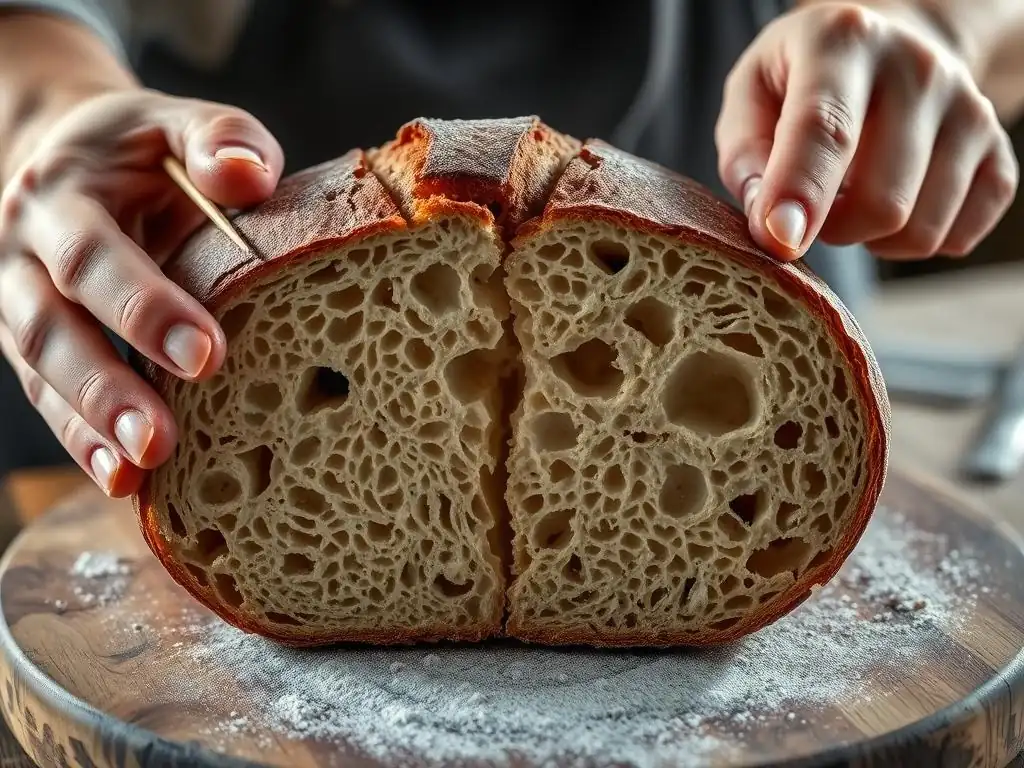
Welcome to BakeWithEase, your trusted companion on the baking journey! Ever wondered why your sourdough rye sometimes suffers from that dreaded gummy crumb, despite your best efforts? We understand the frustration! Dive in as we unravel the secrets to achieving the perfect texture and finally conquer the sourdough crumb gummy solution once and for all. Explore our proven tips and techniques, and say goodbye to gummy sourdough forever!
- Preventing a Gummy Crumb in Your Sourdough Rye: A BakeWithEase Guide
- Sourdough Crumb Gummy Solution: Practical Tips and Techniques for Perfect Rye
- Advanced Techniques for Preventing Gummy Crumb in Sourdough Rye
- Troubleshooting: My Sourdough Rye is Still Gummy!
- Conclusion: Mastering the Art of Sourdough Rye with BakeWithEase.com.
- Frequently Asked Questions
- Final Reflection: The Pursuit of the Perfect Sourdough Rye Crumb
- Unlock Your Perfect Rye: Conquer the Gummy Crumb!
Preventing a Gummy Crumb in Your Sourdough Rye: A BakeWithEase Guide
Introduction: Understanding the Sourdough Rye Gummy Crumb Problem
One of the most frustrating issues bakers face, especially when working with challenging flours like rye, is a gummy or dense crumb in their finished loaf. Instead of a light, airy interior with distinct holes, you end up with a sticky, heavy texture that can be unpleasant to eat. This problem is particularly common in sourdough rye bread due to the unique properties of rye flour and the sourdough fermentation process. Understanding the root causes is the first step toward finding a reliable sourdough crumb gummy solution.
A gummy crumb signifies that the bread did not develop correctly during baking or cooling. It suggests issues with starch gelatinization, gluten development (or lack thereof in rye), or moisture retention. Unlike wheat, rye flour has very little gluten-forming protein. Its structure relies more on pentosans, which are highly water-absorbent polysaccharides. When not properly managed, these pentosans can contribute to a sticky, gummy texture, making preventing a gummy rye crumb a distinct challenge compared to wheat loaves.
Why is My Sourdough Rye Crumb Gummy? Common Causes
Several factors can contribute to that undesirable gummy texture in your sourdough rye loaf. Pinpointing the exact cause requires careful observation of your process and results. Often, it's a combination of issues rather than a single culprit. Identifying these common problems is crucial for implementing effective strategies and finding your personal sourdough crumb gummy solution.
From insufficient baking to hydration imbalances, each element plays a vital role in the final texture. Understanding how these factors interact with rye flour's unique characteristics is key to mastering this challenging bread. Let's break down the most frequent reasons bakers encounter a gummy sourdough rye crumb.
Insufficient Baking Time: The Primary Culprit
Underbaking is arguably the most common reason for a gummy sourdough rye crumb. Bread needs sufficient time in the oven for the starches to fully gelatinize and then solidify, and for excess moisture to bake out. When a loaf is pulled too early, the interior remains doughy and wet, leading to that sticky, dense texture even after it cools. This is especially true for dense rye doughs which require more time for heat to penetrate fully.
A typical sourdough rye loaf, depending on size and hydration, might need anywhere from 45 to 70 minutes or more to bake completely. The internal temperature is the most reliable indicator of doneness. For most bread, including sourdough rye, aiming for an internal temperature between 200-210°F (93-99°C) is standard. If your loaf registers significantly lower than this, it's likely underbaked, and you'll need to adjust your baking time or temperature for future bakes to achieve a better sourdough crumb gummy solution.
High Rye Flour Percentage: A Rye Bread Baking Challenge
Rye flour behaves very differently from wheat flour. It contains much less gluten-forming protein and a higher proportion of water-loving pentosans. As the percentage of rye flour in your recipe increases, the dough becomes stickier, less elastic, and the resulting crumb naturally becomes denser and potentially gummier if not handled correctly. Recipes with 50% or more rye are significantly more prone to this issue than those with a lower rye content.
Working with high-percentage rye requires specific techniques to manage its unique properties. The pentosans in rye absorb a lot of water but don't form the strong gluten network that traps gases in wheat bread. This means high-rye loaves rely more on the structure provided by the starch and pentosans setting during baking.
If the hydration is too high for the percentage of rye used, or if baking isn't thorough, the pentosans can contribute to a sticky, almost glue-like consistency in the crumb. Finding the right balance for your specific rye flour and recipe is a key part of the sourdough crumb gummy solution.
Overhydration: Too Much Water in Your Sourdough Rye Dough
While adequate hydration is necessary for a moist crumb and good oven spring, excessive hydration, particularly with high-percentage rye, is a common cause of gumminess. Rye flour absorbs water differently and holds onto it more tenaciously than wheat. A hydration level that works perfectly for a 100% wheat sourdough might be far too high for a loaf containing 50% or more rye.
When the dough is too wet relative to the flour type and percentage, it becomes difficult to handle, lacks structure, and struggles to bake through properly. The excess moisture can prevent the starches from setting firmly during baking, leaving the interior dense and gummy. Adjusting the hydration based on the feel of the dough and the percentage of rye flour is critical. A dough that feels right for wheat will likely be too wet if you've swapped a significant amount of wheat for rye.
Inadequate Sourdough Starter Activity: A Fermentation Issue
A weak or inactive sourdough starter can contribute to a gummy crumb by failing to adequately ferment the dough. Proper fermentation is essential for developing flavor, texture, and aiding in the breakdown of starches and proteins. An active starter produces carbon dioxide, which creates the open structure in the bread, and also helps condition the dough.
If your starter isn't vigorous – meaning it doesn't reliably double or triple in volume within a predictable timeframe (e.g., 4-8 hours after feeding with a 1:1:1 ratio) – it won't provide the lift needed for a well-aerated crumb. More importantly, insufficient fermentation can leave complex carbohydrates undigested, contributing to a heavier, potentially gummy texture. Ensuring your starter is active and using it at its peak is a fundamental step in preventing a gummy rye crumb.
Insufficient Cooling Time: Patience is Key for Sourdough Rye
Perhaps one of the most overlooked reasons for a gummy crumb is cutting into the loaf before it has fully cooled. While it's tempting to slice into warm, fragrant bread straight from the oven, the internal structure is still undergoing crucial changes during the cooling process. Steam is escaping, and the starches are continuing to set and solidify.
Slicing a hot loaf traps steam inside, leading to a wet, dense, and gummy texture. Rye bread, being denser and holding more moisture, requires even longer cooling times than wheat bread – often 2 to 4 hours, or even longer for very large or dense loaves. Patience during this final stage is not just about avoiding a gummy crumb; it also allows the flavors to mature and the crust to maintain its texture. Resist the urge to slice until the loaf is completely cool to the touch.
Sourdough Crumb Gummy Solution: Practical Tips and Techniques for Perfect Rye
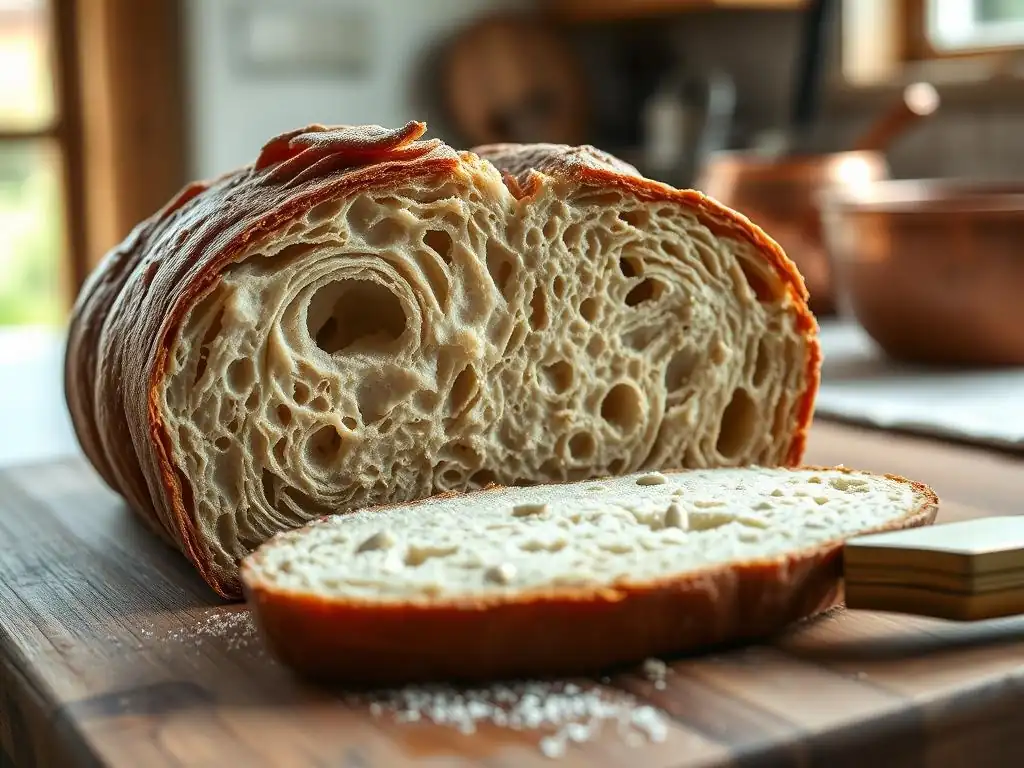
Finding the ideal sourdough crumb gummy solution involves addressing the potential causes identified above through practical adjustments to your baking process. Small tweaks in technique can make a significant difference in transforming a gummy loaf into a perfectly textured one. It's often a process of trial and error, fine-tuning variables based on your specific recipe, flour, and environment.
Implementing these targeted strategies will help you manage the unique challenges of baking with rye flour and sourdough fermentation. By focusing on proper baking, hydration control, starter health, and patient cooling, you'll be well on your way to consistently achieving a beautiful, open crumb in your sourdough rye bread.
Baking Time Adjustments: Achieving a Fully Baked Sourdough Rye
To combat underbaking, ensure your oven is accurately calibrated using an oven thermometer. Ovens can vary significantly, and relying solely on the dial can lead to issues. For sourdough rye, consider baking at a slightly lower temperature for a longer duration after the initial high-heat phase (e.g., start at 450°F for 20 minutes, then reduce to 400°F for another 30-40 minutes or more). This allows heat to penetrate the dense loaf more gradually without burning the crust.
Always check the internal temperature using an instant-read thermometer inserted into the center of the loaf from the bottom or side. Aim for that 200-210°F (93-99°C) range. If your loaf isn't reaching this temperature within the recipe's suggested time, extend the baking time in 5-10 minute increments. Don't be afraid to bake it longer than you think necessary; an extra 10-15 minutes can be the difference between a gummy crumb and a perfectly baked one.
Rye Flour Ratio Optimization: Balancing Flavor and Texture
If you consistently get a gummy sourdough rye crumb with a high percentage of rye (say, 60% or more), consider reducing the proportion of rye flour in your recipe, at least initially. Start with a lower percentage, perhaps 30-40% rye to 60-70% strong wheat flour (like bread flour), which provides more gluten structure. As you gain confidence and understanding of how rye behaves, you can gradually increase the rye percentage in subsequent bakes.
Alternatively, if you're committed to a high-rye loaf, understand that the crumb will naturally be denser than a wheat loaf. Manage expectations and focus on techniques specifically designed for high-rye baking, such as using scalded flour (discussed later) or ensuring very thorough baking. The "sourdough crumb gummy solution" for high rye often involves embracing a slightly different texture while ensuring it's cooked through and not genuinely gummy.
Hydration Control: Achieving the Right Dough Consistency
Precisely measuring ingredients, especially water, is crucial. Use a digital scale for accuracy. When working with rye, start with a slightly lower hydration percentage than you might for a pure wheat sourdough. For a loaf with 30-50% rye, hydration might be in the 70-75% range of the total flour weight, but this can vary greatly depending on the specific rye flour's absorption capacity. For very high rye percentages (70%+), hydration levels might need to be managed even more carefully, sometimes even lower depending on the desired outcome.
Pay attention to the feel of the dough rather than strictly following a recipe's hydration if you're using different flours. A properly hydrated rye dough will still be sticky, but it shouldn't feel like a batter. It should have some body and cohesiveness, even if it's less elastic than a wheat dough. If your dough feels excessively wet and slack, reduce the water slightly in your next bake. Finding the sweet spot for hydration is a significant step in achieving a better sourdough crumb gummy solution.
Sourdough Starter Management: Ensuring a Strong and Active Starter
To ensure your starter is contributing positively to your loaf's texture, maintain it with regular feedings using a consistent ratio of flour, water, and starter (e.g., 1:1:1 or 1:2:2). Use it when it's at its peak activity – typically when it has doubled or tripled in size and is full of bubbles, often 4-8 hours after feeding at room temperature.
A simple test for starter readiness is the "float test": drop a small amount of starter into a glass of water. If it floats, it's generally ready to use. If it sinks, it might need more time or more regular feeding to build strength. Using an active starter ensures adequate fermentation, which helps develop the dough structure and contributes to a lighter, non-gummy crumb. A robust starter is a fundamental part of any sourdough crumb gummy solution.
Proper Cooling Techniques: Avoiding a Gummy Crumb
After removing your sourdough rye from the oven, immediately transfer it to a wire cooling rack. This allows air to circulate freely around the entire loaf, facilitating the release of steam. Do not place it on a flat surface or back in the oven.
Allow the loaf to cool completely before slicing. For a standard-sized loaf (around 1.5 - 2 lbs), this means waiting at least 2-4 hours at room temperature. For larger or denser loaves, you might need to wait even longer. Patience here is paramount. Cutting too early is a sure way to end up with a gummy interior, despite getting everything else right. This simple step is a critical, yet often rushed, component of the sourdough crumb gummy solution.
Advanced Techniques for Preventing Gummy Crumb in Sourdough Rye
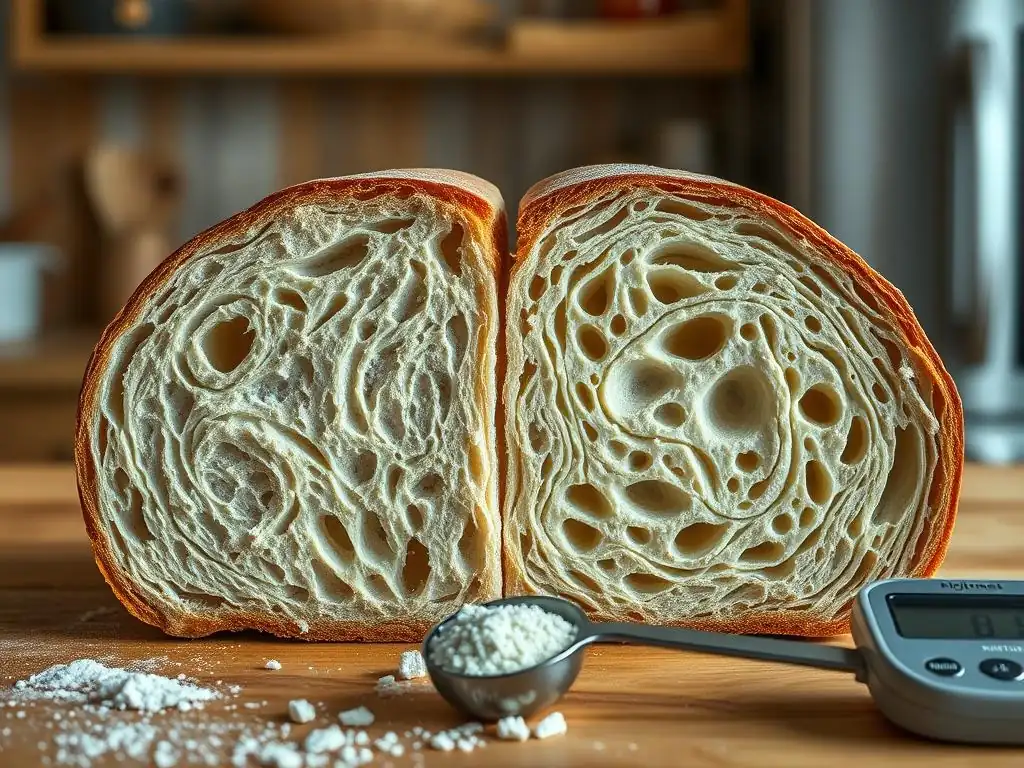
Beyond the fundamental adjustments, incorporating advanced techniques can further improve the texture of your sourdough rye and specifically address the tendencies toward gumminess. These methods often involve manipulating the dough's structure or the way the flour interacts with water, leading to a more desirable outcome.
Exploring these techniques can provide additional layers to your sourdough crumb gummy solution strategy, particularly when working with high percentages of rye. They require a bit more understanding of dough science but can yield impressive results in terms of crumb structure and overall loaf quality.
The Role of the Autolyse: Improving Dough Hydration and Gluten Development
While rye flour has limited gluten, an autolyse can still be beneficial, especially in sourdough rye recipes that include a significant portion of wheat flour. An autolyse involves mixing just the flour and water from the recipe and letting it rest for 20-60 minutes before adding the starter and salt. This resting period allows the flour to fully hydrate and enzymes to begin breaking down proteins, which can aid in gluten development (in the wheat portion) and make the dough more extensible.
For high-rye doughs, where gluten development isn't the primary goal, a shorter autolyse (perhaps 20-30 minutes) primarily serves to ensure the rye flour's pentosans are fully hydrated before fermentation begins. This can lead to a smoother dough and potentially better moisture distribution, contributing indirectly to a less gummy crumb by ensuring water is absorbed properly from the start. This technique is a subtle but effective part of finding your sourdough crumb gummy solution.
Using Scalded Flour (Tangzhong Method): Enhancing Moisture Retention and Softness
Scalding a portion of the rye flour is a traditional technique, sometimes referred to as Kochstück or Tangzhong (when adapted from Asian baking), that can significantly improve the texture of rye bread. This involves cooking a small amount of flour with water or milk to form a thick paste or gel before adding it to the main dough.
The cooking process pre-gelatinizes the starches in the flour, allowing them to hold onto significantly more water than raw flour. When added to the dough, this scalded mixture locks in moisture, resulting in a loaf that is incredibly moist, tender, and stays fresh longer. Crucially for preventing gumminess, the pre-gelatinized starches set more firmly during baking, contributing to a softer, less sticky crumb structure. Using a scald can be a powerful sourdough crumb gummy solution, particularly for dense, high-percentage rye loaves.
The Importance of Proper Dough Shaping: Creating Tension for a Better Crumb
Even with rye dough, which is less elastic than wheat, proper shaping is important. Shaping creates tension on the surface of the dough, which helps the loaf hold its structure during proofing and baking. While you won't achieve the same taut surface as a wheat loaf, gently creating some tension helps the loaf rise upwards rather than spreading outwards, which can contribute to a slightly more open and less compressed crumb.
A well-shaped loaf also bakes more evenly. A loaf that is too flat or irregularly shaped may have thinner sections that overbake and thicker sections that underbake, increasing the risk of a gummy interior in the denser parts. While rye shaping is different – often involving folding and gently coaxing the dough into shape rather than aggressive stretching – paying attention to building some structure is part of the overall sourdough crumb gummy solution.
Troubleshooting: My Sourdough Rye is Still Gummy!
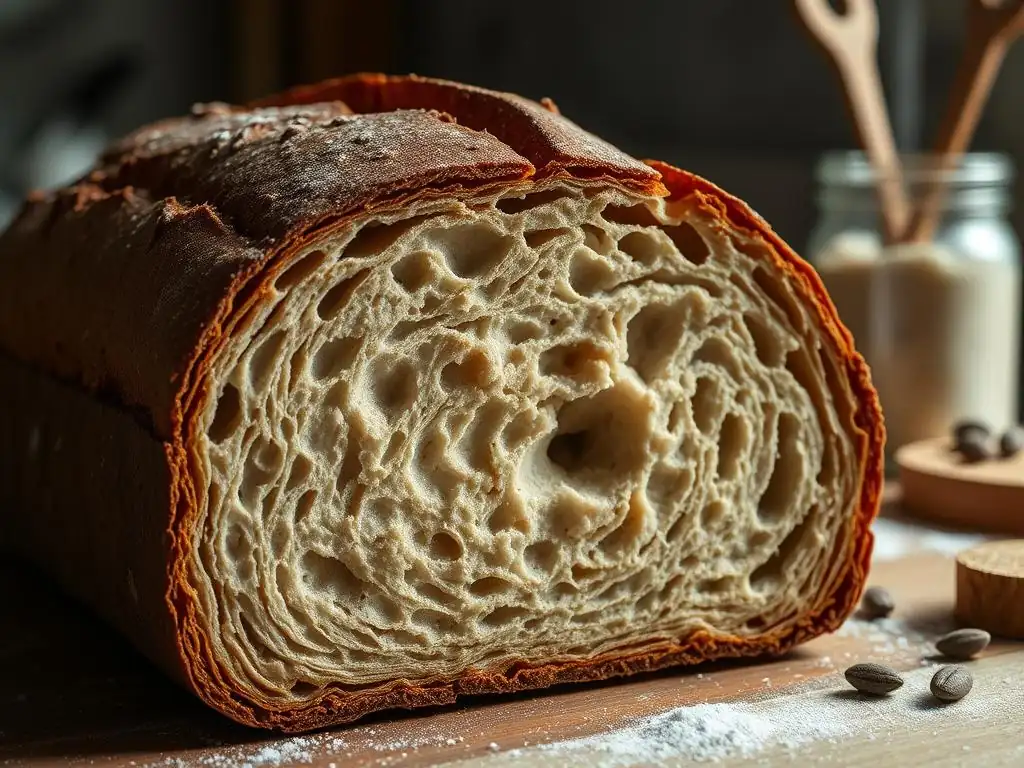
It can be discouraging when you've tried various techniques and your sourdough rye still turns out gummy. Don't despair! Baking, especially with challenging flours like rye and the variables of sourdough, is a continuous learning process. If you're still facing issues, it's time to put on your detective hat and systematically review your process.
Persistent gumminess suggests there might be a fundamental issue you haven't identified yet, or perhaps a combination of factors is at play. Troubleshooting involves a careful review of your steps and a willingness to experiment further. Finding the ultimate sourdough crumb gummy solution might require patience and meticulous record-keeping.
Reviewing Your Recipe and Baking Process: Identifying Potential Issues
Go back to your recipe and analyze each step.
- What percentage of rye are you using?
- What is the total hydration percentage?
- How active was your starter when you used it? (Did it double/triple?)
- What was the dough temperature during bulk fermentation and proofing?
- How long did you bake the loaf, and at what temperature? Did you check the internal temperature? What was it?
- How long did you let the loaf cool before slicing?
Consider keeping a baking journal. Note down all the variables: flour types and brands, hydration levels, starter activity, fermentation times and temperatures, baking times and temperatures, and cooling times. Comparing notes across multiple bakes can help you spot patterns. For example, you might notice that every time you use a specific brand of rye flour or bake for less than 60 minutes, the crumb is gummy. This systematic review is key to uncovering the specific sourdough crumb gummy solution for your process.
Adjusting Your Techniques: Experimenting for Optimal Results
Based on your review, make one change at a time in your next bake.
- If you suspect underbaking, increase the baking time by 10-15 minutes and ensure the internal temperature reaches 205°F (around 96°C).
- If you think hydration is too high, reduce the water by 5% of the total flour weight in your next attempt.
- If your starter seemed sluggish, focus on feeding it more regularly and using it only when it's clearly vigorous.
- If you've been slicing too early, commit to letting the loaf cool for a full 3-4 hours.
Avoid changing multiple variables at once, as this makes it impossible to know which adjustment had an effect. Be patient; finding the perfect sourdough crumb gummy solution for your specific circumstances might take several loaves. Each bake, even one that isn't perfect, provides valuable data.
Conclusion: Mastering the Art of Sourdough Rye with BakeWithEase.com.
Baking sourdough rye can be a rewarding experience, yielding loaves with deep flavor and satisfying texture. While the gummy crumb is a common hurdle, it is by no means insurmountable. By understanding the unique properties of rye flour, ensuring your sourdough starter is active, carefully managing hydration, baking thoroughly, and allowing ample cooling time, you can significantly reduce the likelihood of encountering this issue.
Remember that achieving the perfect sourdough crumb gummy solution is often a journey of refinement. Each loaf you bake teaches you more about how the ingredients and process interact. Don't be discouraged by setbacks. With patience, attention to detail, and a willingness to adjust your techniques, you will master the art of baking beautiful, perfectly textured sourdough rye loaves that you'll be proud to share (after they've cooled, of course!). Keep baking, keep learning, and enjoy the process!
Frequently Asked Questions
What causes a gummy crumb in my sourdough rye bread?
A gummy crumb in sourdough rye is usually caused by underbaking or insufficient fermentation. The starches haven't fully gelatinized or the gluten hasn't developed properly.
How can I tell if my sourdough rye is fully baked?
Use a thermometer to check the internal temperature. A fully baked sourdough rye should reach an internal temperature of around 205-210°F (96-99°C).
What role does rye flour play in a gummy crumb?
Rye flour contains pentosans, which absorb a lot of water. If not handled correctly, this can lead to a damp, gummy crumb. Proper hydration and fermentation are key.
Can over-proofing also cause a gummy crumb in sourdough rye?
While less common, over-proofing can weaken the gluten structure, leading to a collapsed and gummy texture. Watch for signs of deflation and a sour, unpleasant smell.
What are some tips to improve my sourdough rye crumb structure?
Ensure adequate fermentation time, pre-ferment some of the rye flour (a pâte fermentée), and bake at a sufficient temperature. Mastering hydration is also crucial for a good crumb.
Final Reflection: The Pursuit of the Perfect Sourdough Rye Crumb
The quest for a consistently open, airy crumb in sourdough rye bread remains a challenge for many bakers, but mastering this crucial element elevates the entire baking experience. A gummy crumb, that dense, unpleasant texture, is a common frustration, but understanding its causes – from hydration levels to fermentation times – empowers us to overcome this hurdle and achieve truly exceptional results.
The journey to a perfect crumb is not just about technique; it's about understanding the intricate dance between flour, water, and time. It's about respecting the living organism that is sourdough starter and nurturing its potential. The baker's craft is a delicate balance between science and art, a constant learning process fueled by patience and a deep appreciation for the ingredients.
This quote resonates deeply with me, as each sourdough loaf, whether a triumph or a learning experience, reinforces this truth.
Now, consider your own baking journey. What have you learned from your successes and failures? Don't be discouraged by a gummy crumb; instead, use it as a stepping stone to further refine your technique. Experiment with different hydration levels, fermentation times, and baking temperatures. Embrace the process, savor the aroma of rising dough, and remember that the pursuit of the perfect crumb is a rewarding journey in itself. The next loaf you bake could be your masterpiece.
Unlock Your Perfect Rye: Conquer the Gummy Crumb!
Thanks for taking the time to delve into the world of sourdough rye baking! We hope you now feel more confident in tackling that tricky gummy crumb. Ready to put your newfound knowledge into practice?
- Bake your perfect loaf: Use what you've learned to craft a sourdough rye that's delightfully chewy, not gummy. Don't be afraid to experiment with the techniques we've covered!
- Share your results: Show us your beautiful rye loaves on social media! Use #BakeWithEaseRye and tag us – we'd love to see your baking triumphs (and learn from your experiments! ).
- Join our baking community: Head to the BakeWithEase forums to connect with fellow bread bakers and share tips and tricks. Let's discuss your rye experience!
So, what unique twist will you add to your next sourdough rye loaf?