
From Dough to Delight: The Artisan Baguette Journey Explained

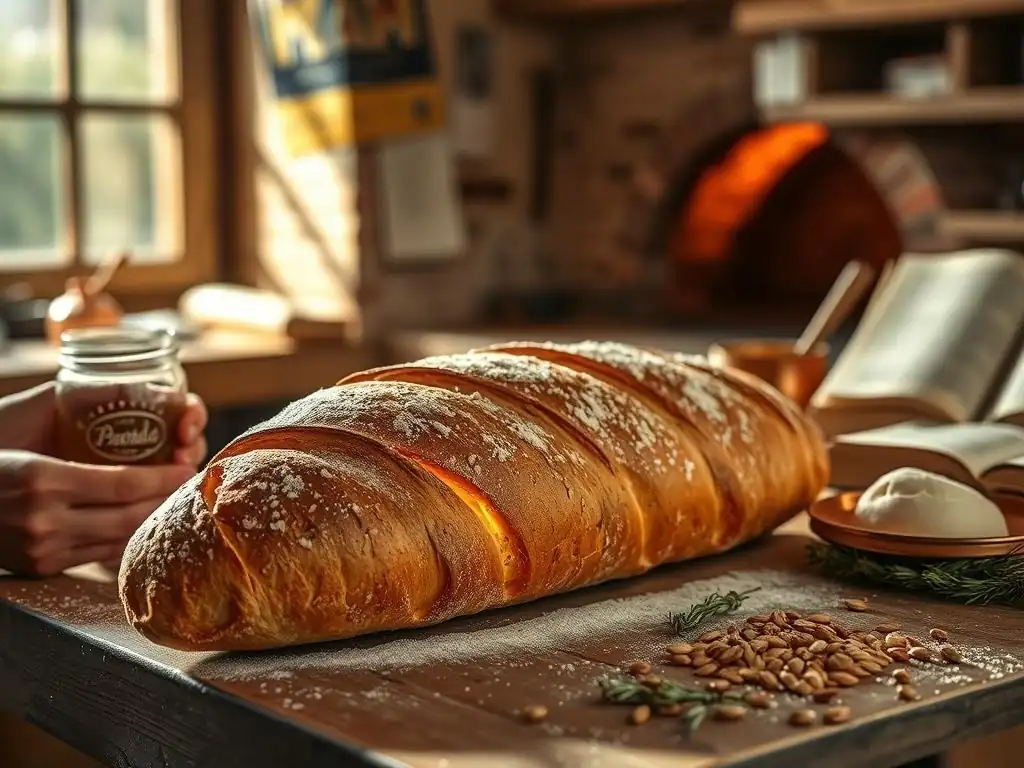
Welcome to BakeWithEase, your guide to unlocking the delicious world of baking! Are you ready to conquer the artisan baguette? Forget complicated techniques and elusive ingredients. We're demystifying the process with an easy recipe that will transform your kitchen into a Parisian bakery. Curious how to achieve that perfect crispy crust and airy crumb? Let's begin this delicious journey together!
- BakeWithEase Presents: Mastering the Artisan Baguette Recipe
- Understanding the Fundamentals of Artisan Baguette Baking
-
The Step-by-Step Artisan Baguette Recipe: A Beginner's Guide
- Step 1: Preparing the Poolish (Pre-Ferment) for Enhanced Flavor
- Step 2: Mixing the Dough: Achieving the Perfect Hydration
- Step 3: Bulk Fermentation: Developing Flavor and Texture
- Step 4: Shaping the Baguettes: The Art of the Taper
- Step 5: Proofing the Baguettes: Ensuring a Light and Airy Crumb
- Step 6: Scoring the Baguettes: Creating Beautiful Ears
- Step 7: Baking to Perfection: Oven Temperature and Steam
- Troubleshooting Your Artisan Baguette: Common Issues and Solutions
- Advanced Artisan Baguette Techniques for the Home Baker
- Storing Your Artisan Baguette: Keeping it Fresh and Delicious
- Enjoying Your Homemade Artisan Baguette: Serving Suggestions and Pairings
- Conclusion: The Joy of Baking Your Own Artisan Baguette
-
Frequently Asked Questions
- What makes this artisan baguette recipe "easy"?
- What are the key ingredients for a successful artisan baguette recipe?
- How long does it take to make an artisan baguette recipe from start to finish?
- What are some common mistakes to avoid when making an artisan baguette recipe?
- Can I use a different type of flour for this artisan baguette recipe?
- Final Reflection: The Enduring Allure of the Artisan Baguette
- Unleash Your Inner Boulanger: Bake Your Own Perfect Baguette!
BakeWithEase Presents: Mastering the Artisan Baguette Recipe
Embarking on the journey to bake an artisan baguette at home might seem daunting, but with the right guidance and a clear, step-by-step approach, it's an incredibly rewarding experience. This guide is designed to make baking a beautiful, crusty, and airy artisan baguette recipe easy for bakers of all levels. We'll walk you through the process, from understanding the fundamental ingredients to achieving that perfect golden crust and open crumb. Get ready to transform simple flour and water into a masterpiece of baking.
Creating a truly authentic artisan baguette is about more than just following instructions; it's about understanding the science and the art behind the bake. This article breaks down each critical stage, demystifying techniques like poolish, bulk fermentation, and scoring. By the end, you'll have the confidence and knowledge to bake an easy artisan baguette that rivals those from your favorite bakery, filling your kitchen with the irresistible aroma of fresh bread.
Understanding the Fundamentals of Artisan Baguette Baking
Before diving into the hands-on steps, grasping the core principles behind an artisan baguette recipe is crucial. This foundational knowledge helps you understand why certain techniques are used and how they contribute to the final product's texture, flavor, and appearance. It's the difference between simply following a recipe and truly mastering the craft of baking this iconic bread.
The beauty of an easy artisan baguette lies in its simplicity – just four main ingredients: flour, water, yeast, and salt. However, the interaction of these elements, combined with time and temperature, creates complex flavors and textures. Understanding concepts like hydration levels, gluten development, and fermentation is key to achieving the desired result: a baguette with a thin, crisp crust and a light, open interior, often referred to as the crumb.
Essential Ingredients for an Authentic Artisan Baguette
The foundation of any great bread, especially an artisan baguette, begins with high-quality ingredients. You'll need bread flour, which typically has a protein content of 11-13%, providing the gluten structure necessary for a good rise and crumb. Water is equally critical; filtered or bottled water is often preferred to avoid chlorine which can negatively impact yeast activity. The water temperature also plays a role, often specified as lukewarm or room temperature depending on the recipe and desired fermentation speed.
Active dry yeast or instant yeast are both suitable for an easy artisan baguette recipe. Instant yeast is generally preferred for its convenience as it can be mixed directly into the dry ingredients, while active dry yeast requires proofing in warm water first. Salt, beyond just adding flavor, controls yeast activity and strengthens the gluten network. A good quality non-iodized salt, like fine sea salt, is recommended. The precise ratios of these ingredients will dictate the dough's hydration and ultimately the baguette's texture.
The Importance of Quality Flour in Baguette Making
Flour is arguably the single most important ingredient when baking an artisan baguette. Using a high-protein bread flour is essential because the gluten developed from these proteins provides the structure that allows the dough to trap the carbon dioxide produced by the yeast. This trapped gas is what creates the airy, open crumb characteristic of a perfect baguette. Without sufficient gluten strength, the dough would collapse, resulting in a dense loaf.
Different flours absorb water differently, which impacts the dough's hydration level – the ratio of water to flour by weight. A typical artisan baguette recipe easy might use a hydration level between 70% and 75%. Using a consistent, high-quality flour ensures predictable results, making it easier to manage the dough's stickiness and achieve the desired consistency. Experimenting with different bread flours from reputable millers can also slightly alter the flavor profile of your homemade baguette.
Key Baking Tools and Equipment for Perfect Baguettes
While you can bake a decent baguette with minimal equipment, certain tools significantly simplify the process and improve the final outcome of your easy artisan baguette recipe. A digital scale is highly recommended for accurate measurement, as baking is a science where ratios matter. Mixing bowls (preferably large ones to accommodate dough expansion), a dough scraper, and a bench scraper are invaluable for handling and shaping the sticky, high-hydration dough.
For baking, creating a steamy environment in your oven is crucial for achieving a thin, crisp crust and maximum oven spring. This can be done using a baking stone or steel paired with a steam tray (like a cast iron pan with hot water) or by baking in a Dutch oven or cloche specifically designed for baguettes. A lame or sharp razor blade is necessary for scoring the dough before baking, allowing controlled expansion. Finally, a cooling rack is essential for allowing the baguettes to cool properly and develop their final crust texture.
The Step-by-Step Artisan Baguette Recipe: A Beginner's Guide
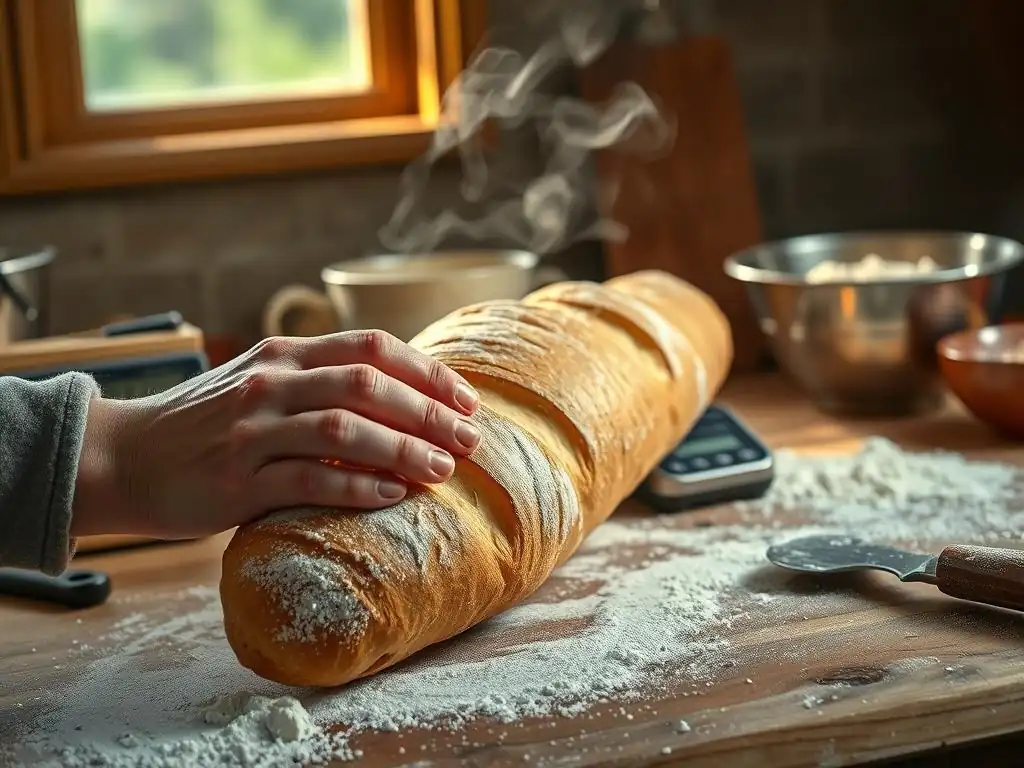
Making an artisan baguette recipe easy involves breaking down the process into manageable steps. While it requires patience due to fermentation times, the active work is minimal. Follow this guide, and you'll be well on your way to baking delicious homemade baguettes.
This section outlines a typical process, often starting with a pre-ferment for enhanced flavor. Remember that times are approximate and can vary based on room temperature and yeast activity. The key is learning to read the dough and understand what it needs at each stage.
Step 1: Preparing the Poolish (Pre-Ferment) for Enhanced Flavor
A poolish is a type of pre-ferment made by mixing equal parts flour and water (by weight) with a small amount of yeast, typically 0.5% to 1% of the flour weight. For an artisan baguette recipe easy, this step is often the first, prepared several hours or even the night before the main dough mix. For example, you might mix 100g bread flour, 100g water, and 0.5g instant yeast.
Allow the poolish to ferment at room temperature for 8-12 hours, or until it is bubbly, foamy, and has a slightly tangy aroma. This slow fermentation develops complex flavors and aromas that are impossible to achieve with a direct mix. It also contributes to a more open crumb structure in the final baguette. The ready poolish will have a domed surface with small bubbles actively popping.
Step 2: Mixing the Dough: Achieving the Perfect Hydration
The main dough for your easy artisan baguette recipe is mixed using the poolish, remaining flour, water, salt, and a tiny amount of additional yeast if desired (though often the yeast from the poolish is sufficient). Combine the poolish with the rest of the water, then add the flour and salt. Mix until just combined – a shaggy, sticky dough will form. This is a high-hydration dough, often 70-75% hydration.
Kneading can be done by hand or with a stand mixer using the dough hook. Knead until the dough is smooth and elastic, passing the "windowpane test" (you can stretch a small piece thin enough to see light through it without tearing). This typically takes 10-15 minutes in a mixer on medium speed. Don't be tempted to add too much extra flour, even if the dough is sticky; embrace the stickiness, as high hydration is key to the airy crumb.
Step 3: Bulk Fermentation: Developing Flavor and Texture
Bulk fermentation, or the first rise, is where the magic truly happens for your artisan baguette. Place the kneaded dough in a lightly oiled bowl, cover it, and let it rise at room temperature. This stage usually lasts 2-3 hours, depending on the temperature. During this time, the dough should double in size.
During bulk fermentation, perform a series of "stretch and folds" every 30-45 minutes for the first 1.5-2 hours. To do this, gently grab the edge of the dough, stretch it upwards, and fold it over the center. Rotate the bowl and repeat 3-4 times. This process strengthens the gluten network without aggressive kneading, redistributes yeast activity, and helps build structure for the eventual rise and crumb.
Step 4: Shaping the Baguettes: The Art of the Taper
After bulk fermentation, gently turn the dough out onto a lightly floured surface. Avoid degassing it completely. Divide the dough into equal portions, typically 250-350g each for standard baguettes. Gently pre-shape each portion into a rough rectangle or log and let them rest, covered, for 15-20 minutes. This step, called bench rest, allows the gluten to relax, making the final shaping easier.
For the final shaping of your easy artisan baguette, take one rested piece of dough. Gently flatten it into a rectangle. Fold the top edge down to the center and press to seal. Fold the bottom edge up to meet the top fold and press again. Then, fold the dough in half lengthwise and seal the seam by pressing firmly with the heel of your hand. Gently roll the log outwards from the center, tapering the ends, until you reach the desired length (usually 14-18 inches or 35-45 cm). Aim for even thickness with slightly tapered ends.
Step 5: Proofing the Baguettes: Ensuring a Light and Airy Crumb
Proofing, the final rise before baking, is critical for developing the light and airy crumb of an artisan baguette. Place the shaped baguettes seam-side up on a baker's couche (linen cloth) heavily dusted with rice flour (or a mix of all-purpose and rice flour) or in a baguette-specific proofing basket. Separate the loaves with folds of the couche to prevent them from sticking together as they rise.
Cover the baguettes loosely with plastic wrap or a damp towel and let them proof at room temperature for 45-75 minutes, or until they are visibly puffy and have increased in size by about 50%. A good indicator is the "poke test": gently poke the dough with a floured finger; if the indentation springs back slowly but not completely, it's ready to bake. Over-proofing can lead to a collapsed loaf in the oven.
Step 6: Scoring the Baguettes: Creating Beautiful Ears
Scoring the baguettes just before baking is essential. Using a sharp lame or razor blade, make several diagonal cuts (slashes) along the top of each loaf. These cuts, typically 3-5 per baguette, should be about 1/2 inch (1-1.5 cm) deep and overlap slightly. Angle the blade at about 30-45 degrees to the surface of the dough.
Scoring serves multiple purposes for your artisan baguette recipe easy. It allows the dough to expand in a controlled manner during the intense heat of the oven (oven spring), preventing the loaf from bursting unpredictably. The angle of the cuts helps create the desirable "ear" – a crisp flap of crust along the slash. Well-executed scoring is not just functional; it's a signature aesthetic element of a beautiful homemade baguette.
Step 7: Baking to Perfection: Oven Temperature and Steam
Baking an artisan baguette requires high heat and steam to achieve that signature crisp crust and maximum oven spring. Preheat your oven, with your baking stone or steel inside if using one, to a high temperature, typically 450-475°F (230-245°C). If using a steam tray or cast iron pan for steam, place it on a lower rack while preheating.
Just before loading the baguettes, carefully pour about a cup of hot water into the preheated steam tray (be cautious of the steam!). Slide the scored baguettes onto the hot stone or steel (using a peel or parchment paper). Bake for 20-25 minutes, or until the crust is deep golden brown and the internal temperature reaches about 205-210°F (96-99°C). The steam is crucial for the first 10-15 minutes, keeping the crust soft enough to expand fully before it sets.
Troubleshooting Your Artisan Baguette: Common Issues and Solutions
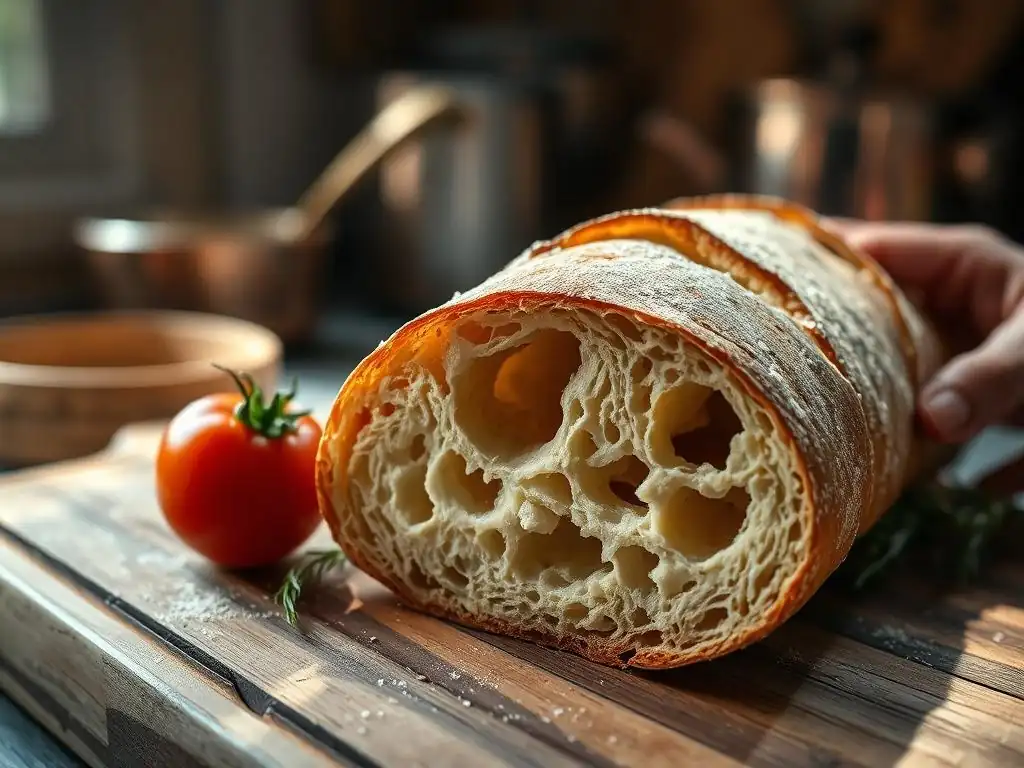
Even with an easy artisan baguette recipe, challenges can arise. Don't be discouraged by imperfections; they are part of the learning process. Understanding common problems and their solutions will help you refine your technique and consistently bake better baguettes.
Addressing issues like dough consistency, rise, or crust appearance often involves adjusting factors like hydration, temperature, time, or oven setup. Keeping a baking journal can help you track variables and identify what works best in your specific kitchen environment and with your ingredients.
Baguette Dough Too Sticky: Adjusting Hydration Levels
High-hydration doughs, common in artisan baguette recipes, are inherently sticky. If your dough feels excessively difficult to handle even after kneading, it might be too high in hydration for your flour or skill level. Flour absorption varies, so the ideal water amount can differ slightly from a recipe.
If the dough is unmanageably sticky during kneading or shaping, you can try adding a tiny amount of flour (a tablespoon at a time) during the initial mixing or kneading phase until it becomes workable, but be mindful not to add too much, as this will negatively impact the crumb. Alternatively, slightly reduce the water next time you make the artisan baguette recipe easy. Remember, sufficient gluten development makes sticky dough easier to handle, so ensure adequate kneading or stretch and folds.
Baguette Not Rising Properly: Yeast Activity and Proofing Time
A baguette that doesn't rise well could be due to inactive yeast or incorrect fermentation/proofing times or temperatures. Yeast is a living organism; if your yeast is old or was exposed to too much heat or cold, it might be dead or sluggish. Always check the expiration date and store yeast properly.
Ensure your water temperature for activating yeast (if using active dry) is around 105-115°F (40-46°C). Room temperature significantly affects fermentation speed; cooler temperatures slow it down, while warmer temperatures speed it up. If your kitchen is cool, bulk fermentation and proofing might take longer than specified in the recipe. Conversely, in a warm kitchen, times might be shorter, and over-proofing becomes a risk. Pay attention to the dough's look and feel (like the poke test) rather than strictly adhering to times.
Baguette Crust Too Pale: Understanding Oven Spring and Steam
A pale crust often indicates insufficient heat, lack of steam during the initial bake, or not enough baking time. High oven temperature is necessary for rapid oven spring and crust development. Ensure your oven is fully preheated, ideally with a baking stone or steel, which provides intense radiant heat to the bottom of the loaf.
Steam is critical in the first phase of baking. It keeps the surface of the dough moist, allowing it to expand fully before the crust hardens. Without adequate steam, the crust forms too quickly, restricting oven spring and resulting in a denser loaf and a dull, pale crust. Ensure your steaming method is effective and lasts for at least the first 10-15 minutes of baking. Baking for the full recommended time, or even slightly longer until the crust is a deep golden brown and the internal temperature is correct, is also key.
Baguette Too Dense: Over-mixing or Under-proofing
A dense crumb in your artisan baguette can stem from several issues, including insufficient gluten development, over-mixing, or improper proofing. If the dough wasn't kneaded enough or didn't receive sufficient stretch and folds during bulk fermentation, the gluten network might be too weak to support an open structure.
Conversely, over-mixing can tighten the gluten structure excessively, resulting in a tough, dense crumb. Improper proofing is a very common cause; under-proofing means the dough hasn't built up enough gas for a good rise, while over-proofing causes the structure to collapse before or during baking. Pay close attention to the dough's texture and the poke test during proofing to hit the sweet spot.
Advanced Artisan Baguette Techniques for the Home Baker
Once you've mastered the easy artisan baguette recipe, you might want to explore techniques that can further enhance flavor, texture, and handling. These methods build upon the fundamentals and offer ways to customize your homemade baguette.
Incorporating these techniques can elevate your baking skills and allow you to achieve even more professional results, bringing greater complexity and nuance to your bread.
Exploring Different Flour Blends for Unique Flavors
While strong bread flour is standard for baguettes, experimenting with flour blends can introduce new flavors and textures. Adding a small percentage of whole wheat flour (e.g., 10-20% of the total flour weight) can add nutty notes and increase nutritional value, though it may slightly change the dough's hydration needs and handling characteristics.
Using a high-extraction flour (like Type 85 or similar) or even a small amount of rye flour (5-10%) can contribute deeper, more complex flavors often found in traditional European breads. Be aware that non-wheat flours or lower-gluten flours will require adjustments to hydration and potentially longer fermentation times to develop sufficient strength.
Mastering Autolyse for Improved Dough Strength
Autolyse is a simple technique that involves mixing just the flour and water from the recipe and letting it rest for 20-60 minutes before adding the yeast and salt. This resting period allows the flour to fully hydrate and enzymes to begin breaking down proteins, which helps gluten development.
Performing an autolyse can make the dough easier to mix and knead, improve dough extensibility (stretchiness), and potentially result in a better crumb structure and oven spring. It's a powerful, yet easy, addition to your artisan baguette recipe process that requires minimal extra effort but yields noticeable benefits.
Utilizing Overnight Retardation for Enhanced Complexity
Cold fermentation, or retardation, involves placing the shaped or bulk-fermented dough in the refrigerator (typically 38-40°F or 3-4°C) for an extended period, often 12-24 hours. The cold temperature significantly slows down yeast activity but allows enzymes to continue working, breaking down starches and proteins.
This slow process develops more complex flavors and aromas in the dough, similar to those achieved with longer pre-ferments. Cold dough is also firmer and easier to score and handle, potentially leading to better oven spring and a crispier crust. It's an excellent way to fit baking into a busy schedule, preparing the dough one day and baking the next.
Experimenting with Different Scoring Patterns
Beyond the classic diagonal slashes, experimenting with different scoring patterns can affect both the appearance and the expansion of your artisan baguette. A single long slash down the center, perpendicular slashes (like a batard), or even decorative patterns can be used.
The pattern and depth of scoring direct how the loaf expands in the oven. More cuts or deeper cuts can lead to more dramatic expansion. Practicing with your lame and trying different angles and pressures will help you achieve consistent, beautiful scoring on your homemade baguettes.
Storing Your Artisan Baguette: Keeping it Fresh and Delicious
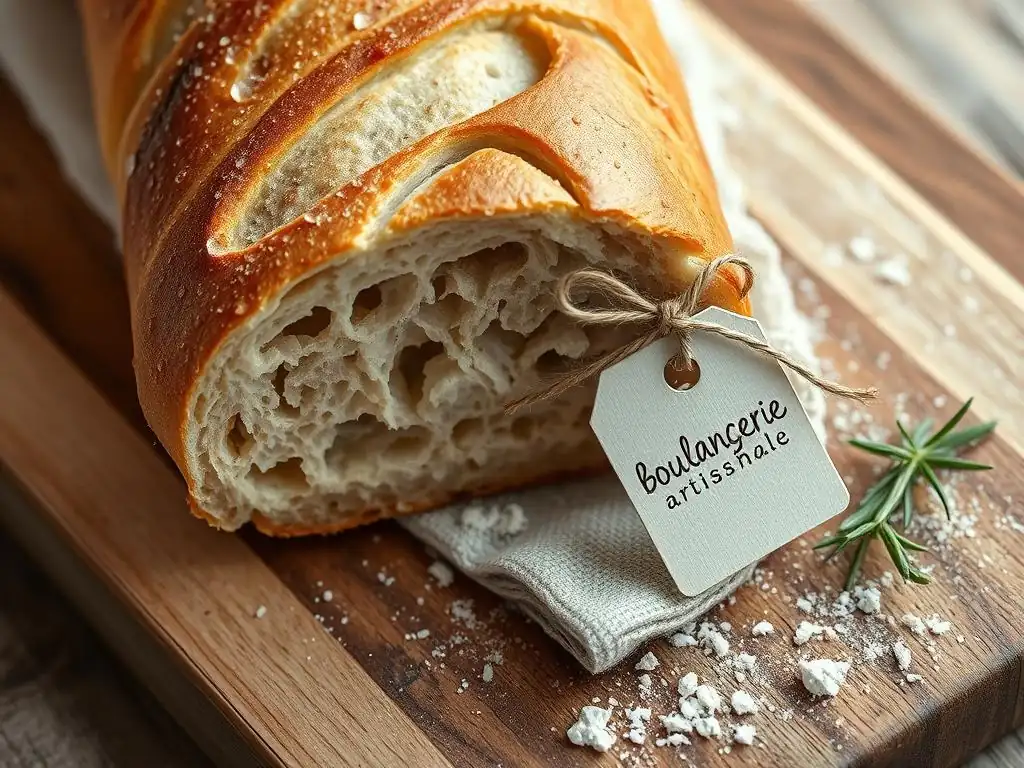
A freshly baked artisan baguette is best enjoyed immediately, but sometimes you need to store it. Proper storage is key to preserving its crisp crust and tender interior for as long as possible.
Unfortunately, the high-hydration, lean dough that makes a baguette so wonderful also means it stales relatively quickly compared to enriched breads. Knowing how to store and revive it can extend its life by a day or two.
Proper Storage Techniques to Prevent Staling
The enemy of a crisp baguette crust is moisture. Storing a baguette in a plastic bag traps moisture, turning the crust soft and chewy. The best short-term storage (a few hours) is simply leaving it cut-side down on a cutting board. For longer storage (up to a day), wrap the baguette loosely in a linen towel or place it in a paper bag. This allows some air circulation while protecting it from drying out completely.
For storing for more than a day, freezing is the best option. Let the baguette cool completely, then wrap it tightly in plastic wrap, followed by a layer of aluminum foil or place it in a freezer-safe bag. A properly frozen baguette can last for several weeks.
Reviving a Day-Old Baguette: Tips and Tricks
If your artisan baguette has gone a bit stale, don't despair! It can often be revived to near-freshness. The easiest method is to lightly mist the entire loaf with water, then place it in a preheated oven (around 300-350°F or 150-175°C) for 5-10 minutes.
The moisture on the surface turns to steam, rehydrating the crust and making it crisp again, while the heat warms the interior. This works well for baguettes that are just a day old and haven't become rock hard. For frozen baguettes, you can often bake them directly from frozen after loosely wrapping in foil, then removing the foil for the last few minutes to crisp the crust.
Enjoying Your Homemade Artisan Baguette: Serving Suggestions and Pairings
The moment you pull a warm, crackling artisan baguette from the oven is pure joy. The simple perfection of this bread means it pairs beautifully with a wide variety of foods.
Whether served simply with butter or as the base for a delicious meal, your homemade baguette is sure to be a hit. Here are a few classic and creative ways to enjoy it.
Classic Ways to Serve a Freshly Baked Baguette
The most classic way to enjoy a warm artisan baguette is simply with a generous smear of good quality butter. The contrast between the crisp crust and the soft, airy interior, combined with the melting butter, is divine.
Another timeless pairing is with cheese. Slice the baguette and serve alongside a cheese board featuring a variety of cheeses, from creamy brie to sharp cheddar. Dipping chunks of baguette into olive oil and balsamic vinegar is also a simple, popular choice. And, of course, it's the perfect companion for soaking up sauces from stews, soups, or pasta dishes.
Creative Baguette Toppings and Sandwich Ideas
Beyond classic pairings, a baguette is a versatile foundation for countless toppings and sandwiches. Consider making crostini by slicing the baguette, toasting the slices, and topping them with ingredients like chopped tomatoes and basil (bruschetta), tapenade, or goat cheese and roasted peppers.
For sandwiches, the long shape of the baguette lends itself perfectly to filling with various ingredients. Think classic French ham and butter (Jambon-beurre), Italian-style with prosciutto, mozzarella, and pesto, or even a Vietnamese Banh Mi with marinated meats and pickled vegetables. The firm crust holds up well to fillings, making it ideal for hearty sandwiches.
Conclusion: The Joy of Baking Your Own Artisan Baguette
Baking an artisan baguette at home is a rewarding experience that connects you to centuries of baking tradition. From the careful preparation of the poolish to the final moment the golden loaves emerge from the oven, each step in this easy artisan baguette recipe contributes to the final masterpiece.
The satisfaction of tearing into a warm loaf you made yourself, hearing that characteristic crackle of the crust, and savoring the complex flavors developed through fermentation is truly unparalleled. We hope this guide has demystified the process and inspired you to bake your own artisan baguettes.
Embrace the Art of Baguette Making with BakeWithEase
At BakeWithEase, we believe that anyone can master the art of baking. This detailed guide to making an artisan baguette recipe easy is just one example of how we aim to empower home bakers. By understanding the ingredients, techniques, and troubleshooting tips, you are well-equipped to create delicious, bakery-quality baguettes in your own kitchen.
So gather your ingredients, set aside the necessary time, and embark on this delightful baking adventure. The journey from simple dough to a glorious, crusty delight is waiting for you. Happy baking!
Frequently Asked Questions
What makes this artisan baguette recipe "easy"?
This recipe focuses on simplified techniques and readily available ingredients, making the artisan baguette accessible to home bakers. It provides step-by-step instructions that are easy to follow.
What are the key ingredients for a successful artisan baguette recipe?
The core ingredients are flour, water, salt, and yeast. The recipe emphasizes using high-quality flour for the best texture and flavor in your artisan baguette.
How long does it take to make an artisan baguette recipe from start to finish?
The entire process, including mixing, proofing, shaping, and baking, typically takes around 4-6 hours. The bulk of this time is dedicated to proofing the dough.
What are some common mistakes to avoid when making an artisan baguette recipe?
Over-mixing the dough, using water that's too hot or cold, and not scoring the baguettes properly are common pitfalls. Proper dough hydration and scoring technique are crucial.
Can I use a different type of flour for this artisan baguette recipe?
While all-purpose flour can be used, bread flour is highly recommended for its higher protein content. This yields a chewier texture and a crispier crust, characteristics of a good artisan baguette.
Final Reflection: The Enduring Allure of the Artisan Baguette
The pursuit of the perfect artisan baguette transcends mere culinary skill; it's a journey of connection—to tradition, to craft, and ultimately, to oneself. In a world increasingly dominated by mass production and instant gratification, the slow, deliberate process of creating a truly exceptional baguette offers a powerful counterpoint. The simple ingredients—flour, water, salt, yeast—become vessels for creativity and patience, resulting in a loaf that is far more than the sum of its parts.
The enduring appeal of the artisan baguette lies not just in its taste, but in its ability to evoke a sense of place, history, and community. The rhythmic kneading, the satisfying rise, the crisp crust yielding to a soft, airy crumb—these are sensory experiences that connect us to generations of bakers who have perfected this craft. As the renowned baker Lionel Poilane once said, Bread is the staff of life, but it is also a work of art.
This sentiment perfectly encapsulates the profound connection between the simple act of baking and the rich tapestry of human experience.
Now, consider your own journey. Perhaps you've already embarked on your own baguette adventure, or perhaps this article has inspired you to try. Regardless, remember that the true reward lies not solely in the perfectly golden crust, but in the process itself. Embrace the imperfections, celebrate the small victories, and savor the journey from dough to delight. The next time you break bread, take a moment to appreciate the artistry and dedication that went into its creation—and perhaps, even try your hand at making your own.
Unleash Your Inner Boulanger: Bake Your Own Perfect Baguette!
Thanks for taking the time to explore the wonderful world of baguette baking! We hope you gained valuable insights into this classic bread's artistry and process. Now it's time to put your newfound knowledge to the test!
- Begin your baguette adventure! Grab your ingredients and try out the recipe we detailed—even a small step forward will improve your baking skills. Don't be afraid to experiment!
- Share your baking journey! Post a picture of your creation on social media and tag us—we'd love to see your results and offer support along the way.
- Dive deeper into the world of bread-making! Explore our other articles on sourdough starters, various bread types, and advanced baking techniques.
What unique ingredient or technique are you most excited to try in your next baguette attempt?