
Culinary Travel for Bakers: Finding Your Dream International Baking School

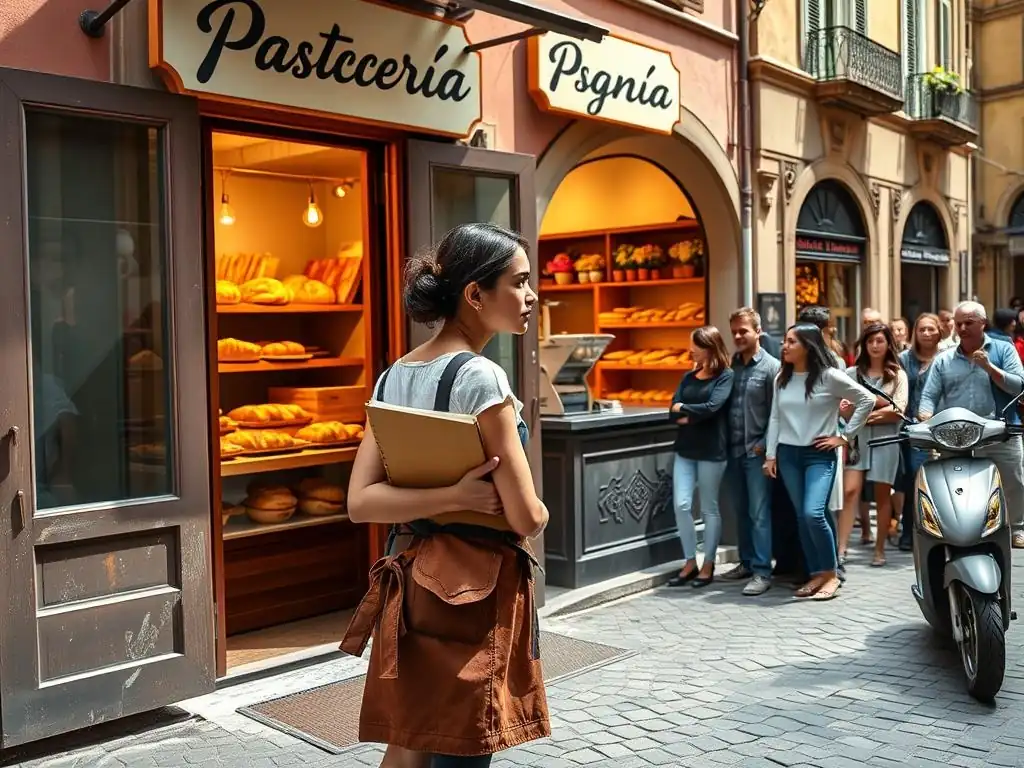
Welcome to BakeWithEase, where the aroma of freshly baked dreams fills the air! Ever dreamt of perfecting your pâtisserie skills in Paris or mastering masa madre in Mexico? This week, we're diving into the world of Culinary Travel for Bakers, offering essential International Baking School Travel Tips to help you find the perfect program and embark on an unforgettable baking adventure. Ready to trade your kitchen for a global culinary experience? Let's get started...
- Planning Your Baking Tourism Adventure: International Baking School Travel Tips
- Key Considerations When Choosing an International Baking School
- Top International Baking School Destinations: A Baker's Paradise
- Budgeting and Travel Planning for Your Baking School Trip
- Maximizing Your Learning Experience at International Baking School
- Continuing Your Baking Education After Your Trip
-
Frequently Asked Questions
- How do I choose the right international baking school for my needs?
- What are some important travel tips for bakers attending international schools?
- How can I find affordable international baking school options?
- What should I expect in terms of language barriers at an international baking school?
- How can I make the most of my culinary travel experience beyond the baking school?
- Final Reflection: The Sweetest Journey of Self-Discovery
- Unlock Your Global Baking Dreams!
Planning Your Baking Tourism Adventure: International Baking School Travel Tips
Embarking on a culinary journey to an international baking school is an exciting prospect for any passionate baker. It's more than just learning new techniques; it's about immersing yourself in a culture where baking traditions run deep. To make the most of this unique experience, careful planning is key. From choosing the right destination to understanding the logistics, these international baking school travel tips will help you navigate the process smoothly. Consider this your first step towards turning that dream baking vacation into a delicious reality.
Thinking through the practicalities early on, such as visa requirements, health precautions, and local transportation options, is crucial for a stress-free trip. Researching the best time of year to visit your chosen destination, considering both weather and local events, can also enhance your experience. Many schools offer courses throughout the year, but attending during a local food festival or a specific harvest season could add an extra layer of cultural richness to your baking adventure. These initial international baking school travel tips lay the groundwork for a truly memorable and educational experience abroad.
Why Choose an International Baking School for Your Culinary Journey?
Choosing an international baking school offers a unique opportunity to learn authentic techniques directly from masters in their field, often in the very place those traditions originated. Imagine mastering the delicate art of Viennoiserie in a Parisian patisserie or learning to craft the perfect sourdough in an Italian panificio. This level of authenticity and immersion is difficult to replicate in a local setting. For instance, a course focused on regional Italian breads might involve visiting local mills or farms, providing a deeper understanding of ingredients and heritage than a standard class.
Beyond the technical skills, attending an international baking school provides invaluable cultural immersion. You'll experience local markets, understand regional ingredient variations, and witness how baking is woven into the fabric of daily life. This exposure can profoundly influence your own baking style and creativity. For example, spending time in Kyoto, Japan, learning traditional Wagashi (Japanese sweets) not only teaches precise techniques but also offers insight into the seasonal ingredients and artistic presentation that define this unique confectionery. It's an investment in both your baking prowess and your global perspective.
Benefits of Immersing Yourself in a New Culture Through Baking
Immersing yourself in a new culture through baking provides a sensory and intellectual experience unlike any other. You don't just taste local flavors; you learn how they are created, understanding the history and context behind regional specialties. This hands-on approach fosters a deeper appreciation for culinary traditions. For example, learning to make regional Italian pastries might involve using specific local cheeses or fruits, teaching you about geographic indicators and agricultural practices tied to the food.
Furthermore, this cultural immersion can significantly broaden your creative horizons. Exposure to different ingredients, tools, and baking philosophies can inspire new ideas and techniques you might never have encountered otherwise. Interacting with local bakers and fellow international students also builds a global network of culinary contacts. A student who spent a month at a school near Lyon, France, learning classic French techniques might return with not only perfected skills but also friendships with bakers from around the world, potentially leading to future collaborations or exchanges.
Key Considerations When Choosing an International Baking School
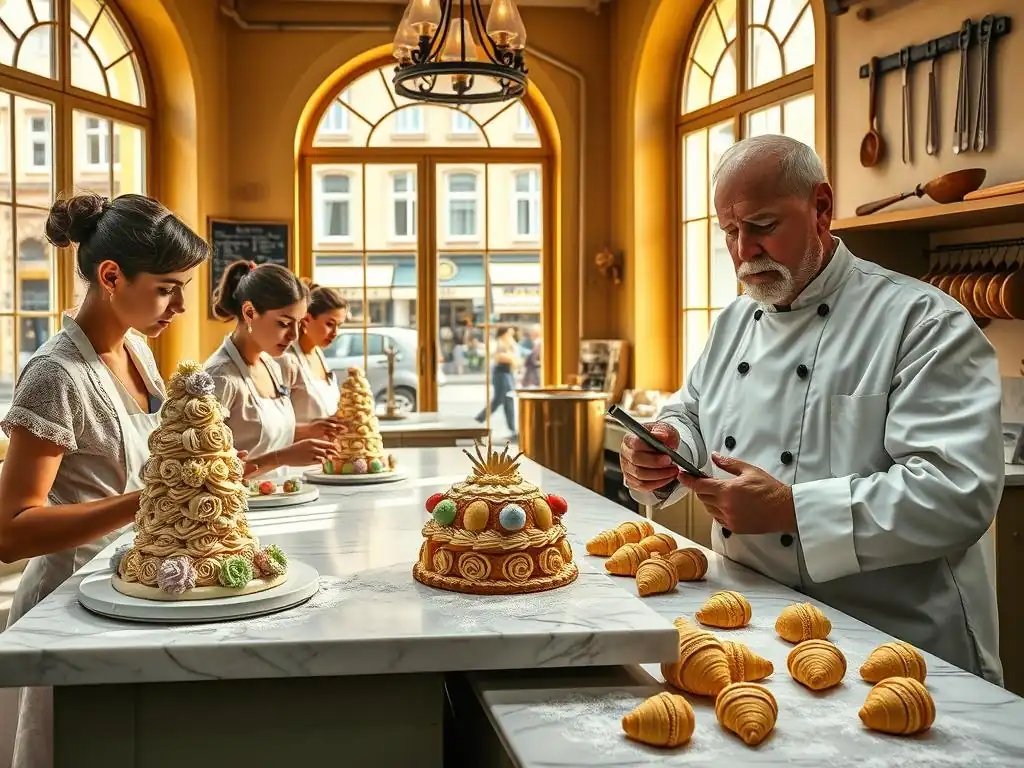
Selecting the right international baking school is a critical step in planning your culinary travel. It requires careful evaluation of your personal goals, skill level, and the specific offerings of various institutions. Thinking through these aspects will help you narrow down the options and find a program that truly aligns with your aspirations. This is where detailed international baking school travel tips focusing on preparation become essential.
Consider the language of instruction, as this is paramount. While many schools catering to international students offer classes in English, verifying this is crucial. Also, research the class size and student-to-instructor ratio, as smaller classes often provide more personalized attention. These practical points are just as important as the curriculum itself when making your final decision.
Defining Your Baking Goals and Skill Level
Before you even start researching schools, take time to honestly assess your current baking skills and define what you hope to achieve. Are you a complete beginner looking to master fundamentals like bread dough or basic pastry? Or are you an experienced baker aiming to specialize in advanced techniques like sugar work, chocolate tempering, or complex laminated doughs? Identifying your starting point and desired outcome will significantly influence the type of school and program you should consider. For instance, a beginner might look for foundational certificate programs, while a professional seeking specialization might target intensive masterclasses.
Your goals should also extend beyond technical skills. Are you hoping to gain skills for a hobby, start a home-based business, or pursue a professional culinary career? Some schools offer programs specifically designed for career changers, including business modules and externship opportunities, while others focus purely on technique for enthusiasts. Knowing your long-term vision helps you evaluate whether a school's structure, duration, and accreditation (if professional goals are involved) are appropriate. Researching alumni testimonials or career placement rates can also provide insight into how well a school supports different student goals.
Evaluating Baking School Programs and Curricula
Once you've defined your goals, the next step is to meticulously evaluate the programs and curricula offered by prospective international baking schools. Look beyond just the course titles; delve into the detailed syllabus. What specific techniques are taught? What types of baked goods will you create? Is there a balance between theoretical knowledge (like ingredient science) and practical, hands-on time in the kitchen? For example, a patisserie program might detail specific modules on entremets, petit fours, macarons, and classic tarts, specifying the number of hours dedicated to each.
Consider the duration and intensity of the programs. Some schools offer short, intensive workshops lasting a few days or weeks, perfect for enthusiasts or those with limited time. Others provide comprehensive diploma or certificate programs spanning several months or even a year, designed for serious amateurs or aspiring professionals. Research the instructors' backgrounds – are they experienced chefs, award-winning patissiers, or industry veterans? A program taught by chefs with significant real-world experience can offer invaluable insights beyond just recipes.
Top International Baking School Destinations: A Baker's Paradise
Certain countries are renowned globally for their rich baking heritage, making them prime destinations for culinary travel focused on baking. These locations offer not only world-class instruction but also an immersive cultural experience centered around their unique baked goods. Exploring these regions is a key part of planning your international baking school travel tips itinerary.
While these destinations are famous, remember that excellent baking schools exist in many other countries. Researching schools based on specific interests, like Scandinavian breads or Middle Eastern pastries, can uncover hidden gems.
France: Mastering Classic French Pastry Techniques
France is widely considered the mecca of pastry, and attending a baking school here offers unparalleled access to classical techniques and the latest innovations. Schools throughout the country, particularly in Paris, Lyon, and Provence, teach everything from foundational doughs like puff pastry and brioche to intricate entremets, macarons, and chocolate work. Students learn the importance of precision, quality ingredients, and elegant presentation that are hallmarks of French patisserie. For instance, a typical module might dedicate several days solely to perfecting croissants and pain au chocolat, emphasizing lamination techniques and proofing control.
Many French schools offer programs ranging from one-week intensive workshops for enthusiasts to multi-month professional diplomas. Some prestigious institutions have programs specifically designed for international students, often taught in English or with translation services. Class sizes are frequently kept small, perhaps 8-12 students per chef-instructor, ensuring personalized feedback. The experience extends beyond the classroom, with opportunities to visit renowned patisseries, chocolate shops, and even ingredient suppliers, solidifying the connection between learning and the vibrant French culinary scene.
Italy: Exploring the Art of Italian Bread and Pizza Making
Italy boasts a diverse and ancient baking tradition, focusing heavily on regional breads, pizzas, and rustic pastries. Attending a school here allows you to delve into the secrets of naturally leavened doughs, understand the nuances of regional flours, and master iconic items like focaccia, ciabatta, and Neapolitan pizza. Schools in regions like Campania (for pizza), Tuscany (for bread), or Emilia-Romagna (for pasta and regional baked goods) offer specialized programs. For example, a pizza-focused course in Naples might spend significant time on cultivating and maintaining a sourdough starter (lievito madre) and understanding the precise fermentation required for authentic Neapolitan dough.
Italian baking education often emphasizes the connection between local ingredients and the final product. You might learn about specific types of durum wheat, regional olive oils, or traditional wood-fired ovens. Courses vary in length, from short workshops on specific topics like panettone or regional Easter breads to longer programs covering a broader range of Italian baked goods. Many schools are family-run or closely tied to traditional bakeries, offering a truly authentic and hands-on experience grounded in centuries of practice.
Japan: Discovering Japanese Baking Secrets
While perhaps less globally renowned for Western-style baking than France or Italy, Japan has a sophisticated and unique baking culture, particularly in the realm of Wagashi (traditional Japanese sweets) and innovative approaches to bread and pastries influenced by French techniques. Learning in Japan offers insight into meticulous precision, artistic presentation, and the use of unique ingredients like matcha, red bean paste (anko), and mochi.
Schools in cities like Tokyo or Kyoto offer specialized programs focusing on Wagashi, Western-style Japanese breads (like milk bread), or French pastries with a Japanese twist. A Wagashi class might involve detailed instruction on shaping and coloring delicate mochi or crafting intricate designs from sweet bean paste.
Japanese baking schools often emphasize discipline and attention to detail, reflecting broader cultural values. Programs can range from short cultural experiences focusing on a few specific items to longer, more intensive courses. The emphasis on seasonal ingredients is particularly strong in Wagashi, meaning courses might vary significantly depending on the time of year. For bakers interested in exploring beyond European traditions or those fascinated by the fusion of techniques, Japan offers a truly distinct and inspiring learning environment.
Other Notable Destinations for Baking Tourism
While France, Italy, and Japan are prominent, numerous other countries offer excellent international baking school opportunities, each with its own unique focus. Austria, particularly Vienna, is famous for its elaborate cakes and tortes like the Sachertorte and Linzer Torte; schools there offer deep dives into these classical confections. Denmark is a fantastic destination for learning about rye breads, pastries like wienerbrød (Danish pastry), and fermentation techniques specific to Northern Europe. Schools in places like Copenhagen provide hands-on experience with dense, flavorful loaves and laminated doughs.
The United States also has world-class culinary institutes with strong baking and pastry programs, often offering a blend of European techniques and American innovation. Canada, Switzerland (for chocolate and pastry), and even countries with emerging baking scenes like Australia offer compelling options. Researching schools based on your specific interest – be it chocolate, specific regional breads, or gluten-free baking – can uncover excellent programs outside the most commonly mentioned destinations.
Budgeting and Travel Planning for Your Baking School Trip
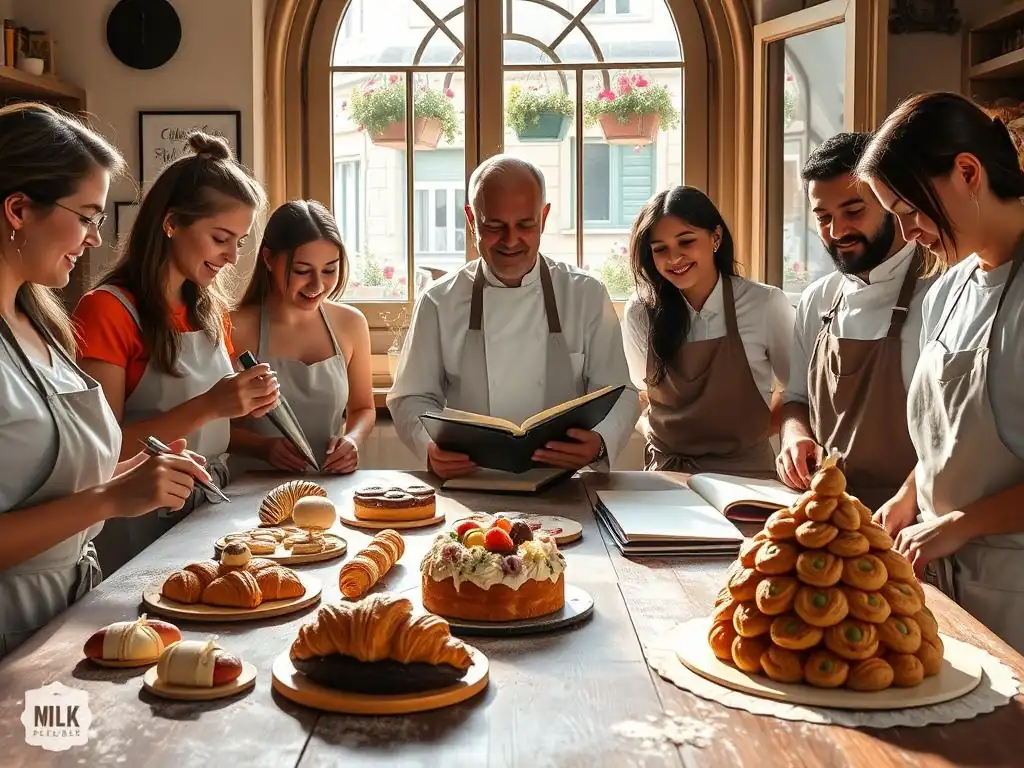
Undertaking a baking school trip abroad requires careful financial planning. Tuition is just one part of the equation; you also need to account for travel, accommodation, living expenses, and potential material costs. Comprehensive international baking school travel tips must include a realistic look at the finances involved.
Creating a detailed budget early in the planning process will help you determine the feasibility of different destinations and program lengths. Don't forget to factor in potential fluctuating exchange rates, which can impact your spending power abroad.
Estimating the Cost of Your Culinary Adventure
The cost of attending an international baking school can vary dramatically based on the destination, the prestige of the institution, and the length and intensity of the program. Short workshops (a few days) might range from $300 to $1,000 USD, while intensive one-month courses could cost anywhere from $2,000 to $8,000 or more, excluding living expenses. Comprehensive professional programs lasting several months can easily run from $10,000 to over $30,000 USD in tuition alone. Researching specific school fees is crucial.
Beyond tuition, estimate costs for flights (which can vary significantly based on origin and destination, potentially $600 - $2000+ round trip), accommodation (hostels, Airbnbs, or hotels, ranging from $50 - $200+ per night), food (groceries, dining out), local transportation, and materials or uniforms the school might require (potentially a few hundred dollars). A general rule of thumb is to budget an additional 50-100% of the tuition cost for living expenses and travel for programs lasting more than a week, though this is highly variable by location and lifestyle.
Booking Flights and Accommodation
Booking flights well in advance, typically 2-6 months before your departure, can often result in better fares. Use flight comparison websites but also check airline sites directly. Consider flying mid-week, as these days are often less expensive. Ensure your passport is valid for at least six months beyond your planned return date and check visa requirements for your destination country – some countries allow short tourist stays but require specific visas for educational programs exceeding a certain duration, even if it's a short course.
Accommodation options near baking schools can range from student housing (if offered) to rental apartments (like through Airbnb or local agencies) or hotels. For longer stays, renting an apartment often provides kitchen access, which can be useful for practicing and saving money on food. Research the neighborhood around the school for safety, convenience to public transport, and proximity to grocery stores. Reading reviews from past students or travelers can provide valuable insights into the best places to stay.
Essential Baking Tools and Equipment for Your Trip
While most international baking schools provide the necessary tools and equipment for use during classes, there might be specific items they require you to bring or purchase. This could include a basic knife set, specific measuring tools, non-slip shoes, or chef's whites/aprons. Check the school's requirements list carefully before you travel. Some schools might offer packages for purchase upon arrival.
Consider bringing a small, lightweight notebook and pen for taking notes, as well as a camera or smartphone to document techniques and finished products (check school policies on photography first). If you plan to practice in your accommodation, you might want to bring a few essential, lightweight hand tools like a small offset spatula or a favorite dough scraper, but avoid packing heavy or bulky items unless absolutely necessary and confirmed by the school. Remember weight restrictions for luggage!
Maximizing Your Learning Experience at International Baking School
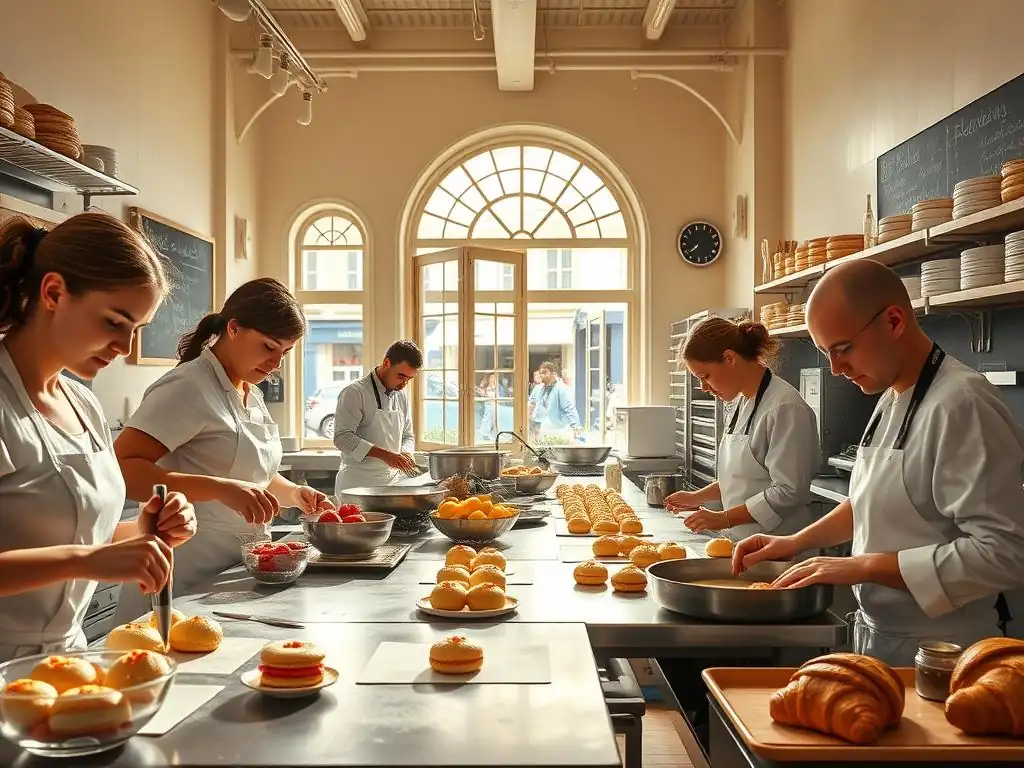
Attending an international baking school is a significant investment of time and money. To truly get the most out of the experience, proactive engagement and preparation are key. These international baking school travel tips focus on making your time in the classroom and kitchen as productive as possible.
It's not just about showing up; it's about being present, curious, and willing to step outside your comfort zone. Embrace the challenges and the unique perspective that comes with learning in a new environment.
Preparing for Your Classes
Before your classes begin, review any pre-course materials the school provides, such as reading lists, basic recipes, or safety guidelines. Refreshing your knowledge of fundamental techniques or terminology can help you hit the ground running. If the classes are in a foreign language, try learning some basic culinary terms beforehand – even a little effort can significantly improve your comprehension and interaction. For example, knowing terms like farine (flour), sucre (sugar), levure (yeast), four (oven), and pétrir (to knead) in French can be immensely helpful in a Parisian school.
Ensure you arrive on time, well-rested, and ready to focus. Wear appropriate clothing and shoes as specified by the school. Mentally prepare yourself for a potentially fast-paced environment and long hours on your feet. Having a positive attitude and an open mind is just as important as having the right tools.
Engaging with Instructors and Fellow Students
Actively engage with your instructors. Don't be afraid to ask questions, even if they seem basic. Instructors are there to teach, and clarifying doubts immediately can prevent confusion later. Pay close attention to demonstrations and take detailed notes on techniques, ingredient ratios, and any tips or tricks shared. Some students find it helpful to record short video clips (with permission) of complex steps for later review.
Building connections with your fellow students can also enrich your experience. They come from diverse backgrounds and skill levels, offering different perspectives and knowledge. Working together during practical sessions, sharing experiences outside of class, and networking can lead to lasting friendships and professional connections. Discussing challenges and successes with classmates can also reinforce your learning.
Documenting Your Culinary Journey
Documenting your experience goes beyond just taking photos of finished products. Keep a detailed baking journal where you can record recipes learned, variations attempted, observations about ingredients, techniques, and feedback received. Note temperatures, timings, and any challenges you encountered and how you overcame them. This journal will become an invaluable resource for future reference.
Use photos and videos (where allowed) to capture techniques and processes that are difficult to describe in notes. Photographing intermediate steps, like dough consistency or folding patterns, can be incredibly helpful when you try to replicate the recipes at home. Share your experiences (appropriately, respecting privacy and school rules) with friends and family – explaining what you've learned can also help solidify your understanding.
Continuing Your Baking Education After Your Trip
Your international baking school experience is a fantastic foundation, but it's just the beginning of a lifelong baking journey. The skills and knowledge you've gained need to be nurtured and expanded upon. These international baking school travel tips extend to how you integrate your new learning back into your daily life.
Think about how you can apply what you've learned, continue to grow your skills, and perhaps even share your passion with others. The culinary world is constantly evolving, and continuous learning is key to mastery.
Practicing Your New Skills and Recipes
The most critical step after returning home is consistent practice. Schedule regular time in your kitchen to revisit the recipes and techniques you learned at the international baking school. Don't be discouraged if your first attempts aren't perfect; baking is a skill that improves with repetition. Start with recipes you feel most confident about and gradually work your way up to more challenging ones.
Experiment with adapting recipes to your local ingredients and climate, noting how differences in flour, butter, or humidity affect the outcome. Try teaching a technique you learned to a friend or family member – explaining the process to someone else often helps you understand it better yourself. The more you bake, the more ingrained the techniques will become.
Expanding Your Baking Knowledge
Your international baking school experience likely opened your eyes to new possibilities. Continue expanding your knowledge by reading advanced baking books, following professional bakers online, and experimenting with new ingredients or equipment. Consider taking local workshops or online courses to learn techniques not covered in your international program.
Explore related areas, such as food photography, food styling, or the business aspects of baking, if those interest you. Stay curious and never stop learning. The culinary world is vast, and there's always a new technique to master or a new flavor combination to discover.
Starting Your Own Baking Business
For some, the international baking school experience might ignite a desire to turn their passion into a profession. If you're considering starting your own baking business, whether it's a home-based cottage food operation, a small bakery, or a custom cake business, the skills and confidence gained abroad are invaluable.
Research local regulations for food businesses, develop a business plan, and start small, perhaps selling at local markets or taking custom orders for friends and family. Use the knowledge of quality ingredients and techniques you learned to differentiate your products. Your international baking school travel tips and the journey itself can provide a compelling narrative for your brand, connecting customers to the global origins of your craft.
Frequently Asked Questions
How do I choose the right international baking school for my needs?
Consider your skill level, desired specialization (pastry, bread, etc.), and budget. Look at the curriculum and instructor qualifications to ensure they align with your goals.
What are some important travel tips for bakers attending international schools?
Research visa requirements and cultural norms before you go. Pack essential baking tools if permitted, and ensure you have adequate travel insurance that covers medical emergencies.
How can I find affordable international baking school options?
Explore schools in countries with a lower cost of living. Look for scholarships or grants specifically for culinary students or international travel. Consider shorter, focused courses.
What should I expect in terms of language barriers at an international baking school?
Many schools offer courses in English, but learning basic phrases in the local language can enhance your experience. Consider language immersion programs before or during your course.
How can I make the most of my culinary travel experience beyond the baking school?
Explore local markets and bakeries to learn about regional specialties. Network with local chefs and bakers for valuable insights and potential opportunities. Immerse yourself in the local culture.
Final Reflection: The Sweetest Journey of Self-Discovery
Culinary travel, particularly for aspiring bakers, isn't just about learning new techniques; it's about embarking on a transformative journey of self-discovery. The pursuit of mastering the art of baking in a foreign land offers a unique blend of skill development and cultural immersion, a potent combination that shapes both the baker and the person. This experience transcends mere recipe acquisition; it's about finding your place within a global community of passionate artisans.
The impact of international baking school experiences extends far beyond the classroom. The friendships forged, the techniques mastered, and the cultural insights gained resonate long after the final croissant is baked. These journeys foster a deep appreciation for diverse culinary traditions and the interconnectedness of global food culture. As renowned chef Anthony Bourdain once said, Food is everything we are. It’s an extension of nationalist feeling, ethnic feeling, family feeling, individual feeling.
This sentiment perfectly encapsulates the profound personal and cultural growth that comes from immersing oneself in a foreign baking school.
Now, consider your own aspirations. What flavors ignite your passion? What cultures beckon you to explore? The world of international baking schools awaits, ready to nurture your talent and expand your horizons. Don't just dream of mastering the perfect baguette or crafting exquisite macarons – take the leap. Embrace the adventure, embrace the challenge, and embrace the transformative power of culinary travel. Your dream international baking school experience is waiting to be discovered.
Unlock Your Global Baking Dreams!
Thanks for exploring the world of international baking schools with us! We hope you've found inspiration for your next culinary adventure. Ready to take the next step towards mastering your craft?
- Apply to your top-choice school today! Don't let your dream of perfecting your croissant technique or mastering sourdough fade. Check their application deadlines – you might be surprised at how quickly they fill up!
- Share this article with fellow baking enthusiasts who might also be dreaming of international baking adventures. Let's inspire each other!
- Consider joining an online baking community to connect with other passionate bakers from around the globe – you never know what delicious collaborations might arise!
What unique baking technique are you most excited to learn in a new country? Let us know in the comments!