
The Science of Enrichment: How Fat and Sugar Transform Dough

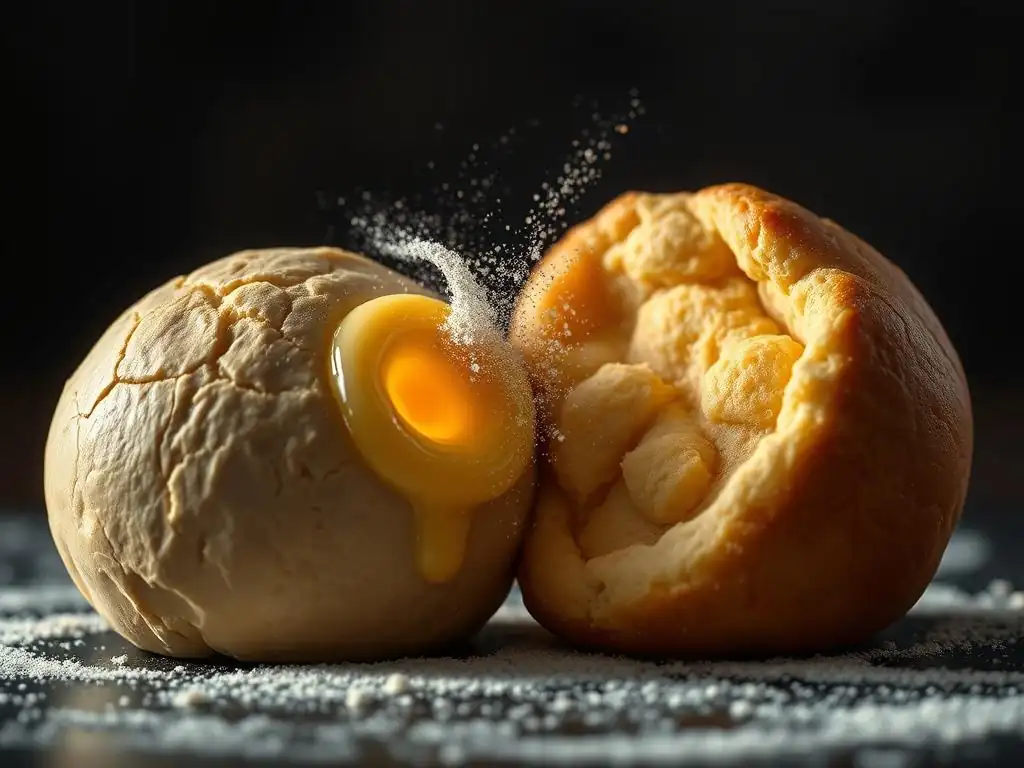
Welcome to BakeWithEase, where we unlock the secrets to baking brilliance! Ever wondered how the humble combination of fat and sugar can orchestrate a breathtaking transformation within your dough? Dive into The Science of Enrichment, our latest exploration into the fascinating world of baking chemistry. Discover the key role these ingredients play and elevate your baking from simple recipes to stunning creations. Ready to understand the magic? Let's get started!
- Understanding Sourdough: A Fermented Bread
- The Transformation: How Time and Temperature Shape Flavor
- The Science of Baking: Step-by-Step Dough Transformation Breakdown
- Troubleshooting Sourdough: Common Issues and Scientific Solutions
- Advanced Techniques: Exploring Different Sourdough Styles
- Achieving Baking Success: Tips for Perfect Sourdough Every Time
-
Frequently Asked Questions
- What is the primary focus of "The Science of Enrichment: How Fat and Sugar Transform Dough"?
- How does fat impact dough when baking, according to BakeWithEase?
- What role does sugar play in the "fat sugar dough transformation science" BakeWithEase discusses?
- Is the information in "The Science of Enrichment: How Fat and Sugar Transform Dough" suitable for beginner bakers?
- What types of baked goods can benefit from understanding the science of fat and sugar in dough?
- Final Reflection: The Sweet Science of Transformation
- Unleash Your Inner Baker: Craft Extraordinary Doughs!
Understanding Sourdough: A Fermented Bread
What is Sourdough? Defining the Starter and Process
Sourdough is a unique form of bread leavened using a natural culture, often called a "starter," rather than commercial yeast. This starter is a living ecosystem, a symbiotic relationship between wild yeasts and lactic acid bacteria (LAB) cultivated in a simple mixture of flour and water. Unlike the rapid rise achieved by commercial yeast, sourdough fermentation is a slower, more complex process.
The starter is maintained through regular "feedings," where a portion is discarded and fresh flour and water are added, providing nutrients for the microbes to thrive. This continuous cycle ensures the culture remains active and potent, ready to leaven dough and impart its signature flavor.
The process of making sourdough bread typically involves several stages: building or activating the starter (often called a levain), mixing the dough (flour, water, salt, and levain), bulk fermentation (the initial rise), shaping the dough, proofing (the final rise), and baking. Each stage is influenced by time and temperature, allowing the microbial activity to transform the simple ingredients.
While the fat sugar dough transformation science is paramount in enriched breads like brioche, traditional sourdough focuses on the microbial transformation of starches and proteins, creating complex acids and gases that differ significantly from doughs heavily reliant on added fats and sugars.
The Science Behind Sourdough Fermentation: A Symbiotic Relationship
The heart of sourdough's unique characteristics lies in the fascinating symbiosis between the wild yeasts and lactic acid bacteria present in the starter. These microorganisms work in concert, each contributing essential elements to the dough's structure, flavor, and rise. Wild yeasts, primarily Saccharomyces cerevisiae (though different strains from commercial yeast), consume sugars in the flour and produce carbon dioxide gas, which causes the dough to rise, and ethanol, which evaporates during baking.
Simultaneously, the lactic acid bacteria, predominantly from the Lactobacillus genus, ferment carbohydrates in the flour to produce lactic acid and, sometimes, acetic acid. These acids contribute significantly to the characteristic tangy or sour flavor of sourdough. The balance between lactic and acetic acid production is influenced by fermentation time and temperature, creating a wide spectrum of flavors. This intricate microbial activity stands in contrast to the fat sugar dough transformation science seen in enriched doughs, where high levels of added fat and sugar directly impact yeast activity and gluten structure in distinct ways.
Lactic Acid Bacteria and Yeast: Creating Tang and Rise
Lactic Acid Bacteria (LAB) are responsible for the sourness in sourdough. They metabolize various sugars and starches in the flour, producing lactic acid and acetic acid. Lactic acid provides a milder, yogurt-like tang, while acetic acid contributes a sharper, vinegar-like note. The ratio of these acids is influenced by temperature; warmer fermentation generally favors lactic acid production, while cooler temperatures can increase acetic acid.
Wild yeasts in the starter consume simple sugars and produce carbon dioxide (CO2) gas, which gets trapped by the gluten network, causing the dough to expand and rise. While yeast activity is crucial for leavening, the LAB also play a supporting role by breaking down complex carbohydrates, making simpler sugars available for the yeast.
This cooperative relationship ensures a steady, albeit slower, production of gas compared to commercial yeast. Understanding the science of dough transformation in sourdough requires appreciating this microbial partnership, which differs fundamentally from doughs where added fat can inhibit yeast activity and sugar feeds them directly and rapidly.
How Fermentation Affects Gluten Development: Improving Digestibility
Beyond leavening and flavor, the prolonged fermentation in sourdough has a profound impact on the gluten network within the dough. The acids produced by the LAB, along with enzymatic activity inherent in the flour and microbes, begin to break down proteins in the flour, including gluten. This partial breakdown can improve the dough's extensibility and make the gluten network more supple.
Furthermore, the acidic environment created by the LAB is thought to initiate the breakdown of complex carbohydrates and phytic acid, an anti-nutrient found in grains that can inhibit mineral absorption. While research is ongoing, this process is believed by many to make sourdough bread easier to digest and potentially increase the bioavailability of nutrients compared to quick breads or those made with short fermentation times.
This aspect of dough transformation science in sourdough is distinct from how fat and sugar interact with gluten in enriched doughs, where fat often "shortens" gluten strands and sugar can strengthen the network initially but weaken it if fermentation is too rapid.
The Role of Flour and Water: Building a Strong Starter
The foundation of a healthy and active sourdough starter lies in the quality and type of flour and water used. Flour provides the essential food source for the wild yeasts and LAB. Different flours contain varying levels of starches, sugars, and proteins, which directly impact the microbial community's activity and the starter's overall health. For instance, whole grain flours, like rye or whole wheat, are richer in nutrients and microbial populations naturally present on the grain, often leading to a more vigorous starter initially compared to refined white flour.
Water quality is equally important. Chlorinated water, common in many municipal supplies, can inhibit or even kill the delicate microbial balance in a starter. Using filtered or unchlorinated water is often recommended to ensure the starter thrives. The temperature of the water used for feeding also plays a role, influencing the starter's temperature and thus the activity levels of the microbes. Understanding these basic inputs is crucial for cultivating a robust starter, the engine driving the science of dough transformation in sourdough, a process starkly different from the fat sugar dough transformation science that defines enriched doughs.
Flour Composition and its Impact on Starter Activity
Different types of flour offer varying nutritional profiles for a sourdough starter. Whole grain flours, containing the bran and germ, provide a wider array of nutrients and enzymes compared to refined white flour. The presence of more complex carbohydrates and minerals in whole grains can support a more diverse and resilient microbial population. For example, rye flour is particularly known for its ability to kickstart and maintain a vigorous starter due to its high enzymatic activity and nutrient density.
While a starter can be maintained with various flours, consistency in feeding with the same type of flour often leads to a more stable and predictable culture. The specific blend of wild yeasts and LAB that thrives in a starter adapts to the food source provided.
This focus on microbial nutrition from flour is a key element in the science of dough transformation specific to sourdough, contrasting with the dynamics in enriched doughs where the addition of significant fat and sugar fundamentally alters how the dough behaves during mixing and fermentation, governed by different aspects of fat sugar dough transformation science.
Water Quality and its Effect on Fermentation
Water is not just a hydration agent in sourdough; it's a critical component of the microbial environment. Tap water often contains chlorine or chloramines, disinfectants added to make it safe for drinking. While harmless to humans in these concentrations, they can be detrimental to the sensitive wild yeast and bacteria cultures in a sourdough starter, slowing down or even killing the fermentation process.
For this reason, many bakers prefer to use filtered water, bottled spring water, or simply leave tap water exposed to the air for 24 hours to allow chlorine to dissipate (note: chloramines do not dissipate this way and require filtration). The pH and mineral content of the water can also have subtle effects on the starter's activity and the final dough's characteristics, though chlorine is generally the most significant concern.
Ensuring good water quality supports the health and activity of the microbes, which are central to the science of dough transformation in sourdough, a process that operates distinctly from the fat sugar dough transformation science involved in enriching doughs.
The Transformation: How Time and Temperature Shape Flavor
The Influence of Fermentation Time: Developing Complexity
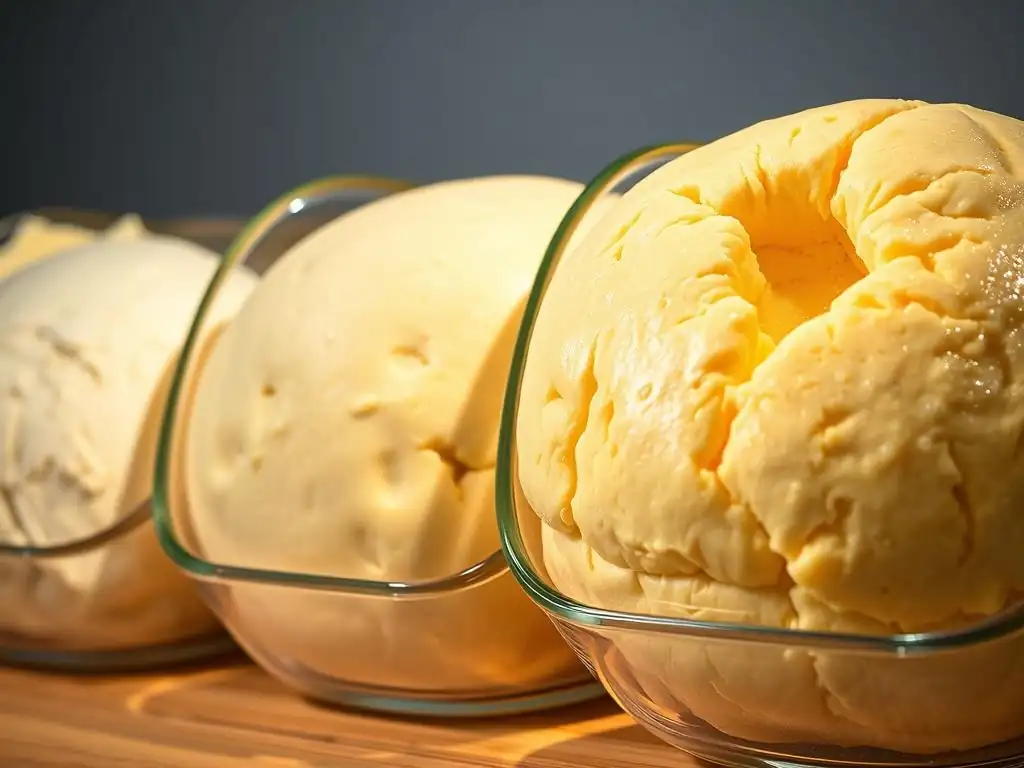
Time is a crucial ingredient in sourdough baking, particularly during the fermentation stages. As the wild yeasts and LAB consume the flour's carbohydrates over several hours, they produce a complex array of metabolic byproducts, including various organic acids, alcohols, and aromatic compounds. The longer the fermentation period, up to a point, the more pronounced and complex these flavors become.
Extended fermentation also allows enzymes more time to break down starches into simpler sugars, which can contribute to crust browning, and proteins, which affect dough extensibility and potentially digestibility. While fermentation time is also a factor in enriched doughs, the presence of high levels of fat and sugar significantly alters the microbial environment and the rate of fermentation.
In sourdough, the slower, acid-producing fermentation uniquely develops deep, nuanced flavors that cannot be replicated by simply adding tang to a quick dough. This prolonged process is fundamental to the unique science of dough transformation in sourdough, differing from the dynamics seen in the fat sugar dough transformation science of enriched breads.
Optimizing Temperature for Different Stages of Sourdough Baking
Temperature plays a critical role in controlling the rate and outcome of sourdough fermentation. Microorganisms are highly sensitive to temperature fluctuations. Wild yeasts are generally more active in warmer temperatures (around 75-85°F or 24-30°C), while LAB activity can vary, with some strains favoring warmer conditions for lactic acid production and others preferring cooler temperatures for more acetic acid.
By controlling the temperature during different stages, bakers can influence the balance of acids and gases produced, thereby steering the flavor profile and dough development. For example, a warmer bulk fermentation might lead to a faster rise and milder tang, while a long, cool proofing period in the refrigerator (cold fermentation) slows yeast activity but allows LAB to continue producing acids, resulting in a more pronounced sour flavor and potentially better gluten structure.
This precise temperature control is a core aspect of mastering the science of dough transformation in sourdough, distinct from how temperature interacts with the higher fat and sugar content in enriched doughs, which impacts viscosity and yeast activity in different ways according to fat sugar dough transformation science.
Starter Maintenance: Keeping the Culture Active
Maintaining a healthy and active sourdough starter requires attention to its environment, especially temperature. Starters stored at room temperature (around 70-75°F or 21-24°C) are typically fed daily, as the microbes are quite active. This regular feeding schedule ensures a consistent supply of nutrients, preventing the culture from becoming overly acidic or running out of food, which can weaken it.
For less frequent baking, starters can be stored in the refrigerator (around 40°F or 4°C). The cold temperature significantly slows down microbial activity, allowing the starter to be fed less often (e.g., weekly). However, a cold starter will need to be brought to room temperature and fed one or more times to become active enough to leaven bread.
The temperature at which a starter is maintained influences its microbial composition and activity level, which in turn affects the science of dough transformation when the starter is used in a dough. This careful management contrasts with the simpler activation of commercial yeast used in many enriched doughs governed by fat sugar dough transformation science.
Bulk Fermentation: Developing Flavor and Structure
Bulk fermentation, the initial rise of the mixed dough before shaping, is a critical phase for developing both flavor and gluten structure in sourdough. The temperature during bulk fermentation significantly impacts the rate of microbial activity and the balance between yeast leavening and acid production. A typical room temperature bulk ferment might take 4-8 hours, while a warmer environment can shorten this time, and a cooler one can extend it considerably.
During this time, the acids produced by the LAB help to strengthen the gluten network, making the dough more extensible and easier to handle. Regular "stretch and folds" or "coil folds" performed during bulk fermentation help to build tension and structure in the dough.
The duration and temperature of bulk fermentation are key decisions a sourdough baker makes to control the final texture and flavor profile, embodying a core aspect of the science of dough transformation unique to this method, distinct from how bulk fermentation proceeds in doughs where the fat sugar dough transformation science dictates different hydration and handling needs.
The Science of Baking: Step-by-Step Dough Transformation Breakdown
Mixing Techniques: Autolyse, Levain Incorporation, and Dough Development
The mixing process in sourdough often involves specific techniques designed to optimize hydration and gluten development before the active fermentation begins. Autolyse is a simple technique where flour and water are mixed and allowed to rest for 20-60 minutes before adding the levain and salt. This resting period allows the flour to fully hydrate and enzymes to begin breaking down starches and proteins, which helps gluten strands align more easily with less mixing effort.
After the autolyse, the active levain and salt are incorporated. The dough is then mixed or kneaded, often using techniques like stretch and folds or slap and folds, to develop the gluten network further.
This process builds the structure needed to trap the gases produced during fermentation and create the bread's open crumb structure. These mixing techniques are tailored to sourdough's typically higher hydration levels and reliance on a naturally developed gluten network, differing significantly from the mixing methods used for enriched doughs where the fat sugar dough transformation science means fat is often added gradually after initial gluten development to avoid inhibiting it.
The Importance of Hydration Levels in Sourdough
Hydration level, the ratio of water to flour by weight, is a critical factor in sourdough baking that profoundly impacts dough handling, fermentation rate, and the final crumb structure. Sourdough doughs are often relatively high in hydration compared to many other bread types, commonly ranging from 70% to over 85%. Higher hydration leads to a wetter, stickier dough that requires different handling techniques but often results in a more open, airy crumb and a crispier crust.
The amount of water available affects the activity of both the yeast and bacteria in the starter and dough, influencing the rate and nature of fermentation. Proper hydration ensures the flour is fully saturated, allowing enzymes and microbes to access nutrients effectively and facilitating gluten development. Understanding how to manage high-hydration dough is a key skill in sourdough, representing a specific challenge within the science of dough transformation that is less pronounced in lower-hydration enriched doughs, where the fat sugar dough transformation science introduces different structural considerations.
Shaping and Proofing: Building Tension and Structure
After bulk fermentation, sourdough dough is shaped to create tension and structure that will help it hold its form during the final rise and baking. Common shaping techniques for boules (round loaves) or batards (oval loaves) involve folding the dough onto itself to create a taut surface. This surface tension is crucial for achieving good oven spring.
Proofing, the final rise after shaping, allows the dough to increase in volume before baking. The duration and temperature of proofing are critical. Underproofed dough will have poor oven spring and a dense crumb, while overproofed dough can collapse in the oven.
Sourdough is often proofed in a banneton or proofing basket, which supports the dough and helps maintain its shape. This controlled final rise is essential for the science of dough transformation in the oven, preparing the dough for the rapid expansion that follows, a process less affected by the specific considerations of fat sugar dough transformation science found in enriched doughs.
Understanding the Window of Opportunity for Scoring
Scoring, or slashing the surface of the shaped dough just before baking, is a technique with both functional and aesthetic purposes in sourdough. Functionally, scores act as vents that allow the rapidly expanding dough to control where it releases gas during oven spring. Without scoring, the crust would likely tear in unpredictable places.
The depth, angle, and pattern of the scores influence how the dough expands. A well-scored loaf will open cleanly along the cuts, contributing to a beautiful shape and maximizing oven spring.
There's a "window of opportunity" for scoring; the dough must be sufficiently proofed to have built internal pressure but still have enough structure to hold the score without collapsing. The specific interaction of scoring with oven spring is a unique aspect of the science of dough transformation in lean doughs like sourdough, whereas in enriched doughs, the softer, richer crust behaves differently during baking, governed by fat sugar dough transformation science.
Baking Sourdough: Mastering Oven Spring and Crust Development
Baking is the final, dramatic stage of sourdough transformation. When the dough hits the hot oven, a rapid expansion occurs, known as oven spring. This is caused by the sudden increase in temperature, which activates the last bit of yeast activity (producing CO2) and causes water in the dough to turn to steam, forcing the dough to expand rapidly before the crust sets.
The high heat of the oven also initiates the Maillard reaction and caramelization on the crust, creating the characteristic deep brown color and complex flavors. Achieving a good oven spring and a well-developed crust requires high initial oven temperatures, often facilitated by baking in a Dutch oven or on a baking stone with steam.
This stage is the culmination of the science of dough transformation, where the structure built during mixing and fermentation is locked in by heat, a process that differs in dynamics from the baking of enriched doughs due to the absence of significant added fat and sugar influencing crust development according to fat sugar dough transformation science.
Utilizing Steam for Optimal Crust Formation
Steam plays a crucial role in achieving the signature crisp, crackly crust of sourdough bread. When the dough is first placed in a hot oven, steam in the baking environment keeps the surface of the dough moist and pliable. This prevents the crust from hardening too quickly, allowing the dough to expand fully during oven spring.
Once the dough has achieved its maximum volume (typically within the first 10-15 minutes), the steam is often vented, allowing the crust to dry out and crisp up. Baking in a covered Dutch oven is a popular method for home bakers as it effectively traps the dough's own steam around the loaf.
Without adequate steam, the crust sets too early, restricting oven spring and resulting in a denser loaf and a less desirable crust texture. This reliance on steam for crust development is a key part of the science of dough transformation in lean sourdough, contrasting with enriched doughs where the fat content contributes to a softer crust from the outset, influenced by fat sugar dough transformation science.
Troubleshooting Sourdough: Common Issues and Scientific Solutions
Flat Loaves: Understanding Starter Activity and Gluten Strength
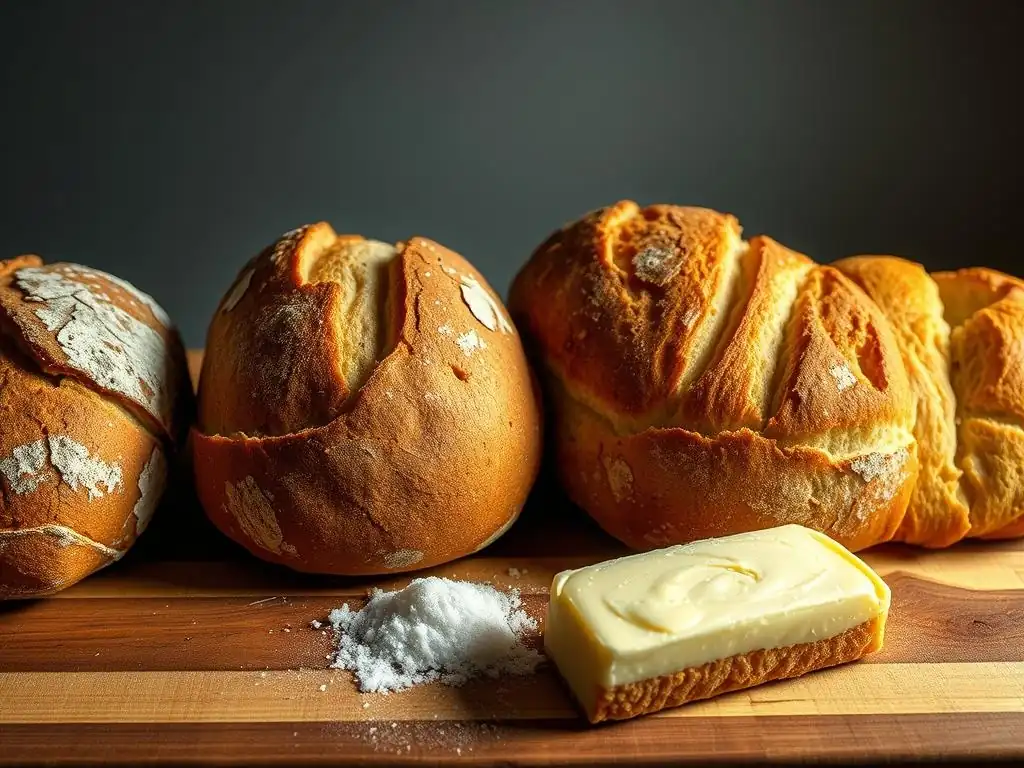
One of the most common frustrations for sourdough bakers is achieving insufficient oven spring, resulting in flat or dense loaves. This issue often stems from two primary factors: a weak or inactive starter or underdeveloped gluten strength in the dough. If the starter (levain) isn't vigorous enough when added to the dough, it won't produce sufficient carbon dioxide to leaven the bread adequately during fermentation and proofing.
Similarly, if the gluten network isn't properly developed during mixing and bulk fermentation, it won't have the strength and elasticity to hold the gas produced by the yeast. The dough might spread outwards instead of rising upwards during baking. Addressing flat loaves requires assessing starter health (does it double or triple in volume after feeding?)
and ensuring sufficient mixing and gentle handling during bulk fermentation to build gluten without tearing it. This troubleshooting delves into the fundamental science of dough transformation in sourdough, highlighting the interplay between microbial activity and structural integrity, a different set of challenges than those encountered in enriched doughs governed by fat sugar dough transformation science.
Gummy Crumb: Adjusting Baking Time and Temperature
A gummy or wet-looking crumb inside the finished loaf is another common issue, often indicating that the bread is underbaked. While the exterior might look done, the interior hasn't reached the necessary temperature to fully set the starches and proteins. This results in a dense, often unpleasantly chewy texture.
The solution typically involves adjusting baking time and/or temperature. Baking at a slightly lower temperature for a longer duration can help ensure the interior cooks thoroughly without burning the crust. Alternatively, ensuring the loaf reaches an internal temperature of around 205-210°F (96-99°C) is a reliable indicator of doneness.
Using a digital thermometer is a great way to check this. This aspect of the science of dough transformation during baking is about heat penetration and starch gelatinization, applicable to most breads, though underbaking can be more noticeable in the open crumb structure of sourdough compared to denser enriched doughs influenced by fat sugar dough transformation science.
Sourness Imbalance: Controlling Fermentation Time and Temperature
The level and type of sourness in sourdough bread can vary greatly and are primarily controlled by the fermentation parameters, specifically time and temperature. As mentioned earlier, warmer fermentation generally favors lactic acid production (milder tang), while cooler, longer fermentation (like cold proofing in the refrigerator) encourages acetic acid production (sharper tang).
If your sourdough is too sour, try reducing bulk fermentation time or increasing the temperature slightly to favor lactic acid. If it's not sour enough, consider a longer, cooler proofing period.
The health and feeding schedule of your starter also play a role; a starter fed frequently and kept warm tends to produce milder bread than one neglected or kept cool. Mastering this balance is key to tailoring the flavor profile, a central part of the science of dough transformation in sourdough that is absent in doughs where the fat sugar dough transformation science focuses on sweetness and richness from added ingredients.
Advanced Techniques: Exploring Different Sourdough Styles
Using Different Flours: Rye, Whole Wheat, and Spelt
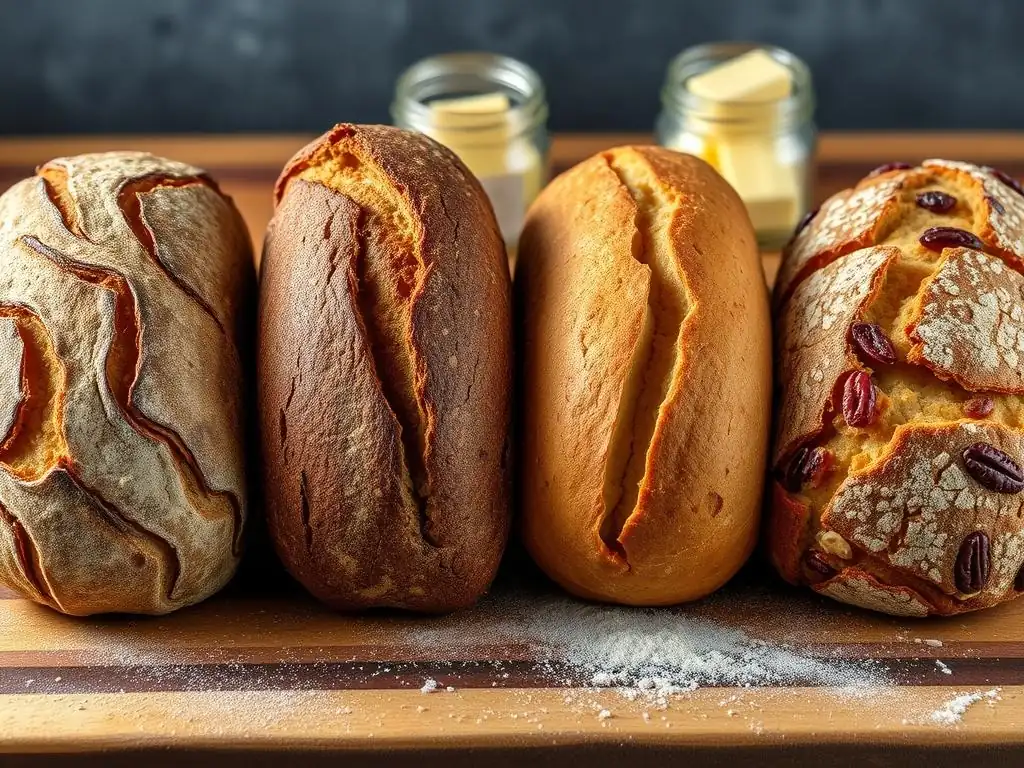
Exploring different flour types is a fantastic way to vary the flavor, texture, and nutritional profile of sourdough bread. While all-purpose or bread flour is standard, incorporating whole wheat, rye, spelt, or other grains introduces different levels of protein, fiber, and natural sugars, which affect both the starter's activity and the final dough's characteristics.
Rye flour, for example, ferments quickly and contributes a distinct, earthy flavor and tighter crumb structure due to its different protein composition compared to wheat. Whole wheat adds nutty flavors and dense nutrients. Spelt offers a slightly sweeter, nuttier profile and is sometimes better tolerated by individuals sensitive to wheat. Using a blend of flours allows bakers to experiment with complex flavors and textures, pushing the boundaries of the science of dough transformation beyond simple white loaves, creating results distinct from the textures achieved via the fat sugar dough transformation science in enriched recipes.
Incorporating Add-Ins: Seeds, Nuts, and Dried Fruits
Adding seeds, nuts, dried fruits, or other inclusions is a popular way to enhance the flavor and texture of sourdough bread. Seeds like sesame, poppy, or sunflower add crunch and nutty notes. Chopped nuts like walnuts or pecans provide richness and texture. Dried fruits, such as cranberries or raisins, introduce sweetness and chewiness.
These add-ins can be incorporated during the mixing or folding stages of bulk fermentation. However, they can affect the dough's handling properties and proofing time. Dried fruits, being hygroscopic, can absorb moisture from the dough, potentially requiring a slight increase in hydration. The sugars in dried fruits can also provide additional food for the yeast, potentially speeding up fermentation slightly. While these additions modify the dough, the fundamental science of dough transformation driven by the sourdough culture remains, interacting with the add-ins in ways different from how they behave within dough structured by fat sugar dough transformation science.
Mastering Different Scoring Patterns: Enhancing Oven Spring and Aesthetics
Moving beyond a simple cross or single slash, mastering different scoring patterns can significantly enhance the visual appeal of sourdough loaves and subtly influence oven spring. Decorative patterns, achieved with a lame (a razor blade on a stick) or sharp knife, allow bakers to express creativity.
Functionally, the placement and depth of scores direct the dough's expansion. A deep, single score down the length of a batard encourages a large "ear" to form. Multiple shallow scores can result in a more evenly rounded loaf with a mosaic-like crust pattern.
Practicing different patterns helps bakers understand how the dough releases tension and expands in the oven, allowing for more predictable and beautiful results. This artistic application of the science of dough transformation focuses on controlling the physical expansion of the dough during baking, a different skill set than understanding the chemical interactions central to fat sugar dough transformation science.
Achieving Baking Success: Tips for Perfect Sourdough Every Time
Reading the Dough: Understanding Visual and Tactile Cues
Becoming a successful sourdough baker involves learning to "read" the dough – understanding its readiness by its look and feel rather than strictly adhering to time. Factors like ambient temperature, flour type, and starter activity can all affect fermentation speed, making strict timing unreliable.
During bulk fermentation, look for the dough to increase significantly in volume (often 30-50% for lean sourdough) and become airy and bubbly. The surface should appear domed and lively. For proofing, the "poke test" is a common method: gently press the dough with a floured finger; if the indentation springs back slowly but not completely, the dough is likely ready to bake. Learning these visual and tactile cues is crucial for adapting to variables and is a key part of mastering the hands-on science of dough transformation.
Adapting to Environmental Factors: Adjusting Recipes and Techniques
Environmental conditions like temperature, humidity, and altitude significantly impact sourdough baking. Warmer temperatures speed up fermentation, requiring shorter proofing times. Higher humidity might necessitate slightly less water in the dough, while lower humidity could require more. Altitude affects atmospheric pressure, causing dough to rise faster, which means adjustments to fermentation times and potentially hydration are needed.
Experienced sourdough bakers learn to observe these factors and adjust their recipes and techniques accordingly. This might mean using cooler water on a hot day, reducing fermentation time when humidity is high, or experimenting with proofing times at higher altitudes. This adaptability is a practical application of the science of dough transformation, acknowledging that the microbial activity and gas expansion are influenced by the surrounding environment, a consideration present but manifesting differently in doughs where the fat sugar dough transformation science is at play.
Maintaining a Consistent Baking Schedule: Building a Rhythm
Consistency is key to successful sourdough baking. Maintaining a regular feeding schedule for your starter helps keep the microbial population healthy and predictable. Using the starter when it's at its peak activity (often when it has doubled or tripled in volume and is bubbly) ensures reliable leavening.
Establishing a consistent baking schedule, whether weekly or bi-weekly, helps you get into a rhythm and better understand how your starter and dough behave in your specific environment. This repetition allows you to fine-tune your process, from mixing and folding techniques to fermentation times and temperatures. Building this routine solidifies your understanding of the science of dough transformation in sourdough, leading to more consistent and satisfying results over time, a different kind of consistency than managing the variables in doughs subject to the nuances of fat sugar dough transformation science.
Frequently Asked Questions
What is the primary focus of "The Science of Enrichment: How Fat and Sugar Transform Dough"?
The article primarily explores how fat and sugar interact with dough to create a desirable transformation in baked goods. It delves into the science behind these interactions.
How does fat impact dough when baking, according to BakeWithEase?
Fat primarily impacts dough by tenderizing the structure, inhibiting gluten development, and adding richness and flavor. This results in a softer, moister final product.
What role does sugar play in the "fat sugar dough transformation science" BakeWithEase discusses?
Sugar contributes to browning, adds sweetness, and helps retain moisture in the final baked product. It also feeds yeast, affecting the dough's rise.
Is the information in "The Science of Enrichment: How Fat and Sugar Transform Dough" suitable for beginner bakers?
Yes, BakeWithEase aims to provide simple recipes and techniques accessible to bakers of all levels, including beginners. The explanations are designed to be easy to understand.
What types of baked goods can benefit from understanding the science of fat and sugar in dough?
Understanding this science can improve a wide range of baked goods, including pastries, cakes, cookies, and even some types of bread, influencing their texture and flavor.
Final Reflection: The Sweet Science of Transformation
The interplay of fat and sugar in dough isn't just a culinary trick; it's a fundamental scientific process with profound implications for texture, flavor, and the very experience of eating bread. Understanding this transformation, as we've explored, is key to unlocking the potential of baking, moving beyond simple recipes to a deeper appreciation of the art and science involved.
The impact of this seemingly simple interaction extends far beyond the kitchen. It reflects a broader principle in food science: the intricate dance between ingredients, their chemical properties, and the resulting sensory experience. This understanding allows for innovation, pushing the boundaries of what's possible in baking and influencing the very landscape of culinary creativity. The most beautiful thing we can experience is the mysterious. It is the source of all true art and science.
- Albert Einstein. This quote resonates deeply, as the seemingly simple transformation of dough reveals a complex and beautiful scientific process.
Now, consider your own baking. Think about the textures you've achieved, the flavors you've experienced, and the subtle nuances that arise from varying the proportions of fat and sugar. I challenge you to experiment, to explore the science behind your baking, and to discover the unique transformations that await. The journey of understanding the science of enrichment is a continuous one, filled with delicious discoveries and a deeper appreciation for the magic that happens when fat and sugar meet flour.
Unleash Your Inner Baker: Craft Extraordinary Doughs!
Thanks for diving deep into the science of dough with us! You've now unlocked the secrets to transforming simple ingredients into truly amazing textures and flavors. Ready to put your newfound knowledge into practice?
- Master a new bread recipe: Try your hand at a sourdough boule, focaccia, or challah, applying what you've learned about fat and sugar's impact on texture and rise. This is your chance to experiment!
- Share your baking triumphs (and challenges!): Post a picture of your creations on social media – we'd love to see how your enriched dough turned out. Use #BakeWithEaseEnriched to join the conversation.
- Explore advanced techniques: Dive deeper into the world of baking by researching different types of fat and sugars and their unique properties. Which will you experiment with next?
What unexpected flavor or texture combination will you create now that you understand the science behind enrichment?