
Avoiding Tough Results: Don't Overwork Your Enriched Dough

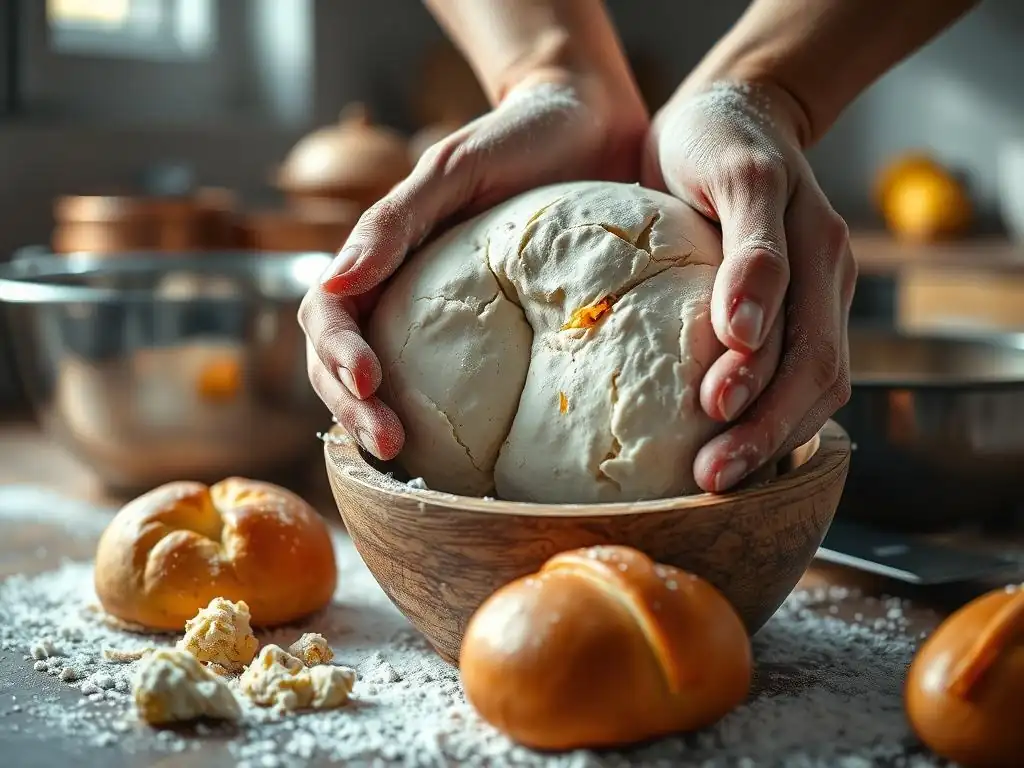
Welcome to BakeWithEase, your trusted guide to baking bliss! Ever wondered why your enriched dough turns out tough instead of tender and fluffy? This week, we're diving deep into the art of handling enriched doughs, especially when it comes to avoiding the dreaded overworked enriched dough recipe. Discover the secrets to achieving that perfect texture, and unlock the potential of your baking. Curious to learn more? Let's get started!
- Introduction: The Delicate Balance of Enriched Dough Baking
- Spotting the Signs of Overworked Enriched Dough
- Why Overworking Ruins Your Enriched Dough Recipe
- Techniques to Prevent Overworking Your Enriched Dough
- Adjusting Your Enriched Dough Recipe to Prevent Overworking
- Saving Overworked Enriched Dough: Rescue Strategies
- Best Practices for Baking with Enriched Dough
- Troubleshooting Common Enriched Dough Problems
- Conclusion: Mastering the Art of Enriched Dough Baking
-
Frequently Asked Questions
- What exactly is enriched dough, and why is it more prone to becoming tough if overworked?
- How can I tell if I'm overworking my enriched dough?
- What are the best mixing techniques to avoid overworking enriched dough?
- Can over-proofing be mistaken for overworking, and how can I distinguish between the two?
- If I accidentally overwork my enriched dough, is there anything I can do to salvage it?
- Final Reflection: The Sweetness of Patience in Baking (and Life)
- Unlock Your Baking Potential: Mastering Dough Enrichment
Introduction: The Delicate Balance of Enriched Dough Baking
Baking with enriched doughs, like brioche or challah, offers a delightful journey into creating incredibly soft, tender, and flavorful breads. Unlike lean doughs made primarily from flour, water, yeast, and salt, enriched doughs contain significant amounts of fats (butter, oil), eggs, and sugar. These additions contribute to a richer taste and a softer crumb, but they also introduce complexities in handling. Achieving that perfect, airy texture requires careful attention, particularly during the mixing phase. One common pitfall that can turn a promising batch into a dense, tough disappointment is overworking the dough.
Understanding how enriched ingredients interact with gluten development is crucial. While gluten is essential for giving bread structure, too much development, especially in the presence of fats and sugars, can lead to undesirable results. This article will guide you through the signs of overworked enriched dough, explain why it happens, and provide practical techniques to avoid this common issue, ensuring your enriched dough recipe yields the soft, beautiful results you desire.
Understanding Enriched Dough: A Baker's Foundation
Enriched doughs are distinct from lean doughs due to the inclusion of ingredients like butter, milk, eggs, and sugar. These additions do more than just add flavor and richness; they significantly impact the dough's structure and handling properties. Butter and other fats coat the gluten strands, inhibiting their formation and resulting in a more tender crumb compared to lean breads like baguette or sourdough. Eggs add protein and fat, contributing to richness and a finer texture, while sugar provides sweetness and also helps retain moisture, keeping the baked good soft.
The challenge with these ingredients lies in their interaction with gluten development. While some gluten is necessary for the dough to hold its shape and rise, the fats and sugars can interfere with the gluten network if not handled correctly. This means that the mixing process requires more finesse than with a simple lean dough. The goal is to develop just enough gluten to create a cohesive, elastic dough capable of trapping gases produced by yeast, but not so much that the fats are fully incorporated in a way that creates excessive toughness.
Why Overworking Enriched Dough Matters
Overworking enriched dough is a primary cause of tough, dense baked goods. Unlike lean doughs, which can often tolerate extensive kneading, the fats and sugars in enriched doughs change the dynamics of gluten development. When you over-knead an enriched dough, the gluten network becomes too tight and strong. The fats, which are meant to tenderize by coating gluten strands, become fully integrated into the overly developed network, losing some of their tenderizing effect.
The result is a dough that is difficult to shape, springs back excessively, and ultimately produces a bread with a heavy, chewy, and often dry texture instead of the desired soft and fluffy crumb. For instance, a brioche recipe typically calls for a significant amount of butter, sometimes up to 50% of the flour weight.
If this dough is overworked, the butter won't contribute to tenderness as intended; instead, the strong gluten structure will dominate, leading to a dense loaf. Avoiding an overworked enriched dough recipe is essential for achieving the signature softness and richness of these types of breads.
Spotting the Signs of Overworked Enriched Dough
Recognizing when your enriched dough has been overworked is key to preventing baking disasters. The signs are often visible and tactile, requiring you to pay close attention to the dough's behavior during mixing and kneading. Learning these indicators will help you stop the process at the right moment, preserving the delicate balance needed for a tender crumb.
Observing the dough's texture and elasticity is crucial. An optimally mixed enriched dough should feel smooth, supple, and elastic, stretching without tearing easily. An overworked enriched dough, on the other hand, will exhibit distinct negative characteristics that signal trouble.
The Texture Test: How Enriched Dough Should Feel
An ideally mixed enriched dough should feel smooth, pliable, and slightly tacky, but it should not stick excessively to your hands or the mixing bowl. When you press it gently, it should bounce back slowly. The texture should be uniform, without lumps or dry patches, indicating that all ingredients, especially fats and sugars, have been properly incorporated without the gluten becoming overly tight.
In contrast, an overworked enriched dough will feel tight, stiff, and potentially greasy. It may resist stretching and feel dense rather than airy or supple. Imagine trying to stretch a very tight rubber band – it requires significant force and might snap. An overworked dough behaves similarly; it feels tough and lacks the characteristic softness expected from an enriched dough recipe containing butter, eggs, and sugar.
Observing Dough Development: Gluten and Elasticity
Monitoring gluten development is vital. As you knead enriched dough, gluten strands form, creating a network that provides structure and elasticity. You can observe this by stretching a small piece of dough. Initially, it will tear easily. As kneading progresses, it will stretch further before tearing. The goal is to reach a point where the dough can be stretched thinly without breaking, passing the windowpane test (which we'll discuss later).
However, with an overworked enriched dough, the gluten network becomes too developed and tight. Instead of stretching smoothly, it might feel overly resistant, snap back immediately when stretched, or even begin to tear and break apart rather than forming a thin membrane. This excessive elasticity and lack of smooth extensibility are clear indicators that the gluten has been overworked, leading to a potentially tough final product from your enriched dough recipe.
Recognizing the Visual Cues: Tearing, Loss of Shine, and Tight Texture
Visual cues are also telling signs of overworked enriched dough. An optimally mixed dough typically has a smooth, slightly shiny surface, especially if it contains butter which adds a sheen. It should look cohesive and relatively relaxed.
An overworked dough often loses this smooth, shiny appearance. Its surface might look dull or even slightly rough. When you try to stretch or shape it, it may tear easily or resist shaping, constantly pulling back into a tight ball. You might even see small tears or a rough texture on the surface if you continue to work it. This visual tightness and lack of smooth flexibility are strong signals that you have likely overworked your enriched dough recipe.
Why Overworking Ruins Your Enriched Dough Recipe
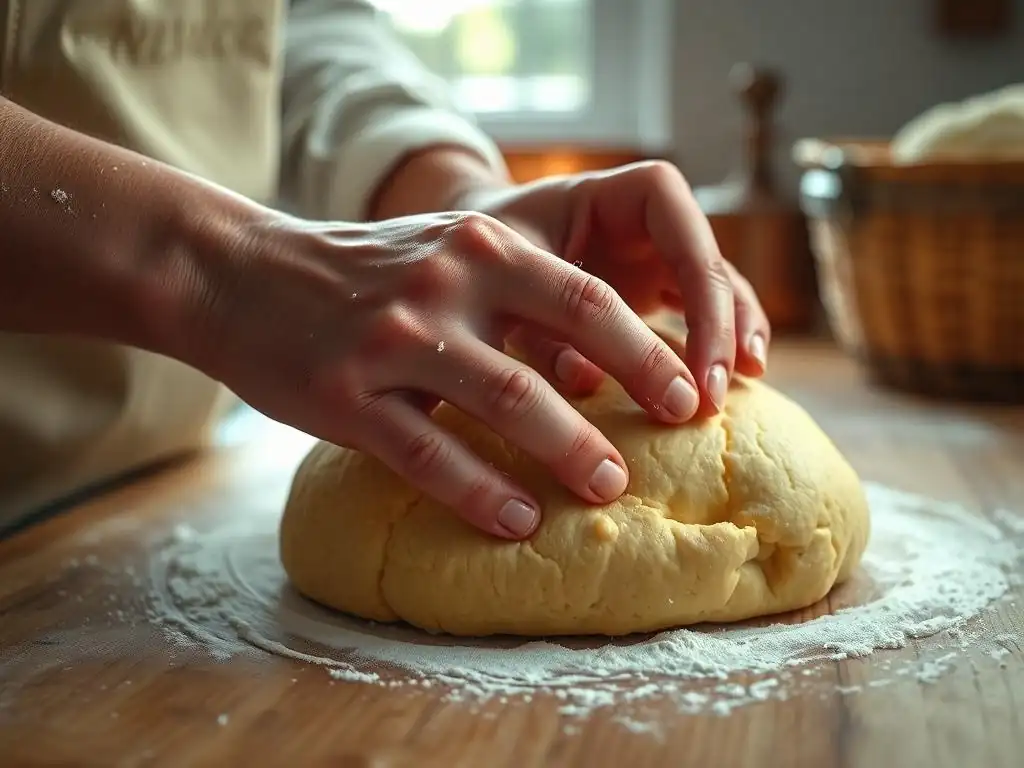
Overworking enriched dough isn't just about a slightly different texture; it fundamentally alters the dough's structure and behavior, leading to a cascade of negative effects on the final baked good. Understanding the underlying reasons provides valuable insight into why gentle handling is paramount for these delicate doughs.
The primary issue stems from excessive gluten development in an environment rich with fats and sugars. These ingredients are meant to tenderize, but aggressive or prolonged mixing can counteract their softening effects, resulting in a tough and unappealing crumb structure.
Gluten Development Gone Too Far: The Science Behind Toughness
Gluten is formed when two proteins, glutenin and gliadin, found in wheat flour, combine with water and are agitated (kneaded). This creates a network of elastic strands that trap gases produced by yeast, allowing the dough to rise and giving bread its structure. In lean doughs, strong gluten development is often desired for a chewy crust and open crumb.
However, in enriched doughs, the fats and sugars partially coat these gluten proteins, inhibiting extensive gluten formation and creating a more tender structure. When you overwork an enriched dough recipe, you force excessive gluten development beyond what is desirable for a soft crumb. The gluten network becomes too strong, tight, and interconnected. This overly robust network dominates the dough's structure, overriding the tenderizing effects of the added fats and sugars and resulting in a tough, rubbery texture in the finished product.
Fat Distribution Issues in Overworked Dough
Fats, particularly butter in recipes like brioche, are added to tenderize the dough by coating gluten strands and shortening them (hence the term "shortening"). This prevents the gluten network from becoming too continuous and strong, contributing to a flaky or tender crumb.
When enriched dough is overworked, the extensive mixing can fully incorporate the fat into the overly developed gluten network. Instead of the fat acting as a barrier between gluten strands, it becomes integrated into the tight structure. This reduces the fat's ability to tenderize effectively. Imagine butter distributed in tiny pockets throughout a moderately developed dough versus butter completely blended into an overly tight, uniform matrix. The latter scenario, often a result of an overworked enriched dough recipe, diminishes the tenderizing benefits of the fat, contributing to toughness.
Impact on Final Product: Texture, Rise, and Flavor
The consequences of overworking an enriched dough are evident in the final baked good. The texture is typically dense, heavy, and tough, lacking the characteristic softness and tenderness expected from breads rich in butter, eggs, and sugar. Instead of a light, airy crumb, you get a compact, sometimes even rubbery interior.
Furthermore, an overworked dough may struggle to rise properly during proofing and baking. The tight gluten network resists expansion, hindering the yeast's ability to inflate the dough with carbon dioxide. This results in a loaf with less volume and a denser crumb structure. While flavor might not be directly ruined, the poor texture significantly diminishes the overall eating experience, making the effort put into using quality ingredients in your enriched dough recipe feel wasted.
Techniques to Prevent Overworking Your Enriched Dough
Preventing an overworked enriched dough recipe requires a conscious approach to mixing and handling. Several techniques can help you achieve optimal gluten development without going too far, ensuring your dough remains tender and pliable.
These methods focus on controlling the speed and duration of mixing, understanding the dough's development stages, and allowing the dough to rest and develop naturally.
Gentle Mixing Methods for Enriched Dough
For enriched doughs, especially those high in fat like brioche, using a stand mixer is common, but the speed and duration are crucial. Start on a low speed to combine ingredients, then increase to a medium-low speed for development. Avoid high speeds, which can rapidly overdevelop gluten. Pay close attention and stop mixing as soon as the dough clears the sides of the bowl and looks relatively smooth.
Alternatively, mixing by hand or using the "stretch and fold" method is excellent for enriched doughs. Hand mixing gives you direct tactile feedback, making it easier to feel the dough's development. Stretch and folds, performed over a period of time with resting periods in between, allow gluten to develop gently and naturally without the mechanical stress of continuous kneading, greatly reducing the risk of an overworked enriched dough recipe.
The Importance of Autolyse in Enriched Dough Recipes
Autolyse is a technique where flour and water (or other liquids like milk) are mixed together and allowed to rest before other ingredients like yeast, salt, and fats are added. This resting period, typically 20-60 minutes, allows the flour to fully hydrate and enzymes to begin developing gluten naturally without any kneading.
Implementing an autolyse phase in your enriched dough recipe can significantly reduce the required kneading time. Since some gluten development occurs during the rest, you need less mechanical action to reach the desired strength. This minimizes the window for potential overworking, making it easier to achieve a soft and extensible dough.
Mastering the Windowpane Test for Enriched Dough
The windowpane test is a classic method to check for sufficient gluten development. Take a small piece of dough and gently stretch it between your fingers. If you can stretch it thinly enough to see light through the middle without it tearing, it has developed enough gluten to form a strong, elastic network capable of trapping gases.
For enriched doughs, you are typically looking for a slightly weaker windowpane than for lean doughs. Because fats interfere with gluten formation, the dough might not stretch quite as thinly or might tear slightly sooner. The key is to stop kneading as soon as it passes the windowpane test, or even slightly before, rather than continuing to develop it further. This prevents creating an overworked enriched dough recipe.
Bulk Fermentation: Allowing Dough to Develop Naturally
Bulk fermentation, the first rise after mixing, is a critical period where the dough develops flavor, texture, and strength. During this time, enzymes continue to work, and the dough's structure matures. Performing a few sets of stretch and folds during bulk fermentation can further develop gluten gently without intensive kneading.
Allowing sufficient time for bulk fermentation, while monitoring the dough's size and feel, is important. However, letting the dough ferment for too long can also contribute to issues, although distinct from mechanical overworking. The crucial point here is that gentle handling and natural development during bulk fermentation are preferred over aggressive mixing upfront. Combining gentle mixing with proper bulk fermentation minimizes the risk of an overworked enriched dough recipe and contributes to a better final texture.
Adjusting Your Enriched Dough Recipe to Prevent Overworking
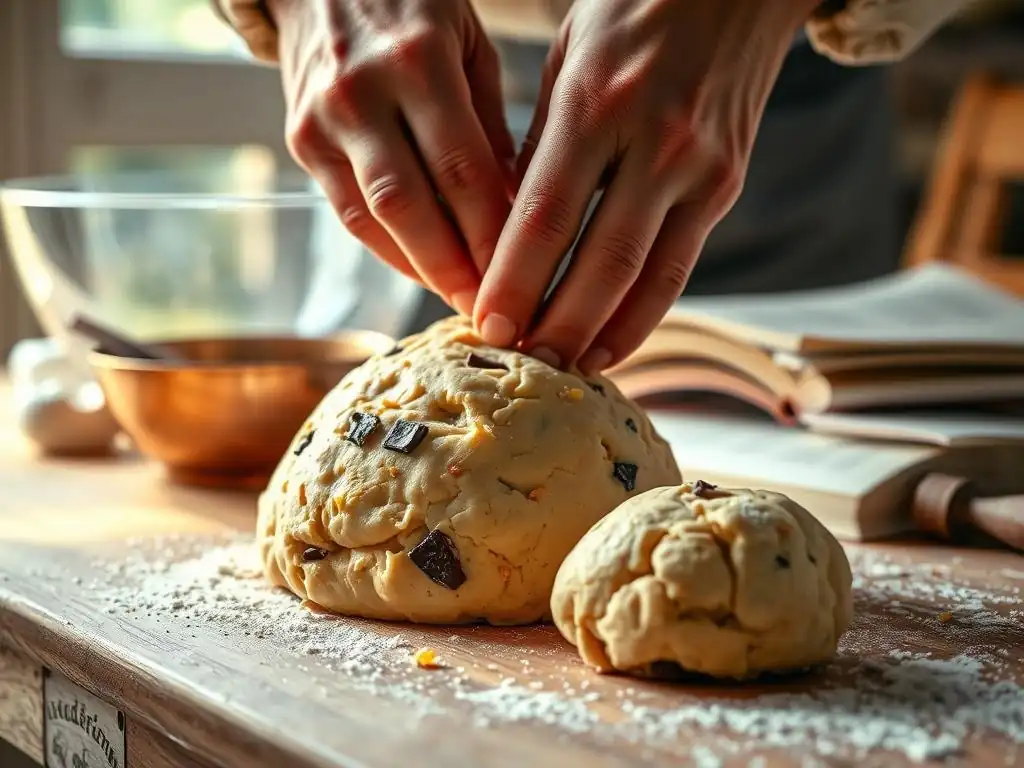
Sometimes, the potential for an overworked enriched dough recipe is influenced by the recipe itself. Understanding how ingredient ratios and the method of incorporating fats and hydration levels impact gluten development can help you anticipate potential issues and make minor adjustments if needed.
While you should always follow a recipe closely the first time, being aware of these factors provides insight into why certain steps are recommended and how they help manage gluten development in the presence of enriching ingredients.
Ingredient Ratios: Finding the Right Balance
The ratio of flour to liquids (milk, eggs) and fats (butter, oil) significantly affects dough handling and gluten development. Recipes with a higher percentage of fat and sugar naturally develop gluten more slowly and require less kneading. For example, a brioche dough with 50% butter by flour weight will require much less mechanical kneading than a challah with 10% oil.
If you find a particular enriched dough recipe consistently leads to a tough result despite careful mixing, consider if the ratios might be pushing towards excessive gluten potential for the desired outcome. While modifying ratios requires experience, understanding that higher fat/sugar content means less gluten development is needed is a fundamental principle for avoiding an overworked enriched dough recipe.
Incorporating Fats Correctly: A Key to Softness
The method and timing of adding fat are crucial in enriched dough recipes. Often, butter is added gradually, piece by piece, after the initial gluten development has occurred. This technique allows some gluten structure to form first, and then the fat is incorporated to shorten and tenderize that structure.
Adding all the fat at the beginning can coat the flour proteins too effectively, inhibiting initial gluten formation and potentially requiring longer mixing to achieve any structure, which paradoxously increases the risk of overworking once the gluten does start to develop. Adding fat too late, or too quickly, might also lead to uneven distribution. Following the recipe's specific instructions for fat incorporation is vital for achieving the desired tender crumb and preventing an overworked enriched dough recipe.
Hydration Levels: Ensuring a Smooth Dough
Hydration level (the ratio of liquid to flour) also plays a role. A dough with higher hydration is typically stickier but more extensible and easier to handle gently, which can help prevent overworking. A very low hydration dough can be stiff and might require more force or time to knead, increasing the risk of developing a tight gluten structure.
Enriched doughs often have moderate to high hydration due to eggs and milk. Ensuring you use the correct amount of liquid specified in the recipe is important. If the dough feels excessively dry or stiff early in the mixing process (assuming accurate measurement), a tiny splash more liquid might help achieve a smoother consistency that is less prone to becoming an overworked enriched dough recipe. However, add liquids cautiously, as too much can make the dough difficult to handle.
Saving Overworked Enriched Dough: Rescue Strategies
Even with the best intentions, sometimes you might realize you've overworked your enriched dough. Don't despair immediately! While a severely overworked dough is challenging to fully salvage, there are a few strategies you can attempt to mitigate the damage and potentially produce a more acceptable result than simply throwing it away.
These techniques aim to relax the tight gluten network or reintroduce elements that can help tenderize the dough. Success depends on how severely the dough has been overworked.
The Rest and Relax Approach: Allowing Gluten to Relax
The simplest and often most effective first step is to give the dough a long rest. Gluten strands tighten when worked. Allowing the dough to rest undisturbed provides time for these strands to relax and become less tense.
Place the overworked enriched dough in a lightly oiled bowl, cover it tightly, and refrigerate it for at least a few hours, or preferably overnight. The cold temperature further slows down any fermentation and encourages gluten relaxation. While this won't undo the overdevelopment, it will make the dough more pliable and easier to handle, potentially leading to a slightly less tough result from your overworked enriched dough recipe attempt. After resting, let it come to room temperature slightly before attempting to shape.
Adding More Fat: Reintroducing Moisture and Tenderness
If the dough feels particularly dry and tight, incorporating a small amount of additional fat (like softened butter or oil, depending on the recipe) might help. Knead or fold in a tablespoon or two of fat very gently. The added fat can help coat the overly developed gluten strands, reintroducing some of the tenderness that was lost.
This technique requires careful handling, as you don't want to work the dough further. The goal is just to incorporate the fat minimally. This approach can sometimes improve the texture of an overworked enriched dough recipe, making it slightly more tender, though it won't fully restore the ideal crumb structure.
Combining with Fresh Dough: A Last Resort Technique
If you have the ingredients and time, mixing the overworked dough with a batch of freshly mixed, underworked dough can sometimes balance things out. Prepare a new, smaller batch of the same enriched dough recipe, but stop mixing slightly earlier than recommended.
Then, gently fold or layer the overworked dough with the underworked dough. The idea is that the less developed gluten in the fresh dough will compensate for the overly developed gluten in the troubled batch. This is a gamble and might result in an uneven texture, but it's a potential way to salvage at least some of your ingredients if the overworked enriched dough recipe is otherwise unsalvageable.
Best Practices for Baking with Enriched Dough
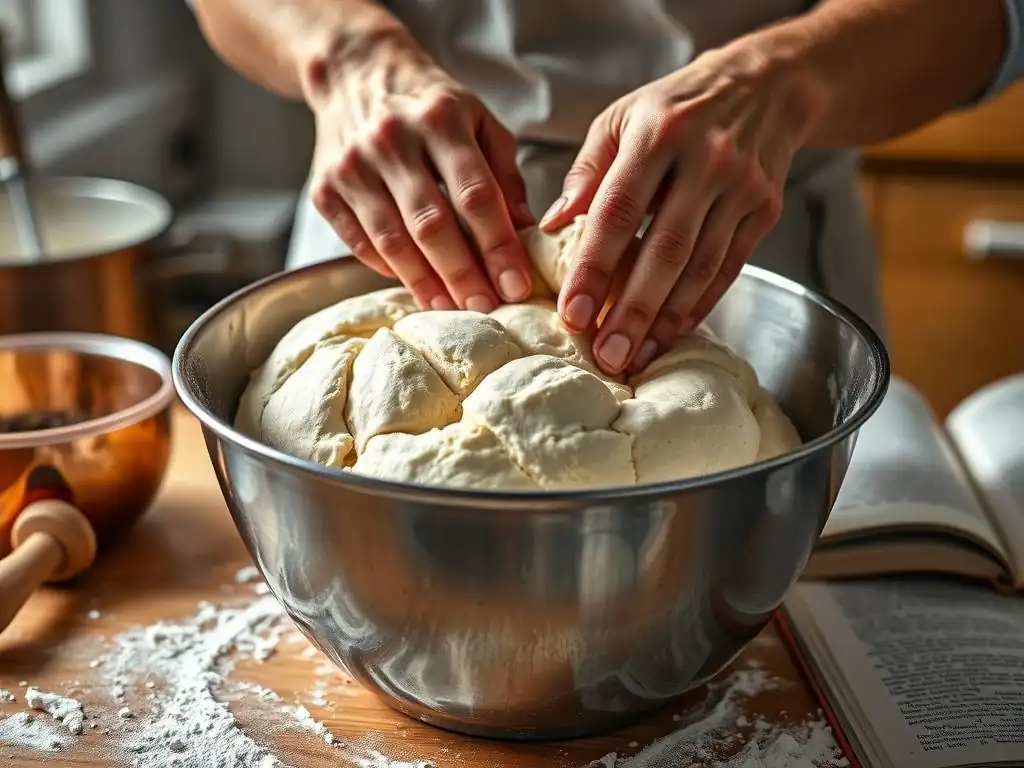
Beyond mixing, several steps during the baking process are crucial for ensuring your enriched dough recipe achieves its full potential in terms of texture and rise. Even a perfectly mixed dough can be compromised by improper handling later on.
Paying attention to temperature, proofing, and gentle handling will complement your efforts in avoiding an overworked enriched dough recipe and contribute to a superior final product.
Temperature Control: Maintaining Dough Temperature
Enriched doughs, especially those high in butter, are sensitive to temperature. Butter needs to remain somewhat firm during the initial mixing stages to help with dough structure, but soft enough to incorporate. If the dough gets too warm during mixing (e.g., from friction in a mixer or a warm kitchen), the butter can melt, resulting in a greasy dough that is harder to handle and can negatively impact texture.
Maintaining a cool dough temperature (ideally around 75-80°F or 24-27°C) throughout mixing and bulk fermentation is beneficial. Chilling the dough after mixing, especially before shaping, makes it much easier to handle, particularly for intricate shapes like braids or rolls. This controlled temperature environment helps prevent the dough from becoming slack and unmanageable, reducing the temptation to overwork it during shaping.
Proper Proofing: Achieving Optimal Rise
Proofing, the final rise before baking, is where the dough expands significantly due to carbon dioxide production by yeast. Enriched doughs often require longer proofing times than lean doughs due to the presence of fats and sugars, which can slow down yeast activity slightly.
Proper proofing is essential for a light and airy texture. Underproofed dough will result in a dense loaf with poor volume, potentially mistaken for an overworked enriched dough recipe issue. Overproofed dough can collapse in the oven. The key is to proof until the dough is visibly expanded and springs back slowly when gently poked (the "poke test"). This allows the gluten network, developed correctly during mixing, to fully expand and hold the gas created by the yeast.
Gentle Handling During Shaping: Preventing Gluten Damage
Once your dough has been mixed and proofed, handle it gently during shaping. The gluten network is developed; aggressive handling, punching down too hard, or excessive stretching can damage this network and negate your earlier efforts to avoid an overworked enriched dough recipe.
Turn the dough out gently, divide it as needed, and shape it with minimal force. If the dough resists stretching or springs back excessively during shaping, cover it and let it rest for 10-15 minutes (a mini-autolyse or "bench rest"). This allows the gluten to relax, making the dough more pliable and easier to shape without stressing the network. This gentle approach is key to preserving the tender crumb texture.
Troubleshooting Common Enriched Dough Problems
Even when following best practices, issues can arise when working with enriched dough. Recognizing the symptoms and understanding their potential causes, including the possibility of an overworked enriched dough recipe, will help you diagnose and improve your technique for future bakes.
Many common problems like dense texture, poor rise, or tearing during shaping can point back to issues during the mixing phase, particularly overworking.
Dough Ripping During Shaping: Causes and Solutions
If your enriched dough rips or tears easily when you try to shape it, it's a strong indicator that the gluten network is too tight. This is a classic sign of an overworked enriched dough recipe or insufficient rest periods.
- Cause: Overdeveloped/tight gluten from overmixing or insufficient rest after mixing/bulk fermentation.
- Solution: Stop shaping immediately. Cover the dough and let it rest for 10-20 minutes (bench rest) to allow the gluten to relax. Try shaping again gently. If it still tears, the dough is likely significantly overworked. For future bakes, reduce mixing time and ensure adequate rest periods.
Dense and Under-Risen Baked Goods: Overworking as a Potential Culprit
A baked enriched bread or pastry that is dense, heavy, and hasn't risen as much as expected can have several causes, but overworking is a frequent one.
- Cause: An overly tight gluten network from an overworked enriched dough recipe restricts the dough's ability to expand during proofing and oven spring. Other causes include inactive yeast or underproofing.
- Solution: If the dough was tight and difficult to handle before baking, overworking is likely the issue. Ensure you stop mixing as soon as the dough passes the windowpane test (or slightly before). Verify your yeast is active and check your proofing time and temperature. A dense result from an overworked dough is hard to fix post-bake.
Achieving a Soft and Tender Crumb: Avoiding Overworking
The hallmark of a successful enriched dough recipe is a soft, tender, and sometimes slightly flaky crumb. If your results are consistently chewy or tough, the culprit is likely overdevelopment of gluten.
- Cause: Overworking the dough during the mixing phase, leading to an excessively strong gluten network that overrides the tenderizing effects of fats and sugars.
- Solution: Focus on stopping the mixer or hand kneading as soon as the dough becomes smooth and passes a gentle windowpane test. Use lower mixing speeds. Consider incorporating an autolyse phase. Ensure fats are added correctly as per the recipe. Mastering the "feel" of properly developed enriched dough is key to preventing an overworked enriched dough recipe and achieving that desirable soft crumb.
Conclusion: Mastering the Art of Enriched Dough Baking
Baking with enriched doughs offers the reward of incredibly delicious and tender breads and pastries. However, achieving that perfect soft crumb requires understanding the unique properties of these doughs and, most importantly, knowing when to stop mixing. Overworking enriched dough is a common mistake that leads to tough, dense results, undoing the benefits of using rich ingredients like butter, eggs, and sugar.
By learning to recognize the signs of overworked enriched dough – its tight, resistant texture, lack of smooth stretch, and dull appearance – you gain the ability to intervene before it's too late. Implementing techniques like gentle mixing, utilizing autolyse, mastering the windowpane test specifically for enriched doughs, and allowing sufficient bulk fermentation are crucial preventative measures. Paying attention to ingredient ratios, correct fat incorporation, and hydration levels further refines your approach.
The Key Takeaways: Preventing Overworked Enriched Dough Recipe Disasters
Successfully baking enriched doughs hinges on managing gluten development. Remember these key points:
- Enriched doughs contain fats, eggs, and sugar that tenderize the crumb but make them sensitive to overmixing.
- An overworked enriched dough recipe results in a tight, tough dough and a dense, heavy baked good.
- Look for visual and tactile signs: tight texture, resistance to stretching, tearing, and loss of shine.
- Use gentle mixing methods and stop as soon as the dough is smooth and passes a gentle windowpane test.
- Consider techniques like autolyse to reduce kneading time.
- Handle dough gently during shaping and allow adequate rest if it resists.
- While some rescue strategies exist for an overworked dough, prevention is the best approach for a perfect enriched dough recipe.
Mastering enriched dough takes practice, but by focusing on avoiding the pitfall of overworking, you are well on your way to baking consistently soft, tender, and delicious creations.
Further Resources: Expanding Your Enriched Dough Knowledge
To deepen your understanding and explore more complex enriched dough recipes, consider exploring resources that detail specific techniques for brioche, challah, babka, and other enriched breads. Learning about the specific roles of different types of flour, yeast variations suitable for enriched doughs, and the science behind sugar and fat interactions can further enhance your baking skills.
Look for detailed guides on specific enriched dough recipe types that provide step-by-step mixing instructions and visual cues for proper development. Practice is key – the more you work with enriched dough, the better you will become at feeling when it is perfectly developed, ensuring you avoid an overworked enriched dough recipe every time.
Frequently Asked Questions
What exactly is enriched dough, and why is it more prone to becoming tough if overworked?
Enriched dough contains added fats (butter, oil), sugars, and sometimes eggs. Overworking develops too much gluten, leading to a dense, tough texture, counteracting the desired soft and tender results.
How can I tell if I'm overworking my enriched dough?
Signs include a tight, resistant dough, becoming difficult to stretch, and a loss of elasticity. It might also feel tough and spring back quickly when pressed.
What are the best mixing techniques to avoid overworking enriched dough?
Use a stand mixer on low speed or mix by hand until ingredients are just combined. Avoid prolonged kneading; aim for a shaggy dough that will develop further during bulk fermentation.
Can over-proofing be mistaken for overworking, and how can I distinguish between the two?
While both can lead to undesirable textures, over-proofing results in a deflated dough with a sour smell. Overworked dough is primarily tight and dense even before proofing.
If I accidentally overwork my enriched dough, is there anything I can do to salvage it?
Unfortunately, there's not much you can do to reverse the gluten development. However, you can try a longer bulk fermentation to relax the gluten slightly, though the final result might still be tougher than intended.
Final Reflection: The Sweetness of Patience in Baking (and Life)
The struggle with overworked enriched dough isn't just a baking problem; it's a metaphor for our relentless pursuit of immediate results in a world that demands patience. Ignoring the delicate balance required for a perfect rise leads to a dense, disappointing loaf – a parallel to the frustration we experience when we rush through life's important processes. The lessons learned from kneading enriched dough translate directly to achieving our goals with grace and intention.
The impact of this seemingly simple baking technique extends far beyond the kitchen. Our culture often glorifies hustle and grind, pushing us to constantly strive for more, faster. This relentless pressure can lead to burnout and ultimately, a less fulfilling outcome. Slow down and savor the journey; the destination will be sweeter.
This quote perfectly encapsulates the essence of what we've explored: that true success often requires a mindful approach, allowing for the necessary time and care to achieve optimal results.
Now, consider your own "dough." What areas of your life are you rushing? Where are you sacrificing quality for speed? I invite you to reflect on this, to embrace the beauty of the slow rise, the gentle knead, and the patient wait. Remember, the most rewarding achievements are often the ones that are carefully nurtured, not forced. Take your time, trust the process, and savor the sweetness of a perfectly risen life.
Unlock Your Baking Potential: Mastering Dough Enrichment
Thanks for taking the time to learn about enriched doughs! You now have the knowledge to avoid common pitfalls and create truly amazing baked goods. Ready to put your newfound skills to the test?
- Bake your best loaf yet! Try the recipe from the article, focusing on the techniques discussed for optimal results. Note your observations – you'll be surprised at the difference!
- Share your baking journey! Post a picture of your creation on social media and tag us – we'd love to see your success!
- Explore our other enriched dough recipes on the site – you might discover a new favorite!
What unique twist will you add to your next enriched dough creation? Let's discuss in the comments!